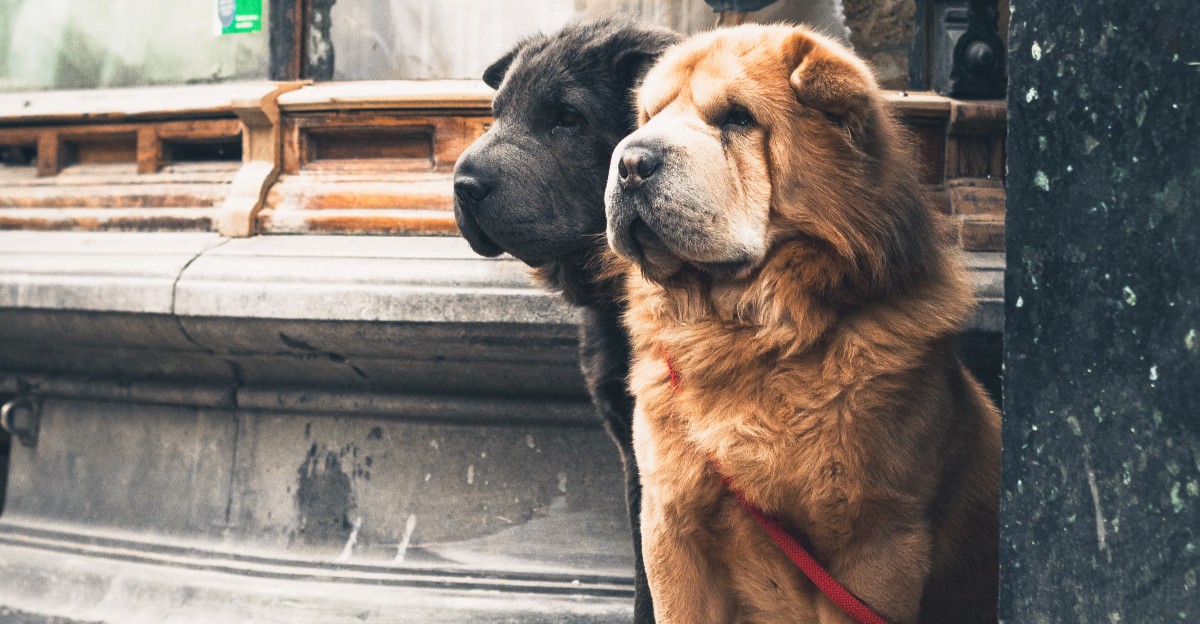
Every dog needs guidance, structure, and patience. When people skip training or social time, even friendly breeds can get pushy or protective in the wrong ways.
Learning which breeds need extra practice helps families plan better. With the right support, most dogs can grow into safe, confident friends.
American Pit Bull Terrier
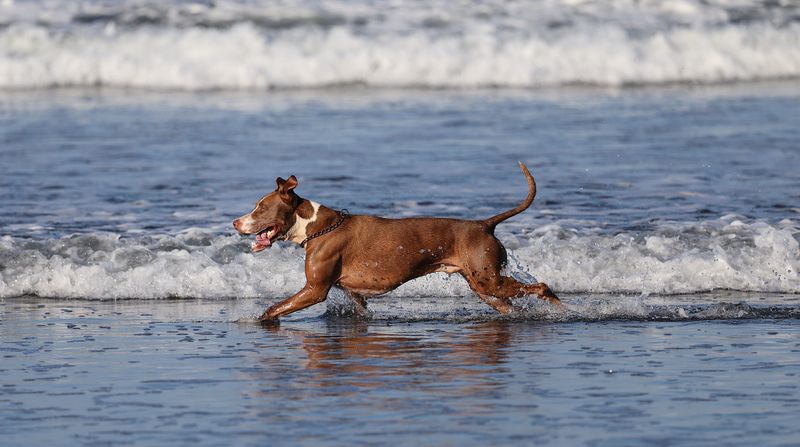
With a grin that stretches ear to ear, many pitties just want to play. Strong bodies and high drive mean boundaries matter.
Without early social time and clear rules, rough play can turn into guarding or reactivity, especially around other dogs.
Daily exercise, structured games like tug with rules, and reward-based training help channel energy. Use a sturdy harness, practice calm greetings, and teach a rock-solid recall.
Consistency builds trust and safety for everyone.
Rottweiler
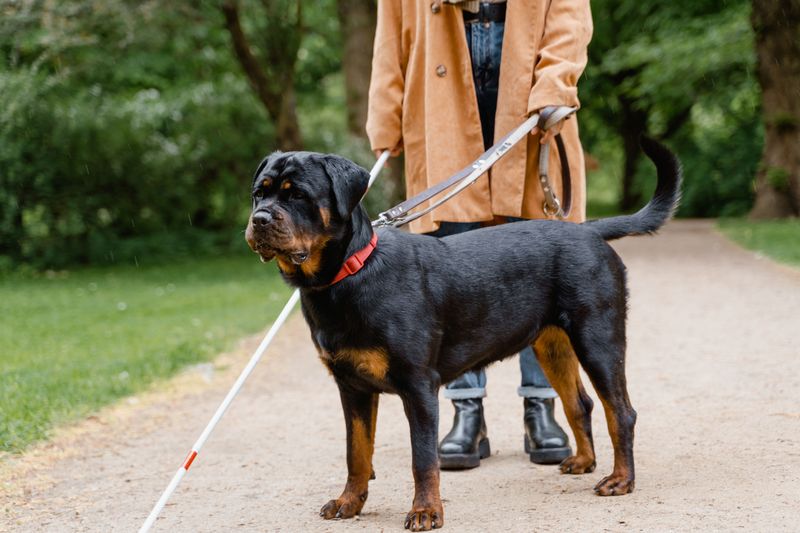
A Rottweiler often watches everything like a careful guard. That steady focus can be great, but without guidance it may grow into pushy behavior or resource guarding.
Limited social time can make strangers or new dogs feel suspicious to them.
Start young with positive classes and short, friendly visits to safe places. Teach impulse control, like waiting at doors and settling on a mat.
Keep training short, upbeat, and fair to shape a reliable partner.
German Shepherd
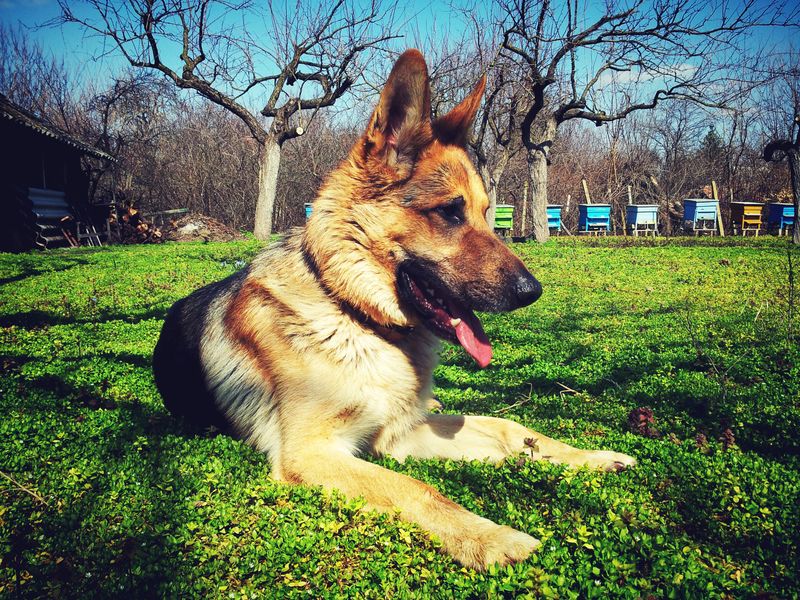
Born to think and work, many German Shepherds buzz with purpose. Boredom can turn sharp minds into edgy behavior, like pacing or barking at passersby.
Uneven social time may also make them overprotective at home or wary in busy places.
Give daily jobs: scent games, structured fetch, and obedience. Reward calm choices, not just flashy moves.
Practice neutral exposure to people and dogs at a distance first, then close in as confidence grows.
Doberman Pinscher
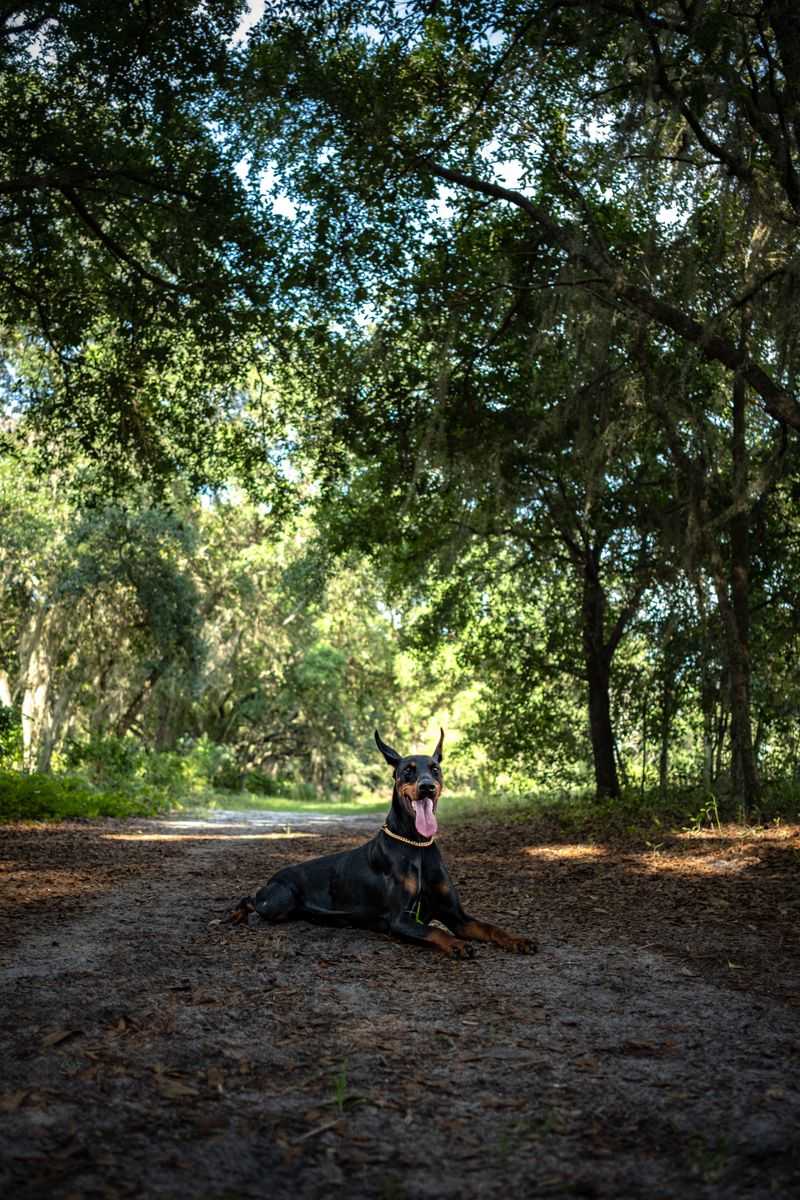
Like a fast sports car, a Doberman responds quickly to every signal. Quick reactions are useful, but without direction they may overreact to noise or movement.
Lack of calm practice can lead to jumping, nipping, or guarding doorways.
Build daily routines that reward patience. Teach place training, loose-leash walking, and quiet check-ins.
Use mental puzzles and short obedience sets to focus that speed. Gentle, steady coaching turns quick energy into polished manners.
Akita
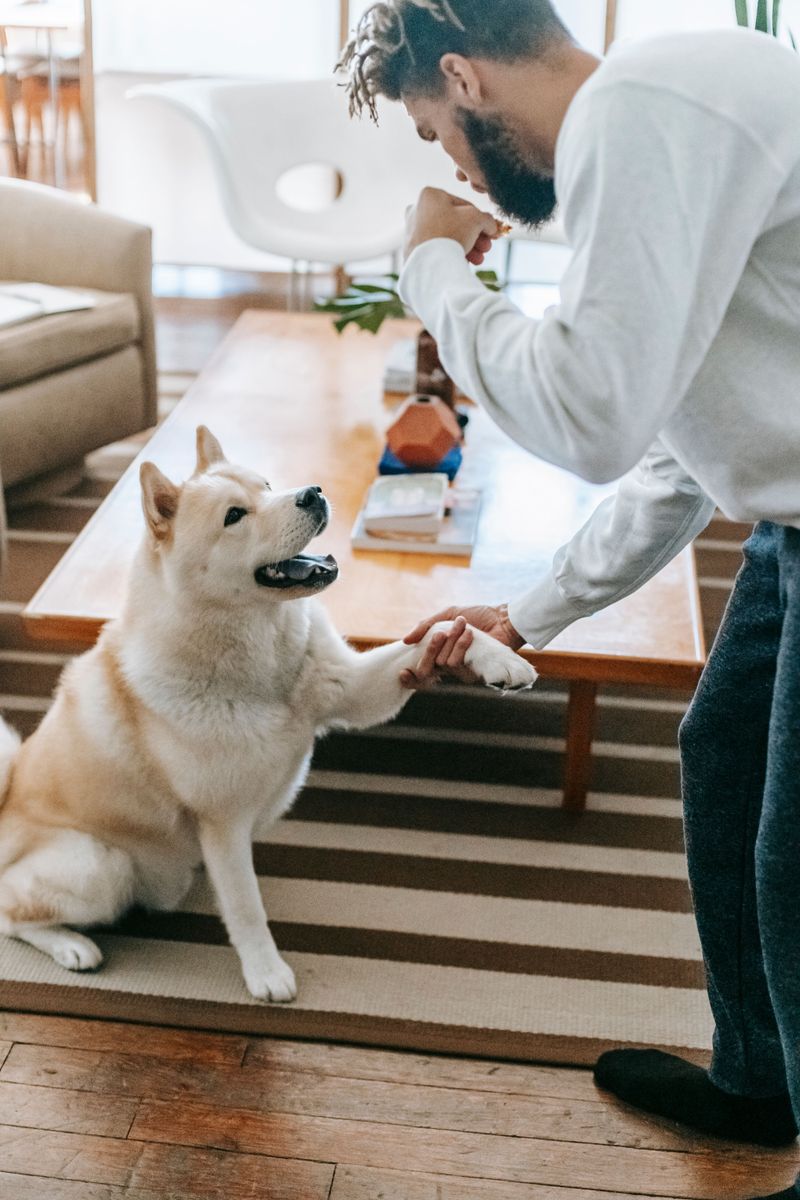
With a royal air, Akitas often prefer a small circle of trusted people. Limited tolerance for rude dog greetings can spark conflict if social skills are ignored.
Poor training may allow stubborn habits and guarding of space or family.
Short, calm sessions work best. Teach clear cues, reward soft eyes and relaxed posture, and avoid crowded off-leash parks.
Use a long line for safe practice and guide polite, brief introductions with plenty of distance.
Chow Chow
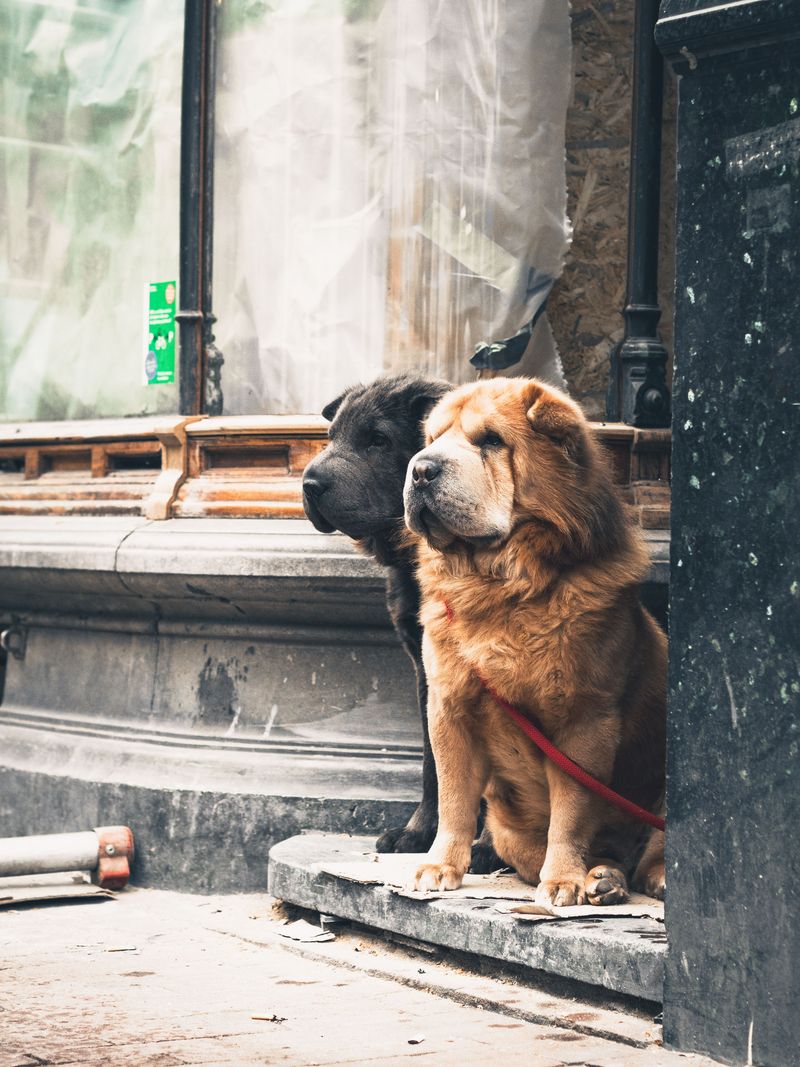
People admire that teddy-bear coat, but the Chow Chow can be quite reserved. When body handling is rushed or forced, they may protest.
Skipping social time often leads to stiff greetings and guarding of personal space.
Pair grooming with snacks so touch feels good. Keep introductions short and calm, then end on a happy note.
Teach a chin rest for vet visits and a hand target for friendly movement. Slow and steady wins trust.
Cane Corso
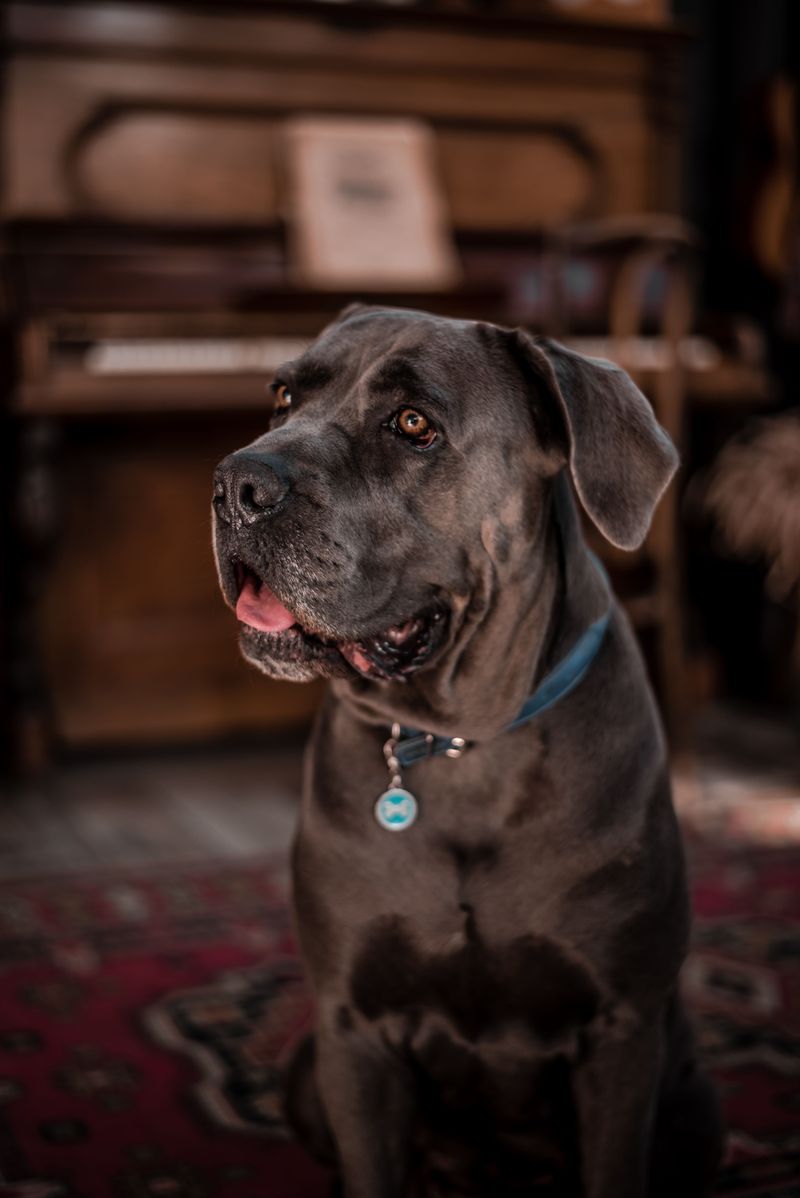
Big presence, bigger heart, the Cane Corso often bonds deeply with family. Without leadership that is kind and consistent, pushy habits can grow.
Poor social exposure may create reactivity toward visitors or unknown dogs.
Focus on leash skills, neutrality around strangers, and calm door routines. Reward the dog for looking away from triggers and choosing you.
Mix exercise with brain games, like scent boxes and platform work, to drain stress and build self-control.
Dogo Argentino
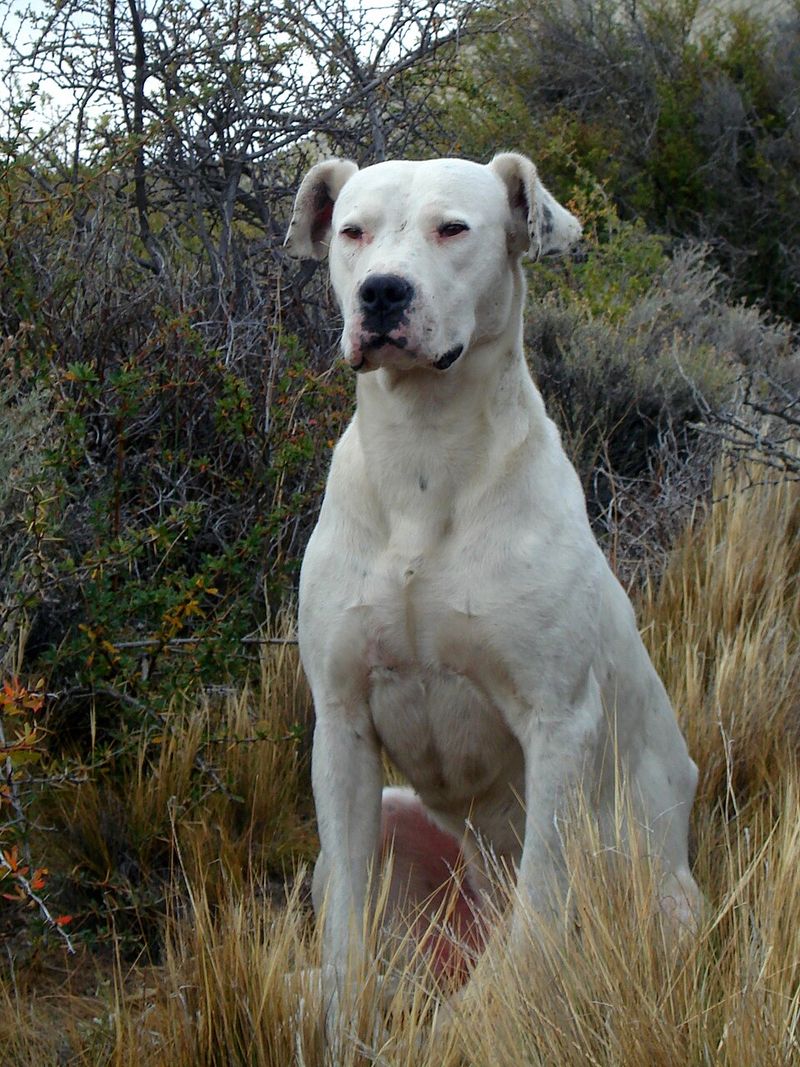
Bred for tough work, the Dogo Argentino has grit. That determination, without structure, can slide into chasing, pulling, or confrontations with other dogs.
Limited recall training often shows when excitement rises.
Build a powerful come-when-called using long lines and high-value rewards. Practice neutrality near dogs at safe distances.
Add impulse games, like sit before play, and end sessions while the dog still wants more. Clear rules and kindness turn drive into reliability.
Belgian Malinois
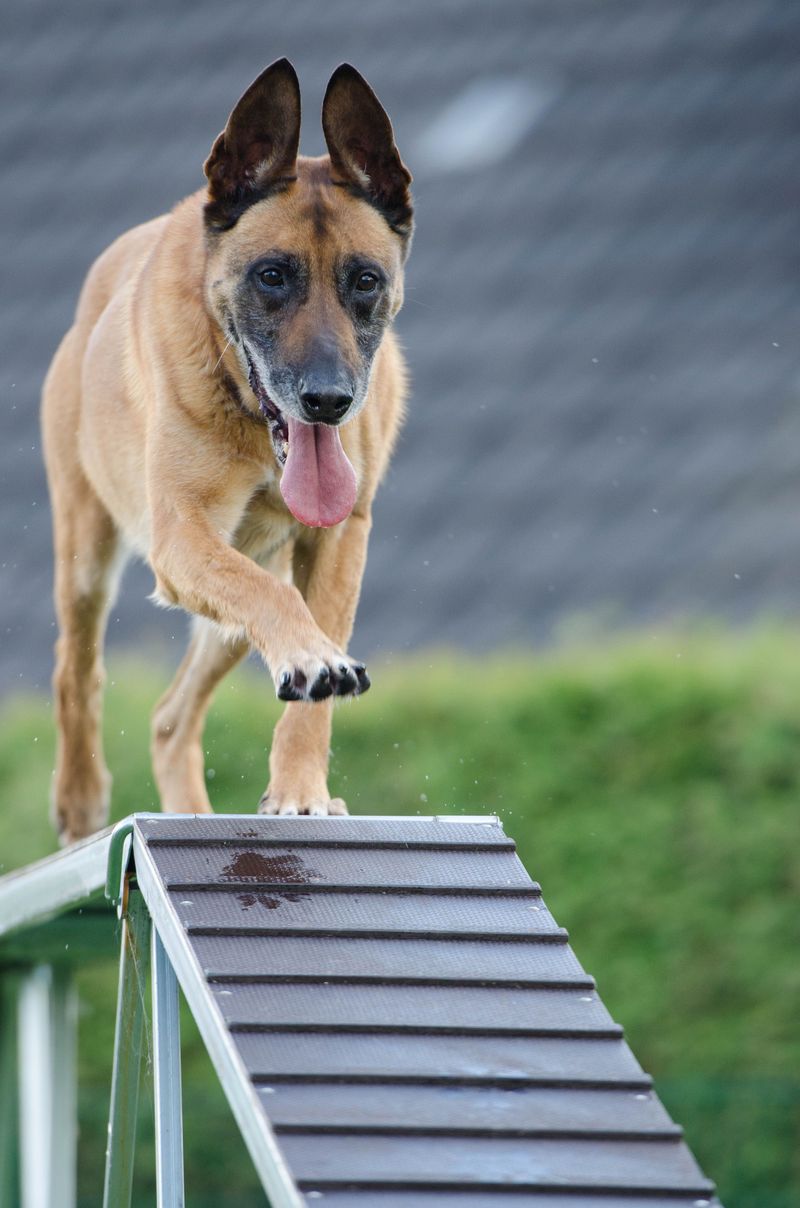
Endless energy is the Malinois signature. Without a job, that spark can ignite into nipping heels, frantic spinning, or guarding toys.
Over-arousal is common when outlets are missing.
Schedule daily tasks: tug with rules, scent searches, and short training bursts. Reinforce calm in a crate or on a mat between activities.
Use clear markers, fair rewards, and smooth handling to guide precision. A busy brain plus steady structure makes a safe sport star.
Bullmastiff
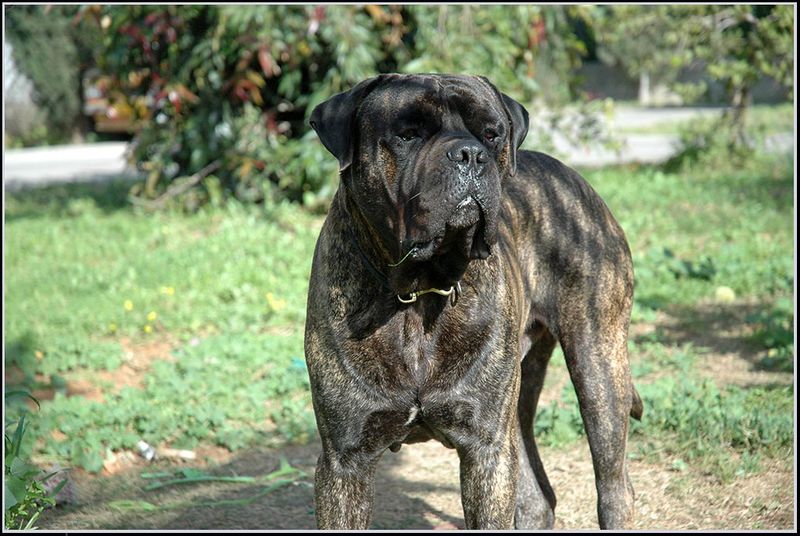
Quiet power sums up the Bullmastiff. Laid-back at home, they can still guard boundaries if training is loose.
If social visits are rare, strangers at the door may feel like a problem to solve.
Teach friendly door routines, like going to a mat for snacks when the bell rings. Practice collar handling and trades for toys.
Keep walks relaxed and reward check-ins. Consistent, low-drama coaching helps this giant choose calm over conflict.