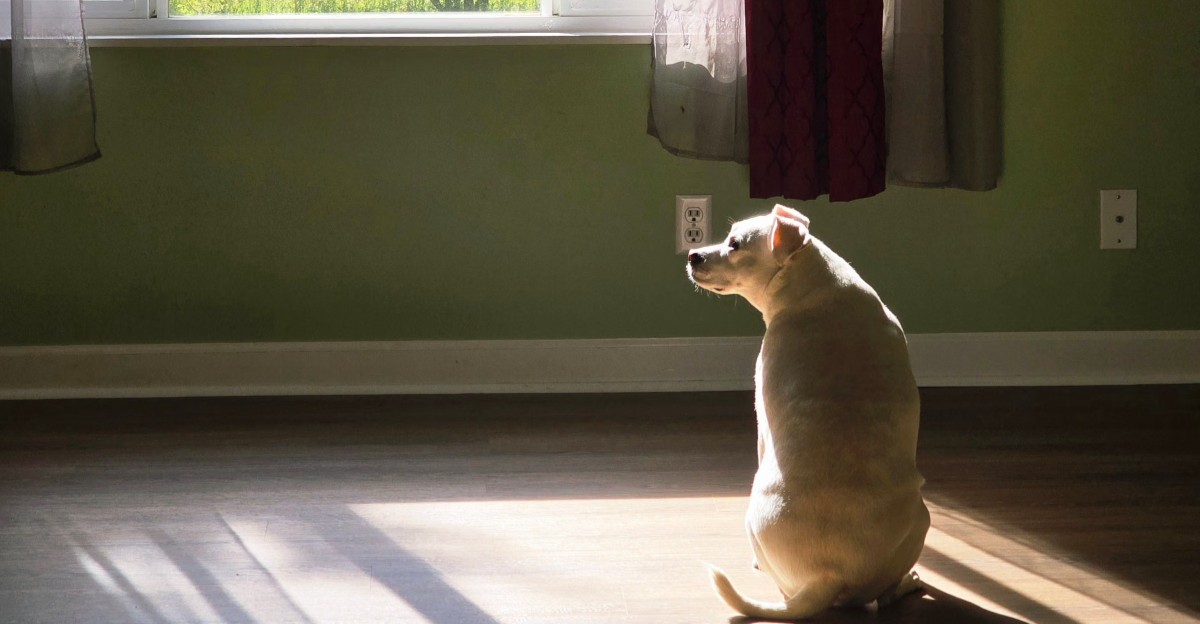
Life gets noisy, and many dogs answer with loud barks. Windows, doorbells, and random sounds can turn a calm day into a chorus.
Small changes at home and in your routine can ease that stress. Try a few of these ideas to help your dog relax and feel safe.
Cover the view with window film
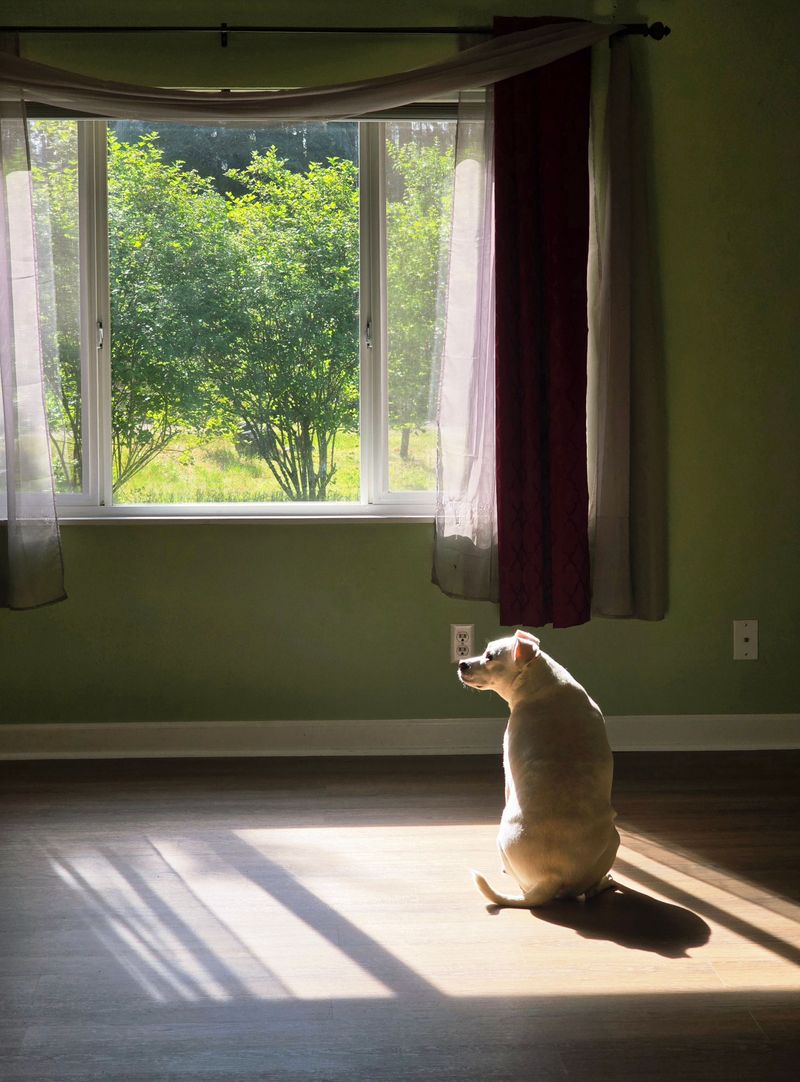
Your dog cannot bark at what they cannot see. Frosted window film or curtains reduce passing triggers like mail carriers and squirrels.
Light still gets in, but the constant motion outside stops grabbing attention.
Pair the change with calm rewards. When your dog looks away from the window, drop a treat on their bed.
Over time, the window becomes boring, and the bed becomes the better choice.
Teach a quiet cue that pays well
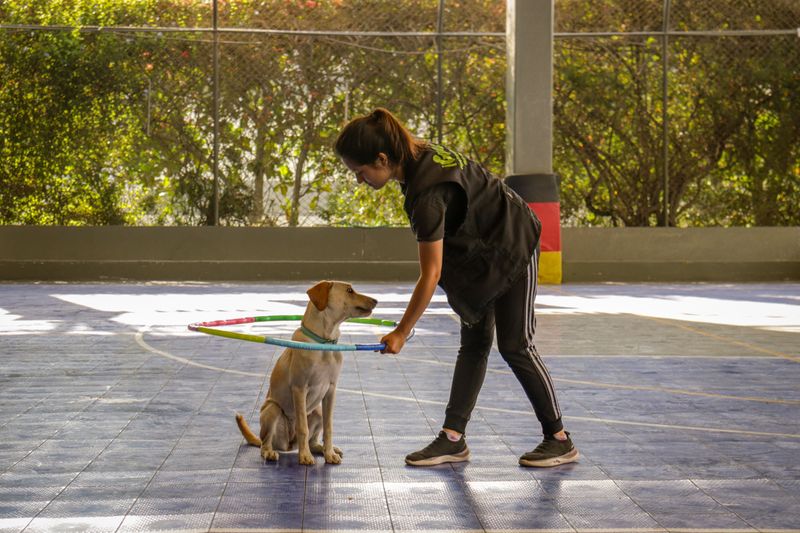
Short and sweet works. Say quiet in a calm voice right after a bark, then wait two seconds of silence and pay with a treat.
Add seconds over days. Your timing is the secret sauce.
Practice during low-stress times first. If your dog is too excited, step back to easier setups.
Use tiny, tasty rewards so silence feels rewarding. Soon, quiet becomes a skill they understand.
Build a go-to mat routine

Picture a parking spot for calm. Teach your dog to go to a mat when sounds happen.
Lure them onto the mat, say yes, and pay generously. Feed tiny snacks while they stay settled.
Next, add mild noises or a soft knock and reward staying on the mat. If they pop up, reset gently and make it easier.
With practice, the mat becomes a calm magnet.
Shift furniture away from lookout spots
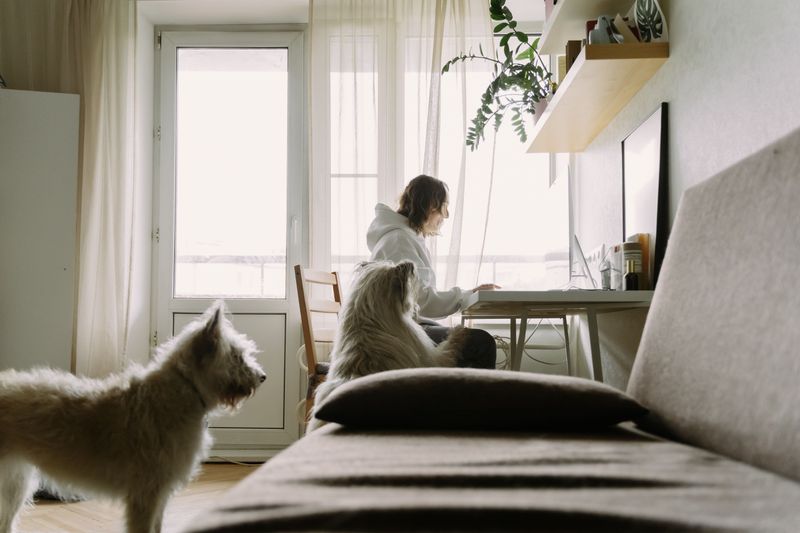
Scouting towers invite barking. Sofas, benches, and window seats give your dog a front-row view of every stranger.
Slide furniture a few feet back and block the climb with a low table or plant stand.
Then make the new spot worth it. Place a comfy bed in a quieter area and sprinkle a few treats there daily.
When the view fades, the urge to sound the alarm often fades too.
Mask sounds with white noise

Tiny sounds can feel huge to sensitive ears. A fan, white noise machine, or soft instrumental music smooths sharp noises like delivery trucks or hallway footsteps.
Consistent sound helps your dog predict the environment.
Test different volumes and tracks. Start during calm times so the sound feels normal, not like a warning.
Pair with chews or a stuffed toy to link steady noise with relaxation and comfort.
Desensitize the doorbell with games
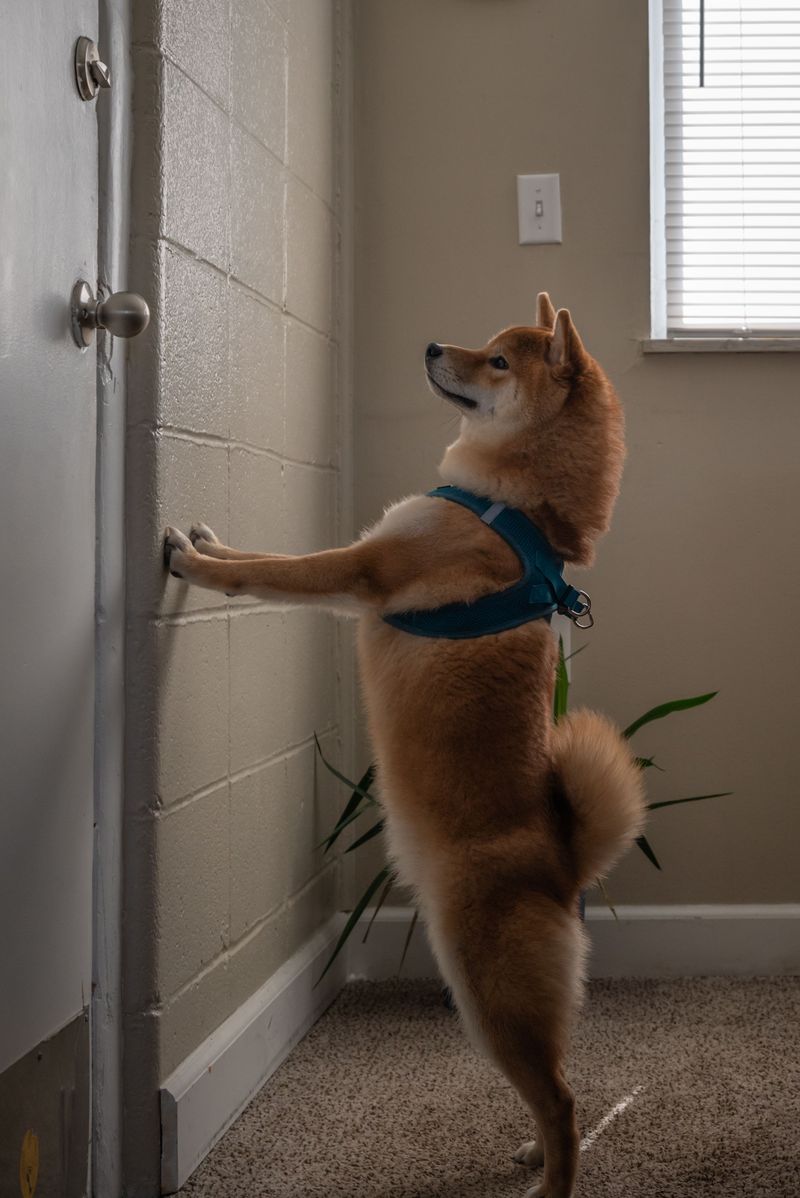
Doorbells can feel like sirens. Play a quiet recording of the bell, then rain treats on the floor.
Bell equals snacks becomes the new story. Slowly raise the volume across sessions, not all at once.
Mix in easy cues like sit on the mat, then pay big. If barking returns, lower the volume again.
Consistency builds confidence, and visitors stop being a jump-scare moment.
Stack exercise and sniff walks earlier
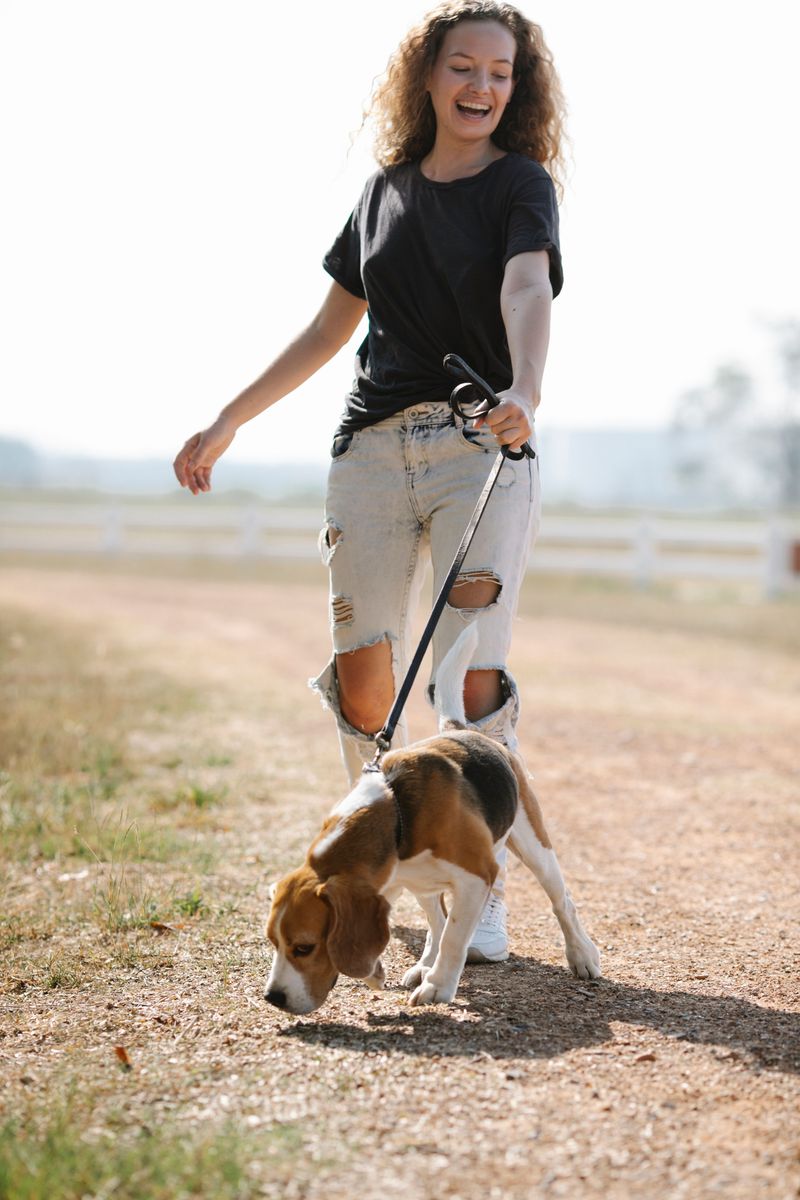
Tired brains make calmer choices. Add a morning sniff walk and some short training games before the busiest hours.
Sniffing lowers arousal and helps dogs process the world at a slower pace.
Rotate low-impact activities like scatter feeding, hide-and-seek, or a short fetch set. Keep sessions brief to prevent over-arousal.
When the doorbell rings later, your dog has already spent some energy and settled their mind.
Offer long-lasting chews and puzzles

Busy jaws often mean quiet ears. Give a safe chew, stuffed toy, or lick mat during peak noise times.
Licking and gentle chewing release feel-good chemicals that help the nervous system settle.
Prep a few options in the freezer so you can grab and go when a delivery is due. Rotate flavors to keep interest high.
Supervise until you know your dog handles each item safely.
Create a calm greeting plan for visitors
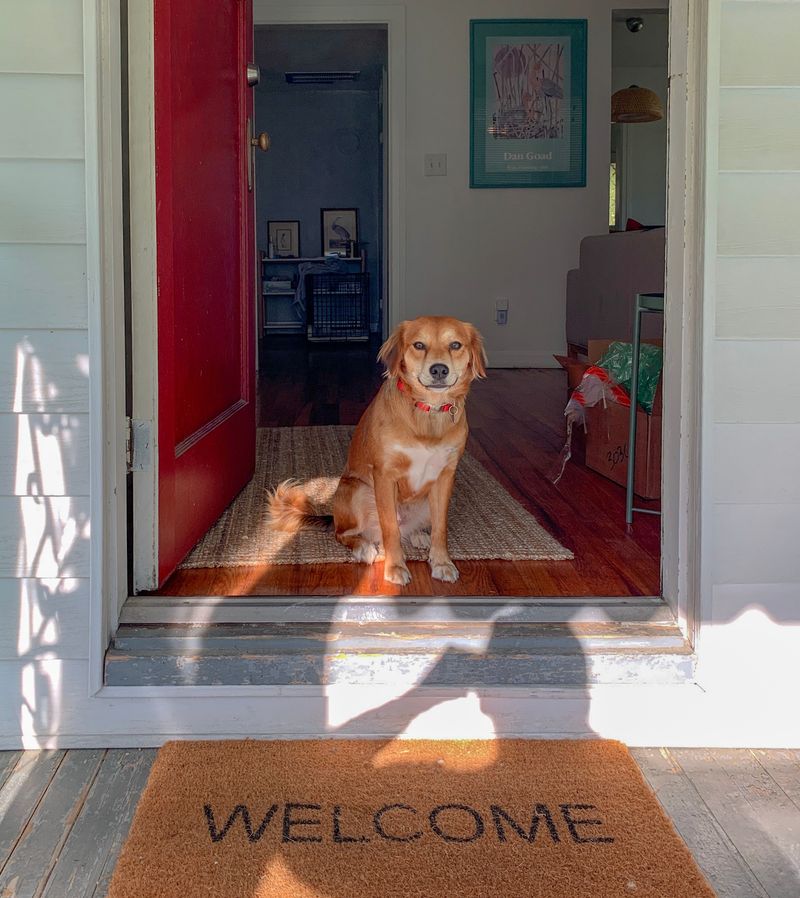
Surprises spark chaos. Set up a leash station or tether spot by the door.
Ask guests to ignore the dog at first. Feed treats for sitting on the mat while the guest enters quietly.
After a minute of calm, release for a brief hello if your dog can handle it. Keep greetings short and sweet.
Clear rules turn door time from mayhem into a routine everyone can follow.
Add a soothing evening wind-down
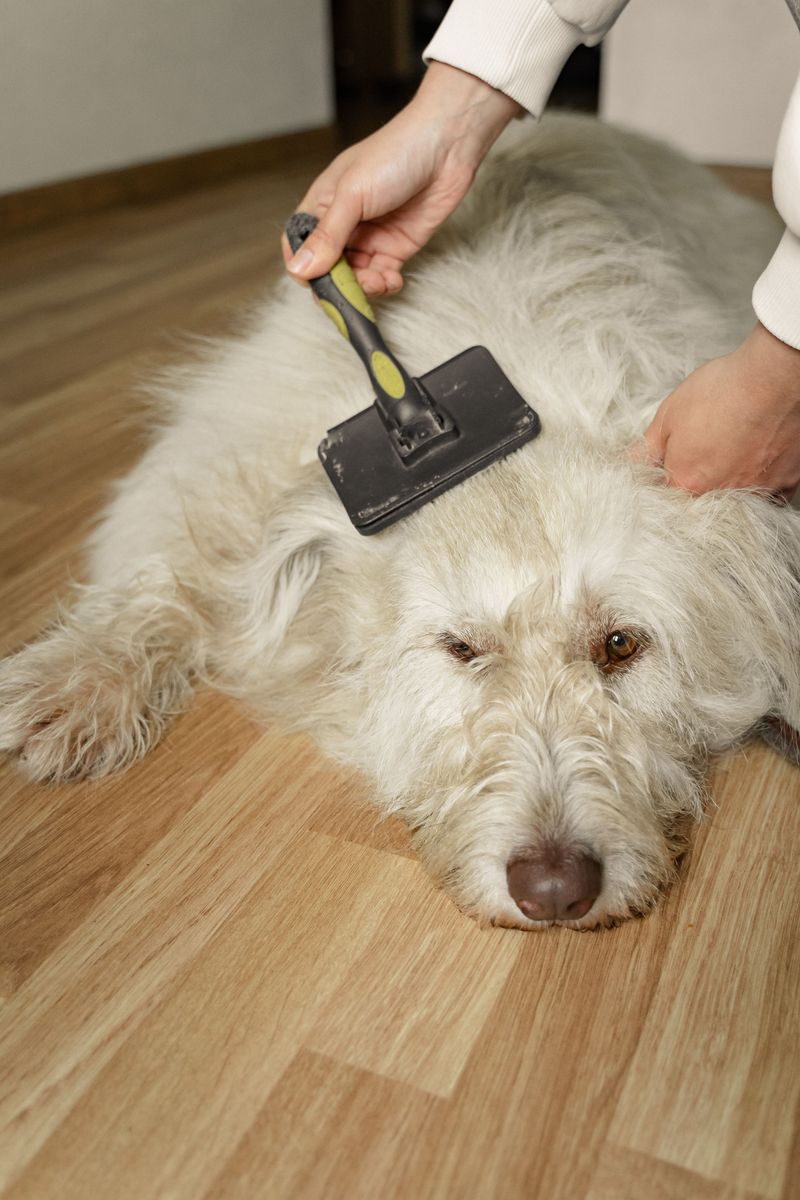
Routines teach bodies to relax. Lower the lights, play gentle music, and try a light massage or brushing session each evening.
Some dogs settle with a calming scent from a vet-approved diffuser.
Keep the last hour before bedtime quiet. Skip high-intensity play, and offer a final potty break so needs are met.
Over days, your dog learns that night means safety, comfort, and quiet.