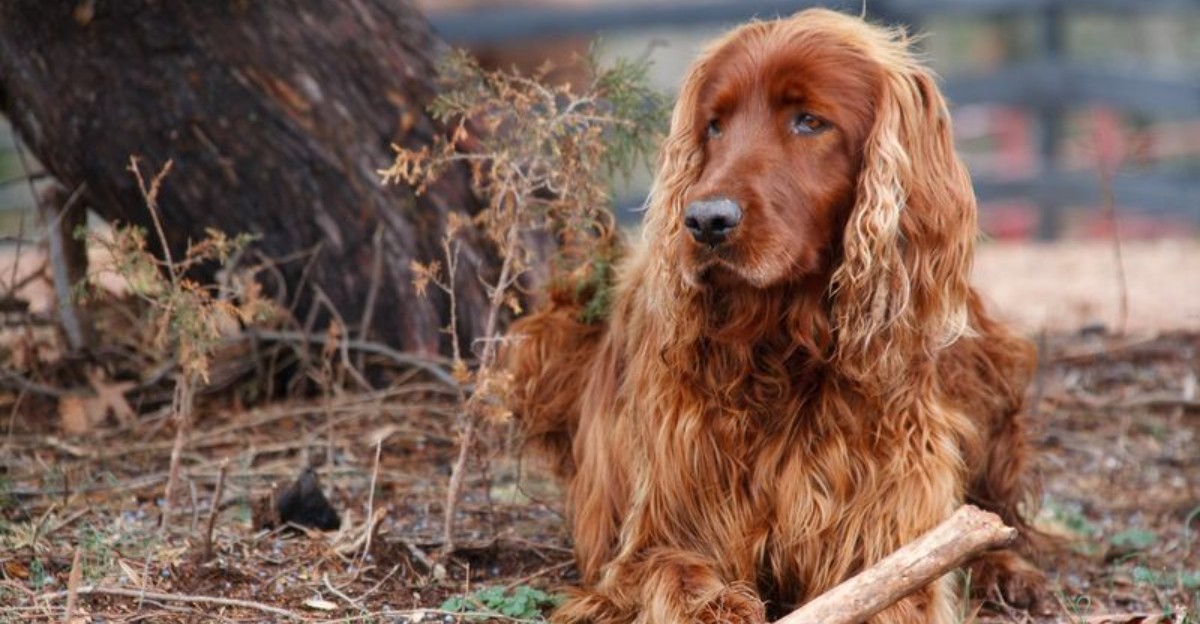
Long, floppy ears are not just cute. Many breeds use them to catch scents, stay focused on work, and communicate with people.
From tracking to family life, these dogs bring real skills to the table. Meet eleven favorites that blend charm and talent in a big way.
Basset Hound
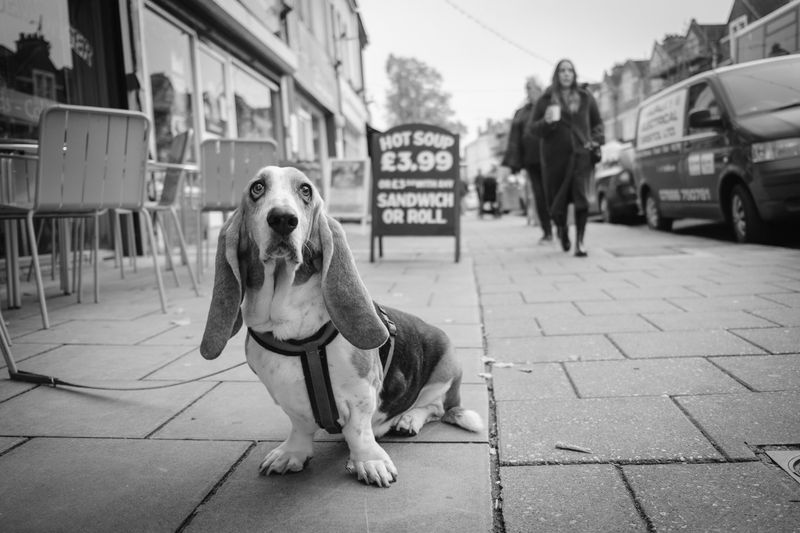
With ears that brush the ground, the Basset Hound turns every walk into a scent quest. Low and sturdy, this mellow tracker was bred to follow rabbits at a steady pace.
Patience helps a lot.
At home, expect a calm buddy who appreciates soft beds and short bursts of play. Keep ears clean and dry to prevent moisture buildup, and manage weight to protect joints.
Nose games, like hidden treats, keep that famous sniffer happy.
Bloodhound
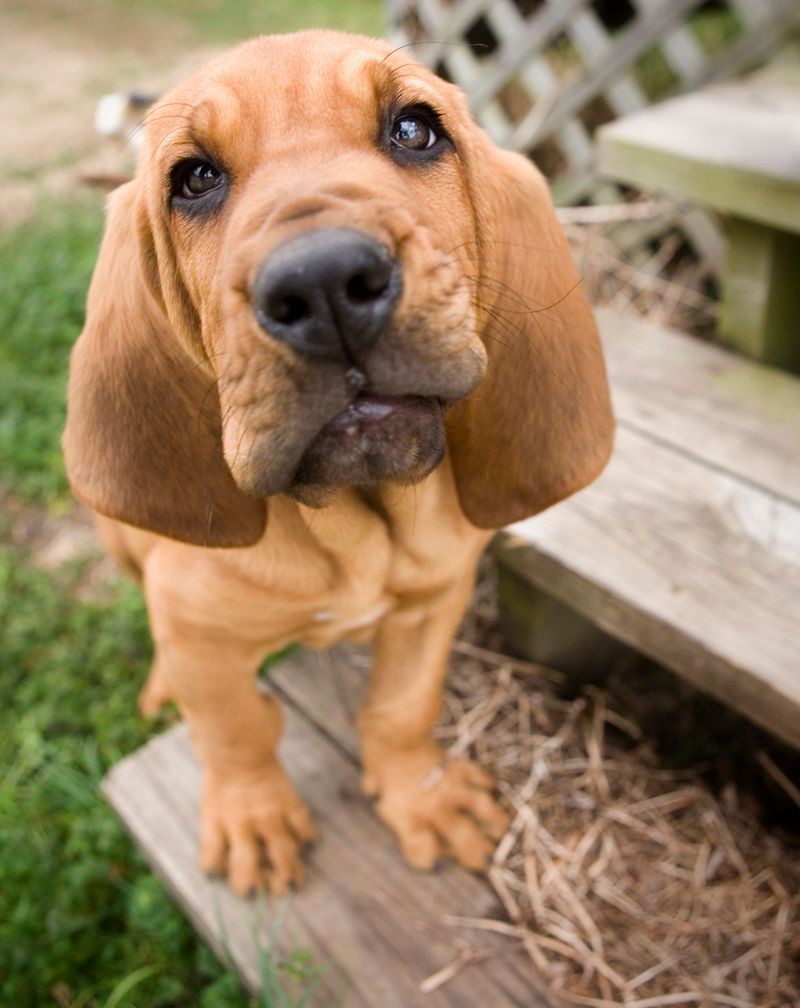
Legend says a Bloodhound can read a sidewalk like a book. That giant nose works with those draping ears to funnel smells right where they need to go.
Handlers trust them for search and rescue worldwide.
Daily mental work matters. Try scent trails, hide-and-seek, and long, steady walks.
Keep skin folds and ears dry to avoid irritation. Gentle leadership, not harsh corrections, brings out their steady confidence and lifelong loyalty.
Beagle
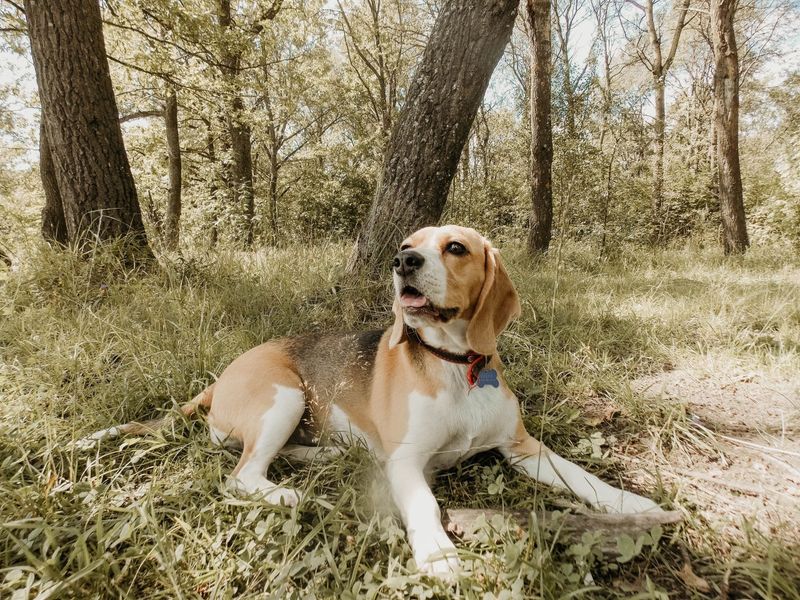
First you hear the musical howl, then you see the curious face. Beagles were built to follow scent in groups, so their ears help swirl smells toward the nose.
Families love their upbeat energy and sturdy size.
Structure helps. Give daily walks, puzzle feeders, and a safe space to rest.
Practice recall in a fenced area, since interesting smells can steal attention. Regular ear checks keep adventures comfortable and worry-free.
Afghan Hound
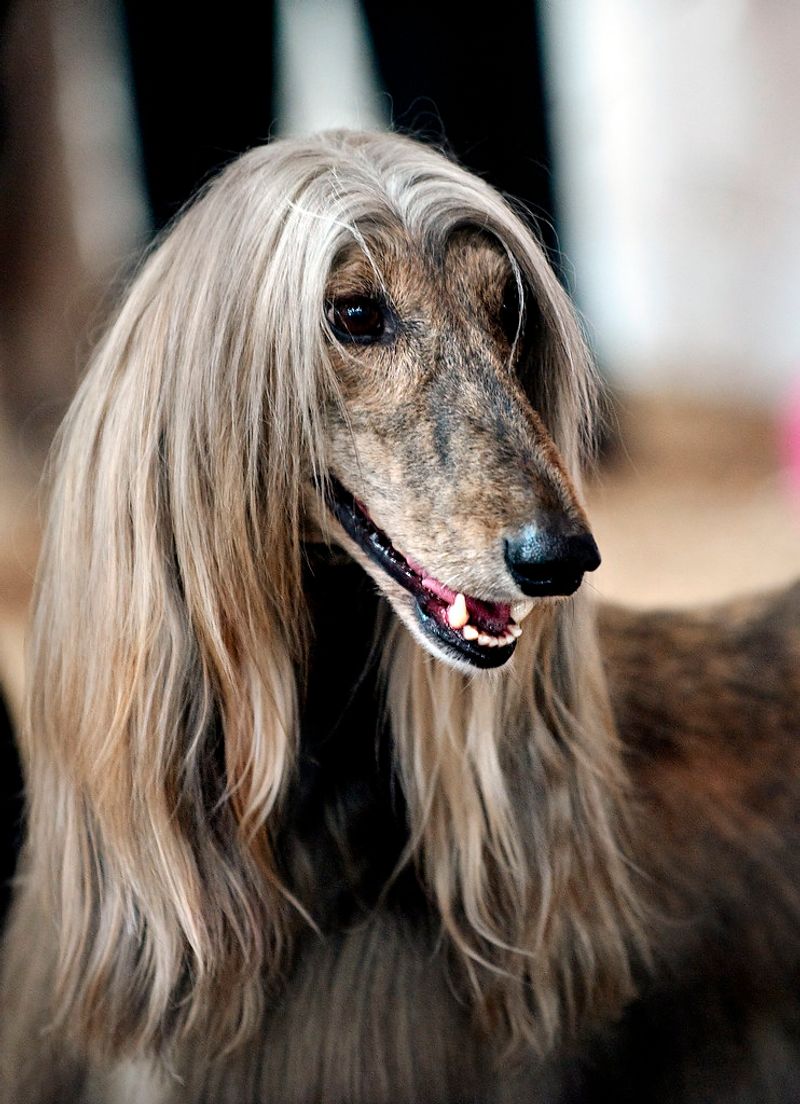
Grace in motion describes the Afghan Hound. Bred in rugged mountains, their long, silky ears frame a cool, catlike personality.
They sprint with breathtaking speed yet enjoy quiet time on a comfy rug.
Grooming is part of the deal. Brush often, protect ear fringes from tangles, and use snoods during meals.
Training works best with calm patience and short sessions. Give safe running space to stretch those legs and spirits.
Cavalier King Charles Spaniel
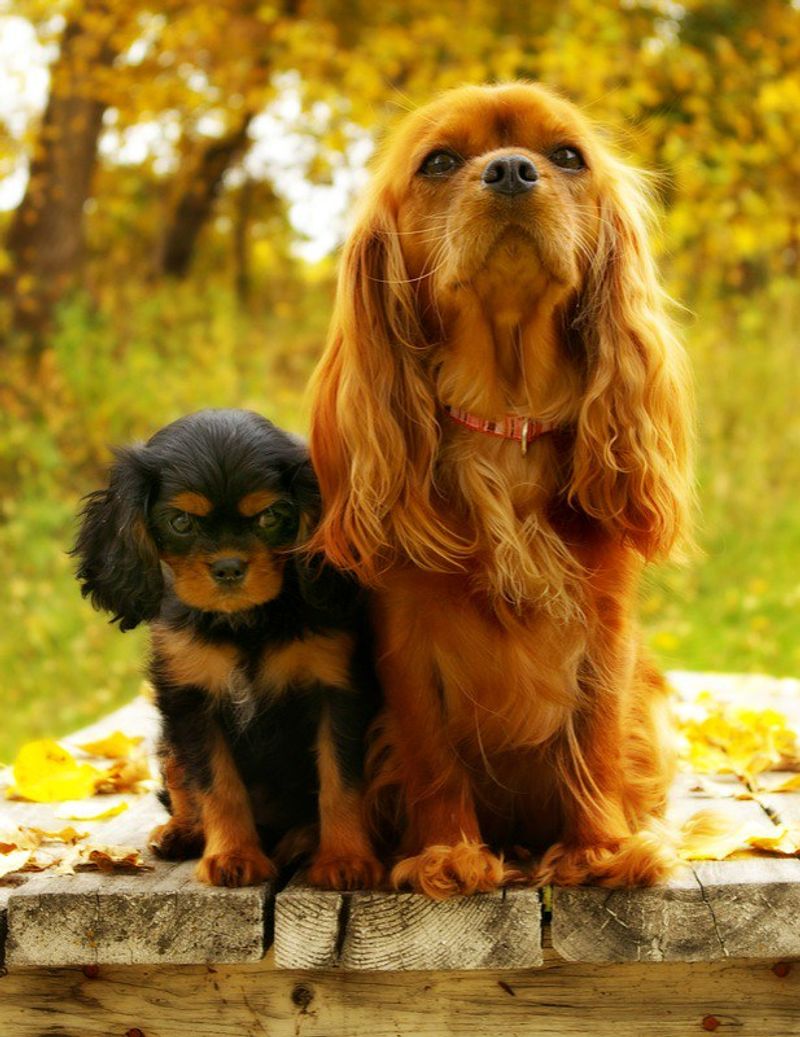
A warm greeting and a wag usually come first with a Cavalier. Their velvet ears and gentle gaze made them favorites in royal courts.
Today, they shine as friendly companions who enjoy couch time and easy walks.
Health screening matters. Ask breeders about heart testing, and schedule regular vet checks.
Keep ears brushed to prevent mats, and use gentle training with rewards. Short games inside work well on rainy days.
English Springer Spaniel
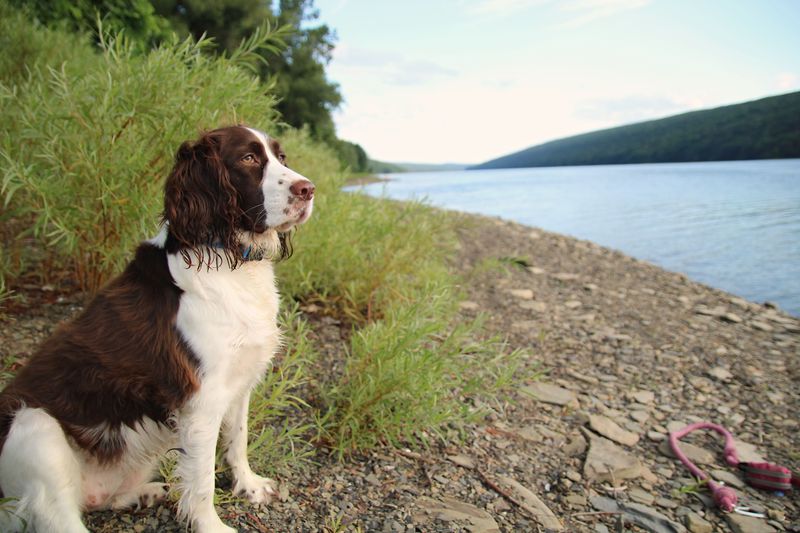
Watch an English Springer Spaniel at work and you will see enthusiasm with purpose. Bred to flush birds, they combine soft ears with lively brains and a keen nose.
They love learning new jobs.
Plan for exercise and variety. Field games, hiking, and simple scent drills keep boredom away.
Groom ears after outdoor trips to remove seeds and burrs. Clear rules, fair praise, and daily structure help them become terrific teammates.
American Cocker Spaniel
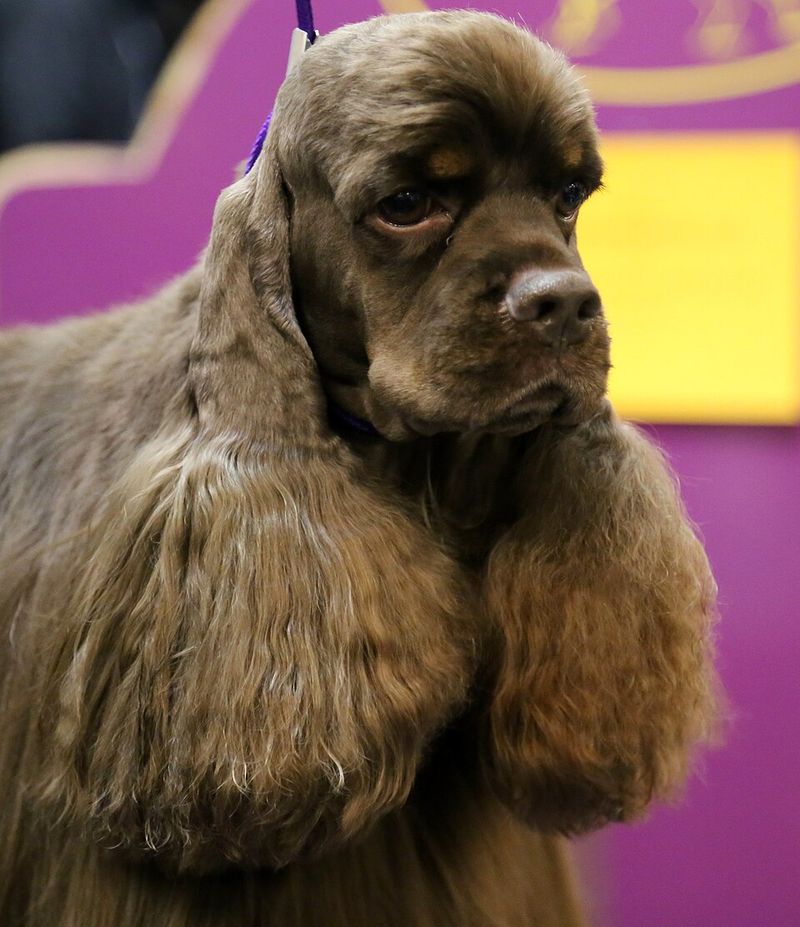
Those big eyes and swinging ears win hearts fast. American Cockers were bred for bird work, then settled into family life with charm and sparkle.
Many enjoy learning tricks and showing off.
Regular grooming keeps coat and ears healthy. Clean the ear canal after baths, and check for mats under the ear leather.
Short training bursts with treats build focus. Gentle fetch, nose games, and neighborhood walks fit their upbeat style.
Black and Tan Coonhound
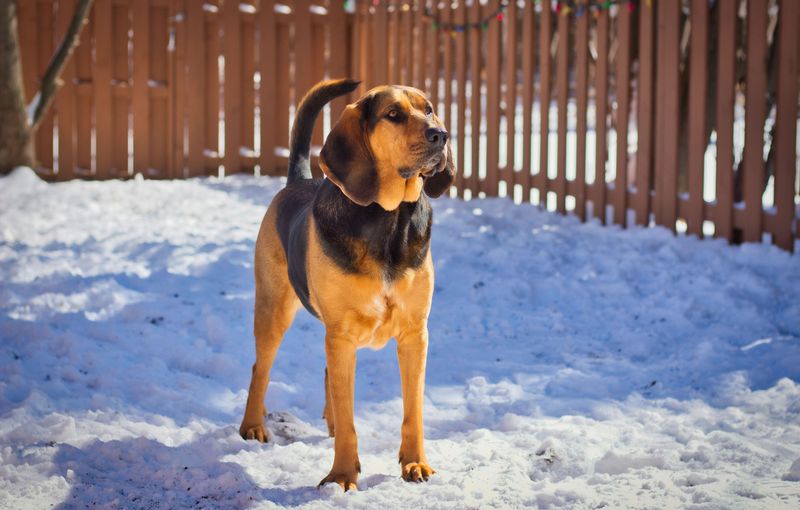
When nighttime calls, the Black and Tan Coonhound is ready. Developed to trail raccoons, they follow scent with cool determination, using long ears to gather smells.
Their trademark bawl tells you the story of the trail.
City living works if exercise is steady. Plan long walks, tracking games, and sturdy chew toys.
Teach calm greetings, since excitement can be big. Keep ears clean after muddy outings to avoid trapped moisture.
Redbone Coonhound
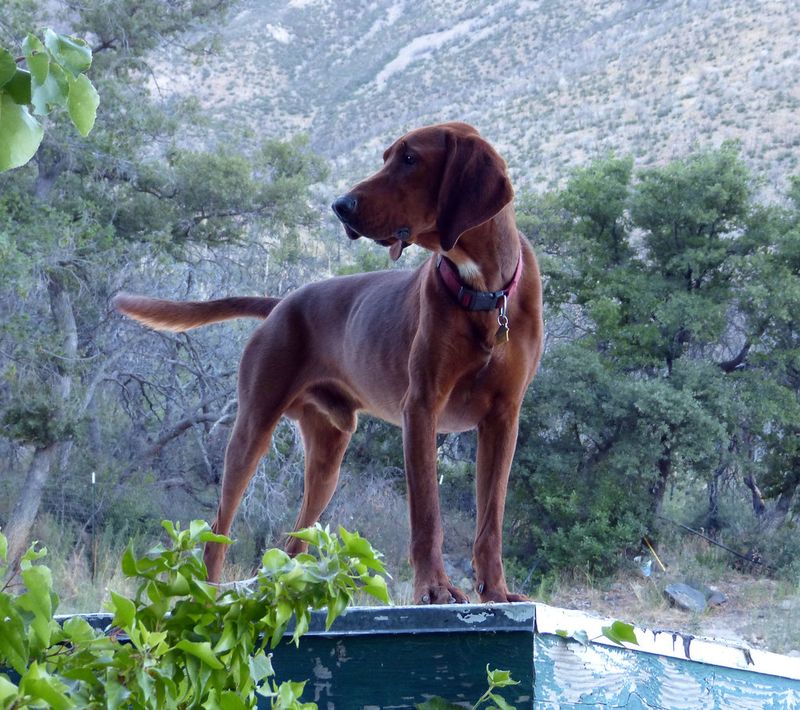
A bold red coat and easy stride make the Redbone stand out. Made for trailing over tough ground, they balance drive with a friendly, open nature.
Many enjoy singing along with sirens and music.
Training thrives on consistency and patience. Give active walks, scent puzzles, and chances to practice recall in safe spaces.
Ear care after swims is key. A comfy bed and regular routines help them relax between adventures.
Bracco Italiano
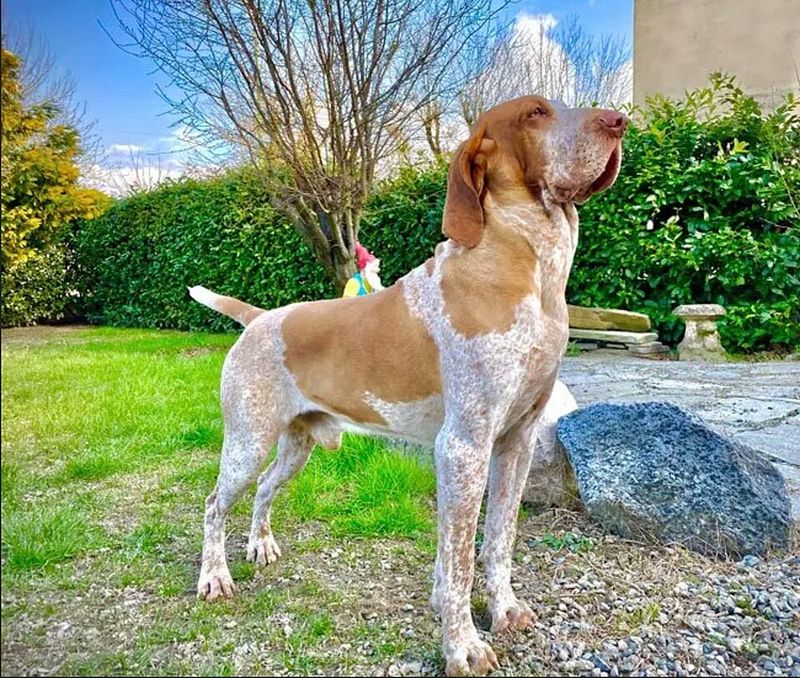
Dignified yet goofy at home, the Bracco Italiano brings old-world hunting skill. Long ears and soft skin folds frame a thoughtful expression.
In the field, they range with purpose and check back willingly.
Channel energy with daily exercise and nose-focused games. Gentle, clear cues work better than pressure.
Dry ears and facial folds after water work. Many thrive in beginner tracking, rally, or field training, building confidence while keeping that classic, affectionate bond strong.
Irish Setter
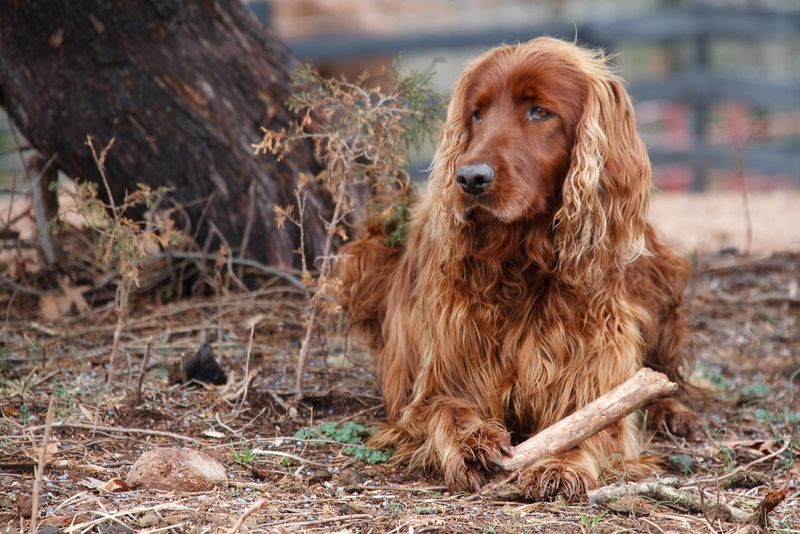
All spark and shine, the Irish Setter loves to move. Those long, silky ears match a lively, curious brain built for bird fields.
Families often fall for the cheerful personality and graceful stride.
Daily exercise is the secret. Plan runs, hikes, or long games of fetch.
Keep ear feathering brushed and dry after play. Training sticks best when sessions are upbeat and brief, with plenty of praise and variety.