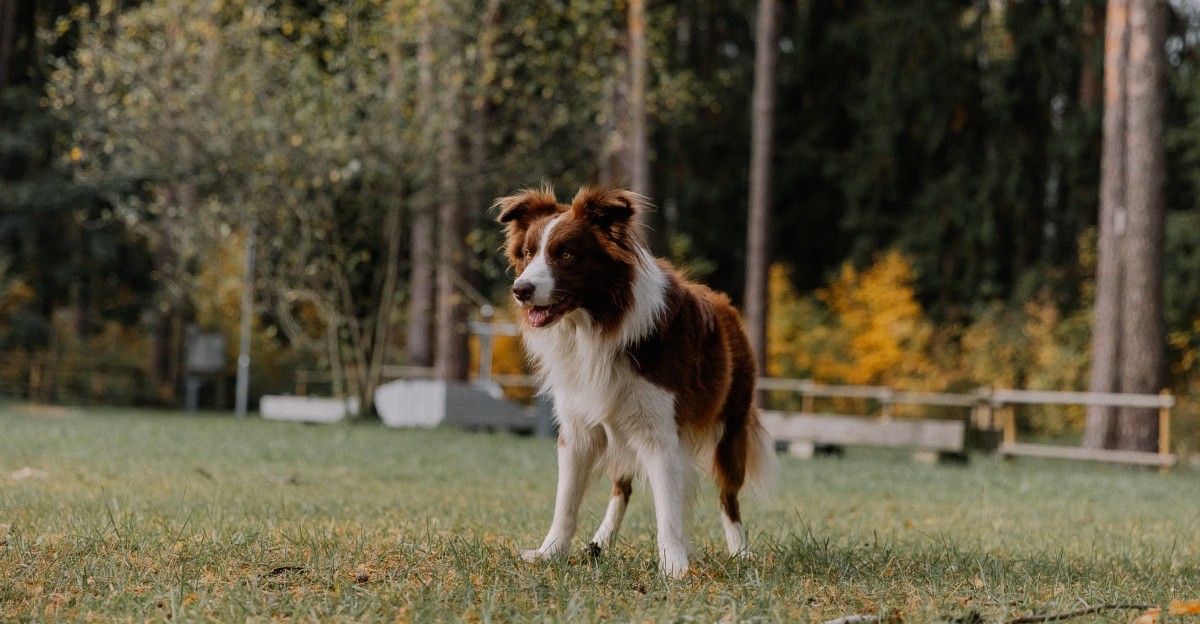
Smart dogs catch on fast, but that also means they get bored easily. When a clever pup has nothing to do, it may invent noisy or naughty games.
The good news is that the right activities can turn restless energy into real skills. Here are breeds that soak up lessons quickly and thrive when their minds and bodies stay busy.
Border Collie – the puzzle champion
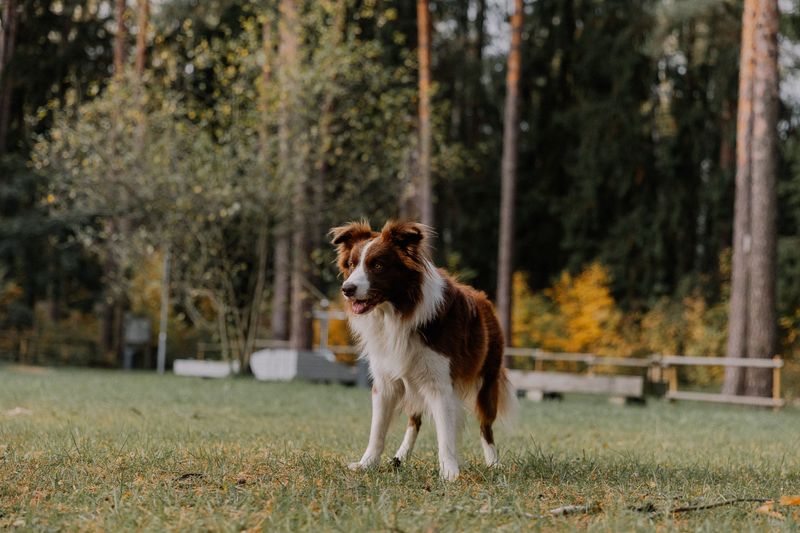
Farm kids of the dog world, Border Collies crave jobs. Quick to master cues, they often outsmart simple routines and look for more.
Teach complex tricks, practice herding-like games with exercise balls, and add scent work to stretch their brains.
Daily needs include fast fetch, agility drills, or frisbee. Rotate puzzle toys and short obedience bursts.
Without fresh challenges, they may herd kids or chase cars, so channel that sharp focus into structured tasks.
Australian Shepherd – the energetic organizer
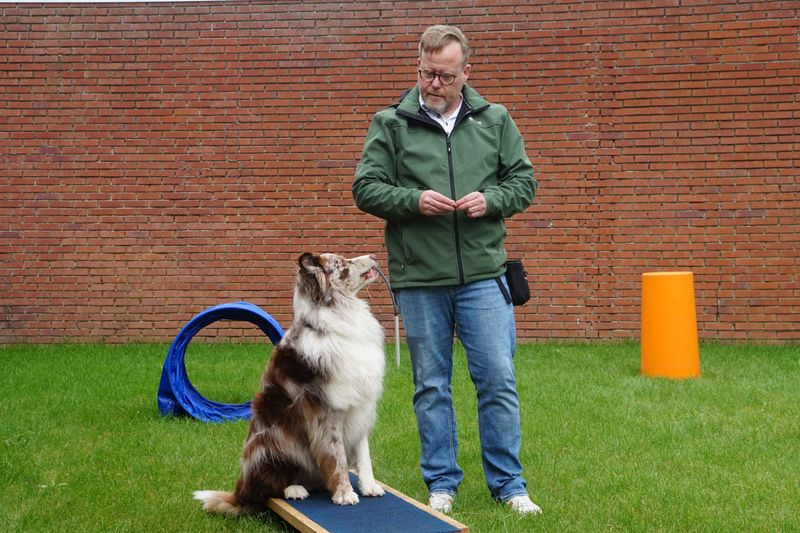
Known for a to-do-list mindset, Aussies love being part of every plan. They pick up commands in a flash, then ask, what next.
Try trick chains, rally obedience, or backyard herding with yoga balls to mimic real work.
Plan two workouts a day that mix cardio and thinking. Use platform training, direction changes, and hand signals.
Give clear jobs at home, like finding lost socks. Without structure, prankster energy can turn into creative mischief.
Belgian Malinois – the workaholic athlete
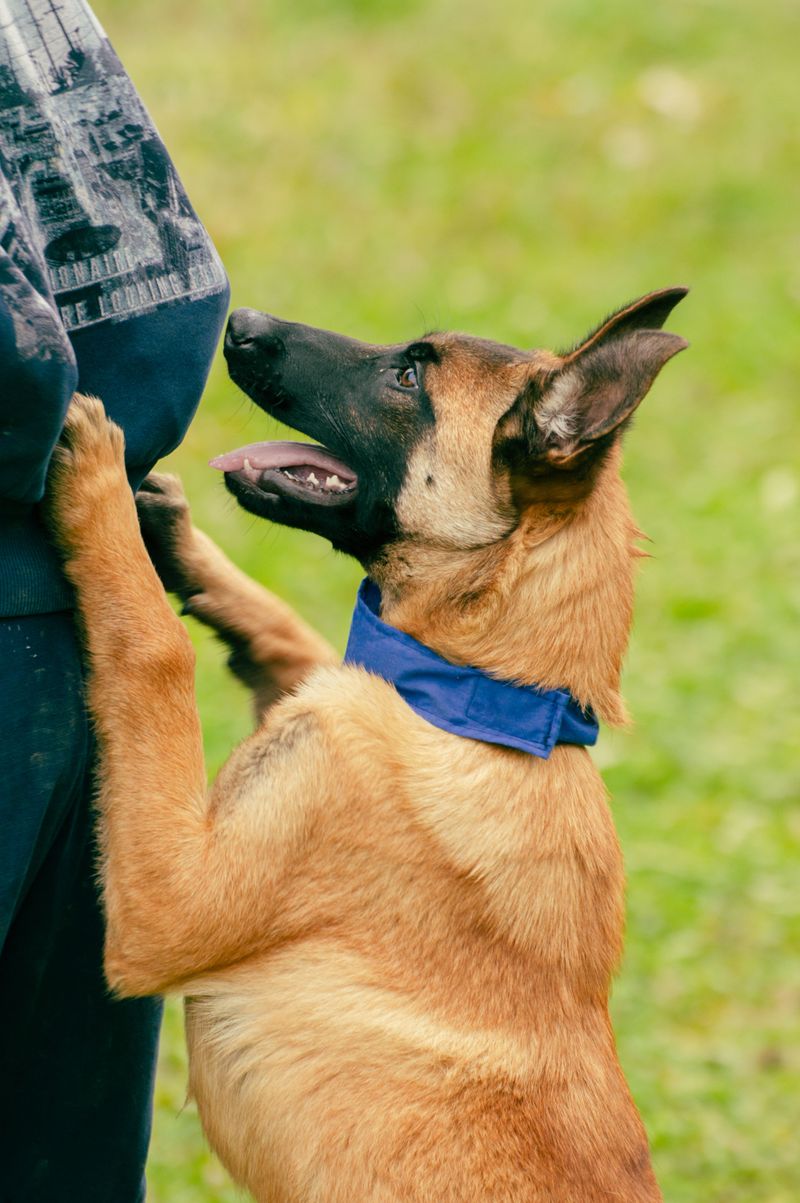
First to volunteer and last to quit, Malinois excel at nearly any task. Rapid learning mixes with jet-fuel stamina, so idle time does not suit them.
Consider scent detection, protection sports, and advanced obedience under a skilled coach.
Break training into short, intense sessions with precise goals. Add long-line tracking, tug with rules, and place-board drills.
Apartment life demands strict schedules and rich jobs. Without them, pent-up drive can burst into chaotic behavior.
German Shepherd Dog – the thoughtful guardian
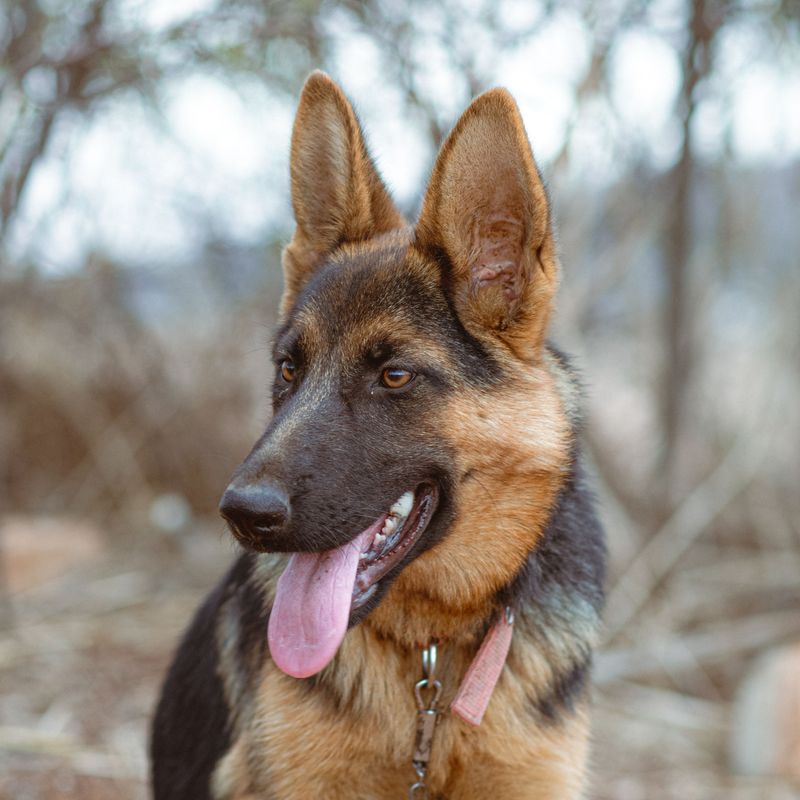
Calm eyes, busy mind. German Shepherds learn patterns fast and enjoy careful problem solving.
Teach precision heelwork, article searches, and utility tasks like closing doors. Mix confidence-building games with neutral social time.
Plan varied routines across the week. One day tracking, another day obedience, then a hike with pack carries.
Keep cues consistent and reward thoughtful choices. Without guided outlets, protective instincts may spike, so practice impulse control and quiet settle cues daily.
Standard Poodle – the clever crowd-pleaser
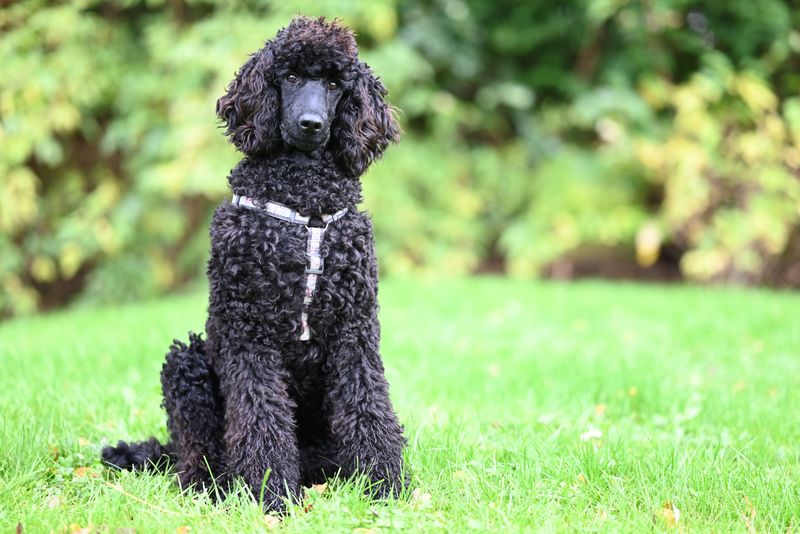
Under the curls lives a sharp thinker with a playful heart. Poodles love patterns, props, and applause.
Teach object names, shape-sorting games, and nose targets on household items. A rotating trick list keeps their sparkle alive.
Water retrieves, rally signs, and platform pivots make great weekly goals. Use soft-mouthed fetch and gentle body conditioning.
Without brain work, they can invent attention-seeking antics, so schedule short, upbeat lessons morning and evening.
Shetland Sheepdog – the quick-study whisperer
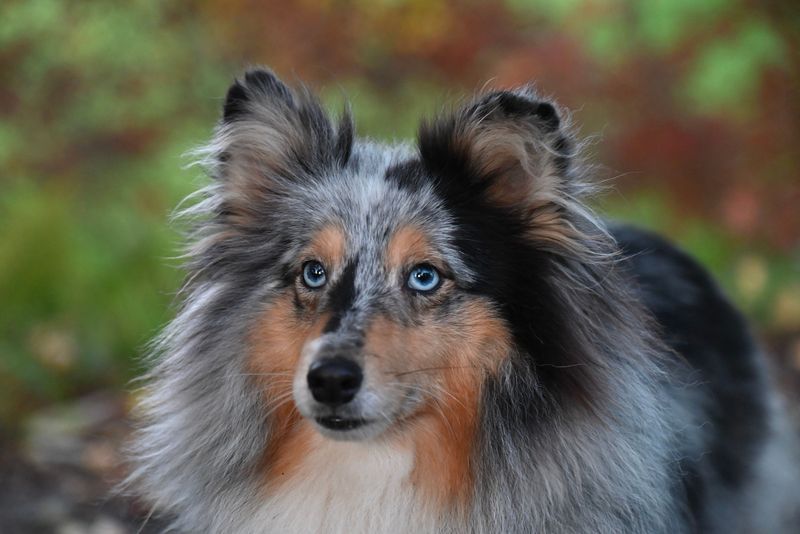
Always listening, Shelties catch tiny cues you barely notice. Their gift for pattern reading means simple drills grow stale quickly.
Build tiny challenges, like silent hand signals or distance sends, and reward calm focus.
Daily brain snacks help: muffled treat scatters, food puzzles, and short scent trails around furniture. Sound sensitivity can appear, so pair new noises with games.
Keep sessions cheerful and brief. Bored Shelties may bark, so offer quiet sniff walks too.
Doberman Pinscher – the sleek strategist
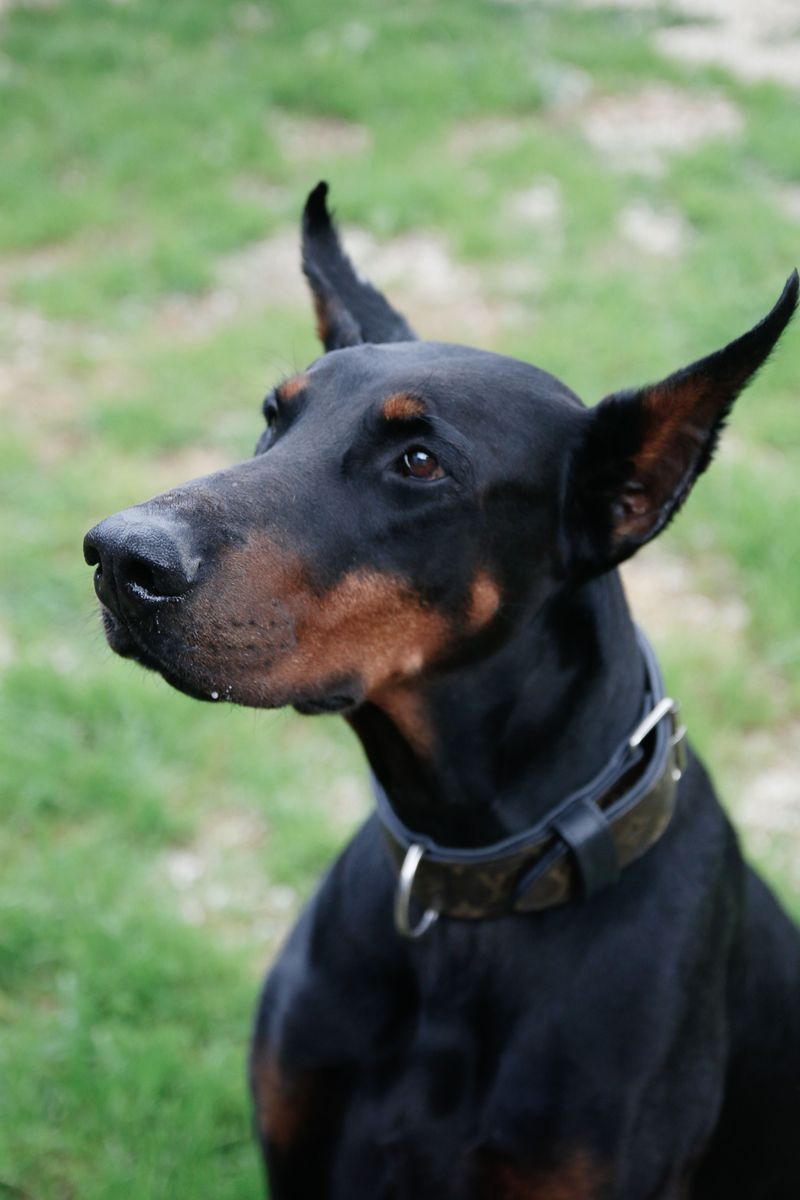
Big brain, bigger heart. Dobermans bond deeply and think through problems.
Precision heeling, stand-for-exam, and platform games suit their style. Teach impulse control with start-line routines and place stays that release into fast work.
Combine scent games, tracking, and tug with rules. Rotate environments to challenge confidence.
Mental fatigue matters as much as exercise, so finish sessions before they get silly. Without steady jobs, they may shadow you anxiously or invent doorbell dramas.
Papillon – the tiny professor
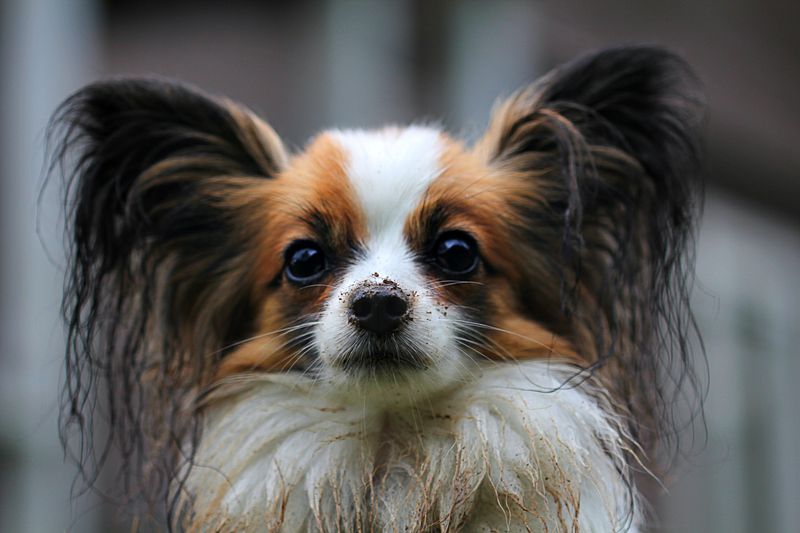
Pint-sized body, giant curiosity. Papillons zip through trick titles and agility courses like rocket chips.
Turn boredom into brilliance with target sticks, perch work, and object discrimination using safe household items.
Short training bursts fit their size. Build mini obstacle courses under chairs, add tunnel play, and practice quiet settle after action.
Watch for overarousal and teach a calm mat cue. Without brainy play, cheeky barking or curtain climbing may appear.
Jack Russell Terrier – the bold problem solver
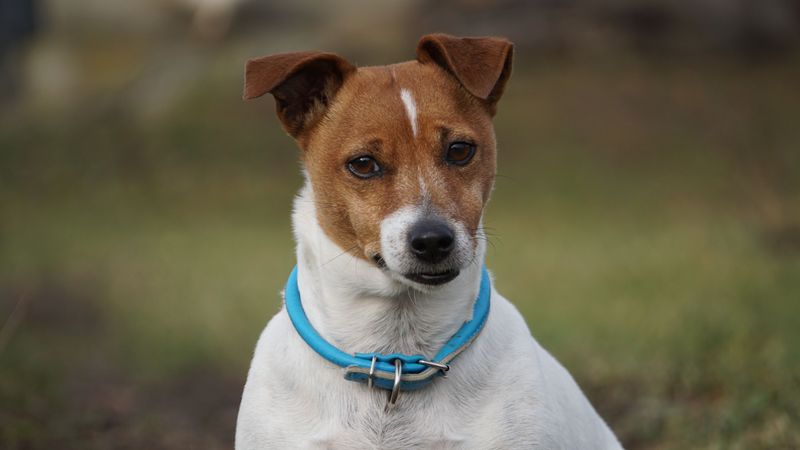
Curiosity with springs for legs, Jack Russells adore a challenge. Quick learners with hunting roots, they thrive on nose-led games and fast puzzles.
Try beginner scent detection, barn hunt style activities, and fetch with rules.
Daily outlets should include digging zones, flirt pole sessions, and food puzzles that require effort. Keep cues crisp and end on success.
If understimulated, they can rearrange your backyard or chorus at squirrels for hours.
Australian Cattle Dog – the gritty thinker
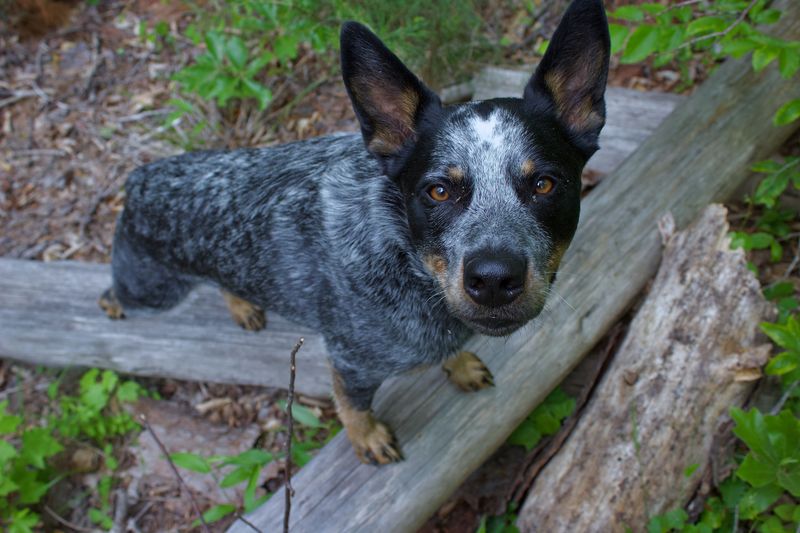
Tough, bright, and game for hard work, Cattle Dogs solve physical puzzles fast. They shine with long hikes that include tasks, like carry, climb, and search.
Add directional cues, heel off-leash in safe spaces, and try treibball.
Plan heavy-duty chew sessions and structured fetch with returns to a mat. Mental work reduces nipping tendencies.
Boredom can spark stubborn streaks, so give clear jobs every day and celebrate small wins.
Belgian Tervuren – the elegant multitasker
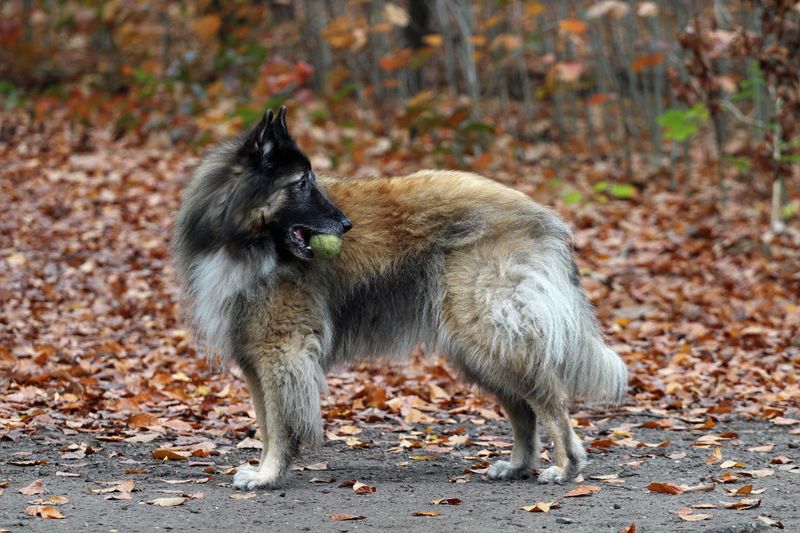
Grace meets grit in the Tervuren. They absorb new rules quickly and then seek harder layers.
Teach complex chains like retrieve over jump into a directed send. Sprinkle in scent articles and silent handling to keep curiosity high.
Weekly plans should alternate obedience, tracking, and off-switch training at home. Use calm mat work after excitement.
Without balance, nerves can fray, so provide thoughtful recovery time and predictable routines.
Belgian Sheepdog (Groenendael) – the night-coated scholar
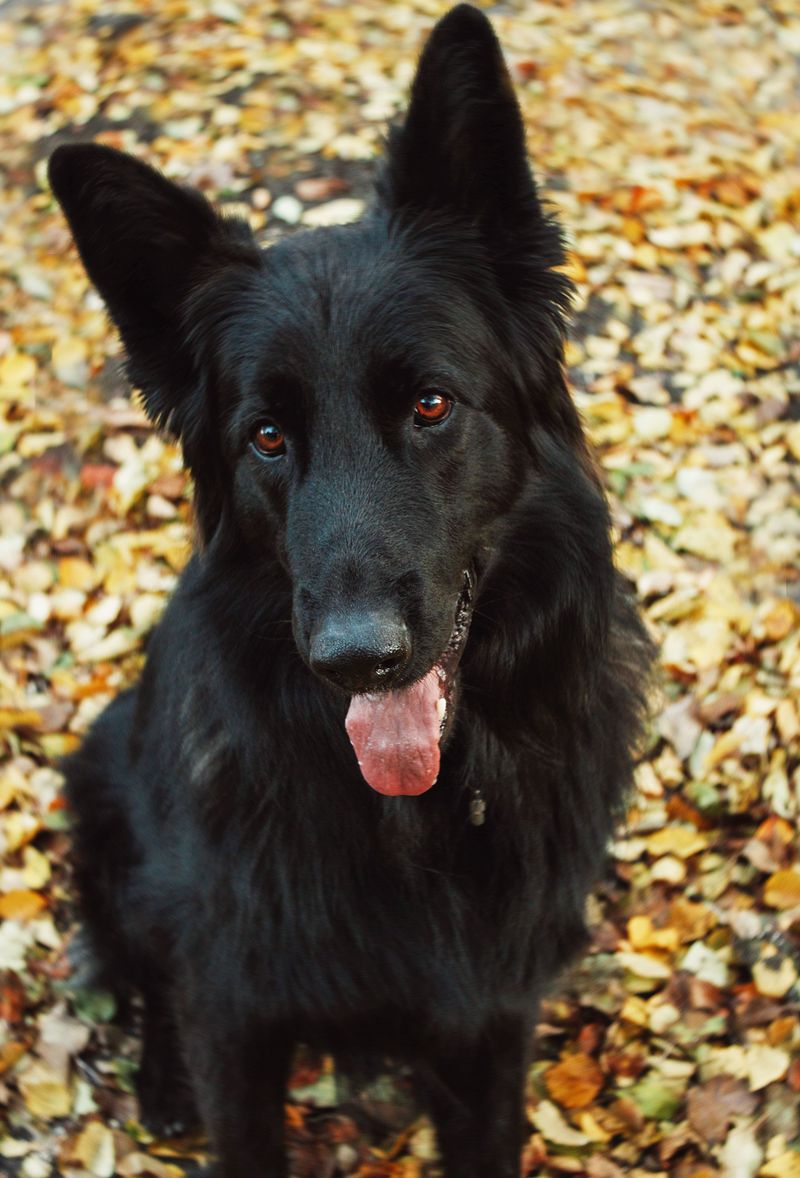
Cloaked in black and bursting with brains, the Groenendael learns at a remarkable pace. Novelty fuels motivation, so rotate props and locations.
Distance cues, scent discrimination, and canicross make a rich mix.
Design sessions that start with movement, shift to thinking, then end with a quiet settle. Gentle grooming time can double as impulse-control practice.
If mental needs lag, watch for pacing or vocal opinions about boredom.