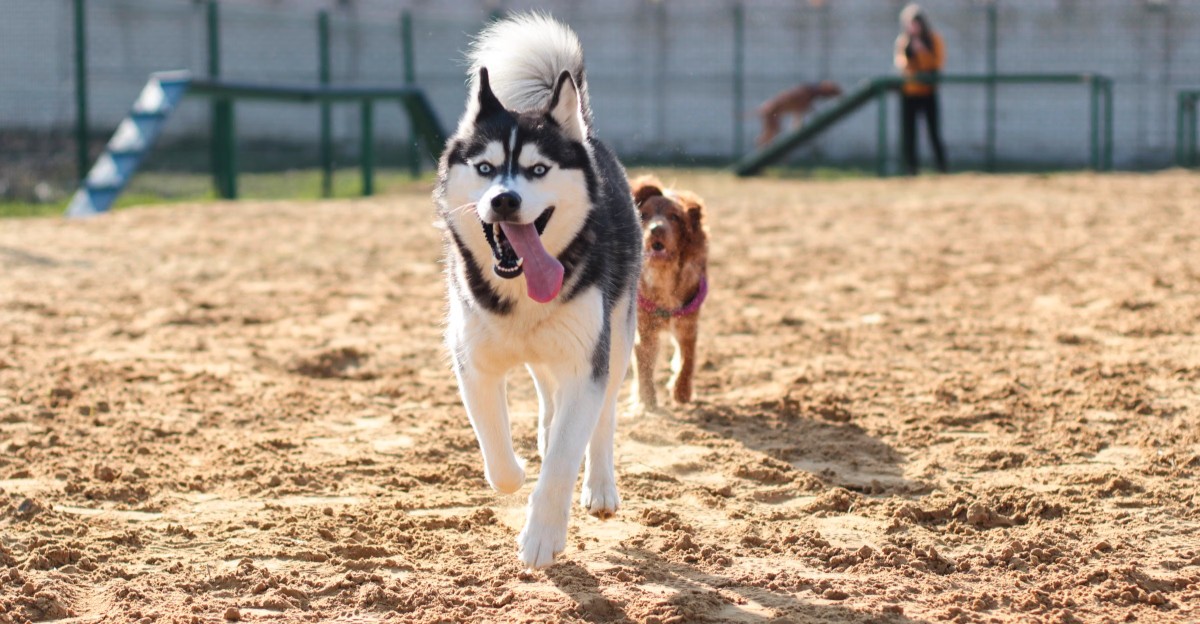
Some dogs need more than love. Without the right plan, smart or strong breeds can develop tough habits that surprise new owners.
A little guidance early can prevent barking, lunging, or chewing from getting out of control. Here are breeds that often need extra structure when behavior issues start.
Siberian Husky
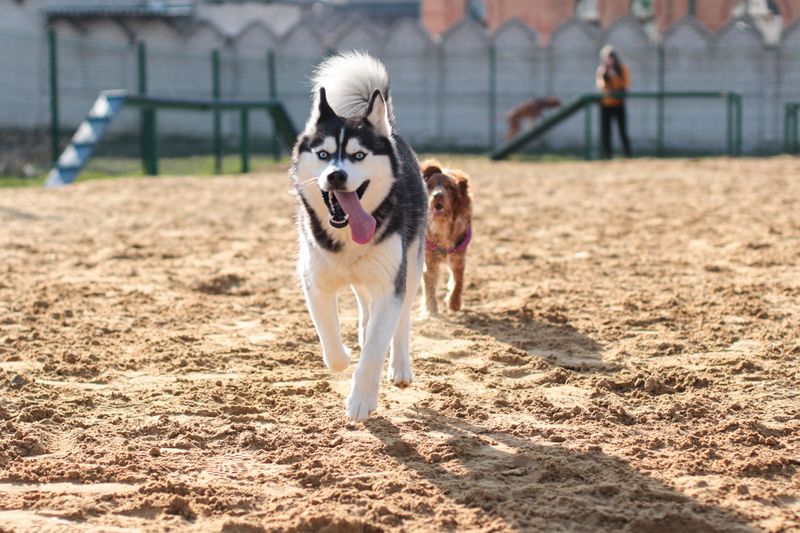
Those ice-blue eyes can steal hearts, then sprint off with your patience. Huskies were bred to run long distances, so pent-up energy often becomes creative escape attempts, digging, or nonstop howling.
Apartment boredom magnifies trouble quickly.
Plan two exercise sessions daily, plus short training bursts that reward calm choices. Secure fencing, chew options, and puzzle feeders help redirect instincts.
If problems grow, a sledding club or canicross group can provide the right outlet and mentors.
Border Collie
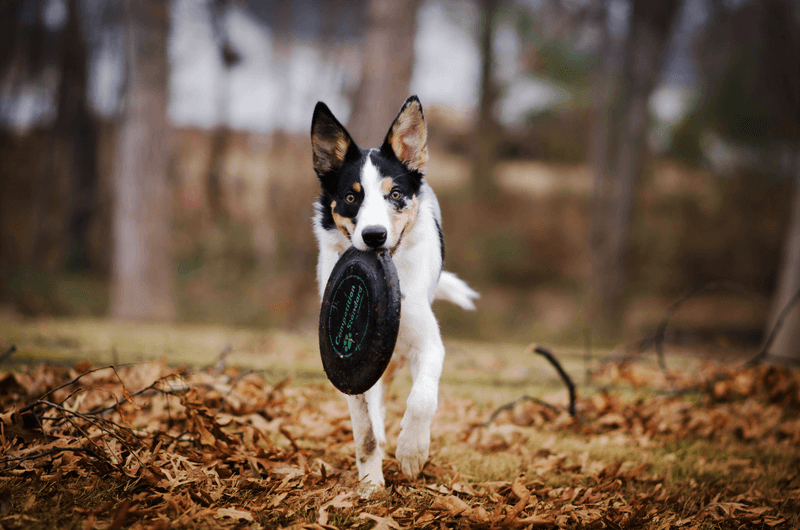
Brains on turbo, feet on springs, the Border Collie thrives on work. Without tasks, that sharp mind invents jobs like herding kids, chasing bikes, or stalking shadows.
Anxiety and obsessive behaviors can surface fast.
Build a daily schedule of training games, scent work, and fetch with rules. Teach off-switch cues, then reward relaxing on a mat.
Local sport clubs for agility or herding lessons channel intensity and give you useful guidance before quirks become conflicts.
Belgian Malinois
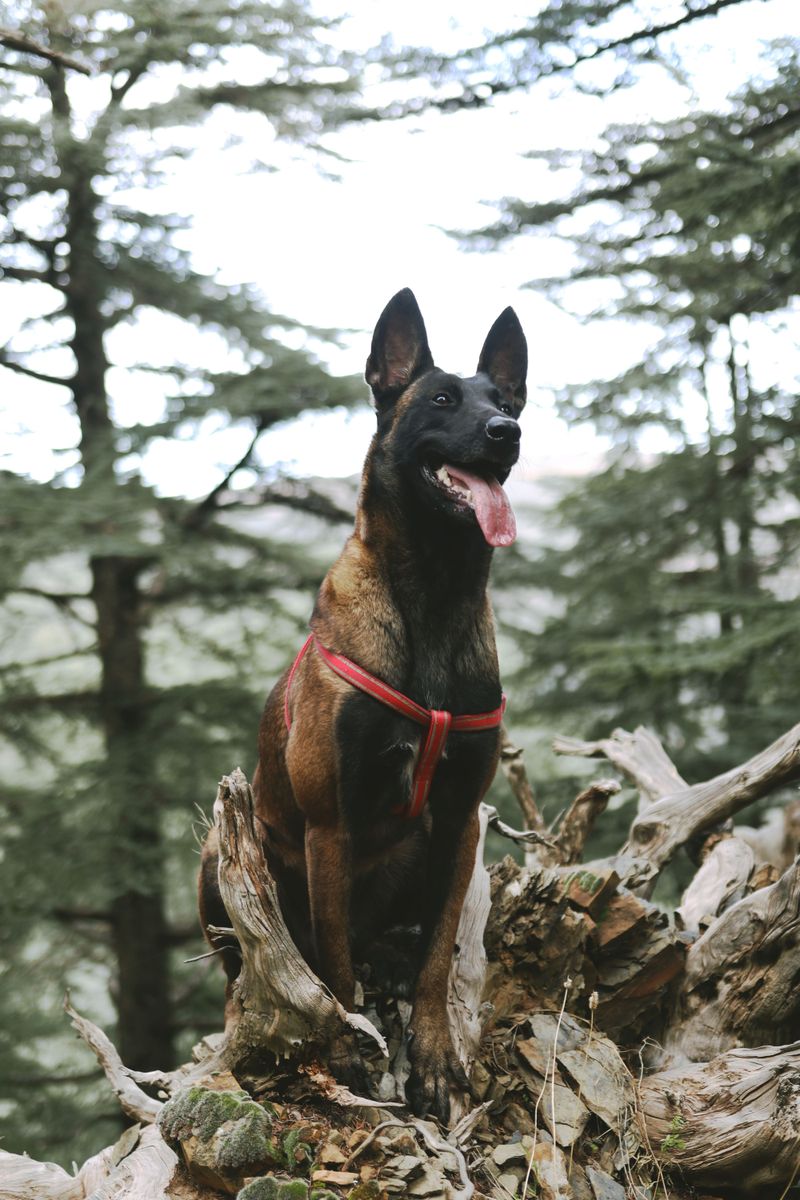
Like a rocket in fur, the Malinois is pure drive. Police and sport lines bring intensity that overwhelms casual homes.
Understimulated dogs might nip, pace, or guard objects, and their agility turns mistakes into fast problems.
Choose structured training from day one with a skilled coach. Daily bite-safe tug, tracking, and obedience reps teach control.
If you want this breed, budget time for sport like IGP or ring work, plus decompression walks and crate rest.
German Shepherd Dog
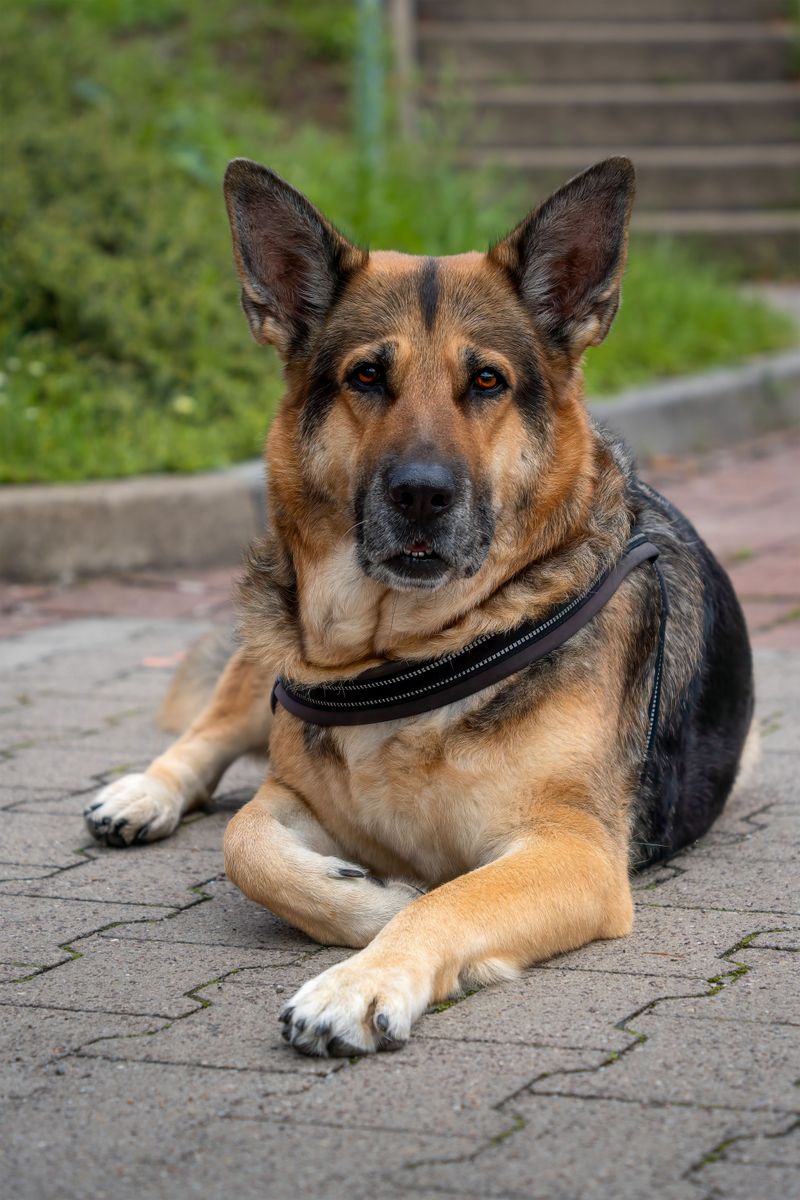
Family legend meets working heritage, and confusion follows. Many German Shepherds are sensitive, vocal, and protective, and reactivity can snowball without guidance.
Weak nerves or poor socialization may lead to barking at guests or lunging on walks.
Pick a breeder or rescue that prioritizes temperament. Enroll in reward-based classes that teach calm greetings, neutrality, and impulse control.
Daily sniff walks and structured play lower stress, while a harness and routines keep everyone safer during setbacks.
Rottweiler
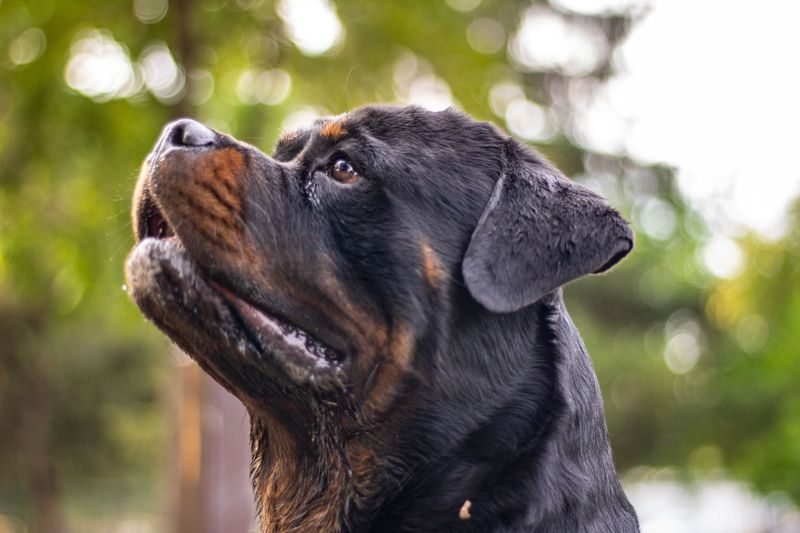
Steady when well trained, the Rottweiler can become pushy without boundaries. Large size plus guarding instincts make unmanaged behavior risky.
Teen stages often bring testing, mouthing, and door rushing.
Start structured obedience early from puppyhood with clear household rules. Practice calm leash skills, place training, and polite handling for food and toys.
Socialize steadily with neutral people, not free-for-all greetings. If worries escalate, hire a qualified trainer who understands guardian breeds and uses reward-based methods.
Akita
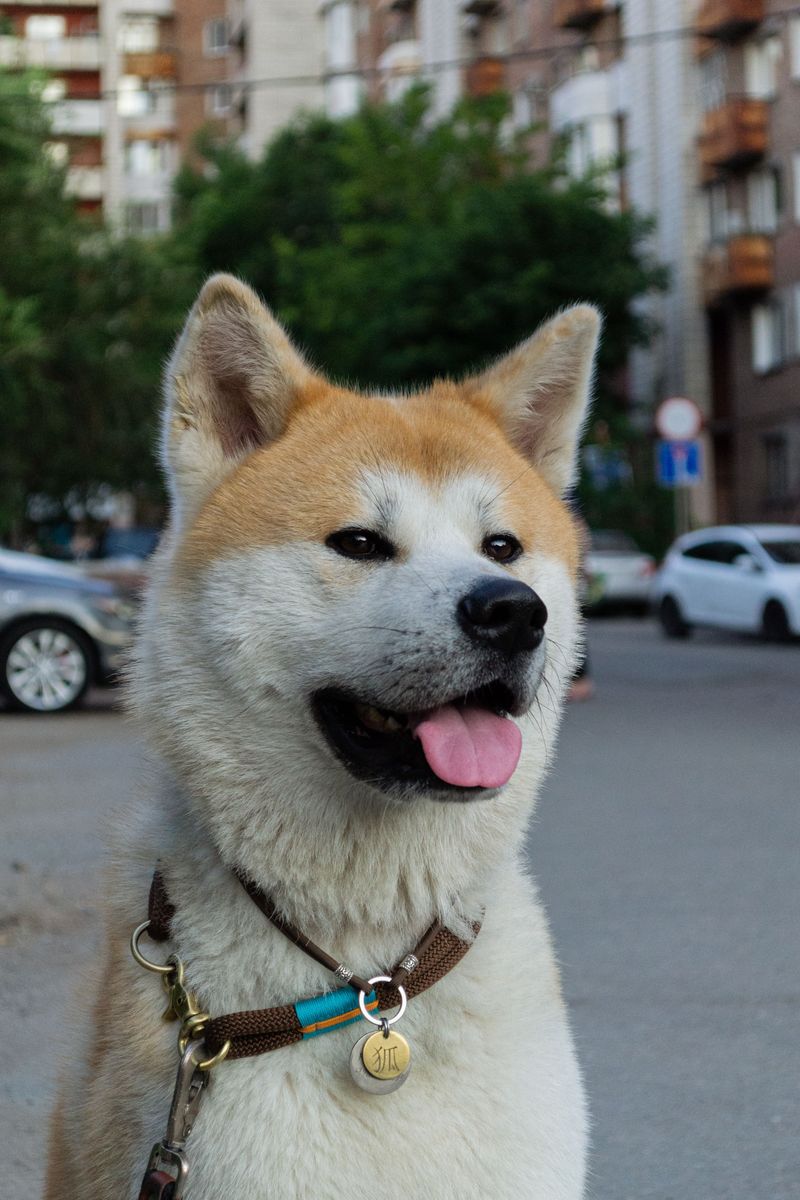
Quiet like a shadow, the Akita can still bristle at strange dogs. Independent thinking and strong loyalty sometimes harden into resource guarding or same-sex aggression.
Novices may misread the calm as compliance.
Keep routines simple and consistent. Use rewards to build recalls, trade games for possessions, and muzzle training for safety.
Controlled social exposure matters more than crowded dog parks. An experienced coach familiar with spitz breeds can help you spot stress and prevent blowups.
Australian Cattle Dog

Born to move livestock, the Australian Cattle Dog notices everything. Boredom can turn that focus into heel nipping, chasing cars, or guarding space.
They are sturdy, smart, and very stubborn.
Give jobs that tire body and brain. Short herding-style games with balls, trick training, and urban agility help a lot.
Teach cue-based play and clear stop signals. When problems pop up, find a trainer who understands heelers and can design outlets without encouraging rough behavior.
Jack Russell Terrier
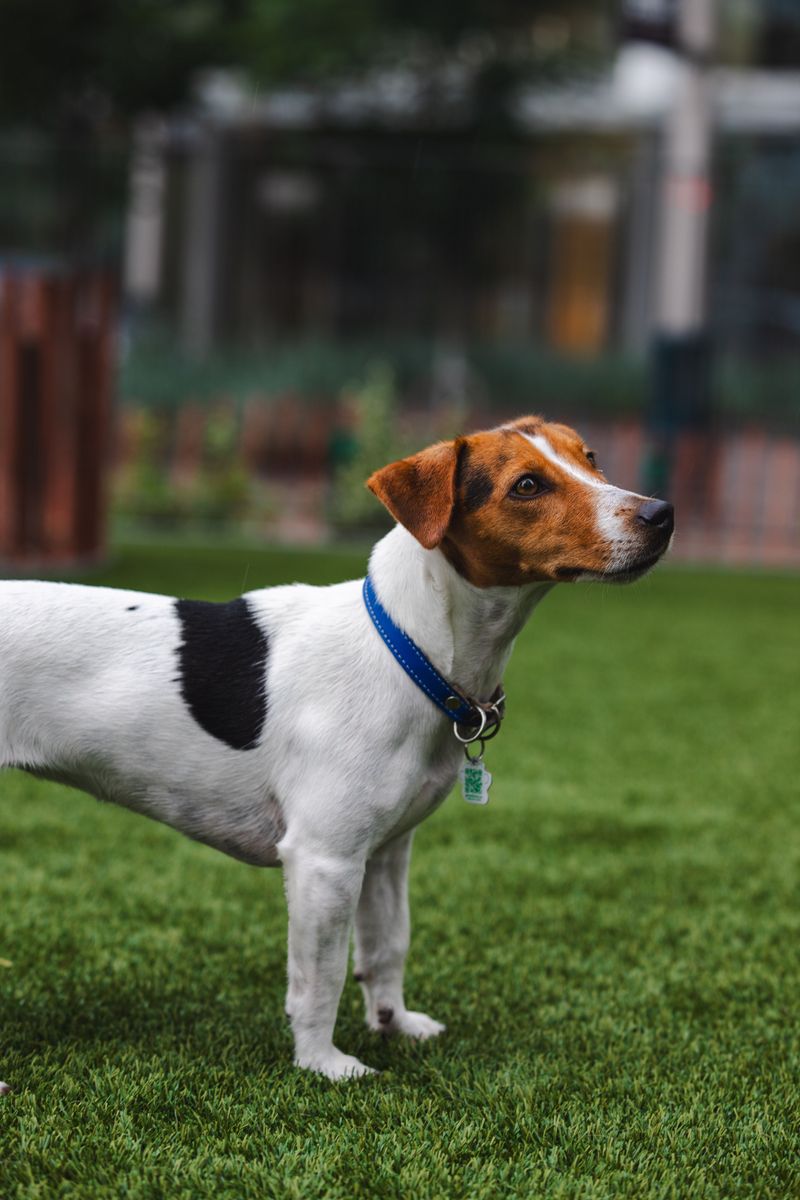
Small package, giant spring. Jack Russell Terriers were built for fox work, so they dig, sprint, and vocalize with gusto.
Without channels, that fire becomes fence fighting, chasing wildlife, and restless destruction.
Plan daily sniffy walks, flirt pole games with rules, and sturdy dig boxes. Teach terrier-specific skills like leave-it around critters.
Secure fencing and long lines are your friends. A nosework class often calms the mind and satisfies hunting urges while giving you teamwork.
Weimaraner
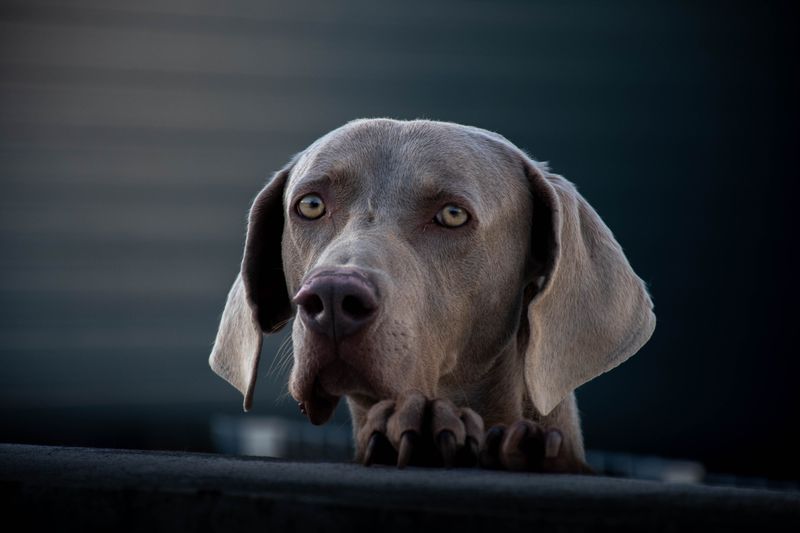
Silver-coated elegance hides a velcro soul. Many Weimaraners struggle with alone time, which can spiral into howling and door chewing.
High energy adds to the challenge at home.
Build independence slowly with short absences, stuffed chew toys, and calm gradual returns. Daily runs or bikejoring keep bodies satisfied.
Teach relaxing on a mat after exercise, then practice quiet crates. If separation issues persist, a veterinarian or behaviorist can rule out anxiety and create a plan.
Cane Corso
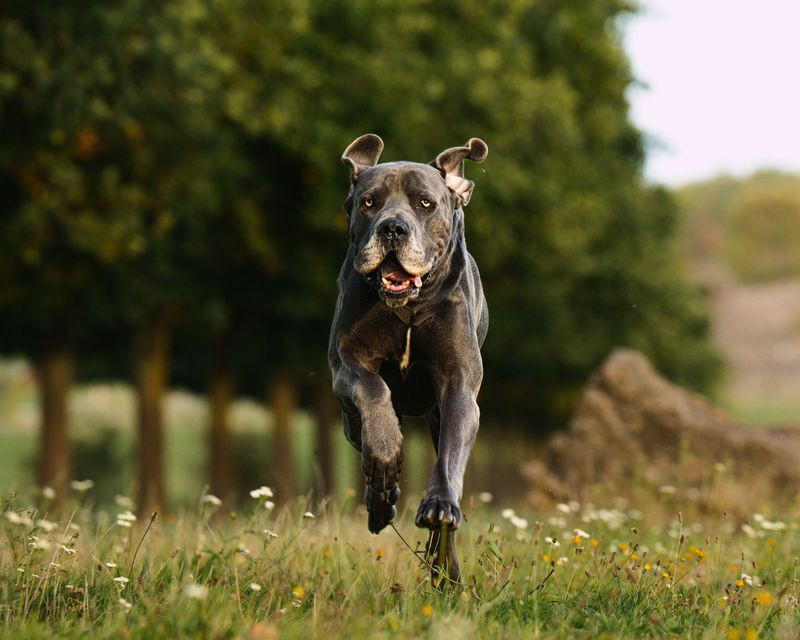
Powerful presence, serious mind. The Cane Corso matures slowly and can be wary of strangers.
When training lags, pushy behavior, barrier frustration, and rough play can appear.
Prioritize neutrality over social butterflies. Teach rock-solid leash skills, stationing on a bed, and calm handling for vet care.
Short field trips to observe, not mingle, help confidence. Choose a breeder or rescue with health testing and stable adults, then work with a trainer experienced with mastiffs early.