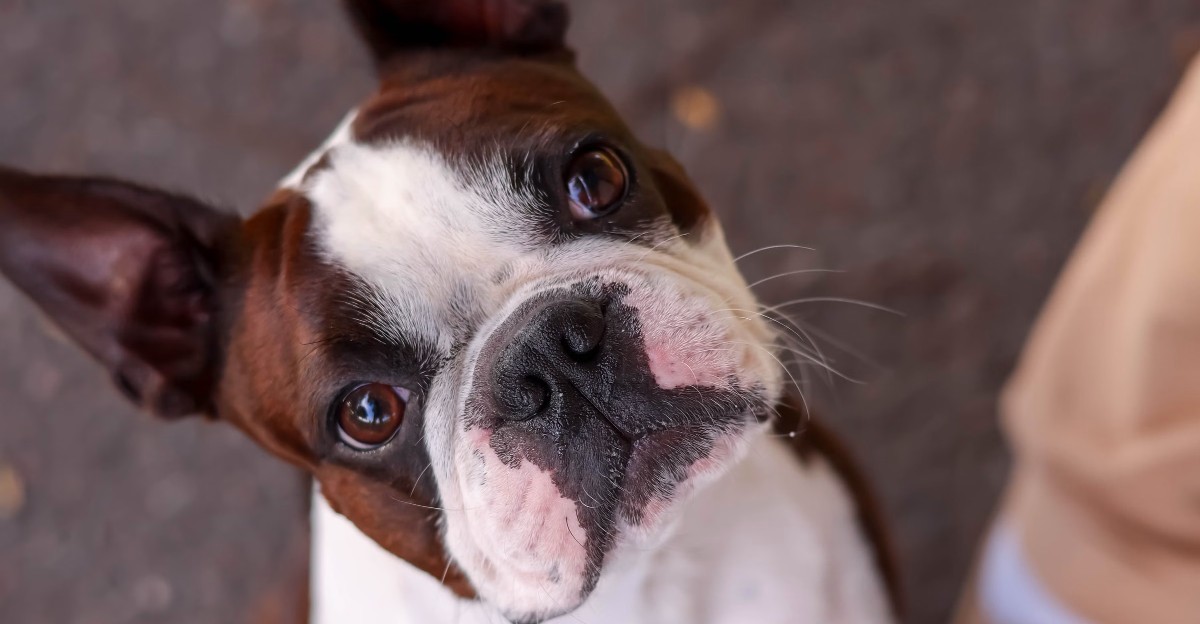
Dogs have different social styles, just like people. Some rush to say hello, while others prefer space and quiet.
Knowing the difference helps you pick a good match and set your dog up for success. It also keeps greetings safe and stress free for everyone.
Labrador Retriever
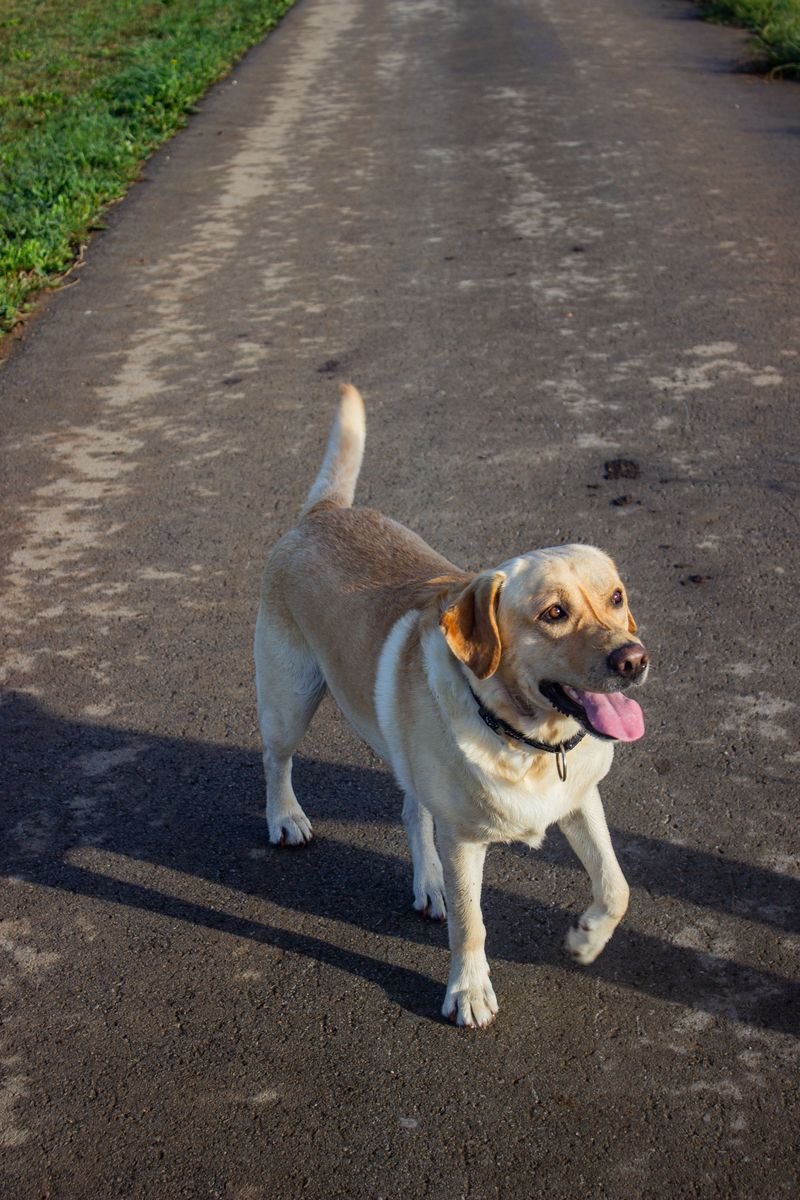
With a grin that seems to stretch ear to ear, many Labs treat every person like an old friend. They often enjoy meeting neighbors, delivery drivers, and new hiking buddies.
Plan daily social time and plenty of fetch to burn energy. Teach a calm sit before greetings so enthusiasm does not bowl people over.
A sturdy leash and quick reward for polite manners help channel that happy rush into reliable behavior.
Golden Retriever
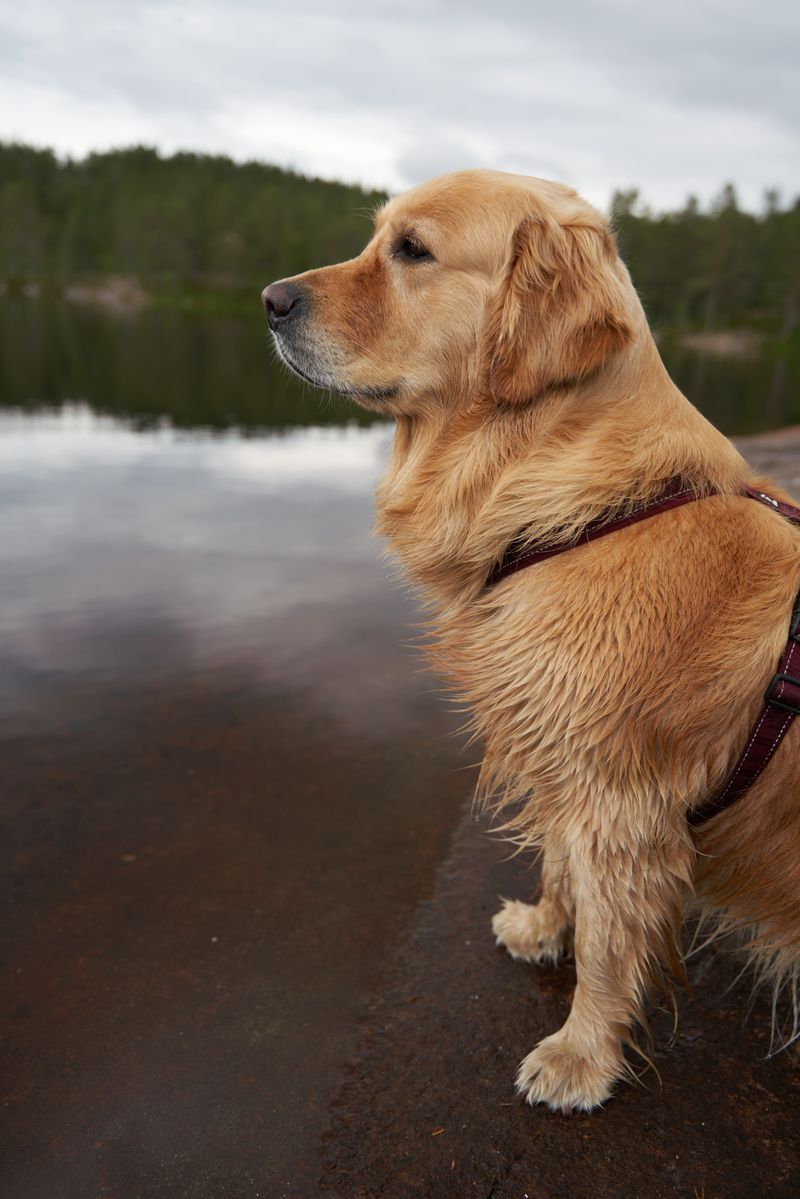
Warm eyes and soft ears tell the story. Goldens often charm everyone they meet, from kids at soccer games to seniors on neighborhood walks.
Their easy vibe makes public outings smoother.
Keep a brush handy since fans will want to pet that coat. Practice greeting cues like watch me and touch.
Short, positive sessions around strollers, wheelchairs, and bikes build confidence, turning that sunny nature into calm, friendly poise in busy places.
Beagle
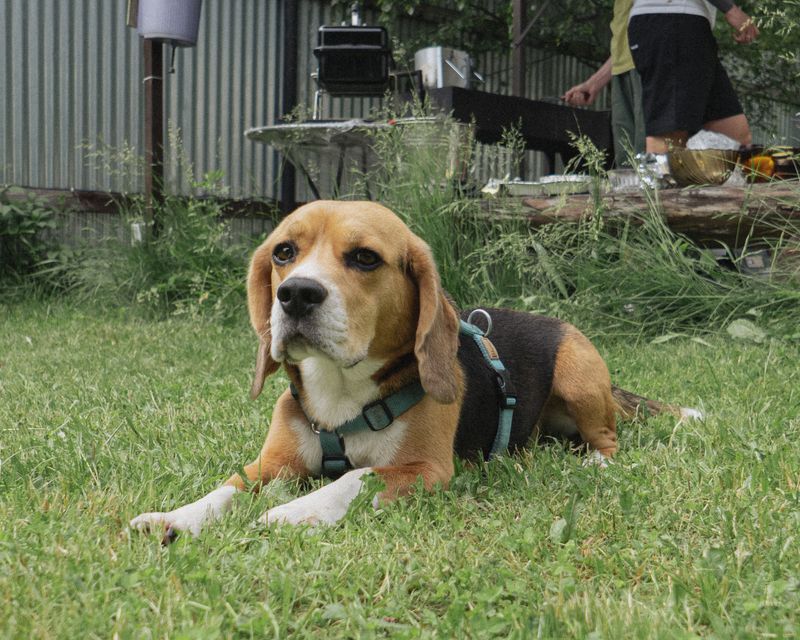
First comes the sniff, then the hello. Beagles love following scents and may pull you straight to new friends.
Their bouncy attitude often turns strangers into playmates.
Use scent games before walks to take the edge off excitement. A front-clip harness helps manage pulling without battles.
Reward check-ins with tiny treats so your Beagle learns that looking back at you is just as rewarding as greeting that interesting person or pup around the corner.
Boxer
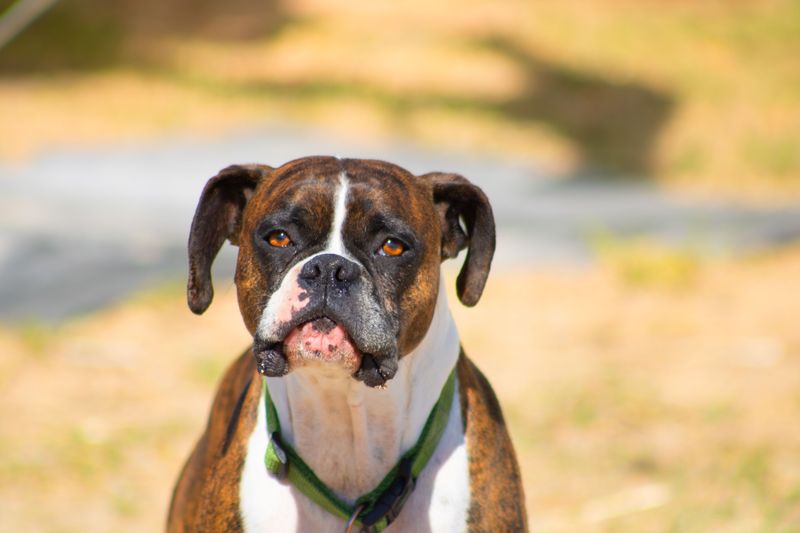
Goofy grins and springy zooms make Boxers the life of the party. Many love playful meetups and turn every visit into a comedy show.
That spark can brighten busy sidewalks.
Because enthusiasm can be strong, practice impulse control with short stays and release words. Give chew toys and tug workouts to settle body and mind.
Keep greetings short at first, then extend when your Boxer shows loose, wiggly calm around new faces.
Standard Poodle
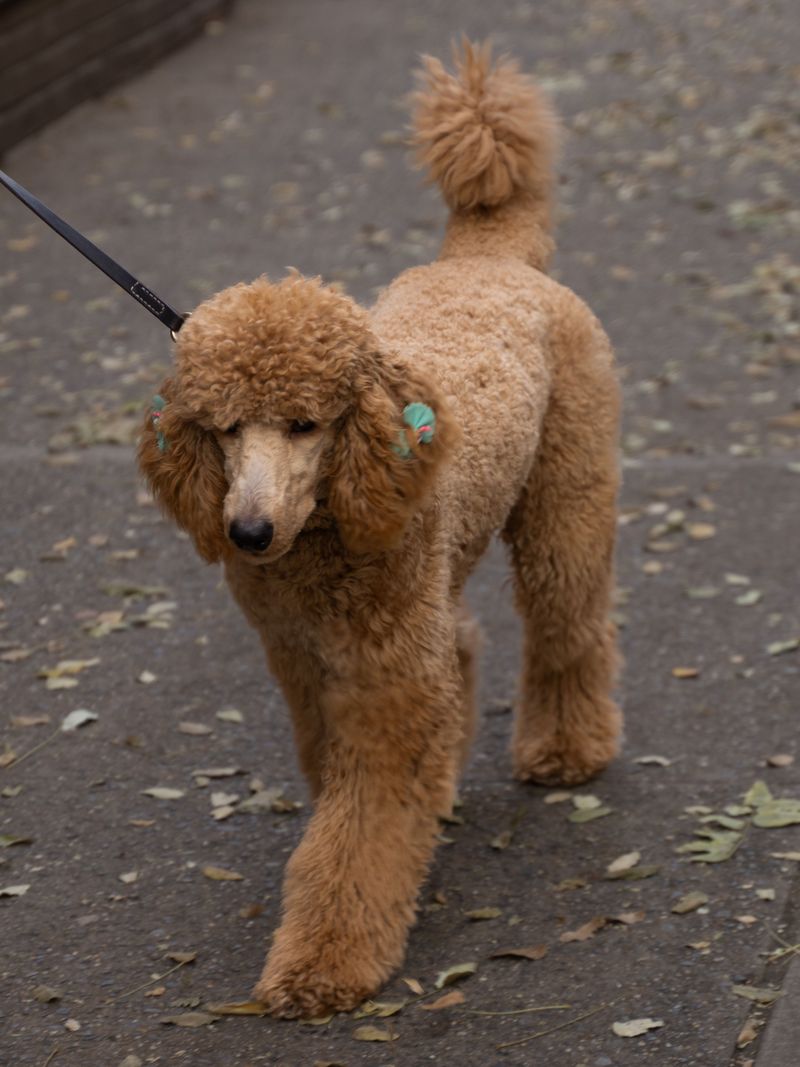
Brains and style meet in a dog that often welcomes polite attention. Many Standard Poodles read the room well and greet smoothly.
Their steady grace fits family visits and outdoor cafes.
Keep training playful to match their smarts. Rotate puzzle toys and practice calm stands while people pass.
If grooming draws a crowd, cue a simple chin rest for stillness, then reward. You will get a dog that handles friendly fuss with relaxed confidence.
Cavalier King Charles Spaniel
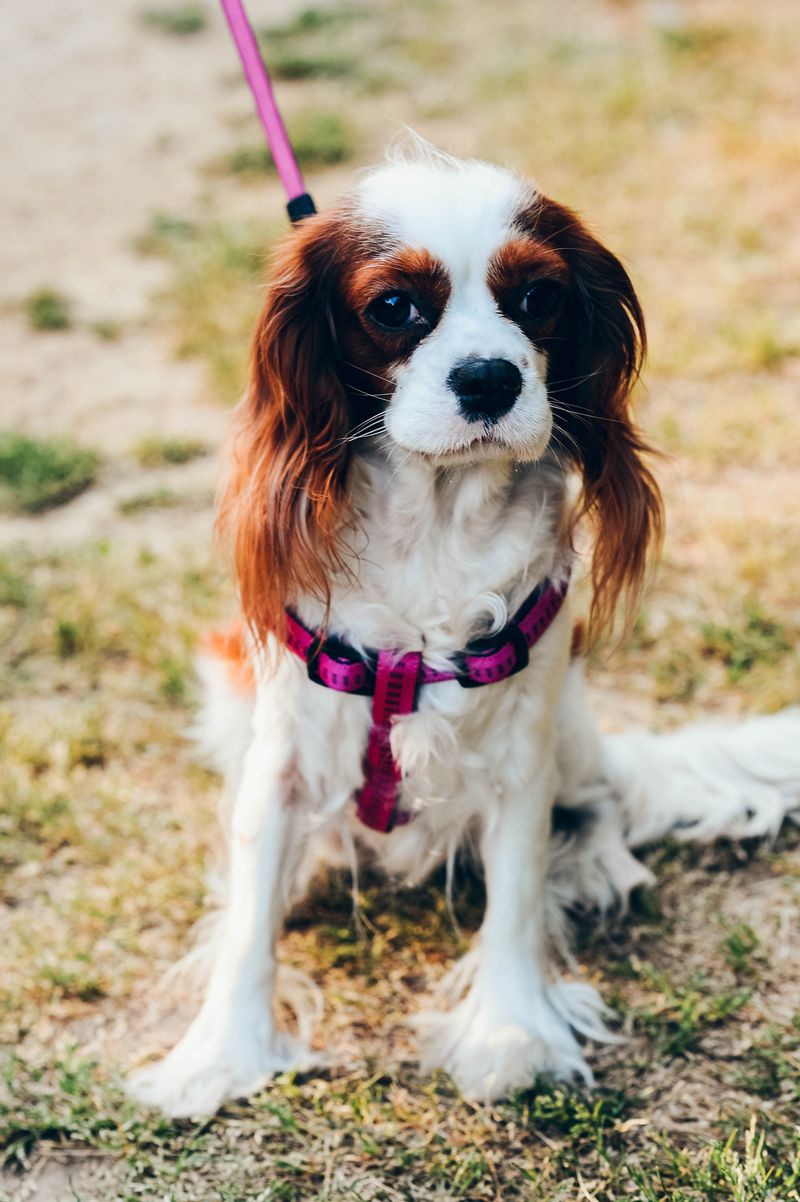
Big eyes and a gentle wag win hearts fast. Cavaliers often enjoy cuddles from strangers and are happy tagging along to picnics or school pickup lines.
Their size makes travel and visits easy.
Bring a soft mat so your pup has a familiar resting spot in new places. Keep greetings short and sweet to prevent overwhelm.
Light brushing in public can be bonding time, and it turns friendly attention into a calm, pleasant routine.
Boston Terrier
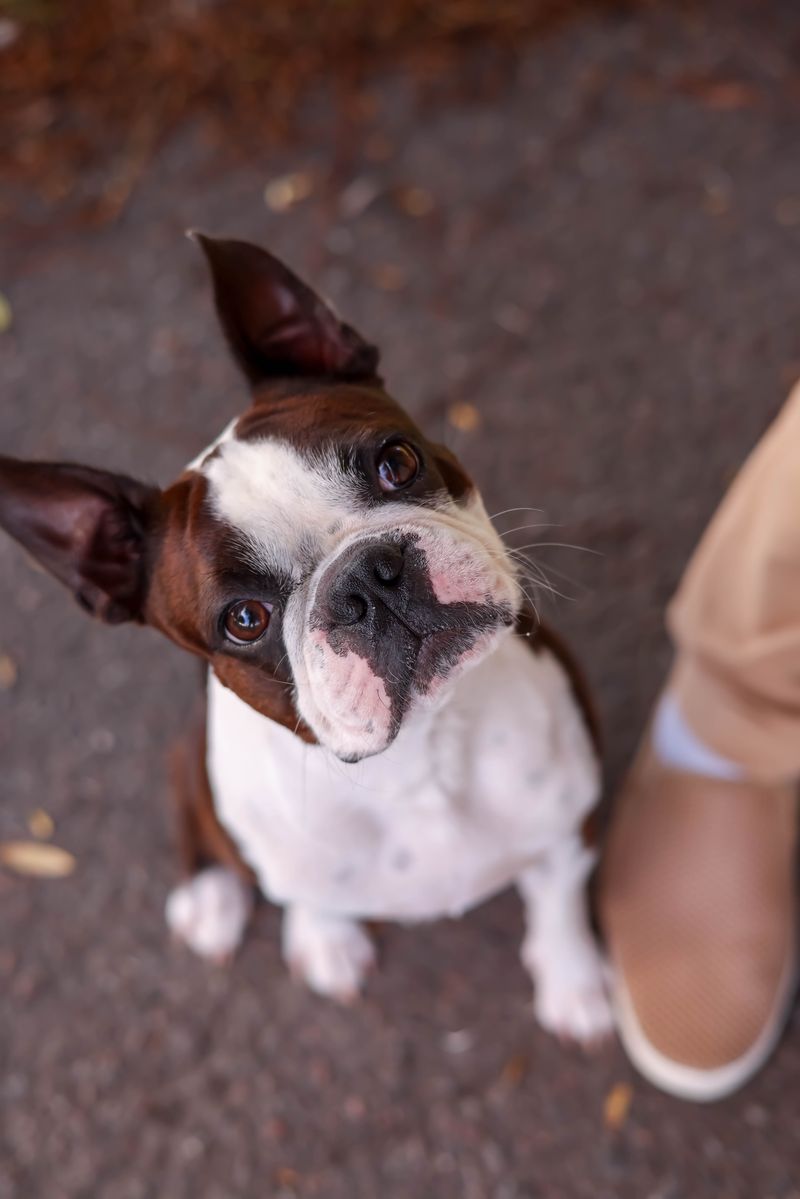
Snappy looks and comic timing make Bostons crowd favorites. Many enjoy bustling streets and quick greetings, using their bright eyes to ask for pats.
Their compact build suits apartments and weekend adventures.
Practice short heel sessions past distractions, then toss in a fun trick to keep focus. Reward quiet sits while people pass.
If meeting kids, teach gentle treat-taking first. A calm starting routine turns their upbeat energy into reliable city manners.
Bichon Frise –
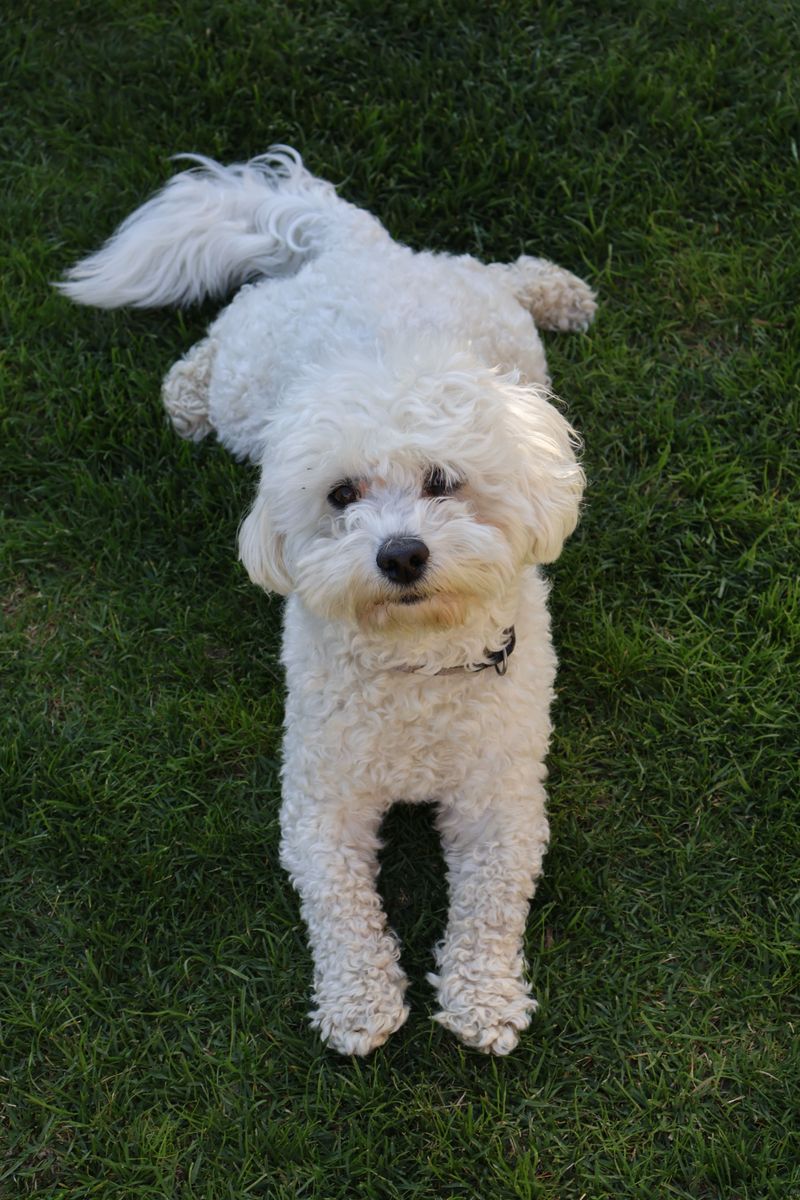
Picture a little white cloud that wags. Bichons often seek social fun and love being part of gatherings.
Their playful sparkle can lift the mood of a whole picnic.
Keep a small grooming comb and treats on hand for quick reset breaks. Teach a settle on lap or mat when excitement rises.
Short fetch rounds between greetings help manage energy. With structure, their lively charm stays sweet and never tips into wild bouncing.
American Cocker Spaniel
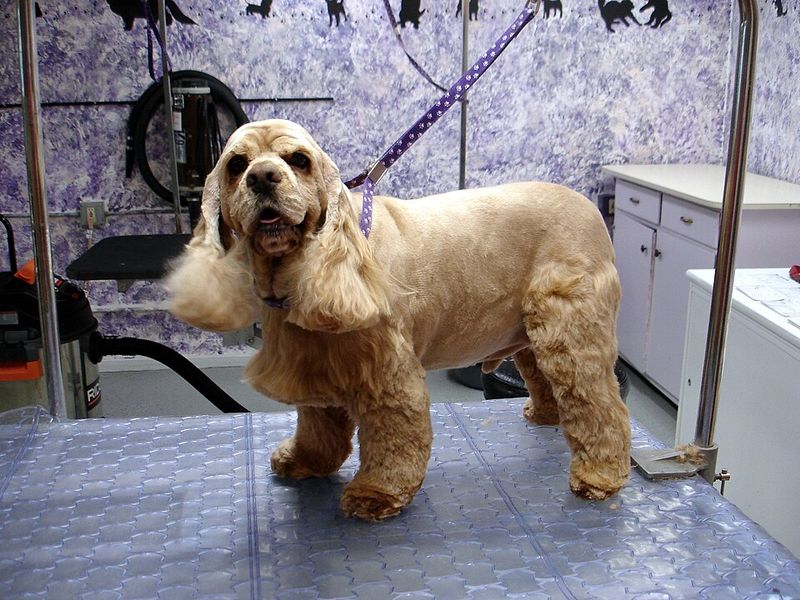
Those soulful eyes invite conversation. Cockers often enjoy meeting gentle people and soaking up kind words.
Many fit well at family events and weekend markets.
Because long ears can mask ear issues, keep them clean so petting stays comfortable. Use hand-target games to guide friendly greetings.
If crowds grow, step aside for a breather, then return. Balanced breaks keep the dog cheerful, not frazzled, and teach that calm choices always bring more social fun.
Staffordshire Bull Terrier
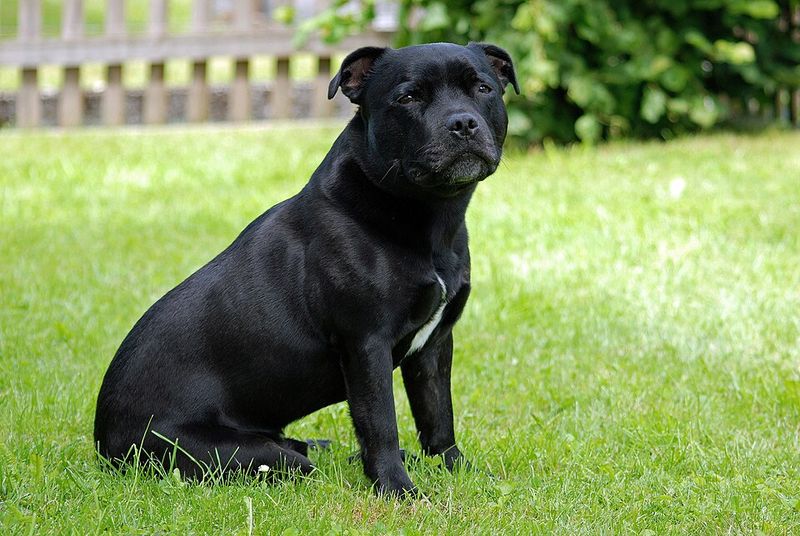
Ask many owners and you will hear the same thing. Staffies often adore people and seek close, affectionate contact.
Their loyalty shines during calm, polite meetups.
Channel enthusiasm with sit, wait, and leave it before greetings. Reward loose leash walking toward friendly faces.
Share breed facts to help others feel comfortable. With steady guidance and positive encounters, their people-first nature becomes a model of safe, social behavior that changes minds and hearts.
Portuguese Water Dog
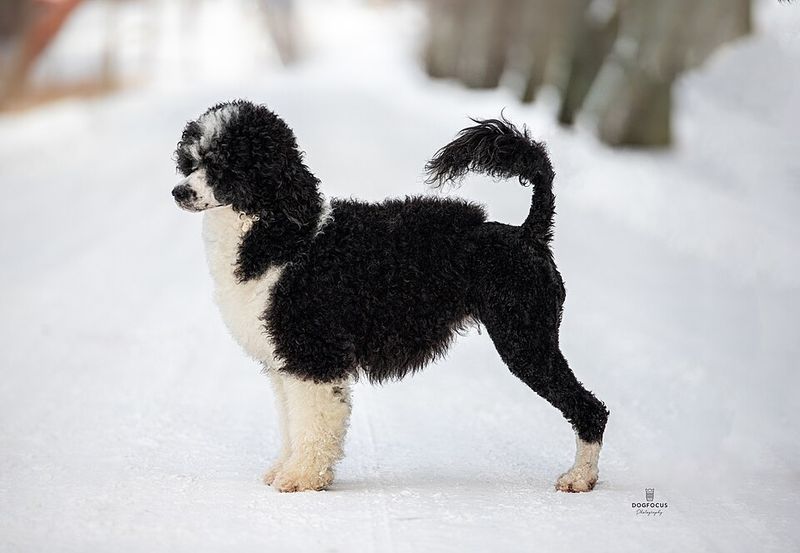
Built for teamwork on boats, these dogs often thrive on friendly outings and new activities. Many enjoy greeting fellow hikers and beachgoers, then jumping right back into play.
Give clear start and stop cues for water games. Practice settle on a towel so visits pause easily.
Use floating toys and long-line safety near crowds. With structure and strong recall, their spirited social style stays fun, safe, and ready for the next shoreline hello.
Shiba Inu – polite but private
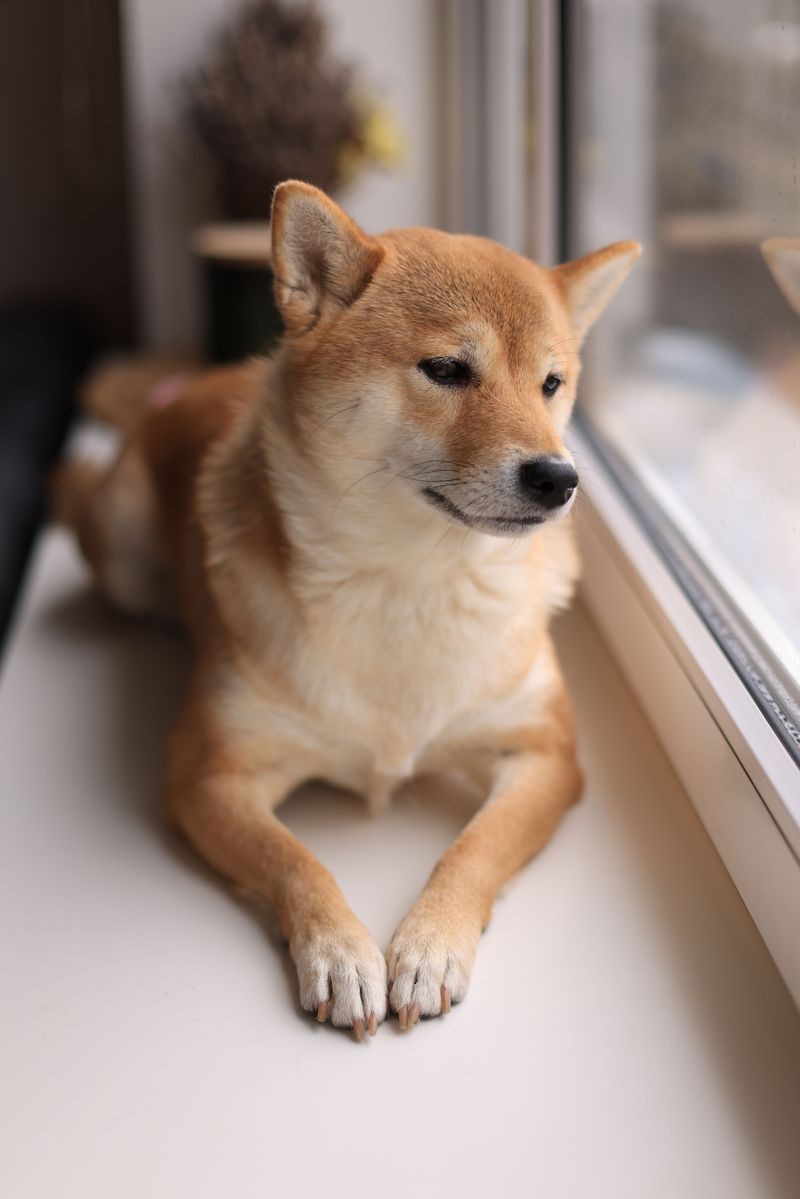
Independent by nature, many Shibas prefer observing rather than mingling. They may accept a brief hello, then shift attention back to their world.
Think respectful distance, not snubs.
Teach visitors to offer space and side-turned bodies. Reward your Shiba for choosing to approach, not for being approached.
Calm sniff walks, predictable routines, and quiet praise grow trust. Social success looks like relaxed body language, soft eyes, and the freedom to say no without pressure.
Chow Chow
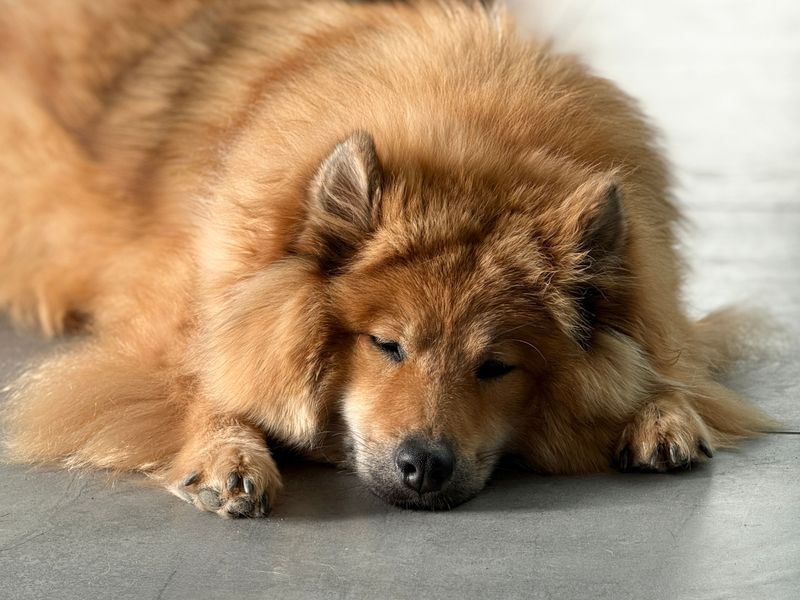
Proud and steady, many Chows choose their circle carefully. They often tolerate polite greetings but do not seek them.
Respect for boundaries brings out their best qualities.
Coach friends to avoid overhandling. Use slow, predictable introductions and reward relaxed posture.
Provide a safe spot like a cozy bed where the dog can retreat. Consistent structure builds trust, turning their reserved nature into a calm, confident presence at home and on quiet walks.
Akita
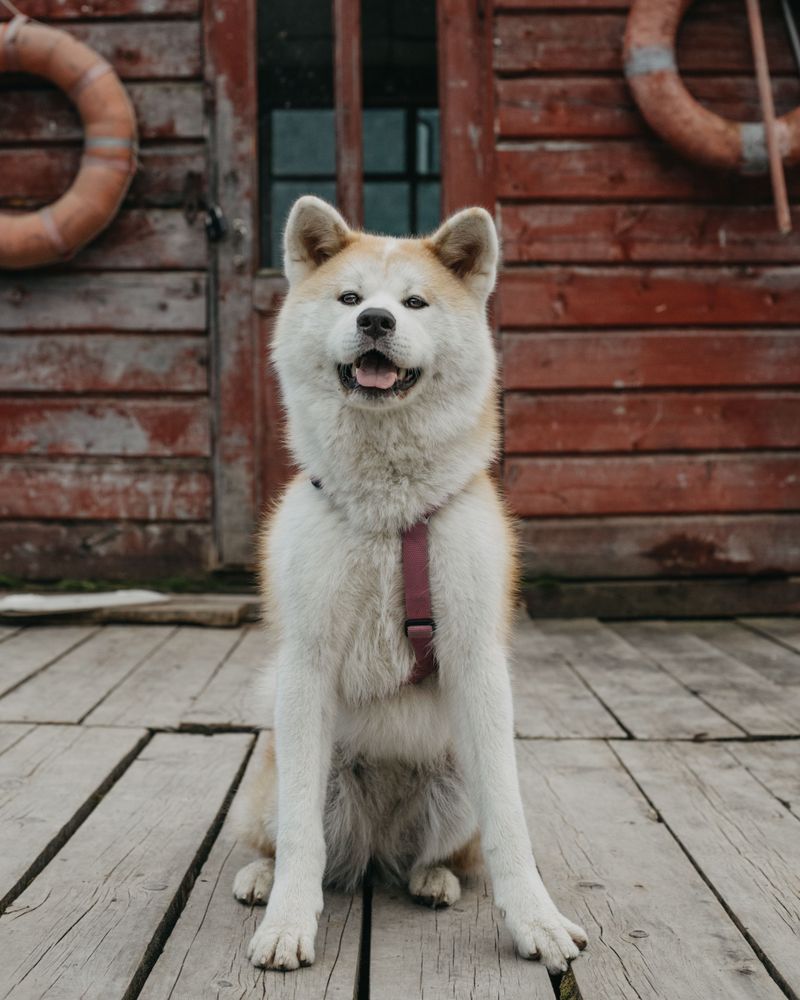
Deeply devoted to family, many Akitas keep strangers at arm’s length. They can be courteous yet uninterested in casual petting.
Clear handling builds a steady partnership.
Focus on obedience with distance from crowds. Teach heel, leave it, and solid recalls in quiet places first.
Introduce new people slowly with firm rules and clear exits. Confidence grows when the dog feels understood, not pushed, and when greetings stay brief, neutral, and low key.
Shar-Pei
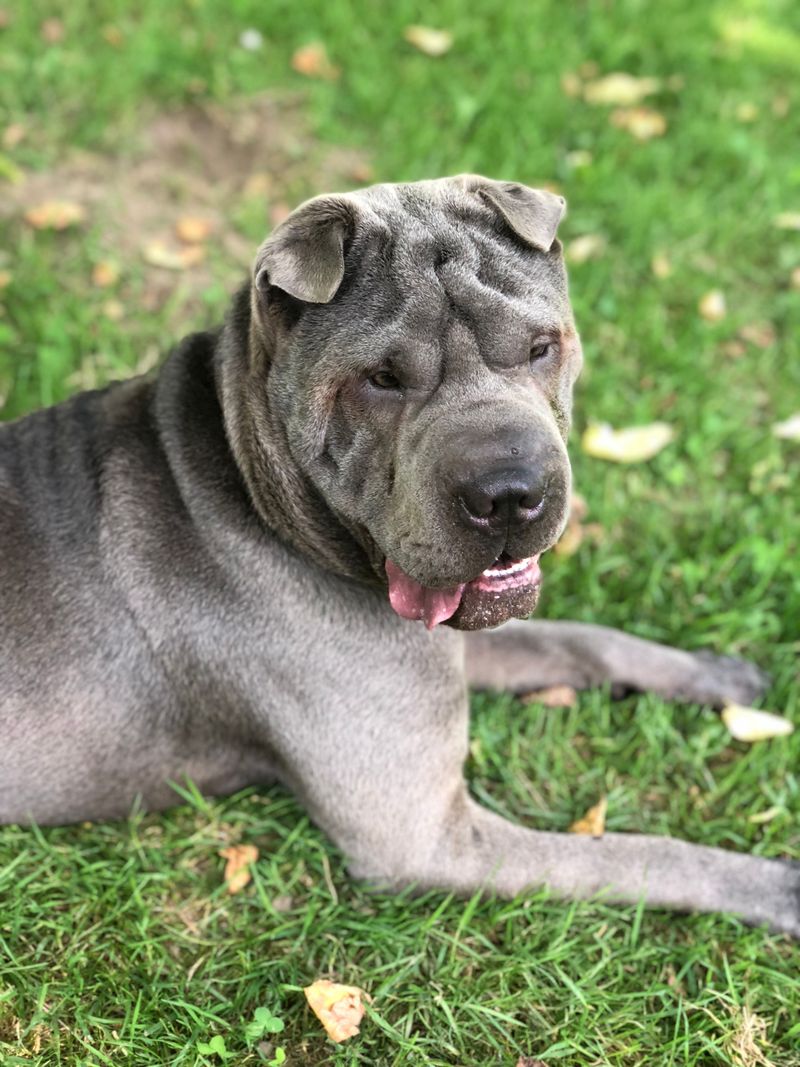
That thoughtful gaze says it all. Many Shar-Pei dogs prefer measured introductions and may ignore strangers completely.
They do best when humans read subtle cues.
Let the dog sniff the air and choose whether to approach. Reward head turns, soft blinks, and relaxed tails.
Keep greetings short and avoid looming over the dog. A predictable routine paired with clear consent turns everyday walks into calm, confident experiences without forcing unwanted social time.