
Bringing home a rescue dog can be exciting and a little tricky. Some pups settle fast, while others need extra time to feel safe and learn house rules.
Understanding a breed’s common traits helps you plan better training and routines. With patience and kindness, you can turn early challenges into a strong bond that lasts.
Akita
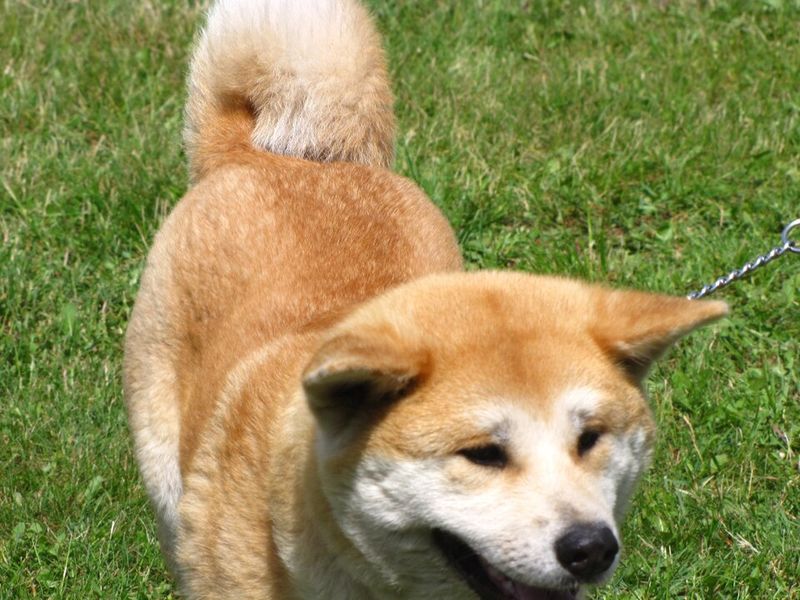
Big hearts wrapped in quiet pride, Akitas often need time to trust. Many come from single-person bonds, so new homes can feel confusing.
Use calm routines, low-key greetings, and high-value treats to show you are safe.
Short training sessions work better than long drills. Give them space, then invite attention.
A sturdy chew, scent games, and polite leash walks help them relax. Respect body language, and friendships grow steady, day by day.
Shiba Inu
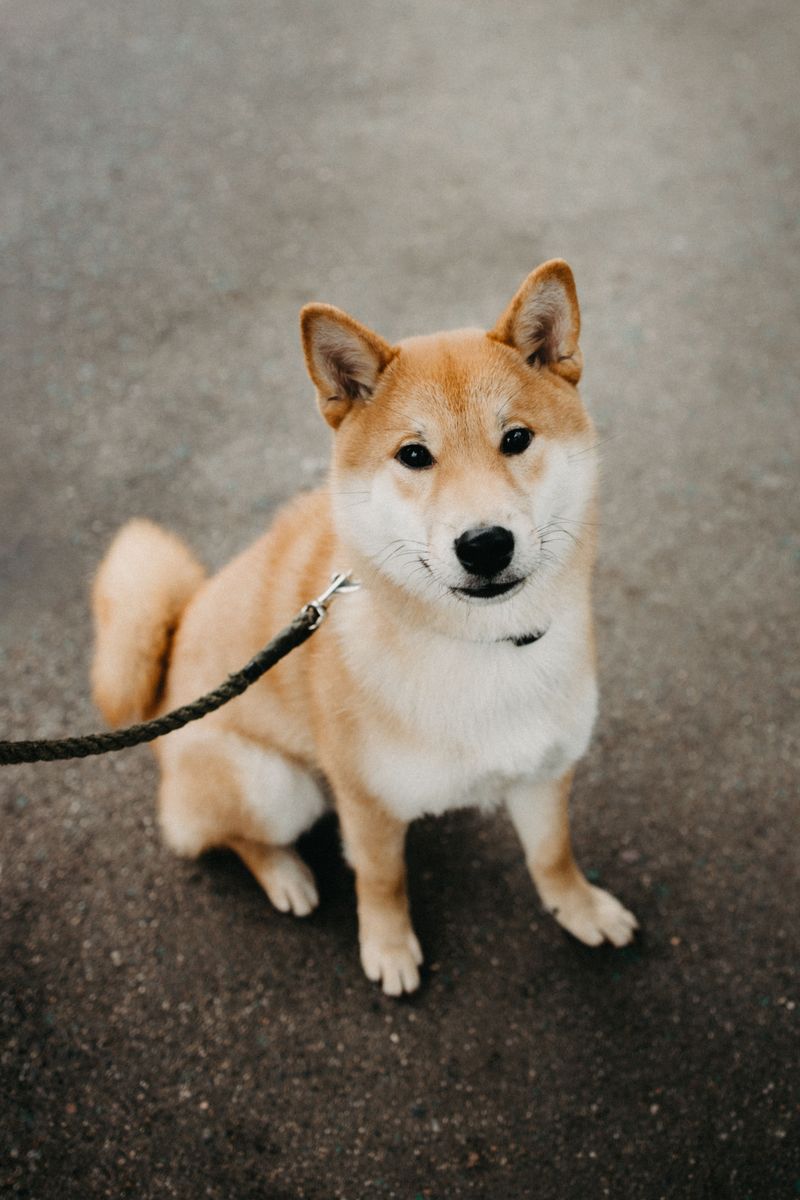
Like a fox with its own ideas, the Shiba Inu values personal space. Newly adopted Shibas may bolt or freeze when stressed.
Start with double leashes, secure fences, and a quiet room where they can observe without pressure.
Teach hand-targeting and trade games for grooming. Reward check-ins and calm choices.
Rotate puzzle feeders to satisfy that sharp mind. Patience pays off when you celebrate tiny wins and keep training light, upbeat, and predictable.
Chow Chow
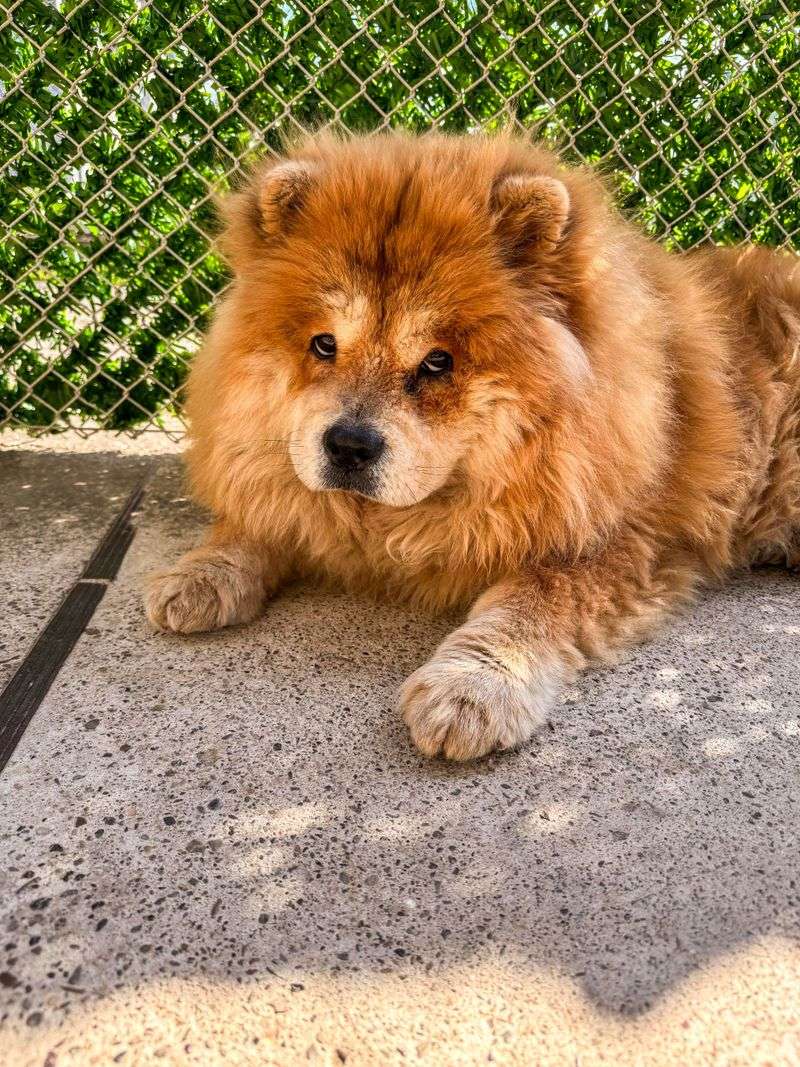
Lion-like looks can hide a sensitive soul, and Chow Chows often prefer slow introductions. Many dislike grabbing or rushed petting.
Meet their needs with predictable schedules, gentle brushing, and engagement that lets them choose when to interact.
Use station training near the couch, then reward eye contact and relaxed ears. Keep guests from crowding them.
A comfy mat, soft voice, and thoughtful socialization walks build confidence, turning cautious moments into calm, shared routines.
Siberian Husky

Born to run, many Huskies arrive with adventure in their eyes and mischief in their paws. New rules can feel boring at first.
Prevent escapes with secure gates, tether training inside, and a long line for outdoor practice.
Channel energy into canicross, flirt pole play, and sniffy walks. Teach impulse control with sit-to-greet.
Freeze stuffed Kongs before work hours. When the brain and legs get jobs, house manners improve, and that sparkle becomes teamwork.
Australian Cattle Dog
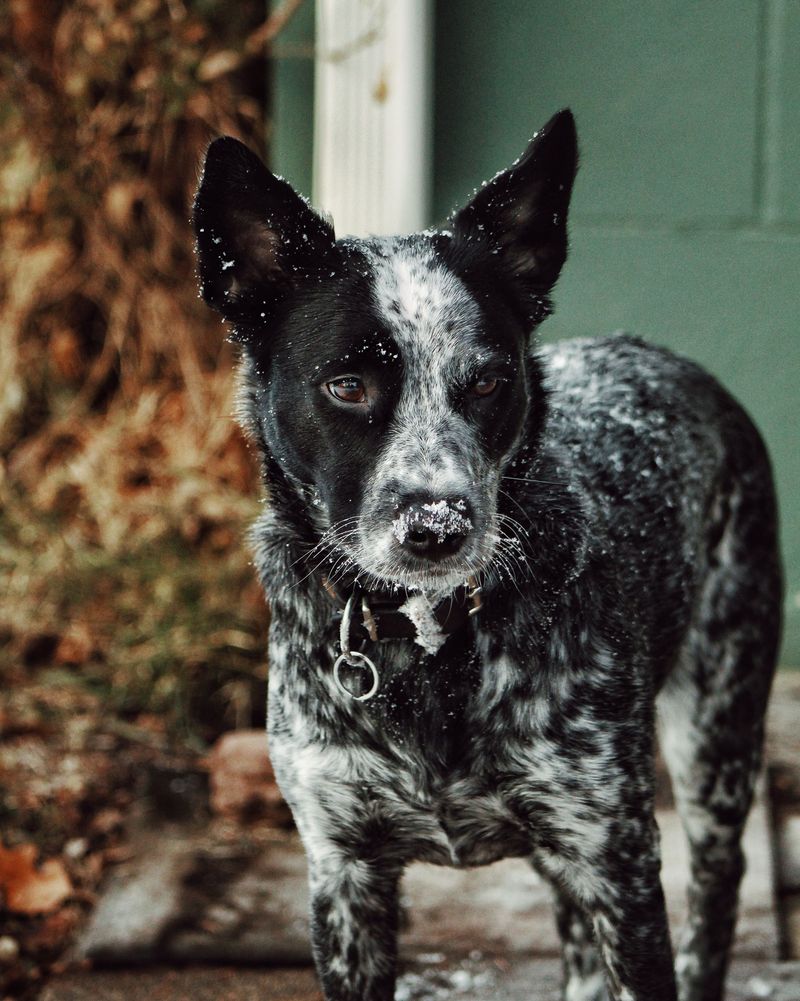
Quick thinkers with a herding streak, Australian Cattle Dogs often test boundaries. Nipping heels is instinct, not meanness.
Redirect with tug toys, movement breaks, and target mats so feet have a safe job.
Short, clever games beat long lectures. Teach fetch to release energy, then add calm settle cues.
Offer durable chews, trick training, and obstacle courses in the yard. When their brains feel challenged, cooperation grows, and rough habits fade into useful skills.
Border Collie
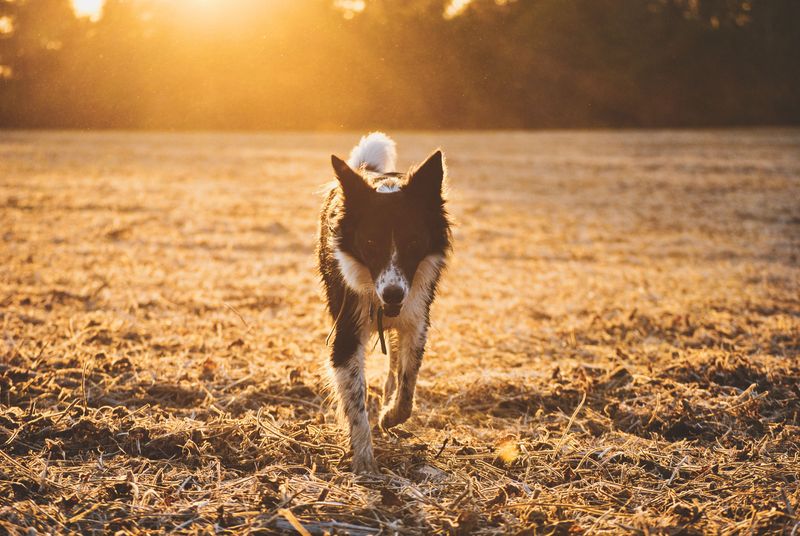
Brains on turbo, many Border Collies struggle to switch off after adoption. Motion can trigger herding and barking.
Start with decompression walks, pattern games, and settle training near a window with curtains partly closed.
Give jobs like scent work, clicker tricks, or shaping games with boxes. Add clear start and stop cues.
Use food puzzles on rest days. With structure that balances action and calm, they learn to relax without losing that brilliant spark.
Belgian Malinois
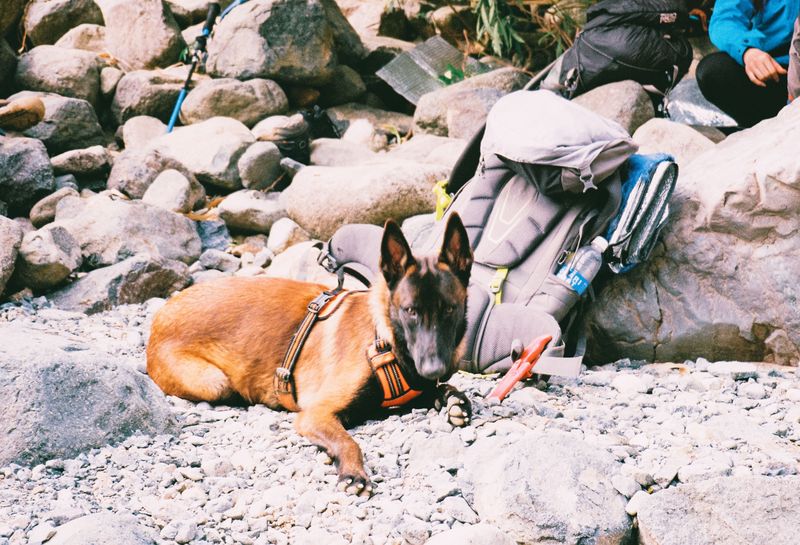
Meet the overachiever of the working world, the Belgian Malinois. High drive and sensitivity mean mistakes happen fast.
Protect success with management, crates that feel cozy, and daily training that targets focus and impulse control.
Turn chores into games, like carrying laundry clips or finding keys. Teach calm greetings before any play.
Hire a positive trainer early if needed. With steady leadership and mental outlets, intensity softens into partnership, and life gets smoother for everyone.
Coonhound
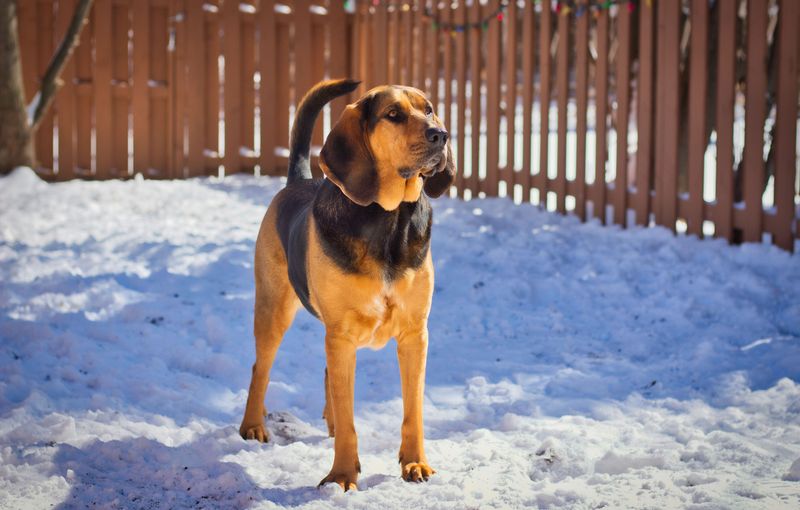
Noses rule the day for Coonhounds, and that can make recall tough at first. Many arrive with big voices too.
Start indoors with check-in games, then practice outdoors using long lines, tasty rewards, and safe, fenced fields.
Give room for sniffing marathons. Schedule quiet time after exercise to reduce baying.
Food scatters, tracking games, and overnight snuffle mats satisfy instincts. When scent needs are met, listening improves, and neighborhood walks turn from tug-of-war into a relaxed tour.
Greyhound
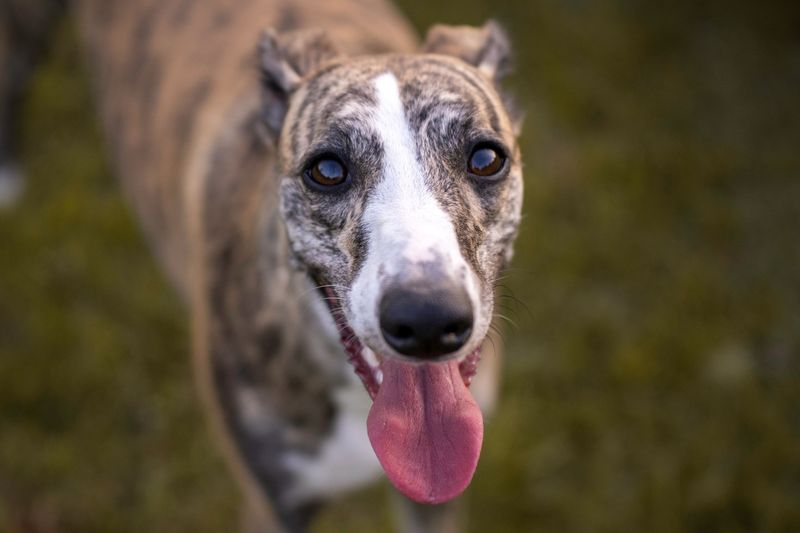
Fresh off the track, retired Greyhounds often discover stairs, windows, and mirrors for the first time. House life can feel loud.
Keep things simple with non-slip rugs, quiet corners, and short practice sessions for car rides and steps.
They love soft bedding and gentle routines. Use martingale collars for that narrow head.
Leash up near wildlife. With patience and cozy comforts, nervous moments fade, and the couch becomes a safe harbor for long, content naps.
Dachshund
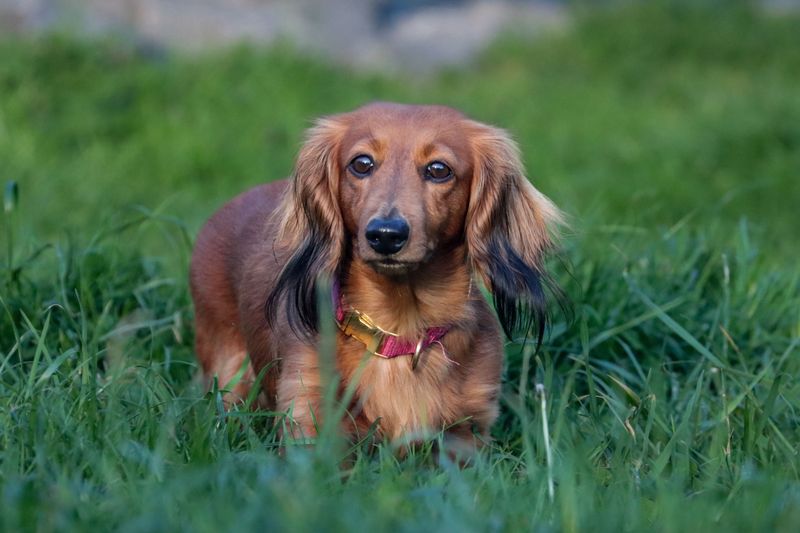
Short legs, big opinions. Dachshunds can be vocal gatekeepers, and house training may take longer.
Block jumping on furniture to protect backs, and create ramps or steps for safe movement.
Turn bathroom breaks into a routine with praise and tiny treats. Teach quiet with sniff breaks after knocking sounds.
Provide burrow blankets, gentle play, and easy nosework. By pairing patience with structure, you guide that brave heart toward confidence while keeping those clever paws out of mischief.
Great Pyrenees
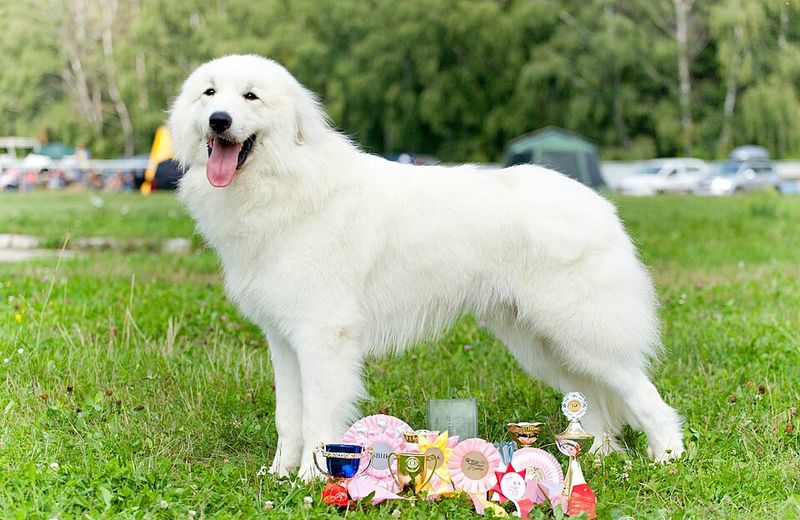
Guardian roots run deep in Great Pyrenees, so new noises at home can trigger patrol mode. Yard barking often spikes early on.
Build trust with calm greetings, slow boundary walks, and secure fencing that prevents wandering.
Teach a go-to-place cue for doorbells. Offer jobs that fit their style, like watching a yard from a shaded deck.
Nighttime white noise helps. When responsibilities feel clear and fair, watchful habits soften, and a peaceful, loyal roommate emerges.
Labrador Retriever
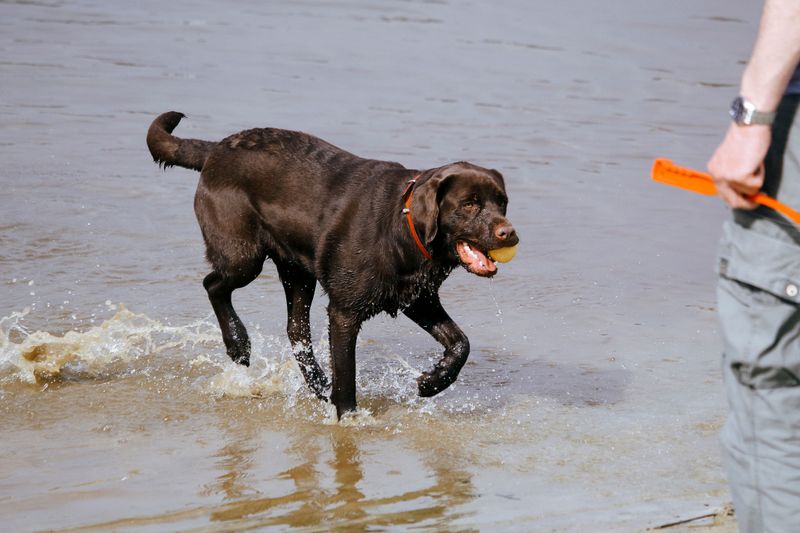
Smiles that wag the whole dog often come with Labradors. Many greet like old friends, ready to learn and play.
Channel that friendliness into sit-for-everything routines, polite leash skills, and fetch games that end with a relaxed settle.
Rotate chew toys to curb boredom. Practice calm hellos at doorways and parks.
Short, upbeat training builds good manners fast. With consistent fun and clear choices, you get a sociable buddy who thrives at family life and weekend adventures.
Golden Retriever
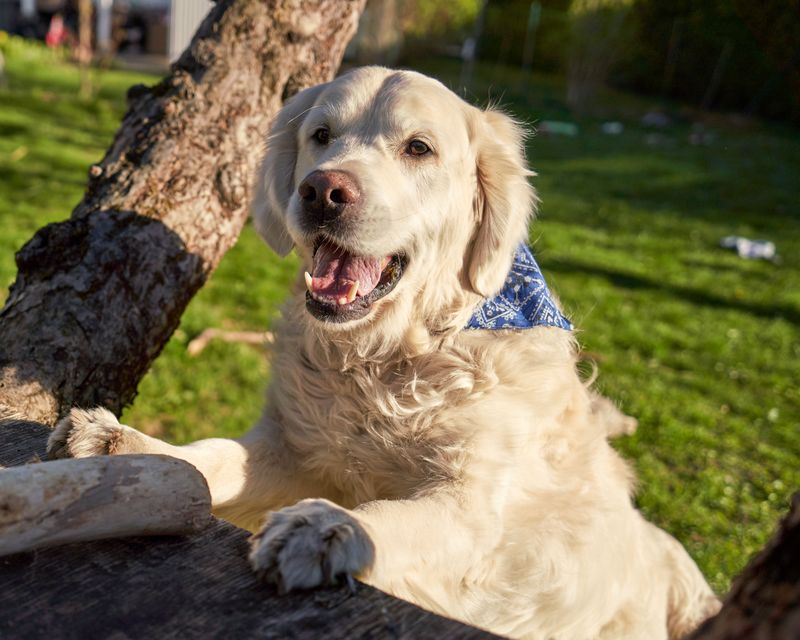
Sunshine in fur, Golden Retrievers usually welcome new people and dogs with easy charm. Families often appreciate their patience.
Keep that sweetness polished with daily brushing, impulse-control games, and greeting cues practiced before guests arrive.
They love to carry things, so teach a soft mouth and tidy-up tricks. Add swimming sessions or gentle hikes for happy exercise.
Positive training keeps eagerness focused. Soon you have a friendly partner who glows in therapy visits, playdates, and backyard hangouts.
Cavalier King Charles Spaniel
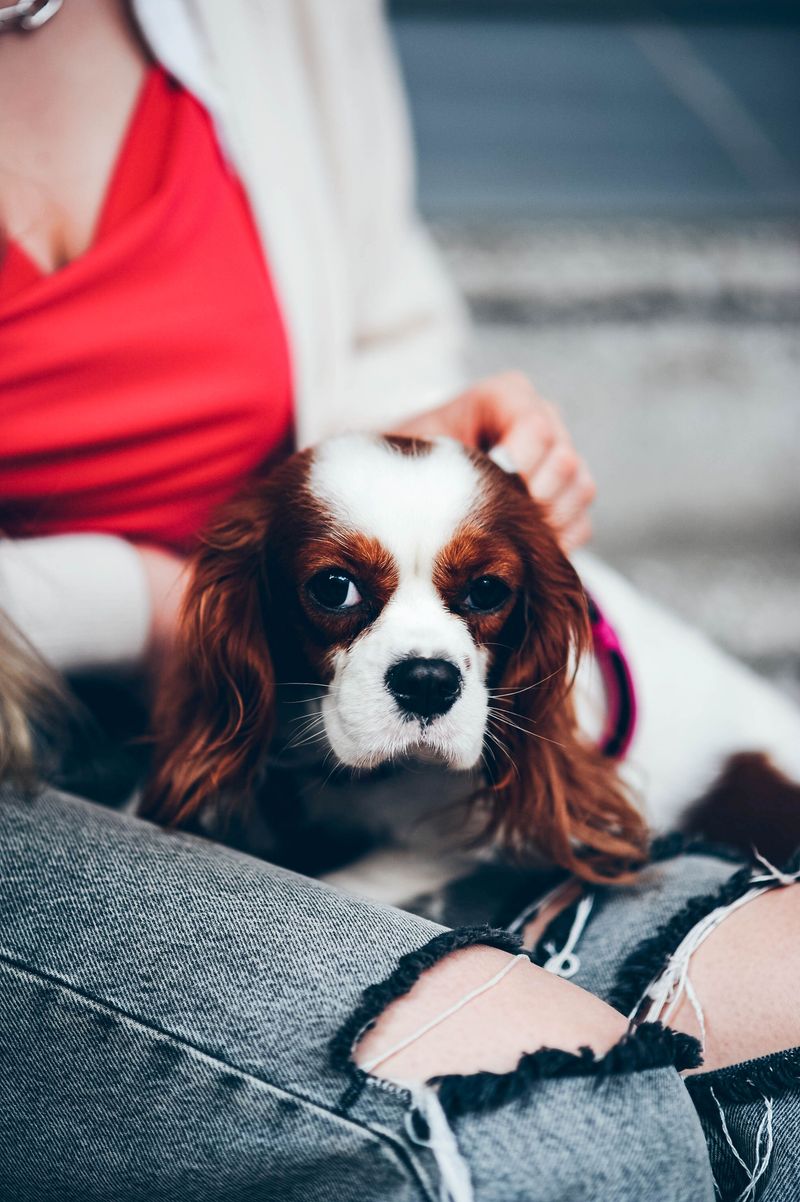
Velcro vibes describe many Cavaliers, who often follow their people from room to room. New homes bring quick cuddles and soft eyes.
Keep them comfortable with gentle handling, short walks, and a cozy crate that feels like a den.
Because they thrive on company, plan breaks with stuffed chew toys and soothing music. Practice easy tricks to build confidence.
Regular health checks help with common issues. A sweet, people-loving spirit blossoms with steady care and kind expectations.
Havanese
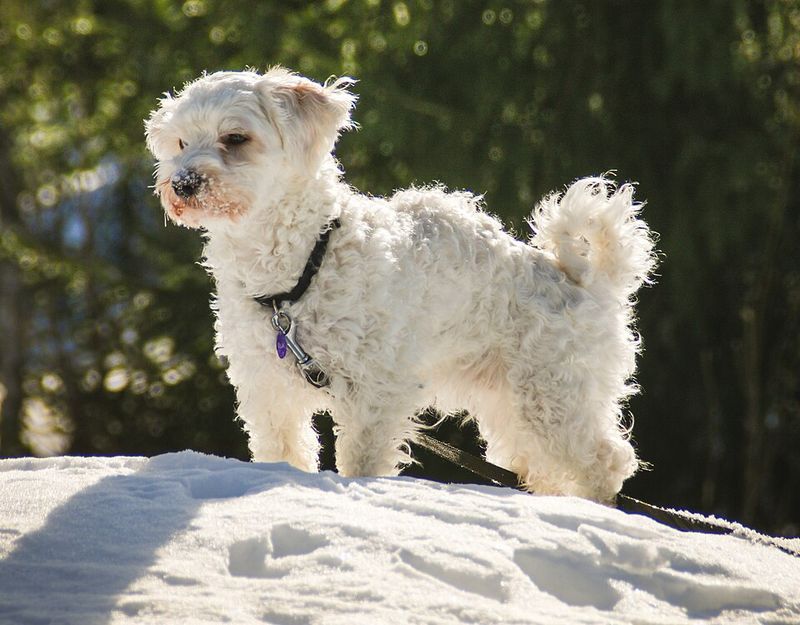
Bubbly and curious, the Havanese often greets neighbors like buddies. Many adapt quickly to apartment life.
Support that cheer with short training bursts, gentle play, and chances to meet friendly dogs in calm settings.
Grooming time becomes bonding when paired with treats. Teach a solid recall and a go-mat cue for cafes.
Rotate indoor games on rainy days. With a playful routine and positive feedback, you get a sociable sidekick who brightens daily errands and quiet evenings.