
Dogs are tough and often hide pain. Instead of crying, they send quiet signals that can be easy to miss.
Learning those clues helps you catch problems early and keep your buddy comfortable. Watch for these patterns and trust your gut when something feels off.
A limp or stiff, careful walk
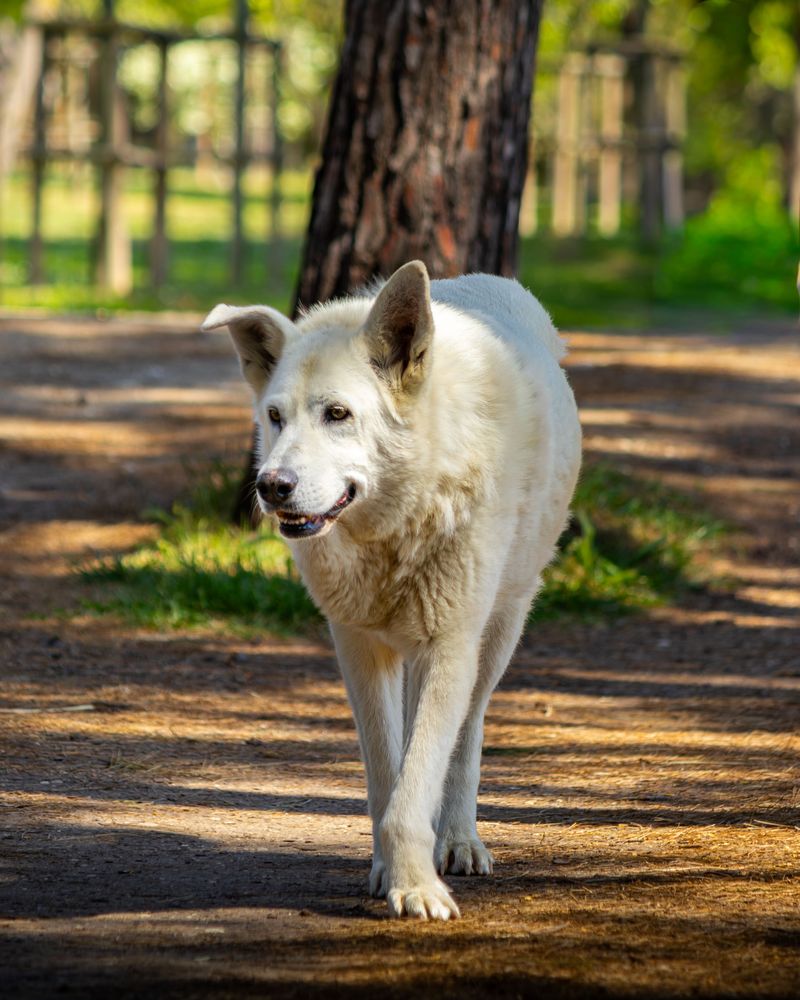
Your dog might act like a weekend warrior, but a small limp can reveal a sore joint or paw. Sometimes the stride looks choppy, like gears that need oil.
Stiffness after naps is another clue. Check paws for thorns, ice balls, or cracked pads.
Short, calm walks help while you monitor. Use non-slip rugs on slick floors and keep nails trimmed.
If the limp lasts more than a day, call your vet for guidance.
Reluctance to jump on the couch or into the car
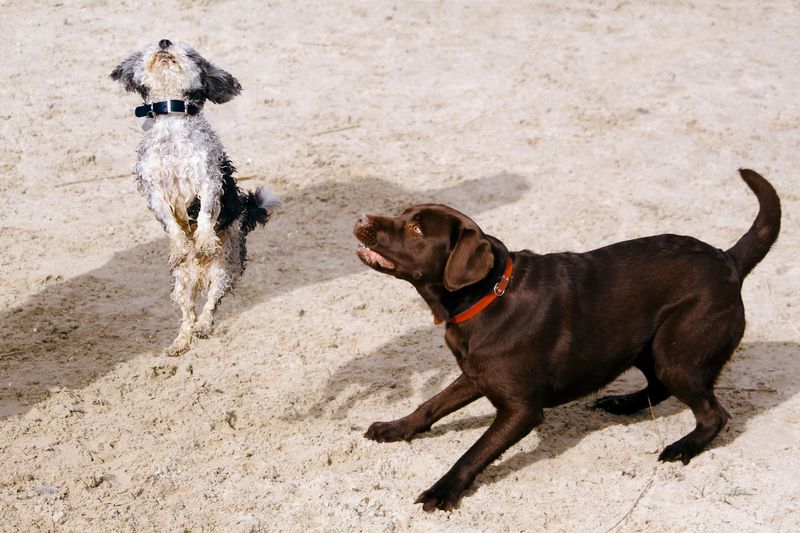
Yesterday your pup flew onto the sofa. Today, there is a pause, a sigh, and a detour to the floor.
That hesitation can point to hip, knee, or back pain. Slippery landings make it worse, so watch surfaces.
Try a ramp or a low step to reduce impact. Keep jumps rare until you get answers.
Joint-friendly play, like sniff walks and puzzle toys, keeps spirits up without strain. A vet visit can uncover hidden joint issues.
Food feels unappealing out of the blue
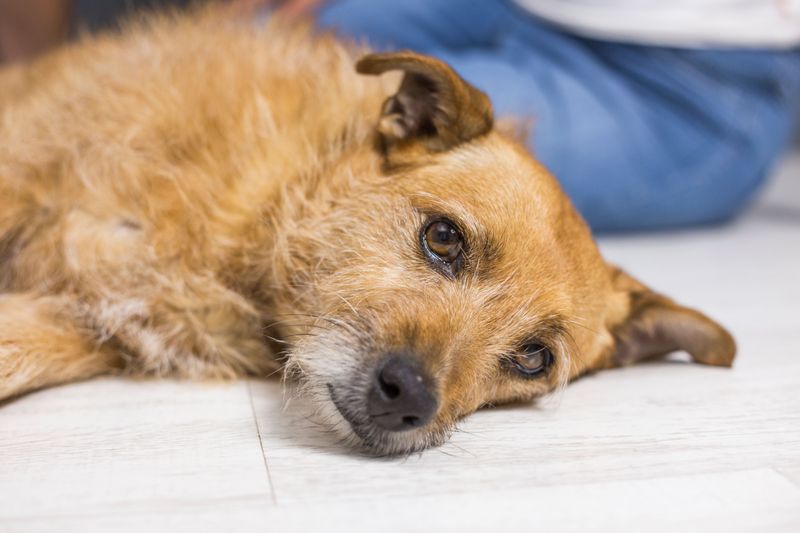
A dog that used to race the bowl but now nibbles or walks away may be hurting. Dental aches, tummy trouble, or nausea from pain can dull appetite.
Even favorite treats may get a pass.
Offer soft, room-temperature food and check the mouth for broken teeth or sore gums. Keep water fresh and track how much is eaten.
If appetite dips for more than a day, call your vet to rule out pain and illness.
Licking, chewing, or nibbling one spot
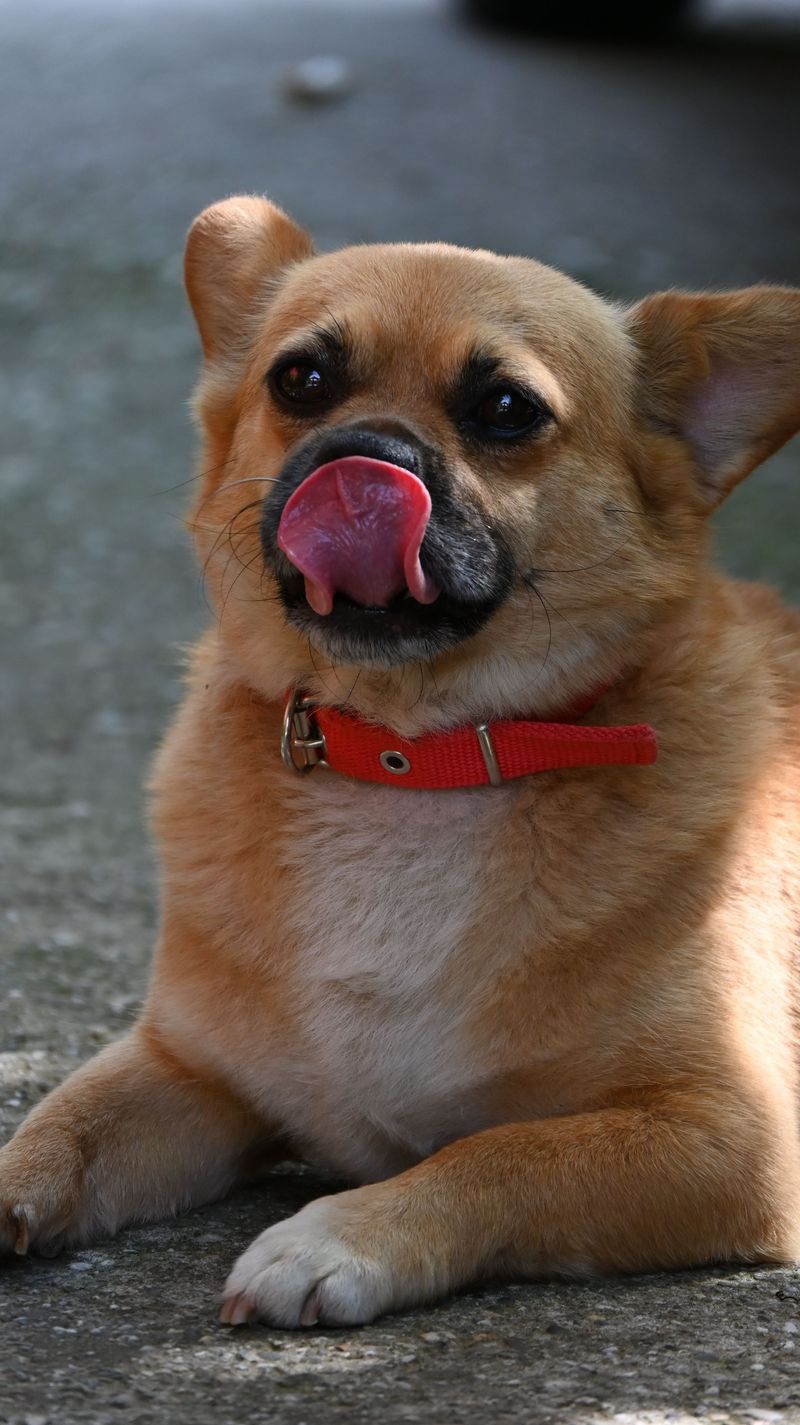
Like a kid picking at a scab, a dog may fixate on a sore patch. Constant licking can point to a thorn, bug bite, skin infection, or joint pain under the fur.
Sometimes the skin stains or thins.
Gently part the fur and look for redness, swelling, or splinters. Use a recovery cone if needed to prevent self-injury.
Schedule a vet check if the habit continues, since hidden pain can hide beneath normal-looking skin.
Panting or short breaths while resting
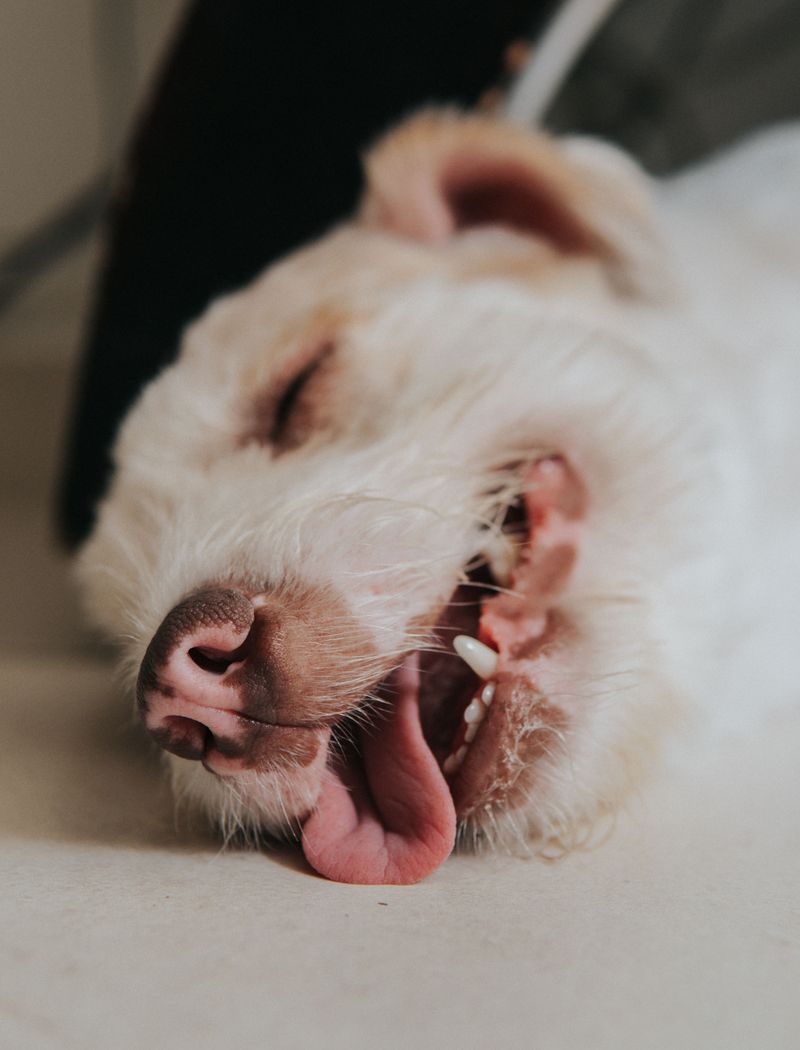
Hard breathing after a sprint is normal. But panting on the couch or breathing shallowly during a nap can signal discomfort.
Pain can raise heart rate and body temperature, which triggers panting even in cool rooms.
Note the room temperature and recent activity. Count breaths during sleep for a minute.
If rates stay high, or gums look pale or blue, contact your vet right away. Calm spaces and gentle handling reduce stress until you get help.
Pacing and trouble settling down
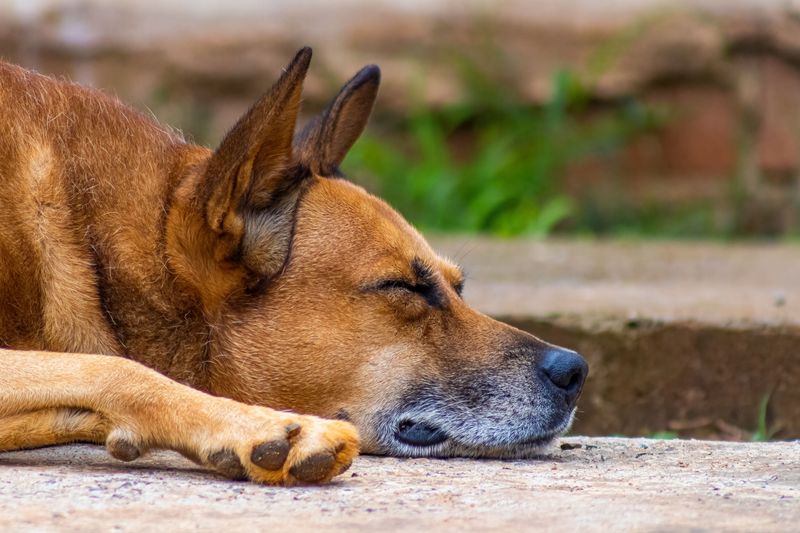
Some nights feel endless when your dog cannot get comfy. Pain makes lying down awkward, so you may see circling, shifting, and frequent position changes.
The eyes can look worried, like sleep will not come.
Offer a supportive bed with bolsters and keep the room quiet. A warm compress, used safely, may soothe sore muscles.
Track how long the restlessness lasts. Your vet can suggest pain relief or check for issues like arthritis or tummy discomfort.
Hiding more or clinging like velcro
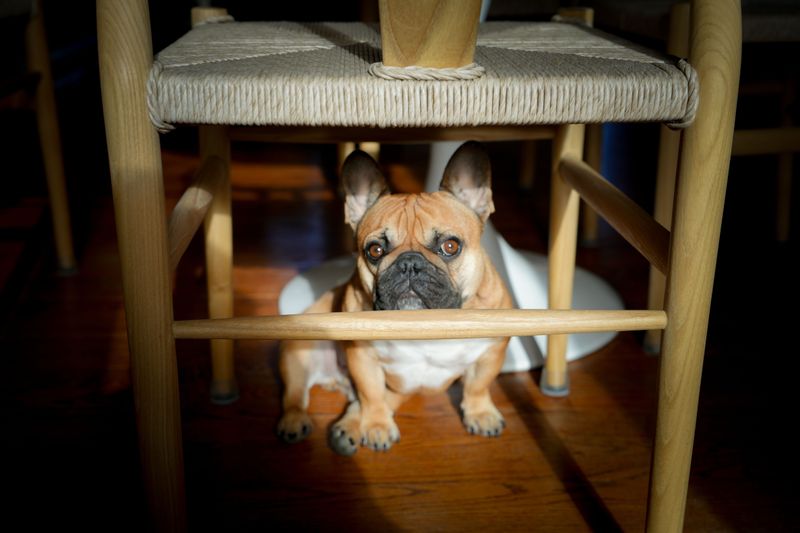
Some dogs slip under beds when they feel crummy. Others glue themselves to your leg, asking for constant reassurance.
A sudden switch in social style often points to discomfort or anxiety caused by pain.
Create a calm nook with a bed, water, and a favorite toy. Keep greetings low key and predictable.
If the behavior shift sticks around, schedule a checkup. Pain relief or treatment can bring their usual confidence back.
Tensing, flinching, or guarding when touched
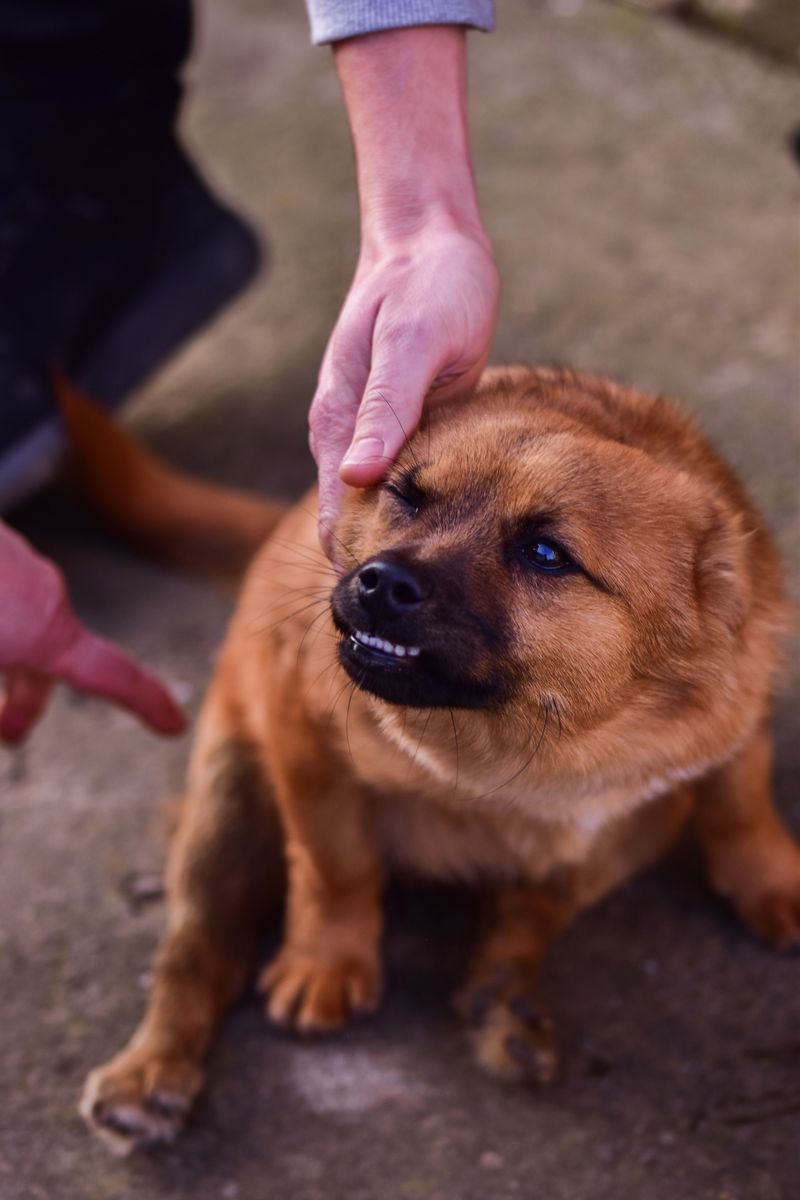
Imagine reaching for a friendly pat and seeing a quick wince. A dog that stiffens, pulls away, or guards a body part is telling you hands-off.
Pain under the surface often hides in the back, neck, or belly.
Note exactly where the reaction happens and avoid poking. Use a harness instead of a collar if the neck seems sore.
Call your vet for an exam. Precise notes help them find the source faster.
Hunched back, tucked tail, or low head
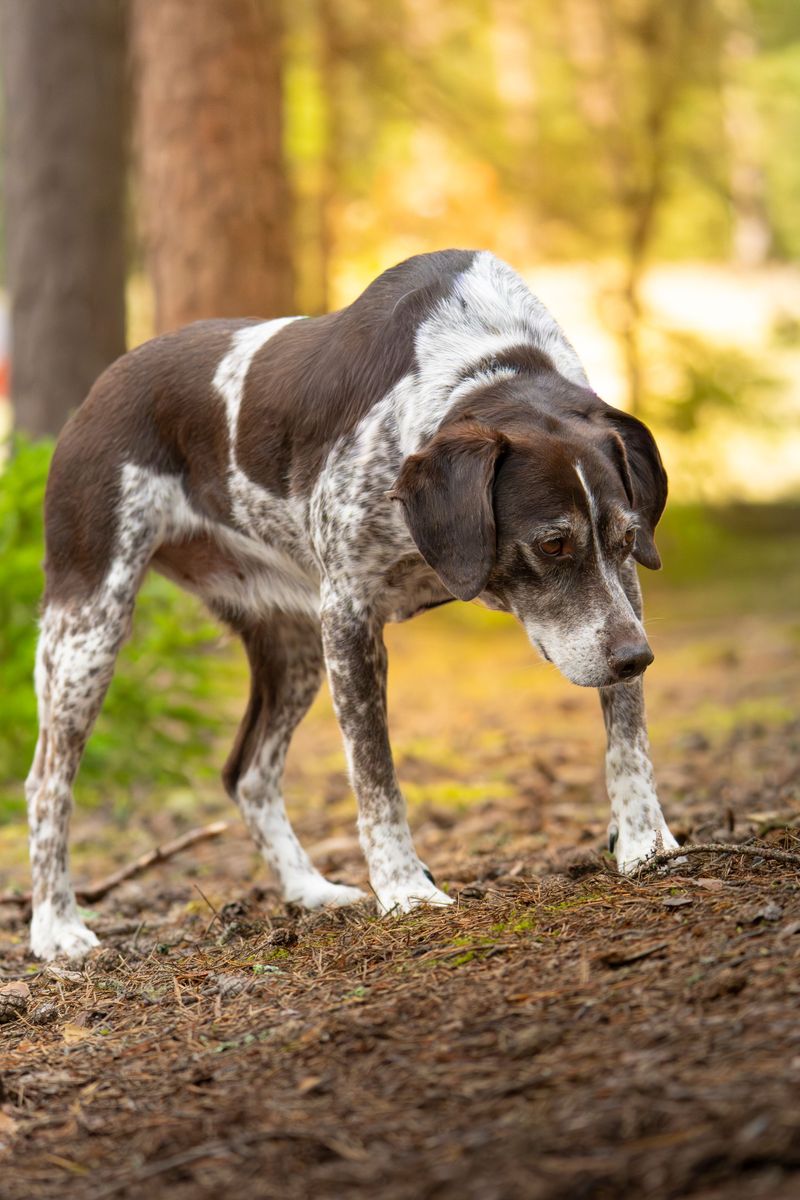
Body language can whisper louder than a bark. A rounded spine, belly tucked, tail pulled in, or head hanging low often points to soreness.
Some dogs move like a folded pocketknife, careful and slow.
Keep activities gentle and avoid rough play. Provide a warm, padded bed and easy access to food and water.
Note when the posture appears, such as after meals or walks. Your vet can check for back pain, belly issues, or joint trouble.
Sleep routines suddenly change
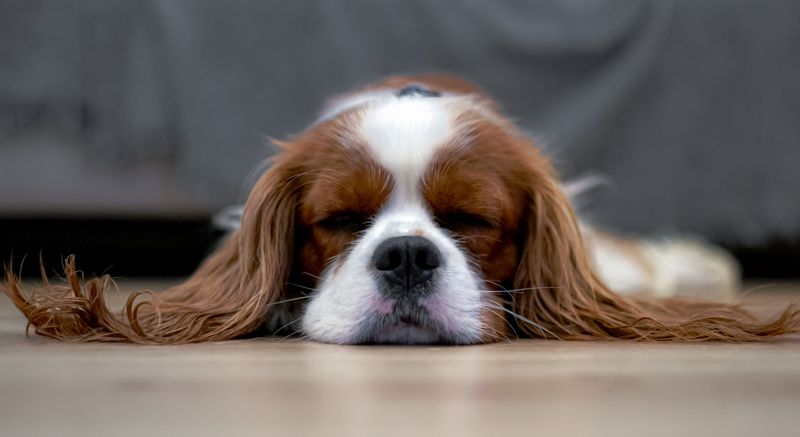
When a champion napper turns into a night owl, something may hurt. Pain can fragment sleep, causing early wake-ups or switching beds often.
Some dogs choose a cooler floor to ease warmth from inflammation.
Track bed choices and times in a simple log. Offer a supportive mattress and keep noise down.
If sleep stays choppy, call your vet. Better rest often returns once the ache is treated or managed.
Potty accidents or straining to go
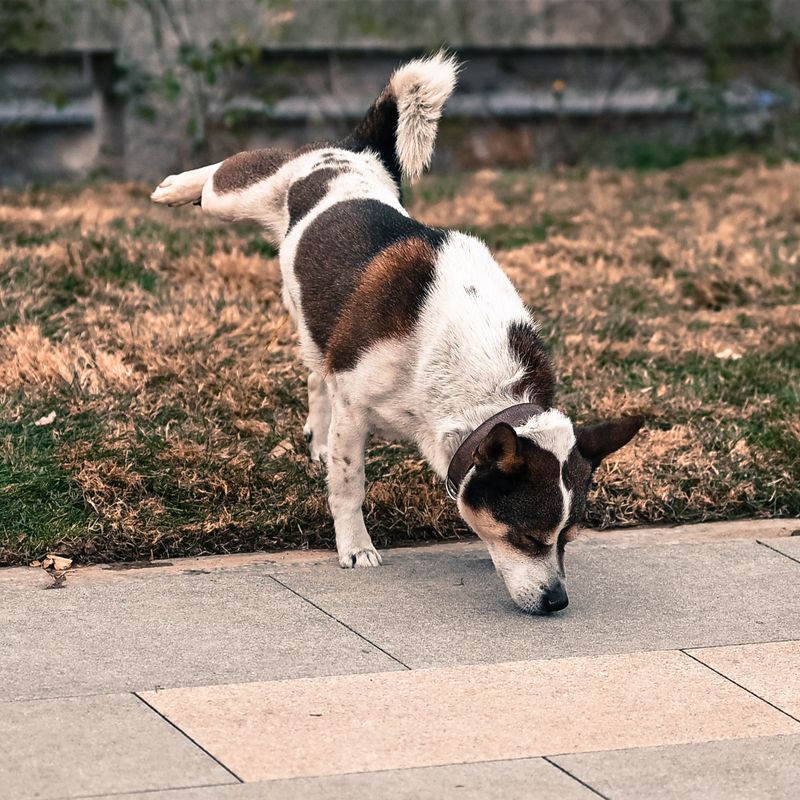
House-trained dogs rarely forget the rules without a reason. Accidents, frequent squatting, or straining can signal urinary pain, tummy trouble, or spine issues that make postures hard.
Sometimes the stool looks dry or oddly small.
Encourage water intake and watch for blood or mucus. Do not punish accidents, since stress worsens discomfort.
Save a fresh sample if possible, then call your vet. Quick testing often catches infections, constipation, or other painful problems.
Grumpier mood during normal handling
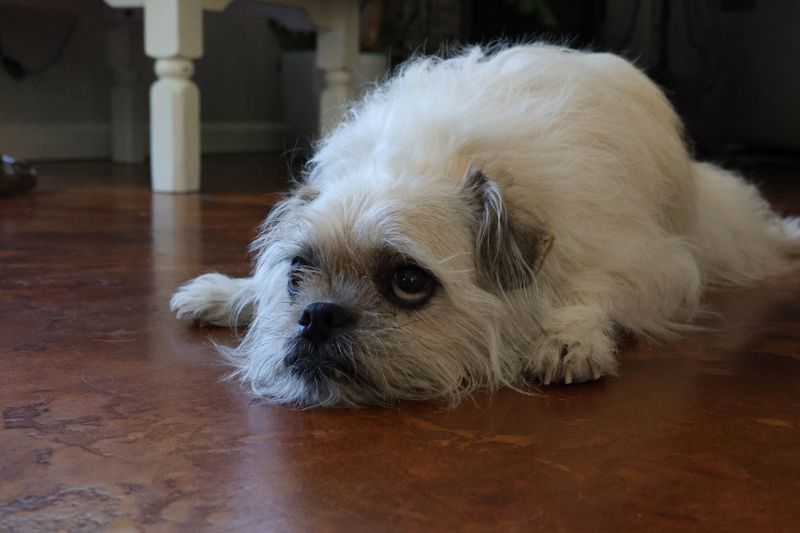
A sweet dog that starts snapping during brushing or nail trims might not be naughty. Pain turns routine care into a big ask.
Even lifting into the car or wiping paws can spark a grumble when something aches.
Pause the task and note the trigger. Switch to slower, shorter sessions and offer treats.
Ask your vet about pain relief or a different tool, like a softer brush. Comfortable dogs act kinder because they feel better.