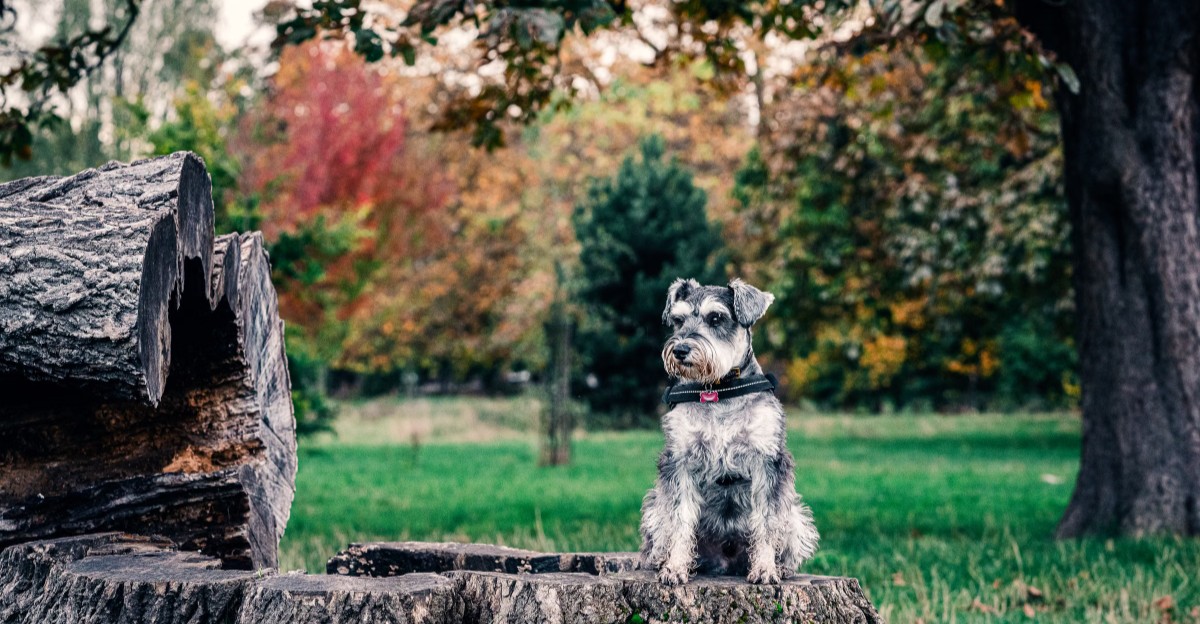
Families often want a dog that notices small changes and keeps an eye on things. Alert breeds can make caring companions who also help you feel safe at home.
With steady training and daily exercise, many of these dogs shine as watchful friends. Meet breeds that balance sharp senses with warm hearts.
German Shepherd
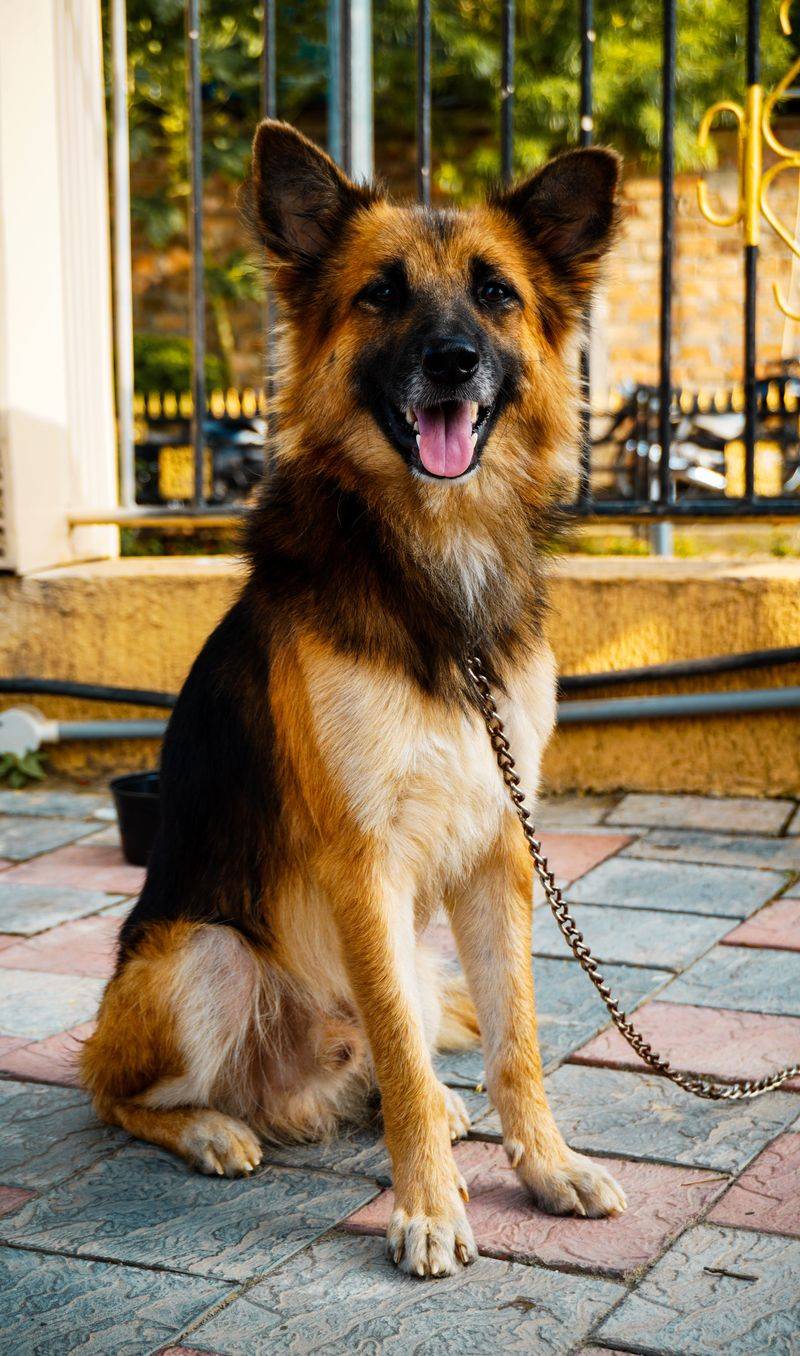
With steady eyes and a calm stance, a German Shepherd reads the room in seconds. Many families love how quickly it learns routines and notices open gates, knocked-over items, or unfamiliar sounds.
Its loyalty often shows as quiet shadowing from room to room.
Training should be consistent, kind, and daily. Mental games like scent work or puzzle feeders help channel energy.
A brisk walk plus short obedience drills keep focus sharp.
Fun fact: early roles included guide work and rescue.
Border Collie
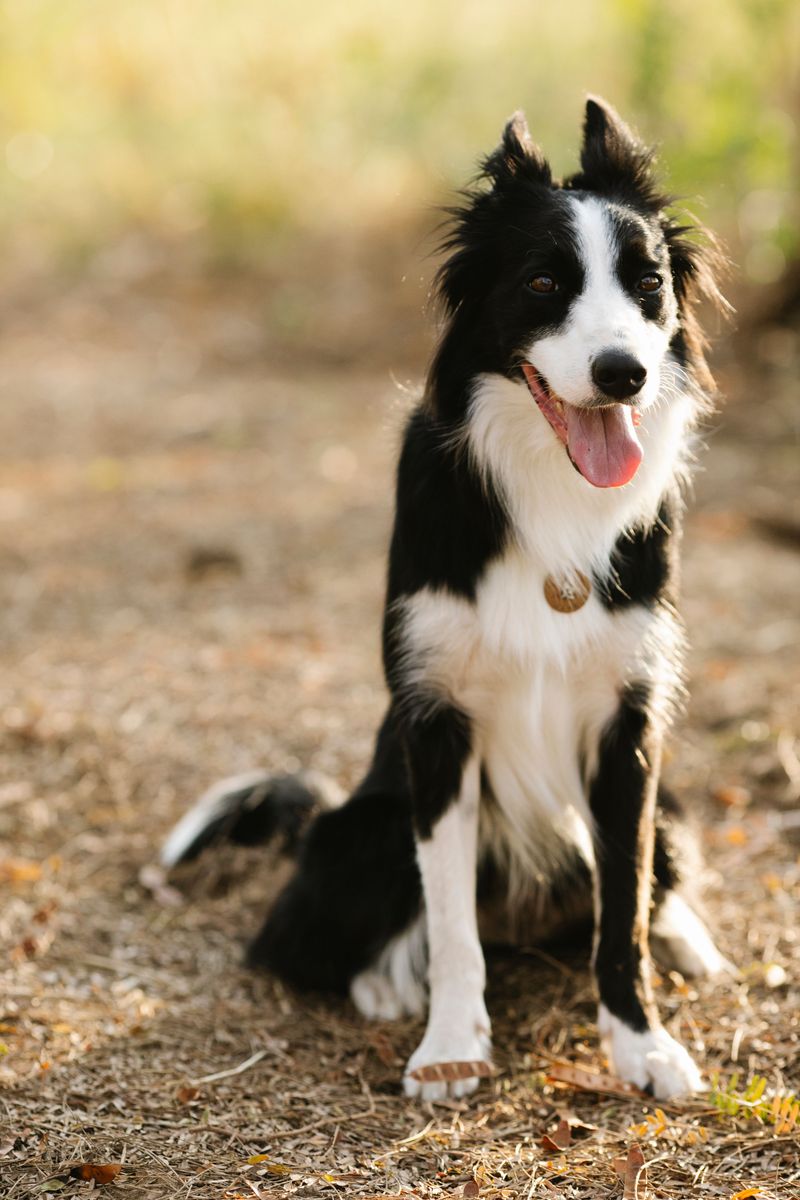
Brains in motion describe the Border Collie. Quick to spot a dropped sock or a kid sneaking a snack, this herder pairs alertness with uncanny problem solving.
Many owners are surprised by how well it anticipates routines like school departures and mail deliveries.
Daily challenges matter. Try hide-and-seek with treats, beginner agility, or short fetch intervals.
Clear boundaries reduce over-herding.
History note: bred to manage sheep on rugged borders of Scotland and England.
Miniature Schnauzer
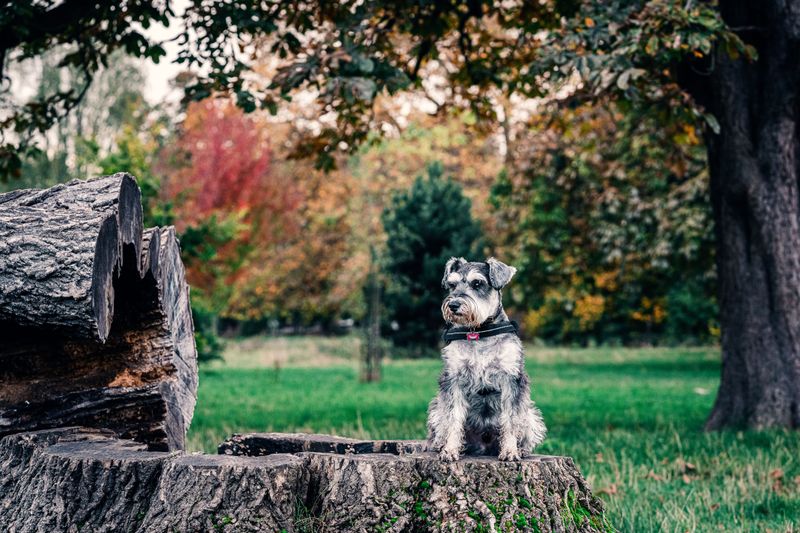
Small frame, big lookout energy. The Miniature Schnauzer notices tiny sounds, like a distant elevator ding or a squirrel on the fence.
Many owners appreciate a tidy, low-shedding coat and a sturdy personality that is cheerful yet ready to signal changes.
Short, upbeat training sessions work best. Rotate toys to prevent boredom and practice quiet cues for door greetings.
Old-world tidbit: originally bred to guard farms and keep barns free of pests.
Belgian Malinois
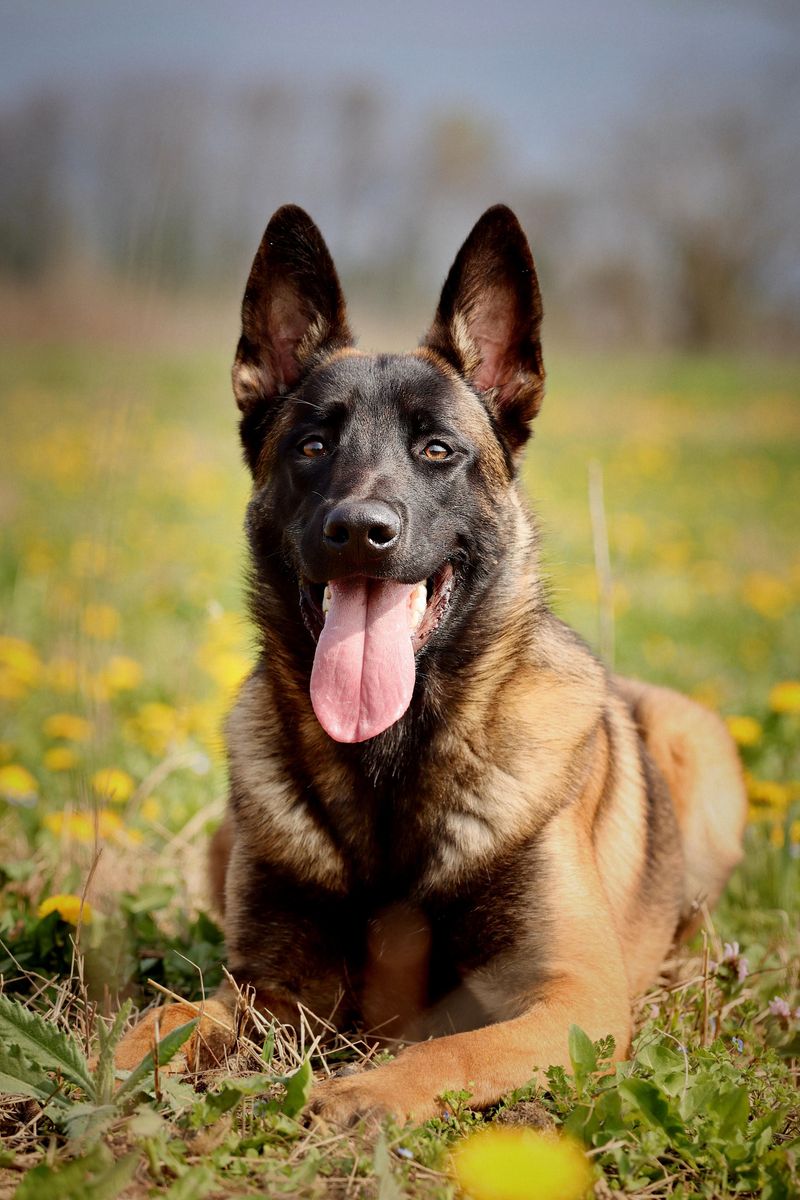
Laser-focused and energetic, the Belgian Malinois often notices the slightest shuffle behind a door. Families who enjoy structure and outdoor time find its awareness inspiring.
It thrives when given jobs, from tug-based training to scent games that make good use of its sharp senses.
Provide daily exercise plus purposeful drills. Calm handling builds balance and prevents restlessness.
Clear rules matter.
Trivia: widely used in professional detection and search work due to speed and precision.
Shetland Sheepdog
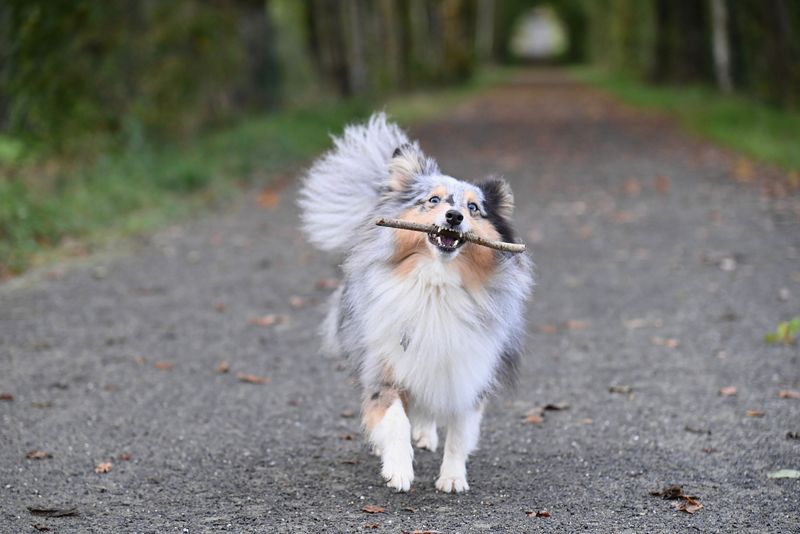
Like a gentle sentinel, the Shetland Sheepdog watches doorways and windows with soft intensity. Sensitive by nature, it learns household rhythms quickly and often alerts with a musical bark.
Many families enjoy the affectionate cuddle sessions after active play.
Training should lean on praise and treats. A few daily brain games, such as trick training, keep confidence high.
Origin: from the Shetland Islands, where small yet capable herders managed flocks in harsh weather.
Doberman Pinscher
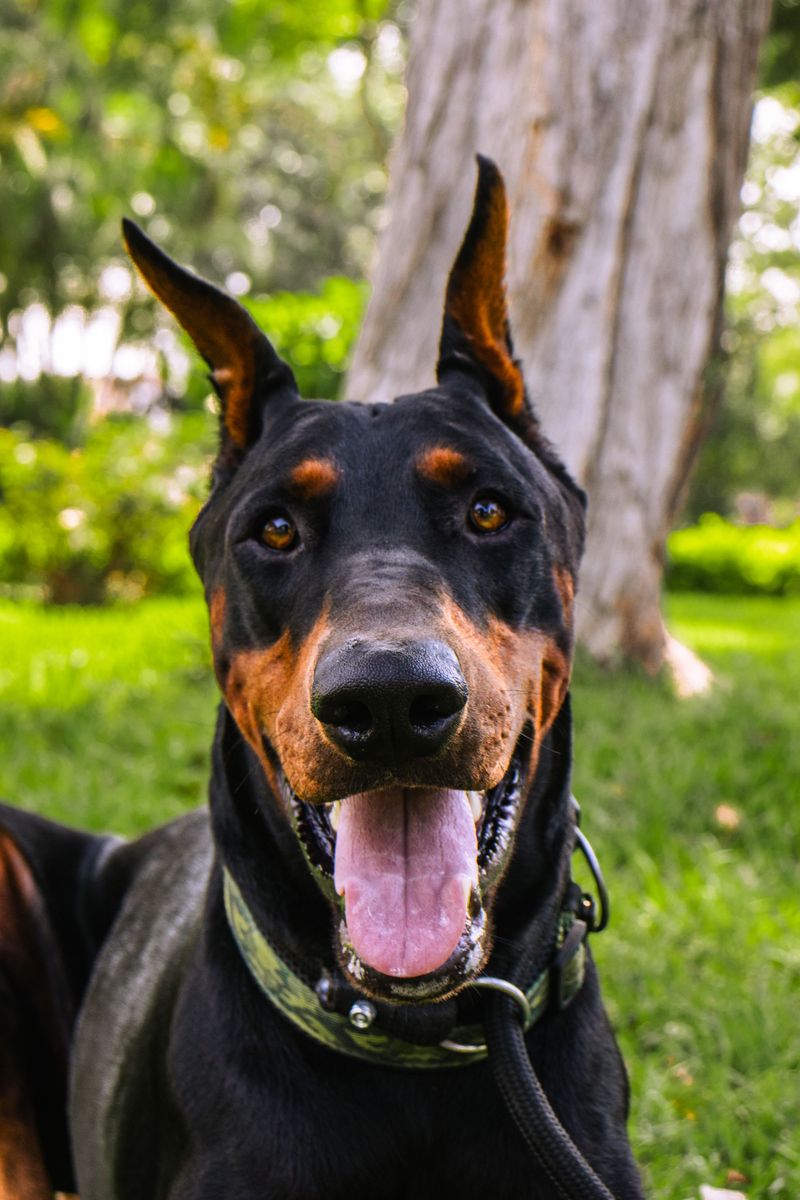
Poised like a guardian statue, the Doberman scans a room without fuss. Many owners love its mix of courage and sensitivity, noting how it reads emotions and keeps close during busy times.
Firm but fair guidance helps this breed channel its keen awareness.
Structured walks, impulse control games, and clear cues create confidence. Socialization should start early and stay positive.
History snippet: developed by tax collector Louis Dobermann to be an alert protector and partner.
Australian Cattle Dog
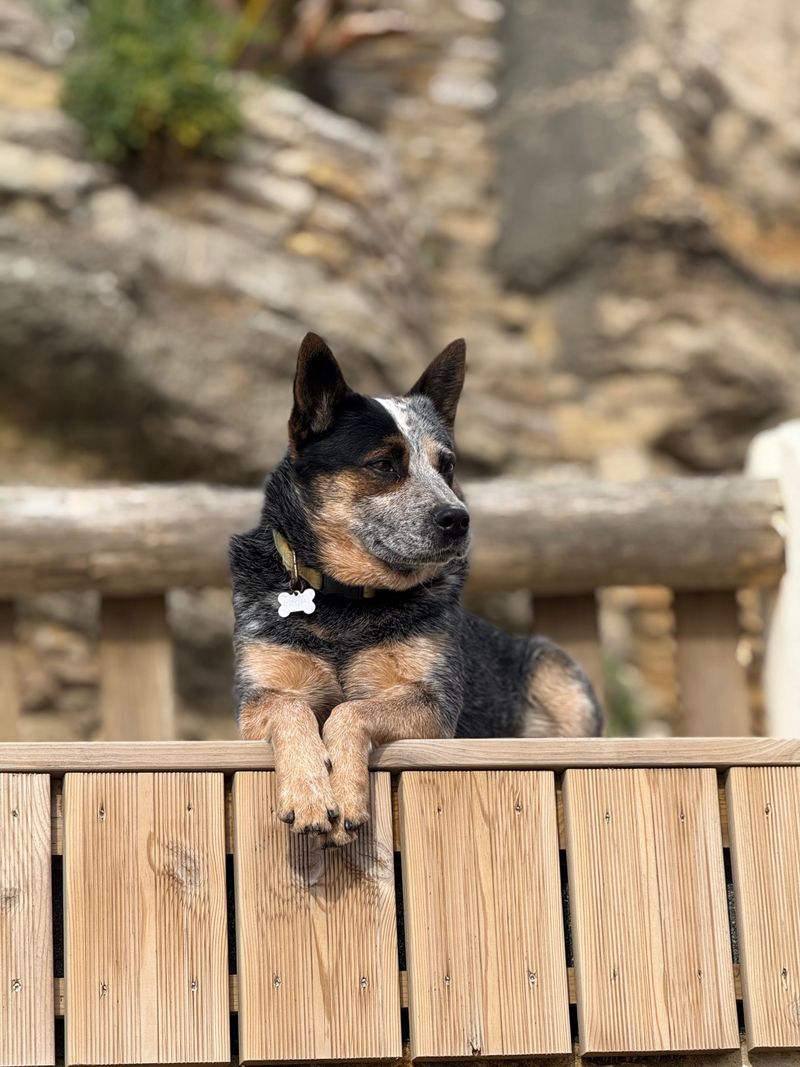
Built for action and observation, the Australian Cattle Dog notices open gates, dropped crumbs, and shifting winds. That steady gaze means it is ready to work or play.
Many households appreciate the breed’s stamina for hikes and its knack for learning useful tasks.
Plan daily exercise with mental puzzles and short obedience bursts. Teach calm greetings to manage excitement.
Fun fact: nicknamed Blue Heeler or Red Heeler, originally bred to move cattle across tough terrain.
Pembroke Welsh Corgi
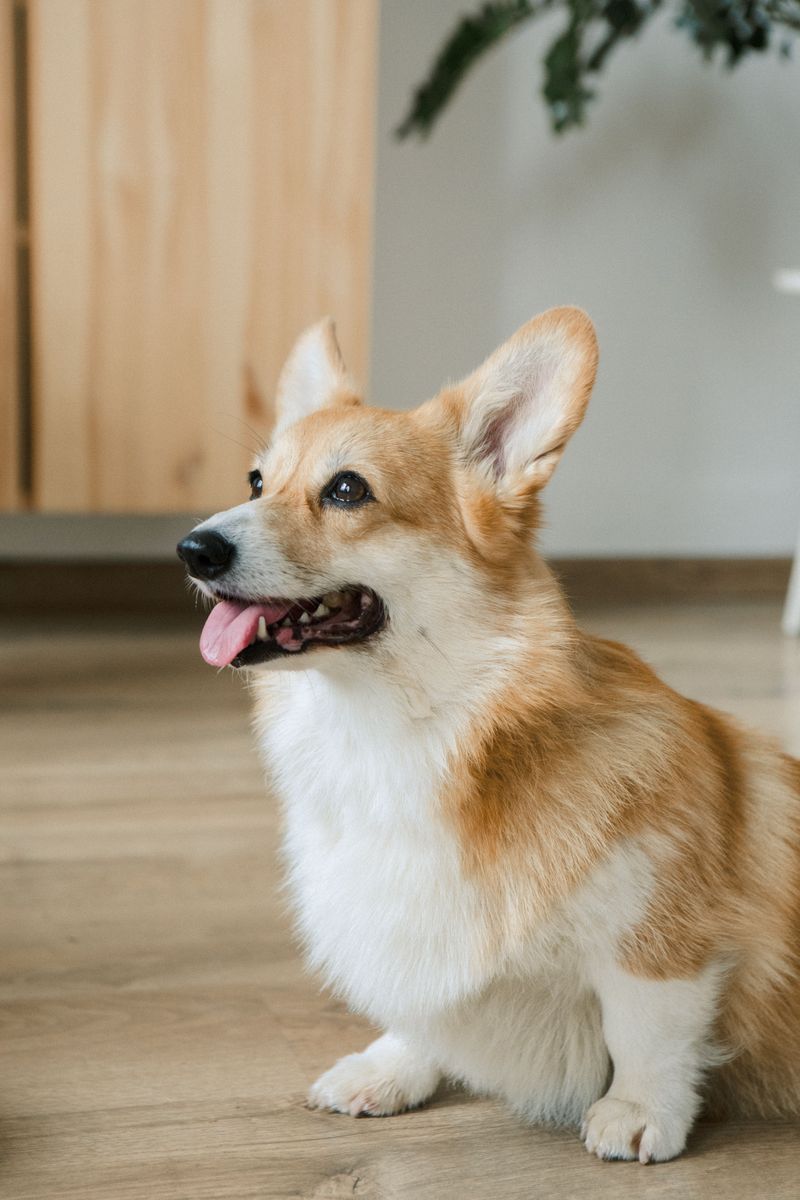
Short legs, tall attention. The Pembroke Welsh Corgi keeps tabs on family traffic like a friendly hall monitor.
Many owners smile at its expressive ears that swivel toward every new sound. A quick learner, it picks up house rules and handy tricks.
Daily walks and puzzle toys help satisfy its busy brain. Teach a quiet cue for door excitement.
Royal rumor: known favorites of Queen Elizabeth II, celebrated for wit and charm.
Jack Russell Terrier
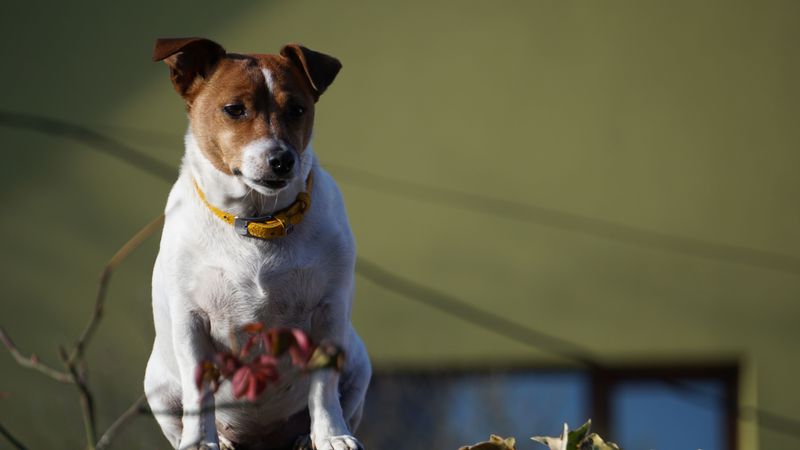
Always on the case, the Jack Russell Terrier treats the home like a mystery to solve. Every squeak in the floor and rustle in the yard gets a quick check.
That curiosity, when guided, becomes clever household awareness.
Short training sprints, nose games, and sturdy chews help direct energy. Keep sessions upbeat and brief.
Origin note: bred for fox hunting, which shaped its fast reactions and fearless attitude.
Shiba Inu
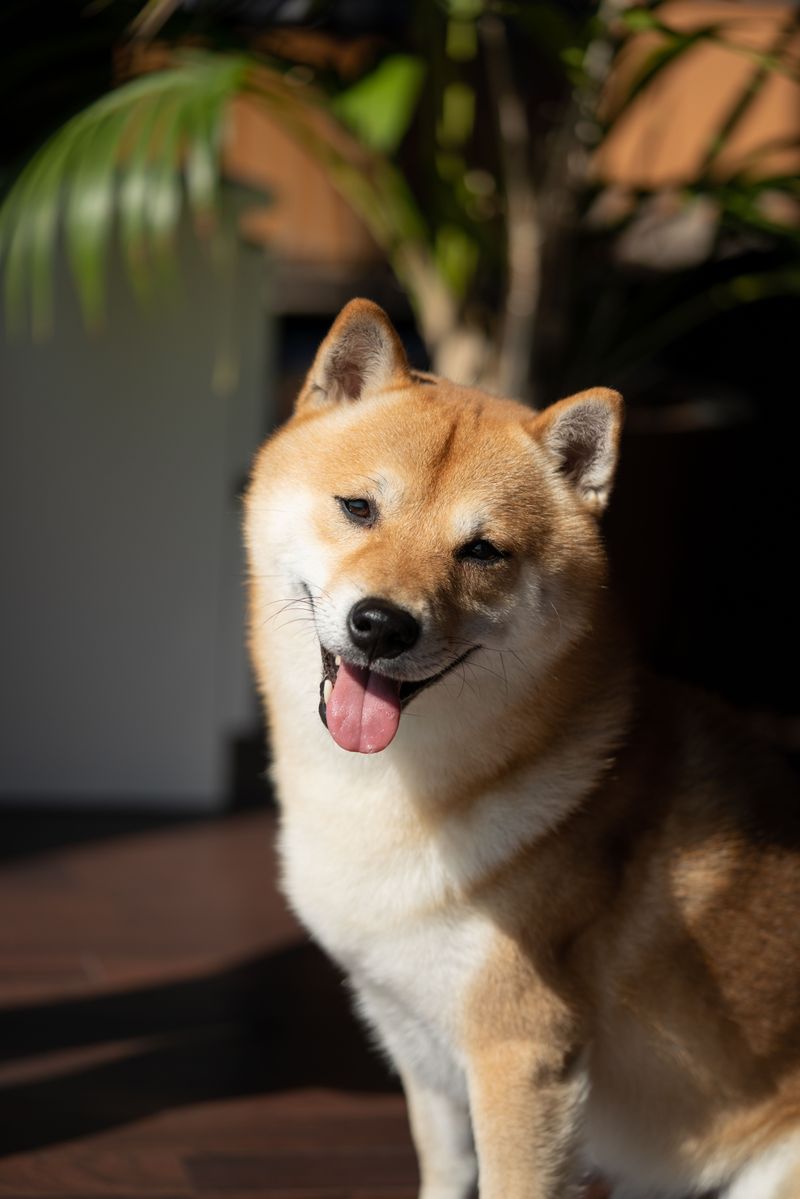
Quiet but watchful, the Shiba Inu notices movement outside long before you do. It communicates with expressive looks and an occasional sharp bark.
Families who respect independence find a quirky, loyal partner that keeps track of routines and favorite resting spots.
Training should be patient, with clear rewards and calm repetition. Secure yards matter due to curiosity.
Heritage: an ancient Japanese breed known for hunting small game and navigating mountain terrain.
Standard Poodle
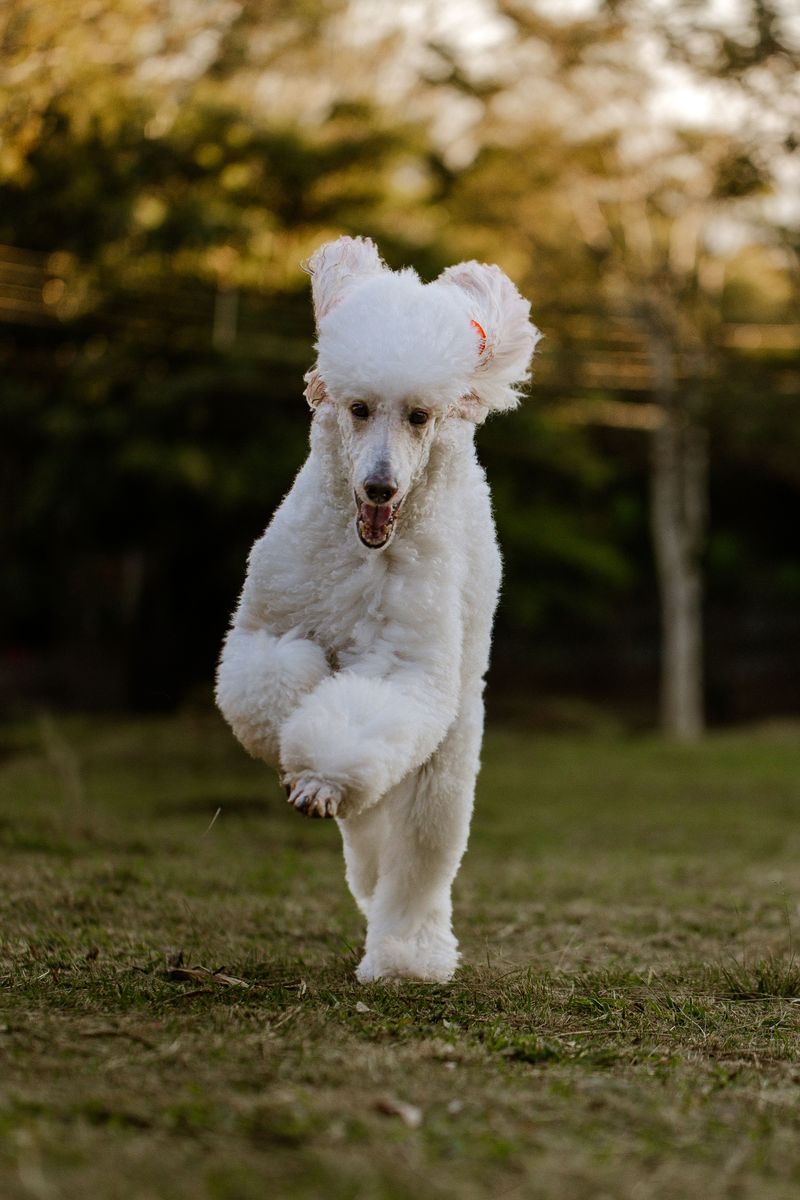
Smart and stylish, the Standard Poodle reads body language like a pro. Many owners notice how quickly it responds to subtle signals, such as a hand reaching for keys or the fridge opening.
Sensitivity pairs with a playful streak that fits lively households.
Daily mental workouts are essential. Rotate training tricks, retrieve games, and scent tasks.
Keep sessions fun.
Fun fact: originally a water retriever, prized for athletic skill as much as its looks.