
Some dogs act like clowns at home but turn quiet around new people. That mix can be perfect for families who want fun energy without nonstop social demands.
Knowing which breeds have this blend helps you choose a good match for your life. Here are family jokesters who prefer to warm up slowly to strangers.
Shiba Inu – the living room prankster
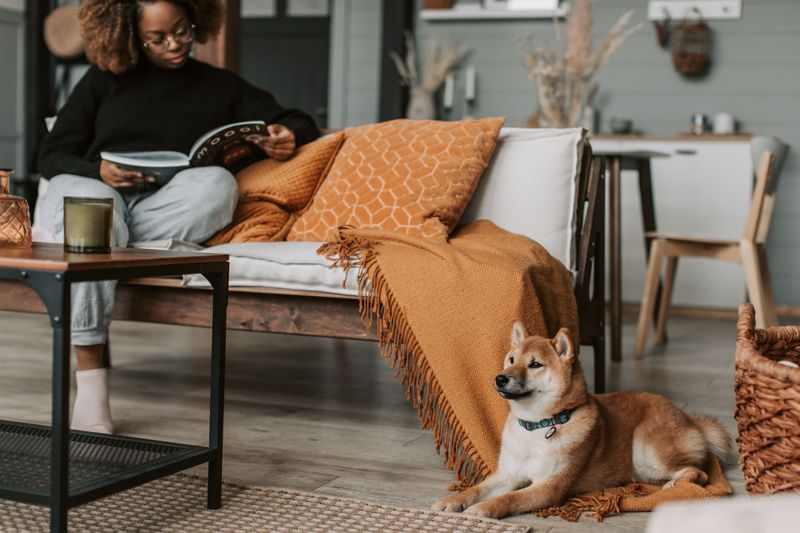
With catlike swagger, a Shiba can turn a quiet evening into a comedy show. Zoomies around the coffee table, sudden toy flips, and proud grins make family time lively.
New visitors, though, might get a careful stare and polite distance.
Training works best with patience and tasty rewards. Keep greetings low-key so the Shiba feels safe choosing when to say hello.
Short, upbeat play sessions and puzzle toys help channel that mischievous brain.
Akita – loyal goof with inner guard
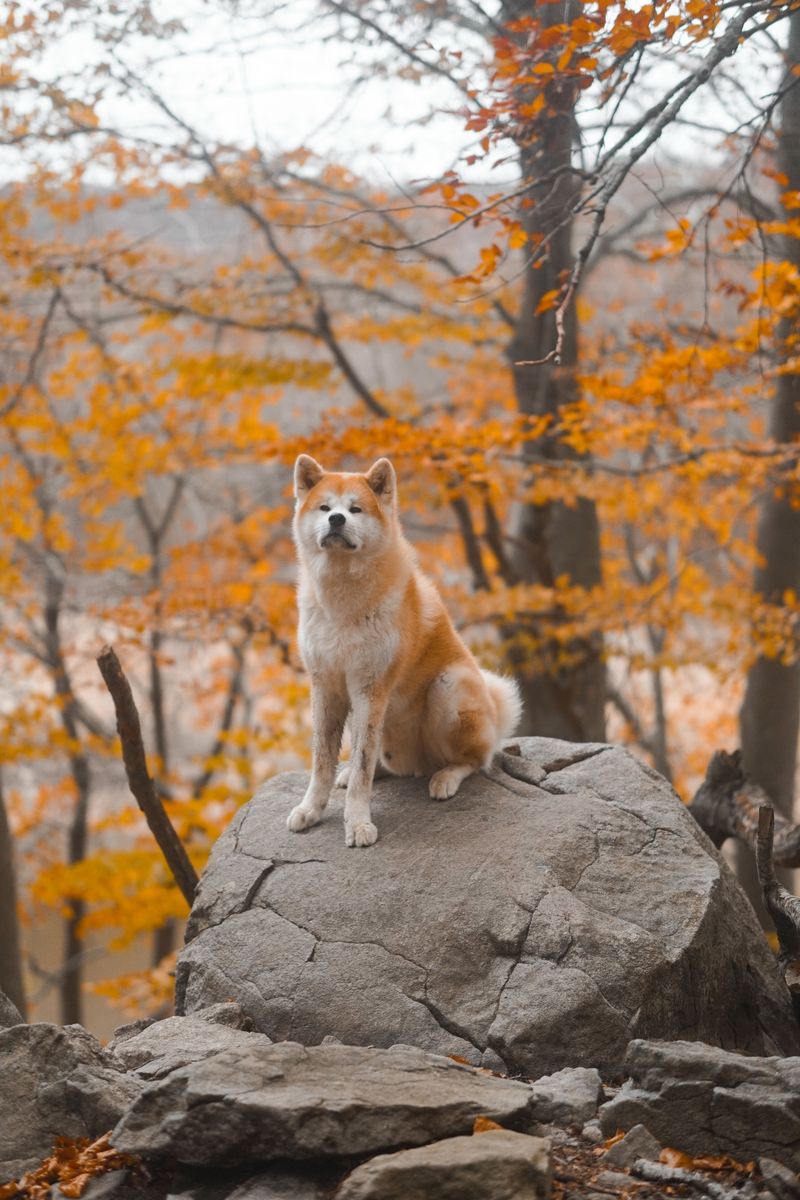
Family first, audience second. An Akita may clown with people it trusts, tossing toys and doing happy grunts that sound like conversation.
Strangers get a measured look while the dog decides if things feel right.
Steady routines matter. Early socialization and kind structure help this thinker stay relaxed.
Teach polite door manners and reward quiet checks-in with you. Plenty of exercise plus a job, like carrying a backpack on walks, keeps the mind satisfied.
Chow Chow – fluffy comedian on home turf
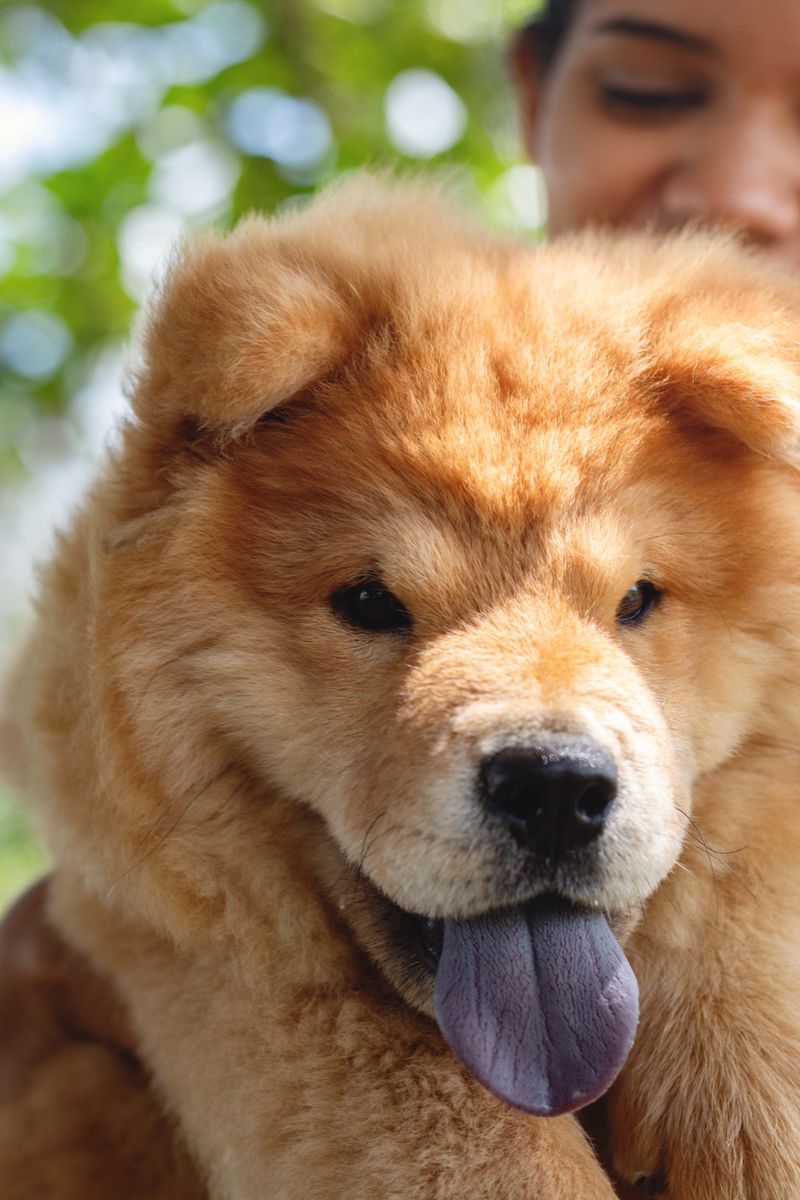
Those eyebrows say it all. A Chow can deliver silent sarcasm, rolling into a belly-up pose only for favorite people.
New guests may get a regal nod from a safe distance, no autographs please.
Gentle introductions work best. Keep training brief, calm, and consistent, focusing on handling and grooming comfort.
Short bursts of indoor games and careful social exposure teach confidence. Respecting personal space builds trust that lasts.
Basenji – quiet clown with a wink
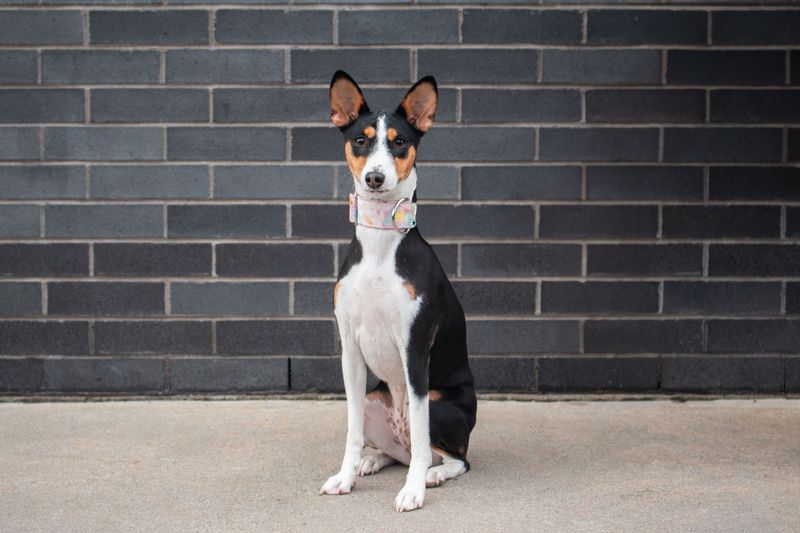
Known for a yodel instead of a bark, this clever sprite entertains with acrobatics and quick puzzles. Family games of chase bring out flashy turns and happy hops.
Meeting newcomers, the Basenji often hangs back, reading the room.
Short training chunks beat long lectures. Use food lures, rapid rewards, and variety to keep interest high.
Daily sprints and scent games burn energy. Teach a safe spot by the couch for stress-free guest time.
Shetland Sheepdog – house jester with manners
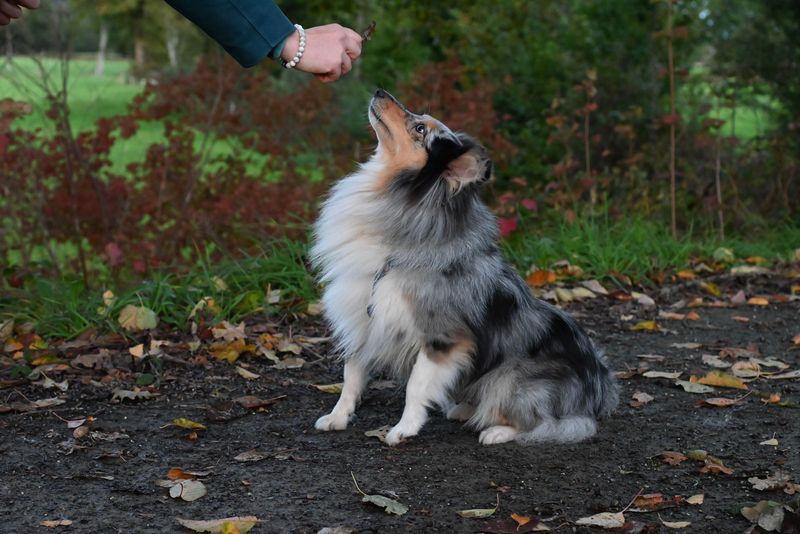
Tricks come naturally to this quick study. Spin, weave, and bow routines can light up a rainy afternoon for the family audience.
Around unfamiliar people, a Sheltie may tuck close and observe before stepping forward.
Positive training turns shyness into confidence. Reward calm looks at guests and offer a retreat bed.
Brain games like hide-and-seek with toys are gold. Moderate exercise and a predictable schedule keep that bright spirit shining.
Australian Shepherd – living room athlete, careful greeter
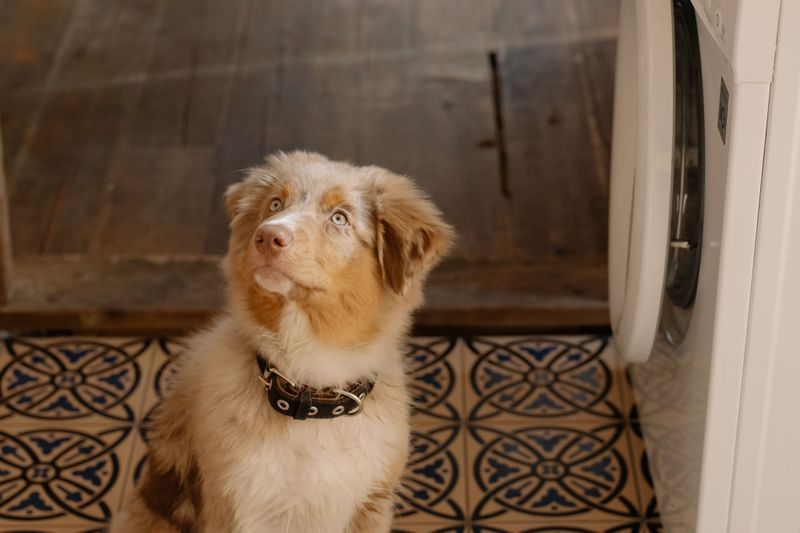
High energy turns into dazzling stunts for family fun. An Aussie will happily learn a dozen cues and invent two more.
When visitors arrive, that same dog may sit back, watch closely, and wait for guidance.
Daily workouts are nonnegotiable. Mix agility-style play with impulse-control games like sit, wait, and place.
Reward quiet behavior when guests enter. Clear jobs, such as fetching laundry socks, help direct that sharp mind.
German Shepherd Dog – home entertainer, public professional
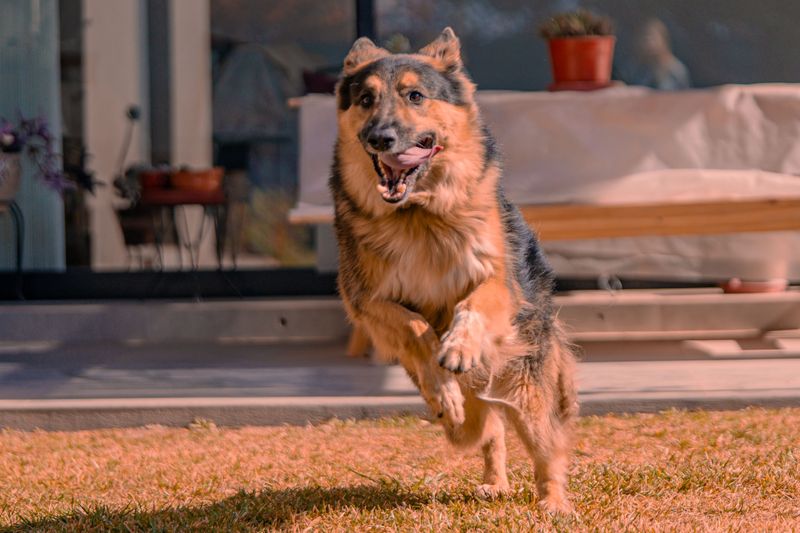
At home, comedic balance tricks and goofy grins steal the show. Outside or with new folks, the vibe switches to calm and businesslike.
That flexibility is part of the breed’s appeal for many families.
Early training builds trust. Use clear cues, fair rules, and daily mental work like scent searches.
Reward chilled body language around guests. Plenty of exercise and decompression walks keep stress low and focus high.
Doberman Pinscher – velvet shadow with playful flair
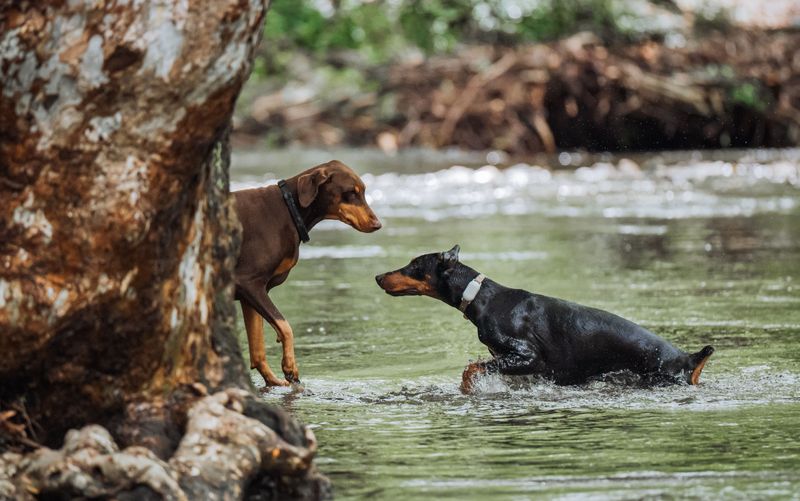
Close to their people like a shadow, Dobermans can burst into silly zooms, then curl up like lapdogs. Unknown visitors usually get a polite check-in from a few steps away, scanning for your lead.
Confidence comes from kind guidance. Teach place, leave it, and quiet greetings.
Use tug as a reward for good choices, then ask for a calm settle. Regular cardio plus obedience games keep minds and bodies happy.
Rottweiler – family ham with steady nerves
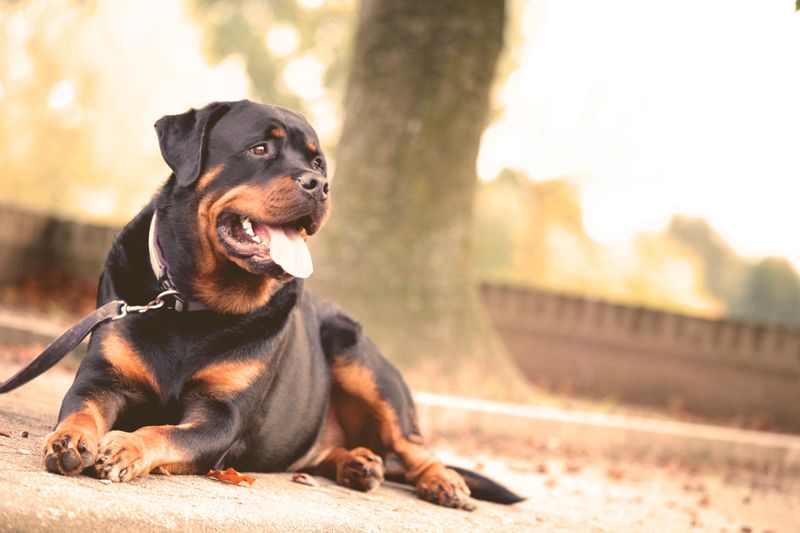
That head tilt could win awards. With loved ones, a Rottie may wag its whole body and show off favorite tricks.
When someone new arrives, composure comes first while the dog gauges the vibe.
Consistent training and boundaries create reliability. Practice calm door routines and reinforce relaxed eye contact.
Short, happy guest sessions paired with treats build positive associations. Solid exercise and chew time prevent boredom and keep behavior polished.
Chinese Shar-Pei – wry humor, private heart
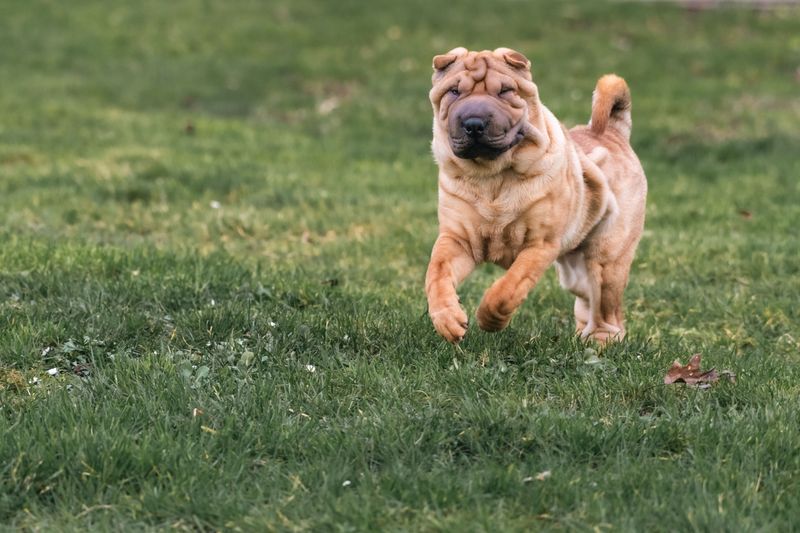
There is a dry comedy to the Shar-Pei’s expressions that cracks families up. Favorite people get gentle nudges for scratches and silly couch stretches.
New faces usually receive calm distance and measured curiosity.
Keep training sessions short and respectful. Focus on cooperative care like paws and ears, paying well for patience.
Quiet walks and predictable routines help this thoughtful breed feel safe. Offer a comfy retreat bed during gatherings.
Great Pyrenees – moonlit guardian with goofy bursts
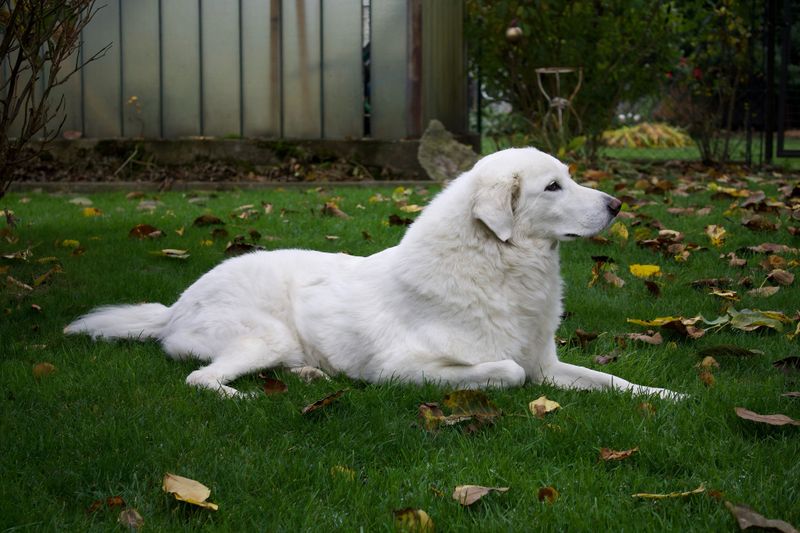
Calm as snowfall until play sparks, then out comes a surprising silly side for trusted people. Guests may be noted and calmly monitored from a comfortable distance.
Livestock roots show in that thoughtful watch.
Teach reliable recall and a solid place cue. Daily walks and light strength work, like hill climbs, keep this giant balanced.
Reward quiet behavior around visitors and give space for choice. Grooming time doubles as bonding practice.
Tibetan Mastiff – evening clown, morning sentinel
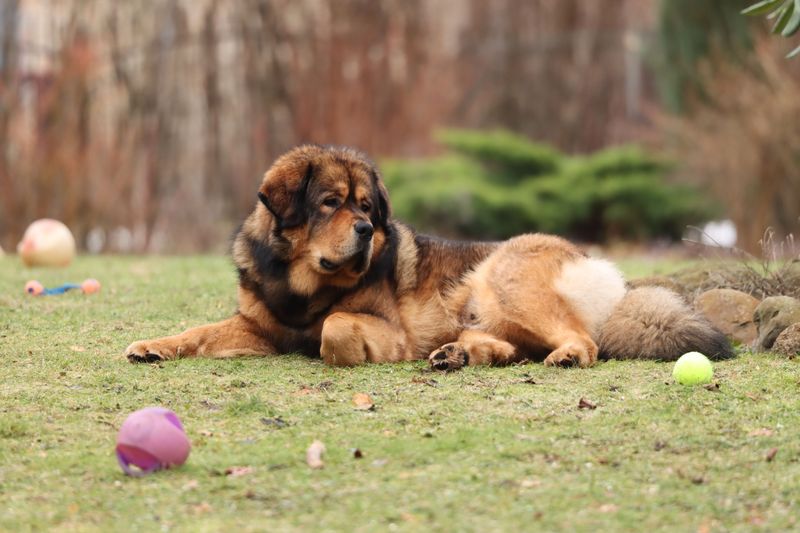
Around their circle, sudden goofy rolls and deep, happy rumbles show a soft core. Unknown visitors often get a formal welcome from a comfortable perimeter.
This ancient guardian takes social choices seriously.
Start socialization early and keep it calm. Reward relaxed choices and avoid crowded greetings.
Moderate exercise plus thoughtful jobs, like carrying soft items, channel independence. Short grooming sessions with treats improve cooperation and trust.
Kuvasz – family jokester with a watchful eye
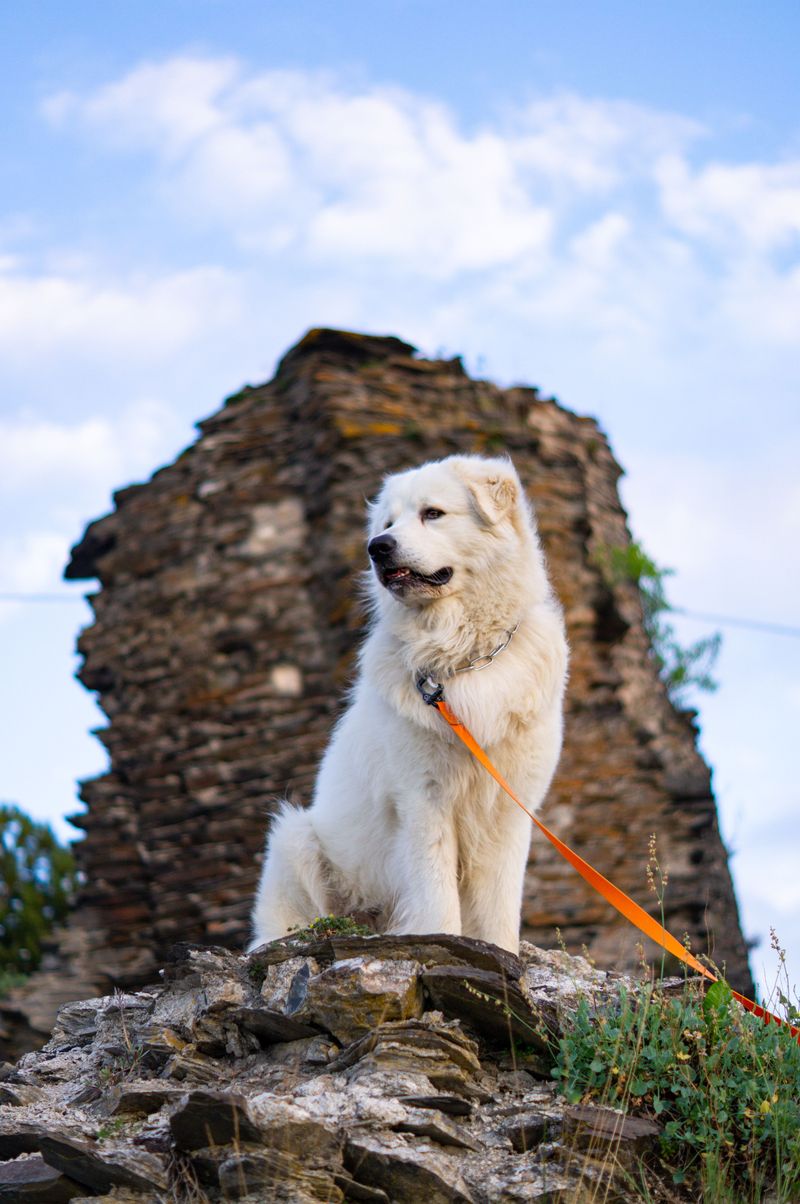
Laughter follows when a Kuvasz invents games with favorite people. That same dog may quietly position between guests and kids, not rude, just careful.
Flock-guardian instincts guide thoughtful choices.
Confidence grows through calm exposure and predictable rules. Use food rewards and praise for relaxed greetings and check-ins.
Daily walks and short training bursts build focus. Offer a mat station during visits so the dog can rest and still feel included.