
Stomach troubles can sneak up on many dogs, and some breeds face extra risks from inherited conditions. Knowing what to watch for helps you catch problems early and keep your buddy comfortable.
Simple steps like diet changes, slow feeding, and regular checkups can make a big difference. Here are breeds owners often research before tummy issues begin.
German Shepherd Dog
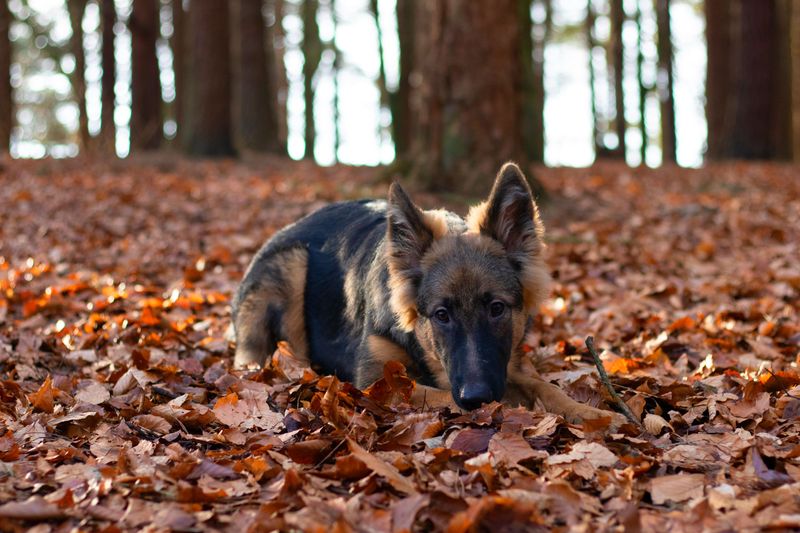
With a nose for work and a loyal spirit, many German Shepherds also carry a risk for exocrine pancreatic insufficiency. That means poor digestion and weight loss despite a big appetite.
Look for loose stools, dull coat, and ribby frames.
Ask your vet about enzyme powder, vitamin B12 testing, and highly digestible diets. Smaller, more frequent meals can help.
Keep treats simple and low fat. Track weight and stool quality in a notebook to spot patterns early.
Irish Setter

Red-coated and graceful, some Irish Setters inherit a celiac-like sensitivity to gluten. You might notice chronic diarrhea, poor growth in youngsters, or low energy after wheat-based foods.
Not every Setter is affected, but it is discussed in the breed.
Work with your vet to trial a strict gluten-free plan. Read labels carefully, including treats.
Keep a food diary for at least eight weeks. If symptoms improve, maintain the routine and recheck nutrient status yearly.
Yorkshire Terrier

Tiny charm, big concerns. Yorkies are overrepresented for congenital portosystemic shunts, which can affect how the liver handles toxins and nutrients.
Signs can be vague, like poor appetite, odd behavior after meals, or stunted growth.
Ask your vet about bile acids testing and imaging. Many do well with specialized diets, lactulose, and sometimes surgery.
Offer small, frequent meals and avoid high-protein treats unless your vet agrees. Early diagnosis usually leads to a happier, steadier pup.
Miniature Schnauzer
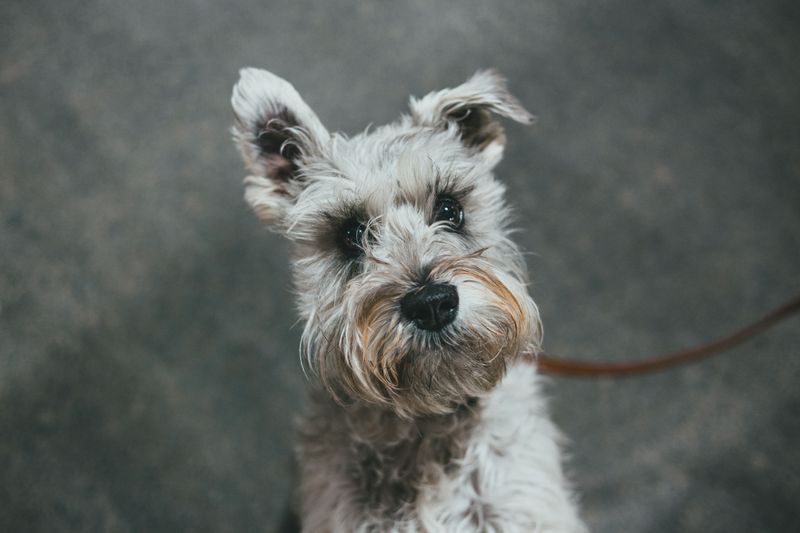
Always looking sharp, Miniature Schnauzers often battle high triglycerides, which can trigger pancreatitis. A sudden bout of vomiting, belly pain, or prayer pose can signal danger.
Keeping fat intake steady and modest is the secret weapon.
Choose a vet-recommended low-fat food and skip greasy table scraps. Use a slow feeder to prevent gulping.
Regular blood work helps track lipids. Keep exercise consistent and weight trim to reduce flare-ups and protect the pancreas long term.
Great Dane
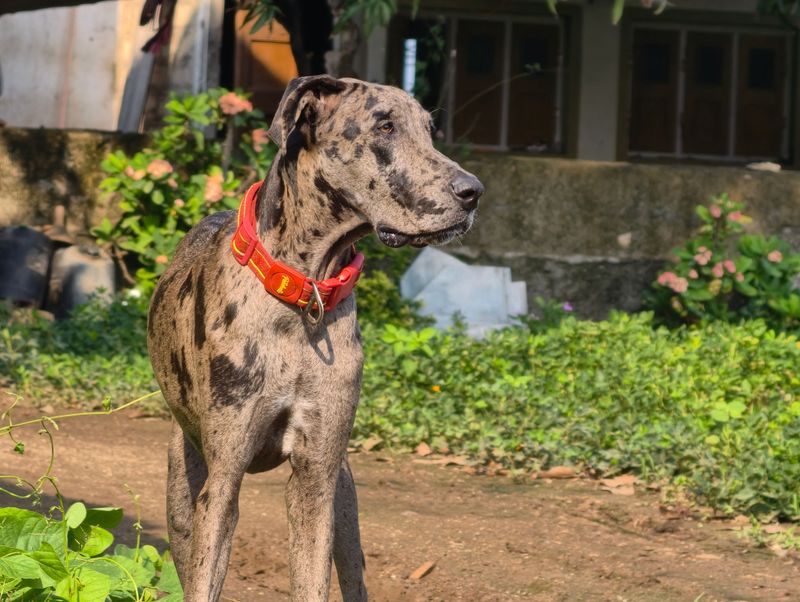
Big hearts and even bigger frames make Great Danes family legends, but they are top risk for bloat, also called GDV. Rapid swelling, retching without vomit, and restlessness are urgent red flags that need emergency care.
Feed measured portions twice or three times daily. Consider an anti-gulp bowl and calm time before and after meals.
Discuss a preventive gastropexy with your vet. Keep a 24-hour emergency clinic number handy.
Minutes matter with this condition.
Standard Poodle
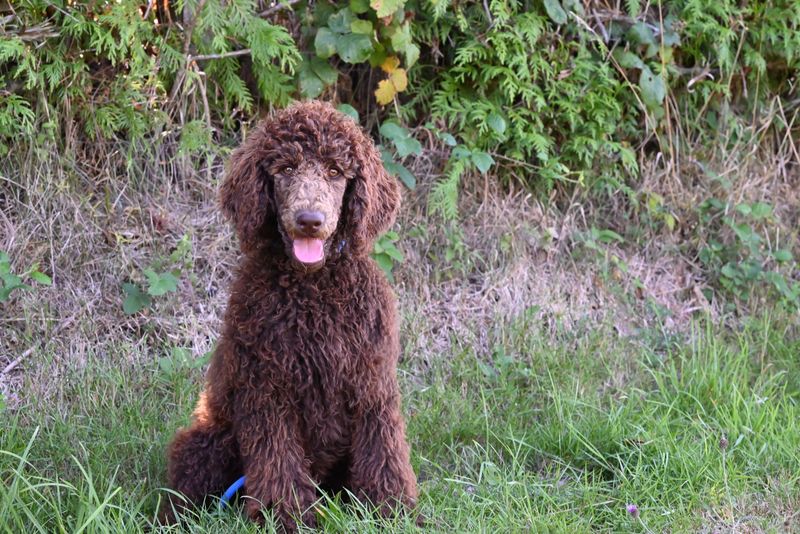
Elegant and brainy, Standard Poodles can have sensitive stomachs and a noted risk for bloat. You might see gassy discomfort or stress around rushed meals.
Calm routines and consistent food choices help steady their system.
Offer two to three smaller meals and limit heavy exercise right after eating. Keep treats simple and avoid sudden diet switches.
Ask your vet about prophylactic gastropexy, especially for deep-chested lines. Tracking mealtime habits often reveals easy wins.
Boxer
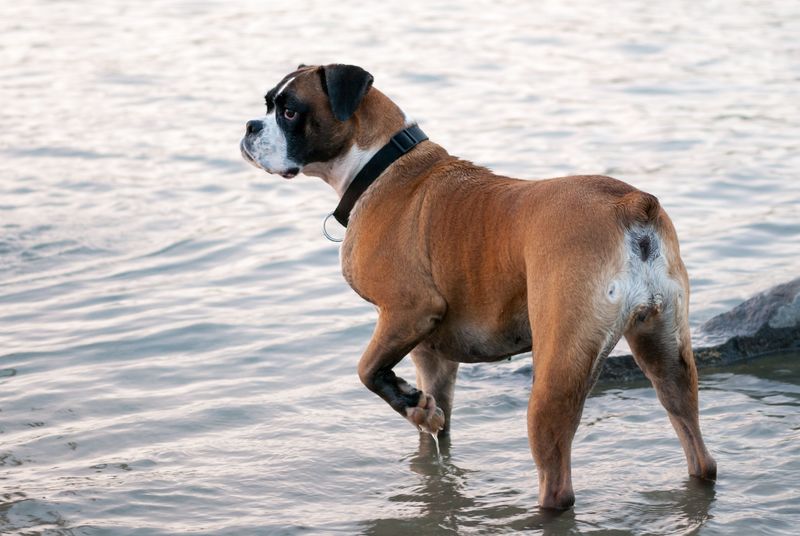
Full of bounce and humor, Boxers are prone to a severe form of colitis that may respond to specific antibiotics and diet changes. Painful stools, mucus, or urgency can spoil even the happiest walk.
Discuss fecal culture, appropriate antibiotics, and a high-fiber or novel protein plan with your vet. Moderate, regular exercise can support gut motility.
Keep stress low and transitions slow. Many Boxers feel better with consistent routines and carefully chosen ingredients.
Soft Coated Wheaten Terrier
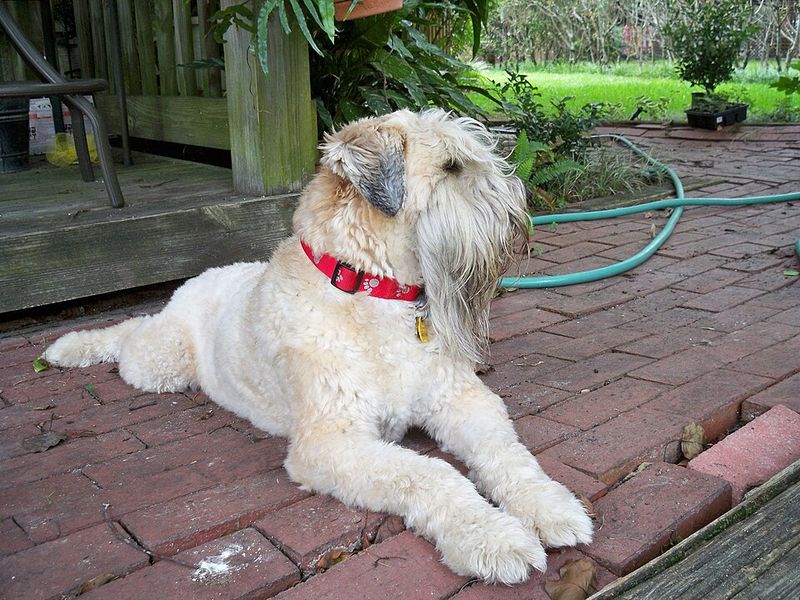
Silky and cheerful, Wheatens can face protein-losing enteropathy or nephropathy. You might first notice weight loss, swelling, or frequent diarrhea.
Early blood tests and fecal checks can guide treatment and protect long-term health.
Vets often recommend highly digestible, moderate-fat diets and sometimes vitamin B12 or medications. Monitor albumin levels and keep a symptom log.
Gentle walks and steady routines reduce stress. Family teamwork around feeding helps keep everything predictable for sensitive Wheatens.
Norwegian Lundehund
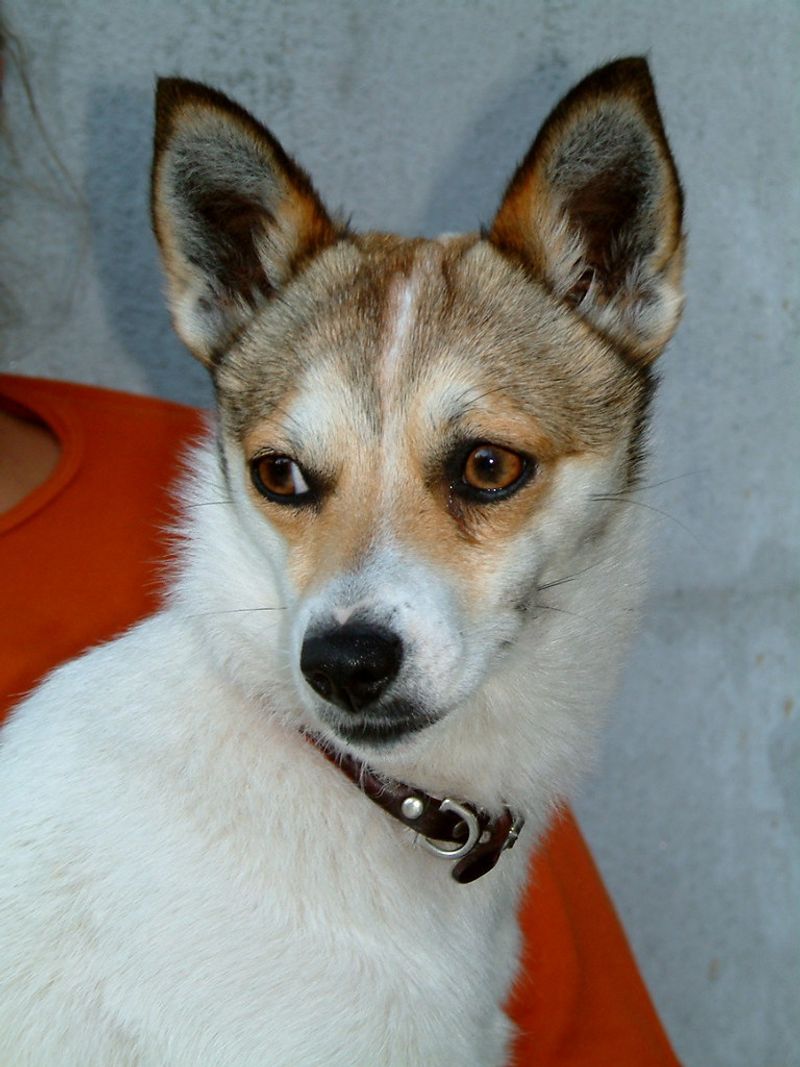
Quirky and agile, the Lundehund carries a unique gastroenteropathy risk that can include diarrhea, vomiting, and poor nutrient absorption. Stress or diet changes may stir up trouble.
Routine becomes your best friend here.
Choose limited-ingredient or hydrolyzed diets under veterinary guidance. Introduce any new food slowly over two weeks.
Keep training calm and low pressure. Regular checkups and body condition scoring help catch declines early.
Many owners find a stable plan that keeps spirits bright.
Labrador Retriever
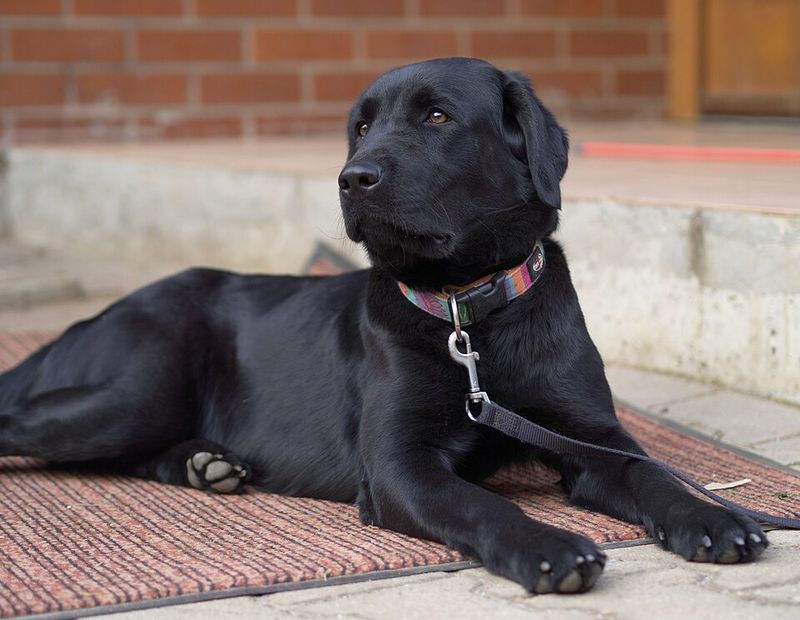
Food-loving Labs can tip into pancreatitis or tummy upset after fatty snacks or trash raids. Occasional bloat risk also exists due to deep chests.
A steady plan beats feast and famine every time.
Lock up garbage, skip greasy leftovers, and keep portions measured. Use puzzle or slow bowls to slow down fast eaters.
Maintain a healthy weight with daily walks and swimming. If vomiting, lethargy, or a painful belly appears, call the vet promptly.
Chinese Shar-Pei
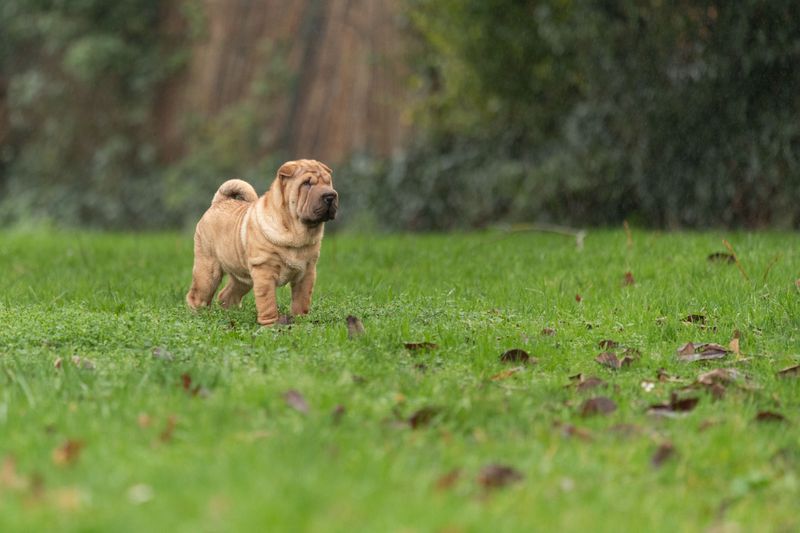
That thoughtful face often hides a sensitive system. Shar-Peis may experience food intolerances, recurrent diarrhea, or inflammatory gut issues.
Skin and ear problems can travel with tummy troubles, hinting at broader sensitivities.
Work with your vet on elimination diets, probiotics, and anti-inflammatory support if needed. Keep a diary of foods, treats, and flare-ups.
Gentle grooming and stress control help the whole picture. Once triggers are known, many Shar-Peis settle into a comfortable rhythm.
Basenji
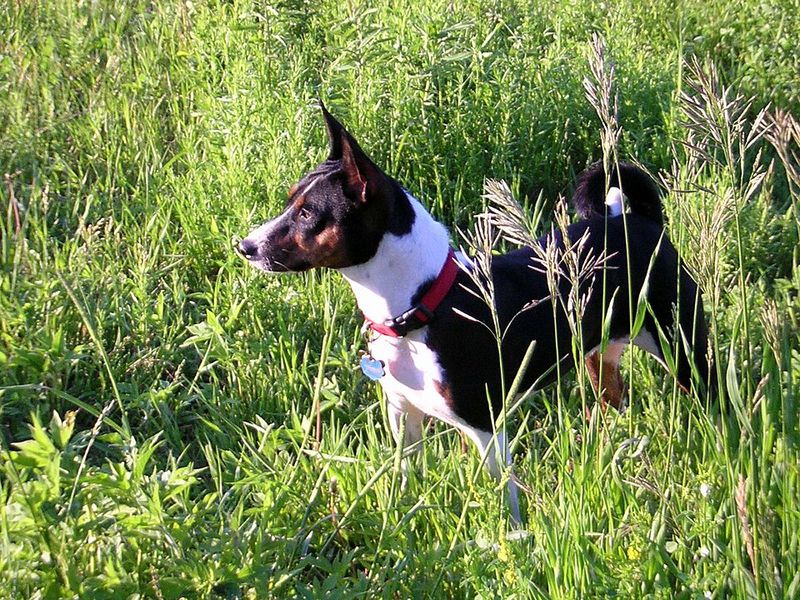
Catlike and clever, Basenjis can develop an immunoproliferative enteropathy that brings chronic diarrhea, weight loss, and poor coat quality. Symptoms can sneak up slowly, then stick around.
Veterinary guidance is key. Many dogs benefit from hydrolyzed or novel protein diets, vitamin B12 support, and careful monitoring.
Plan gradual transitions for any food change. Regular weigh-ins and stool notes help you catch setbacks quickly.
With patience, Basenjis often return to their agile, curious selves.