
Some dogs seem to know when our hearts feel heavy. Certain breeds notice small signs, then move closer for comfort or quiet support.
Learning which breeds often do this can help families choose a caring match. It can also guide training so both person and pup feel safe and calm.
Labrador Retriever
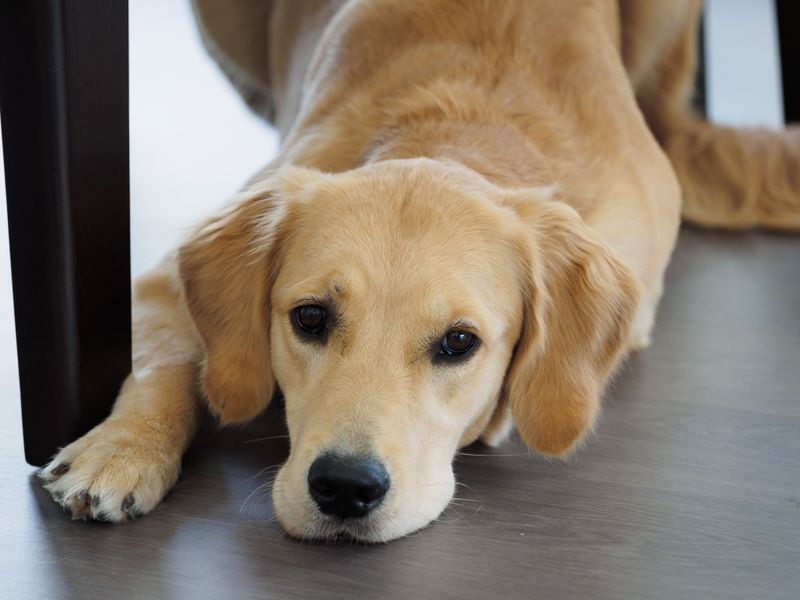
When someone sniffles on the couch, a Lab often parks a chin on their knee like a steady anchor. Centuries of retrieving work shaped a dog that watches faces, reads hands, and checks back often.
For comforting routines, try quiet fetch in a hallway, nose-target touches, or a calm walk. Keep praise soft, give a warm spot beside you, and use simple cues the dog already knows.
Short breaks prevent crowding or clinginess for everyone.
Golden Retriever
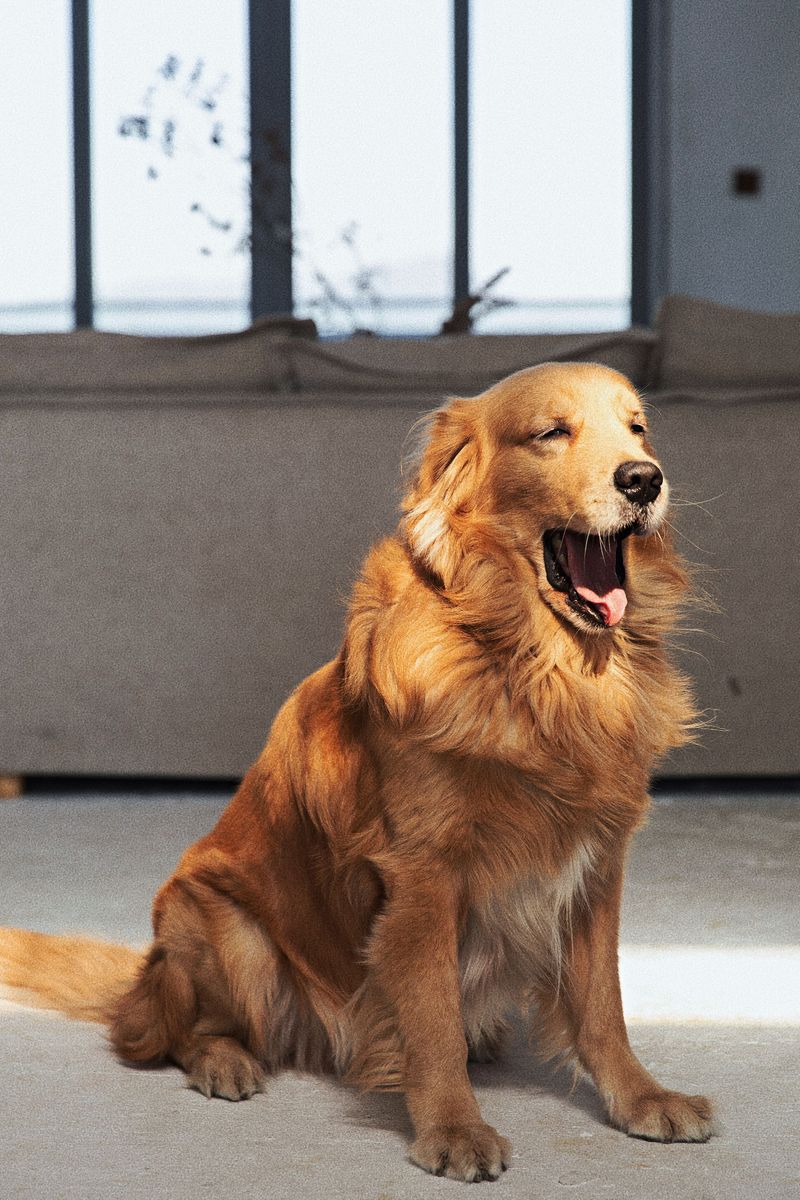
Sunshine in fur, Goldens often lean into worried legs, tail swishing like a soft metronome. Bred to work near hunters, they check in without being asked and mirror human moods closely.
Set up a comfort job, such as carrying a plush toy during tense moments or practicing a slow stay beside a chair. Gentle brushing can be soothing for both of you.
Remember to reward calm breathing and relaxed eyes, not frantic bouncing at home.
Cavalier King Charles Spaniel
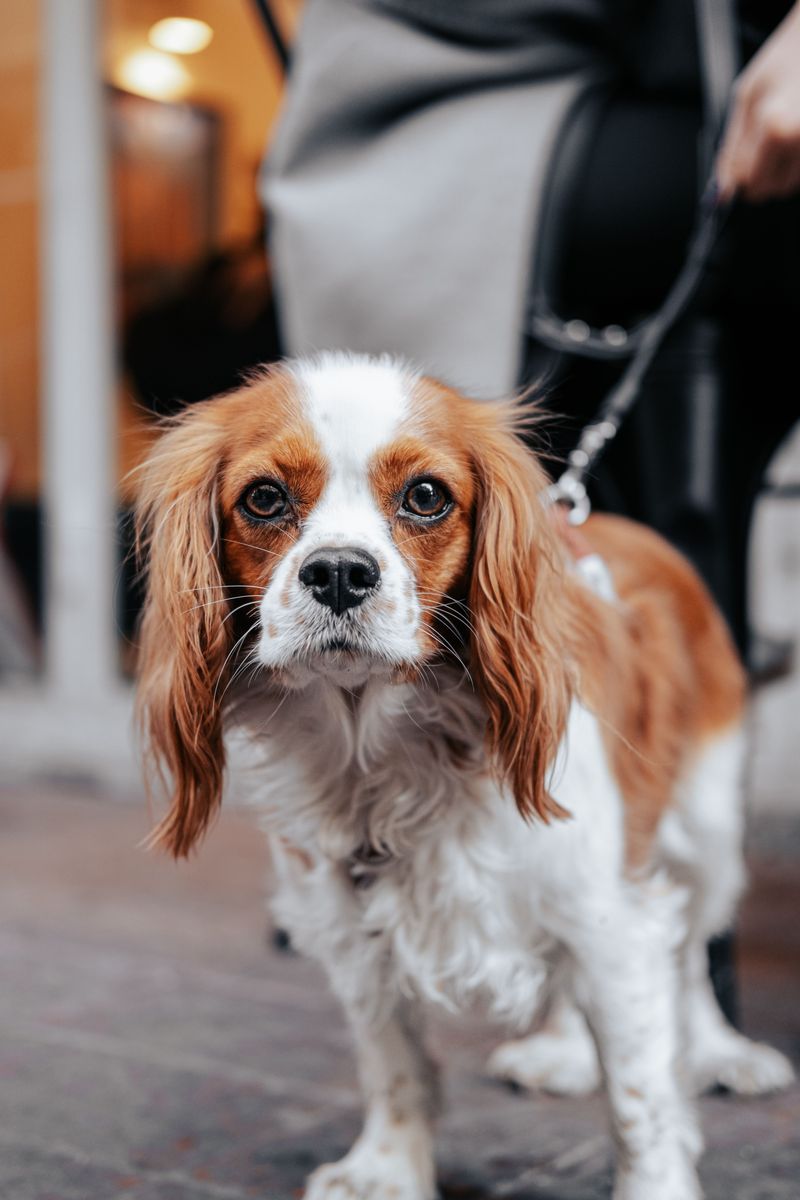
A tiny heartbeat with big focus, Cavaliers notice tears fast and curl into laps like warm tea cozies. Bred as companion dogs in royal courts, they thrive on touch and quiet company.
Create a soft haven with a blanket and teach a settle cue on the sofa. Slow petting from chest to shoulder helps release tension.
If emotions rise, guide a short sniffing game on a towel sprinkled with kibble to reset the mood.
German Shepherd
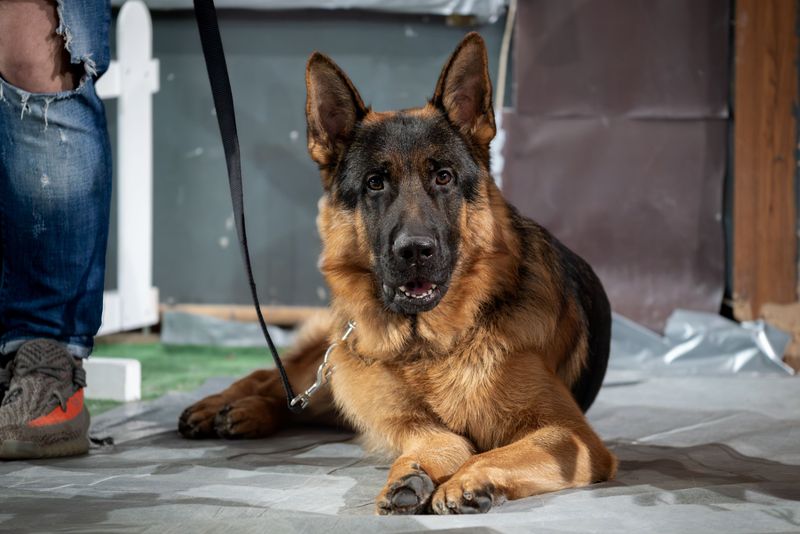
First to notice a shaky voice, many Shepherds move closer and stand like bodyguards with kind eyes. Their history in protection and herding tuned them to track small changes in posture and scent.
Offer a job that channels their care, such as a side position while you breathe slowly for ten counts. Quiet obedience patterns can be grounding.
Rotate in chew time to release stress, and keep visitors from crowding the dog if the room feels tense.
Border Collie
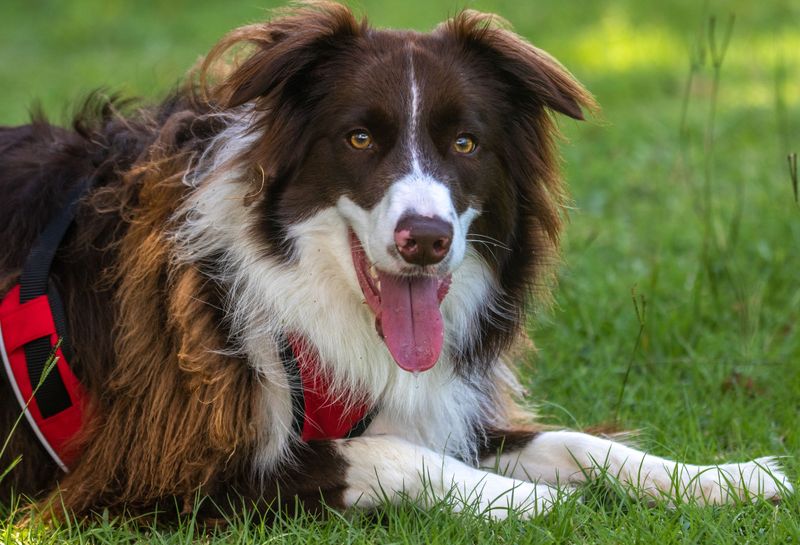
Ever the observant worker, a Border Collie may slide at your feet and stare softly when you sigh. Herding heritage makes them experts at reading motion and gathering strays, including scattered feelings.
Give the mind a puzzle. Try scent hides in boxes, a simple retrieve chain, or a place mat near your chair.
Short, thoughtful tasks can keep worry from turning into pacing. Balance closeness with permission to rest, so the dog does not feel responsible for fixing everything.
Standard Poodle
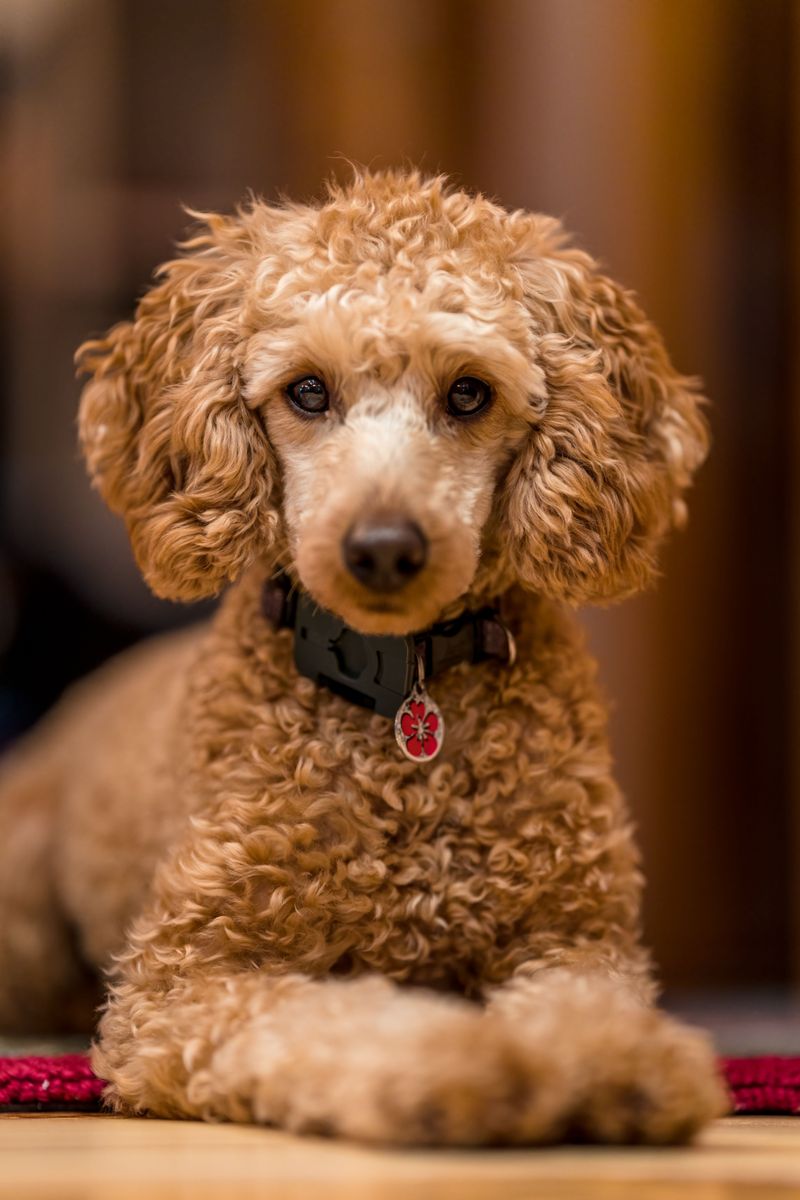
Dressed like royalty but goofy at home, Poodles notice shaky hands and sidle in with gentle eyes. Their intelligence and people focus make them steady partners during rough patches.
Many will rest a paw softly until you smile.
Keep things calm with pattern games, such as touch, step back, and treat. Light grooming, like ear rubs and comb strokes, can be relaxing.
If space is needed, teach a comfy cot cue nearby, so support stays close without pressure.
Boxer
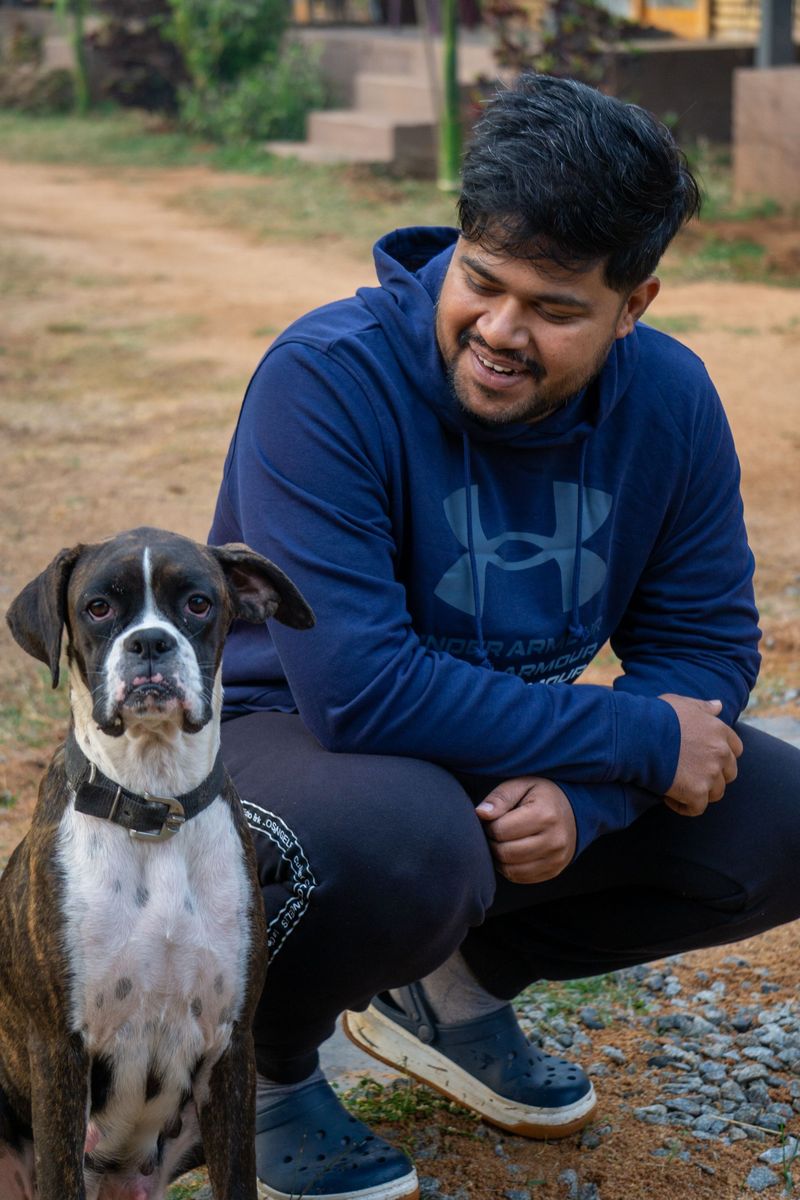
The clown with a caring streak, Boxers often wiggle in close when voices go quiet. Beneath the bounce sits a watchful heart that tracks your mood like a radar.
Channel that energy into slow sits, deep breaths together, and a relaxed chin-rest on your palm. Play can still happen, just lower the volume with soft toys and short bursts.
Praise stillness, then release for a brief sniff outside to reset both brains afterward gently.
Newfoundland
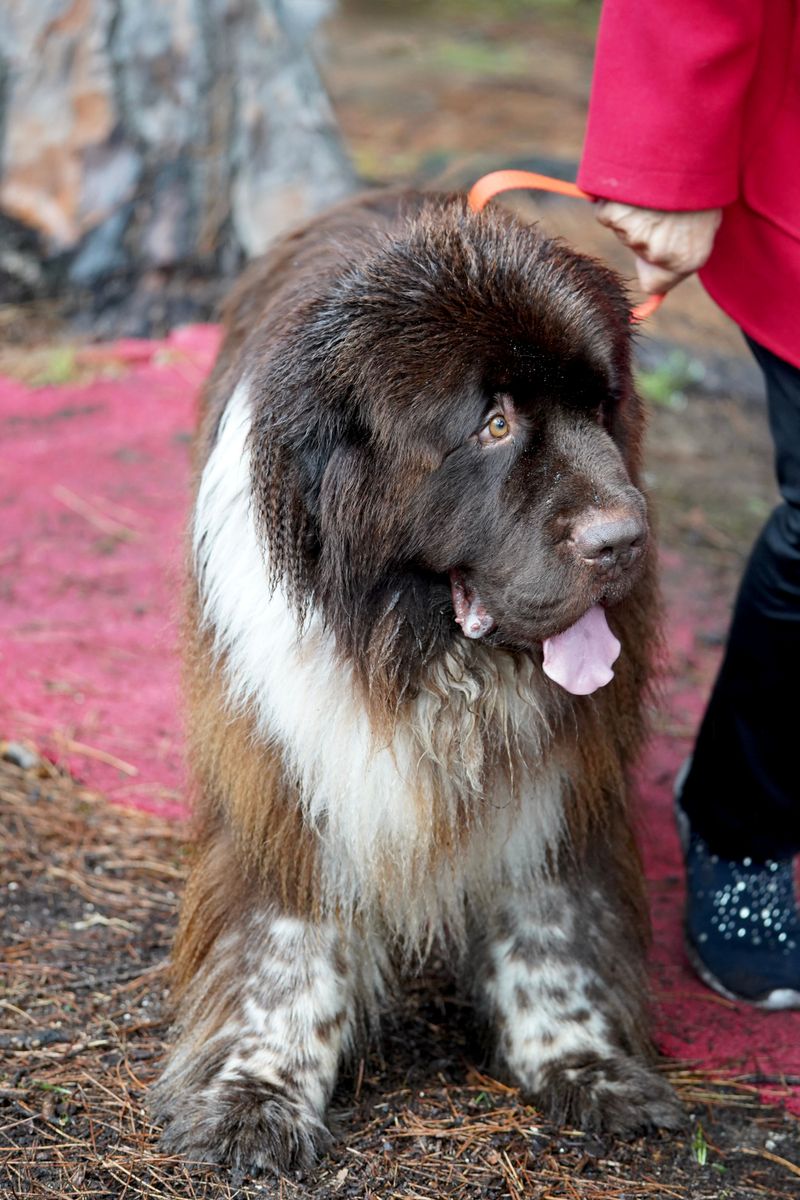
With a heart as big as its paws, the Newfoundland often becomes a quiet pillow during stormy feelings. Water rescue roots shaped patience, confidence, and steady closeness.
They read rooms without fuss.
Offer a cool floor spot and slow belly strokes while you count breaths together. Heavy dogs need space, so position your chair where movement is easy.
A brief walk in drizzle or snow can feel calming, since many Newfies love weather and rhythm.
Australian Shepherd
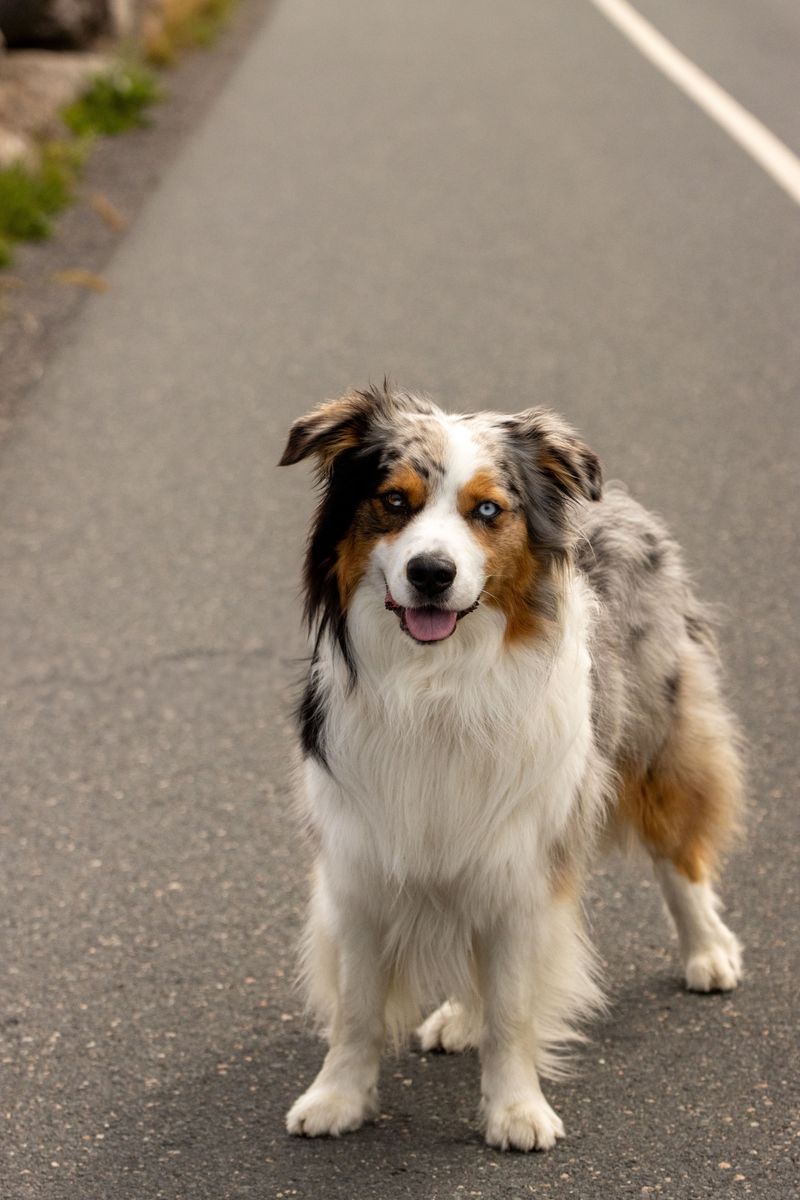
Before you speak, an Aussie may circle close and nudge a hand, as if gathering scattered thoughts. High awareness from ranch work makes them notice patterns and mismatches quickly.
Eye contact often feels like a hug.
Guide that caring energy with calm tasks. Try a sustained place near your feet, slow figure-eights, or a scent trail along baseboards.
Keep guests from hyping the dog, and show gratitude with gentle words and a few steady chest rubs.
Papillon
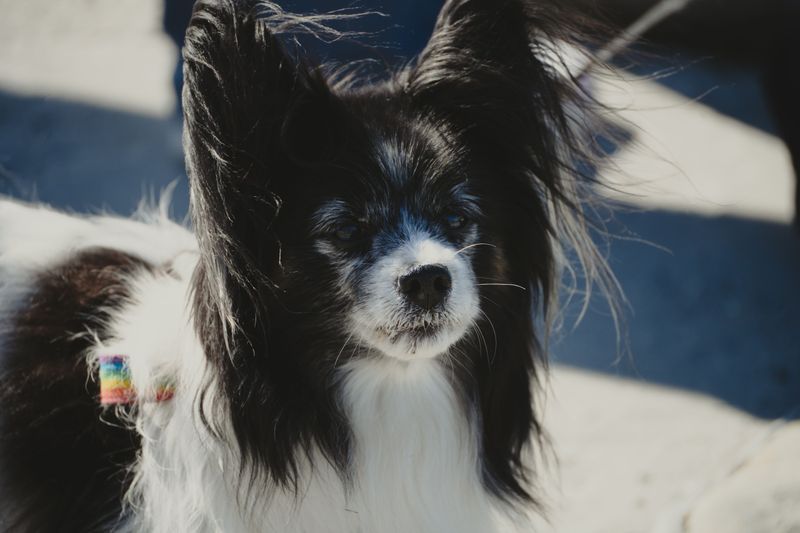
Small body, big antennae, the Papillon notices mood shifts like a tiny tuner. Those butterfly ears were built to listen, and they excel at close, attentive company.
Teach a pocket heel for gentle shadowing around the house, along with a quiet mat near your knee. Quick trick sessions, like spin or paw, give confidence without chaos.
Protect rest with a covered crate or bed nook so your helper can recharge between cuddles during hard times.