
Dogs listen to more than just words. They also notice tone, volume, and the mood in a room.
Some breeds are extra tuned in, so loud voices can feel scary even if no one is yelling at them. Knowing which pups might worry helps us speak gently and keep homes calm.
Border Collie
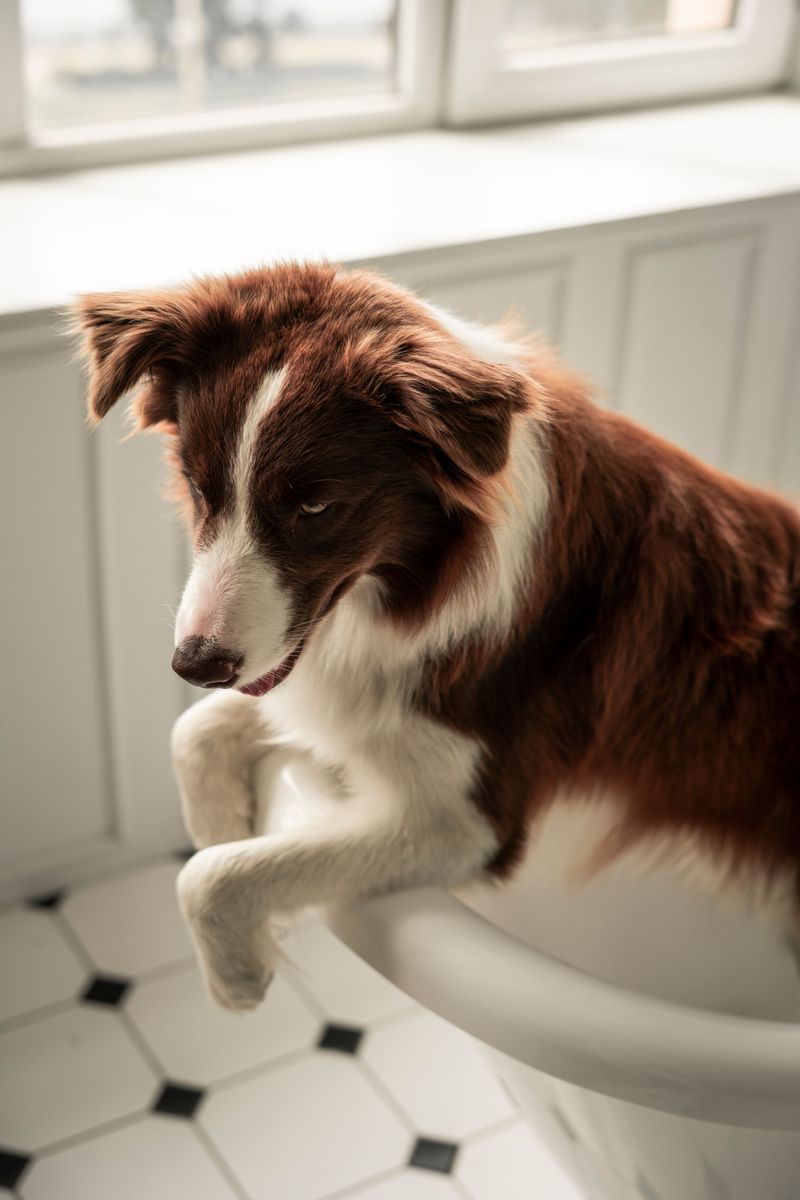
With a mind always buzzing, the Border Collie hears raised voices like urgent warning bells. High intelligence often pairs with high sensitivity, so tension in the room can truly rattle them.
Offer calm cues, predictable routines, and soft praise to steadily rebuild trust after excitement. If arguments start, park your Collie with a chew in a quiet space, then calmly reconnect later.
Enrichment games soak up worry and turn nervous energy into problem solving daily.
Shetland Sheepdog
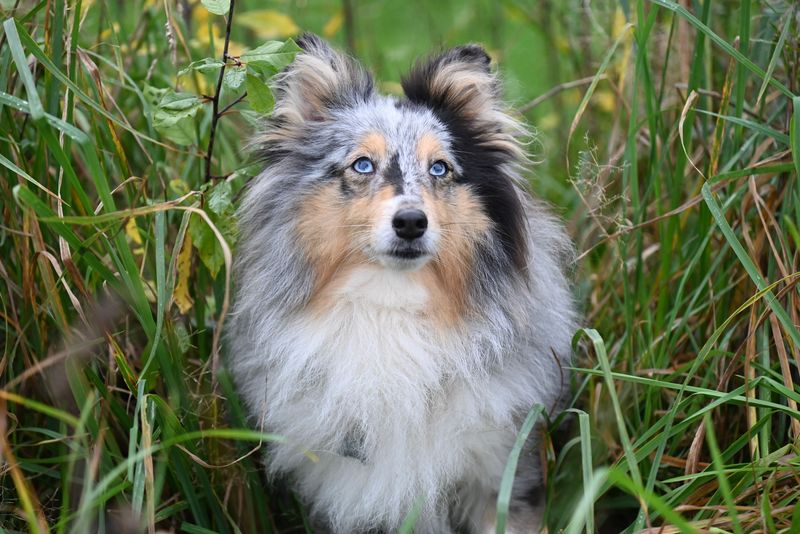
With a fluttery, birdlike alertness, the Sheltie notices every mood change at home. Big emotions can startle their thoughtful hearts.
Sharp sounds or shouting can feel like a storm rolling in.
Create a safe corner with blankets, gentle music, and a favorite toy for tough moments. Practice low-voice training and reward quiet eye contact so confidence grows every day.
Fun fact, Shelties once herded in the Shetland Islands, so their ears are tuned for signals.
Whippet
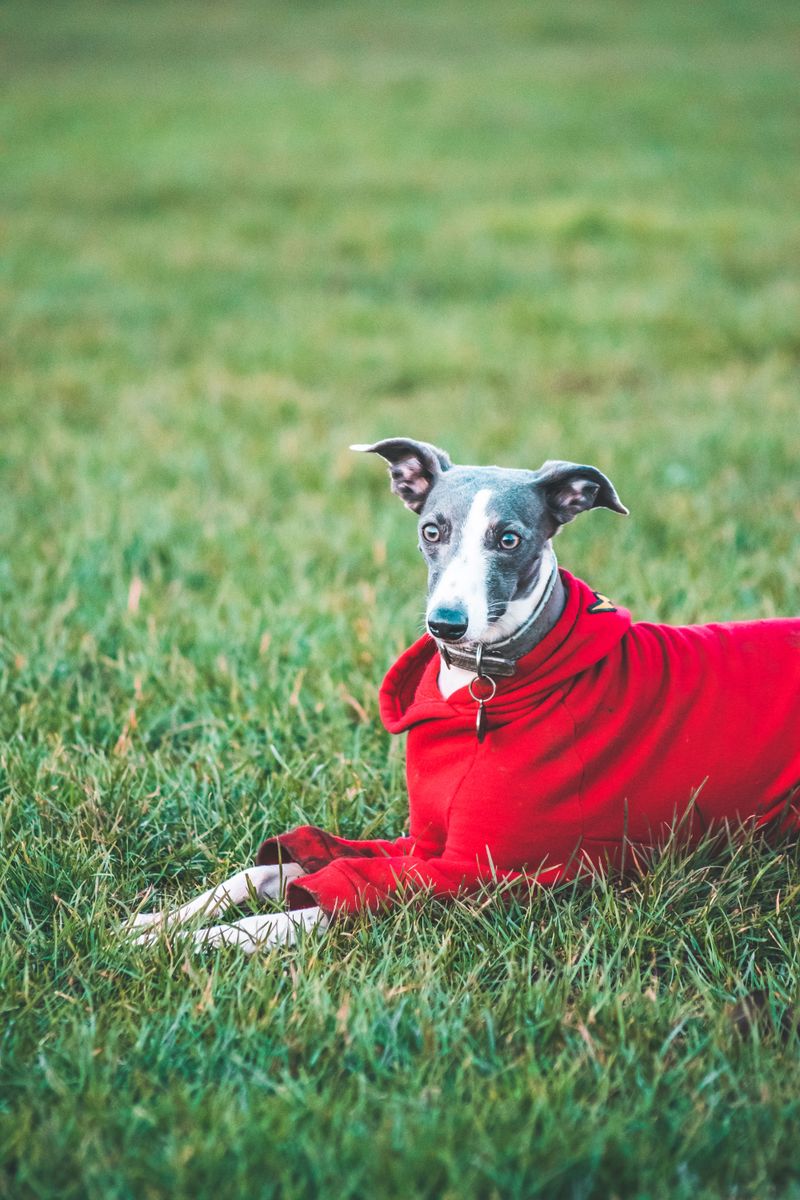
Built for sprinting, the Whippet prefers calm starts over sudden shouting at home. Thin skin and a gentle spirit often make harsh tones feel extra chilly.
Even applause on TV can make them pause and look unsure sometimes.
Warm sweaters, steady routines, and soft-spoken cues help them relax after surprises. Try scatter feeding or sniff walks to drain jitters before guests arrive.
Quiet play with a flirt pole channels energy without raising the volume knob.
Greyhound
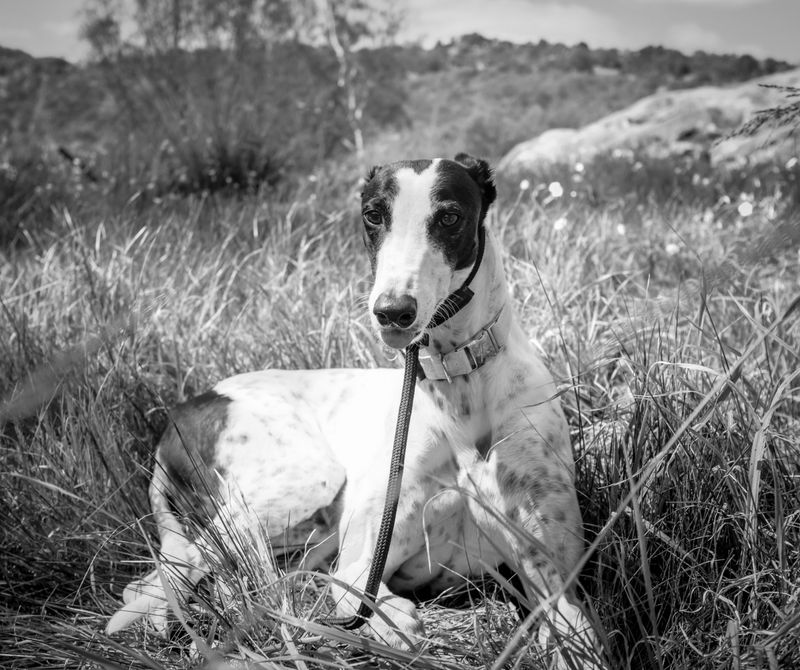
Retired racers often crave peace, and the Greyhound loves quiet more than drama. Loud arguments may echo like racetrack noise, which can unsettle their calm vibe.
A soft-spoken home lets their elegant confidence truly shine every day.
Offer soft beds, warm lighting, and predictable walks to keep stress low. When voices rise, guide them to a cozy crate and give a chewy treat.
Many shelters suggest calming playlists, which pair nicely with gentle ear rubs.
Cavalier King Charles Spaniel
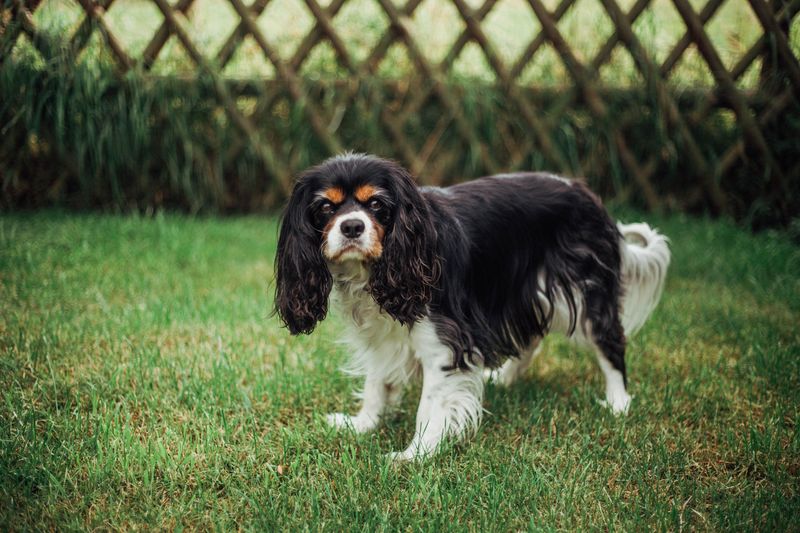
With eyes that read feelings, the Cavalier senses tension long before shouting finishes. They bond closely with families, so loud tones can feel like losing safety.
Gentle petting, soft reassurances, and short training sessions rebuild comfort after noise. Teach a place cue on a plush mat and reward calm breathing.
A quick sniff in the yard before tough talks can prevent worry spirals. Royal roots aside, they thrive when voices stay kind and steady always.
Vizsla
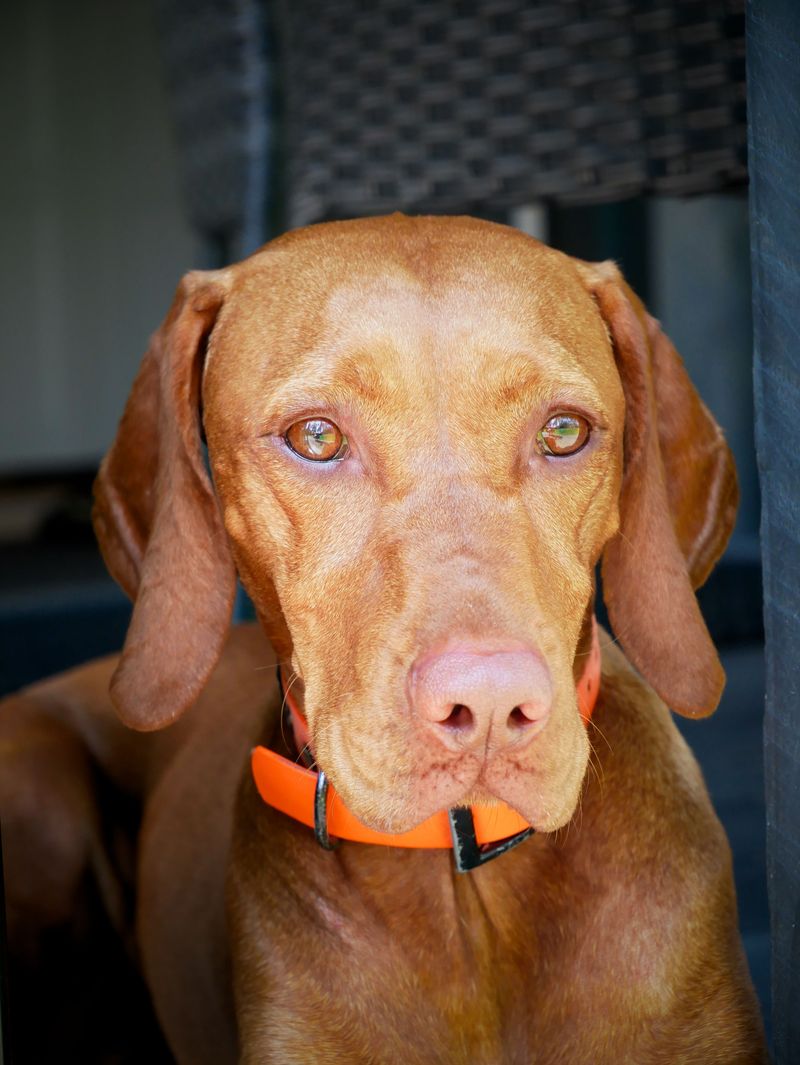
Nicknamed velcro dogs, Vizslas stick close and soak up every household mood. Raised voices can feel like separation, even when you are standing right there.
Plan hearty exercise, then finish with calm cuddles to create a balanced day. Teach a chin rest behavior for vet visits and busy gatherings.
History tip, Hungarian hunters bred them for partnership, which explains their emotional radar. Quiet, clear guidance helps them translate human drama into simple next steps gently.
Maltese
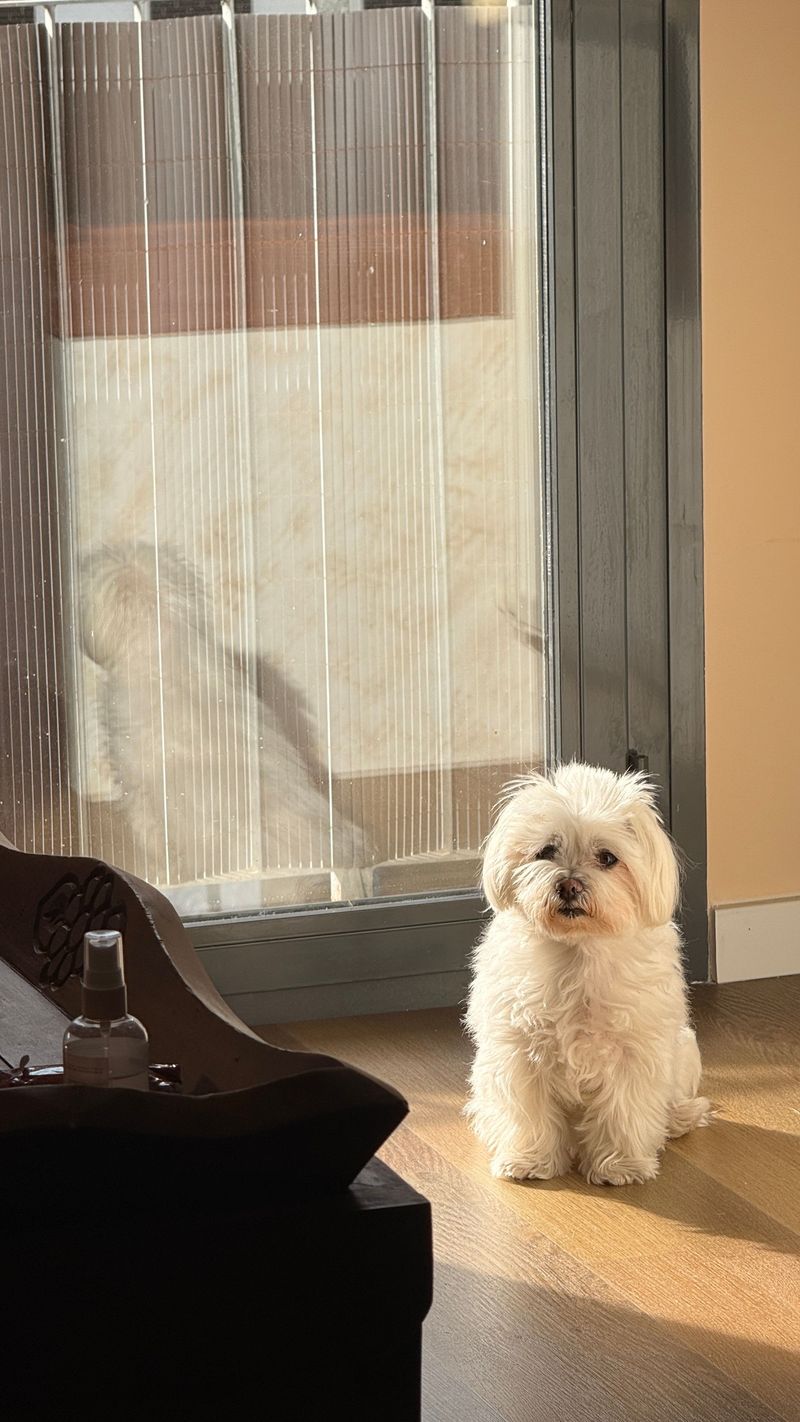
Small body, big feelings, the Maltese often startles when voices climb. They were bred as lap companions, so tension nearby can feel enormous.
Set up a quiet basket, add a heartbeat toy, and practice calm check-ins. Short trick sessions boost confidence without adding noise, especially before guests or deliveries right outside today sometimes.
Keep grooming gentle, since brushes near ears can mimic sharp sounds. Sweet naps in sunbeams recharge their brave little hearts for later.
Bichon Frise
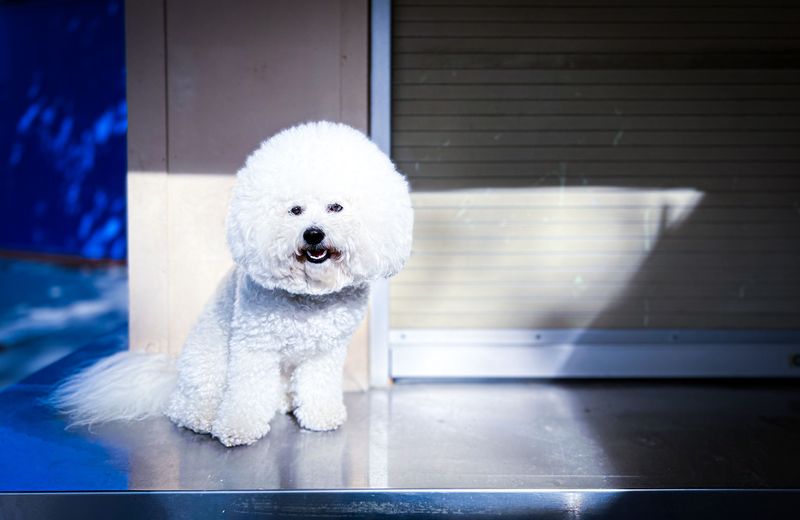
Cheery by nature, the Bichon prefers laughter over loud debates every time. Sensitive ears and a social heart can make shouting feel confusing at home.
Turn down the TV during arguments so the room feels safe again.
Invite them to perform a silly trick when voices rise, then reward generously. Daily walks, playdates, and soft grooming sessions maintain confidence for social butterflies.
Fun fact, Bichons once entertained in European courts, which explains their crowd skills.
Shiba Inu
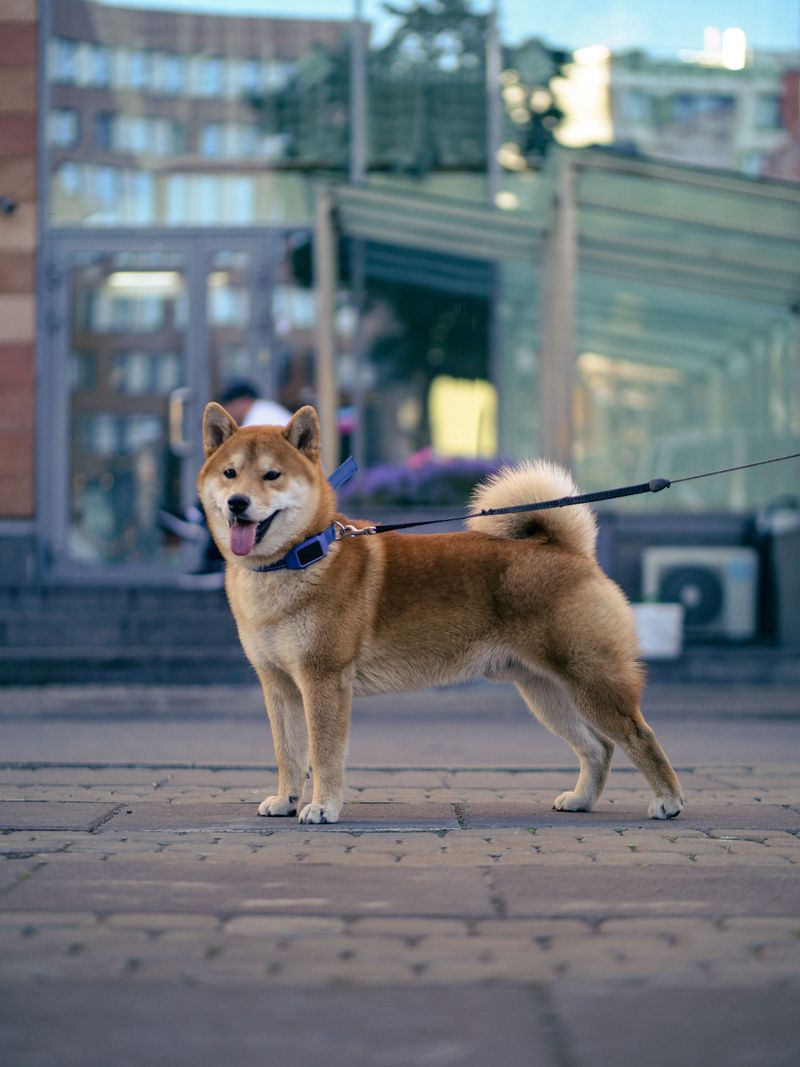
Independent but watchful, the Shiba reads tone faster than words. Sudden yelling can feel threatening, prompting distance or stubborn shutdowns.
Respect their space during conflicts, and wait for relaxed ears before approaching.
Use calm body language, avoid looming, and offer choices during training. Give a sniffy decompression walk, then practice simple cues in a quiet room after family conversations end for the night.
History note, they hunted in Japan, which nurtured caution and careful listening.
Australian Shepherd
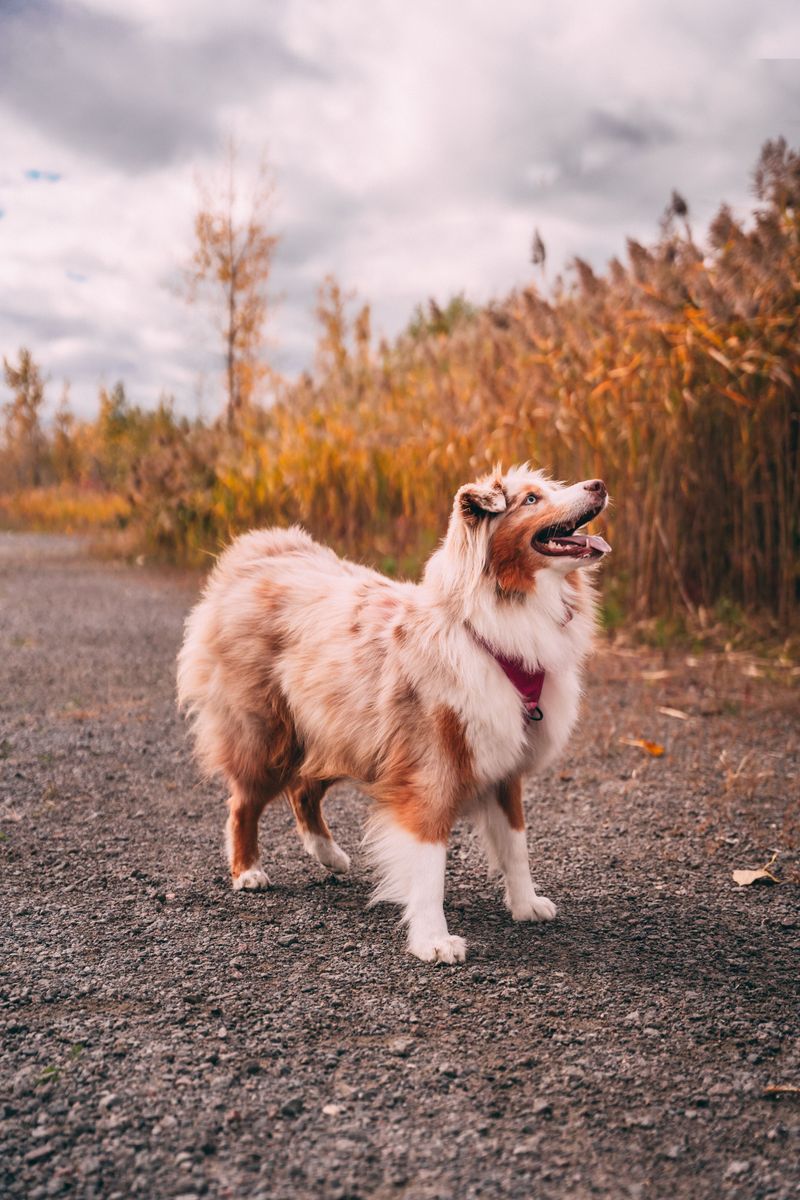
Born problem solvers, Aussies notice raised voices like puzzles that must be fixed. That urgency can create stress, leading to pacing or herding behavior around people.
When voices climb, park them with a stuffed Kong and music.
Give clear jobs, like finding hidden toys, and reinforce calm settling on a mat. Plenty of exercise first, then quiet training, makes family arguments easier to handle.
Trivia, they likely developed in California ranch country, despite the name.