
Some dogs stay calm and happy when the whole family is together. The tricky part comes when people grab keys and head out.
Certain breeds feel lonely fast and can struggle with goodbyes. Knowing which pups tend to worry helps you plan training and smoother exits.
Labrador Retriever
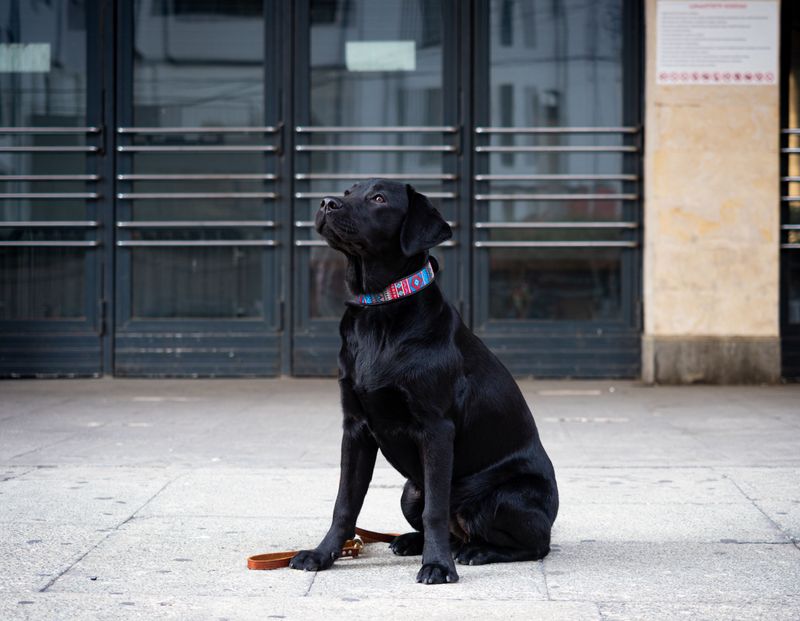
Big smiles and a wagging tail make the Labrador seem chill during cookouts and movie nights. Yet many Labs bond hard, so a quiet house after you leave can feel scary.
Some whine, pace, or mouth socks.
Practice short exits, pair departures with a stuffed Kong, and add morning exercise. Teach a solid place cue and calm greetings.
Background music helps. Fun fact: early Labs worked with fishermen, so teamwork runs deep in their hearts.
Golden Retriever
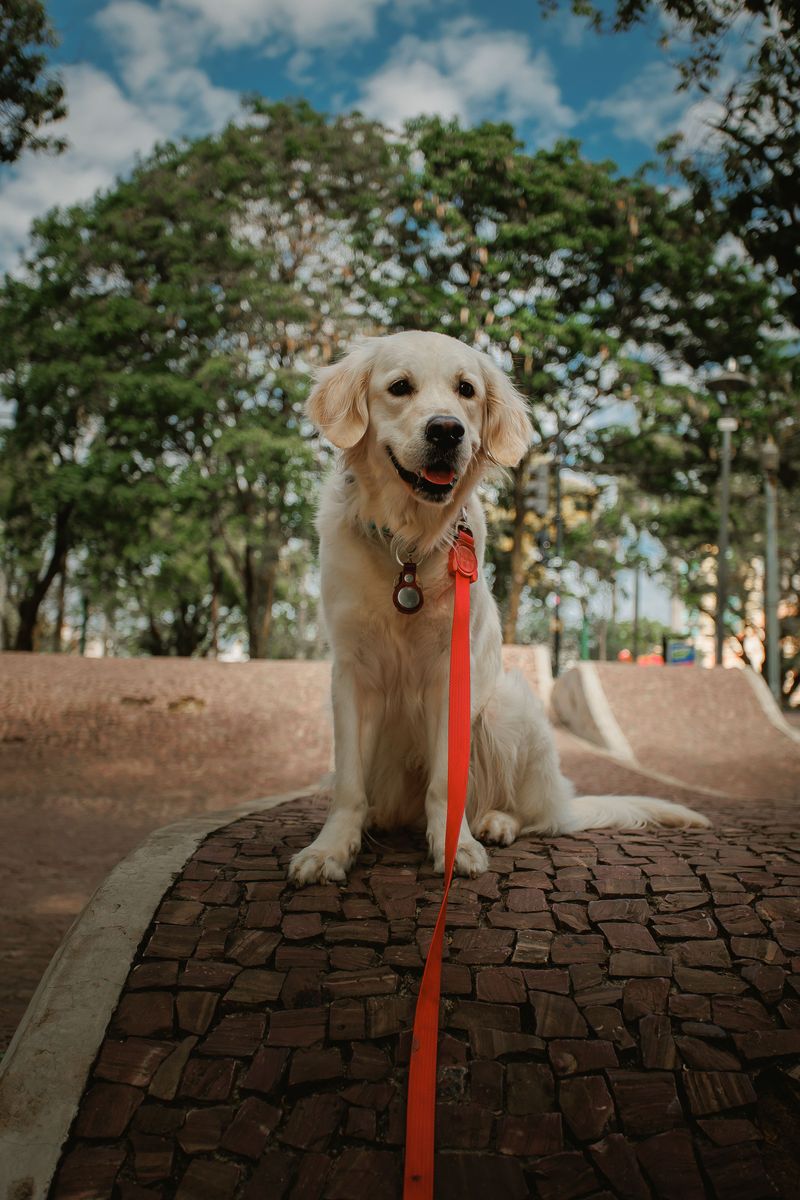
Sunny eyes fool many families into thinking the Golden never worries. Under that fluffy coat lives a sensitive soul that reads every routine change.
When backpacks zip and keys jingle, some Goldens shadow doorways or bark sadly.
Build confidence with scent games and chew breaks. Rotate puzzle feeders only at goodbye.
Create a go-rest mat near a window. Gentle crate training can help.
Origin note: they were bred to work beside hunters, always watching closely.
Cavalier King Charles Spaniel
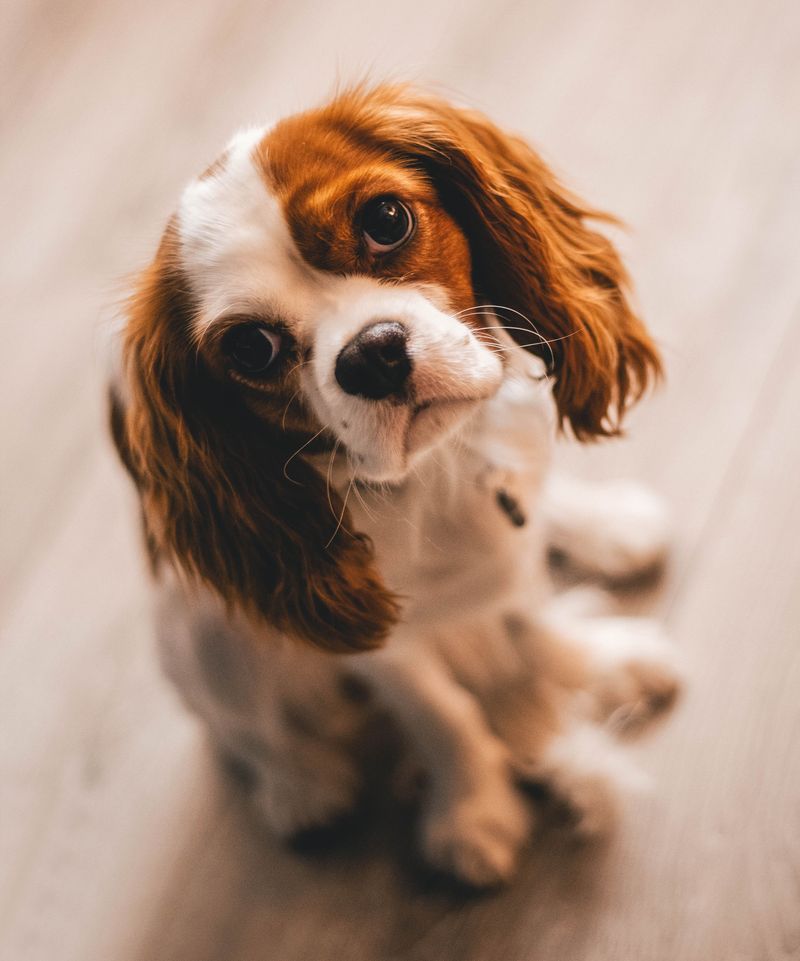
With a lap-loving grin, the Cavalier makes family time feel cozy. Alone time, however, can feel huge for such a people-focused pup.
You might hear soft cries or see pawing at doors after you step out.
Try gradual absences using a timer. Offer a snuffle mat and a safe chew.
Keep departures boring and returns calm. Short stroller walks or window perches satisfy curiosity.
History tidbit: royals treasured Cavaliers as constant companions in bustling courts.
Vizsla
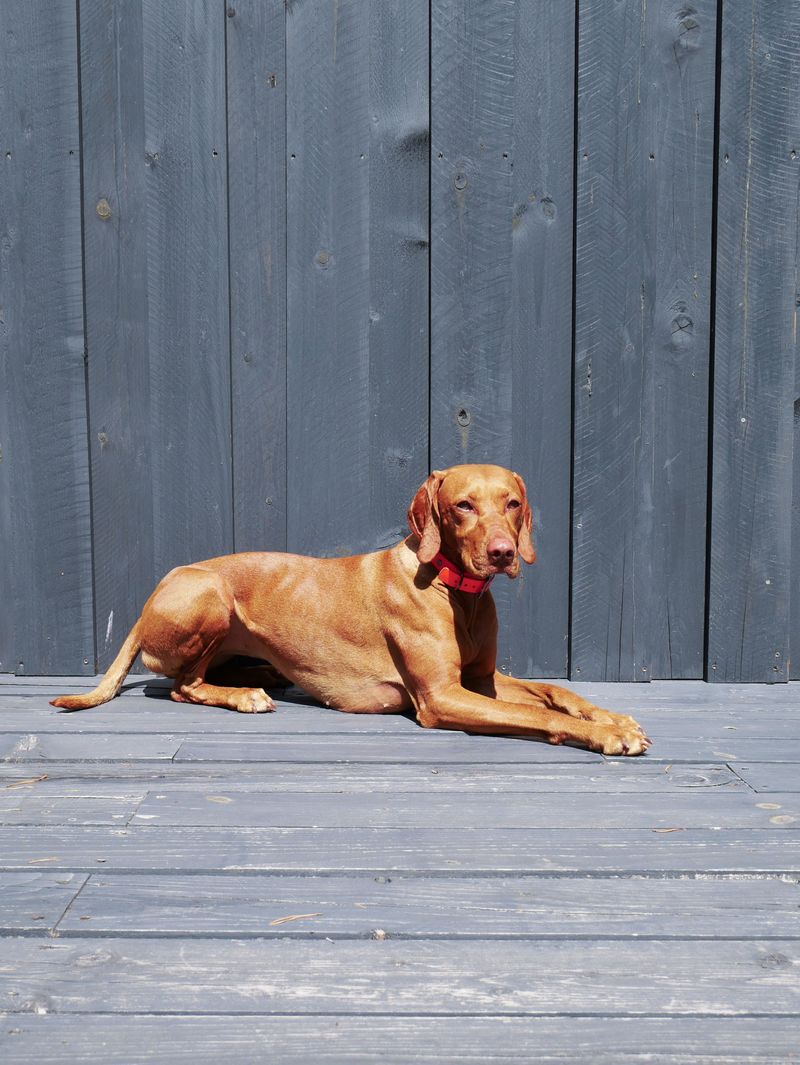
Nicknamed Velcro dog, the Vizsla sticks close during hikes and picnics. That same loyalty can turn to stress when the house empties.
Some dig at rugs or sing long, echoing howls that surprise neighbors.
Channel energy first with sprint games or nosework. Leave a worn T-shirt in a ventilated crate.
Practice stationing on a bed while you move room to room. Fun fact: Hungarian hunters prized Vizslas for tireless partnership, not solo work at all.
Border Collie
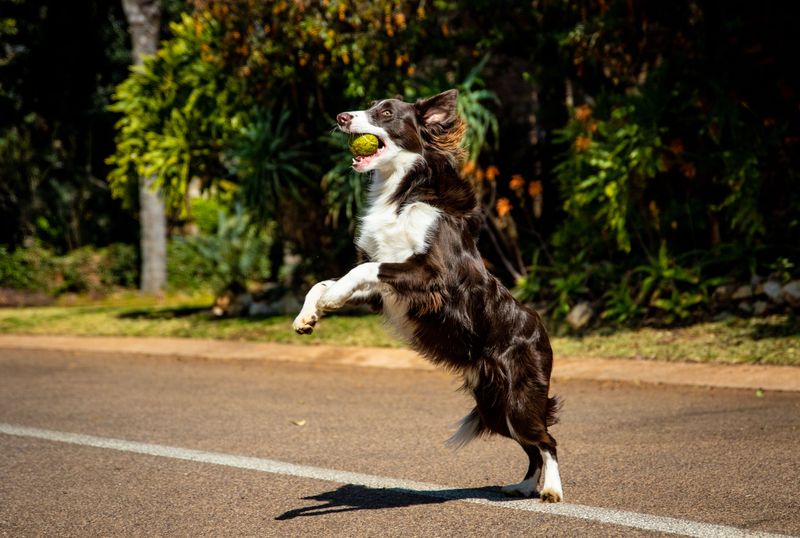
Minds like sparks make Border Collies amazing game-night helpers, fetching toys and cleaning up. Quiet rooms feel dull, and that boredom can bloom into worry when you head out.
Spinning, nipping cushions, or door watching may appear.
Brain workouts matter. Teach scent trails, hide-and-seek, and trick chains.
Schedule focused fetch before departures. Use a visual routine chart and offer a long-lasting lick mat.
Quirk: many Collies thrive on jobs, so give simple chores like sock sorting.
Australian Shepherd
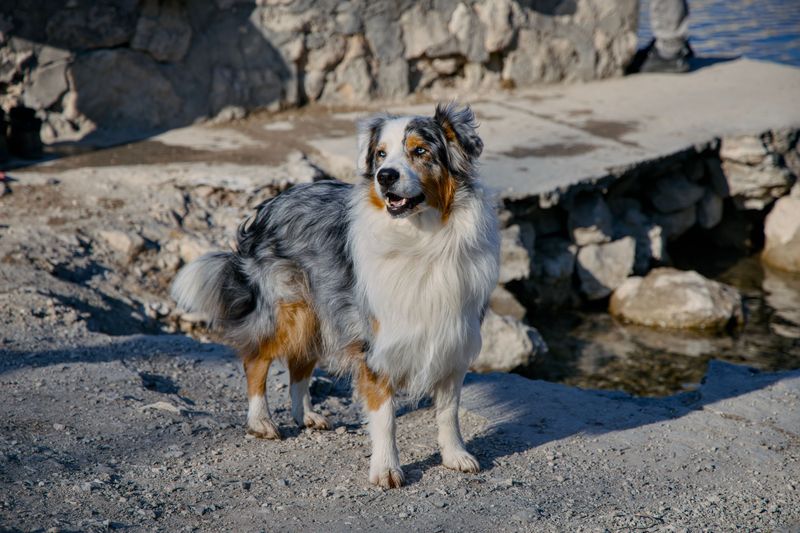
Ever notice the Aussie counting kids at the park? That watchful habit can turn restless when flock members leave.
Doors click, and some Aussies whine or herd furniture like it keeps the family together.
Give structure. Practice down-stays with release words.
Provide heavy-duty chews and a sniffy walk before work. Rotate cozy rest spots away from windows.
Consider calm-herding games using rolling treats. History bit: Aussies traveled with ranchers, so being apart from teammates feels odd.
Bichon Frise
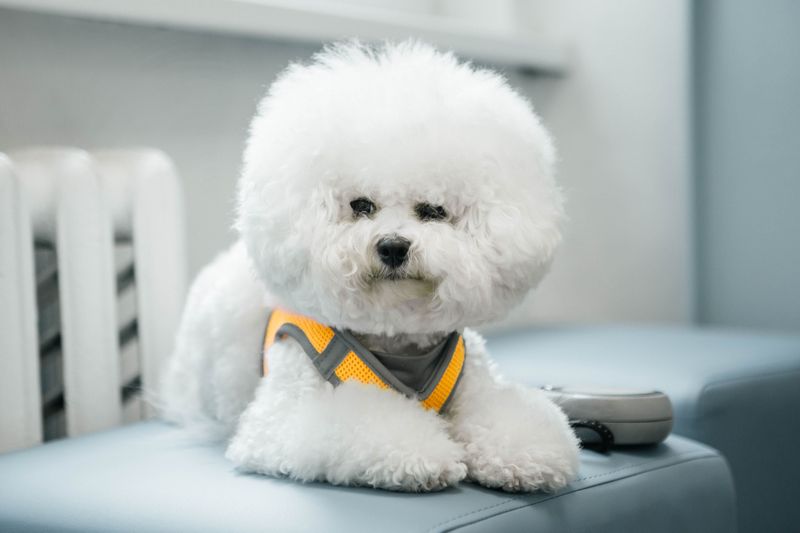
Like a cheerful cloud, the Bichon brightens family brunches and errands. After the fun, silence can feel too big for this social butterfly.
You might find fluffy noses at the door or soft scratches near windows.
Create a goodbye routine with a special chew they only get then. Set up a sunny crate with a light blanket.
Short training bursts build confidence. Fun note: sailors once traded Bichons along ports, so company was constant aboard.
German Shepherd
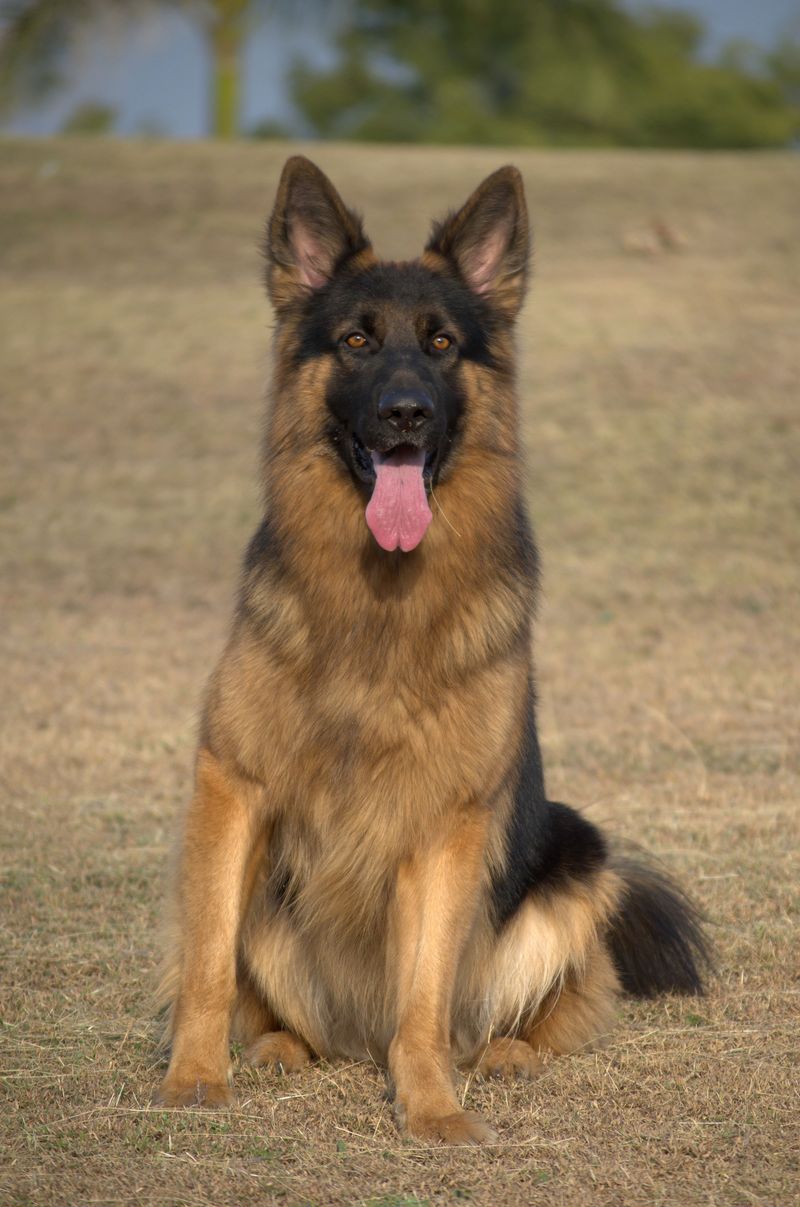
Strong and composed during backyard games, the German Shepherd often watches every detail. When family members split, some feel duty mixed with worry.
Pacing hallways, checking rooms, or vocalizing can be common signs.
Confidence grows through clear jobs. Teach a carry task during pre-exit routines, like holding a rope toy.
Add obedience drills and scent work to tire the mind. Use sturdy puzzle toys.
Trivia: the breed was organized for steady herding, usually near people.
Italian Greyhound
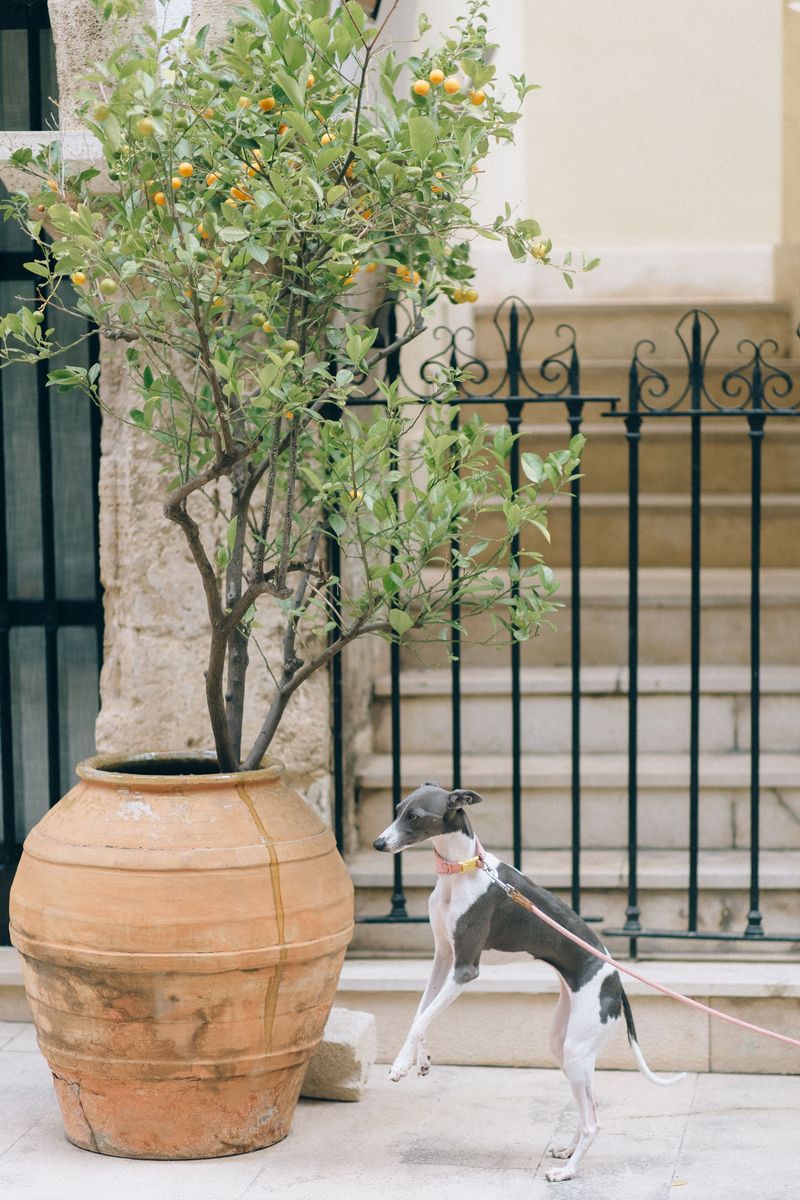
All elegance on the couch, the Italian Greyhound loves sunbeams and soft blankets. Still, a sudden goodbye can rattle those fine nerves.
Shivering, tiny barks, or bathroom slips may show up after you leave.
Warmth and predictability help. Offer a snug sweater, a heated bed on low, and a quiet den.
Keep exits slow with pattern games at the door. Gentle playdates build bravery.
Origin note: nobles favored small sighthounds as constant room-sharers for centuries.
Havanese
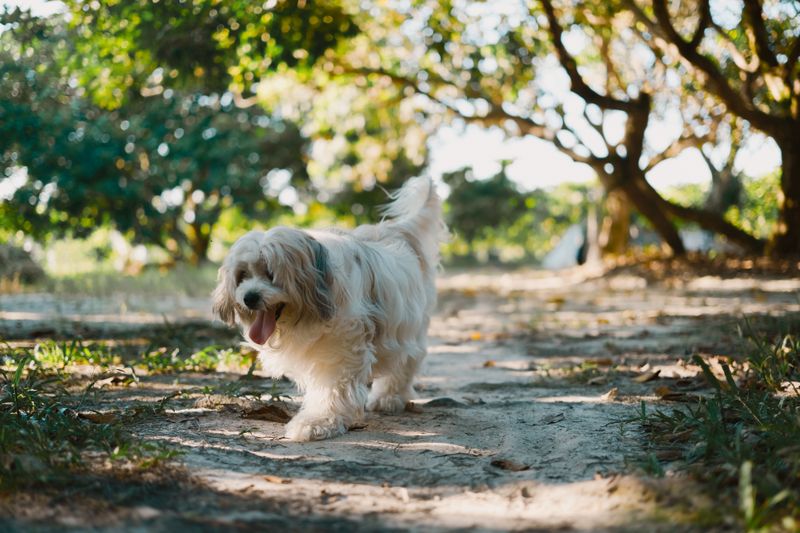
Playful eyes and bouncy steps make the Havanese a natural family buddy. When the house empties, though, silence can feel like a puzzle with missing pieces.
Scratching, brief barks, or clinging at pickup times can appear.
Shape independence. Teach settle on a mat while you fold laundry.
Reward calm for short seconds, then stretch minutes. Rotate safe chews and gentle music.
History gem: the breed grew up in busy Havana homes, always near people and laughter.
French Bulldog
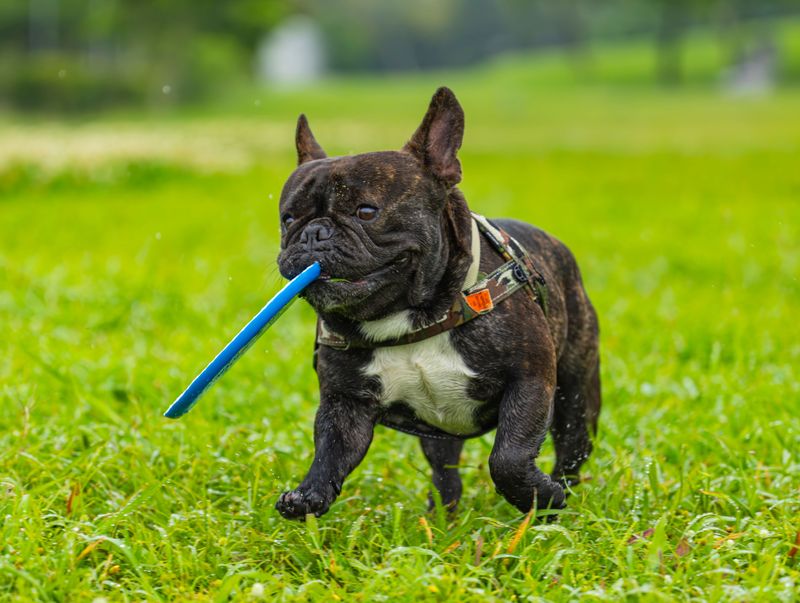
Comical snorts light up family gatherings, and the Frenchie hams it up for laughs. When the show ends and doors close, some feel uneasy and search room to room.
Short howls or door scratching might follow.
Plan mellow exits. Offer a frozen lick toy and a cool, airy space.
Keep play low-impact before leaving, since heat can stress them. Train a go-to cot by the hallway.
Tidbit: city life made Frenchies expert sidekicks for generations.