
Dogs look at us for many reasons. Sometimes they are not trying to be in charge at all.
They are checking in, asking a question, or looking for the next step. When we notice the small signals, we can teach kinder, clearer conversations with our pets.
Border Collie – the focused teammate
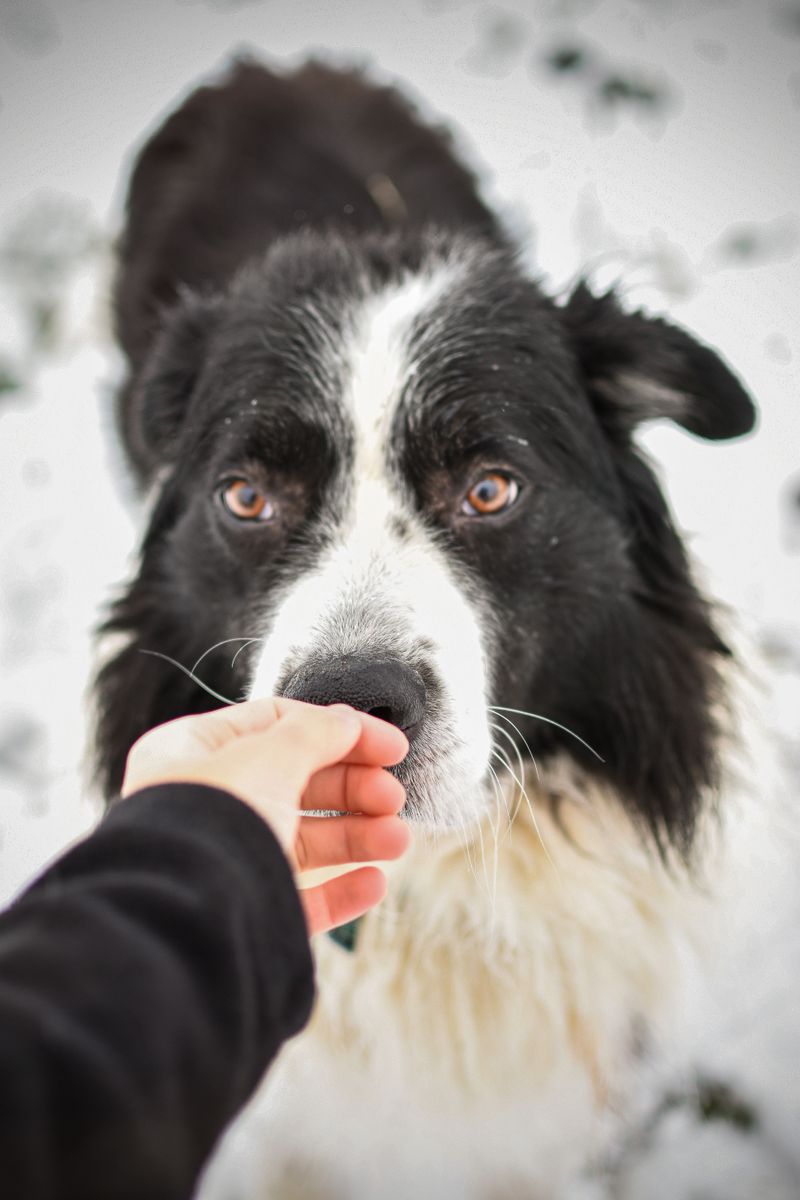
Farm kids tell stories of collies reading their eyes like a road map. That focus often grows from training games, not pushy stares.
Teach a simple look cue, mark with a click, then reward after one or two seconds. Use it for check-ins during walks, before doors open, and when sheep, squirrels, or skateboards get exciting.
Soft eyes and relaxed ears signal comfort, which keeps conversations kind. End sessions early to protect focus and joy.
Australian Shepherd – the trail glance pro

Trail partners often notice an Aussie who glances back like a hiking buddy. That eye contact can be shaped with herding-style pauses and clear cues.
Practice look-and-move: ask for eyes, step together, then release to trot forward. Short bursts, calm breath, and playful breaks teach teamwork instead of bossy staring.
Watch pupils, tail height, and mouth softness to keep arousal in the green zone. End on a treat scatter to reset minds and bodies too.
Golden Retriever – the friendly check-in
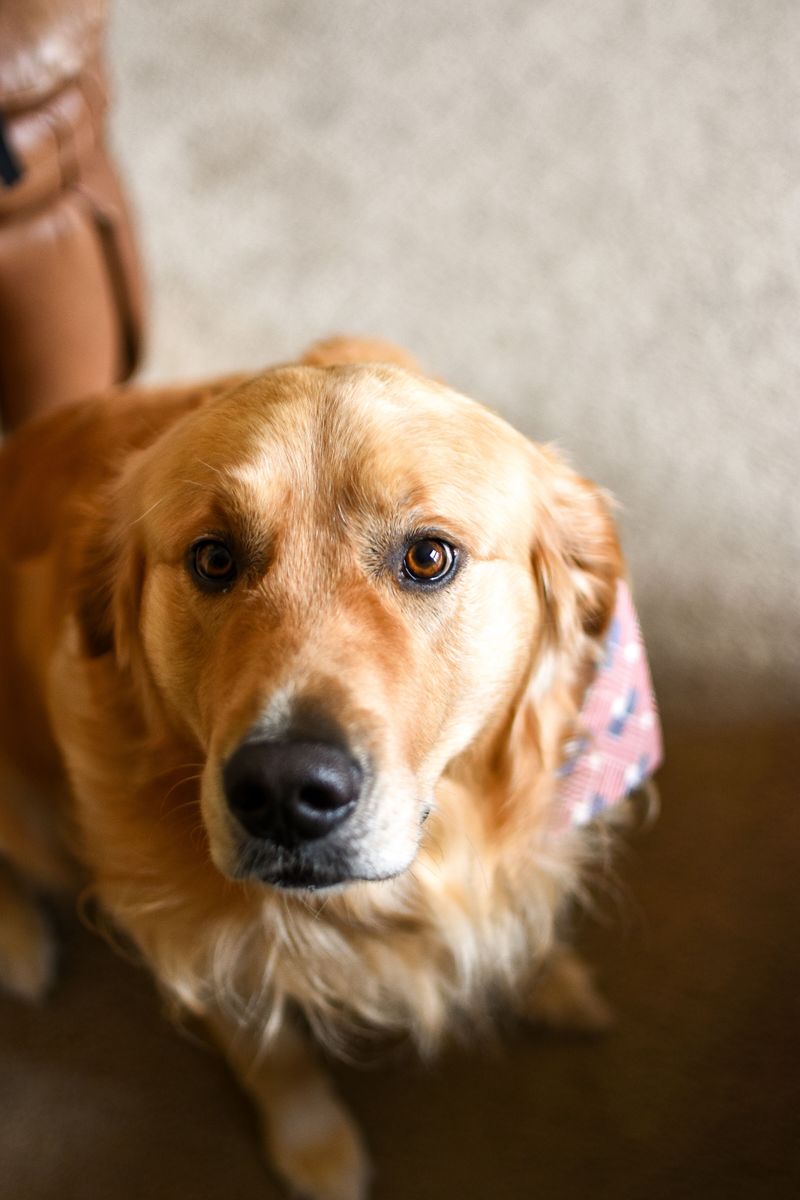
Neighbors joke that Goldens smile with their eyes. Much of that gaze is learned through gentle waiting before greetings and games.
Try a sit-look-hello routine at the door, then release to meet friends. If excitement spikes, step back, breathe together, and ask for a shorter glance.
Pair eye contact with slow petting, not nonstop chatter, to keep things calm. A tiny delay before fetch throws builds patience, trust, and tidy impulse control over many days.
Labrador Retriever – the polite foodie
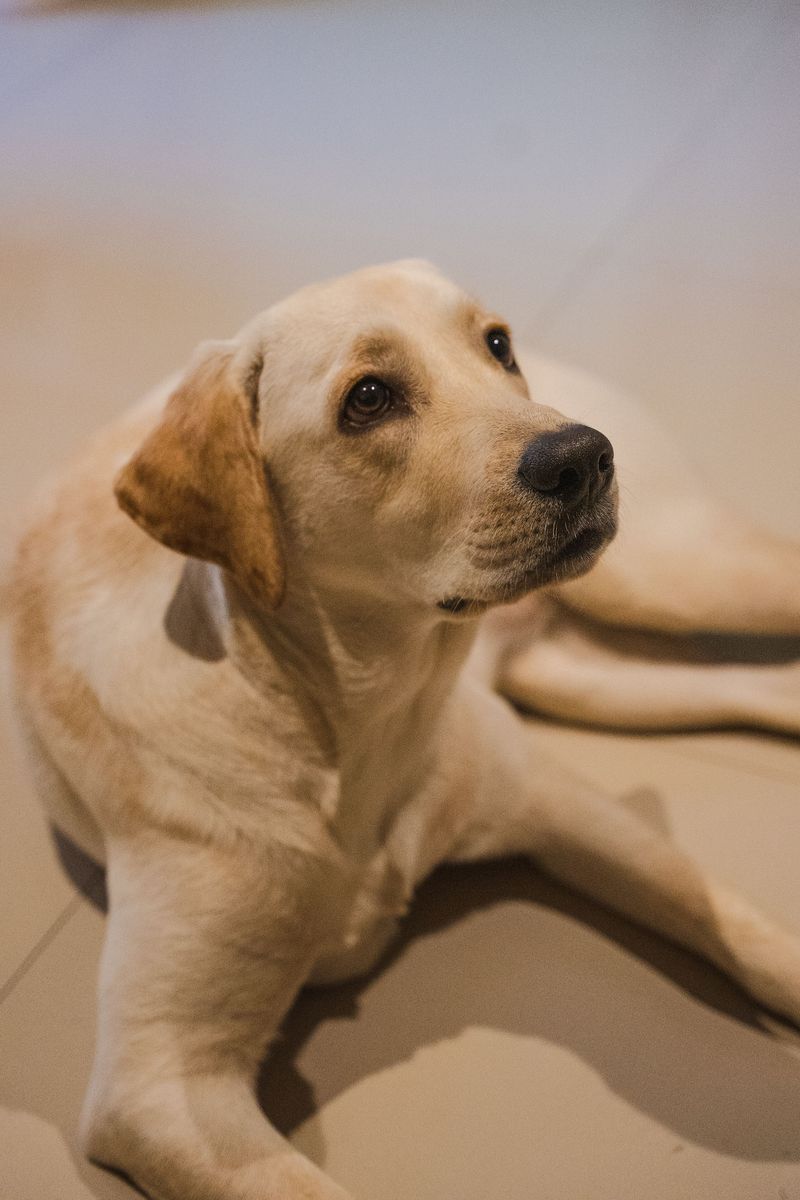
Food-loving Labs often look up as if asking polite questions. That habit grows with reward timing and consistent manners around kitchens and picnics.
Keep portions small so attention stays thoughtful.
Use a calm bowl ritual: bowl appears, eyes meet, bowl lowers, then meal begins slowly. If the gaze hardens, relax the scene, add simple snuffle mats, and try again patiently.
Walking practice helps too, with brief lookups before crossing streets or greeting neighbors. Soon that eye talk feels friendly, not pushy, during daily city routes everywhere.
Standard Poodle – the curly conversationalist
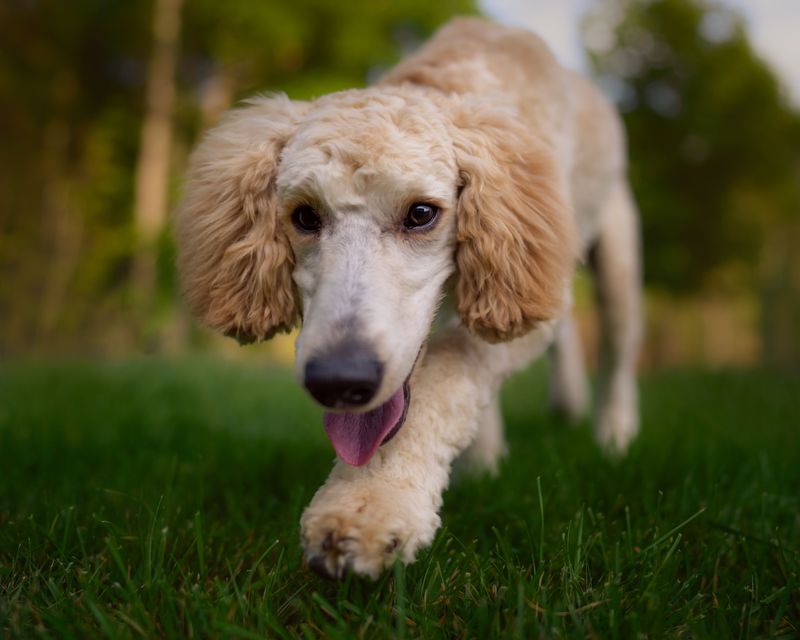
Many handlers call Poodles conversation partners in curly suits. Their bright eyes learn patterns from sports, grooming tables, and living rooms.
Play a look-then-do game before agility runs, shaping quick glances into green-light signals. Between reps, sprinkle sniff breaks and light stretches to keep bodies loose and minds curious.
During hair care, teach consent checks by pausing, waiting for eyes, then continuing gently. Trust builds quietly and shows up everywhere, from travel crates to clinics.
German Shepherd Dog – the clear signaler
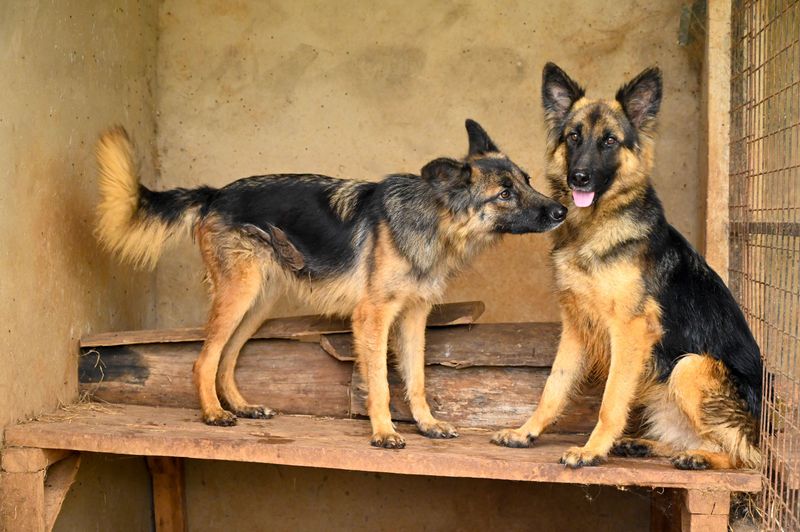
On patrol or at play, shepherds often check faces like skilled teammates. That habit grows by turning eye contact into clear yes-or-no choices.
Build a traffic-light system: red means wait, amber means ready, green means go, all cued by eyes. Balance intensity with pattern games, like three looks, then a tug, then a settle on a mat.
Soft praise beats hard staring, then finish with water, shade, and a slow sniff walk afterward for recovery.
Shetland Sheepdog – the gentle observer
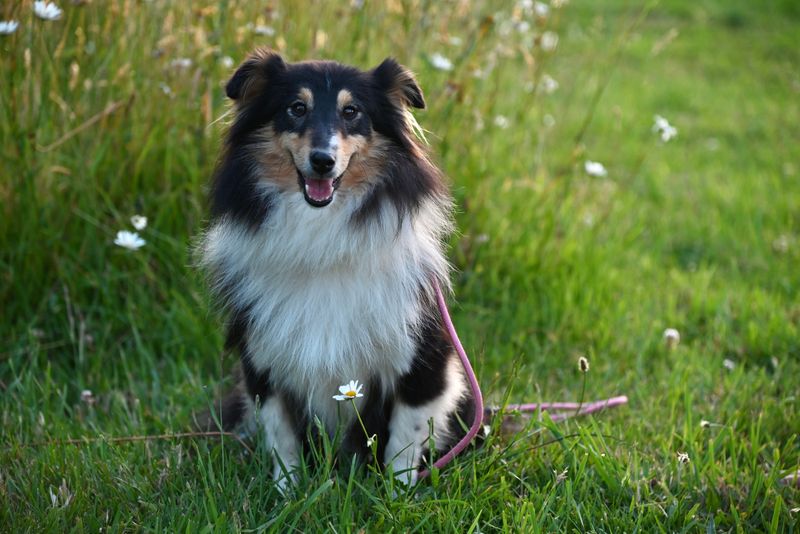
Tiny herder, big listener, the Sheltie watches like a careful librarian. Eye contact often blooms from quiet routines and predictable choices.
Practice look-then-spin for fun, then look-then-rest to lower stress during storms. Reward with tiny treats or calm praise so the gaze stays soft, not sticky.
A comfy hideaway, white noise, and a familiar scent can help sensitive souls keep communication gentle, and short training shows that eyes mean safety during family chaos at home too.
Papillon – the butterfly-eared listener
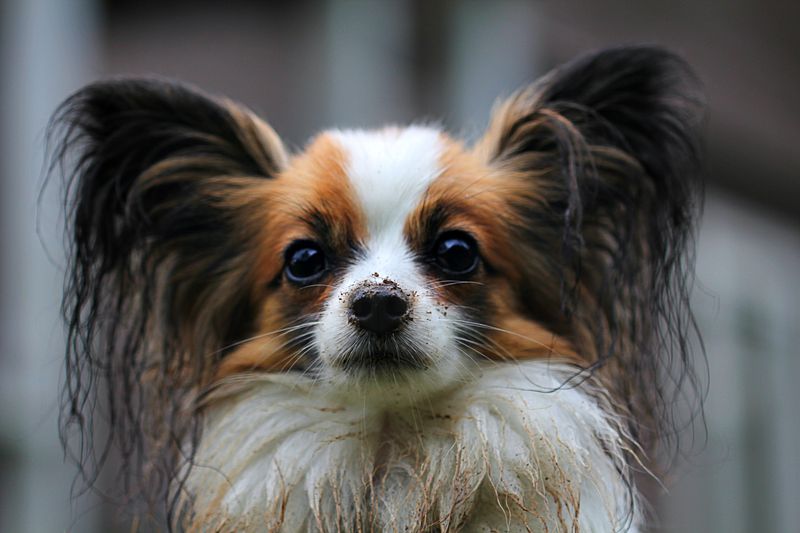
Butterfly ears catch every whisper, and the eyes do, too. Papillons often learn eye contact from trick training and close companionship.
Teach a chin rest, then a look, before nail trims to build trust. Fast learners enjoy counting games, where two seconds of eyes unlock a spin, bow, or weave.
Keep sessions bright and brief, and scatter a few treats like confetti to celebrate calm focus. Happy glances soon become everyday check-ins outside too everywhere.
Belgian Malinois – the tuned athlete
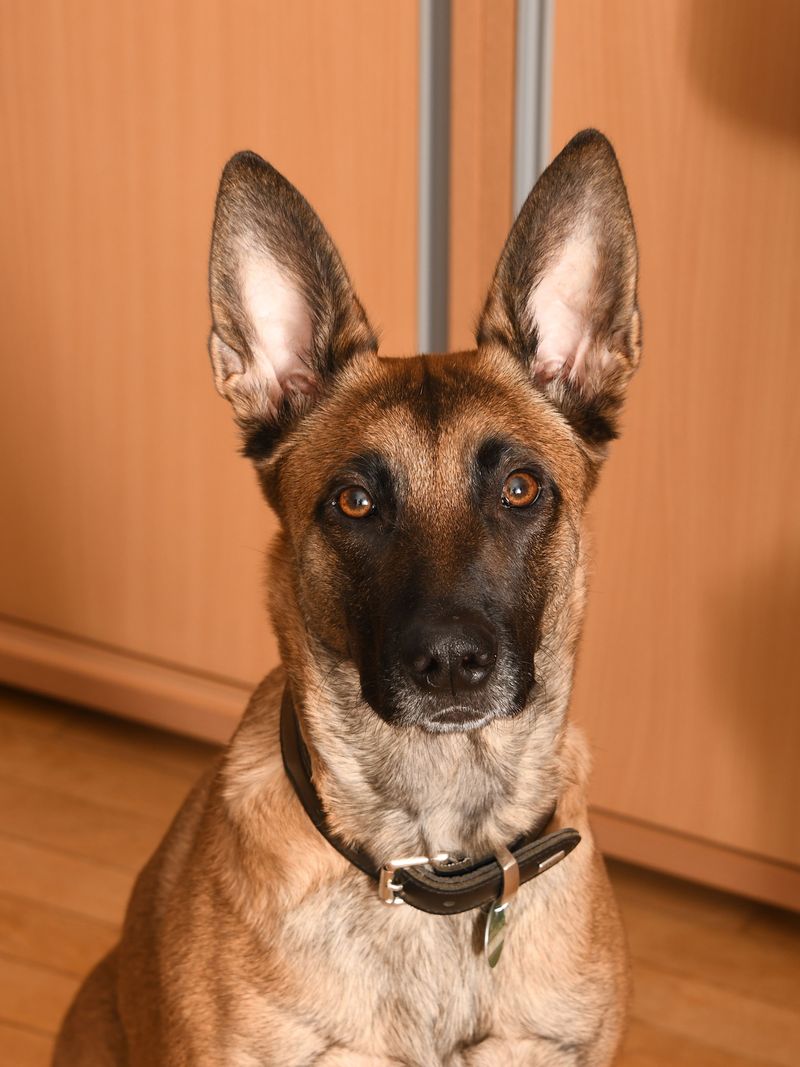
Energy like lightning, yet the best Malinois learn to ask with their eyes. Handlers shape that habit by rewarding measured glances before powerful work.
Start with food, then toys, lengthening one second at a time until the check-in is fluent. Cool-downs matter most, so pair soft eye contact with long exhales, water breaks, and chewing.
That recipe keeps intensity pointed at the task, not at people, which protects teamwork and trust over busy seasons outside.
Vizsla – the warm-hearted shadow
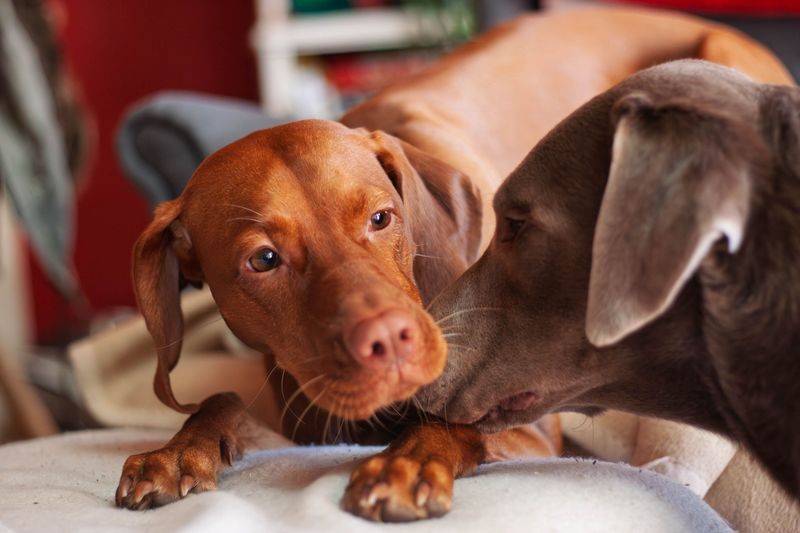
Velcro dog feelings often show up as warm, steady eye contact. Many families teach it gently through daily routines and quiet cuddles.
During runs, ask for a glance at crossings, then release to jog again together. Back home, pair soft eyes with towel rubs, massage, and a chew on a mat.
A short cue like look please, said calmly, becomes a friendly way to reconnect when excitement spikes outdoors or before visitors arrive at doors.
Pembroke Welsh Corgi – the low-slung looker
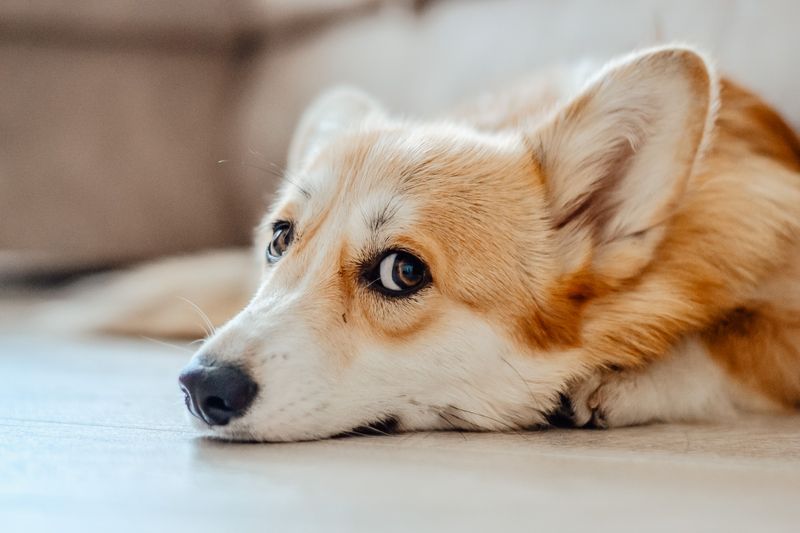
Low to the ground, high on awareness, Corgis notice everything. Eye contact grows from herding impulses that become polite questions with training.
Set up hallway herding games, asking for eyes before rolling a ball down the lane. Teach a release word, celebrate, then pause to keep arousal from spiking into yappy chaos.
Quick check-ins at curbs and corners make walks smoother and safer for short legs and busy neighborhoods. Rainy days count for practice too.
Boston Terrier – the playful questioner
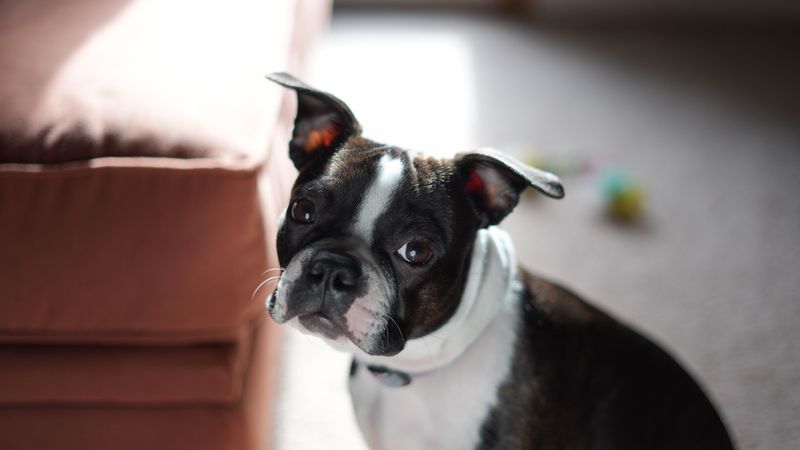
Big round eyes can look bossy, yet Boston Terriers often learn polite gazes through play. Many enjoy short trick sessions that teach asking with eyes before zooming.
Use a look-then-tug routine, keeping rounds brief and adding sit or down resets between bursts. Eye contact should feel fun, so toss treats away to break stare-offs and invite movement.
Cool eyes, relaxed cheeks, and a loose tail show cooperation, not pressure, during living room games most evenings.