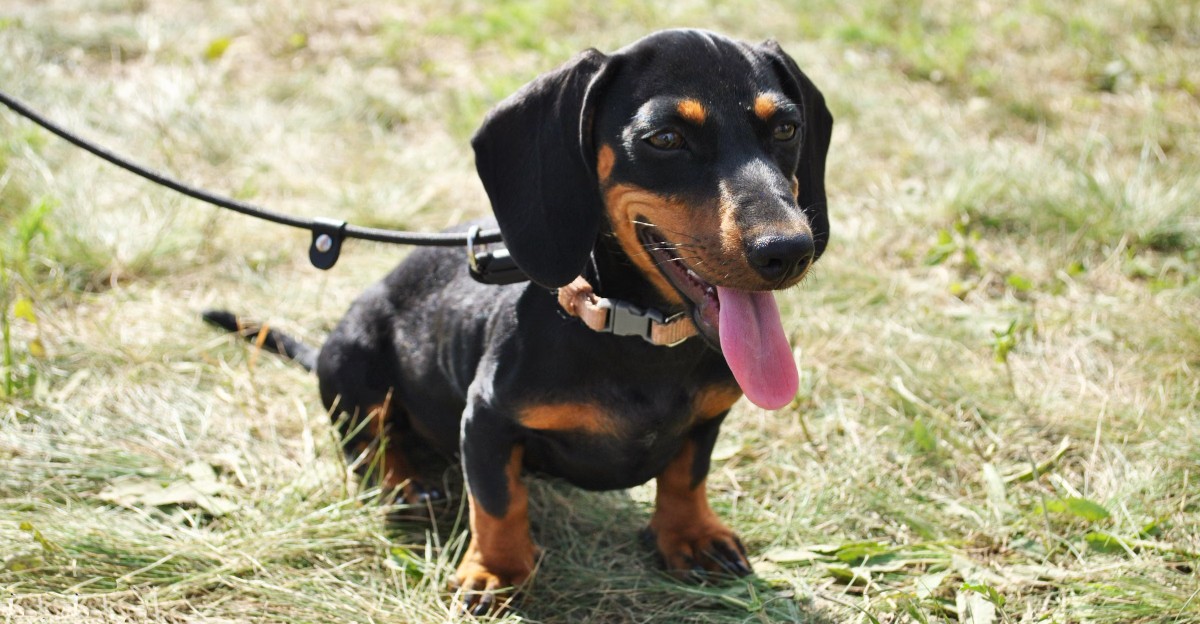
Cute faces and big followings can hide tough needs. Some famous dogs require serious training, time, and know-how.
Knowing the tricky parts helps families choose a better match and keep pets happy. Read on to meet beloved breeds that are not always simple to live with.
Siberian Husky
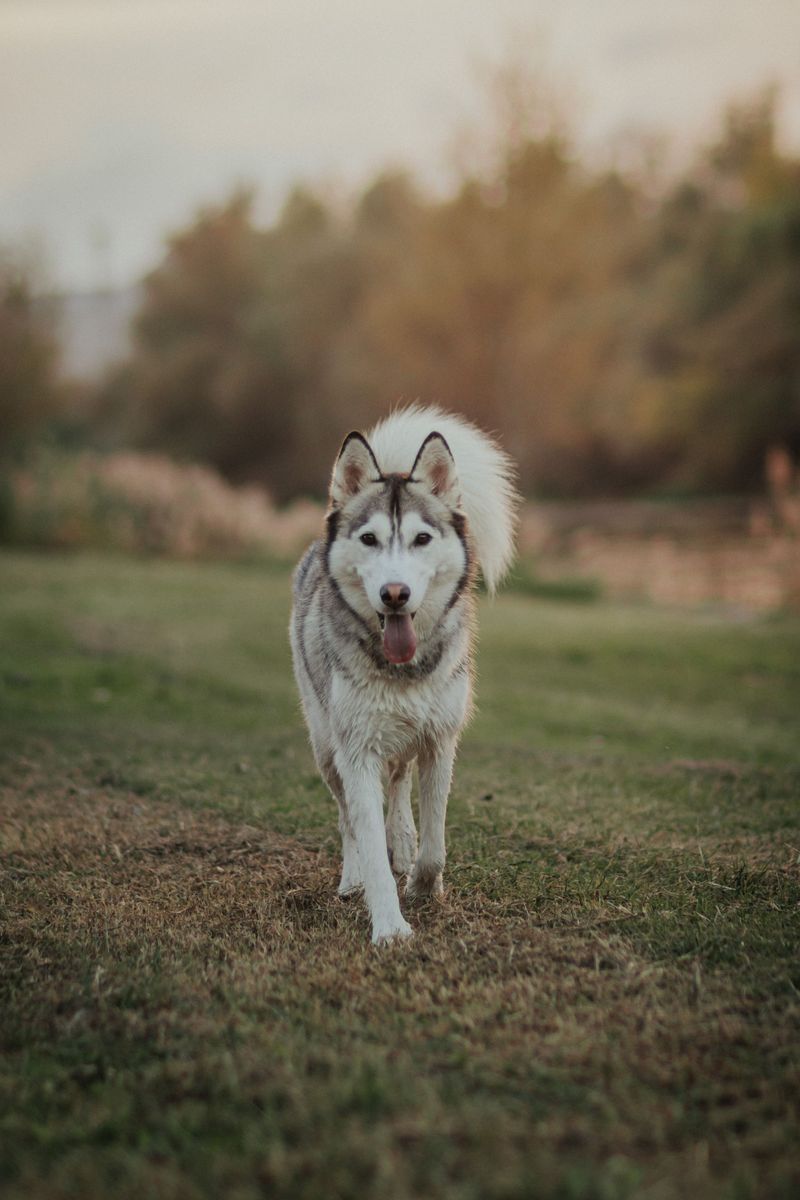
Ice-blue eyes and a wolfish grin turn heads. Yet this escape artist can scale fences, chew through boredom, and shout opinions with long howls.
Expect daily vigorous exercise, puzzle toys, and secure leashes. Without a job, mischief happens fast.
Grooming brings flying fluff during seasonal sheds. Social, friendly, and less guardy than people think, huskies excel with firm, upbeat training and reliable routines.
If running and adventure call your name, the fit can feel magical.
Border Collie
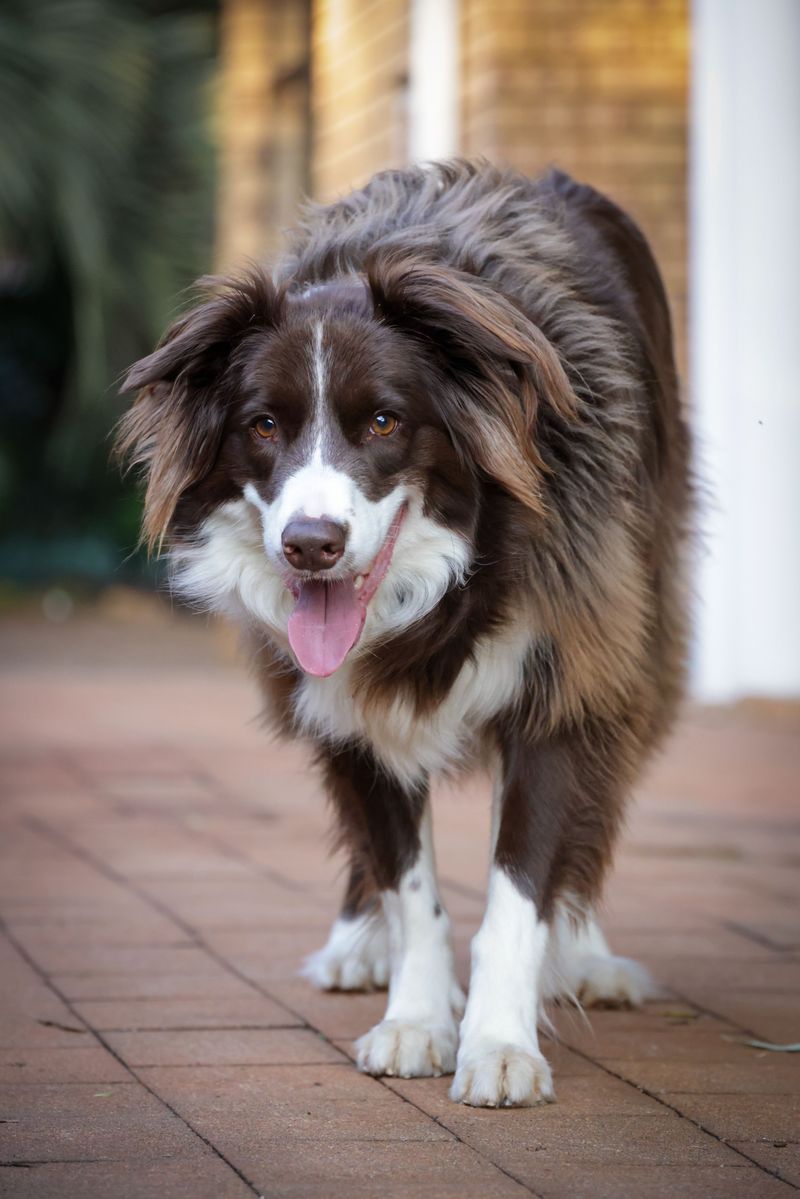
Born to work, this brainiac treats life like a never ending puzzle. Herding instinct shows up as nipping heels or circling kids if energy spills over.
Plan twice daily exercise, agility games, and trick training. Mental workouts matter as much as runs.
Left without direction, a Border Collie may invent jobs you will not love. Friendly and sensitive, they shine with clear cues, calm guidance, and steady schedules that channel all that spark.
Australian Shepherd
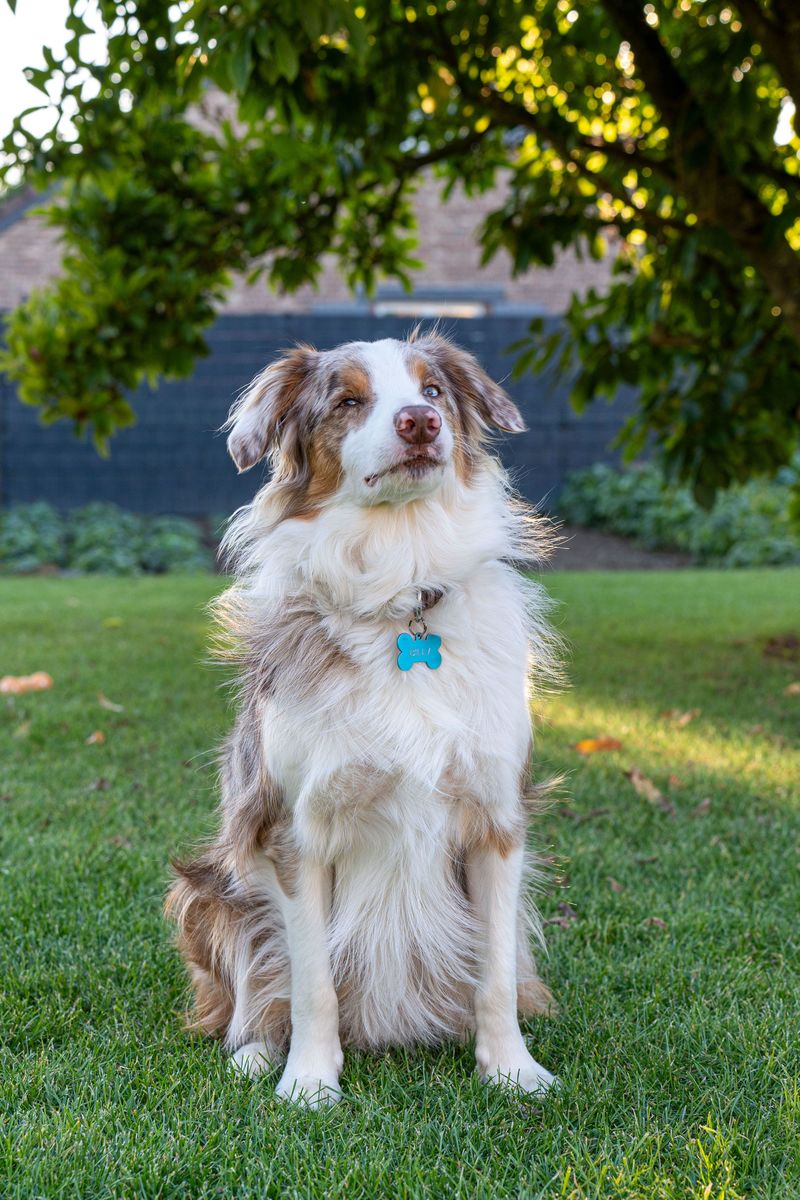
Speckles, smarts, and stamina make Aussies stand out. Many bounce off the walls without tough workouts and brain games.
Expect herding behaviors, vocal opinions, and watchfulness with strangers. Early social time, calm greetings, and impulse control exercises help a lot.
Gorgeous coats need weekly brushing and extra care during shedding. Give structure, teach off switches, and offer jobs like frisbee or rally.
Do that, and their bright spirit becomes thrilling instead of too much.
Belgian Malinois
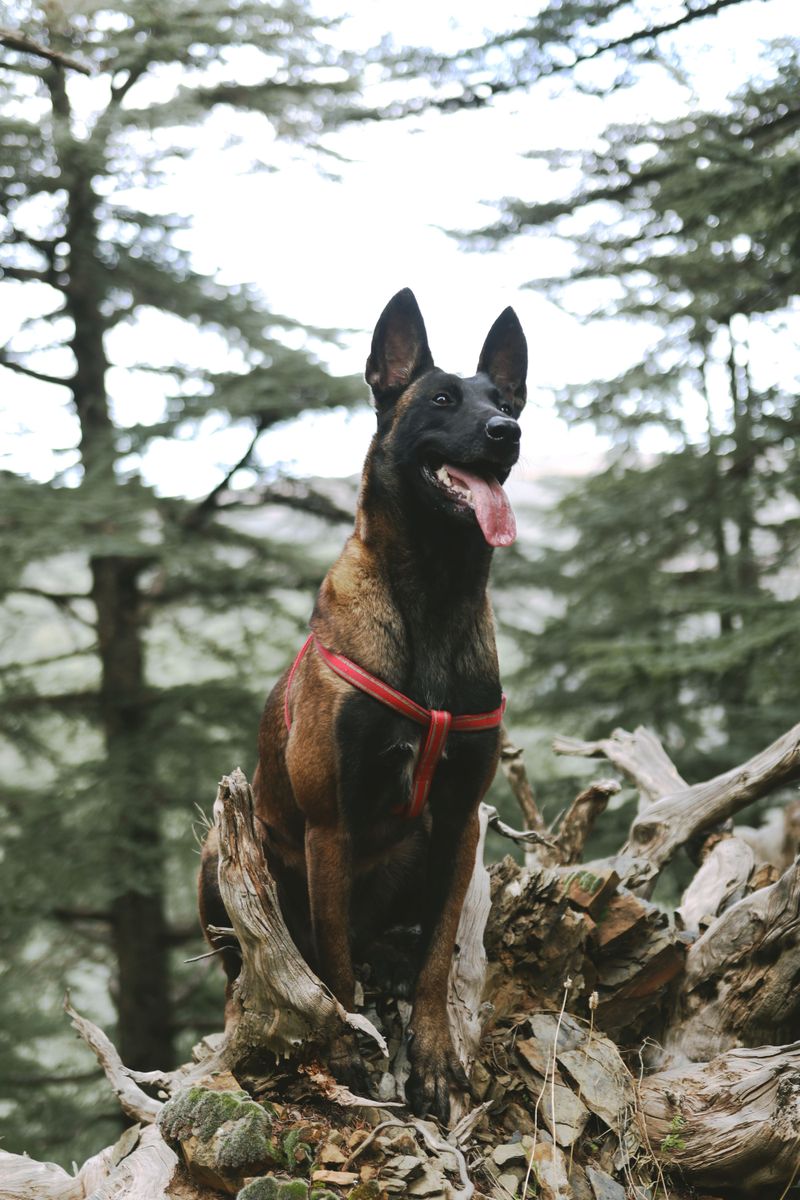
Seen in movies and police units, the Malinois is fireworks in fur. Drive is sky high, and impulse control can be thin without expert guidance.
Boredom becomes destruction fast. Daily sport training, firm structure, and experienced handling are must haves.
They are loyal and athletic, but not casual pets. If you dream of protection work or high level obedience, find a responsible mentor.
Otherwise, consider a calmer companion that better matches your routine.
Jack Russell Terrier
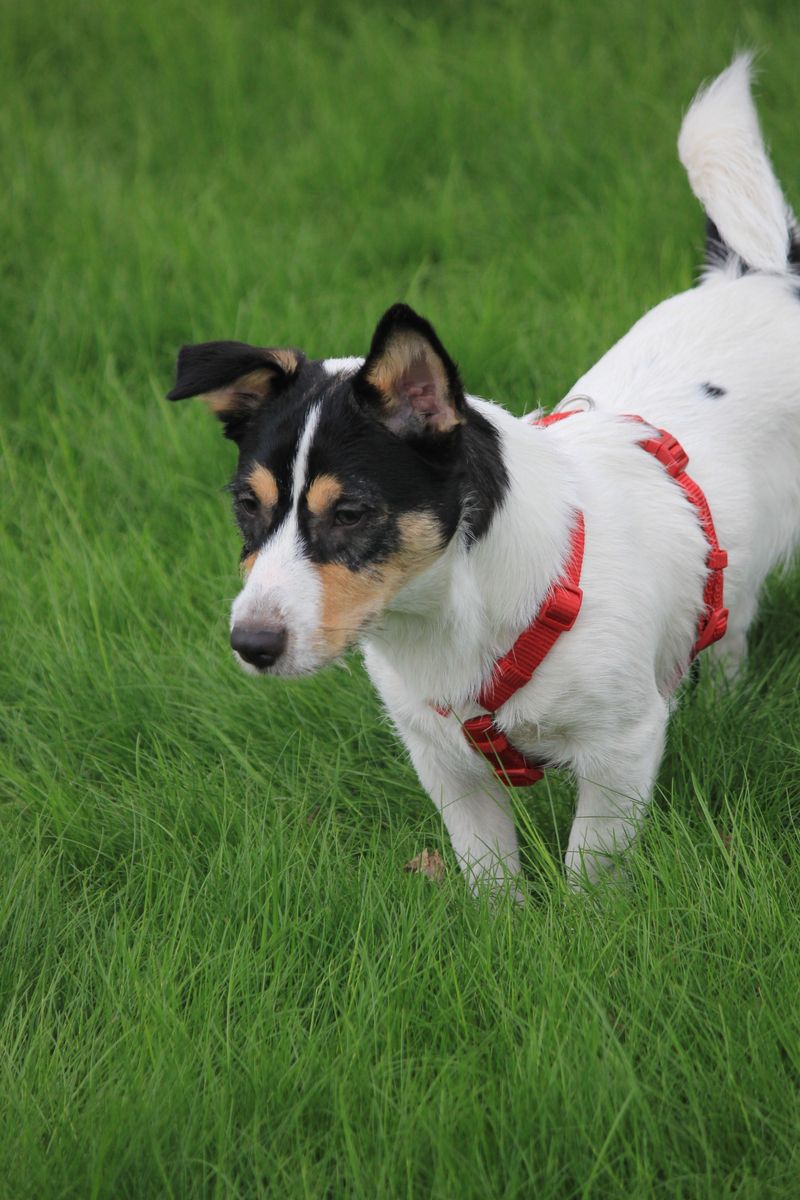
Small body, jumbo engine. Jack Russells chase motion, leap like rockets, and outthink inattentive owners.
Without structure, they chew, dig, and bark at shadows. Channel that spark with scent games, fetch drills, and short, focused training bursts throughout the day.
Tough and bold, they may challenge larger dogs and ignore recall when prey appears. Fences must be tight, and walks need purpose.
Keep sessions fun, and this clown becomes a joyful teammate.
Dalmatian
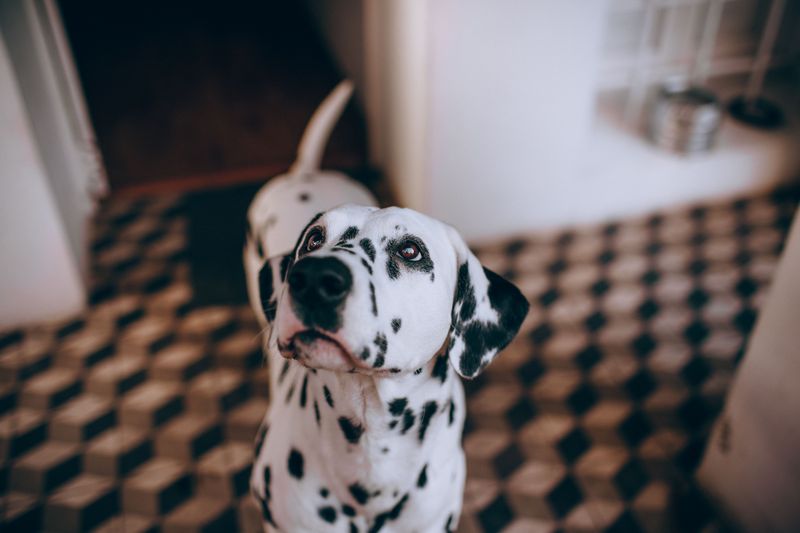
Firehouse fame hides a go-go athlete with strong opinions. Dalmatians need distance runs, clear rules, and steady social time to avoid nervous habits.
Some lines carry uric acid issues, so diet and water intake deserve attention. Regular vet checks matter.
Left understimulated, they may bark, chew, or guard. Positive training that rewards calm choices pays off.
Keep brain work interesting with pattern games, and their bright energy becomes smooth and fun.
Chihuahua
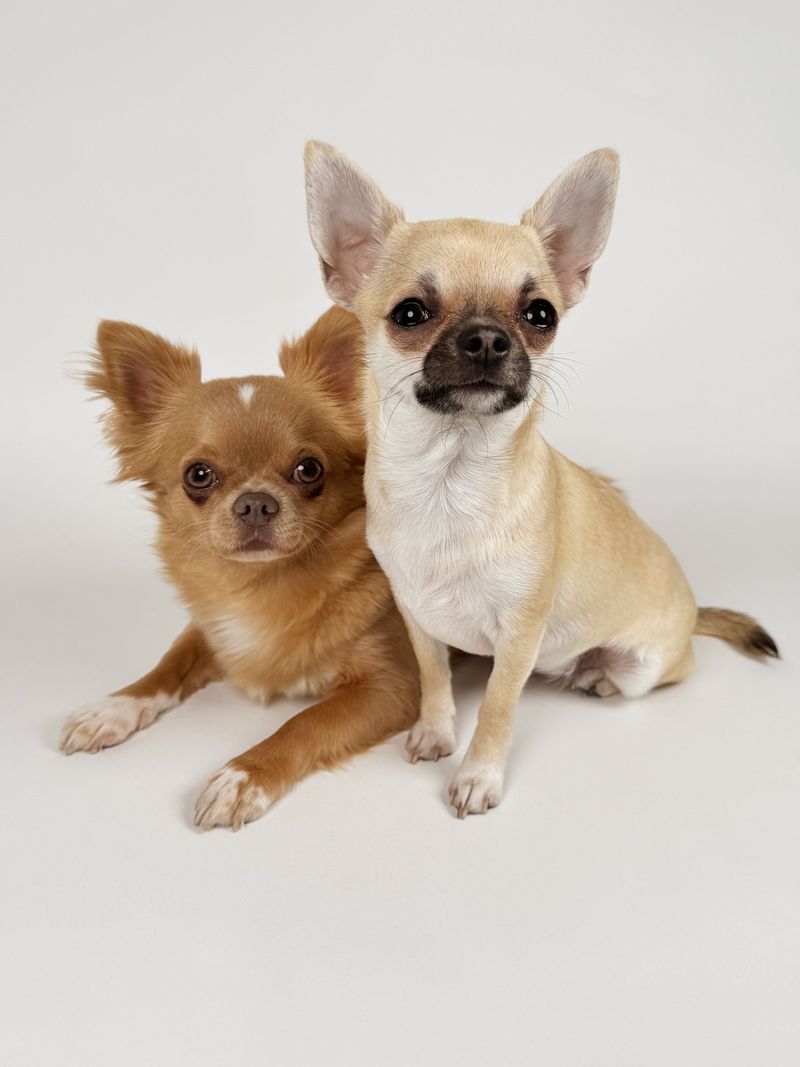
Pint sized does not mean low maintenance. Many Chihuahuas prefer a small circle and can guard favorite people or spots.
Without boundaries, they practice bossy barking and nips. Socialize early with calm meetups and reward quiet bravery.
Fragile bodies need careful handling around kids and big dogs. Short walks, warm clothing in cold weather, and daily training snacks keep them balanced.
When treated like a real dog, they flourish with big personality.
Dachshund
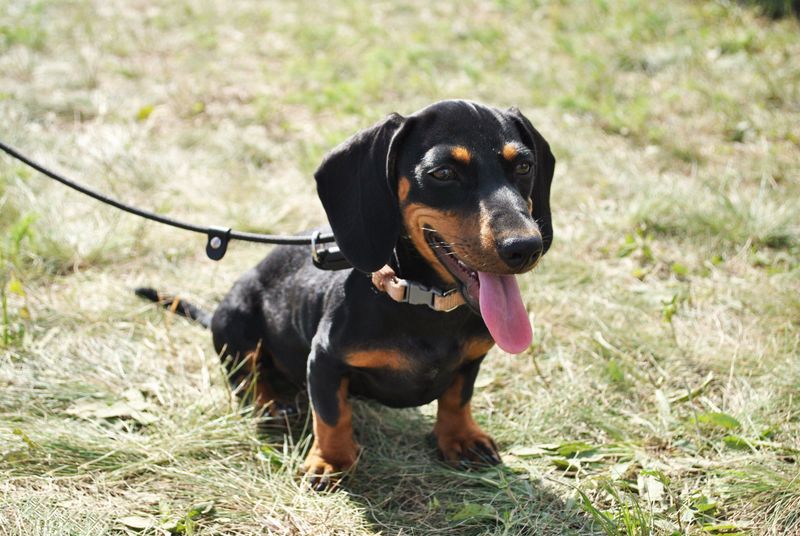
Built for badger tunnels, the Doxie loves to dig, bark at sounds, and chase scent highways. Stubborn streaks appear when pressure rises.
Use short, happy training and extra patience. Stairs can strain backs, so ramps help and jumping is limited.
Housetraining takes commitment with frequent outdoor trips and praise. Keep minds busy with scent work, snuffle mats, and gentle puzzle toys.
With fair rules, that brave spirit becomes charming rather than chaotic.
Shiba Inu
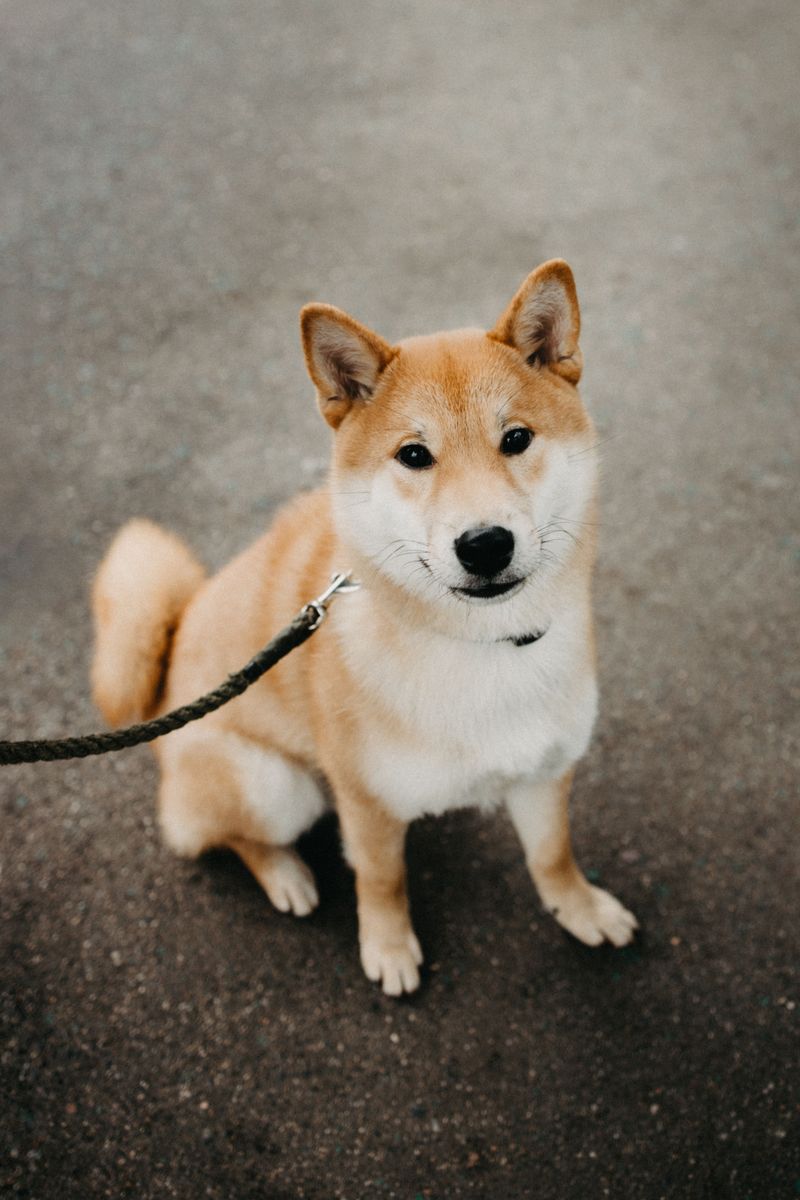
Independent to the core, Shibas act like tiny mountain monarchs. Many dislike rough handling and may bolt if off leash.
Secure harnesses, calm greetings, and choice based training build trust. Expect aloof moments mixed with funny, catlike antics.
Grooming is easy until the seasonal coat explosion lands. Socialize early to reduce reactivity and resource guarding.
Keep sessions short, use high value rewards, and celebrate small wins. Their cool confidence grows with respect.
Rottweiler
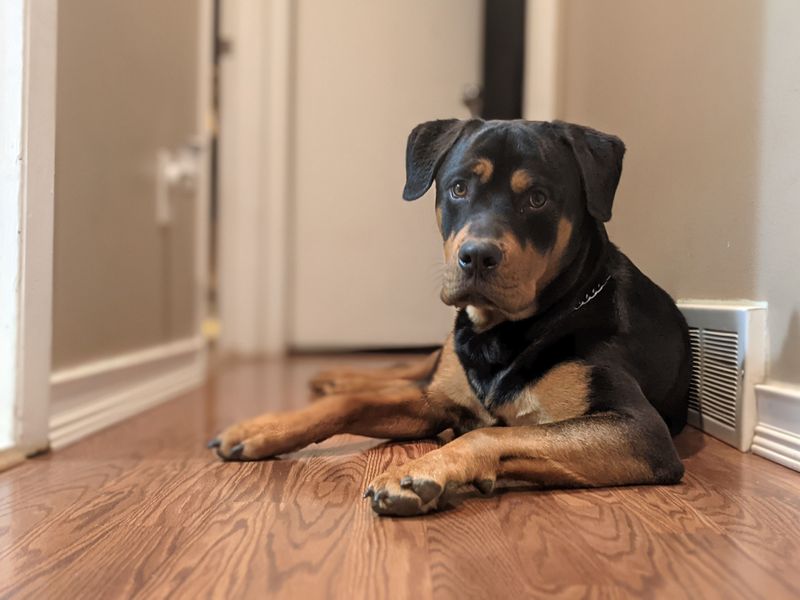
Power and tenderness share the same frame. Without early manners, strength becomes risky.
Rottweilers need steady leadership, respectful social time, and clear bite inhibition practice through games. Obedience classes and controlled meetups build a polite public face.
Guarding instincts run deep, so teach relaxed focus and neutral passing of strangers. Mental challenges like scent work and carting satisfy the working mind.
With fair guidance, they grow into steady, reliable partners.
Boxer
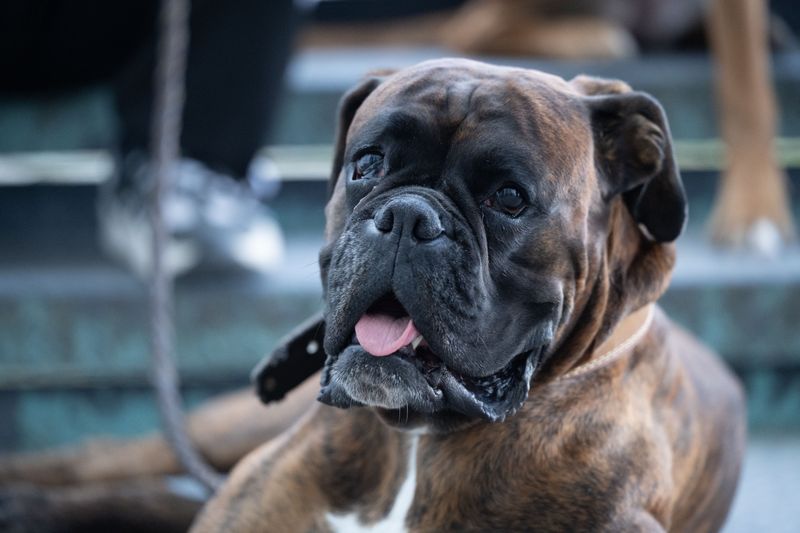
Wiggles first, thinking later. Boxers play hard and forget their size, which can bowl over toddlers.
Short noses dislike heat, so schedule morning workouts and carry water. Teach polite greetings, drop it, and settle on a mat to shape manners.
Gentle consistency works better than scolding. Puzzle feeders, flirt poles, and scent games burn energy without overheating.
With outlet and rhythm, their clownish joy turns into happy teamwork at home.
French Bulldog
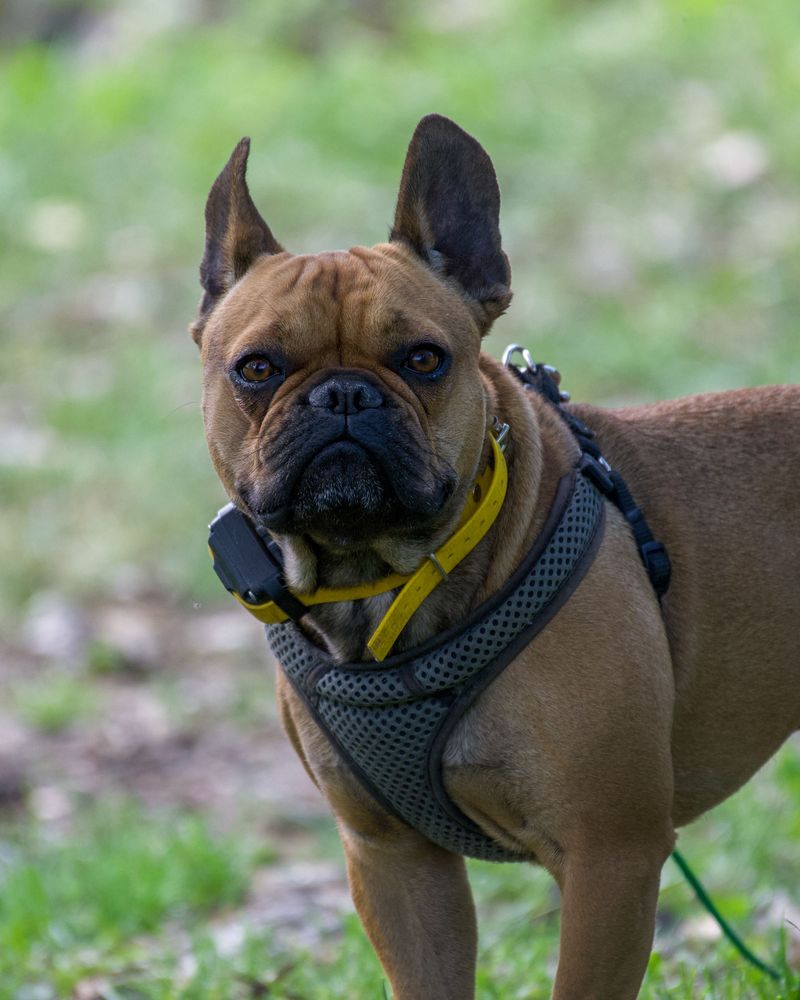
Famous for bat ears and snorts, Frenchies charm quickly. Yet short snouts mean breathing struggles, heat sensitivity, and sometimes costly vet care.
Keep rooms cool, avoid long runs, and use a harness to protect the airway. Insurance can help manage surprises.
Training should be upbeat and brief since stamina is limited. Watch weight, clean skin folds, and pick gentle play.
With thoughtful care, their silly waddle and cuddly mood stay comfortable.