Time outside can bring out the best in active dogs and their people. Trails offer fresh smells, new sights, and a healthy challenge that builds trust and teamwork.
Choosing a breed that enjoys open spaces makes every mile safer and more fun. Here are trail-ready dogs that often shine on dirt paths, forest loops, and rolling hills.
Labrador Retriever
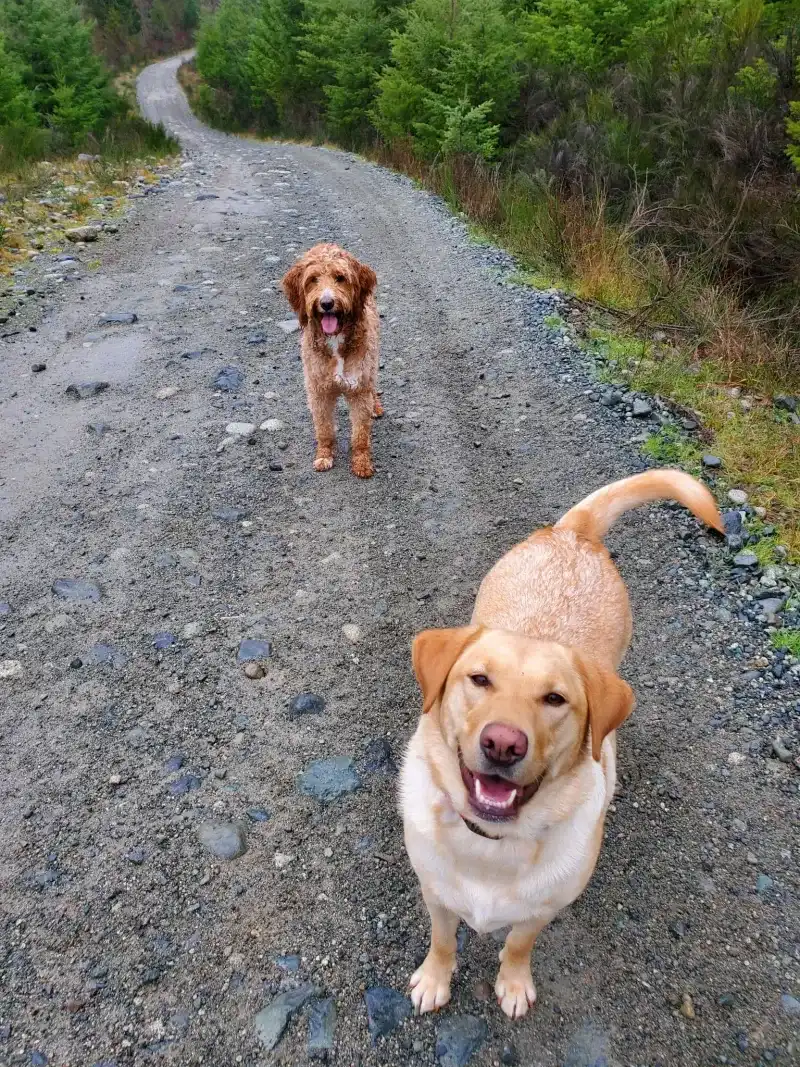
With a grin that matches the sunrise, the Labrador Retriever bounds down a trail like it was built for joy. Friendly yet sturdy, Labs handle roots, puddles, and rocky steps with easy confidence.
Bring a tennis ball for rest stops and you might see the happiest hiker on the mountain.
Pack water and a secure harness. Labs can run hot, so take shady breaks.
Webbed feet help in streams, but watch slick rocks and currents.
Australian Shepherd
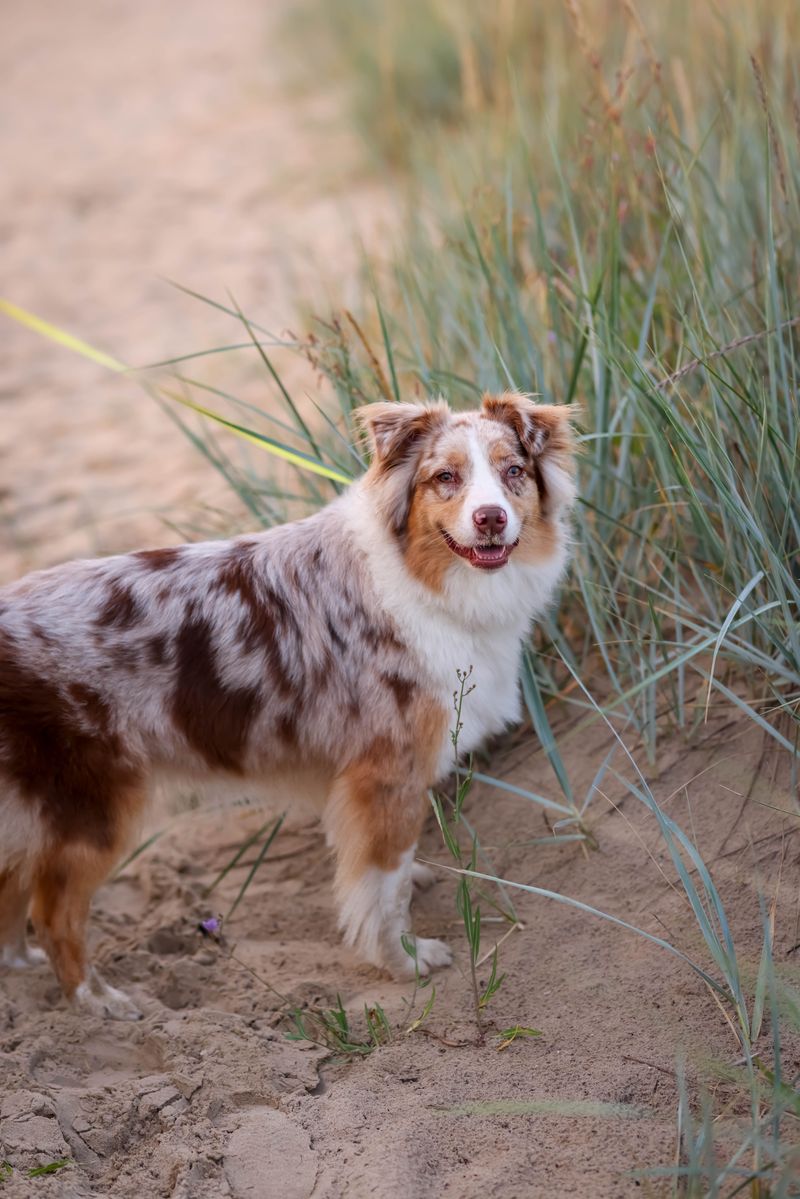
Like a tiny trail coach with wild speckles, the Australian Shepherd keeps everyone moving. Agile and alert, Aussies read your pace and terrain changes fast.
Their sharp minds crave jobs, so teach cues for passing hikers, stepping aside, and ignoring wildlife.
Bring puzzle treats during breaks to focus that energy. A snug backpack with snacks can add purpose without strain.
In hot weather, trim paw feathering to reduce burrs, and check tails after brushy sections.
Border Collie
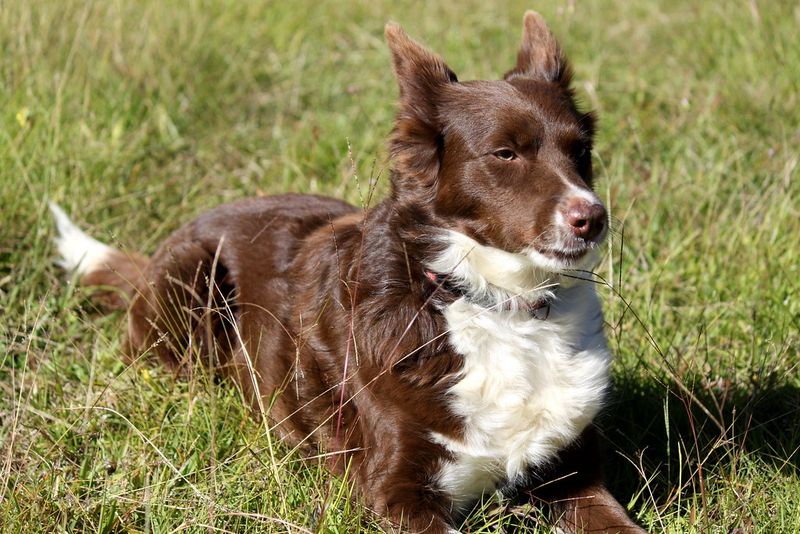
Stories of trail genius often star the Border Collie, a master at reading human hints. Quick pivots and careful footwork make steep switchbacks feel simple.
They love tasks, so assign jobs like lead scout, trail checks at junctions, or carrying a small first aid kit.
Channel their focus with clear markers and frequent check-ins. Ten-minute sniff breaks prevent over-fixation and keep stress low.
Since they can push hard, watch tight shoulders and plan rest days.
Siberian Husky
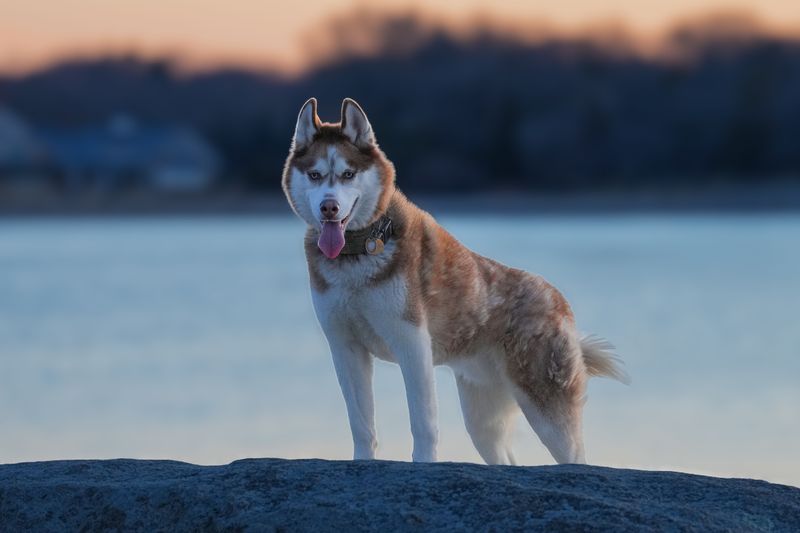
Hear that excited yodel at the trailhead? The Siberian Husky is ready.
Built for distance, Huskies pace themselves nicely on long routes. Their curiosity can pull, so practice loose-leash skills and teach a solid wait command at overlooks and creek crossings.
Double-check harness fit to prevent backing out. In warm months, stick to early hours and water breaks.
Snow training translates well to scree and sand, but protect paws with booties when surfaces heat up.
Vizsla
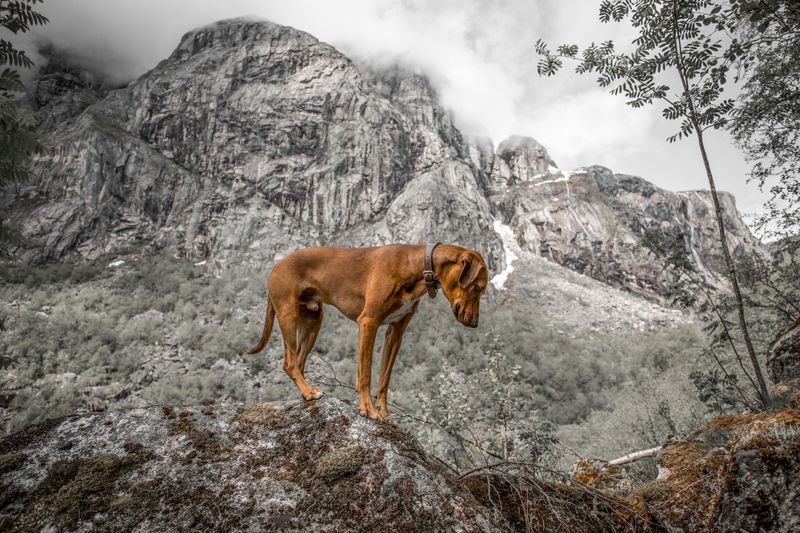
All legs and heart, the Vizsla moves like a runner’s best friend. Light on their feet, they cover miles smoothly and love steady jogging paces.
Their affectionate nature keeps them checking back, which helps on winding singletrack.
Train quiet trail manners early, including yielding to horses and stepping off for families. Bring high-value treats to reinforce recalls around squirrels.
Short coats dry quickly, but they chill in wind, so pack a thin jacket for summits.
German Shorthaired Pointer
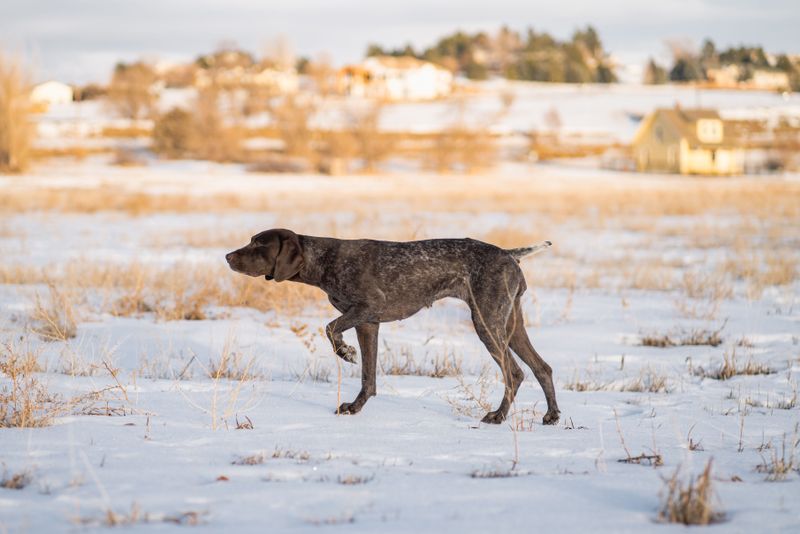
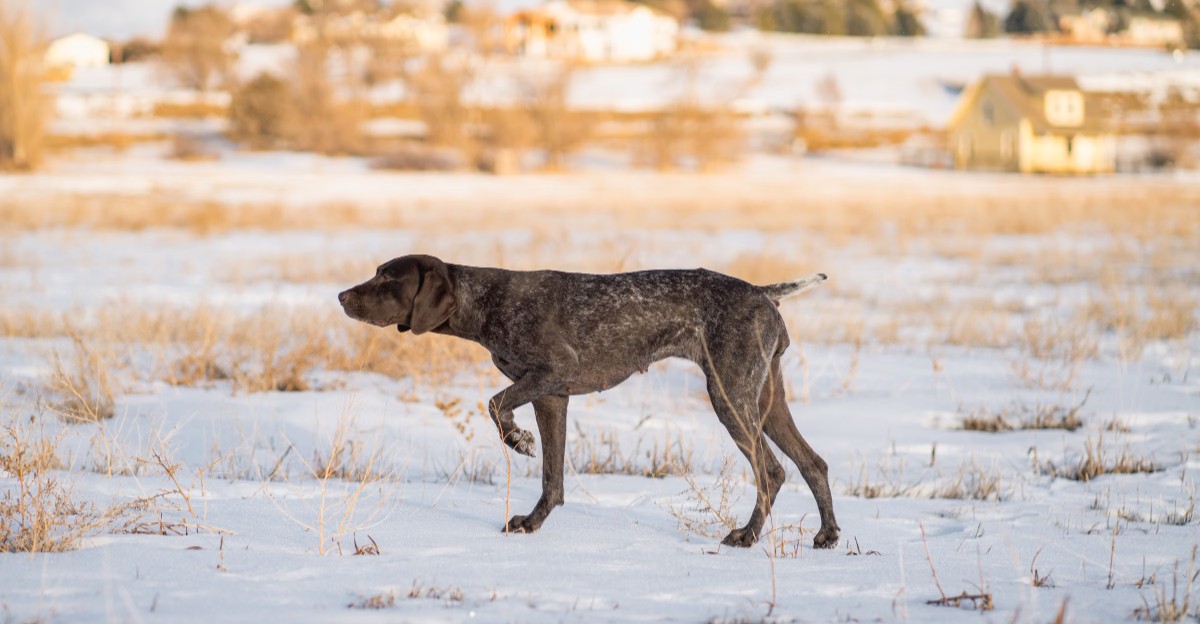
Point first, ask questions later might describe the German Shorthaired Pointer on a meadow path. Athletic and eager, GSPs thrive on varied terrain and love purposeful mileage.
Their noses lead boldly, so practice check-ins and a reliable heel near trailheads and wildlife zones.
Many enjoy safe swims after hot climbs. Rotate between sniff time and hiking to balance impulse and structure.
Since they can be flighty with birds, double-clip leash and harness in busy areas.
Bernese Mountain Dog
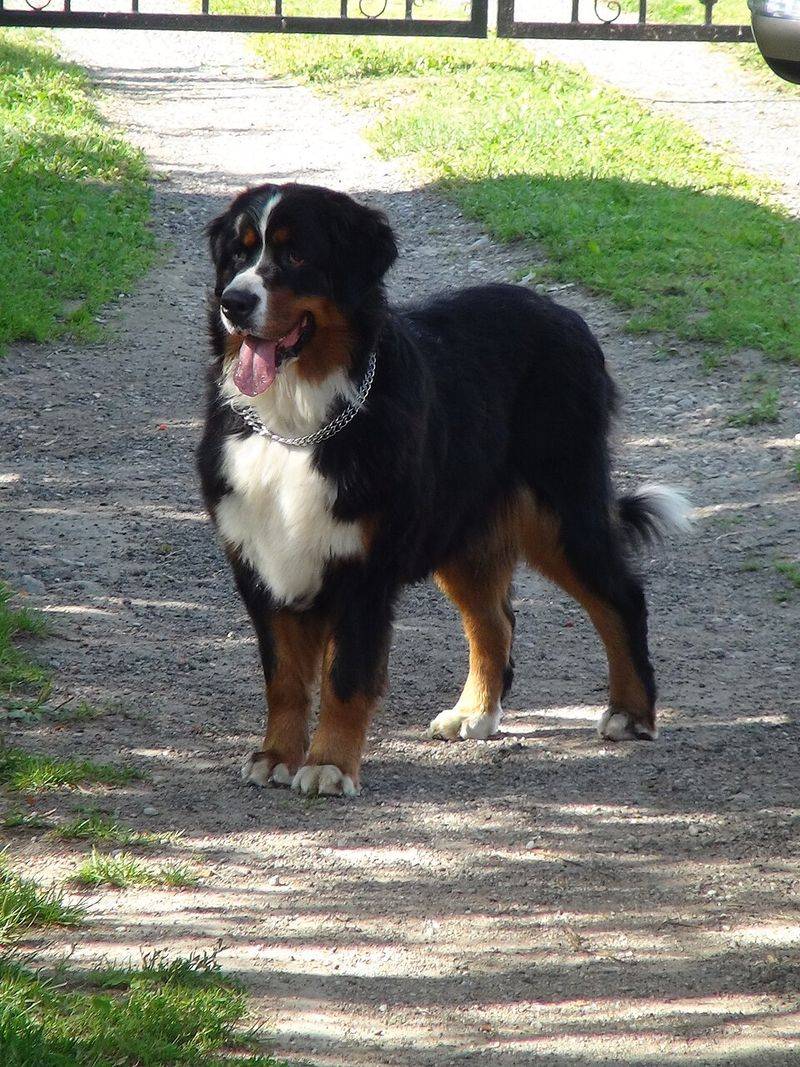
With a heart as steady as granite, the Bernese Mountain Dog loves cool forest paths. Big frames handle roots and gentle climbs well, and their calm style suits slower adventures.
They were farm helpers in Switzerland, so carrying a light pack feels natural when the trail is smooth.
Heat is tough on them, so hike early and rest often. Stop for water every mile, and choose shade.
Afterward, dry the coat to prevent issues later.
Rhodesian Ridgeback
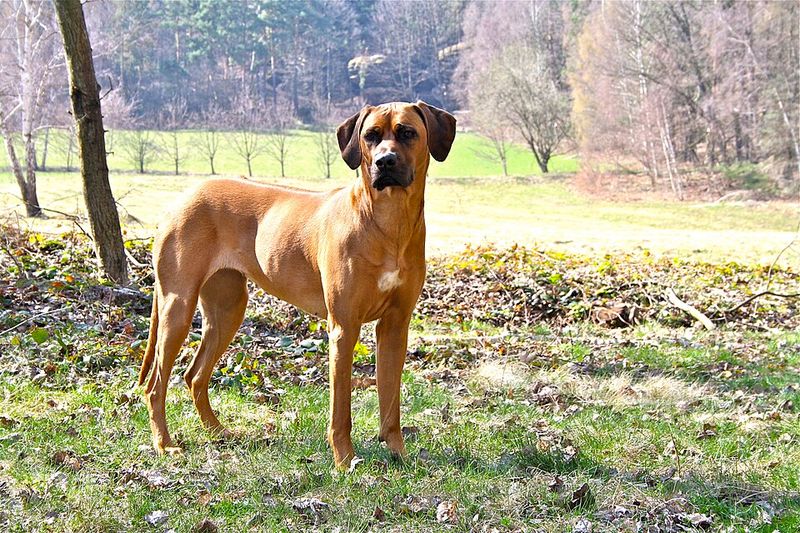
Born to track with quiet confidence, the Rhodesian Ridgeback glides over open country. Long strides eat miles, and a steady temperament suits wide dirt roads and rolling hills.
They can be independent, so build rock-solid recalls and practice calm sits when deer appear in the distance.
Sun protection helps short coats, so pack canine sunscreen for pink noses. A lightweight, non-restrictive harness keeps shoulders free.
To prevent chasing, reward eye contact, then release to walk.
Belgian Malinois
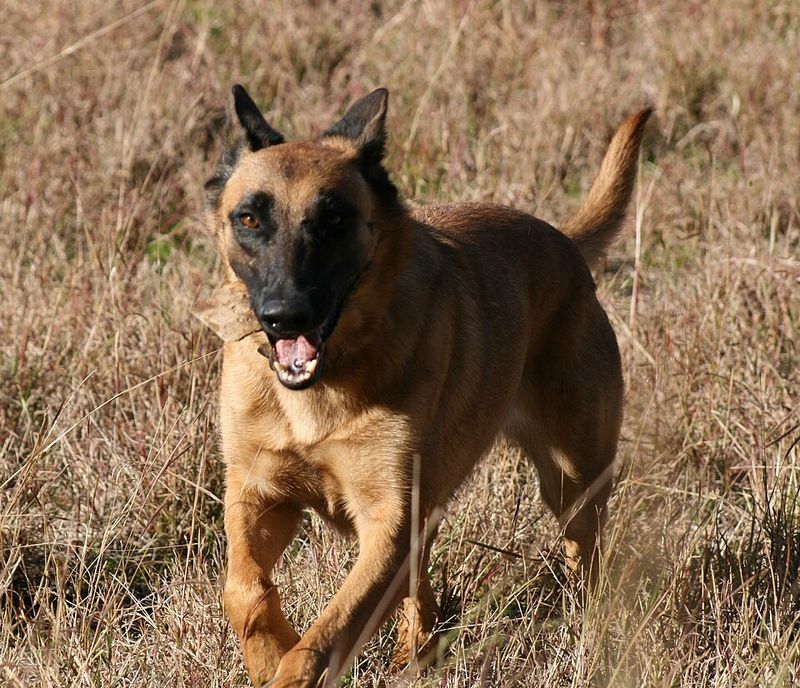
If focus were fuel, the Belgian Malinois could climb forever. Lightning-fast responses make technical sections feel precise, but that intensity needs direction.
Turn the hike into tiny missions, like touching trail signs, circling benches, or pausing at cairns, so the brain stays satisfied.
Carry a tug toy for controlled play at viewpoints. Short training bursts keep arousal balanced, and sniffs help reset.
Since joints feel strain from jumping, teach descents and use leashes in crowds.
Alaskan Malamute
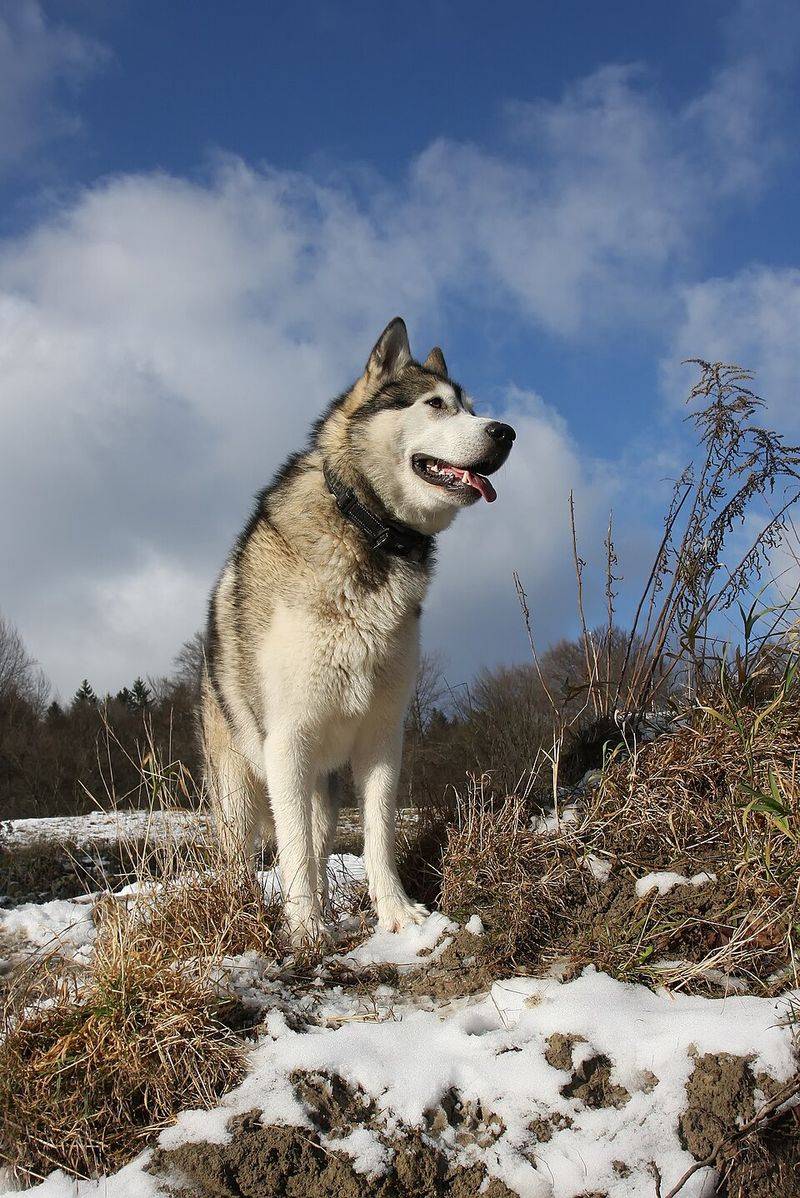
Old-school strength shows up when an Alaskan Malamute leans into a climb. Big chests and sure paws handle packed snow, sand, and gravel with surprising grace.
Social by nature, many enjoy group hikes where rest breaks turn into friendly meetups.
Because they pull hard, consider a trekking belt to spread force. Warm climates require shade, slow pacing, and extra water.
Practice calm greetings, and teach a strong leave-it near popular summits to avoid crowd chaos.