
Some dogs notice everything, from a soft knock to a rustle in the yard. They help families feel safe and aware of what is happening nearby.
Knowing which breeds stay alert can guide your training, exercise, and daily routine. Here are twelve watchful breeds and what makes each one so sharp.
German Shepherd
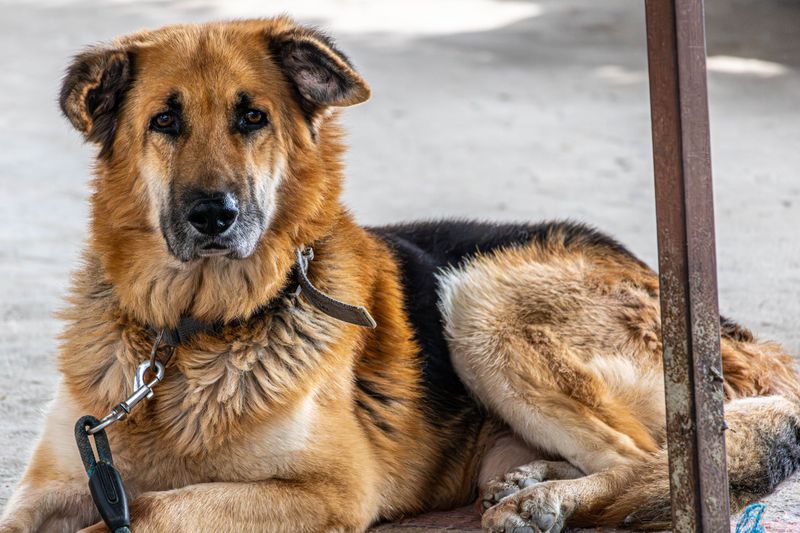
Neighbors walking by rarely slip past a German Shepherd. Bred for herding and protection, this dog reads body language quickly and notices small changes around the home.
Firm, calm leadership and daily mental challenges keep that focus productive.
Try scent games, obedience drills, and short tracking sessions. Clear house rules help limit unnecessary barking while keeping real alerts strong.
With regular exercise and jobs to do, the Shepherd stays balanced, loyal, and ready to let you know when something feels off.
Doberman Pinscher
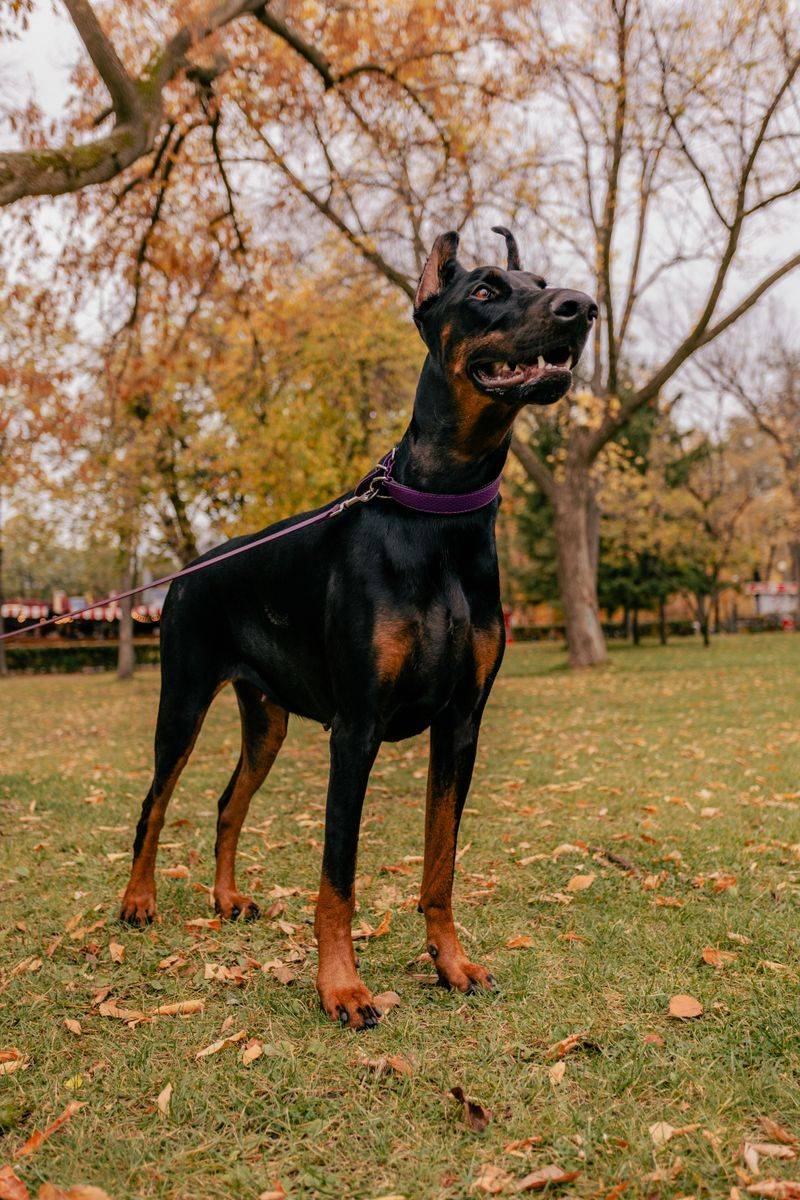
Like a quiet security system with a heartbeat, the Doberman notices patterns and breaks in routine. Their athletic build supports fast response, yet they bond closely with family.
Consistent training helps shape that sharp attention into polite behavior.
Teach a reliable quiet cue and reward calm observation. Provide brisk walks, fetch, and structured obedience to prevent restlessness.
A Doberman thrives when given purpose, staying tuned to doors, hallways, and the subtle sounds most people miss.
Belgian Malinois
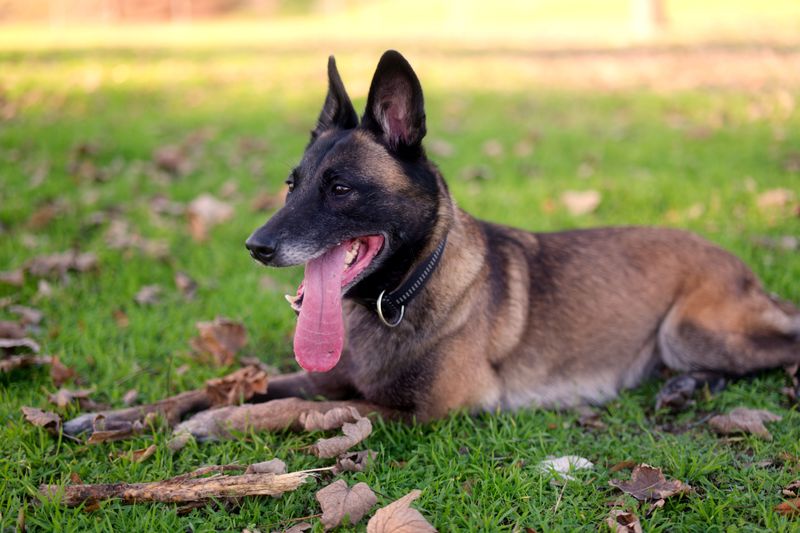
Energy like a coiled spring defines the Belgian Malinois. Many police and military teams choose this breed for quick reactions and strong work drive.
At home, that vigilance benefits families who provide structure, engagement, and clear expectations.
Rotate puzzle feeders, tracking lines, and obedience tasks to channel energy. Teach place training so the dog can relax between alerts.
With consistent guidance, the Malinois turns keen observation into helpful, reliable watchfulness without constant noise.
Akita
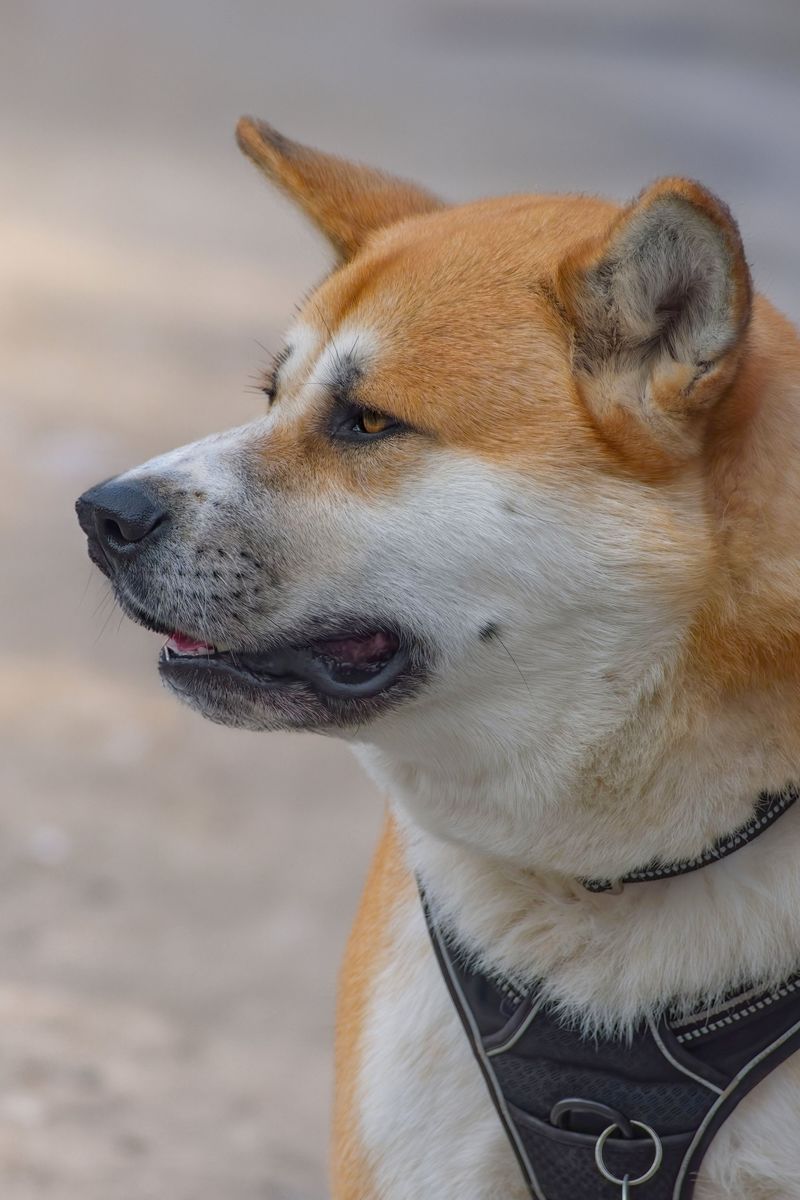
Quiet confidence sets the tone for the Akita. This breed often watches first, then decides if action is needed.
Strong loyalty to household members makes them attentive to doors, fences, and new visitors.
Early socialization helps the Akita separate true threats from normal life. Keep training short, respectful, and consistent.
Daily walks and short obedience sessions support a steady mind. When calm leadership guides them, Akitas become dependable guardians who notify you without fuss.
Australian Cattle Dog
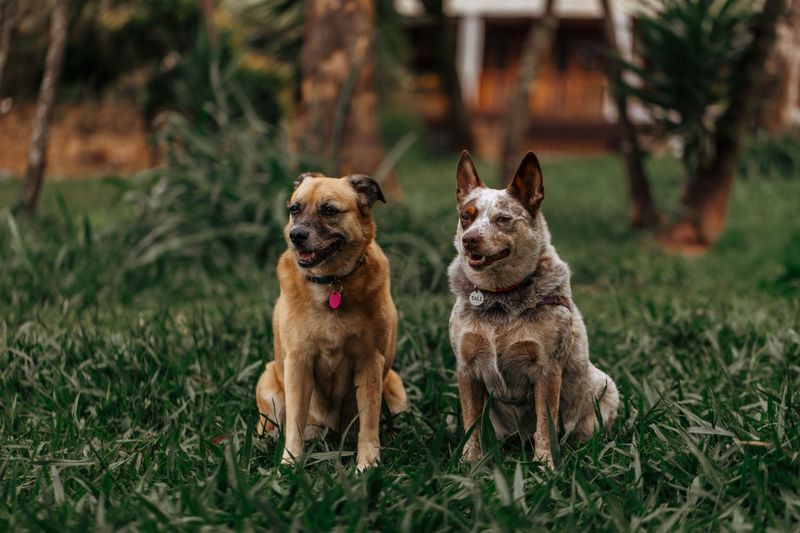
Originally built for long days moving cattle, this dog notices motion in a blink. Australian Cattle Dogs track footsteps along sidewalks and perk up at new sounds.
They learn patterns fast and love having tasks.
Set up short agility runs, fetch with rules, and impulse control games. Keep minds busy with trick training and rotating toys.
A steady routine reduces nervous barking while preserving quick alerts, making them helpful sentries for active households.
Border Collie
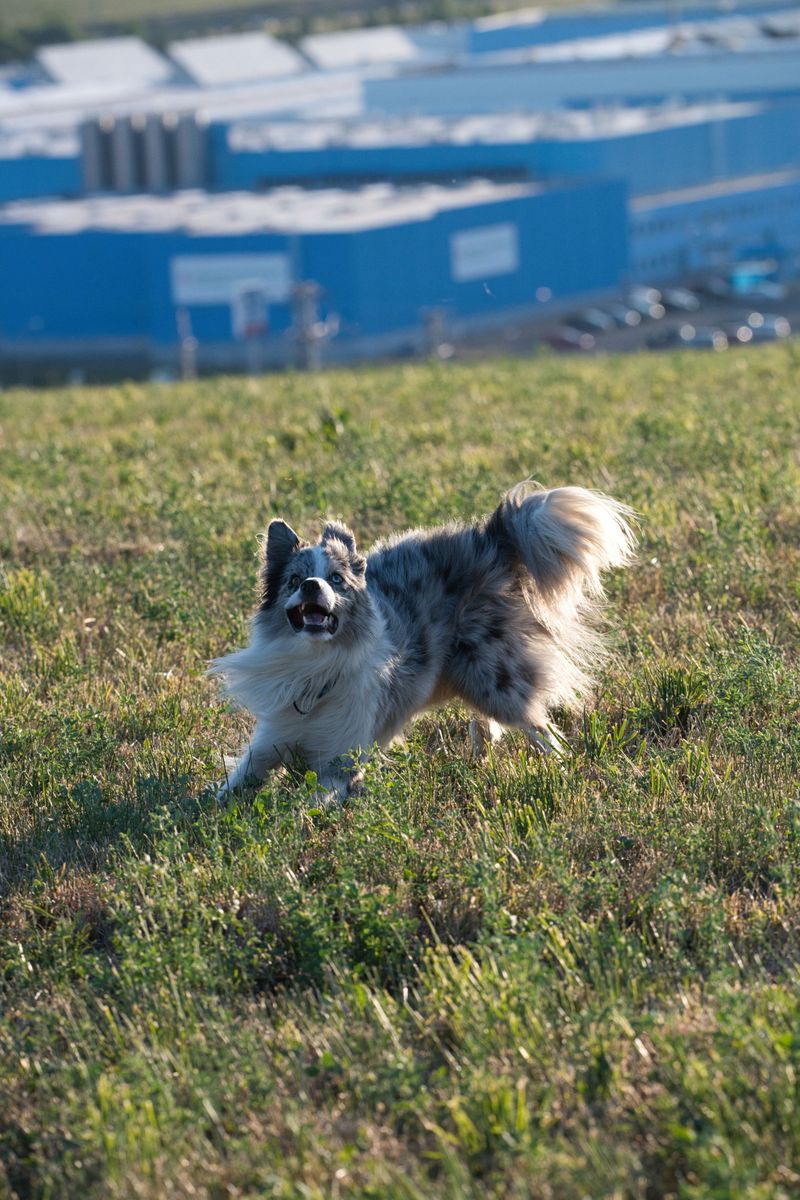
Brains, speed, and sharp eyes make the Border Collie a natural observer. Movement catches their attention instantly, from bikes passing to mail carriers approaching.
Without direction, that awareness can turn into constant pacing or barking.
Daily herding games, complex fetch patterns, and scent searches give structure. Teach an off switch using a settled mat.
When mental needs are met, the Collie reports meaningful changes while staying relaxed between real alerts.
Miniature Schnauzer
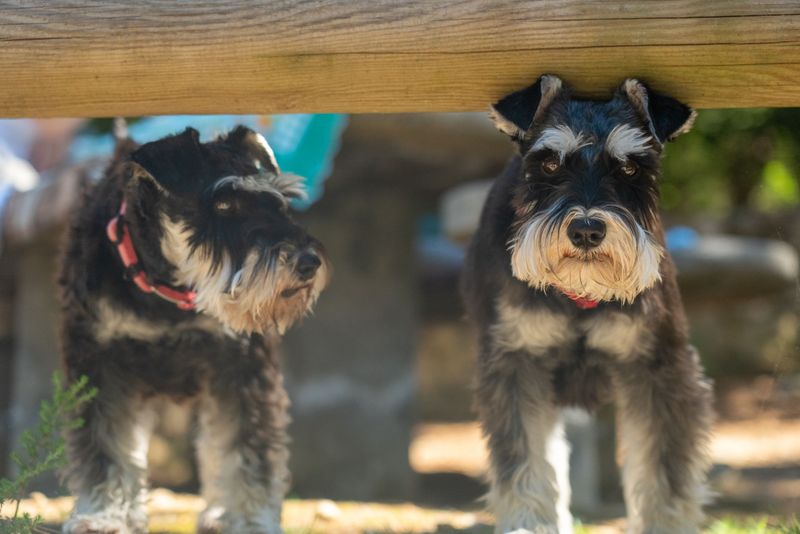
Big personality in a small frame, the Miniature Schnauzer acts like a cheerful neighborhood reporter. They notice door knocks, package drops, and hallway echoes.
That curiosity becomes useful watchfulness with the right guidance.
Teach a place cue near the window for calm observing. Reward quiet looks instead of rapid-fire barking.
Short walks, sniff breaks, and light puzzle toys keep their minds satisfied. With routine and praise, they give helpful alerts without becoming noisy supervisors.
Jack Russell Terrier

Like a tiny radar, the Jack Russell picks up faint sounds and fast movements. Bred to hunt, they spring into action quickly, which can surprise first-time owners.
That spark can be shaped with playful structure.
Try brief training sprints, hide-and-seek, and nose work to focus energy. Reward listening and calm pauses between bursts.
With boundaries and fun challenges, they become reliable early warners who still keep the household smiling.
Airedale Terrier
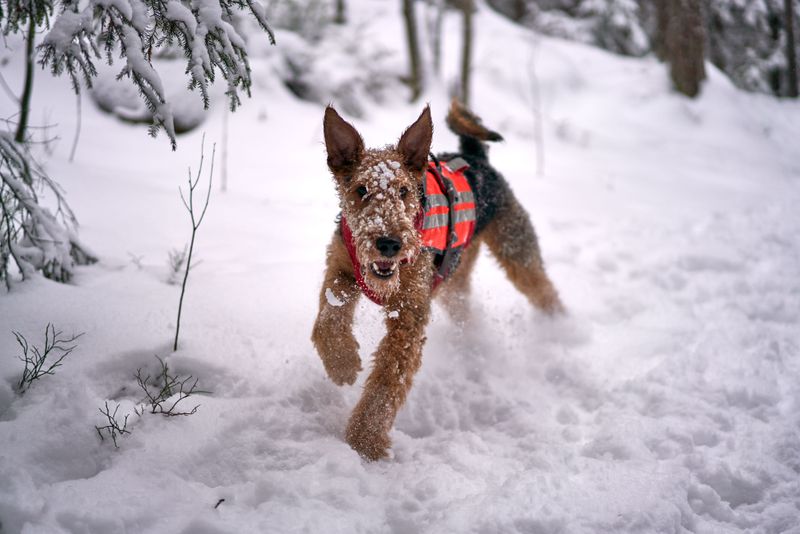
The Airedale carries a detective vibe, curious yet composed. Historically used for hunting and messenger duties, they balance courage with sensible judgment.
Families appreciate how they check windows and listen before reacting.
Provide varied walks, new routes, and obedience refreshers to keep their minds engaged. Teach a calm greeting routine for visitors.
With steady practice, the Airedale gives timely alerts and avoids overreacting to everyday sounds like skateboards or delivery carts.
Rottweiler
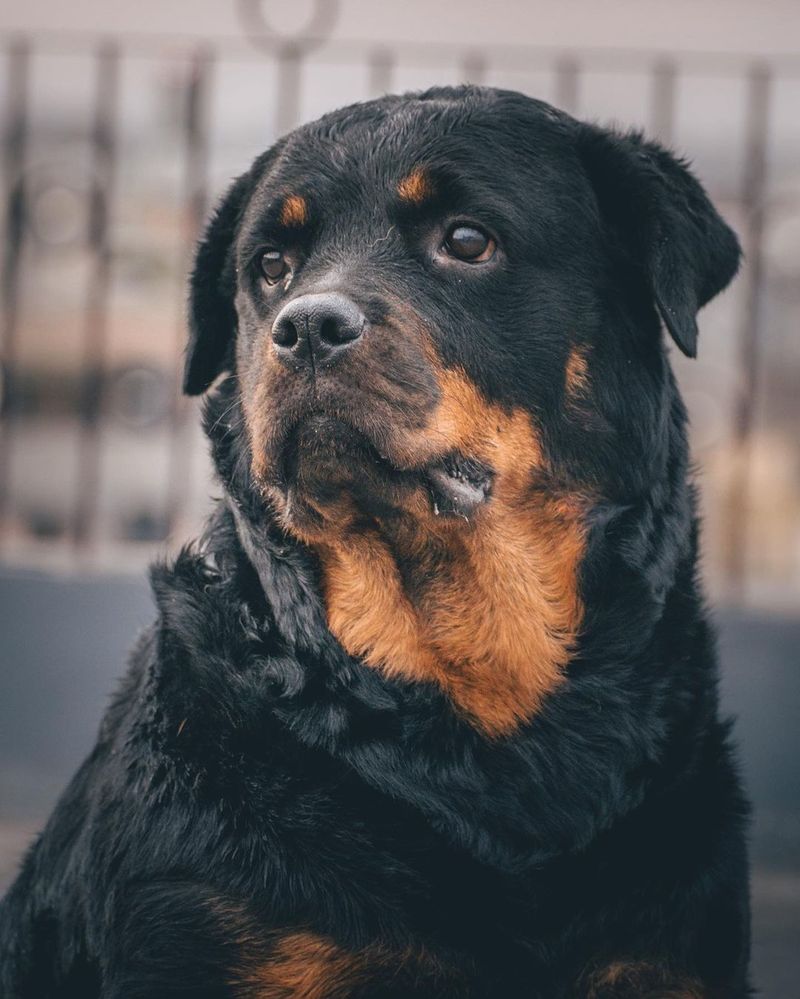
Steady and thoughtful, the Rottweiler tends to assess before sounding off. Their presence alone can discourage trouble, but good training shapes their judgment.
Early social experiences help them read visitors, delivery workers, and neighbors calmly.
Practice obedience in public settings, then reward quiet, confident behavior at home. Give structured play and strength-building walks to balance their body and mind.
With consistency, the Rottweiler offers dependable, measured alerts that families can trust.
Shetland Sheepdog
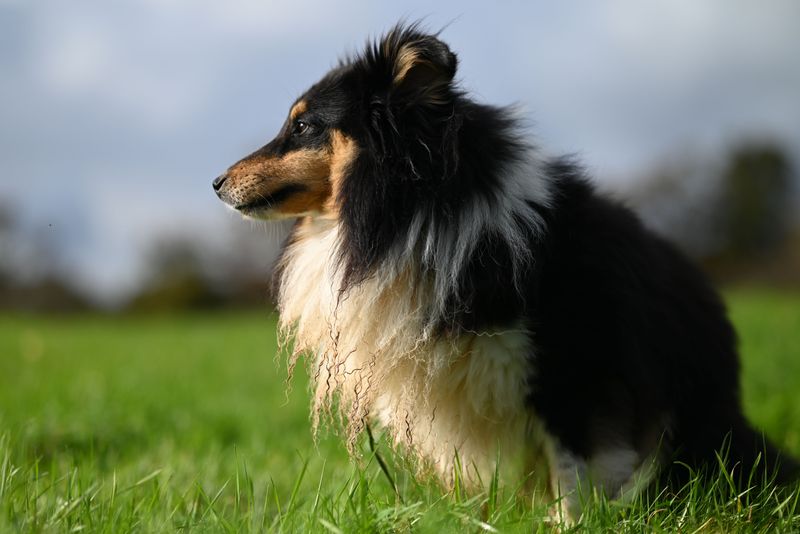
Always keeping tabs on the yard, the Sheltie lives to monitor motion. Birds, squirrels, and footsteps quickly catch their eye.
Without guidance, enthusiasm may turn into chorus-level barking.
Teach a look-at-that game to reward quiet noticing. Give short agility runs, trick sessions, and sniffy walks to meet mental needs.
Clear routines help them sort real concerns from daily noise, making their alerts helpful instead of constant.
Great Pyrenees
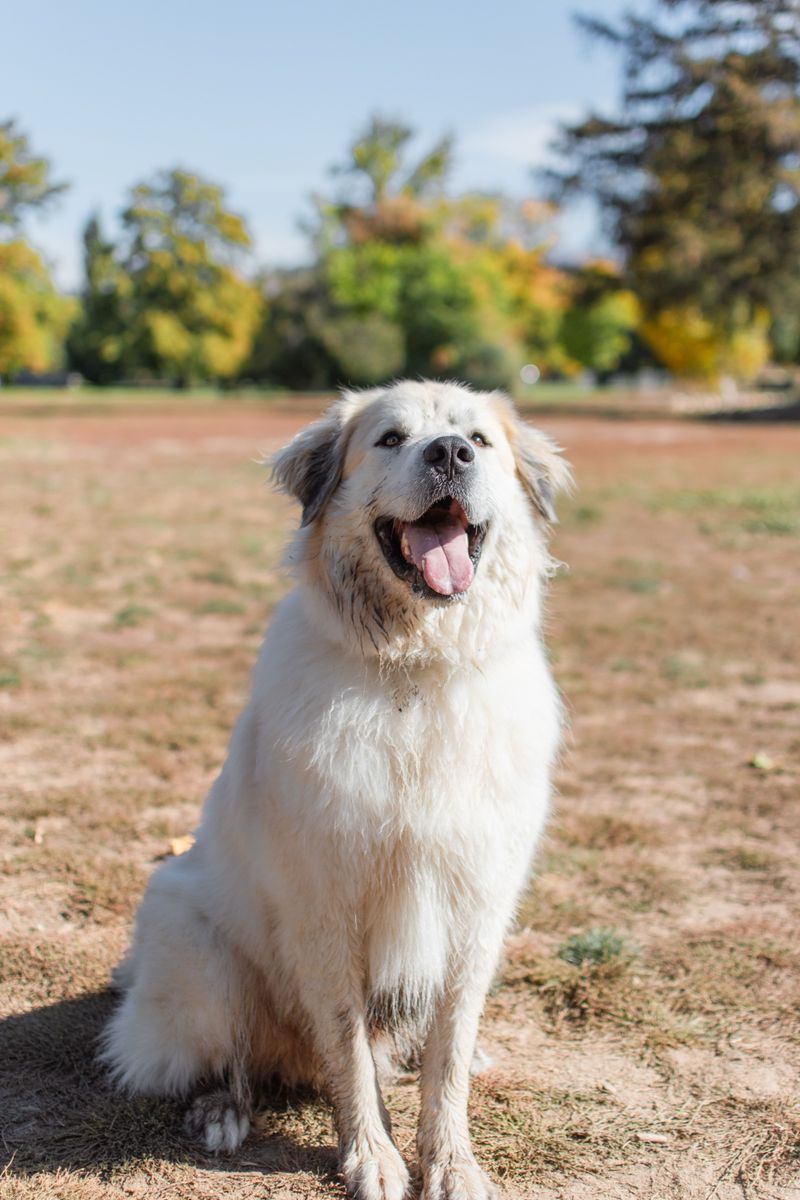
Night watch was the original job for the Great Pyrenees, guarding flocks in rough terrain. They prefer a steady patrol and often rest with one ear open.
Patience and gentle guidance suit their thoughtful nature.
Provide a secure yard, regular strolls, and boundary training so they know their turf. Reward quiet checks and relaxed returns.
When trusted with responsibility, the Pyrenees delivers calm, timely alerts without unnecessary commotion.