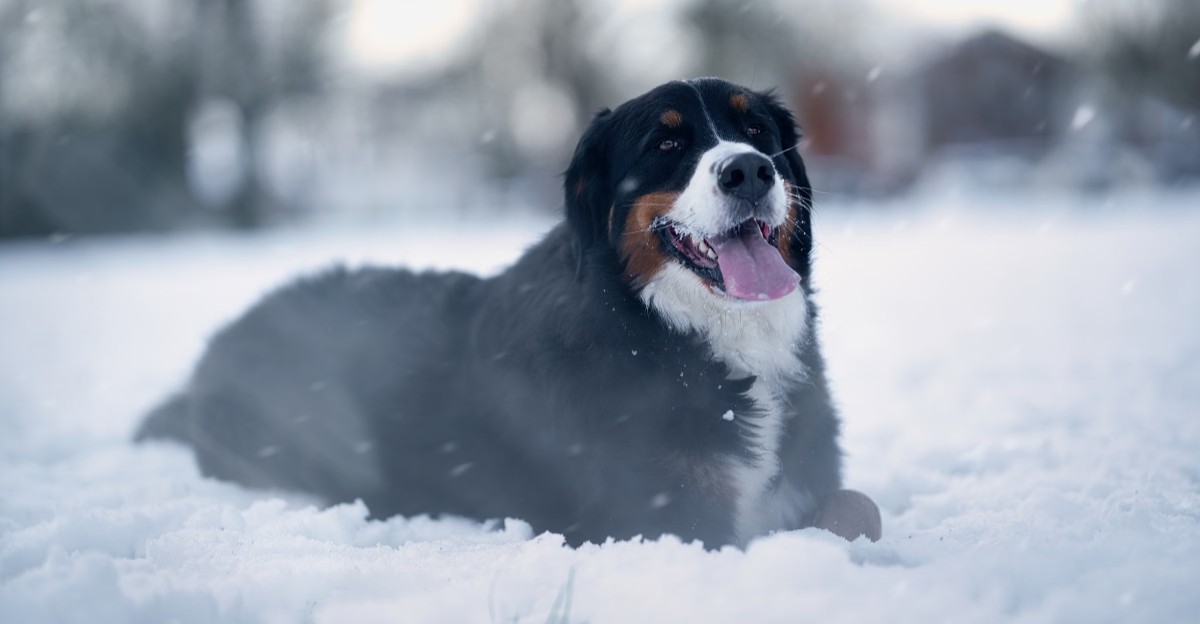
Snowy days can be tough, but some dogs were built to handle them with skill and confidence. Beyond fluffy coats, they have smart bodies, strong instincts, and work habits that shine in the cold.
Learning what makes these breeds special can help you care for your pup and enjoy winter together. Grab a warm drink and meet the pros of the snow.
Siberian Husky
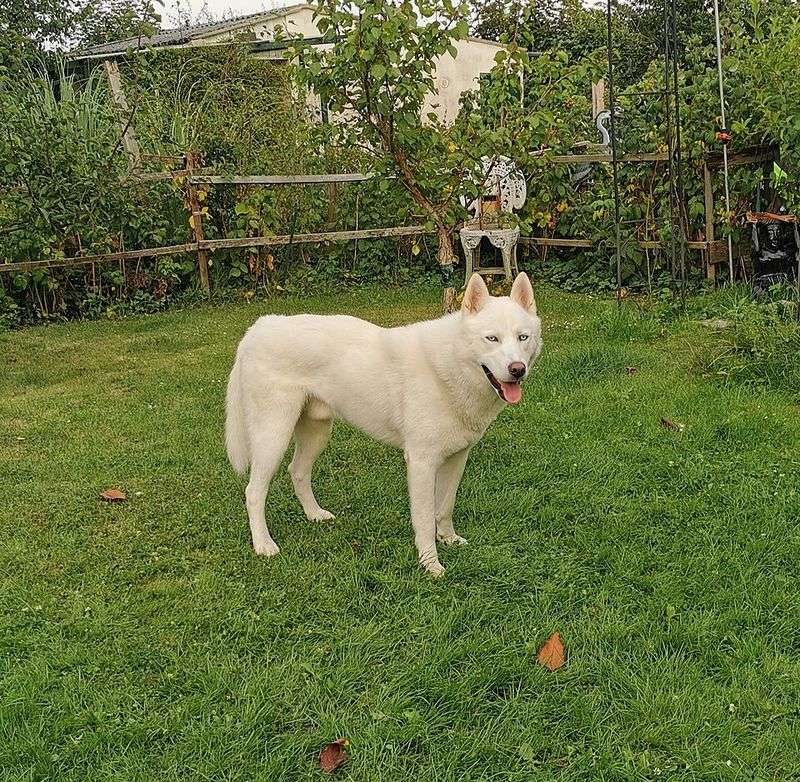
With a stride that seems to float over snow, the Siberian Husky turns winter into a racetrack. Their oval, tightly packed paws act like natural snowshoes, and their bushy tail doubles as a face wrap when resting.
High endurance and efficient oxygen use help them run far without overheating.
Bred for teamwork, they read trail cues and respond to voice commands quickly. Keep training upbeat, give structured jobs, and provide wind-blocked rest spots.
Alaskan Malamute
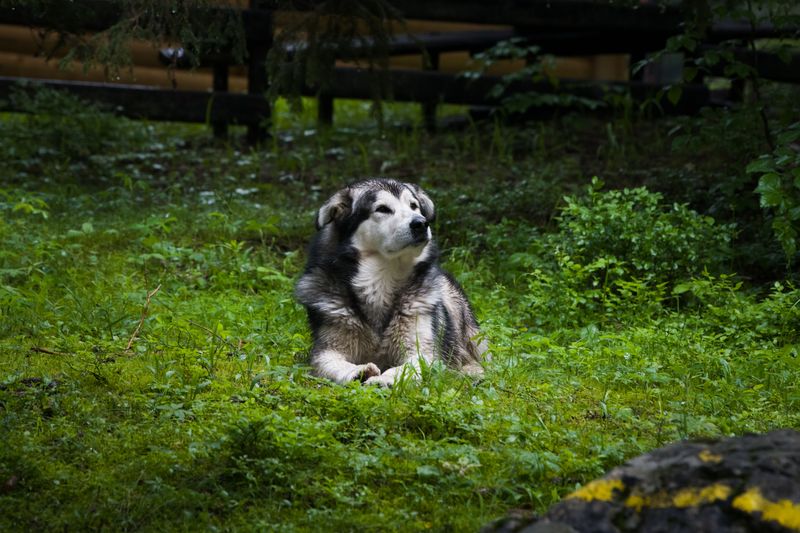
Power first, speed second. The Alaskan Malamute was bred to pull heavy freight, so a broad chest, strong shoulders, and steady metabolism shine when the temperature drops.
Their dense undercoat traps body heat while their slow, even pace saves energy over long hauls.
Malamutes are social workers who crave purpose. Try weight pulls with safe limits, slow hikes with a pack, and clear boundaries.
Give them anchored tie-outs and chew toys to curb winter boredom.
Samoyed
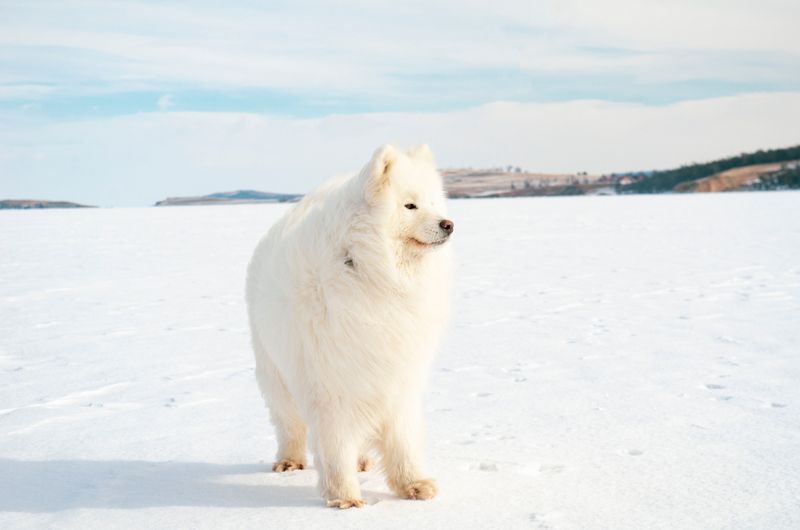
That famous smile is not just cute. Loose lips reduce drooling, so the muzzle stays drier in cold air.
Samoyeds have a weather-shedding coat and a history of sleeping alongside people to share warmth. Their tail can flip over the nose to make a cozy breathing tunnel.
Friendly and alert, they enjoy jobs like skijoring or light sledding. Brush often to prevent matting, use paw balm, and keep workouts early to avoid icy glare and eye strain.
Newfoundland
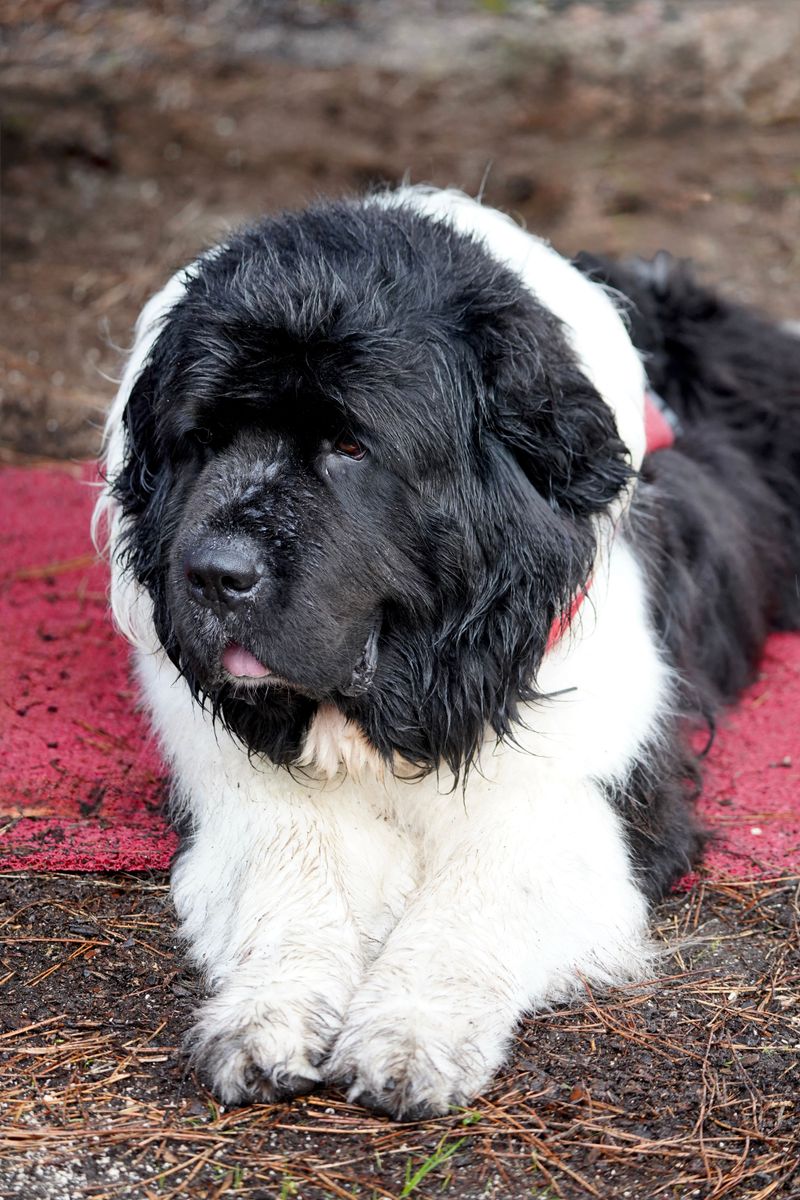
Stories of water rescues fit the Newfoundland well. Webbed feet, a powerful stroke, and a water-resistant coat let them handle frigid spray.
Their large body mass holds heat, and a deep chest supports strong, steady breathing in rough conditions.
Gentle yet determined, they respond best to calm direction. Practice cold-safe water retrieves with a canine life vest.
Towel dry promptly, clean ears after swims, and use ramps to protect joints on slick docks.
Saint Bernard
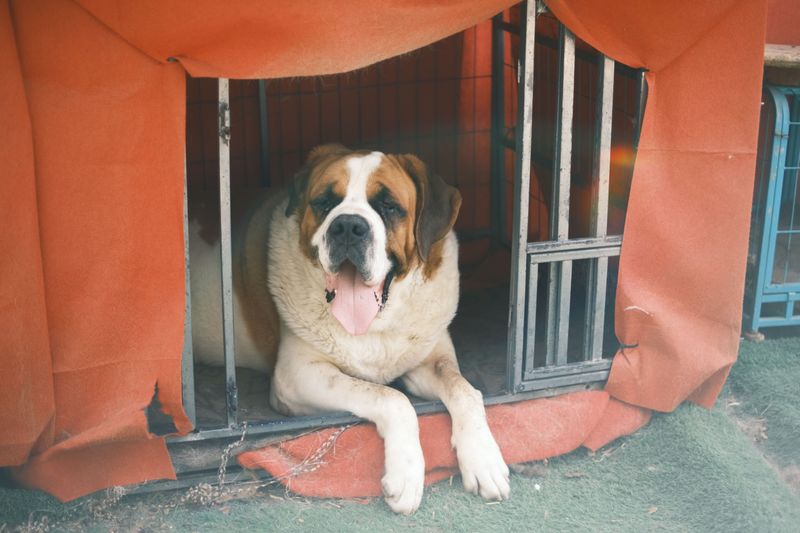
Mountain lore surrounds the Saint Bernard for a reason. A broad skull and massive neck help push through drifts, while a strong nose finds scent under crusted snow.
Their calm mindset keeps panic low during storms, which once made them reliable monastery rescue partners.
Modern Saints enjoy scent games, carting, and slow treks. Keep nails short for grip, dry jowls to prevent chill, and limit sprint work to protect hips on icy paths.
Bernese Mountain Dog
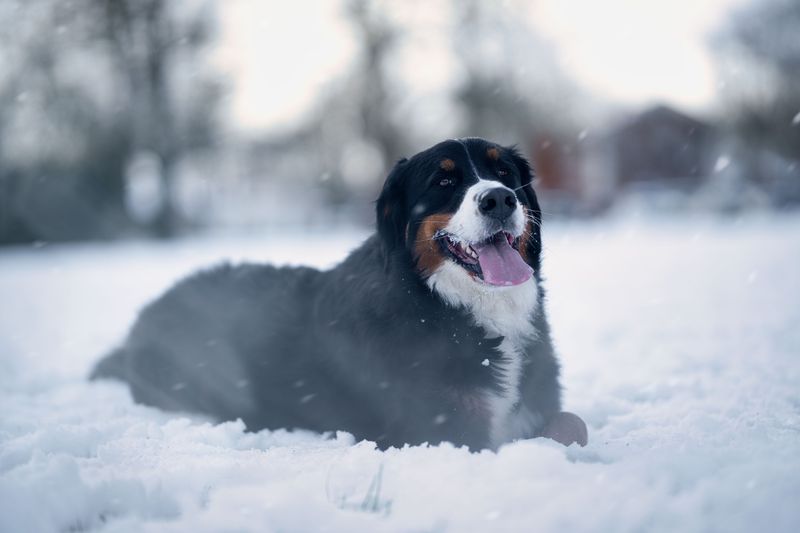
Farm chores in chilly valleys shaped the Bernese Mountain Dog. A balanced frame and patient temperament suit steady tasks like draft work and gear carrying.
Their sleek outer coat resists slush, and their slower burn of energy helps them stay comfortable during long, cool days.
They thrive on purpose and praise. Try carting classes, gentle hill walks, and brief training bursts.
Watch for matting behind ears and under armpits, and keep snowballs off feathering.
Norwegian Elkhound
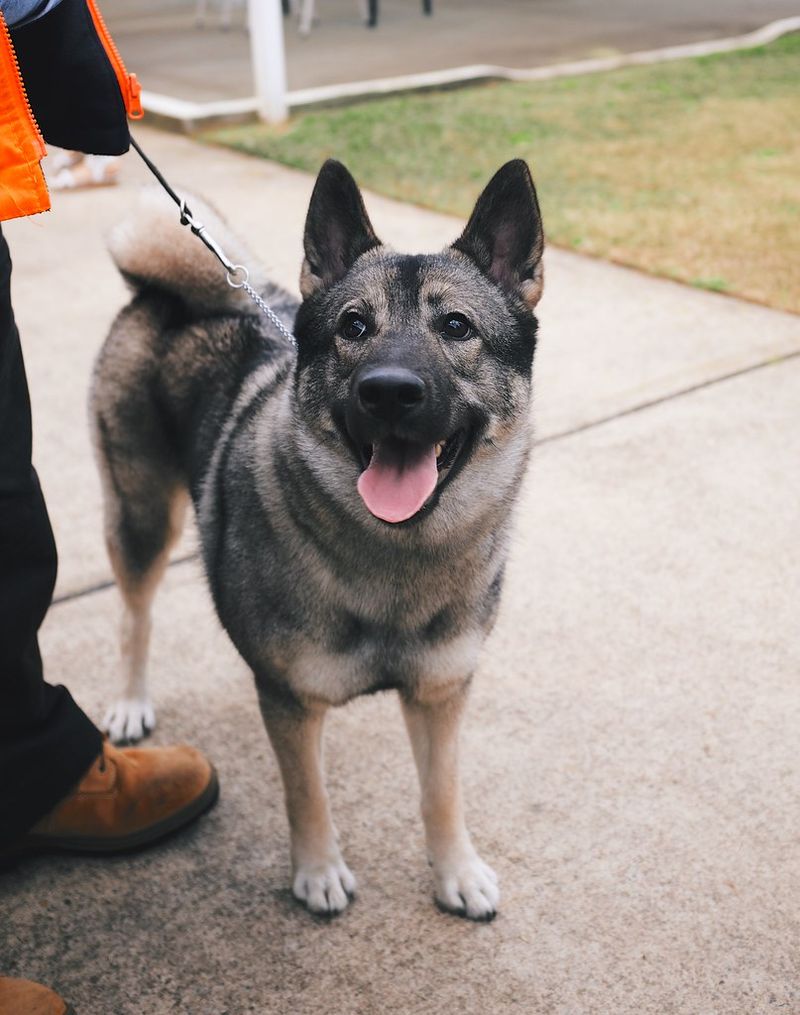
Born to track moose in harsh terrain, the Norwegian Elkhound uses stamina, tight feet, and amazing navigation skills to work all day in cold air. Their spitz tail shields the belly when curled, and their dense, weatherproof coat sheds sleet instead of soaking it up.
Independent thinkers do best with short, clever drills. Practice nosework, long-line hikes, and recall games.
Provide windbreaks at rest stops and a reflective vest for dim Nordic-like light.
Great Pyrenees
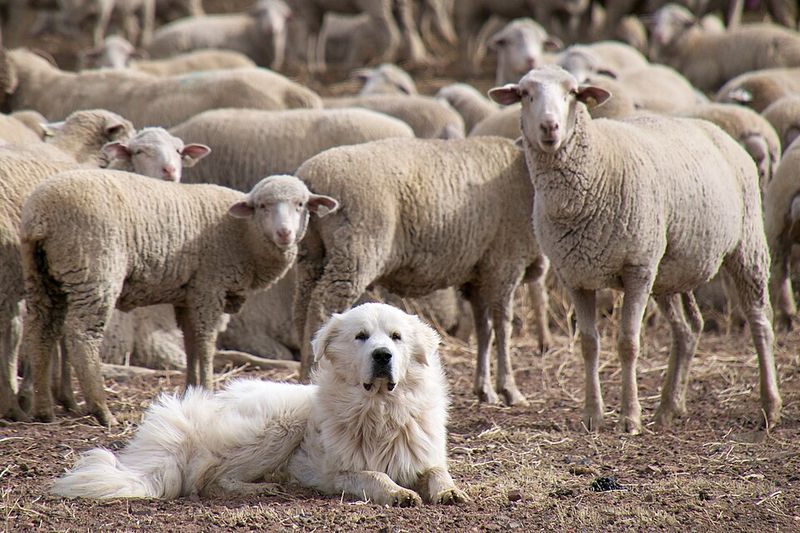
Quiet guardianship is the Great Pyrenees way. Bred to watch flocks overnight, they handle cold with patience and awareness.
Their double coat blocks wind, while a measured pace conserves energy during long patrols. Broad, catlike paws spread weight over crusty snow.
Confidence grows with responsibility. Try perimeter walks, place training, and calm exposure to livestock or urban equivalents.
Brush weekly, check dewclaws, and use bright collars for visibility during early winter evenings.
Akita
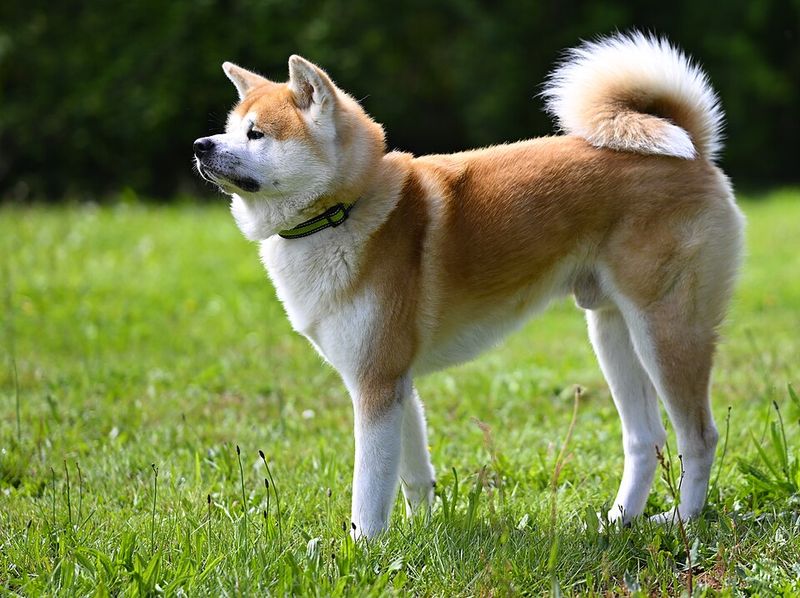
Dignity hides an athlete. The Akita’s powerful build, curled tail, and tight feet help in icy settings.
Their double coat insulates while the broad head and short muzzle reduce heat loss in biting wind. Careful, confident movement makes them sure-footed on slick ground.
Training should be clear and respectful. Use structured walks, rally drills, and controlled fetch.
Keep sessions short to avoid paw chill, and dry between toes to prevent ice clumps.
Finnish Lapphund
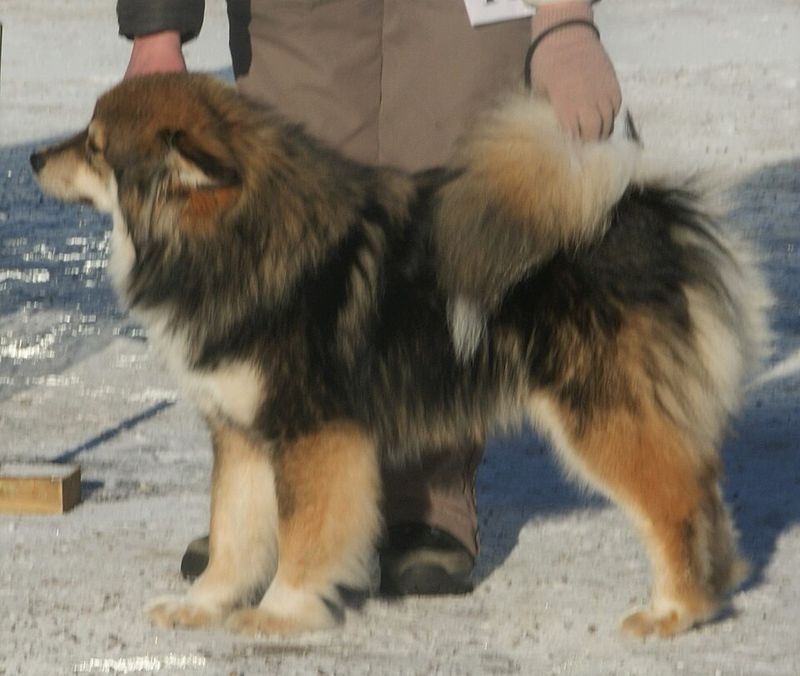
Once a partner to reindeer herders, the Finnish Lapphund excels at quick turns and smart communication in swirling snow. A weather-ready coat, agile body, and expressive face keep teamwork smooth even in low light.
Their ears and tail posture help signal intention through winter wind and distance.
They love learning games. Set up zigzag recalls, target work, and short herding simulations with cones.
Reward often, and trim foot fuzz to stop slippery snowballs.
Tibetan Mastiff
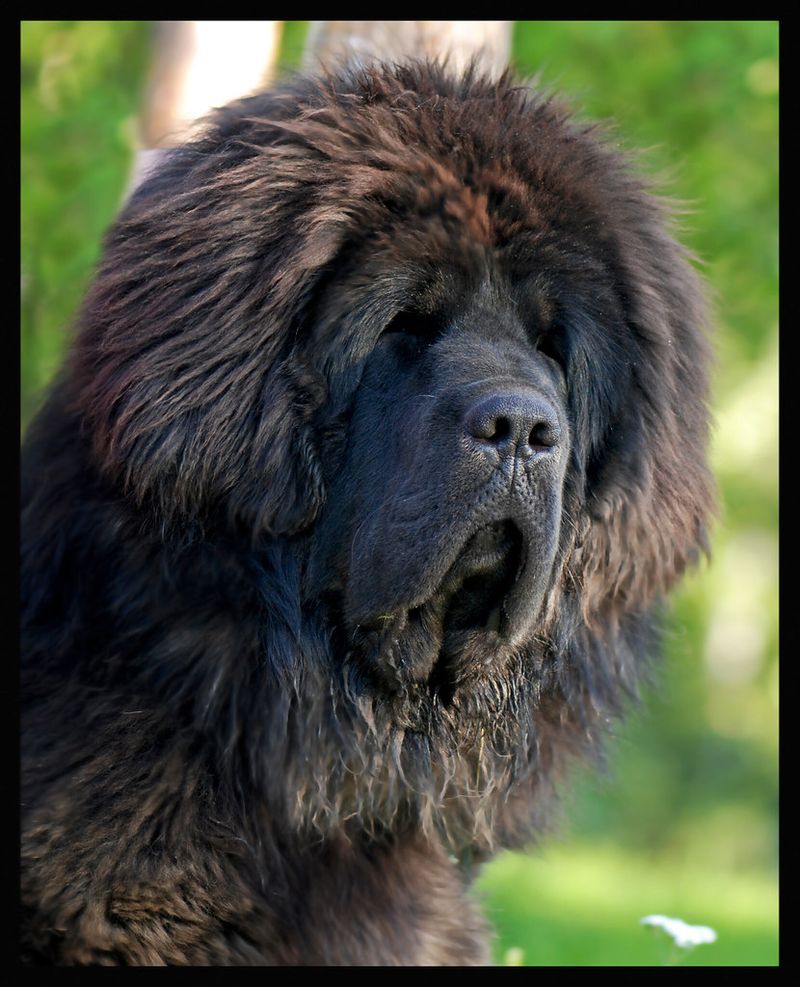
High-altitude heritage shaped the Tibetan Mastiff into a steady winter sentinel. A dense mane protects the neck, and a heavy frame keeps warmth where it matters.
Calm nerves and keen hearing let them assess threats without wasting energy in the cold.
Structured routines suit them best. Practice boundary work, quiet place commands, and slow strength exercises.
Provide elevated beds for airflow, regular coat checks for tangles, and careful socialization to balance guarding instincts.
Karelian Bear Dog
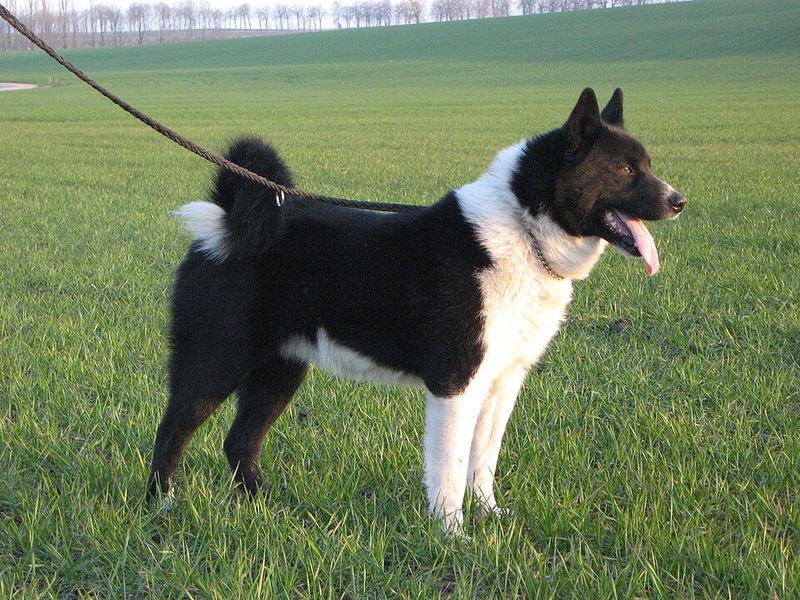
Fearless tracking in bitter air gives the Karelian Bear Dog a special edge. Compact muscles, tight feet, and a keen nose help them follow scent trails across wind-swept snow.
Their bold voice carries through trees, aiding handlers at distance.
Channel that drive with scent puzzles and controlled search games. Use long lines, reliable recalls, and reflective gear.
Keep sessions brisk, dry the chest after work, and reward calm check-ins to balance intensity.