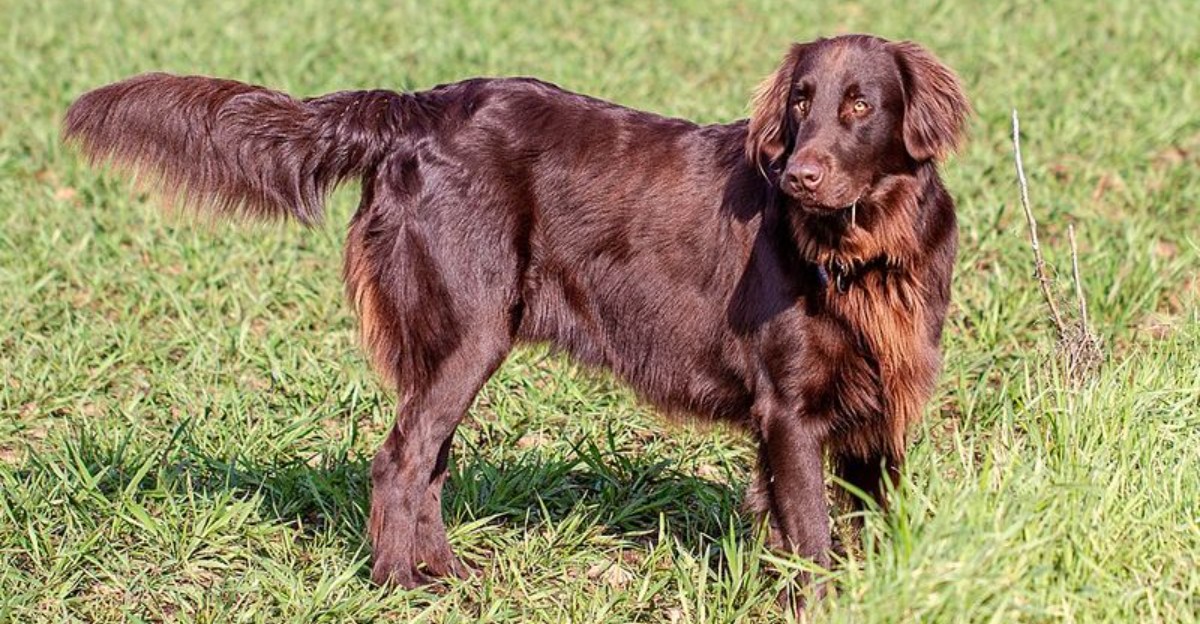
Some dogs were bred to love splashes, waves, and muddy shorelines. They helped hunters bring back ducks, guarded boats, and even saved swimmers.
Learning about these water-focused breeds shows why certain dogs adore ponds and hoses. It can also help you choose a pet whose energy and talents fit your life.
Labrador Retriever
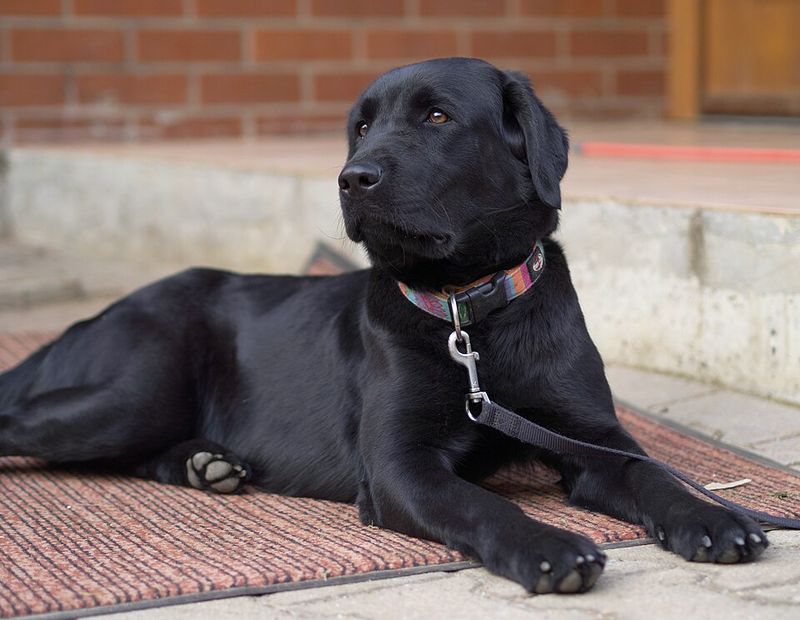
With a tail like a happy rudder, the Labrador charges into water as if it were made for it. Bred to haul nets and retrieve birds, Labs mix strength with patience.
They learn fast, carry gently, and handle cold lakes well.
Daily fetch sessions and swimming keep their minds steady and bodies trim. Add a durable bumper toy, teach steady sits, and practice calm releases.
You get a cheerful teammate who lives for splash time.
Golden Retriever
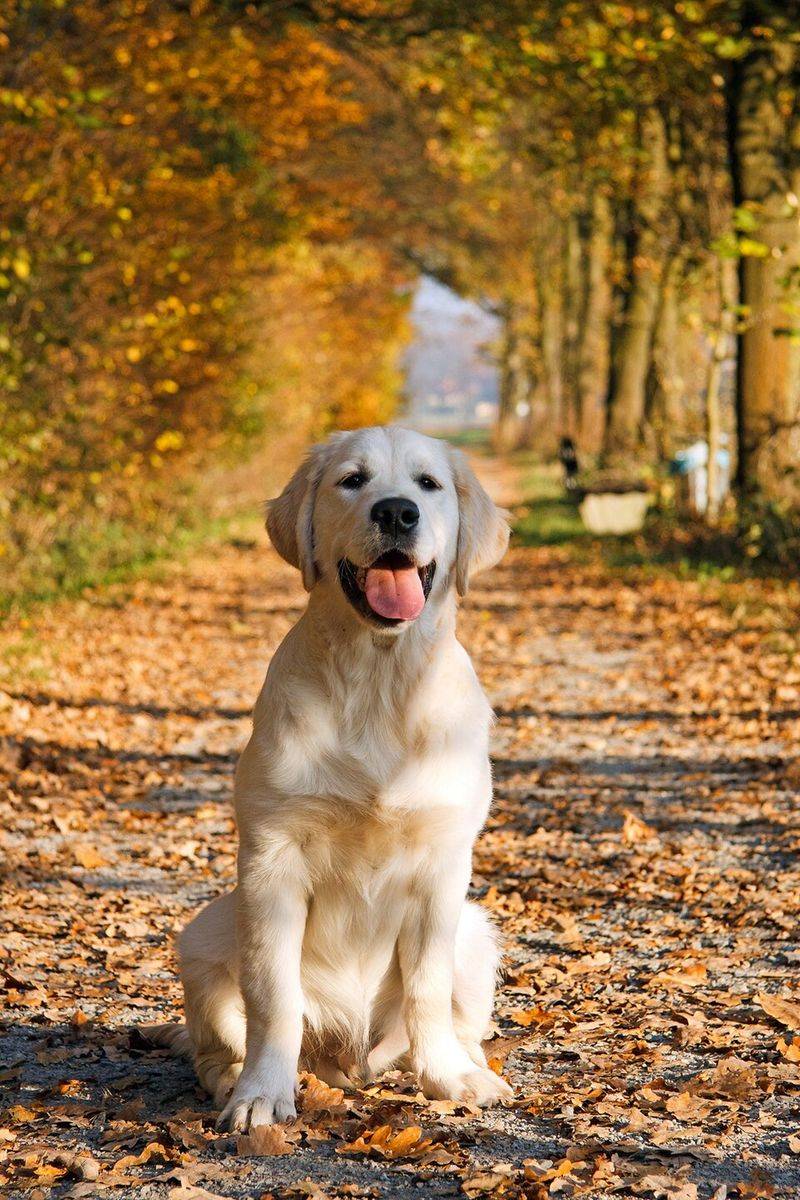
Sun on the water and a Golden’s grin make a perfect match. Developed to pick up downed game over tricky ground, Goldens combine soft mouths with steady focus.
Their feathery coats shed water, and their calm nature helps during long waits in blinds.
Short swim drills build endurance without pounding joints. Keep ears dry after sessions, and brush out tangles to avoid mats.
With practice, that sunny energy turns into reliable, gentle retrieves.
Chesapeake Bay Retriever
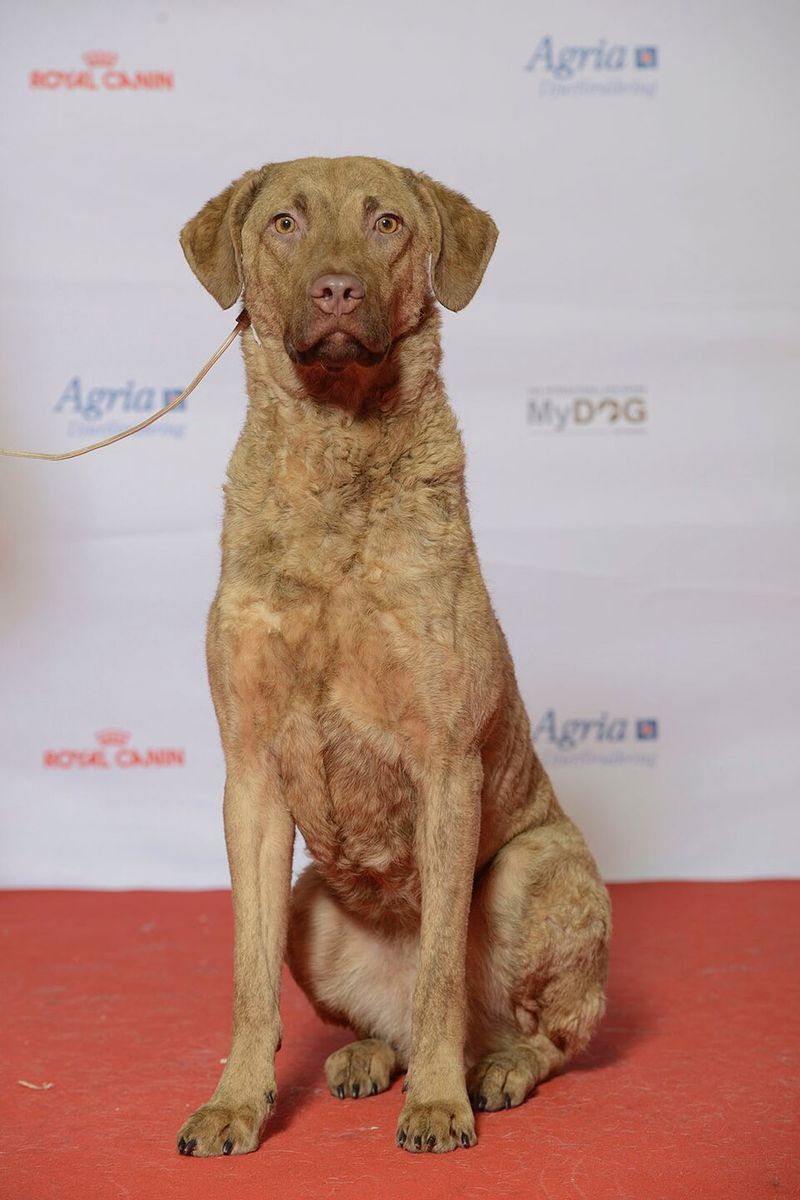
When the wind bites, a Chessie digs in. Born on rough Maryland waters, this breed was made for icy chop and heavy birds.
A thick, oily coat and huge heart keep them going when conditions get tough.
Firm, fair training works best, along with clear jobs and consistent rules. Rotate challenging retrieves and blind drills to engage their problem-solving.
Treat them like a partner, and they will punch through waves without blinking.
Nova Scotia Duck Tolling Retriever
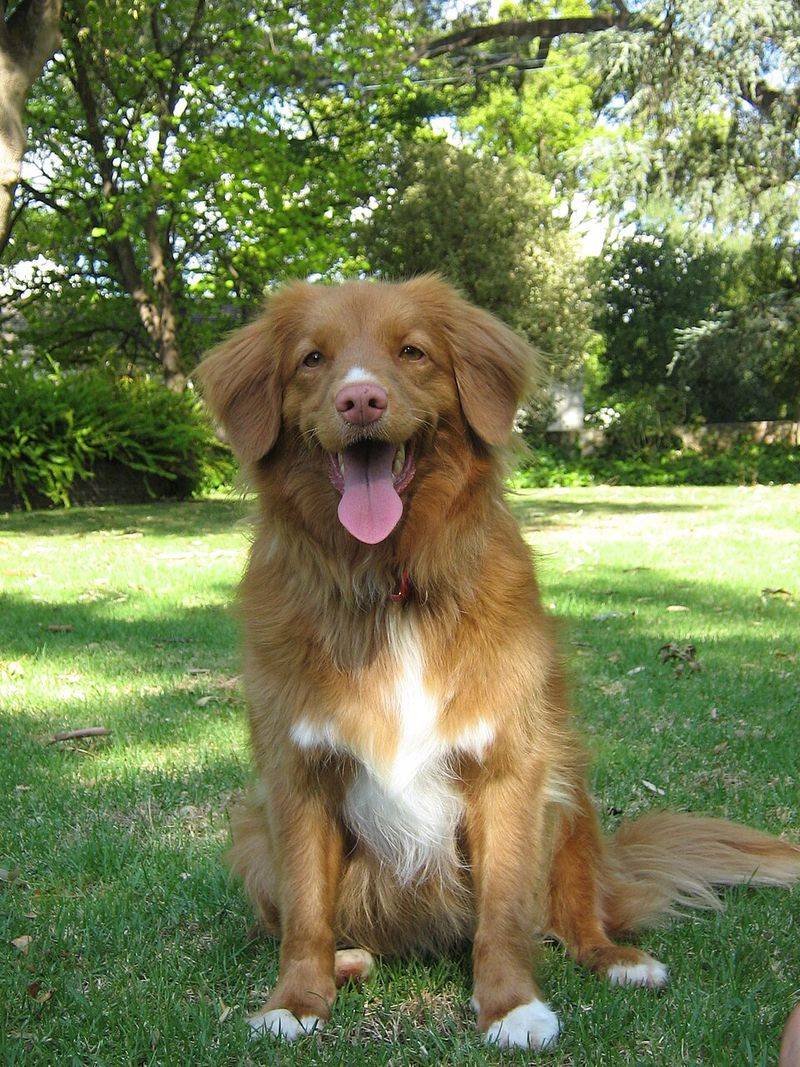
Small in size yet big on tricks, the Toller lures curious ducks by dancing along the shore. Hunters then call the dog back and take the shot, followed by quick retrieves.
That foxy tail and lively trot are part of the plan.
Short, upbeat sessions help manage their spark. Mix play with obedience so excitement turns into control.
Dry ears after swims and keep a towel handy for that joyful shake.
Flat-Coated Retriever
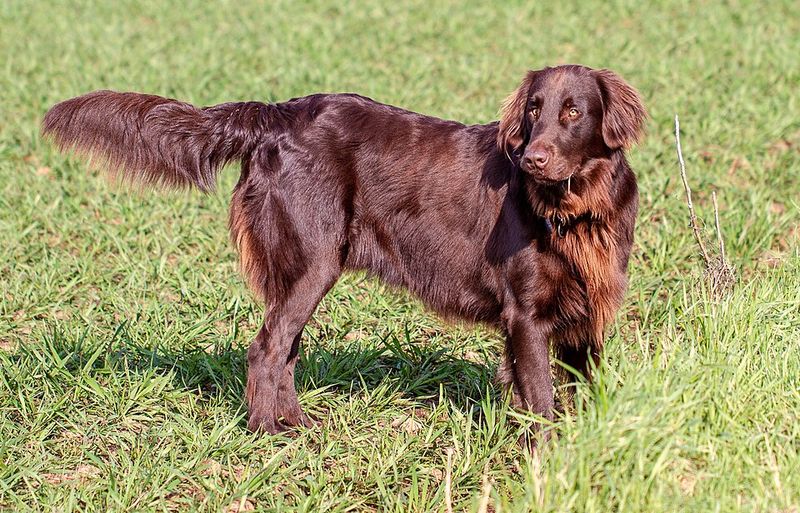
Some call the Flat-Coat the Peter Pan of retrievers, always youthful and ready to splash. Bred as a gamekeeper’s helper, they balanced upland hunting with water work.
Their long, flat coat sheds water and looks elegant after a shake.
Channel that happy-go-lucky spirit with varied drills. Use memory marks, multiple bumpers, and calm sits to build steadiness.
Trim feathering to reduce debris, and keep training playful yet focused.
Curly-Coated Retriever
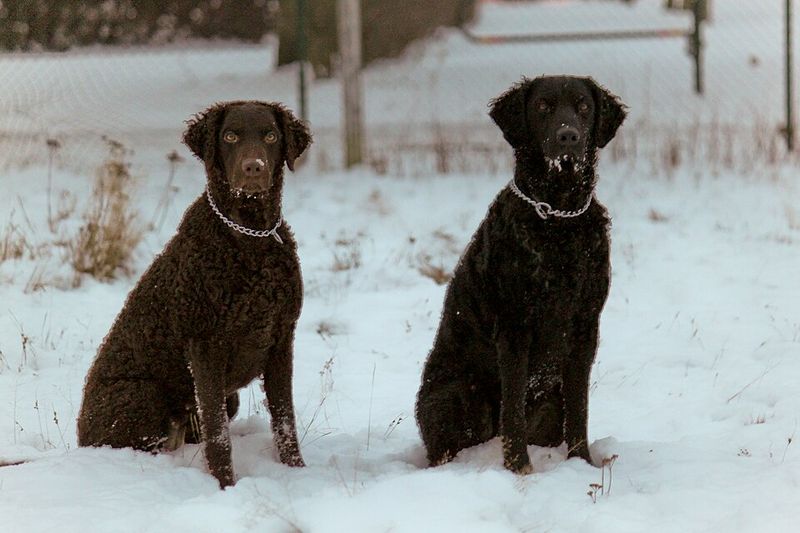
Tight curls, tough job. The Curly was built to handle chilly water and thick cover while keeping a light, careful bite on birds.
Those distinctive ringlets act like a natural raincoat and give protection against brush.
Confidence grows with challenging terrain. Practice retrieves through reeds, shallow mud, and light current to build grit and body awareness.
Keep grooming simple, avoid overbrushing the curls, and focus on clear signals during training.
Portuguese Water Dog
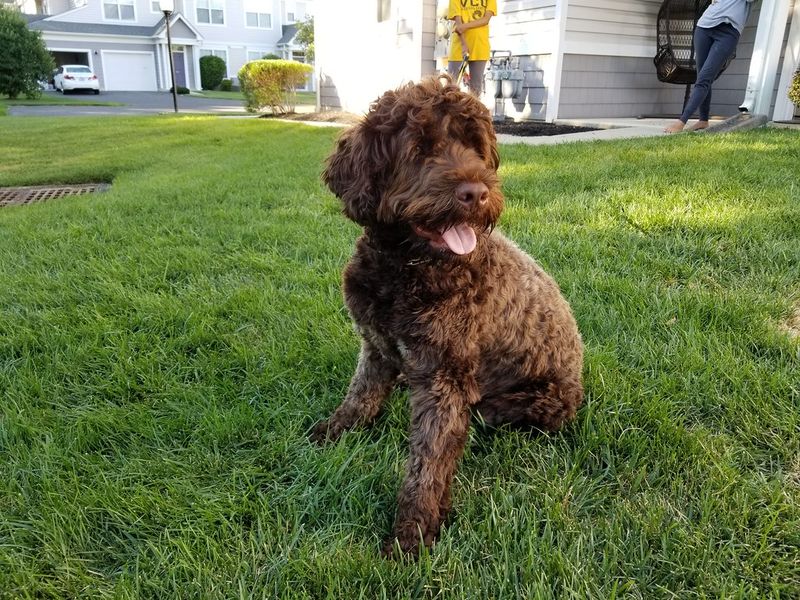
Ropes, nets, and messages once moved faster with help from this sturdy sailor. Portuguese Water Dogs worked alongside fishers to carry lines, herd fish into nets, and brave choppy swells.
Webbed feet and strong lungs make swimming almost effortless.
Agility and water games keep their minds bright. Try bumper relays, platform waits, and retrieve-to-hand cues.
Rinse saltwater from the coat, comb to prevent mats, and provide clear tasks to satisfy their work ethic.
Irish Water Spaniel
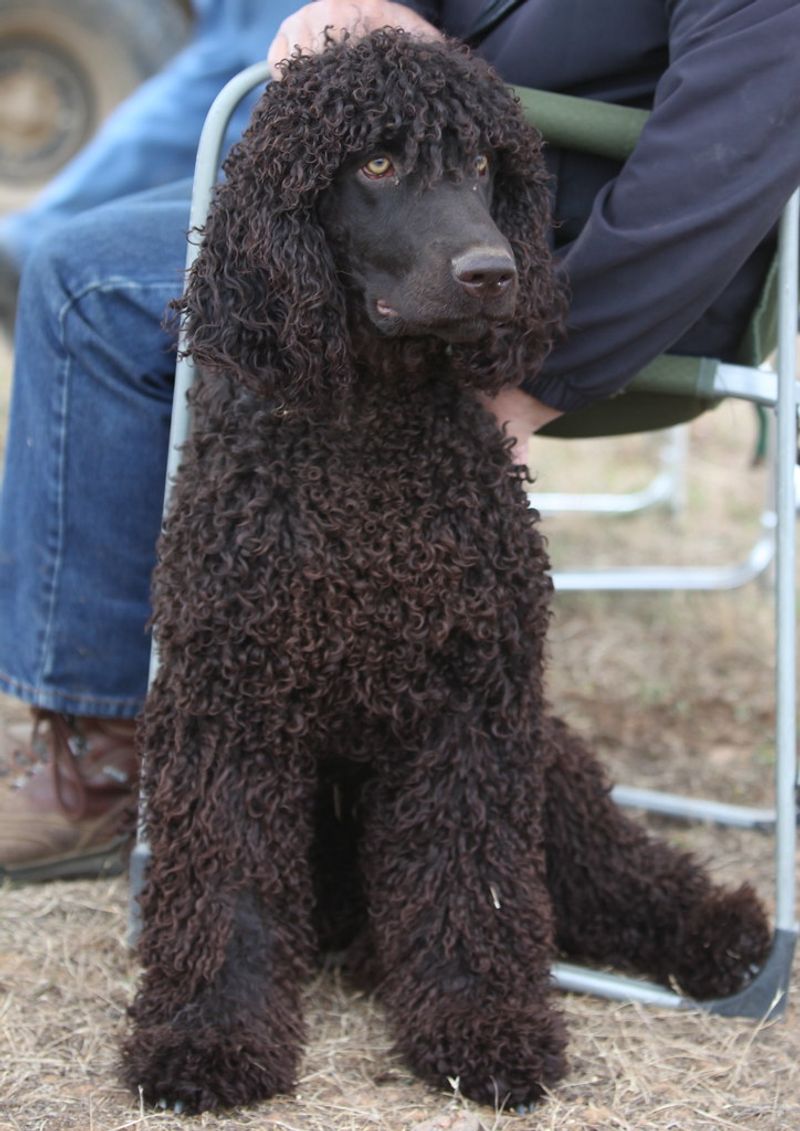
The clownish look hides a serious worker. Ireland’s oldest spaniel was built for cold ponds and stubborn reeds.
That crisp, curly coat keeps warmth in, while the sleek tail slices the water like a fin.
Short, sharp drills suit their spark. Use place boards for steadiness and reward quiet focus before sending.
Towel-dry after swims, check ear canals, and trim feet for traction on wet ground.
American Water Spaniel
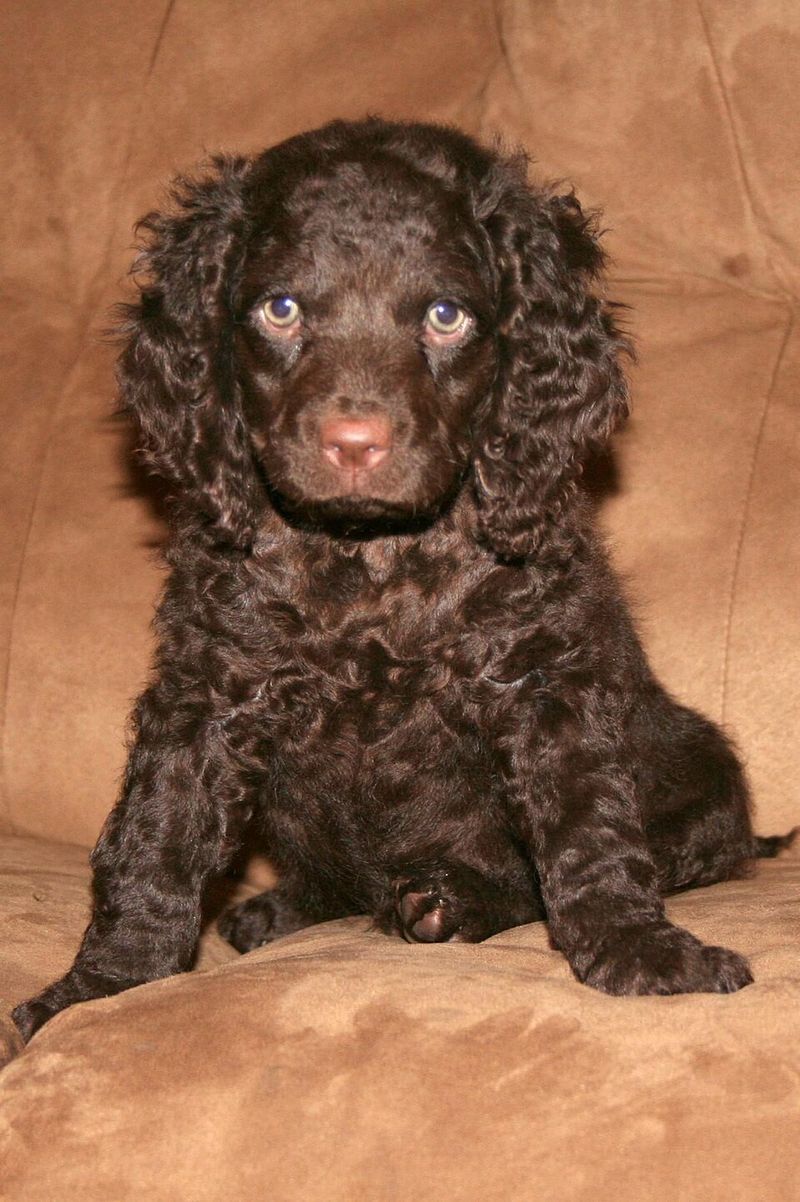
Born on busy rivers and marsh edges, the American Water Spaniel packs skill into a portable frame. Hunters prized its ability to hop into skiffs, slip through lily pads, and fetch from cramped spaces.
A wavy, water-resistant coat helps in variable weather.
Keep sessions fun and brisk. Mix short retrieves with obedience breaks to avoid overexcitement.
Regular ear care and coat checks prevent problems after long, splashy outings.
Newfoundland
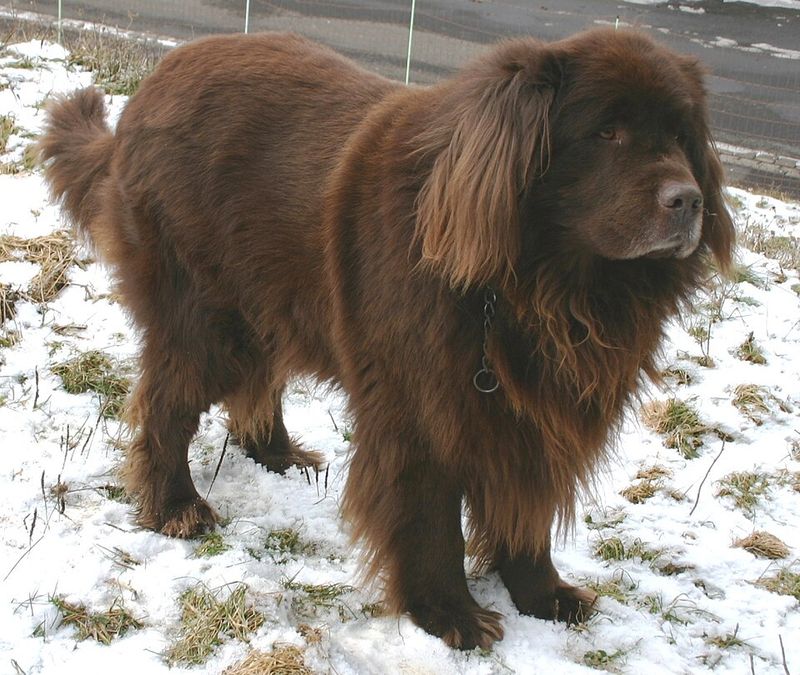
With a heart as big as its paws, the Newfoundland earned fame as a lifesaver. Stories tell of them towing boats and pulling people to shore.
Thick double coats, strong frames, and calm minds make them natural in cold seas.
Water rescue clubs offer structured training. Teach controlled entries, tow work, and line retrievals.
Keep joints healthy with low-impact swims and rinse salt from that dense fur after ocean days.