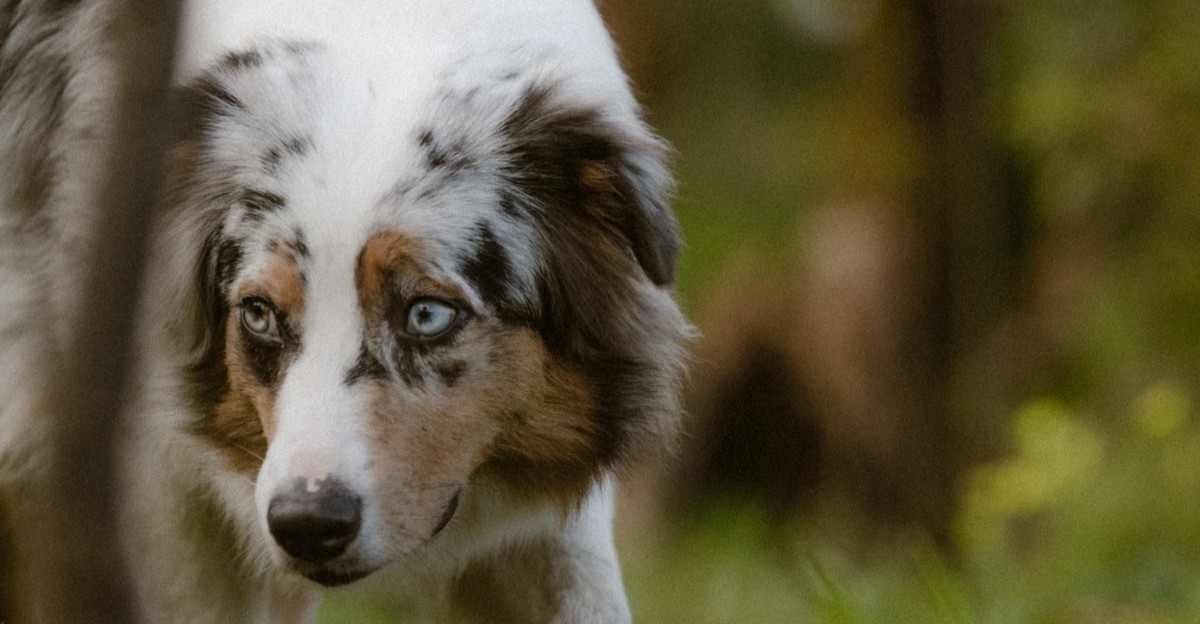
Some dogs treat a garden fence like a fun challenge. Clever, strong, and curious pups can climb, dig, or squeeze through small spaces.
Knowing which breeds are escape artists helps you plan smarter yards and safer routines. A good setup keeps dogs happy at home and owners stress-free.
Siberian Husky – the arctic acrobat
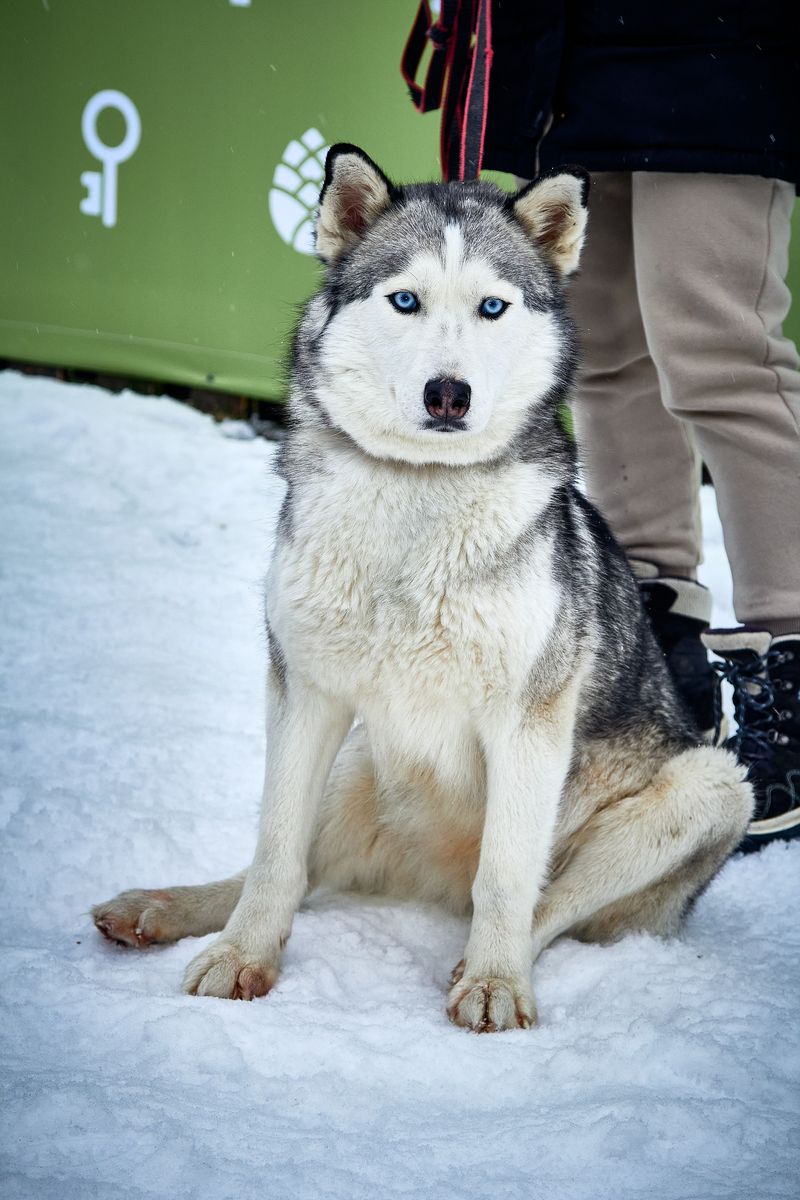
Snow-born spirit meets backyard puzzle. Huskies are famous for climbing, digging, and squeezing through gaps, because adventure calls them like a bell.
Many owners discover a four foot fence is only a warm-up to a higher leap.
Give heavy-gauge wire mesh, at least six feet, with coyote rollers on top. Bury the base in L-shaped trenching to stop tunnels.
Then pour their energy into fast sled-style workouts, canicross runs, puzzle feeders, and daily training, so the fence is backup, not the main plan.
Belgian Malinois – the spring-loaded strategist
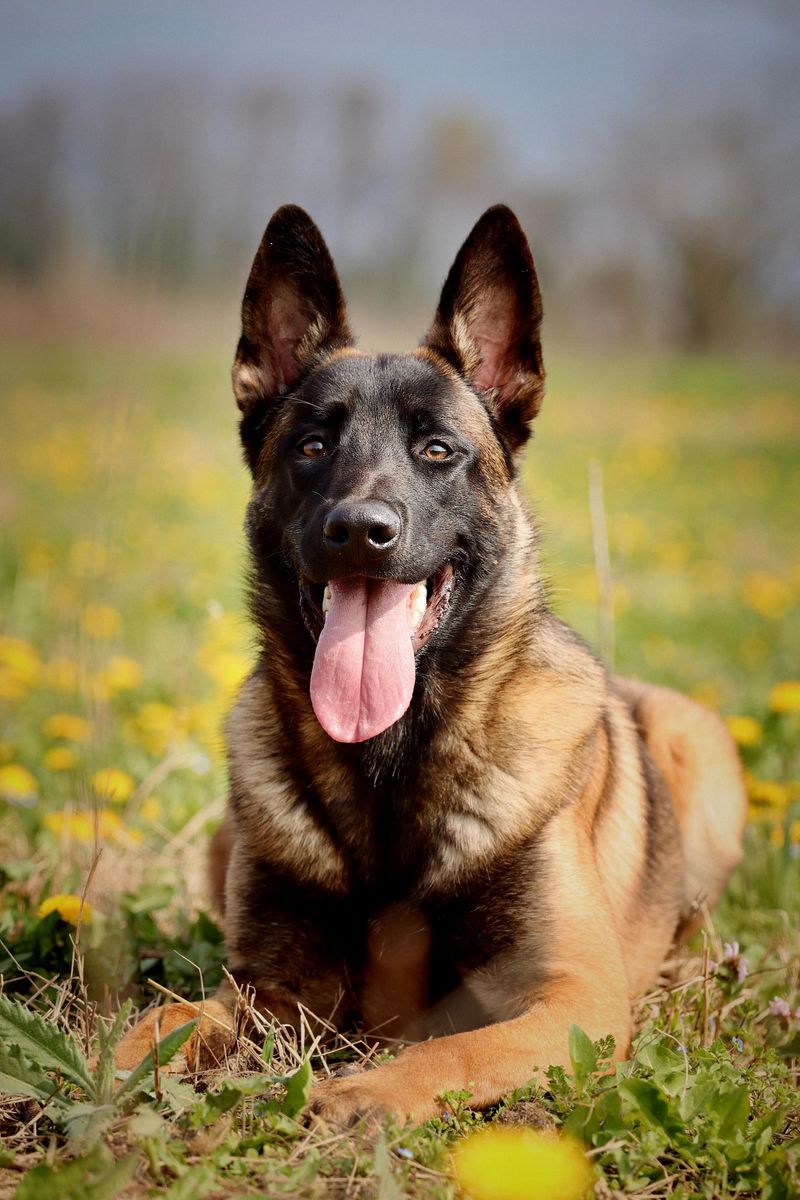
Built like a spring, the Malinois can scale vertical challenges that surprise first-time owners. Police and sport roots make them bold problem solvers, not passive pets.
A bored Malinois will test latches, climb chain links, and launch from patio furniture like a parkour athlete.
Plan for an eight foot privacy fence with smooth interior panels and secure double gates. Daily tug, obedience, and scent games ease the urge to roam.
Rotate tough chew toys and short training bursts to keep that smart brain satisfied.
Australian Shepherd – the nimble mastermind
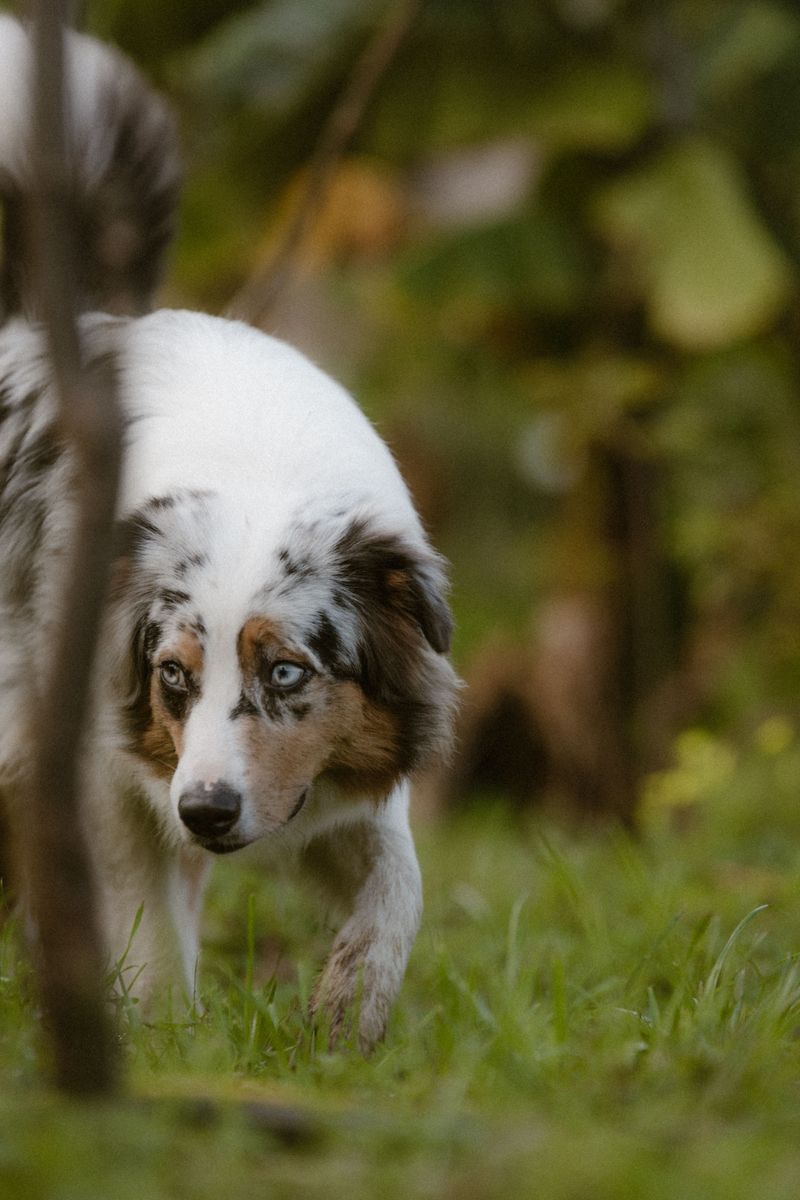
Farm-bred focus with zoomie flair makes Aussies master escape artists. Many learn to open sliding gates or herd themselves over low pickets.
Quick feet and a quick mind pair with a love of movement, so plain yard time rarely meets their needs.
Use a six foot solid fence with tight gaps and secure locks. Add a gravel trench along the base to discourage digging.
Daily agility drills, frisbee sessions, and trick training direct that lively energy, while rest spots help them settle after the fun.
Border Collie – the puzzle-solving sprinter
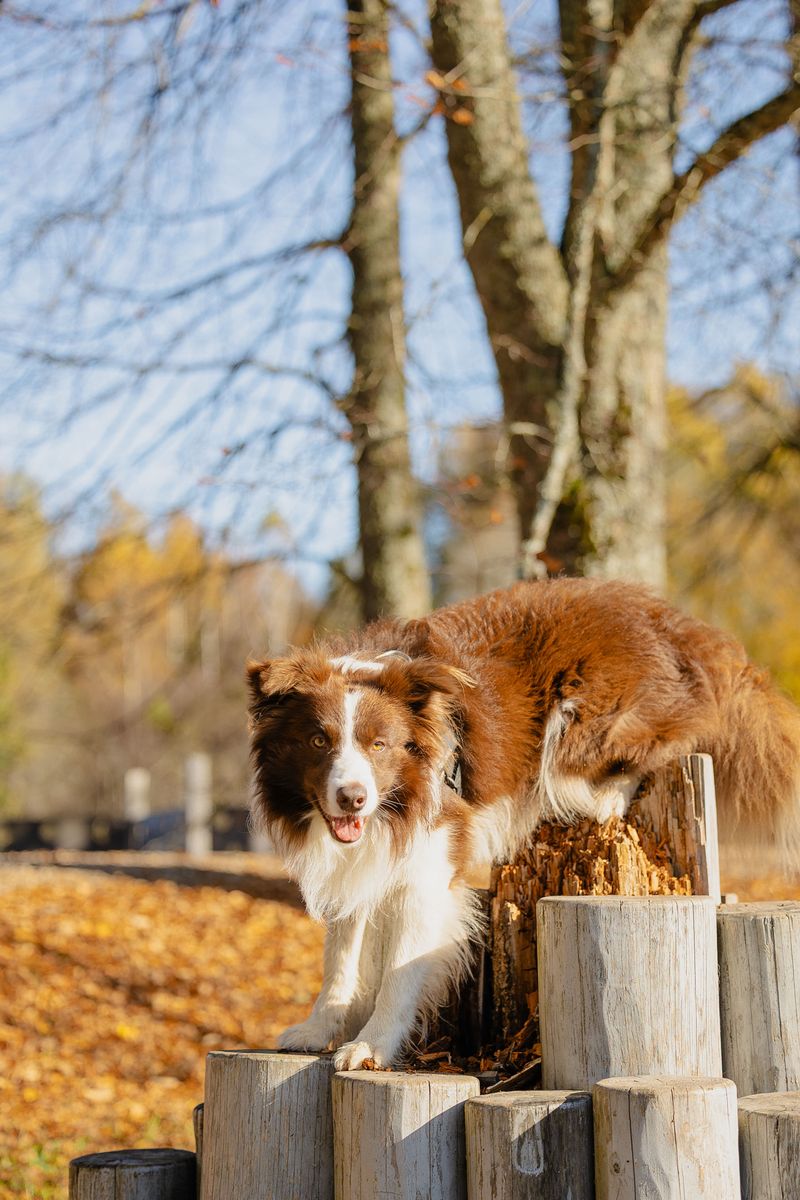
Speed meets genius in the Border Collie, and fences become puzzles to solve. Some scale wire like ladders, others map the yard and dash through human-sized openings.
With eyes always scanning, they notice weak points faster than you do.
Go with six to eight feet of smooth wood or vinyl and use self-closing, self-latching gates. Enrichment is the secret ingredient.
Herding balls, advanced obedience chains, scent work, and long line hikes keep minds busy, so the barrier stays just a backdrop.
Jack Russell Terrier – the pocket rocket digger
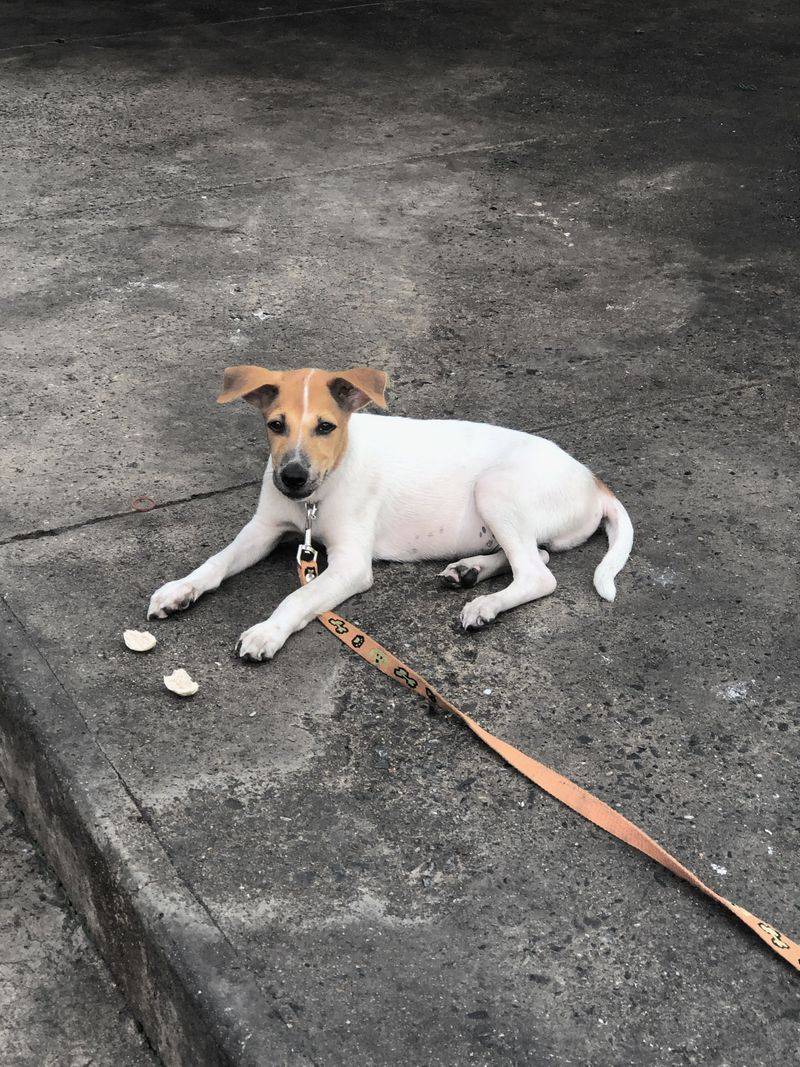
Small body, huge engine. Jack Russells were built for fox burrows, so they dig with purpose and wriggle through tiny gaps.
Many can jump like rockets despite their size, especially when a squirrel makes a noisy mistake.
Install no-dig panels set in concrete and a five to six foot fence with fine mesh. Fill yard time with earthdog-style games, flirt poles, and short chase sessions.
Teach rock-solid recall, then use a long line for safe exploration on exciting days.
German Shepherd – the vigilant boundary tester
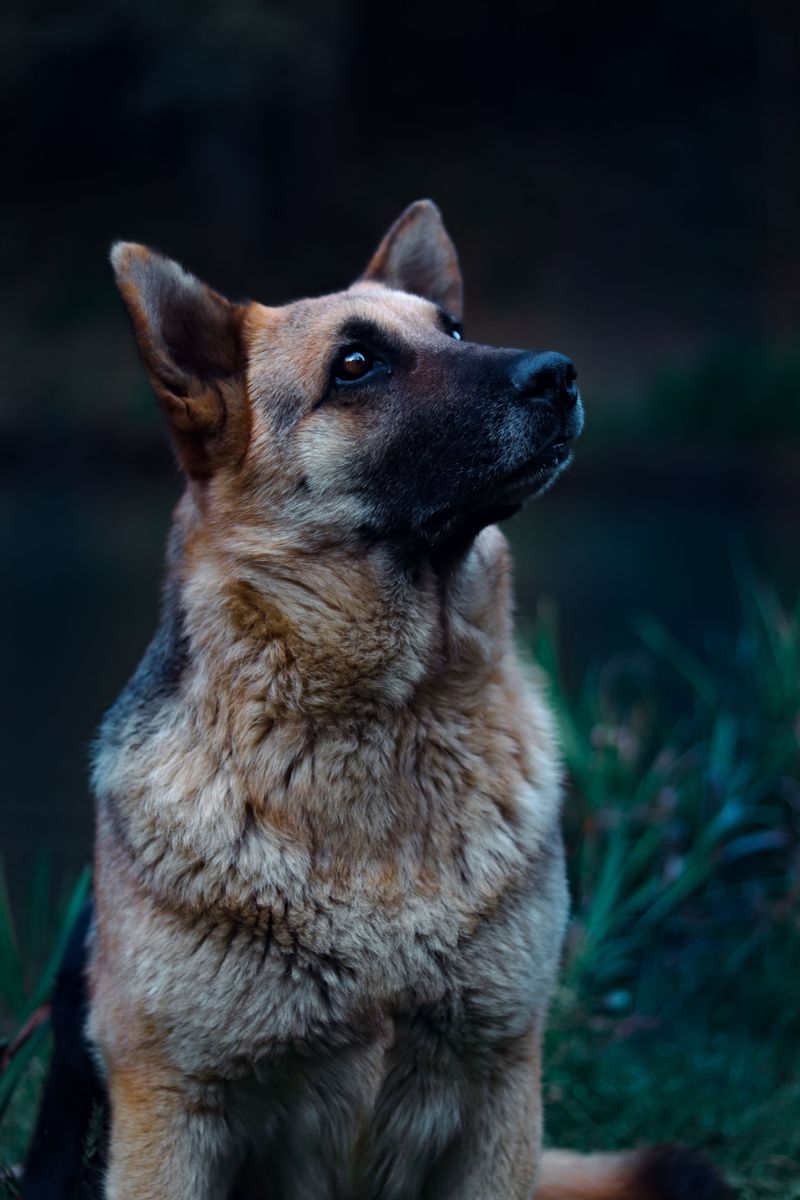
Neighborhood watch captain describes many German Shepherds. Protective instincts push them to patrol, investigate, and occasionally hop a short fence to check a sound.
Strong hips and confidence mean height alone will not fix poor design.
Choose a solid six to seven foot fence with narrow gaps and keyed locks. Add privacy slats if using chain link.
Daily tracking games, tug, structured walks, and clear routines lower stress, while training teaches calm greetings at the boundary.
American Foxhound – the nose with legs
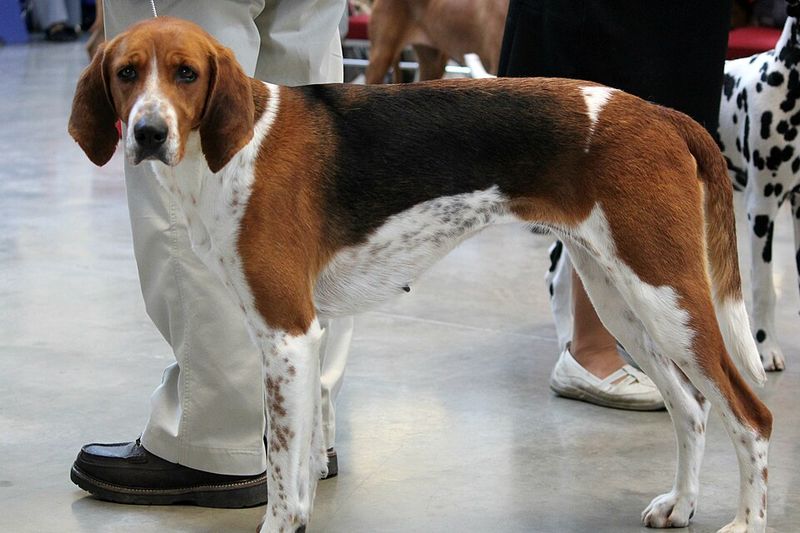
Follow that nose and the world disappears. American Foxhounds live for scent trails, and a whiff beyond the fence can flip a switch.
Long legs and lean frames make climbing and squeezing look easy when a trail gets hot.
Invest in at least six feet of smooth fencing with dig guards, and secure every gate with two latches. Scent games in the yard help, but real satisfaction comes from long line field work.
Give them time to follow safe, planned tracks.
Catahoula Leopard Dog – the independent powerhouse
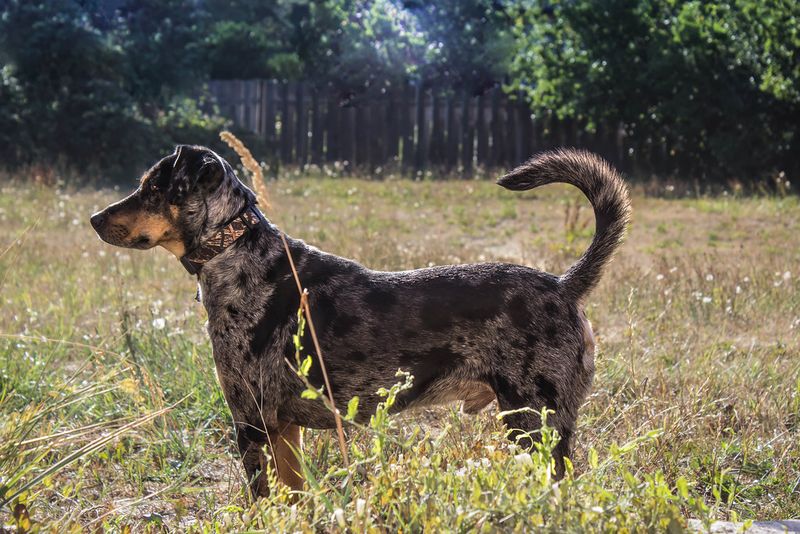
Swamp-born grit and glassy eyes hint at a job-first mindset. Catahoulas can climb, dig, and body-check weak panels if boredom hits.
Independent instincts mean they may ignore flimsy barriers to chase a task they set for themselves.
Go heavy on materials, with six to eight feet of welded wire or solid wood, braced posts, and buried skirts. Mental work truly matters.
Livestock exposure, tracking exercises, and hard-won obedience sessions channel drive into teamwork, which makes staying home feel like a choice.
Alaskan Malamute – the mighty mover
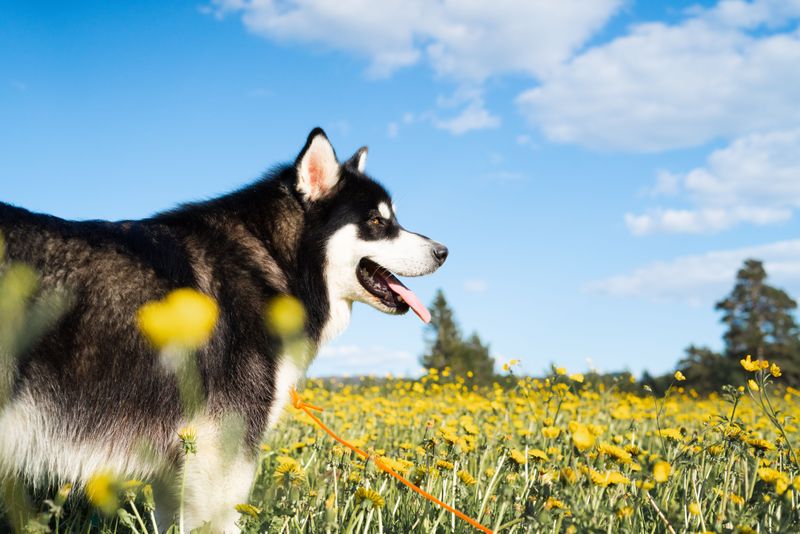
Think freight train in fur. Malamutes are powerful pullers with thick coats that laugh at cold mornings, so they stay ready to roam.
Many will excavate cool dens or test fence corners whenever curiosity strikes.
Choose heavy posts, strong panels, and at least six feet of height, with buried wire laid outward like an apron. Replace climbable crossbars with smooth surfaces.
Daily weight pulls, loaded hikes, and scent games take the edge off and make home base rewarding.
Great Pyrenees – the calm but committed guardian
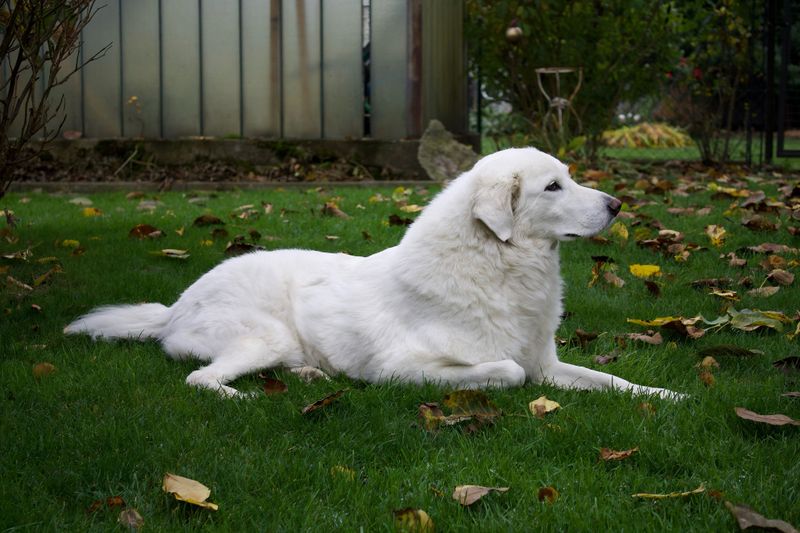
Night shift guardian perfectly describes the Great Pyrenees. Many patrol perimeters and bark at distant threats you cannot see, then stroll right over a low fence to expand the patrol.
Calm faces hide determined minds.
Build a tall, sturdy, six to eight foot fence with dig deterrents and self-closing gates. Shrubs along the inside reduce pacing.
Long evening walks, boundary training, and thoughtful nighttime routines let them do their watchdog job while keeping the property line crystal clear.