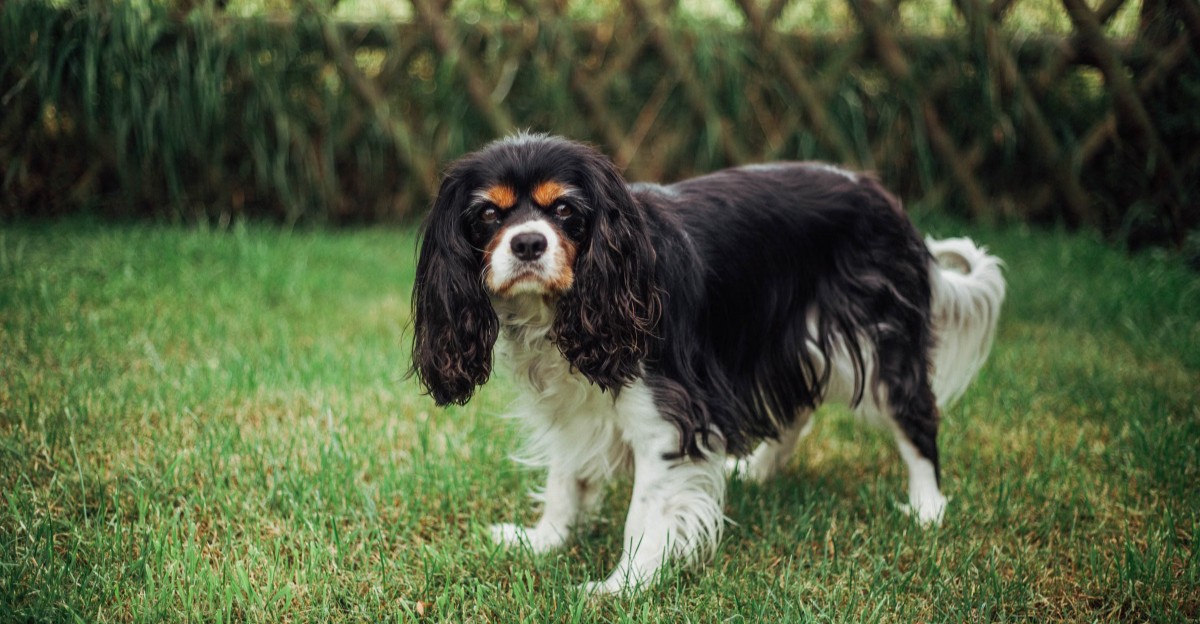
Some dogs love having one favorite person, while others happily share their love with the whole crew. If your home has kids, roommates, or frequent visitors, a breed that spreads affection can make life smoother.
These dogs often relax around many handlers and adjust well to busy households. Meet friendly breeds known for bonding with more than one person.
Labrador Retriever
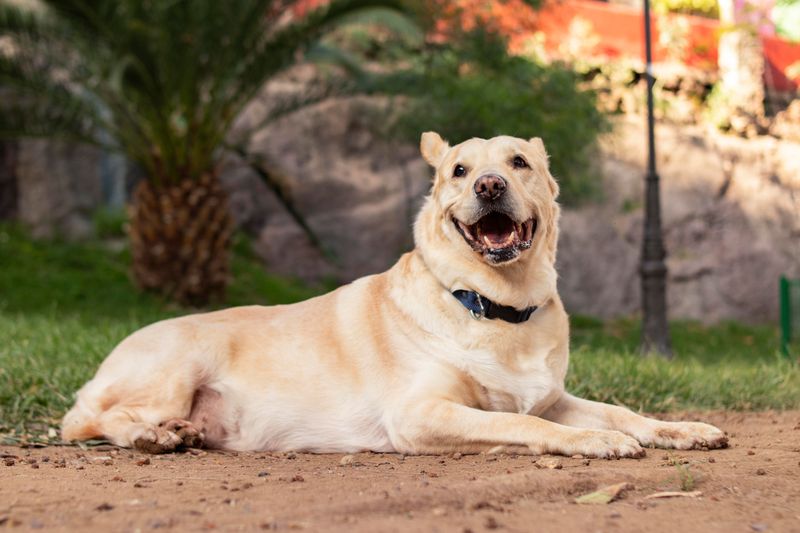
Big smiles and wagging tails greet neighbors, delivery folks, and visiting friends. Labradors often spread their affection around the whole household, not just one person.
Many enjoy greeting strangers calmly after basic training.
Keep them busy with fetch, food puzzles, and regular walks to maintain good manners. Clear rules from every family member help them listen well and feel connected to everyone.
Rotate play partners so the dog bonds with kids, adults, and guests alike.
Golden Retriever
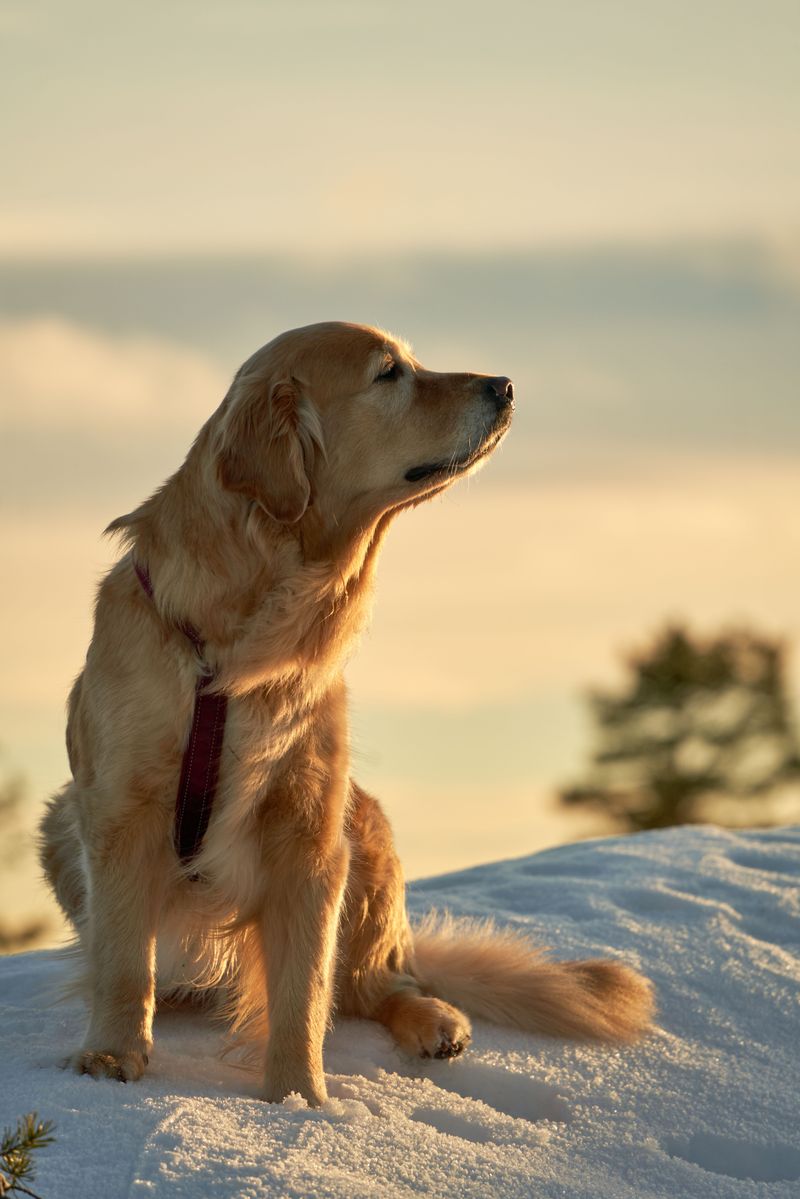
A sunny mood and soft eyes win over almost anyone. Goldens are famous for sharing attention among family members and visitors.
Friendly by nature, they usually feel comfortable meeting new people in many settings.
Daily exercise, brushing, and simple cues like sit or stay keep behavior predictable. Invite different handlers to lead walks or training games so the dog learns to cooperate with more than one person.
Short, positive sessions work best.
Beagle
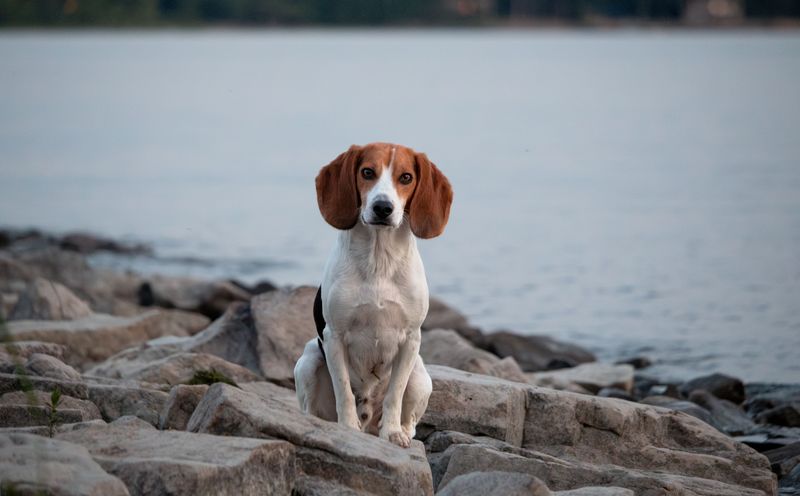
Noses to the ground, hearts open to company. Beagles often enjoy group life, whether in a lively family or a friendly neighborhood.
They can be vocal, but that chattiness usually comes with curiosity, not grumpiness.
Plan sniffy walks, scent games, and chew time to prevent boredom. Rotate who fills the food bowl and who practices recall so attachment spreads around.
A secure yard matters because a good smell can tempt wandering.
Cavalier King Charles Spaniel
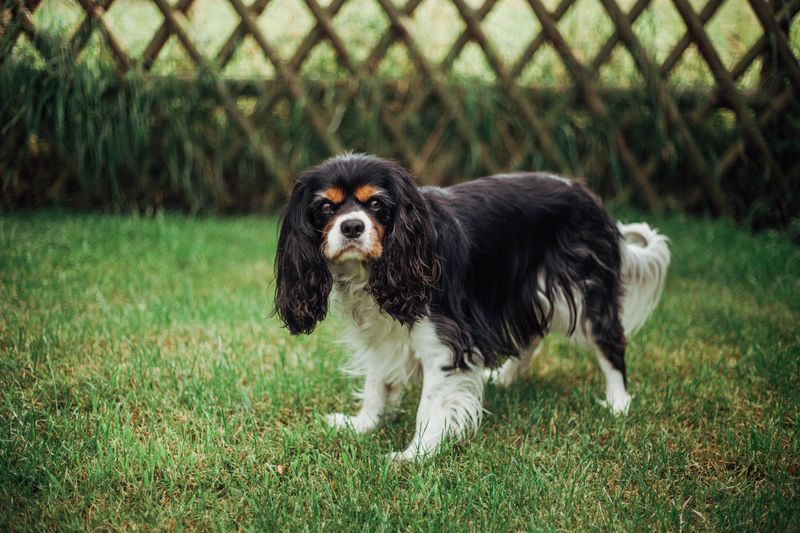
Velvety ears and a gentle sparkle invite cuddles from everyone. Cavaliers usually welcome multiple lap spots and follow people from room to room.
Affectionate temperament helps them relax around guests once introductions are calm.
Short walks, play with soft toys, and regular grooming keep spirits bright. Ask different family members to practice sit, down, and wait so the dog responds to varied voices.
Watch hearts and weight, since comfort eaters need portion control.
Standard Poodle
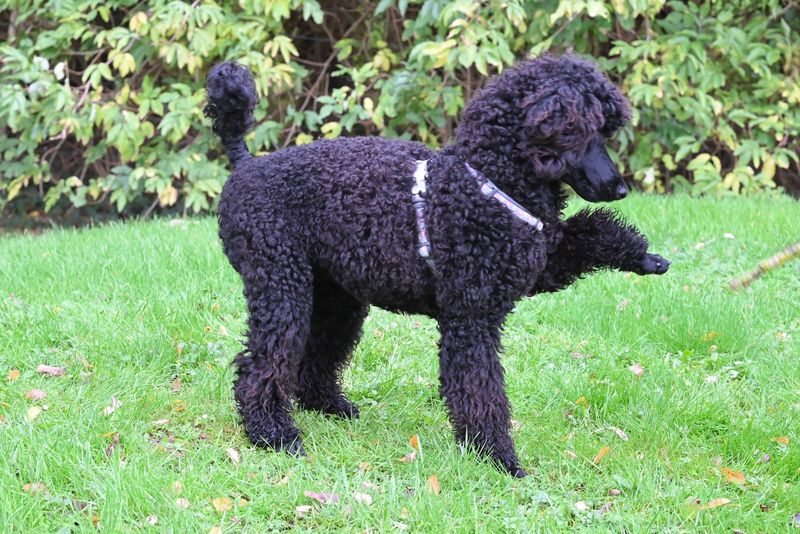
Brains meet bounce in a stylish package. Standard Poodles often bond broadly because they enjoy games, tasks, and people who join the fun.
Many are polite greeters after consistent social practice.
Keep minds busy with trick training, retrieving, and hide-and-seek to share attention across handlers. Their coats need brushing and scheduled clips, which different family members can help with.
A calm hello policy prevents overexcited jumping.
Boxer
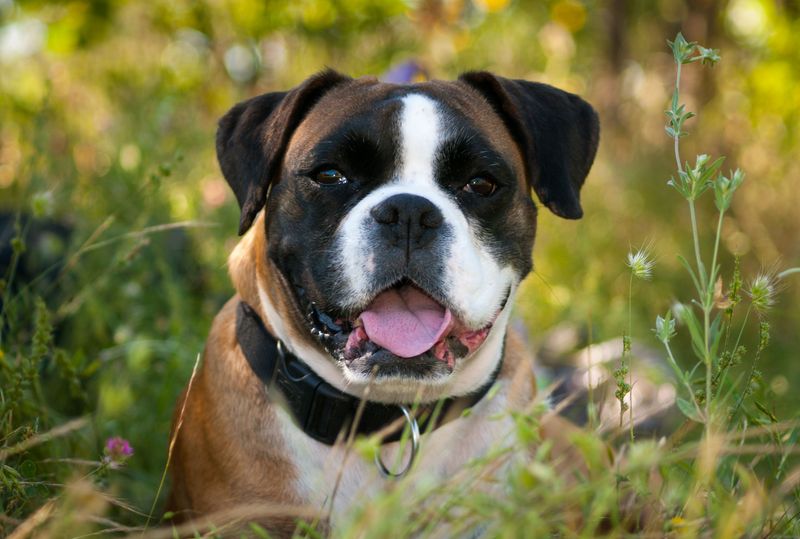
Goofy grins and playful hops make Boxers instant friends. They often adore family gatherings and handle a rotating cast of buddies with patience.
Energy runs high, so greetings improve with training and outlets.
Plan structured play, such as tug rules and fetch breaks, to keep manners steady. Sharing training duties teaches the dog to focus on more than one face.
A comfy crate helps young Boxers settle after excitement.
Havanese
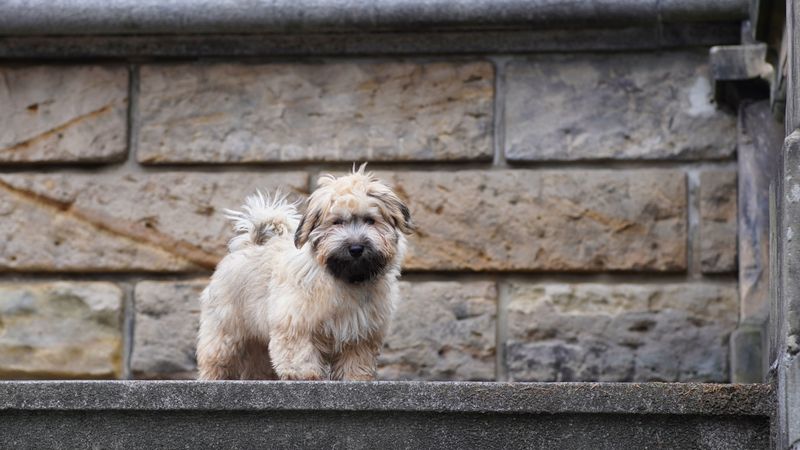
Small body, big social calendar. Havanese typically enjoy being near people, switching laps and following footsteps with cheerful curiosity.
Apartment life suits them, yet they still like meeting neighbors in hallways and parks.
Short training bursts, puzzle toys, and gentle walks let multiple handlers share responsibility. Rotate grooming tasks like combing and eye cleaning to build trust with everyone.
Watch for barking, then reward quiet choices.
Bichon Frise
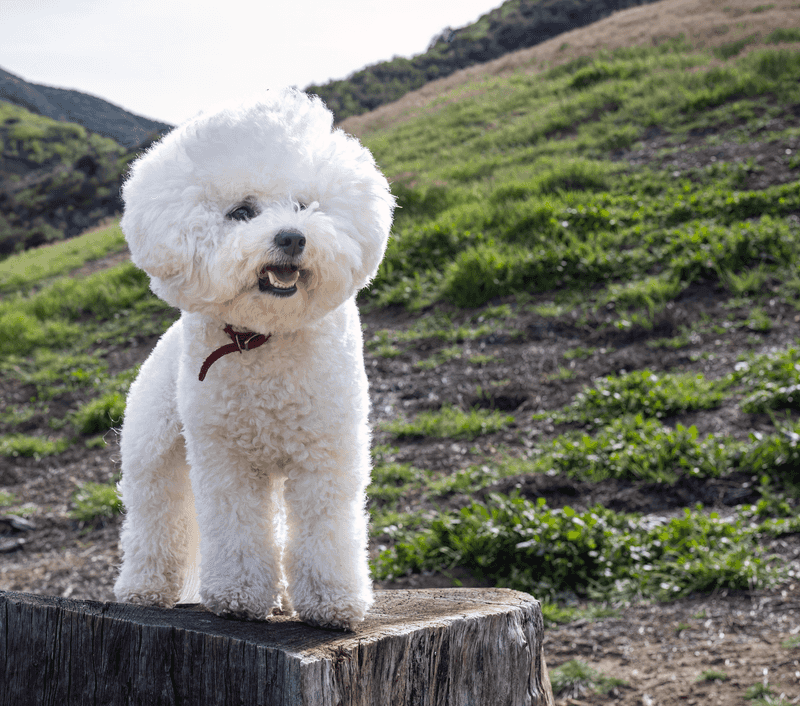
Like a little cloud, the Bichon floats from lap to lap. Many enjoy greeting guests politely, especially when taught calm sits for attention.
They thrive on routines but still welcome new friends.
Daily brushing, short walks, and play sessions keep spirits bright and reduce restlessness. Have different people cue tricks and reward manners so attachment spreads across the group.
Schedule quiet crate time to prevent clinginess.
Cocker Spaniel
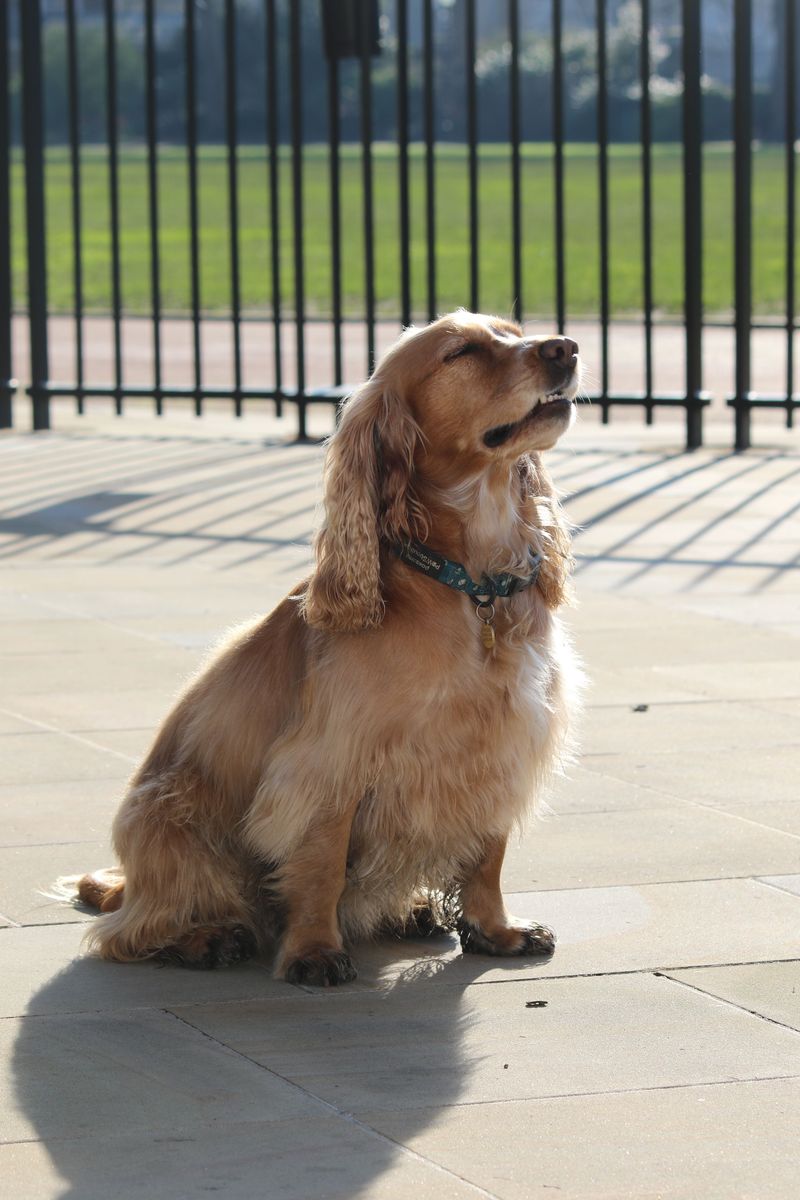
Soft eyes and a waggy body signal a friendly hello. Cockers often enjoy being near several people, especially when everyone offers guidance and games.
Some can be sensitive, so patient voices matter.
Build confidence with nose work, rally-style moves, and easy fetch, then rotate handlers. Weekly grooming is a team project that doubles as bonding time.
Use calm visits to new places to keep social skills fresh.
Australian Shepherd
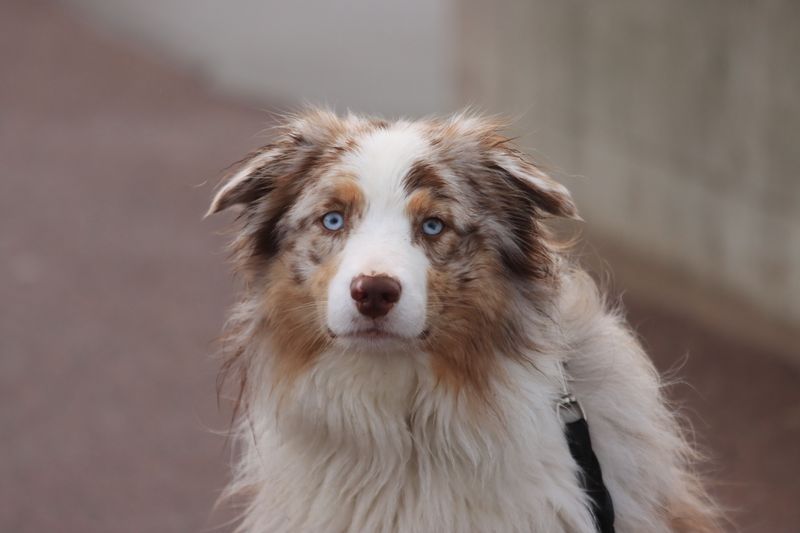
Brains on turbo, heart set on teamwork. Aussies tend to bond with the household while still working well with coaches, walkers, and friends.
Without outlets, energy may create mischief.
Daily jobs like frisbee, agility basics, and farm-style chores can be shared among people. Teach relaxation on a mat, then have different handlers reward calm so focus widens.
Provide clear boundaries around herding feet or bikes.
Newfoundland
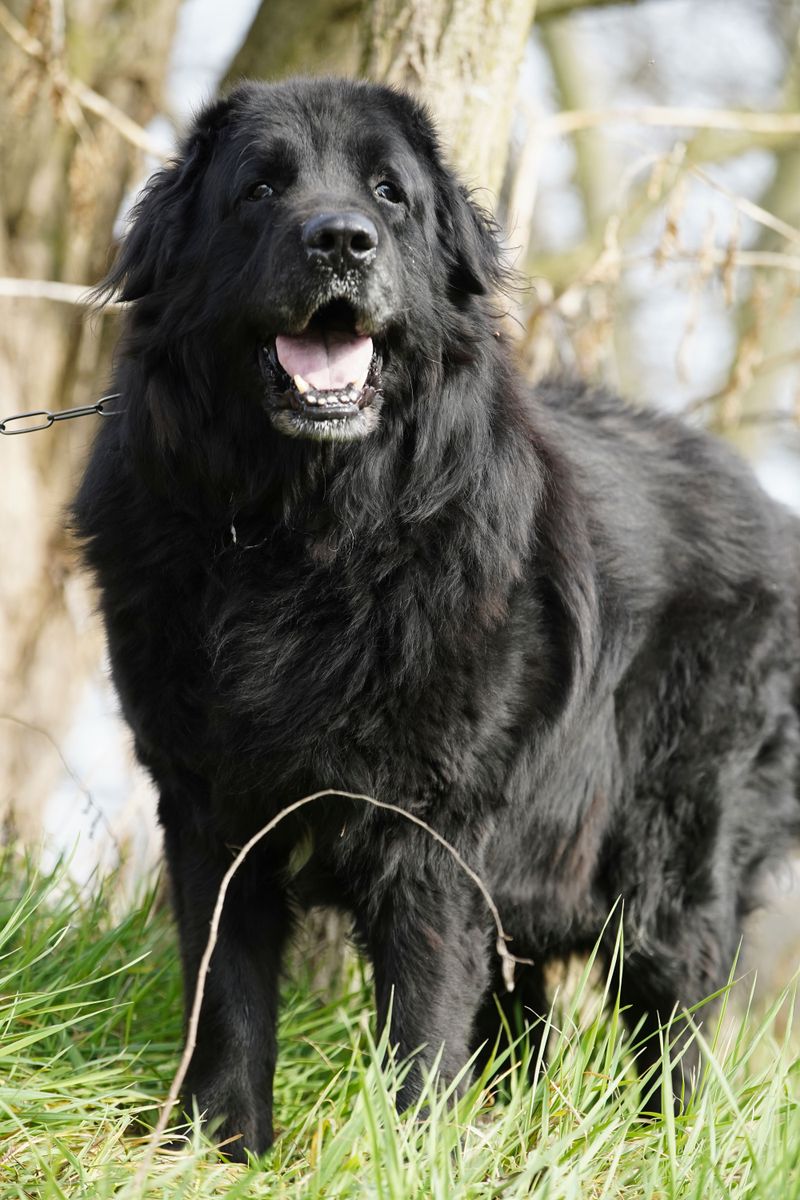
With a heart as big as its paws, the Newfoundland is every visitor’s gentle lifeguard. Many enjoy calm attention from multiple people and remain steady during busy days.
Size can be surprising, yet manners are typically soft after training.
Plan slow walks, swimming where safe, and short training sessions to protect joints. Family members can share grooming, especially drying after water play.
Teach polite greetings so giant hugs stay controlled.