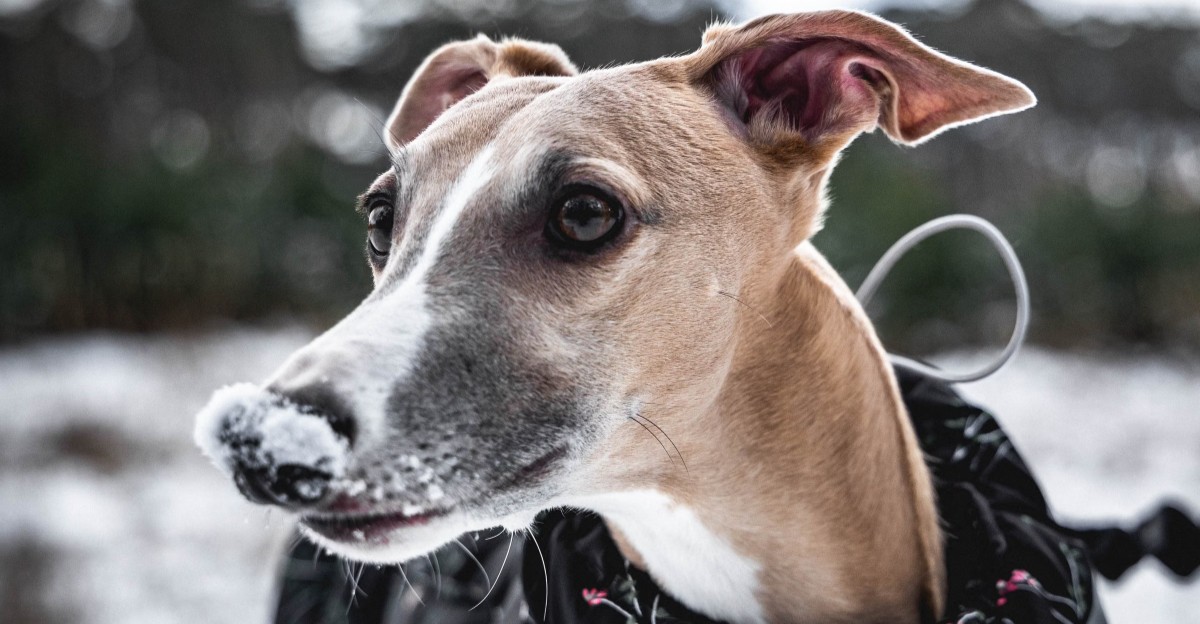
Dogs talk without words, and some breeds are especially good at it. Small gestures, like a soft blink or a gentle lean, can tell you a lot about what they need.
Learning these signals can make life easier and your bond stronger. Get ready to notice the quiet messages your dog may already be sending.
Border Collie
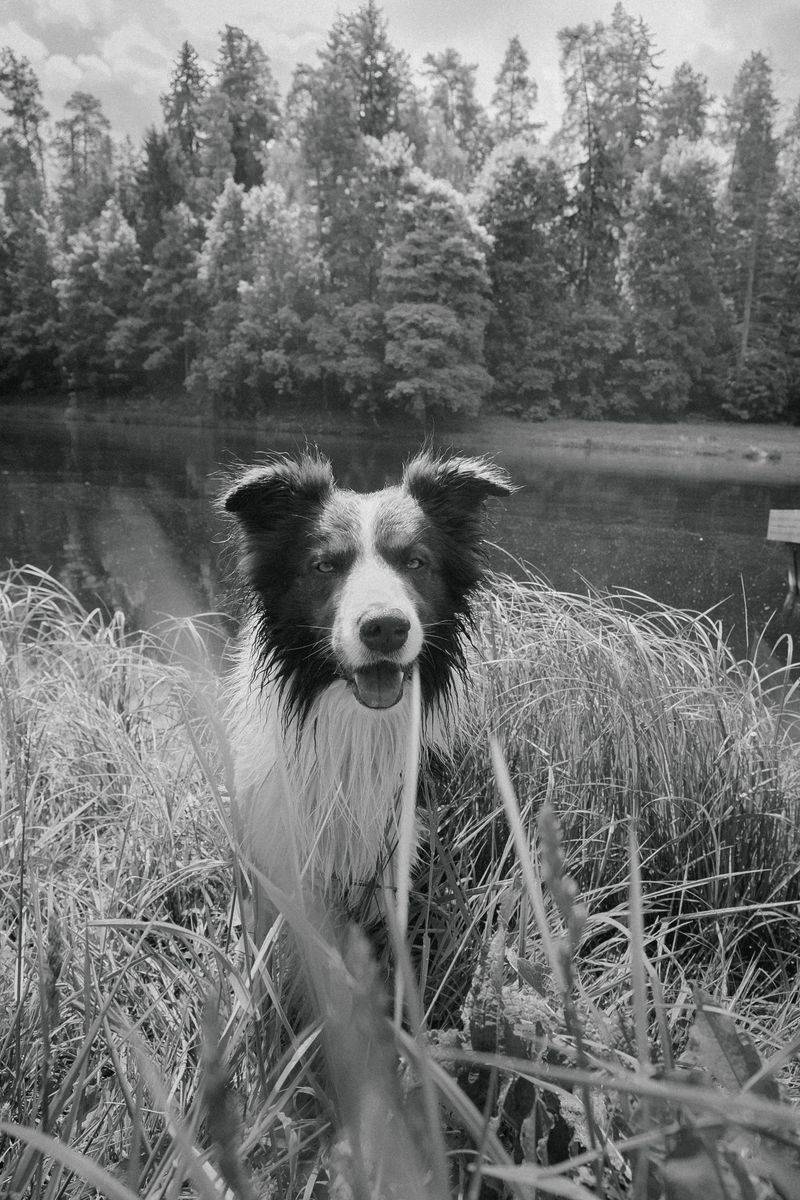
Watch a Border Collie pause and stare, then glance at a toy or gate. That stillness is a quiet plan forming.
Eye contact, a crouch, and a low tail often mean, please follow me, I have a job for us.
Offer a task, like finding a ball or practicing a short recall. Short, clear hand signals work wonders.
Fun fact: many Collies use a soft nose target on your leg to steer you where they want.
Shiba Inu
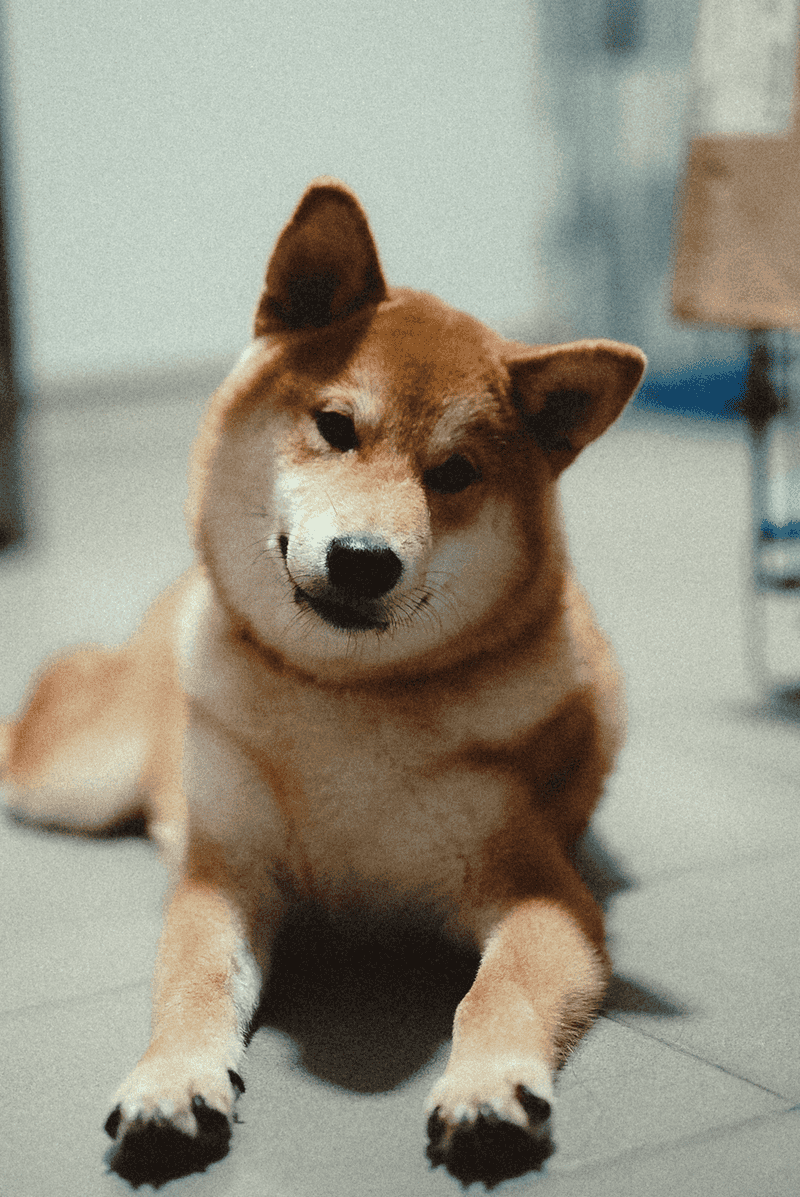
A Shiba might act like a tiny fox that whispers with glances. A sideways look at the door, a slow tail flick, and a quiet huff can hint at boredom or a bathroom break.
They often prefer space, so polite distance signals trust.
Respond by kneeling sideways, not head-on. Offer choices, like two toys in open palms.
History note: their alert nature comes from hunting roots, so their small signals are finely tuned.
Basenji
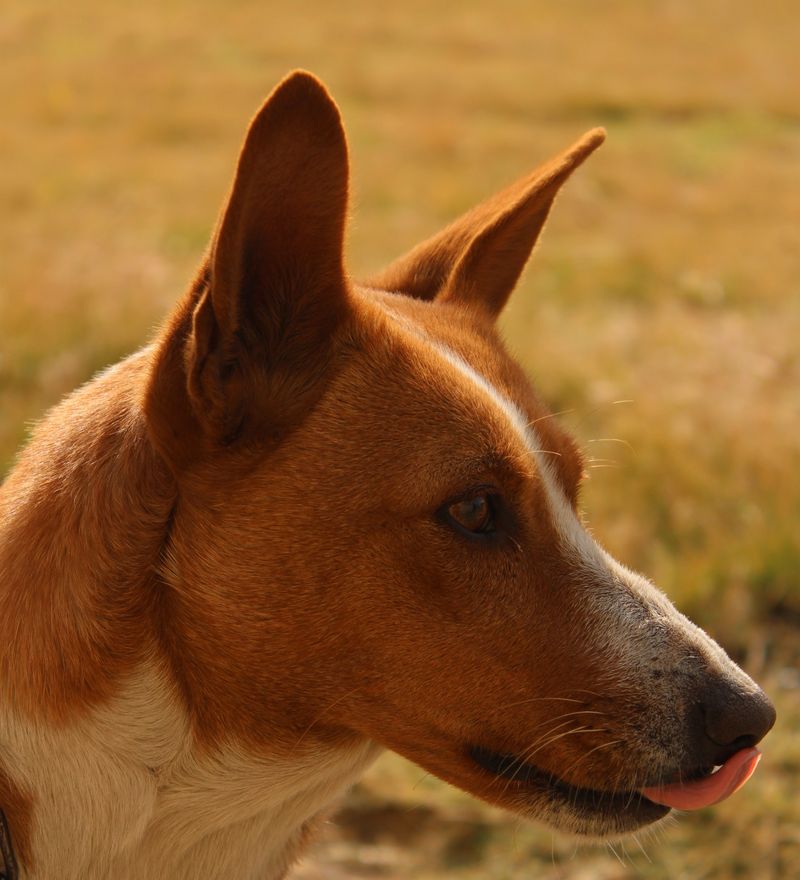
Known as the barkless dog, a Basenji speaks in silence. A tight mouth, lifted paw, and brief eye dart to a treat jar can be louder than a bark.
Gentle chuffs and yodels come later, but the first clues are tiny.
Mirror their calm. Use soft blinks and slow movements to show you are listening.
Offer short scent games to satisfy curiosity and watch that curled tail relax as they feel understood.
Greyhound
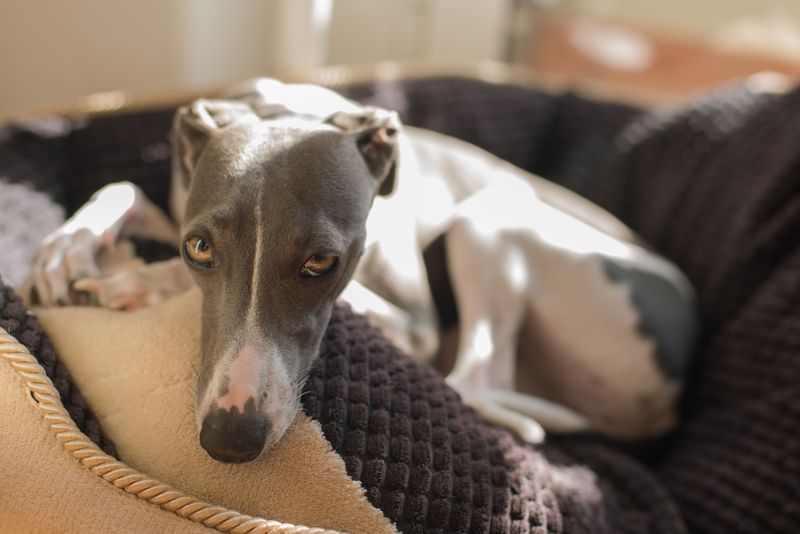
Like a whisper in motion, a Greyhound leans to say I am with you. A gentle sigh, softened eyes, and a tucked tail after loud noises can signal stress.
Even their stretch routines can ask for a calm walk.
Answer with low-key comfort. Sit nearby and speak softly.
Offer a padded bed in a peaceful corner, and use short, easy strolls to rebuild confidence after startling events.
Akita
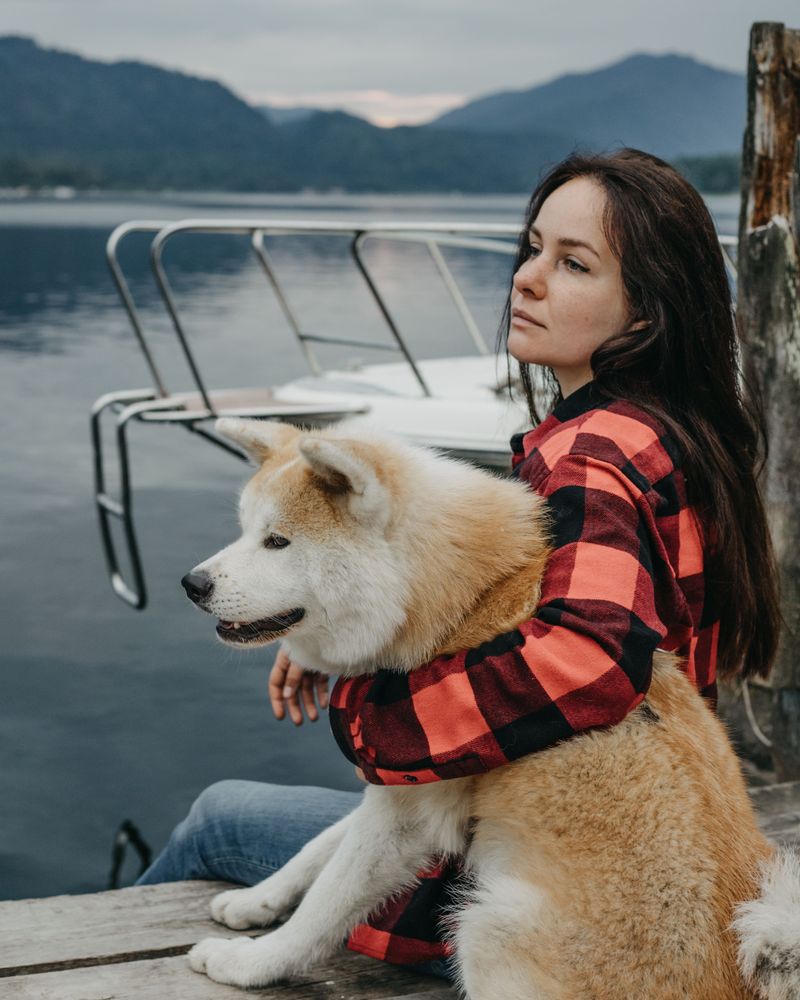
Dignity shows in quiet posture. An Akita often communicates with a still stance, a held breath, and a measured look.
That composed body can mean respect, curiosity, or a boundary. A slight head turn away often says, I prefer space now.
Respect the pause. Step back, soften your shoulders, and invite with an open palm.
When trust grows, you may feel a brief muzzle nudge that says okay, I am ready again.
Australian Shepherd
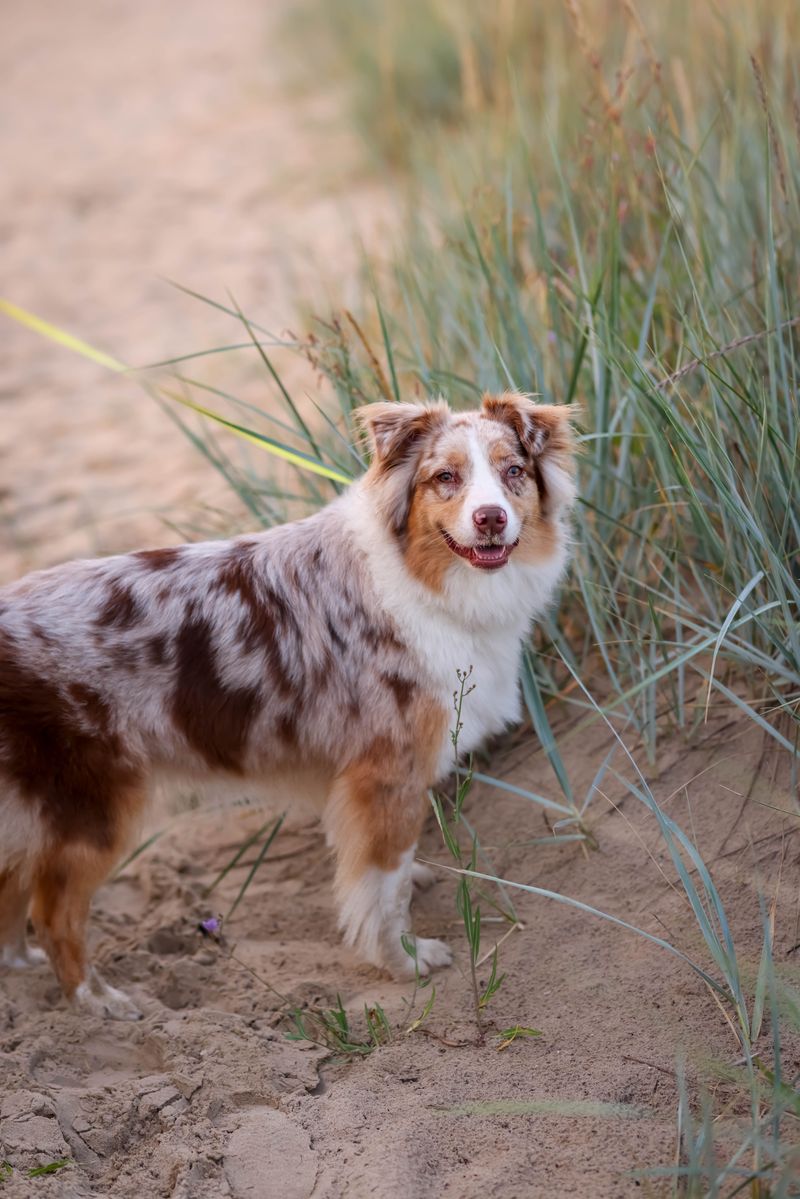
Energy meets intention with Aussies. A quick arc around your legs, a glance back, and a soft boof can mean let’s organize this situation.
They often nudge calves, kids, or even grocery carts to keep order.
Guide the talent with short jobs. Try figure-eight heeling, target mats, or holding positions while you move.
Clear hand signals and cheerful praise help channel those quiet managerial habits into fun teamwork.
Shetland Sheepdog
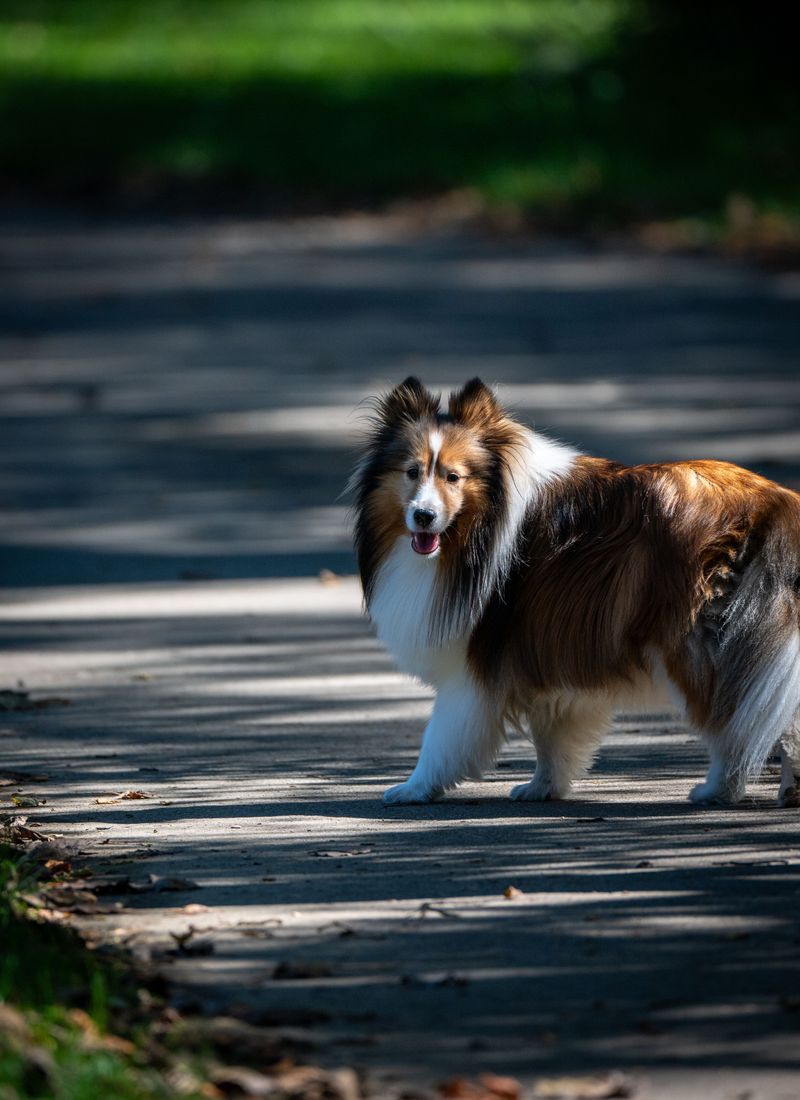
Like a tiny town crier, a Sheltie blends soft yips with delicate gestures. A paw tap on your ankle, a prancing step, and a quick look to the gate can signal time to check the yard.
The coat flutters, but the message stays polite.
Answer with structure. Ask for a sit, show a hand target, then reward.
Short, predictable routines help them feel useful and heard without constant noise.
Doberman Pinscher
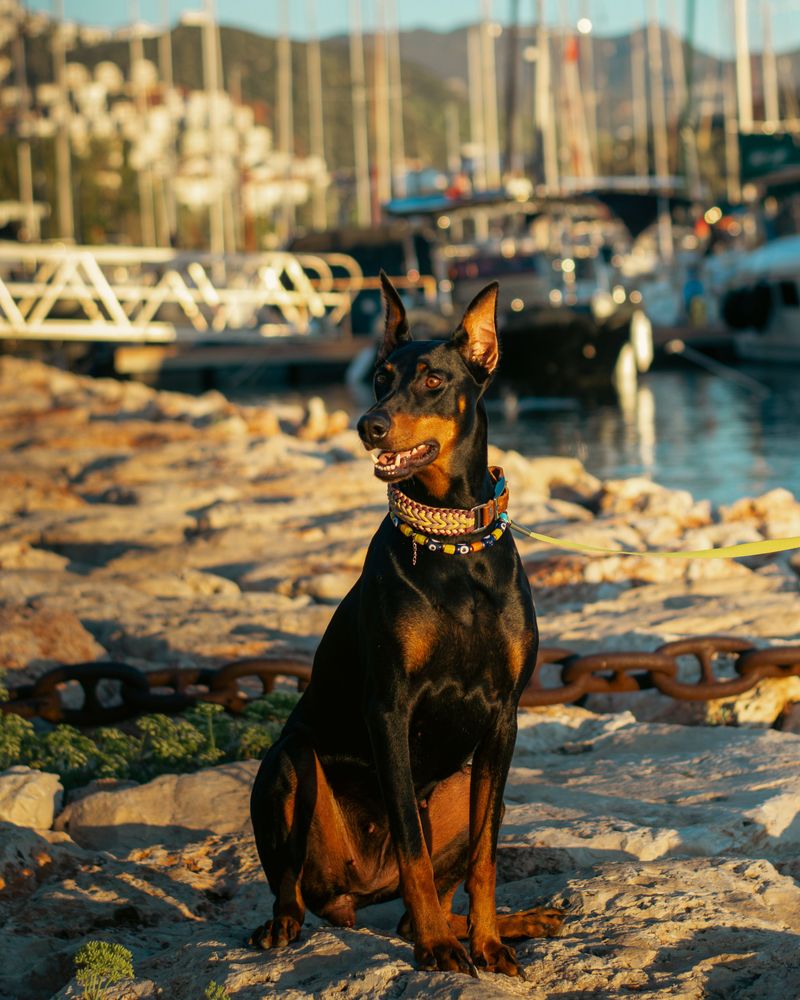
Shadowing is their quiet language. A Doberman that positions between you and strangers, or gently blocks with a hip, is saying I am watching over us.
A soft forehead wrinkle and still tail can mark concern rather than threat.
Reward calm guardianship. Thank them with a chin scratch and move away smoothly.
Practice place commands so they can settle, yet still feel they are doing their job.
Vizsla
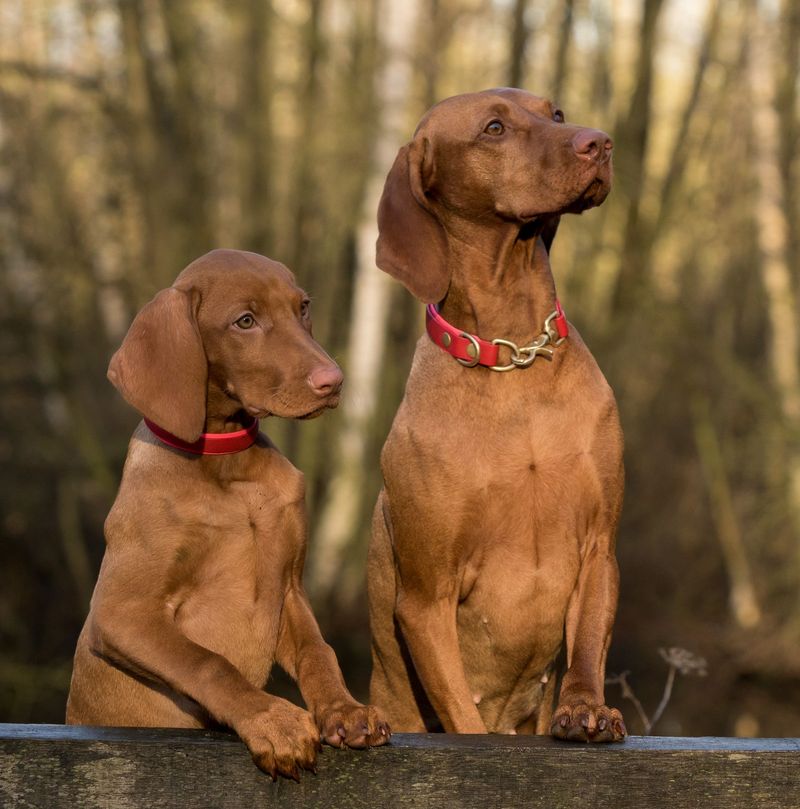
Affection wrapped in signals. A Vizsla often presses close, rests a chin on your arm, or offers a quiet paw to say I need connection.
A small whine may follow, but the first message is touch.
Respond with brief, focused attention. Try a minute of calm petting, then a quick sniff-and-find game to reset energy.
Did you know their nickname is Velcro dog because they love staying near their person?
Whippet
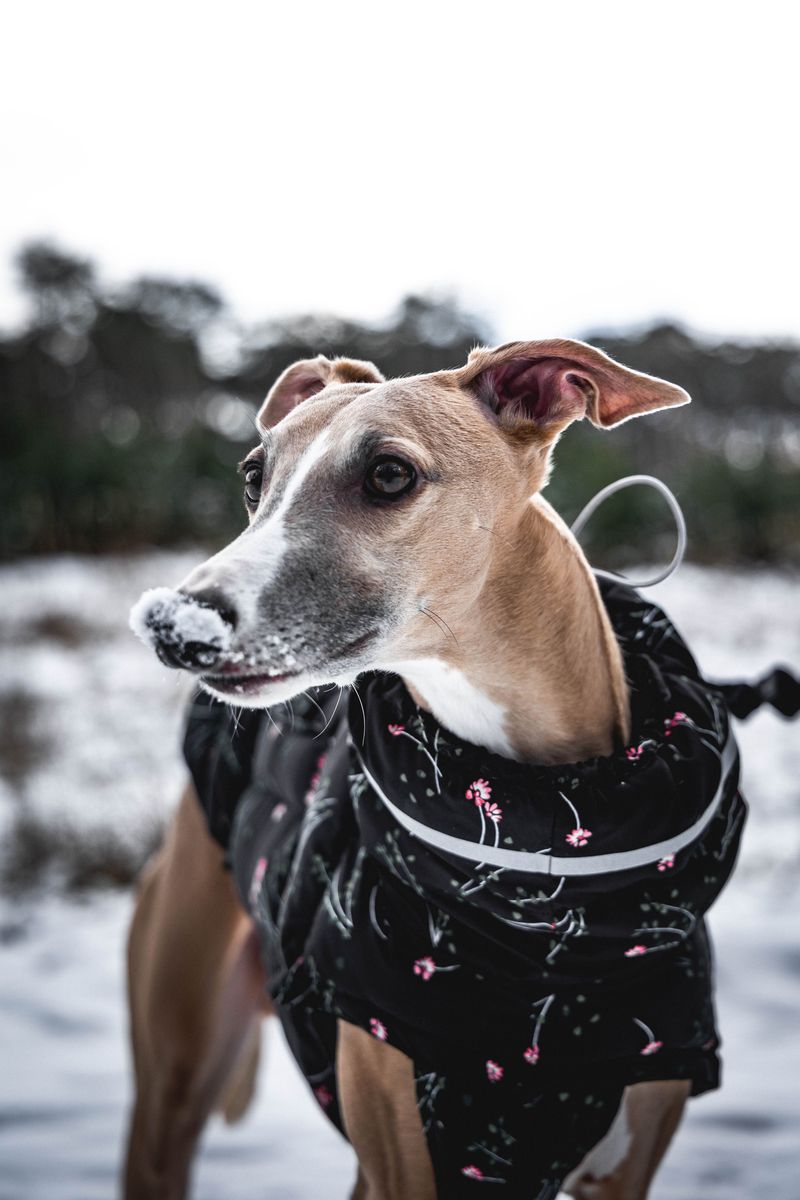
Quiet chills and quick thrills describe Whippets. A tiny ear twitch toward the hallway, a stretch that ends facing the door, and a fluttery tail tip can mean I am ready to sprint.
They conserve words and movement until it matters.
Keep it simple. Offer short, fast play bursts, then cozy rest.
Use soft blankets and a warm spot to invite calm after zoomies, and watch their breathing slow happily.
Pembroke Welsh Corgi
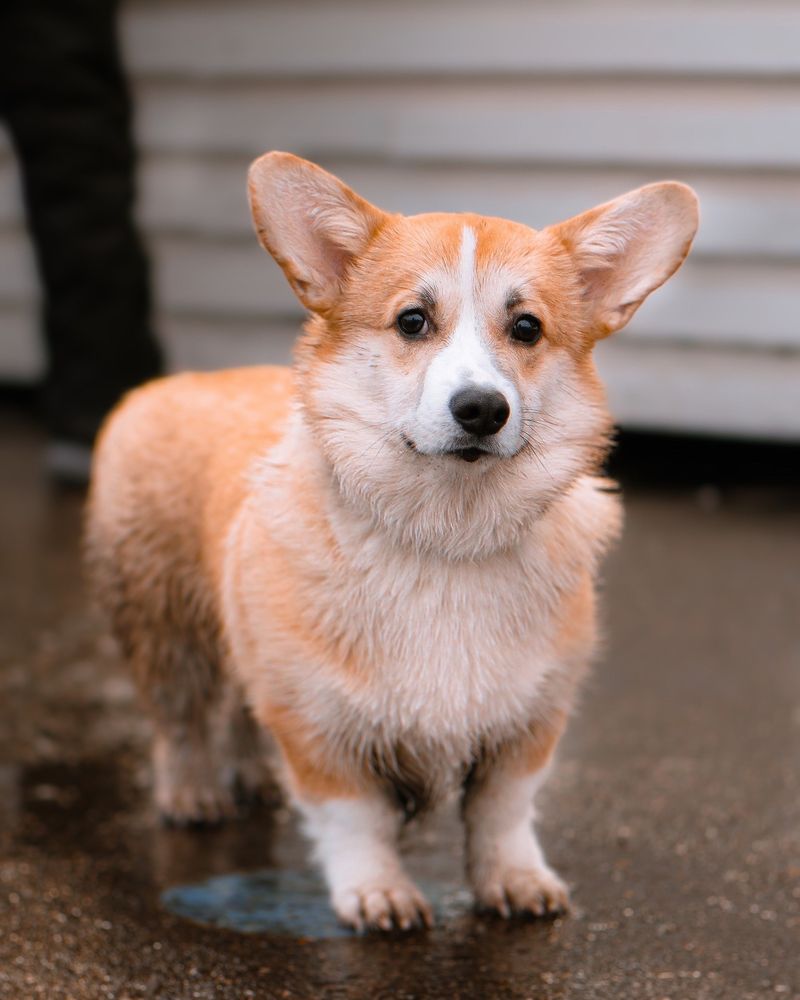
Short legs, big hints. A Corgi might guide you with a light bump, park itself where you need to go, or stare at the fridge with comic focus.
The wiggle-nub tail and perked ears add exclamation points.
Give small jobs. Ask for a spin, a tidy-up of toys, or a wait at doors.
Clear cues turn their clever nudges into helpful routines that make daily life smoother.
Standard Poodle
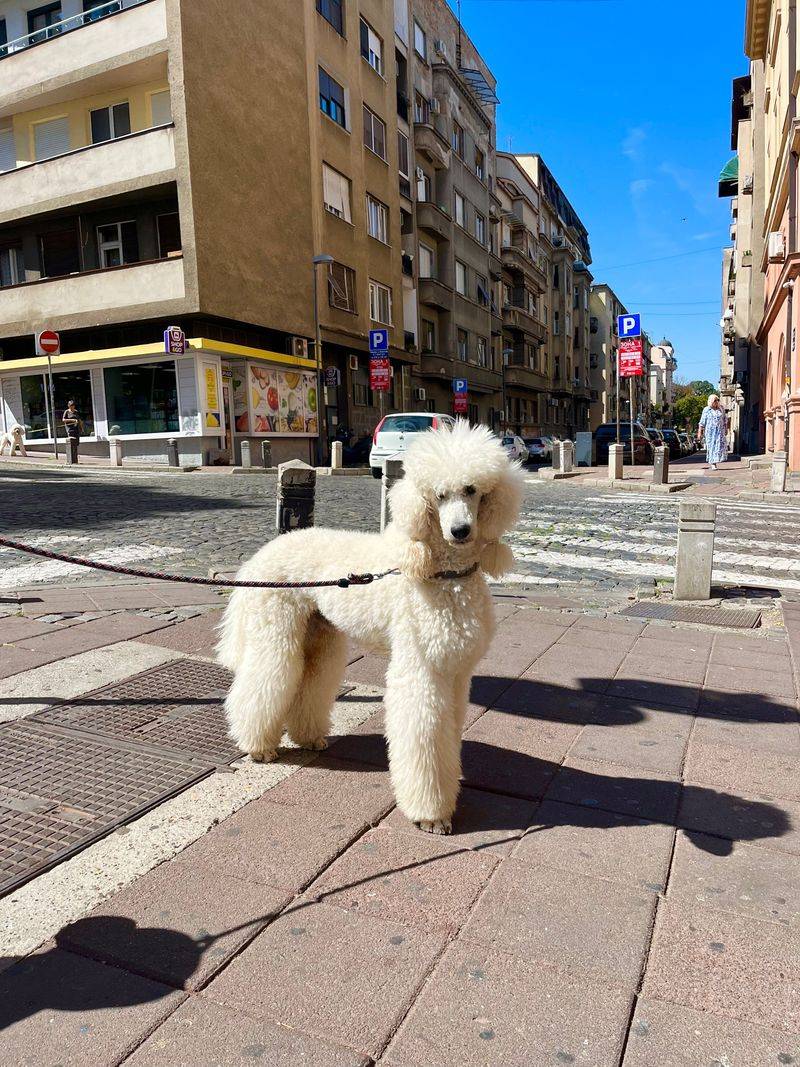
Grace meets grammar in body language. A Poodle often offers behaviors like a sit or bow to ask politely for play or guidance.
A delicate head tilt paired with soft eyes can signal questions without a sound.
Teach a clear yes marker and hand targets. Reward thoughtful choices to grow their quiet conversation style.
History tidbit: their clip comes from old water work, which trained them to watch humans closely for signals.