
Big heads and broad chests can make American Bulldogs look tough at first glance. But a closer look shows a loyal, hard working dog with a goofy side.
Learning a few key facts can change how you see them and how they fit into daily life. Give them a fair chance before deciding what that face means.
Muscles do not equal meanness
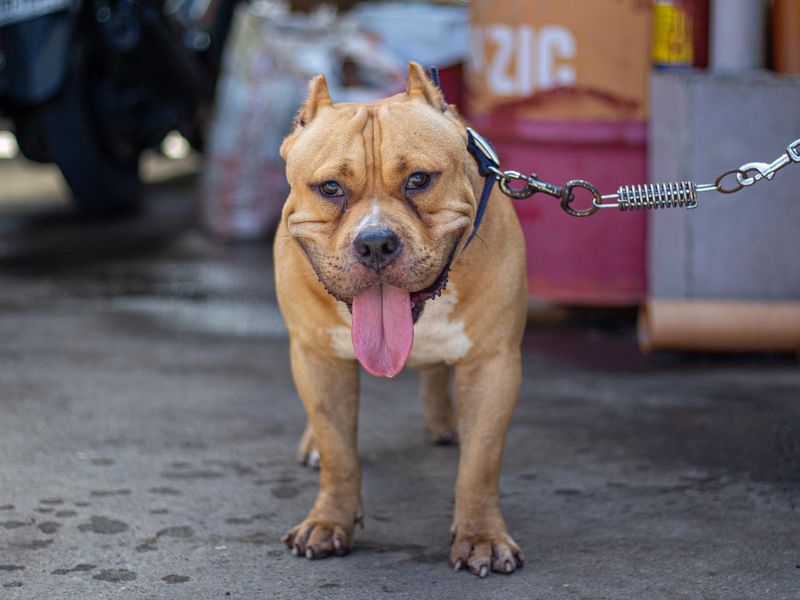
Big muscles can fool your eyes. Many American Bulldogs are people focused, cuddly, and eager to hang out on the couch after a walk.
Their serious look often hides a clown who loves belly rubs and goofy play.
Pay attention to body language, not just the blocky head. Loose wagging tails, soft eyes, and wiggly hips tell the real story.
Meet individuals and let their behavior, not their build, guide your opinion.
Farmhand roots shape behavior
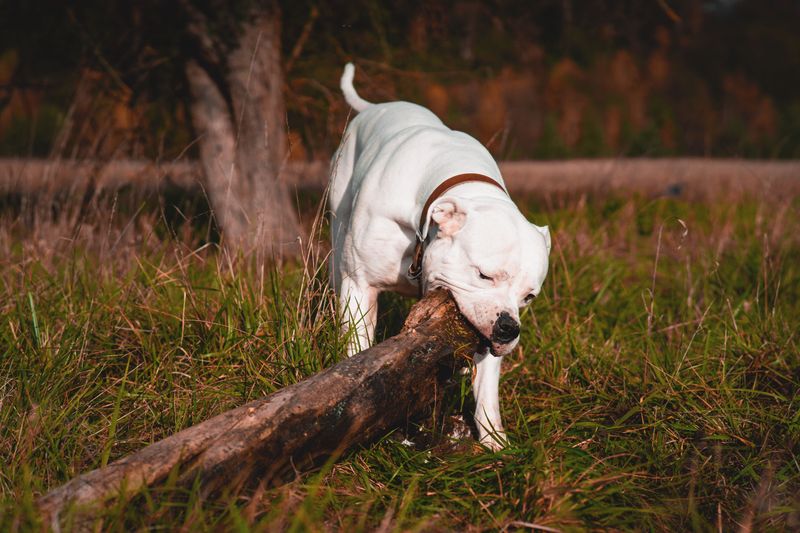
Once upon a time, this breed helped farmers move livestock, guard homesteads, and handle tough chores. That background created a sturdy worker with grit, quick problem solving, and strong loyalty to family.
Modern life still benefits from those traits. Give structured jobs like fetch, scent games, or basic chores such as carrying a pack on walks.
Purpose channels energy into good habits and builds a confident, happy companion.
Brains with brawn
Strength shows first, but smarts make training fun. Many American Bulldogs learn cues quickly when lessons stay short, upbeat, and consistent.
A clicker, tiny treats, and a cheerful voice can turn practice into a game.
Teach basics like sit, down, and stay, then add tricks to keep the mind busy. Problem solving toys and scent puzzles keep that clever brain satisfied.
An engaged dog is a well behaved dog.
Daily exercise keeps peace
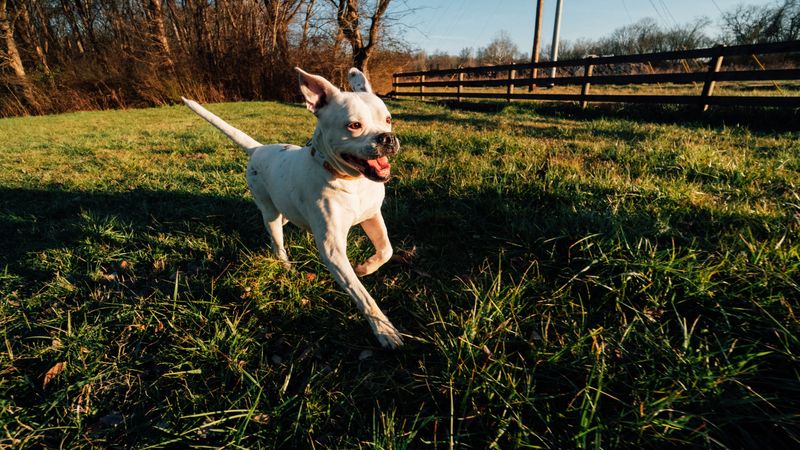
Like a friend who gets cranky without breakfast, this dog can get rowdy without movement. A mix of brisk walks, play sessions, and short training bursts helps release steam and build good manners.
Think 60 to 90 minutes spread through the day, adjusted to age and health. Rotate activities to prevent boredom.
When needs are met, furniture survives, minds relax, and naps come easier for everyone at home.
Early social time matters
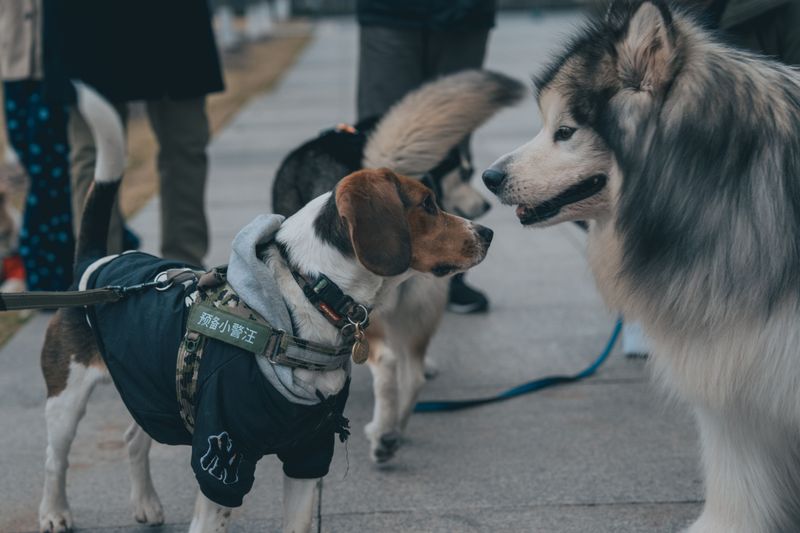
Puppies that meet kind people, calm dogs, and new places learn confidence. Controlled introductions teach polite greetings and reduce pushy jumping.
Good habits built early often last a lifetime.
Pick a reward based class that welcomes bully breeds. Keep sessions short and cheerful.
If your dog feels unsure, create space and let them watch. Progress grows when you pair new sights and sounds with treats, toys, and praise.
Strong body needs manners
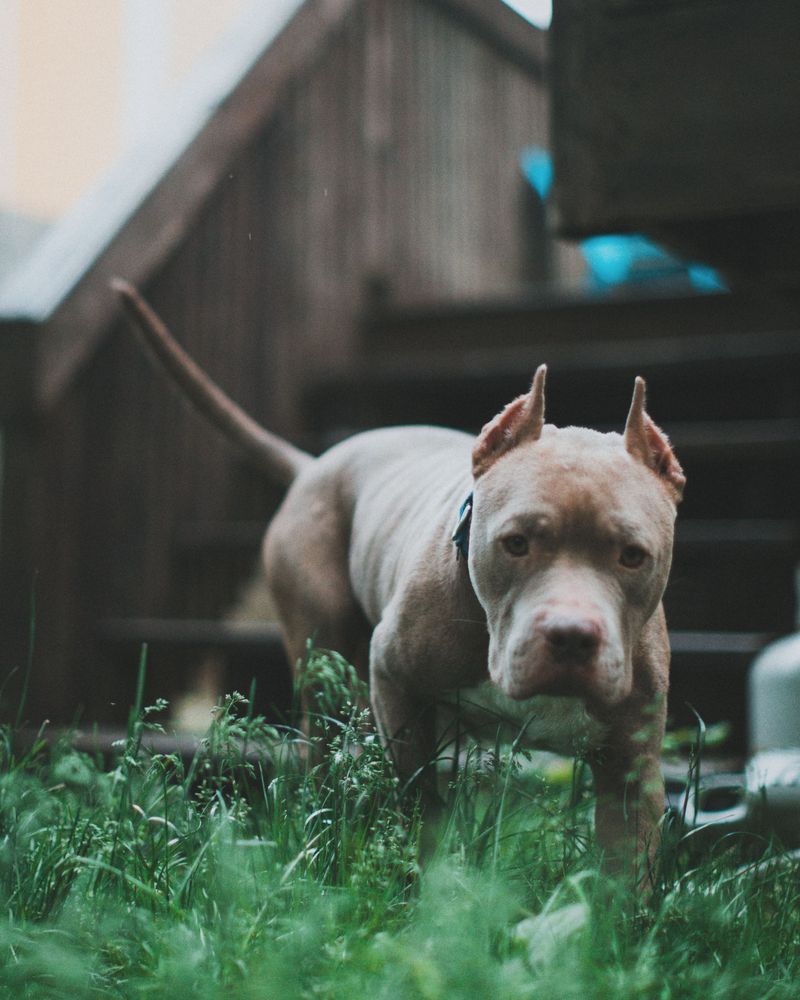
Powerful shoulders can pull like a tractor. Leash manners protect your arm and your dog’s joints.
A front clip harness or head halter, paired with tasty rewards, turns tugging into teamwork.
Practice in quiet areas first, then add distractions slowly. Reward for checking in and walking by your side.
Consistency beats force. When a strong dog learns self control, outings feel smoother, safer, and a lot more fun.
Health checks save heartbreak
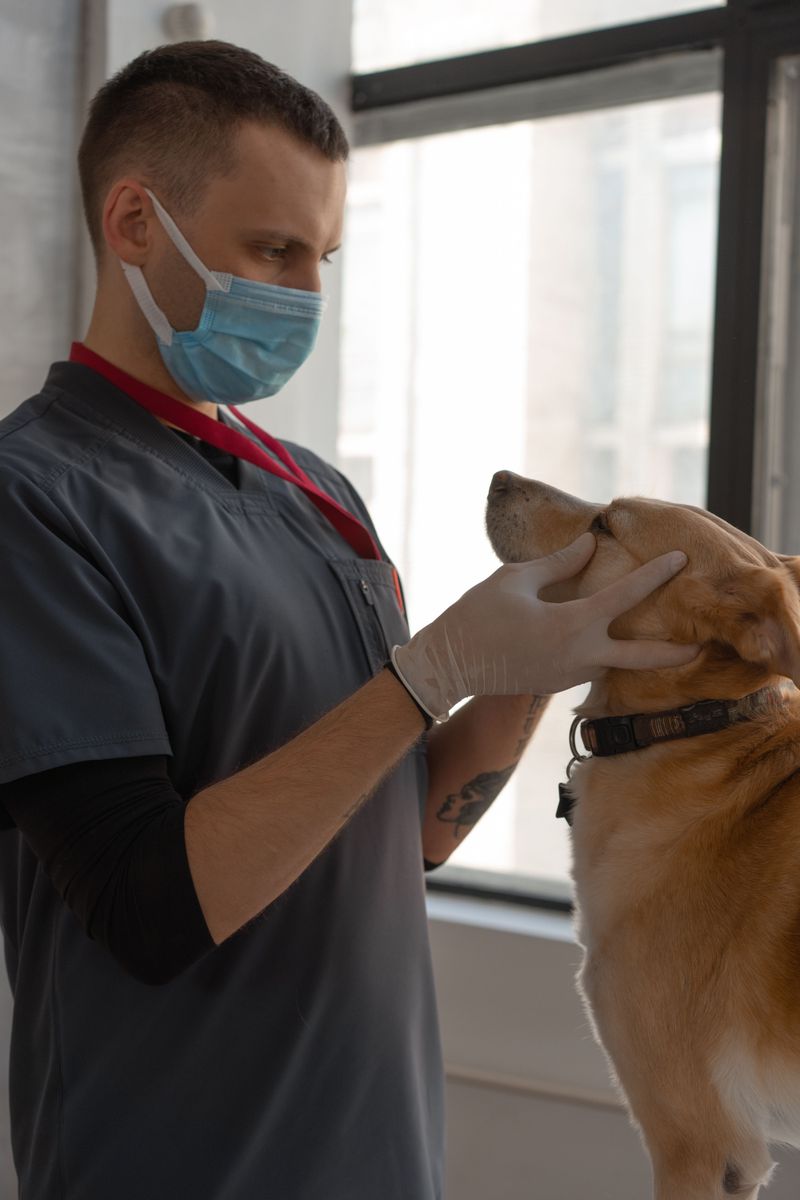
Big breeds can face hip dysplasia, torn knee ligaments, entropion, skin allergies, and thyroid troubles. Regular vet visits, good weight, and smart exercise help lower risks.
Ask about joint supplements and baseline bloodwork.
Responsible breeders screen hips, elbows, and eyes. White coated dogs may need hearing checks.
Catching small issues early prevents bigger problems later. Keep records, follow treatment plans, and celebrate every clean report with an extra ear scratch.
Heat and sun hit hard
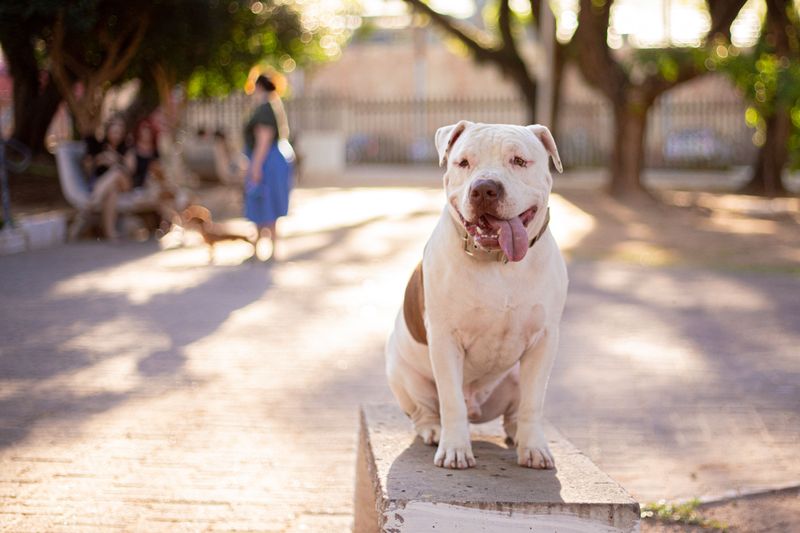
Short coats do not equal invincibility. Warm days can drain energy fast.
Heavy panting, drooling, or slowing down signal a need for shade and water right away. Hot pavement also burns paws.
Walk early or late, use cooling vests, and take water everywhere. On bright days, seek trees and avoid long runs.
In winter, a light jacket helps some dogs stay comfortable. Safe choices keep adventures enjoyable.
Snorts, drool, and snores
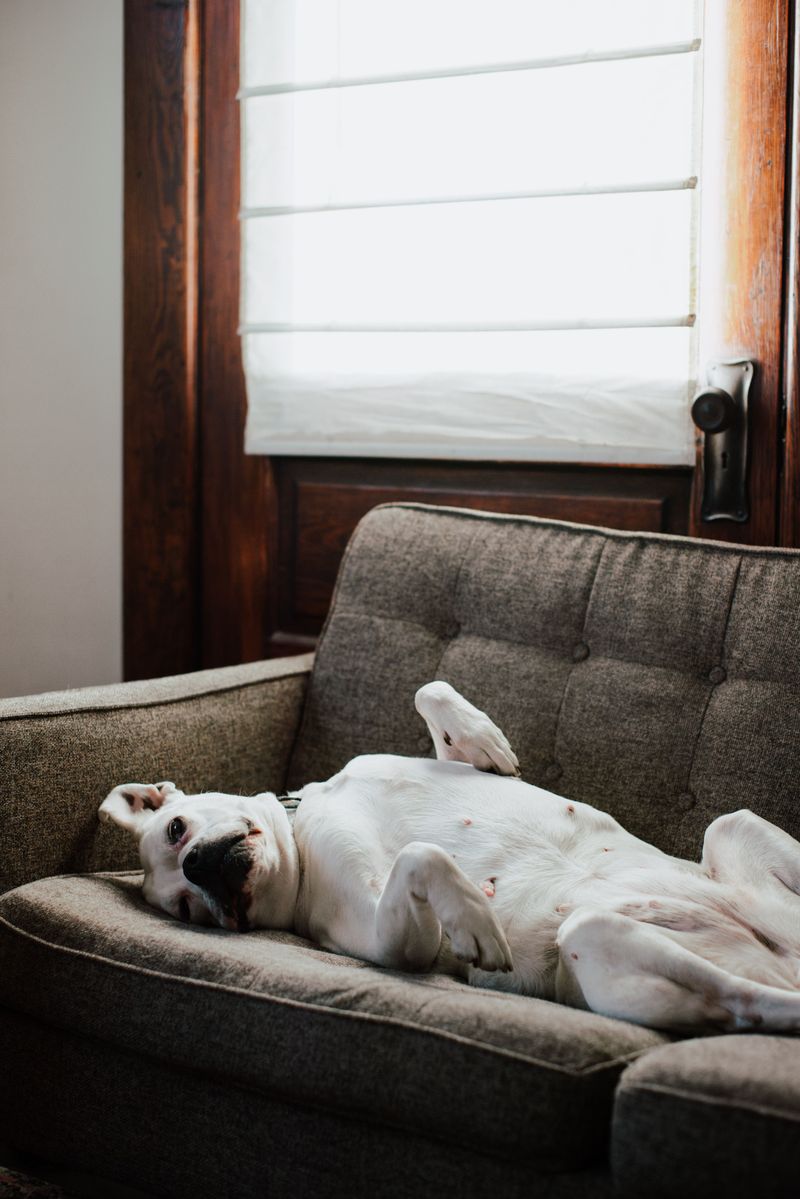
Life with jowls brings funny sounds and the occasional slobber string. Many owners keep a small towel by the water bowl and a washable mat under it.
Nighttime snoring can be loud but usually harmless.
Check with a vet if breathing seems strained or noisy during normal play. Keep weight in a healthy range and avoid smoke or heavy scents.
With small routines, home stays fresh and restful for everyone.
Family time can be golden
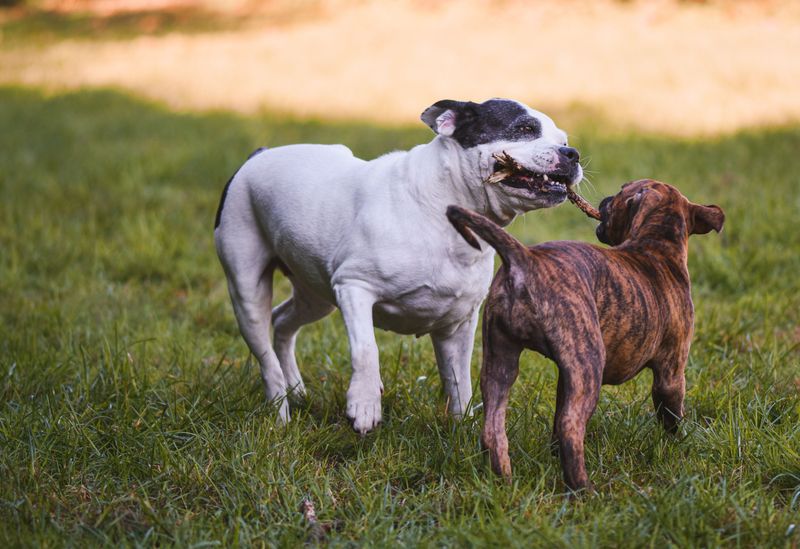
Plenty of families enjoy a calm, sturdy buddy who loves games and naps near the action. Clear rules and adult supervision make play safe and fun.
Teach kids to trade toys, pet softly, and give space during meals.
Short training sessions help the dog understand household routines. Reward quiet choices and relaxed body language.
When everyone learns together, bonds get strong and mistakes stay small.
Meeting other dogs the right way
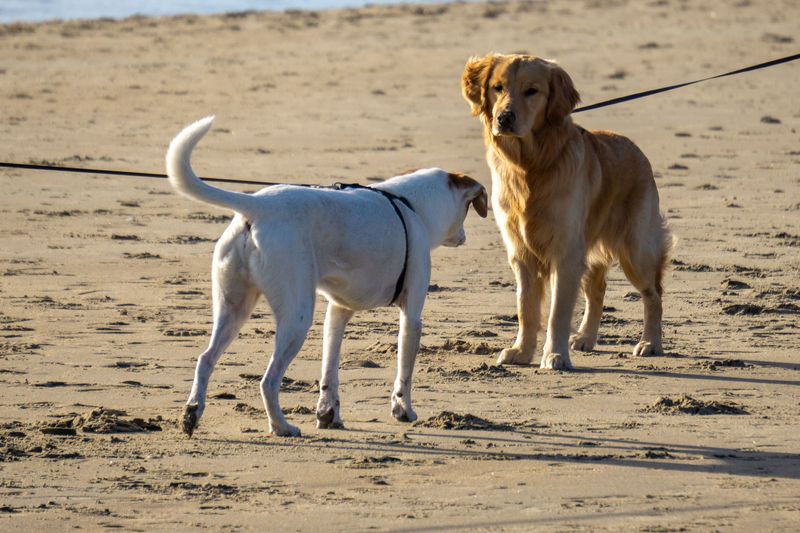
Not every dog enjoys a face to face hello. Parallel walks keep pressure low and let sniffing happen at a safe distance.
Watch for curved approaches, soft eyes, and wagging hips before getting closer.
Skip crowded dog parks if your pup dislikes rough play. One on one playdates with a well matched friend work better.
Keep sessions short, share water, and leave while the mood is still good.
Apartment life can still fit
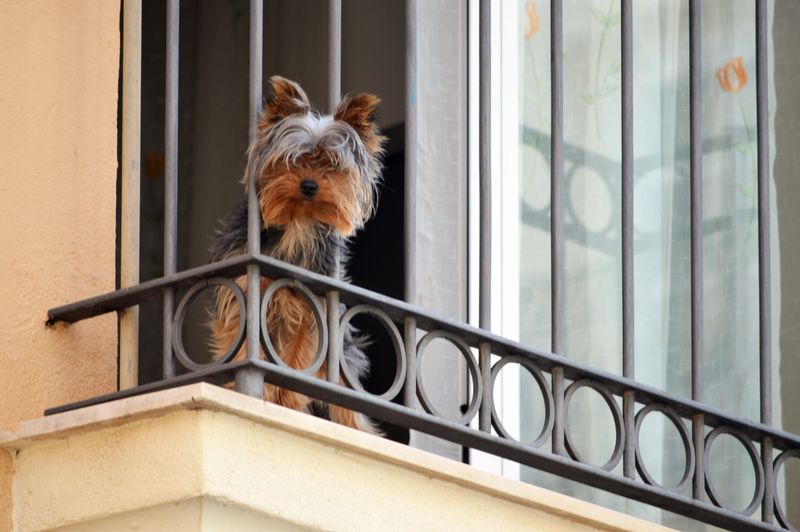
You do not need a ranch to meet needs. A reliable routine of walks, training, and brain games can satisfy energy even in a small space.
Elevators and hallways become practice zones for polite behavior.
Noise training helps with city sounds. Puzzle feeders, snuffle mats, and short tug sessions keep minds busy.
With planning and patience, apartment living stays friendly for neighbors and comfortable for your dog.
Grooming is simple, not zero
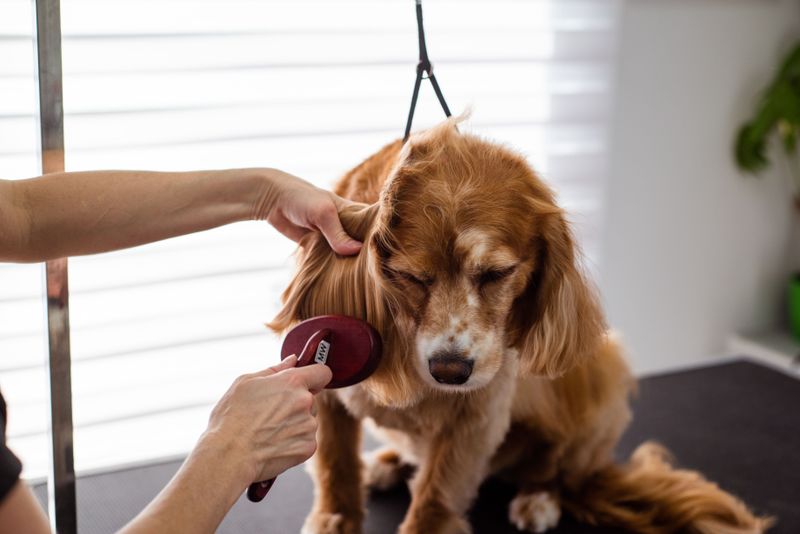
Short coats still shed. A weekly brush loosens dead hair and spreads natural oils for shine.
Wipe wrinkles and keep ears clean to prevent irritation. Nail trims protect joints and floors.
Baths stay occasional unless mud parties happen. Choose gentle shampoo and rinse well.
Make grooming a treat filled ritual, not a chore. Quick, regular care keeps skin healthy and the home cleaner with very little fuss.
Food choices shape the frame
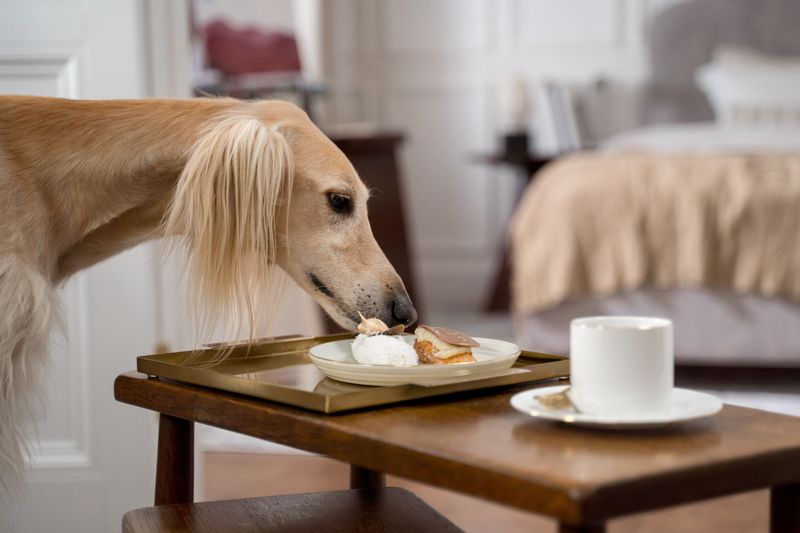
Strong bodies thrive on balanced meals and measured portions. Extra weight stresses hips and knees, so use a scale or measuring cup.
Slow feeders help with gulping and can reduce tummy upset.
Ask your vet about calorie needs, especially for puppies and seniors. Rotate safe chews and add crunchy veggies for low calorie fun.
A smart plan builds muscle, protects joints, and keeps energy steady all day.
Labels and laws are unfair

Some housing, parks, and insurers judge by looks instead of behavior. Families may face bans or higher fees because a dog has a blocky head.
That hurts good owners and well trained pets.
Research local rules before moving. Keep training records, vet notes, and friendly photos ready to show responsible ownership.
Speak up at meetings and support fair policies that judge dogs by actions, not appearance.