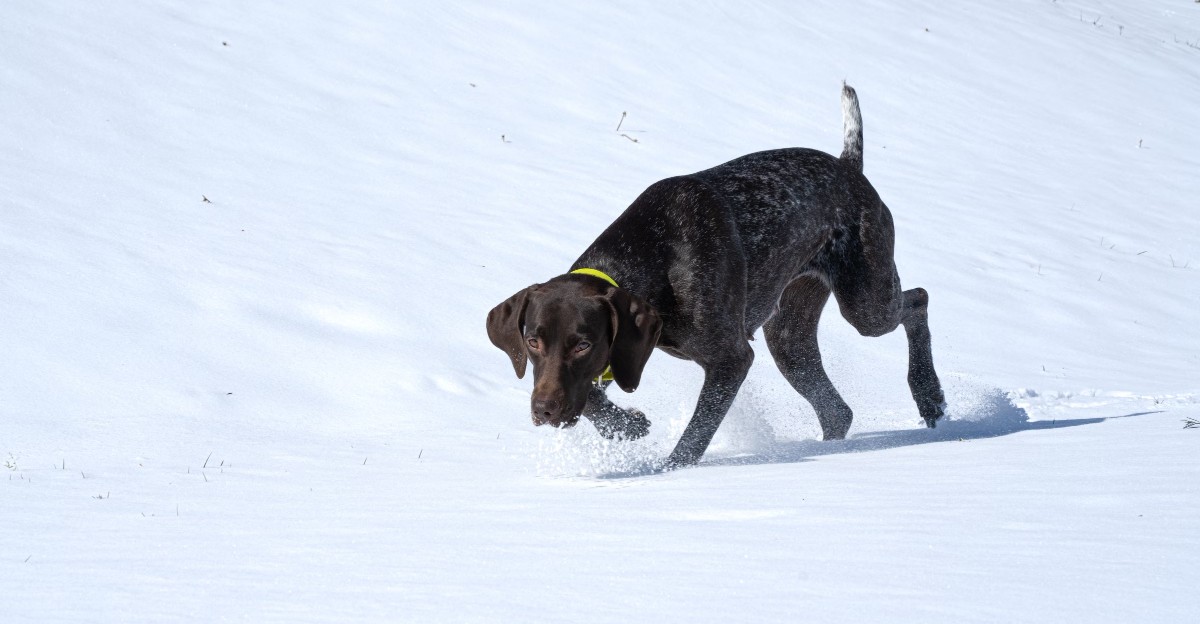
Some dogs are built like athletes. Long legs, lean bodies, and huge lungs help them fly across fields and tracks.
Learning about these speedy breeds can help you choose the right exercise, training, and daily routines. Meet the quickest paws in the dog world and see what makes each runner special.
Greyhound
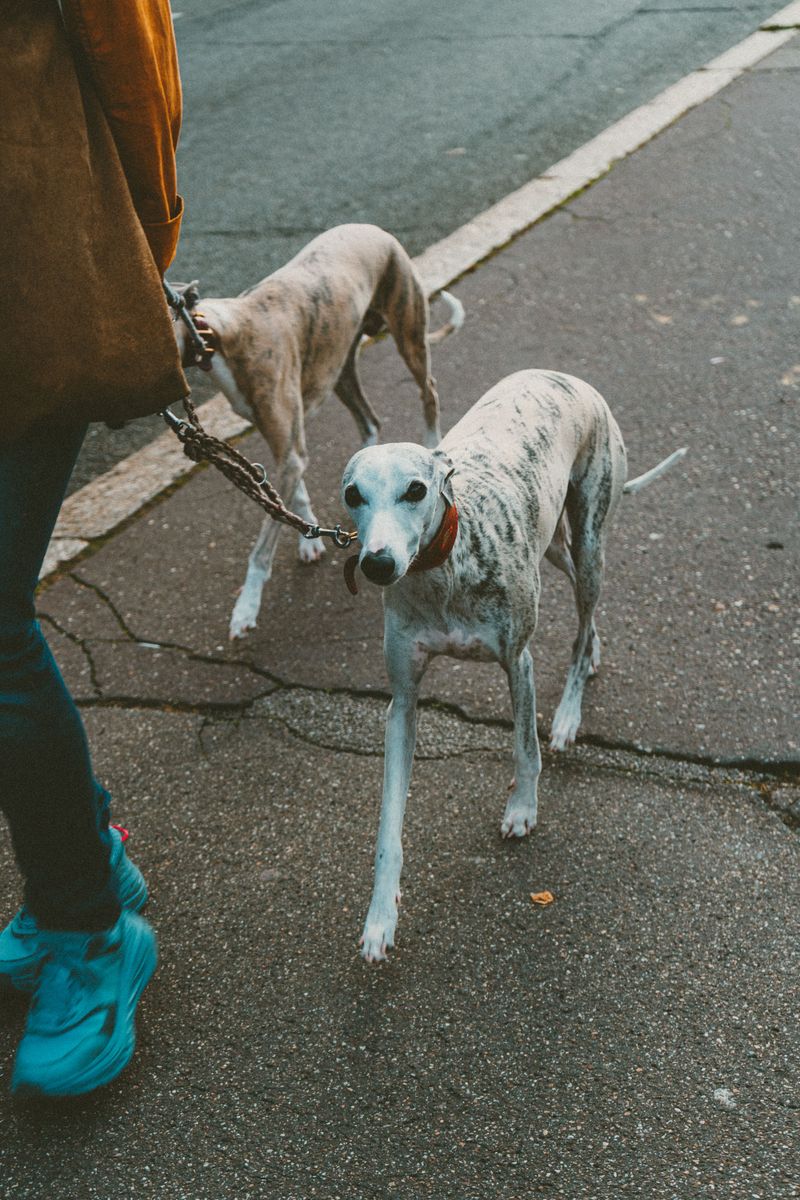
Clock-start quickness makes the Greyhound legendary. At full tilt, they seem to hover, barely touching the ground.
Despite the race-day image, most are calm couch snugglers at home.
Daily bursts of play keep joints strong and minds happy. Short, focused sprints on safe, fenced ground are ideal.
A well-fitted martingale collar helps on walks because their necks are slim. Add a warm coat in winter, since that sleek body loses heat fast.
Whippet
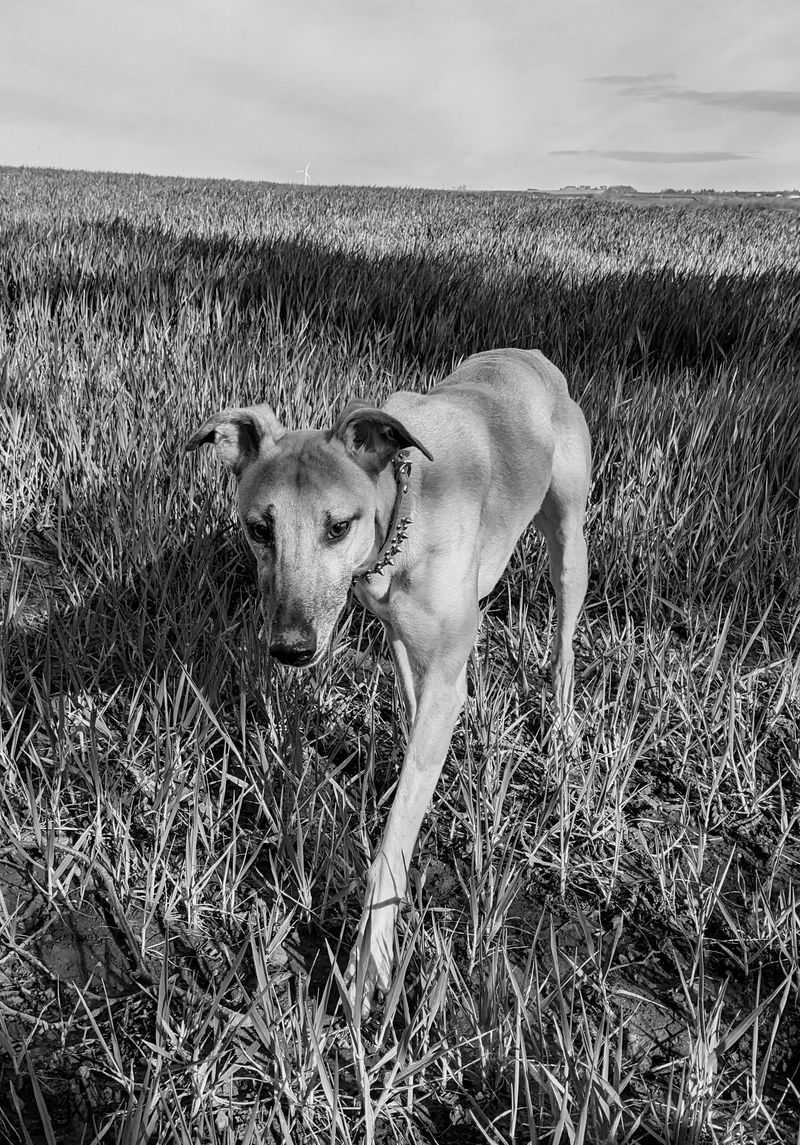
Like a pocket rocket, the Whippet explodes into action, then melts into a quiet nap. Many owners call them sprinters with a soft side.
They excel at lure coursing and backyard zoomies.
Keep sessions short and fun to protect delicate legs. A snug sweater helps on cool days because of their thin coat.
Use gentle training and a steady routine. Fenced areas are a must, since a sudden squirrel can flip the turbo switch.
Saluki
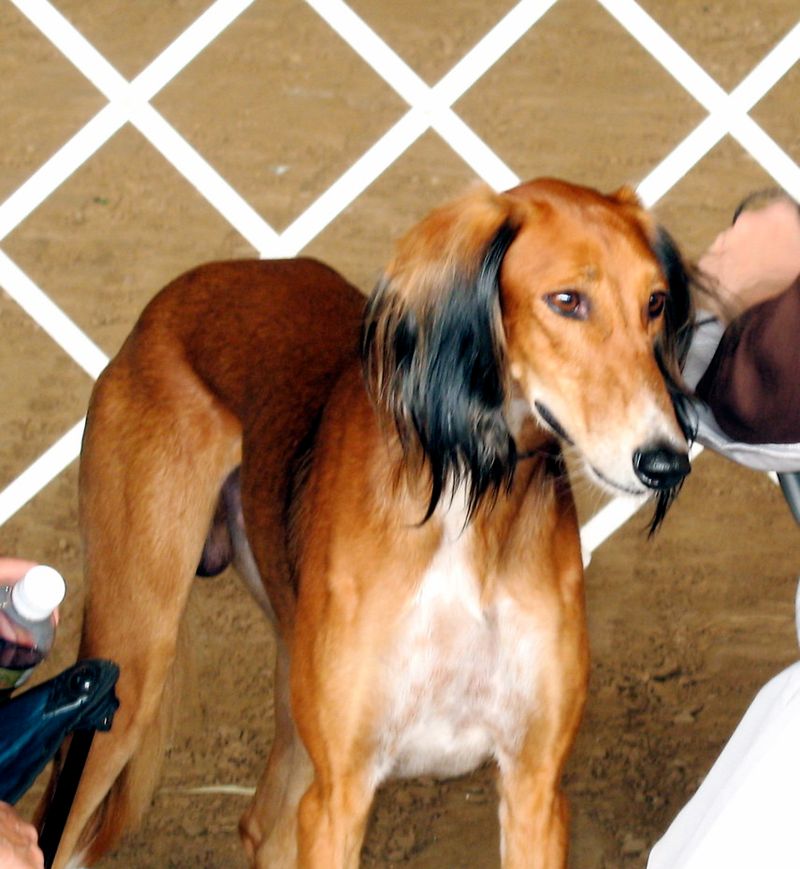
Centuries of desert hunting shaped the Saluki into a graceful speedster. They float more than run, conserving energy in a quiet, efficient stride.
Sensitivity is their secret strength.
Build trust with gentle social time and light, frequent exercise. A secure field is essential because prey drive is real.
Brush feathering to prevent tangles, and keep paws conditioned for varied terrain. Mental games, like scent puzzles, balance their athletic side while avoiding overwork on growing joints.
Afghan Hound
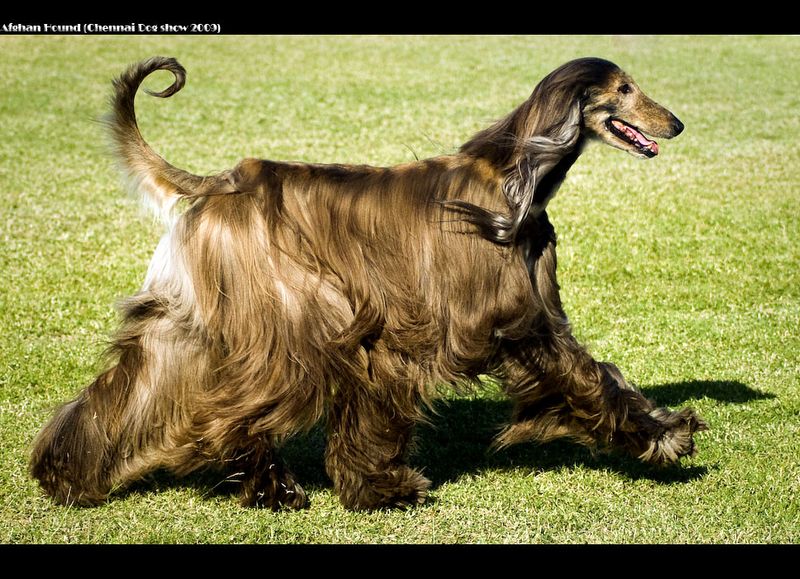
Wind in the hair feels invented for the Afghan Hound. Beneath the glamorous coat lives a nimble athlete with serious speed.
Their independent mind prefers polite requests over strict orders.
Short interval runs suit their style, paired with careful coat care after play. Use a gentle brush-out to remove burrs and grass seeds.
Reward-based training keeps attention steady. Secure fencing matters, since a quick chase can cover distance fast.
Quiet downtime afterward supports recovery and calm behavior.
Borzoi
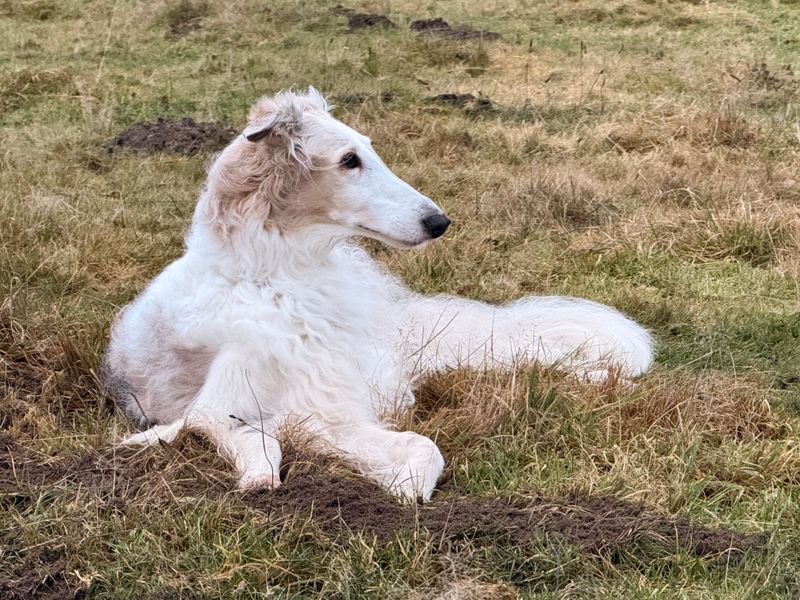
At first glance, the Borzoi looks like living art. Then they sprint, and elegance turns into power.
Historically bred for chasing swift game, they carry surprising torque off the line.
Warm-ups help protect long muscles, so start with brisk walks before free running. Soft ground reduces impact on joints.
Their quiet nature thrives with calm handling and predictable schedules. Use extra-secure recall training, then back it up with fenced fields, because once they launch, they commit.
Azawakh
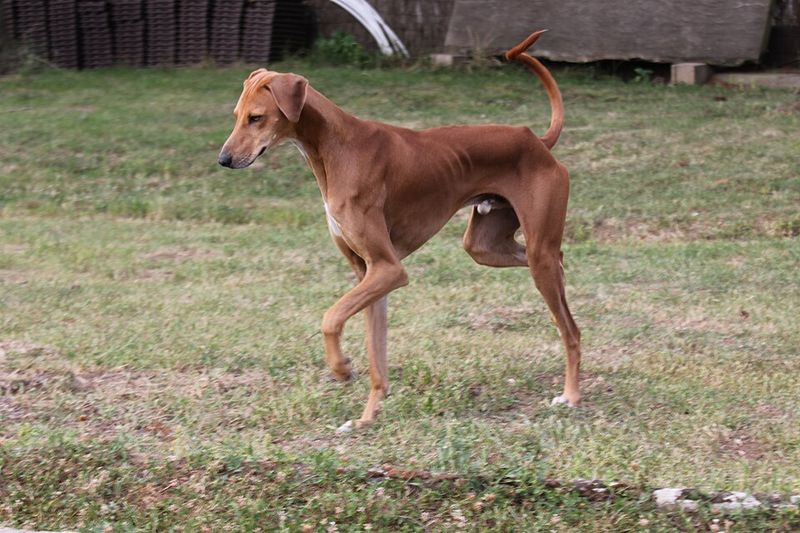
All angles and intensity, the Azawakh moves like a dancer with springs. Originating in the Sahel, they handle heat and distance with ease.
Loyalty runs deep, yet strangers may earn only a glance.
Short, frequent conditioning sessions work best, especially in warmer climates. Prioritize shade and hydration during play.
Socialization needs a thoughtful plan, pairing positive experiences with breaks. A comfortable resting spot off hard floors supports lean frames.
Gentle but consistent boundaries encourage confidence without dimming that spark.
Sloughi
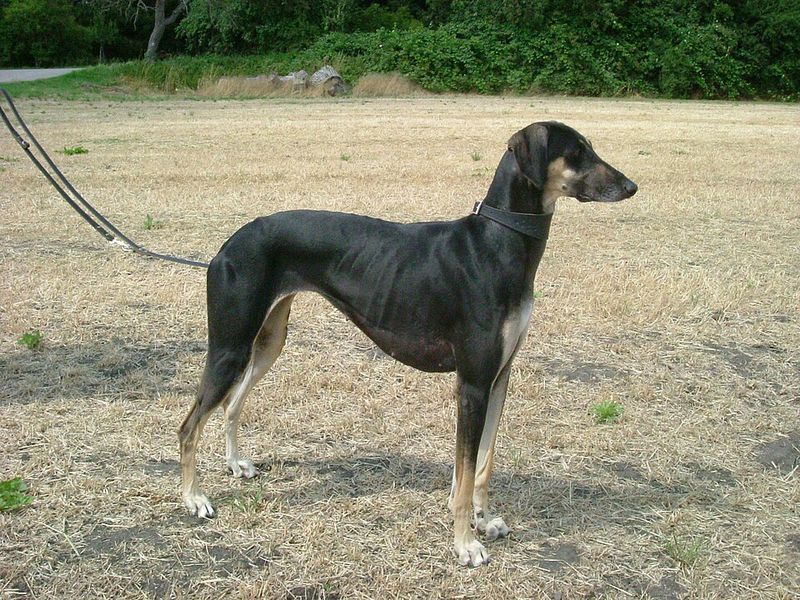
Speed with poise sums up the Sloughi. Desert roots shaped a hardy dog that reads terrain quickly.
They bond closely with family and prefer quiet respect over fuss.
Plan measured sprints followed by easy trots to build stamina. Avoid harsh surfaces that can scuff pads.
Calm, patient training suits their thoughtful nature, and early social walks help build assurance. A light, well-fitted harness protects their slim neck during city strolls before finding safe open space.
Pharaoh Hound
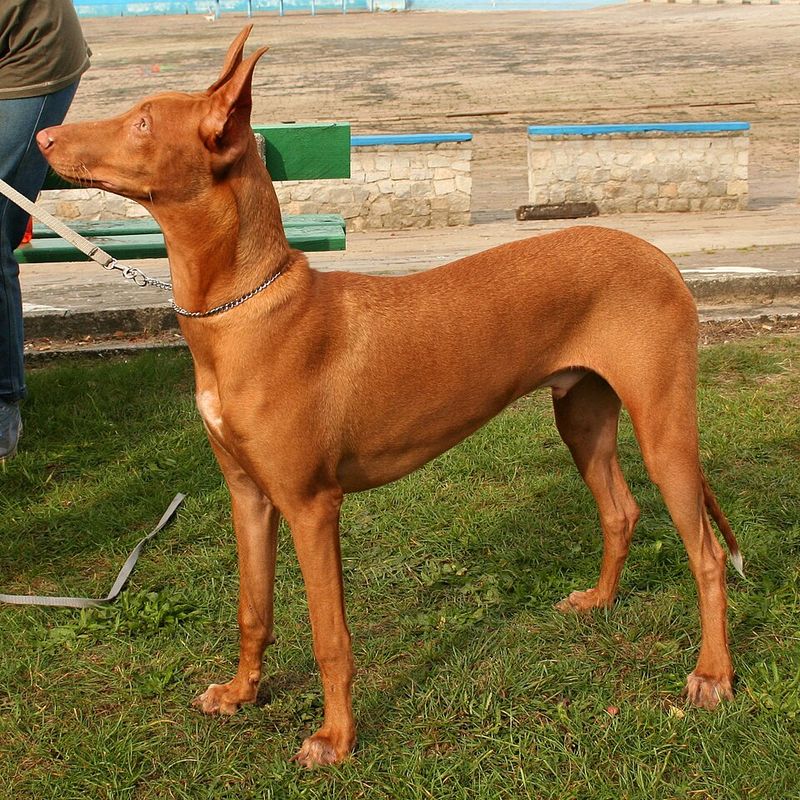
Look at that grin when the Pharaoh Hound runs. They almost seem to smile, and sometimes their ears blush pink in excitement.
Agility meets mischief, which keeps training lively.
Games with sudden starts and stops sharpen reaction time. Keep sessions short to prevent overexertion in heat.
Puzzle feeders calm their busy brain after sprints. A reflective collar helps in low light, since they love to chase at dusk.
Teach solid recall early, then reward generously.
Ibizan Hound
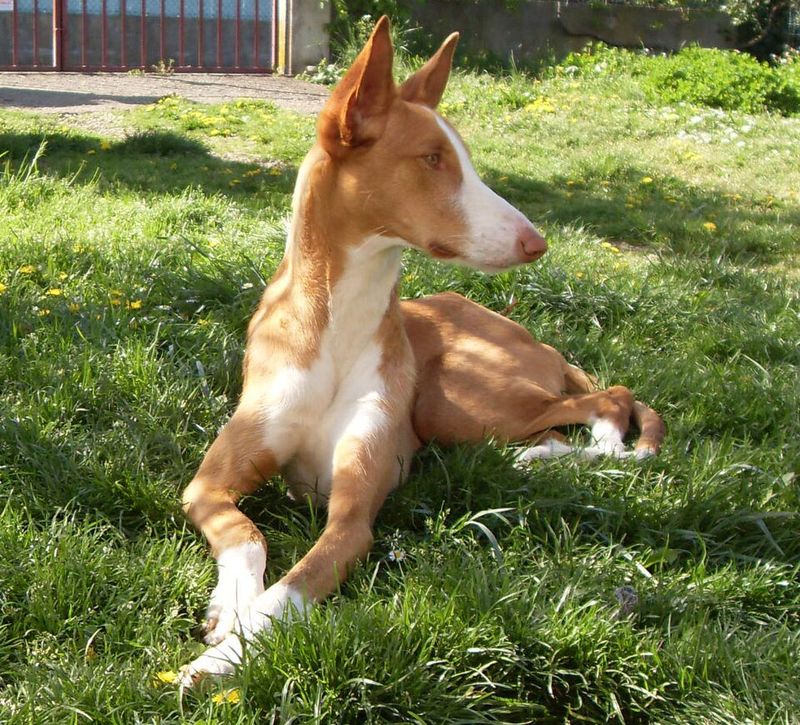
Ears like satellite dishes and hops like a deer, the Ibizan Hound brings bounce to every run. They were bred to navigate rocky farms and catch quick game.
That means they turn sharply and leap cleanly.
Practice controlled jump drills using low obstacles and soft landings. Mix in recall games with toys to channel excitement.
Gentle leadership, not force, brings out cooperation. Secure fencing is key, since curiosity powers their adventures.
After sprints, quiet chew time helps them settle.
Galgo Español
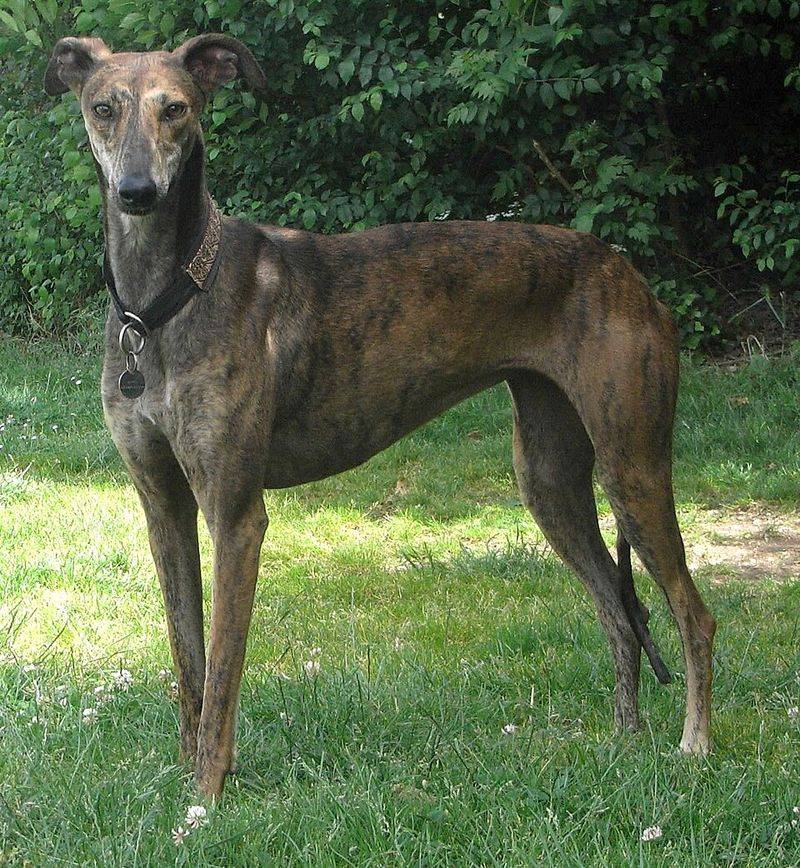
Grace under pressure describes the Galgo Español. Bred in Spain for coursing, they favor endurance with sudden bursts.
Calm indoors yet focused outside, they switch gears easily.
Steady tempo runs suit their rhythm, with careful increases each week. Good traction matters, so choose fields without hidden holes.
A soft-lined harness prevents chafing on slim frames. After workouts, light massages help recovery.
Many rescued Galgos blossom with patient training, showing both heart and impressive speed.
Scottish Deerhound
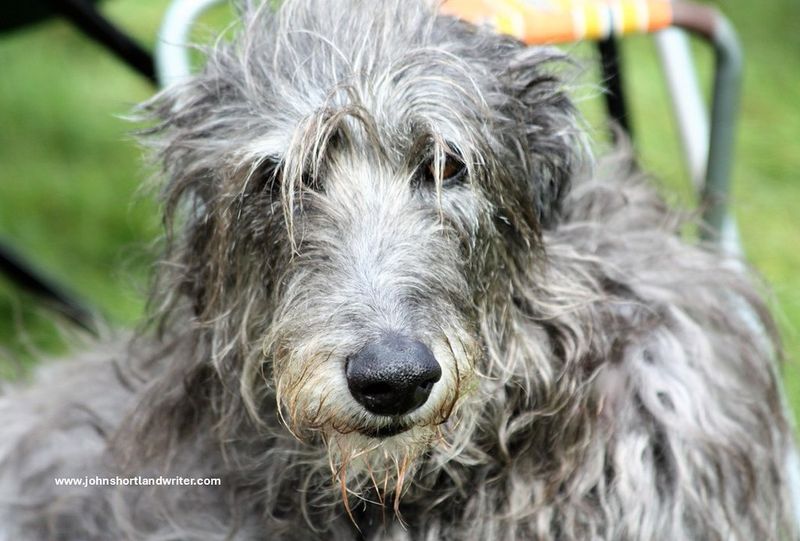
Big frame, bigger stride, the Scottish Deerhound looks born for open highlands. They cover ground with surprising quickness for their size.
Despite rugged looks, they are sensitive to tone.
Warm up with gentle trots, then add brief sprints on soft turf. Because of height, joint care is vital, so keep slippery floors to a minimum.
Teach loose-leash skills early to manage enthusiasm. A thick bed supports long limbs after runs and encourages deep rest.
Irish Wolfhound
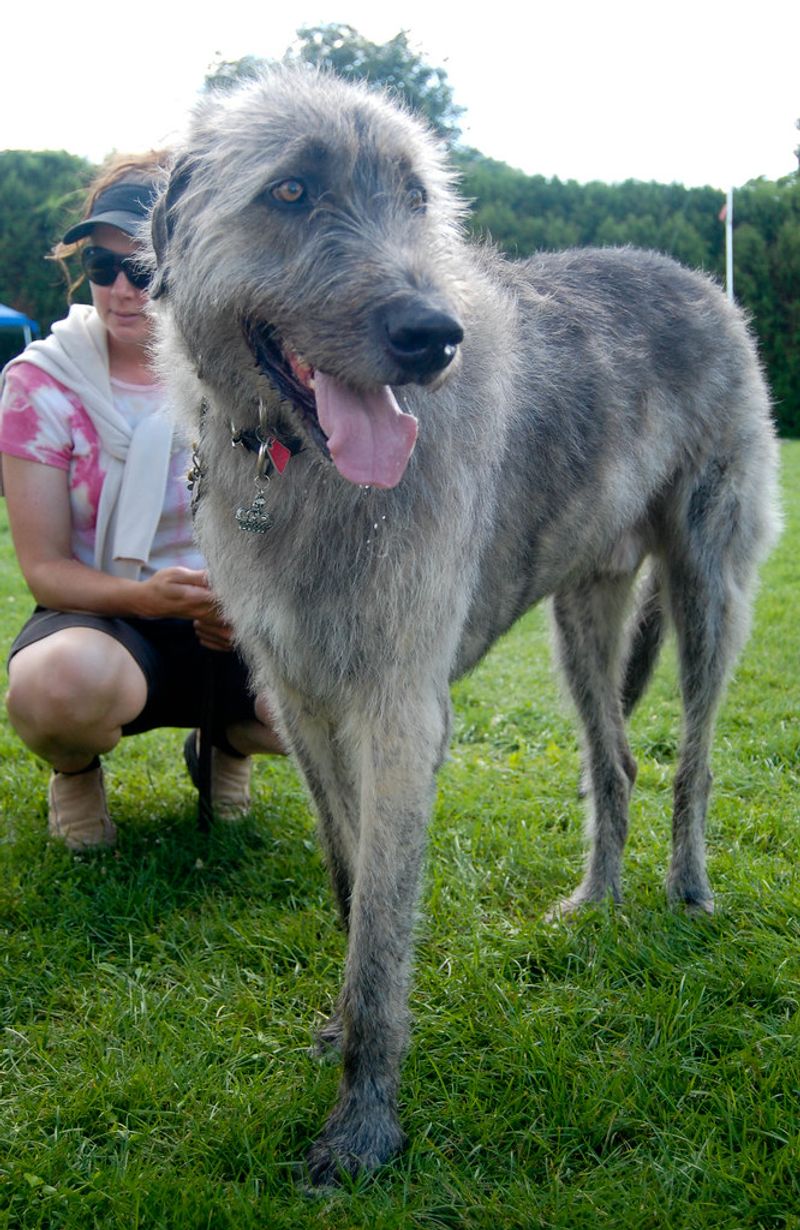
Though towering and gentle, the Irish Wolfhound can move with surprising speed in a burst. History gave them purpose chasing large game across open land.
Sprinting is short but eye-opening.
Because growth plates close later in giants, keep intense exercise modest until maturity. Short, cheerful workouts help prevent strain.
Non-slip mats and ramps protect joints at home. Use steady, confident cues instead of loud commands.
They appreciate space to stretch followed by long, peaceful naps.
Rhodesian Ridgeback
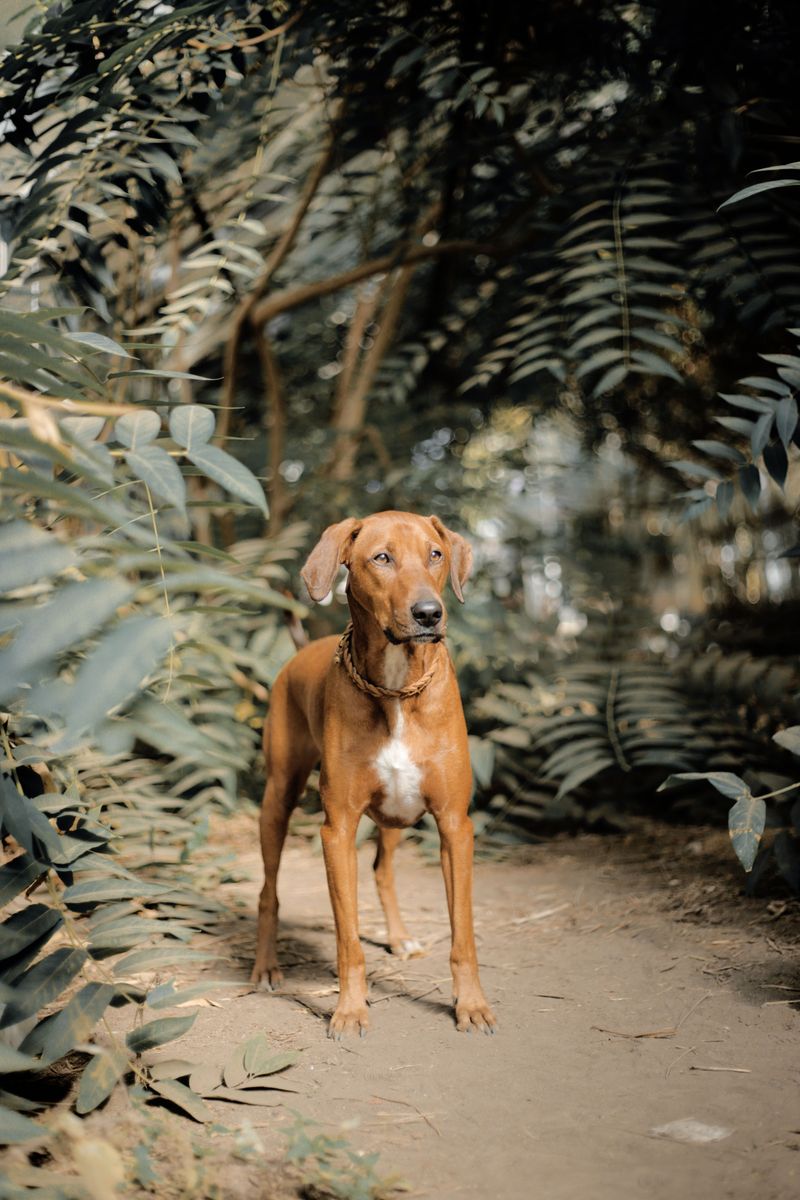
Built for long chases under the sun, the Rhodesian Ridgeback blends pace with grit. They hold a steady, ground-eating stride and keep going when others fade.
Confidence comes standard.
Endurance runs at moderate speed suit them well once adult. Bring water and schedule shady breaks on warm days.
Consistent recall and impulse control matter because wildlife can tempt them. A snug harness prevents pulling at the start, then ease into rhythm.
Cool-down walks aid recovery.
Vizsla
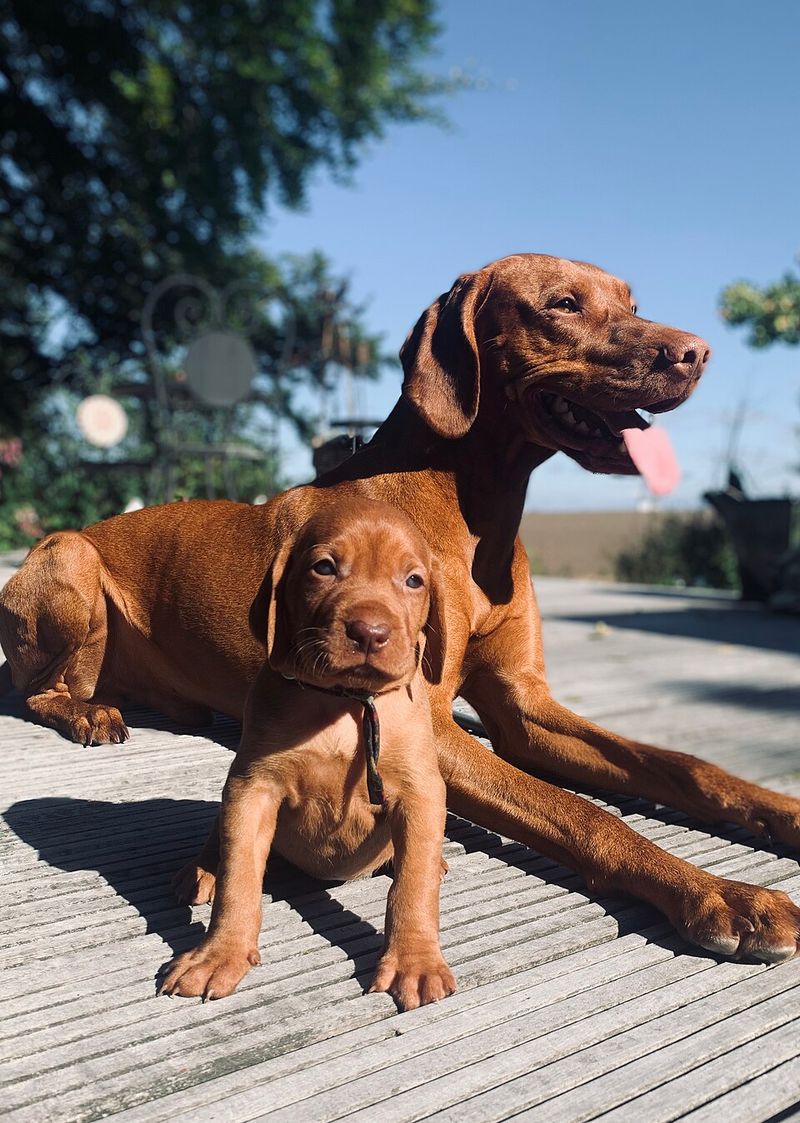
Eager eyes and turbo legs give the Vizsla its sporty vibe. They move fast and bond hard, often shadowing their people from room to room.
Speed shows up in both sprints and quick turns.
Channel that zip into fetch, field drills, and short interval runs. Gentle, upbeat coaching works better than stern voices.
Because they love contact, cool-down cuddle time doubles as bonding. Rotate toys to engage their mind, preventing restless zooms indoors.
Weimaraner
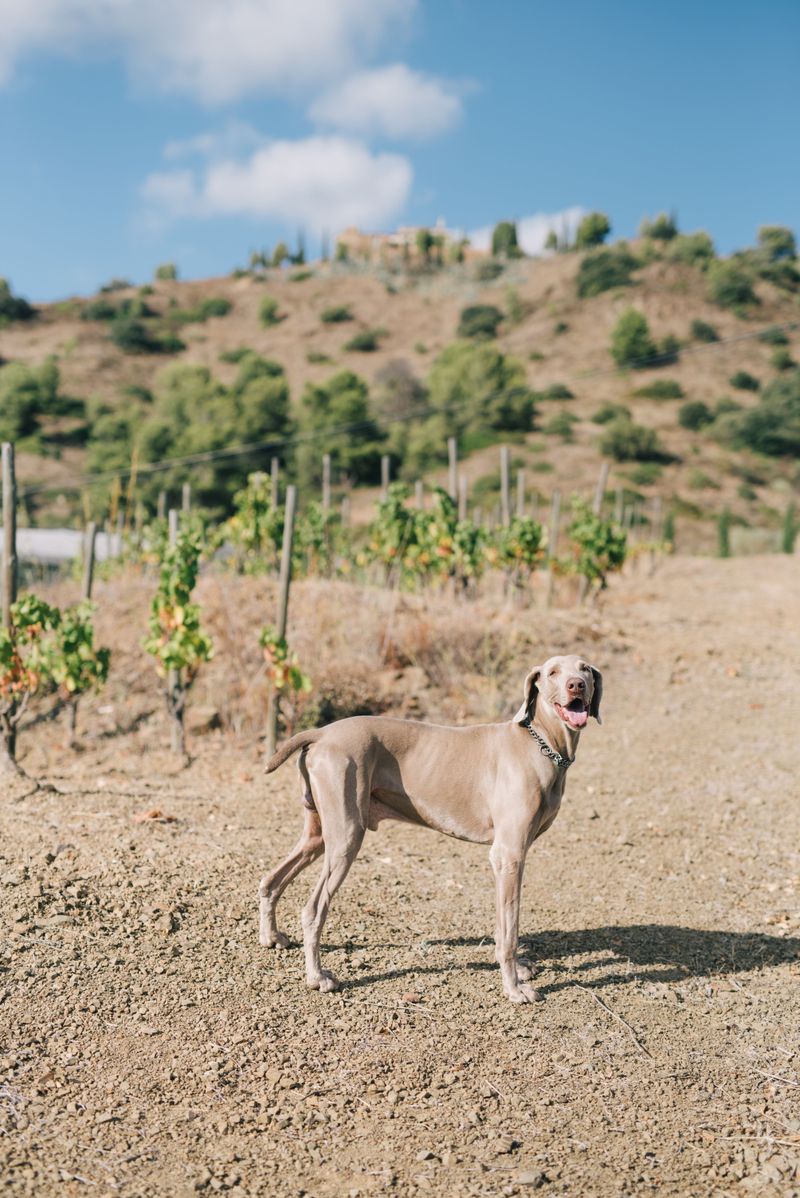
Nicknamed the gray ghost for a reason, the Weimaraner can appear, streak by, and vanish between trees. Energy pours out in quick bursts and long trots alike.
They crave challenges and teamwork.
Structured trail runs build stamina safely. Practice recall often, starting with long lines.
Rotate strength work, like hill repeats, to support joints. Mental tasks, such as hide-and-seek with toys, prevent boredom.
After workouts, a calm crate or mat cue tells their body to rest.
German Shorthaired Pointer
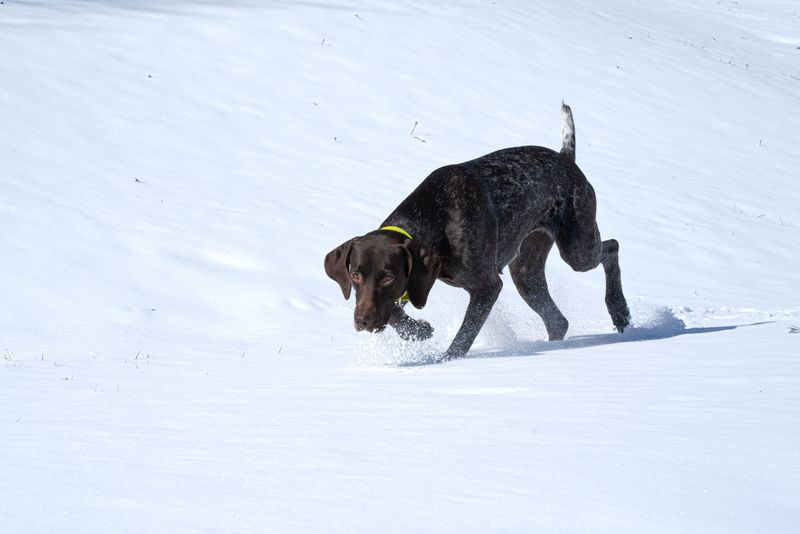
Point, sprint, pivot, repeat. The German Shorthaired Pointer turns speed into a search pattern.
Their athletic drive covers acres fast while still checking back with their handler.
Mix short sprints with obedience refreshers to keep precision at pace. A GPS collar and high-visibility vest add safety in tall grass.
Teach an off switch using place training after runs. Balanced meals and hydration matter, since fast movers burn calories quickly during field days.
Belgian Malinois
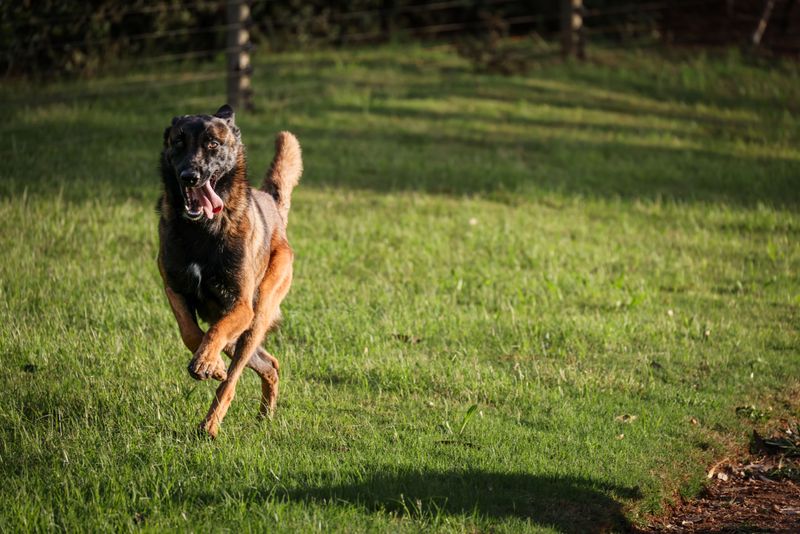
Intensity has a name, and it often answers to Malinois. Acceleration is off the charts, paired with razor focus.
Many excel in protection sports, agility, and detection work.
Daily jobs are not optional. Use structured sprint drills, tug rewards, and skill rotations to channel drive.
Clear boundaries prevent chaos when excitement spikes. Start impulse control games early and praise calm choices.
A sturdy chew after training releases tension and promotes a balanced mindset.