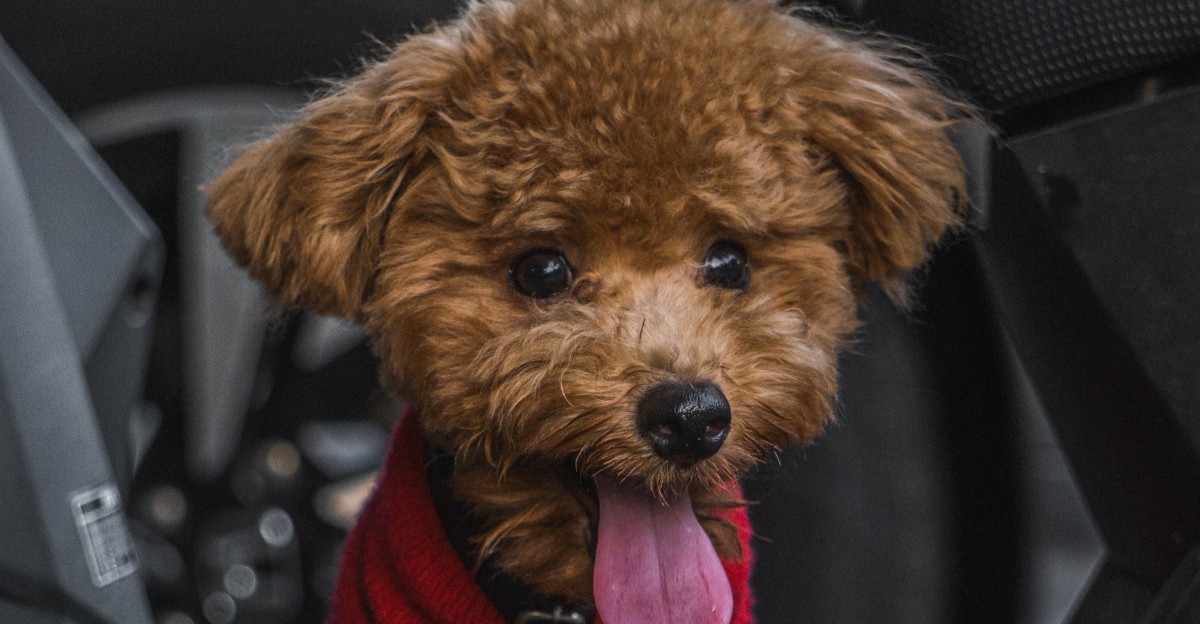
Some dogs nap happily while you are gone. Others feel lonely, worry, or find trouble when the house is quiet.
Knowing which breeds crave company helps you plan your day and prevent stress for your pet. Here are breeds that often do best with routines, mental games, and a steady human presence.
Labrador Retriever

Big smiles and wagging tails make Labs hard to resist, but that same social nature can lead to restlessness when left alone too long. Many will seek action, paw at doors, or grab shoes for fun that turns into chewing.
Daily structure helps. Offer stuffed Kongs, slow feeders, and scent games before you leave.
Add a brisk walk in the morning, and consider a neighbor check-in at lunch. Short practice departures teach calm confidence.
Golden Retriever
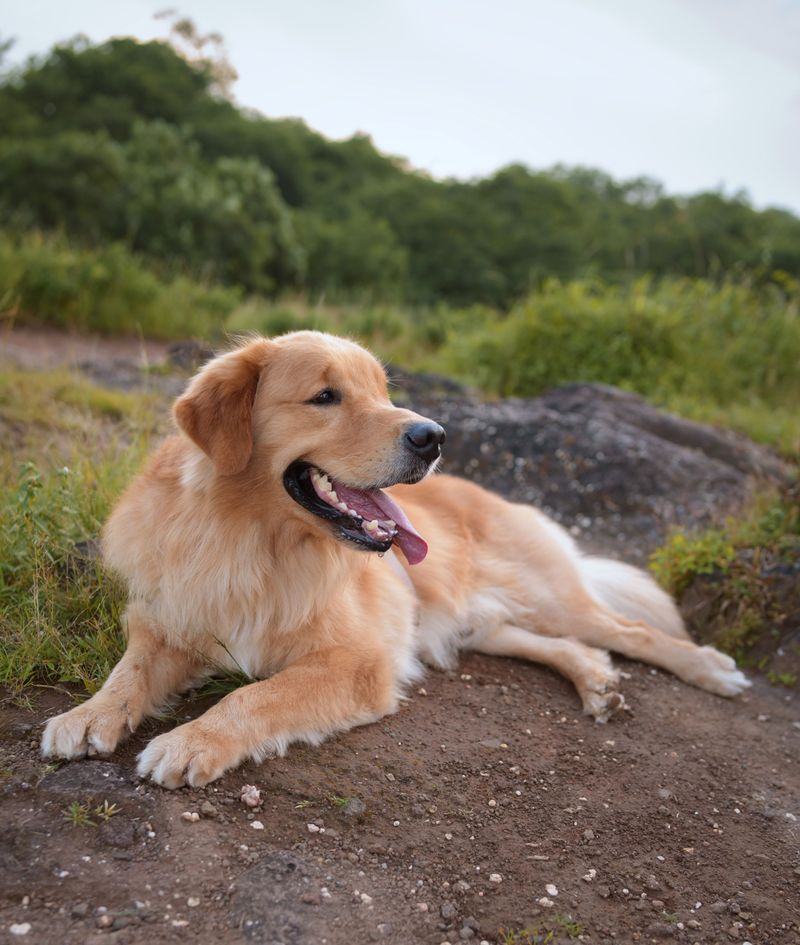
Known for sunny spirits, Goldens often bond deeply and can feel blue in a quiet house. Some pace or whine because they expect to join every adventure.
Their hearts are big, and waiting can feel long.
Plan people time. Moderate exercise, plus training games like hide-and-seek with treats, keeps minds busy.
Leave a worn T-shirt for comfort. A dog walker a few days a week can make alone hours shorter and sweeter.
Border Collie
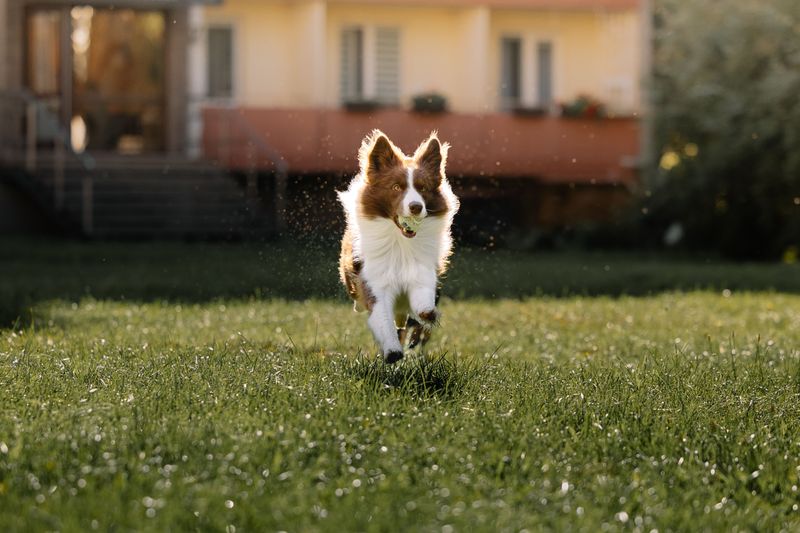
Born problem-solvers, Border Collies invent jobs when none exist. Silence can feel like a challenge they must solve, which might turn into herding kids, chasing shadows, or dismantling couch cushions.
Channel that sharp brain. Use puzzle boards, snuffle mats, and target training before departures.
Two shorter walks with drills like spins or figure-eights beat one long stroll. A dog sport class, such as agility, provides a weekly outlet that makes alone time far easier.
Australian Shepherd
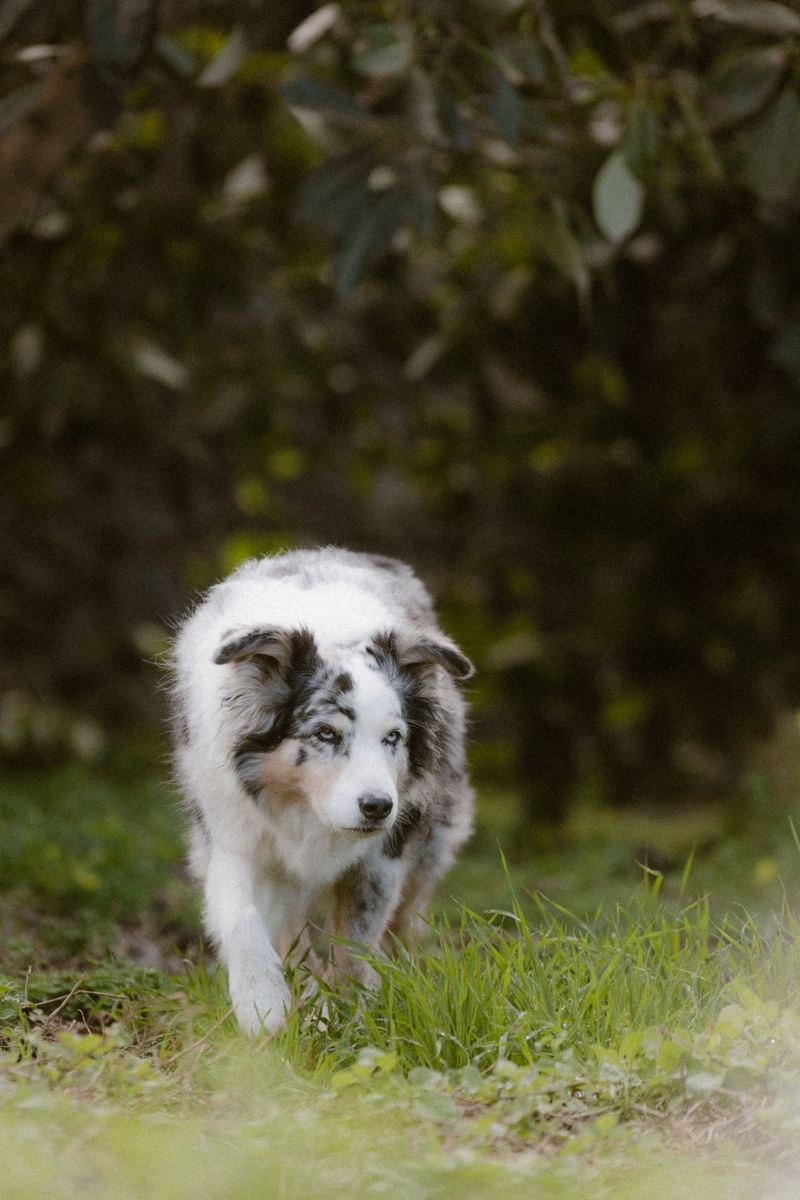
Energy with sparkle describes many Aussies. Without a plan, that spark can turn into door scratching or vocal protests once the house quiets down.
They like purpose and frequent check-ins with their person.
Build a routine. Morning training, then a food puzzle, sets the tone.
Rotate chew options to keep novelty high. A midday Frisbee session or flirt pole play with a sitter helps.
Calm music or audiobooks can soften the hush of an empty room.
German Shepherd
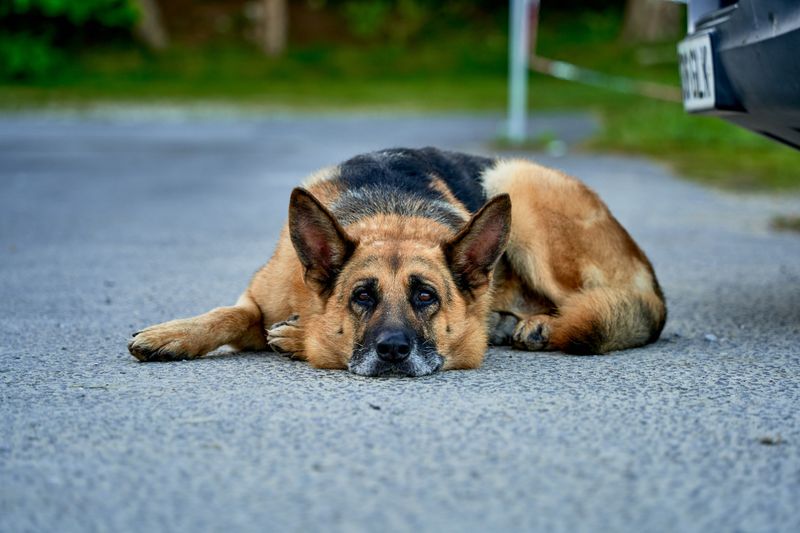
Loyal and watchful, many German Shepherds feel responsible for the home. When alone, that duty can create worry, pacing, or barking at hallway sounds.
They thrive on clear jobs and steady guidance.
Teach a place command and reward calm holds. Provide heavy-duty chews to satisfy jaws and minds.
Before leaving, run a short obedience circuit to build confidence. Structured daycare or a trusted walker two times a week can lower stress and improve manners.
Vizsla
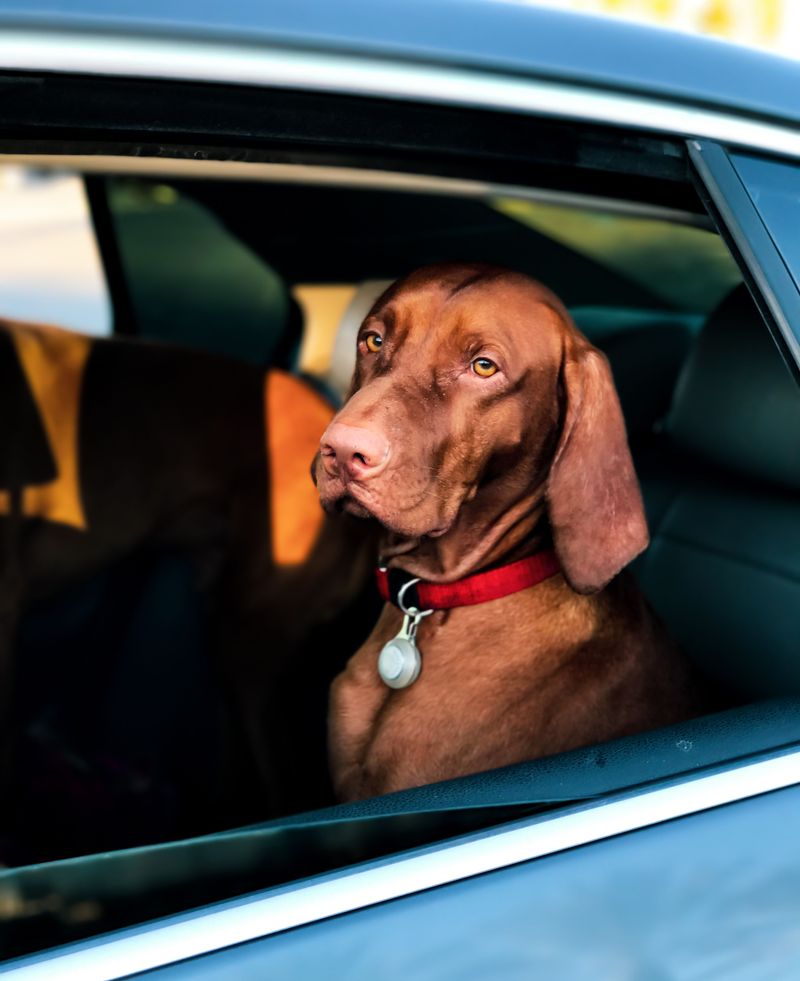
Nicknamed the Velcro dog, Vizslas often prefer constant contact. Quiet rooms can feel empty and dull, and they may shadow you from chair to chair when you return because connection means everything.
Plan for closeness. Arrange a cozy rest spot near your desk for work-from-home days.
When you must leave, layer scent-based games and short training bursts. A runner or hiker friend can share workouts, which reduces clinginess and builds healthy independence.
Weimaraner

Elegance meets turbo engine with the Weimaraner. Without people nearby, that drive can turn into door scratching or creative escapes.
They excel with tasks and attention, and blank afternoons feel wasted to them.
Mix physical and mental work. Jogging, then shaping tricks like bow or wave, gives a satisfying start.
Freeze broth in rubber toys for long-lasting licks. If hours alone are common, schedule playdates with steady dogs to keep spirits balanced.
Beagle
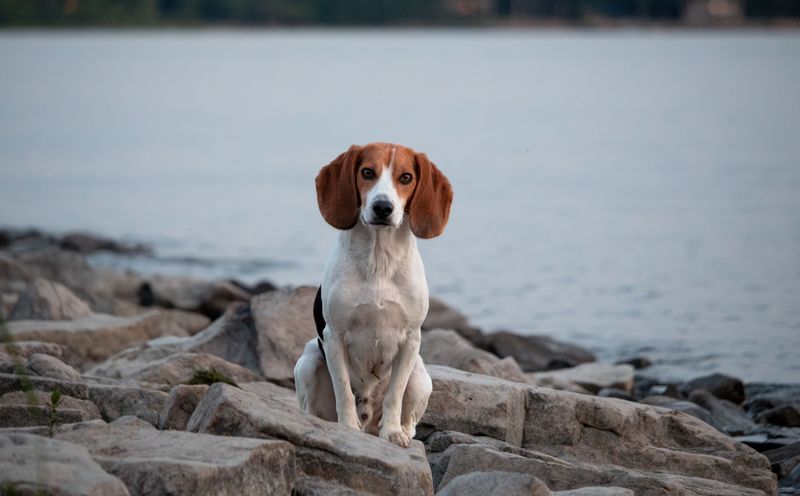
Noses like compasses, Beagles crave trails and company. A silent house can feel like a puzzle with no scent to follow, which may lead to howling or kitchen scavenging.
They do best when the day includes hunts for hidden smells.
Set up indoor scent lines with cotton balls dabbed in safe extracts like vanilla. Use puzzle feeders for meals.
Short neighborhood sniffaris matter more than speed walks. A buddy Beagle at daycare can be a game changer.
Jack Russell Terrier
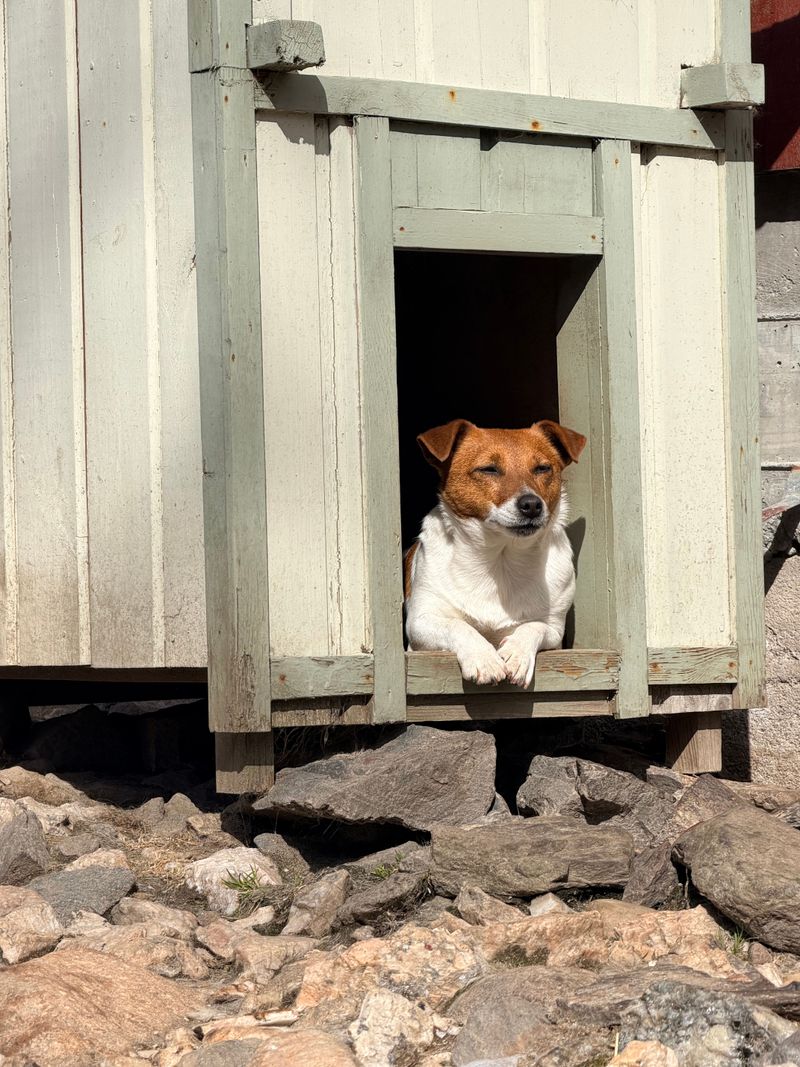
Small body, giant engine. Jack Russells are idea machines and will find entertainment if you forget to provide it.
Silence can be their cue to dig, dismantle, or patrol windows for hours.
Plan smart outlets. Ten minutes of trick training beats a long, dull walk.
Use flirt poles, food puzzles, and cardboard-box shredding stations. Rotate activities through the week.
Enroll in flyball or barn hunt for a thrilling hobby that smooths solo time.
Cavalier King Charles Spaniel
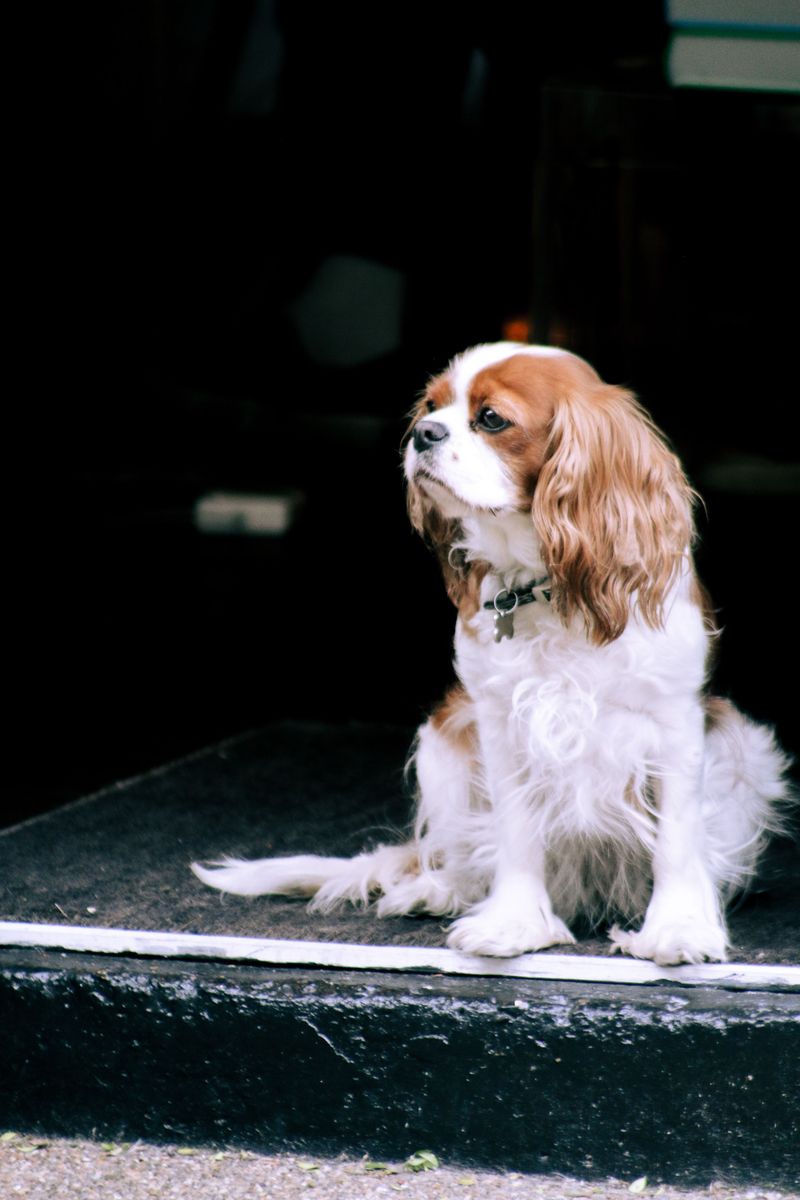
Sweet and people-focused, Cavaliers often prefer a lap to an empty room. Extended alone time can invite worried pacing or little whimpers.
They shine when the day includes affection and small adventures.
Set cozy stations by sunny windows. Offer lick mats and soft chews for calming.
Keep departures low-key and returns calm too. A twice-weekly sitter visit with brushing and gentle play helps.
Short stroller rides or café trips build happy memories that carry through quiet hours.
Bichon Frise
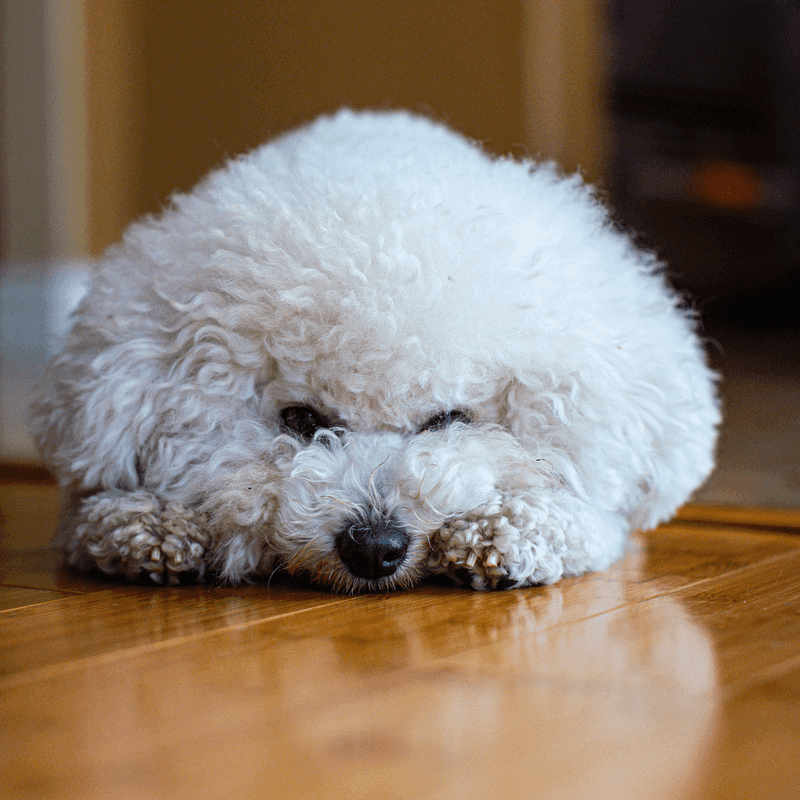
Cheery and people-loving, Bichons often treat family as their favorite audience. When the show ends, they may fret and look for ways to bring you back, like yips or door dancing.
Comfort and gentle structure work wonders.
Practice short, boring exits. Play white noise, leave a safe chew, and close only some interior doors to avoid feeling trapped.
Grooming sessions at home double as bonding. Arrange playdates with kind, similar-sized friends to keep spirits high.
Toy Poodle
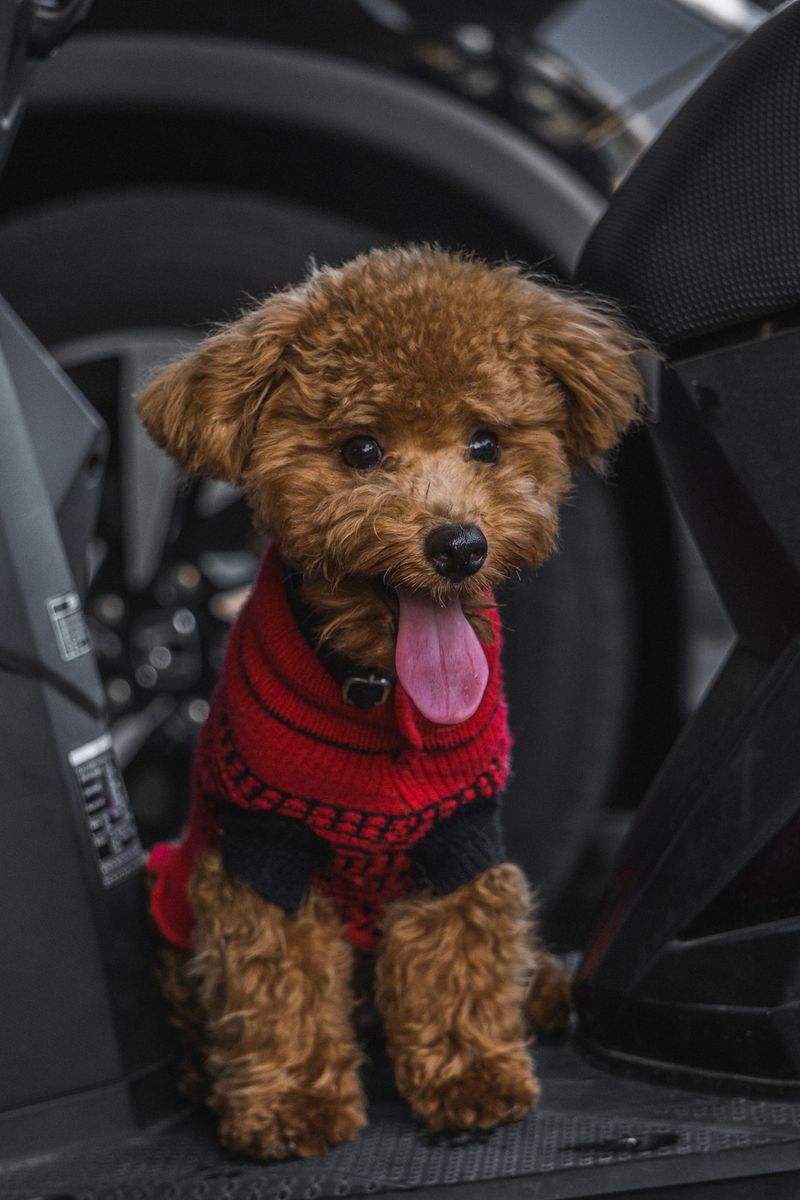
Quick learners with busy minds, Toy Poodles can worry when the action stops. Without mental work, they may bark at hallway sounds or fuss over tiny changes.
Training games keep their brains happy and calm.
Teach a handful of cute tricks and run a mini routine before you leave. Serve meals in puzzle toys to stretch time and focus.
Gentle grooming touch can relax them. A friend popping in for a brief play session helps too.
Cocker Spaniel
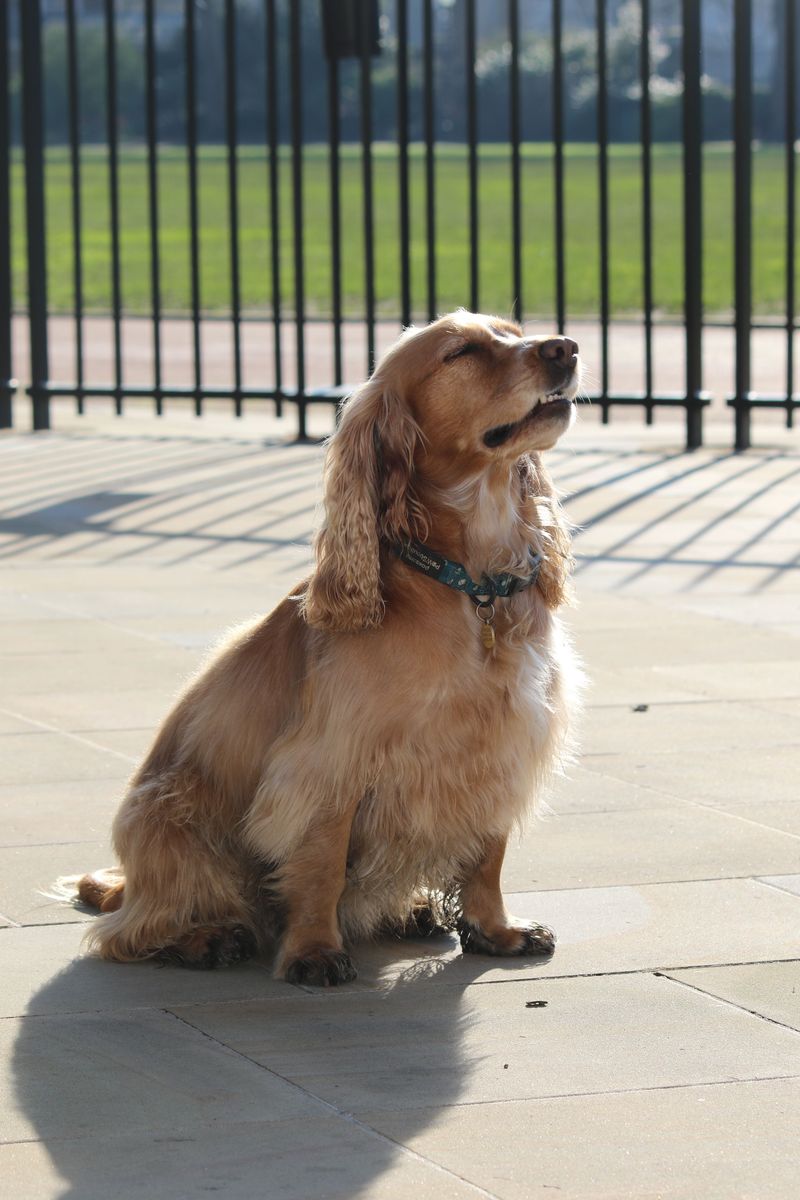
Affectionate and sensitive, many Cockers feel changes deeply. A silent home can make them unsure, and that uncertainty can lead to vocalizing or seeking comfort in your laundry pile.
Predictability builds confidence.
Use calm music and dim lighting before departures. Hide treats in folded towels for a gentle nose challenge.
Keep grooming positive to avoid extra stress. Plan steady walk times each day, and ask a neighbor teen to handle one outing for variety.
Yorkshire Terrier
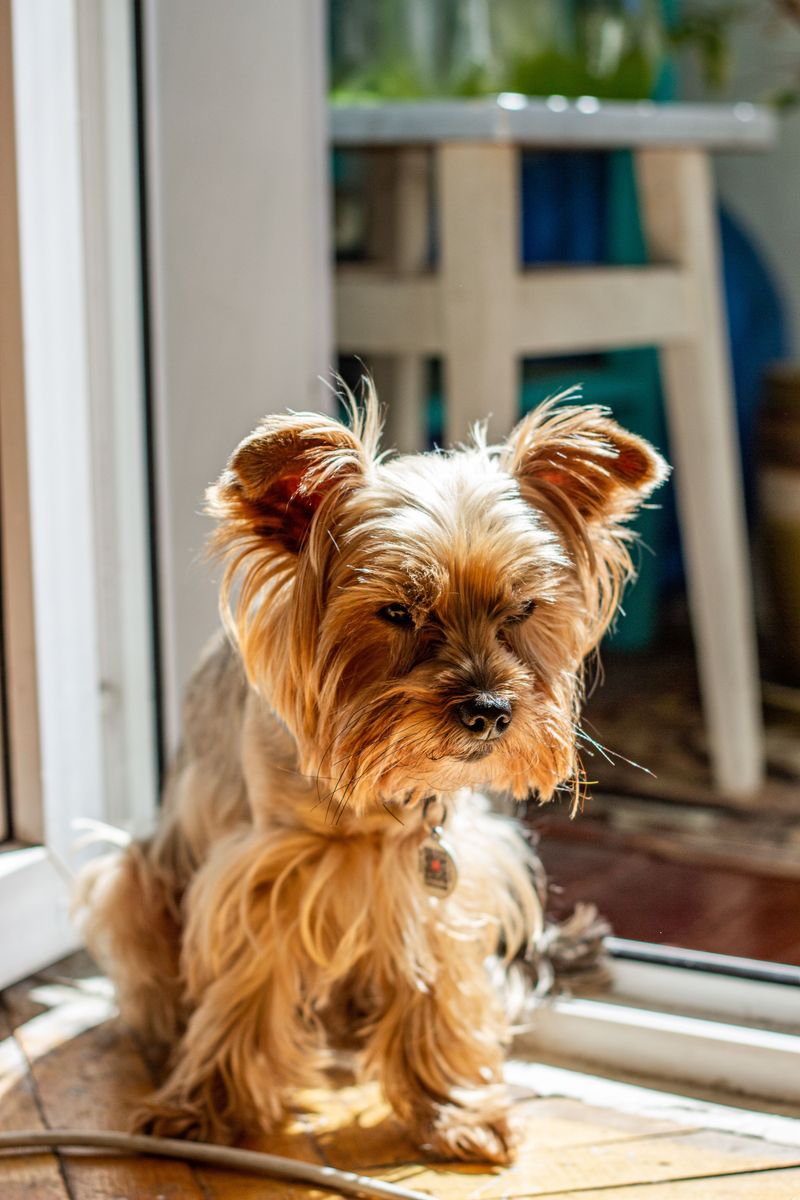
Big attitude in a tiny frame, Yorkies often act as alert guardians. When left on their own, hallway sounds can become a full performance of barks.
They benefit from confidence-building games and soothing routines.
Cover windows at dog height to reduce triggers. Teach a quiet cue paired with mat time.
Offer long-lasting chews sized safely for small jaws. Rotate toy sets every few days.
A short stroller trip or carrier ride adds adventure without overexertion.