Power in dogs is more than a number from a bite test. Muscle, stamina, and confidence can be helpful when guided well, or risky when unmanaged.
Understanding where a breed’s strength comes from helps owners set good rules and keep everyone safe. Meet twelve strong breeds and learn how to turn raw power into everyday harmony.
Kangal – calm strength from the hills
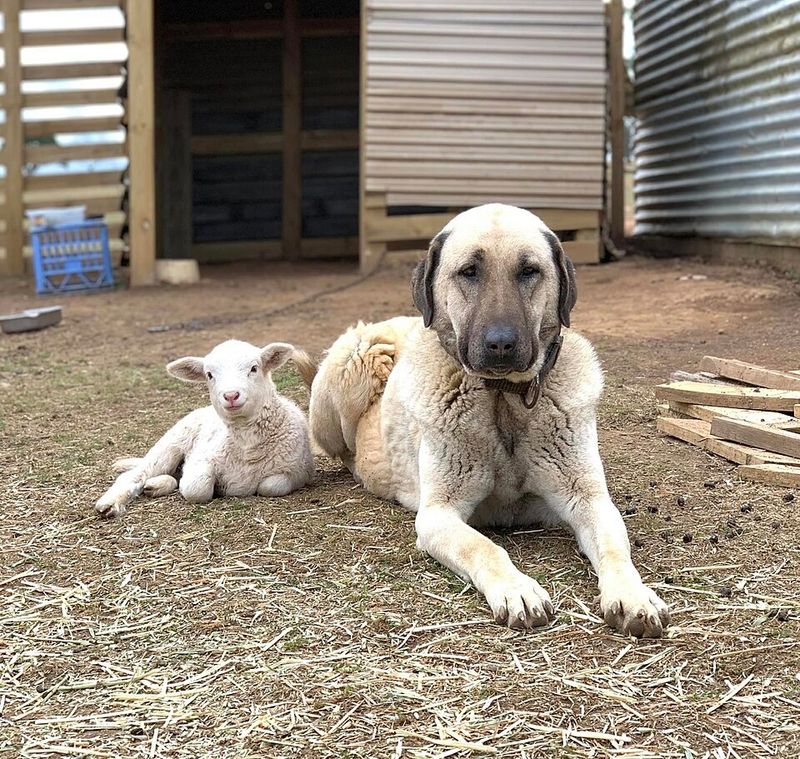
Farm legends start with the Kangal, a calm giant famed for guarding flocks in Turkey. Power shows in steady posture, wide chest, and an unruffled gaze.
Owners feel that strength on the leash, so early leash manners, neutral greetings, and rock solid recall matter. Provide secure fencing, daily patrol style walks, mental puzzles, and supervised livestock style jobs to satisfy instincts and keep everyone safe.
Respectful socialization builds sound neighborhood behavior from an early age.
Rottweiler – muscle with manners
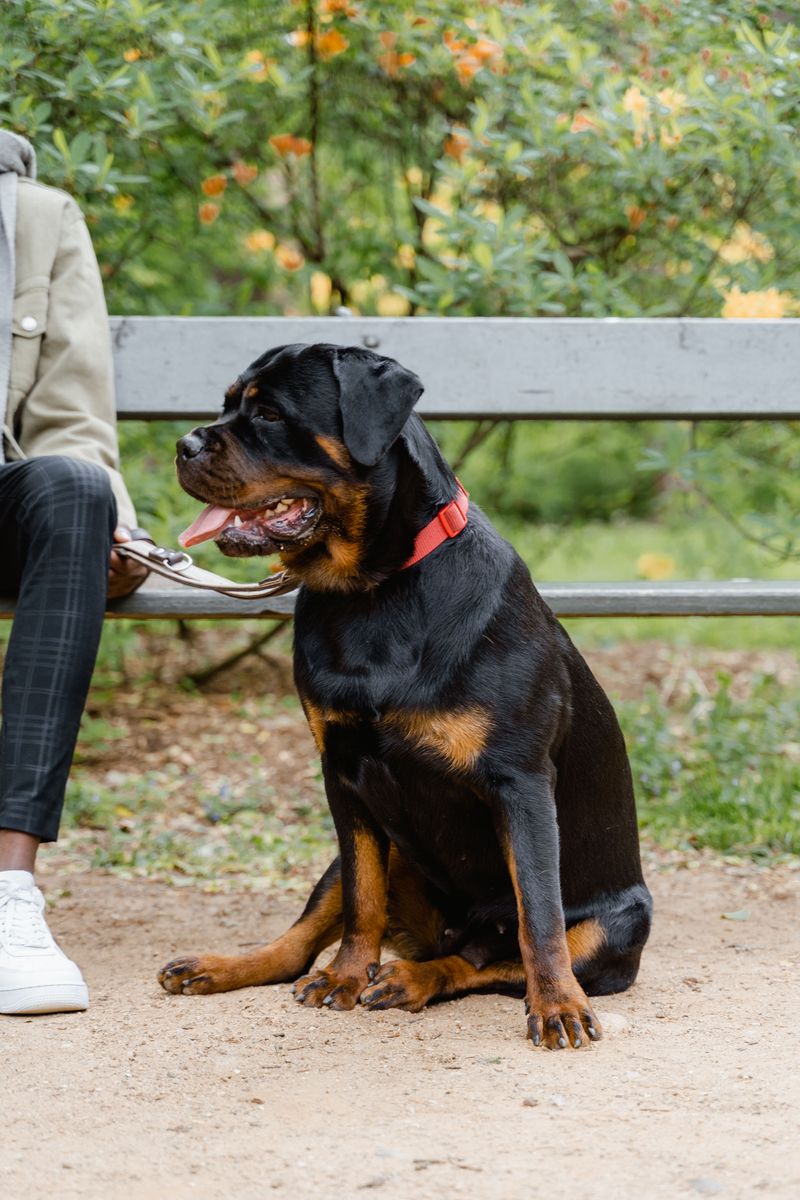
A Rottweiler walks like a tank, yet loyal eyes watch for cues from trusted people. Centuries of droving cattle built a body that pushes, blocks, and guards with quiet confidence.
Channel that muscle into structured obedience, off switch training at home, and controlled meet and greets. Weekly cart pulling, nose work games, and boundary walks prevent boredom and fence challenges.
Clear rules, firm kindness, and steady leadership shape a relaxed, people safe partner for life.
German Shepherd – agile power with purpose
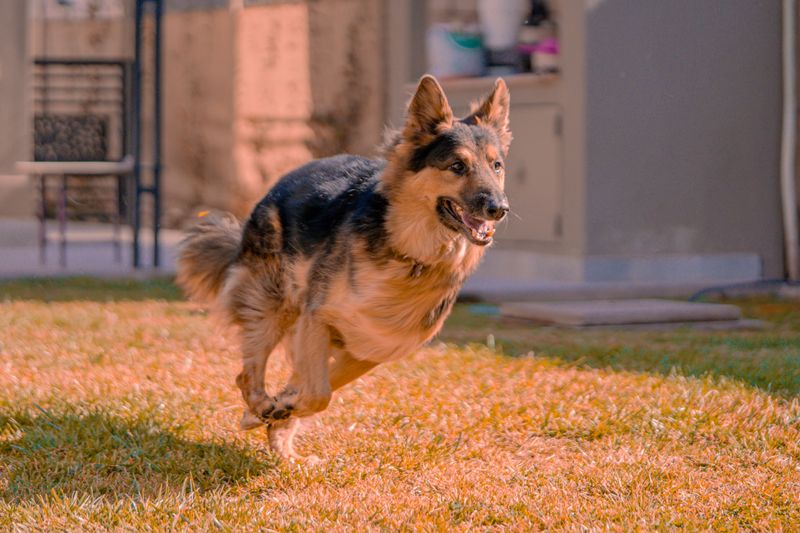
Police stories aside, many shepherds are goofy best friends at home. Their power shows in agile hips, springy trot, and strong jaw built for work, not mischief.
Daily jobs like fetch with rules, household errands, and place training burn energy and polish manners. Teach calm greetings, neutrality around other dogs, and a cue to disengage exciting sights.
Strong backs need core work, so hill walks, figure eights, and balanced nutrition keep joints happy over time.
Doberman Pinscher – sleek guardian energy
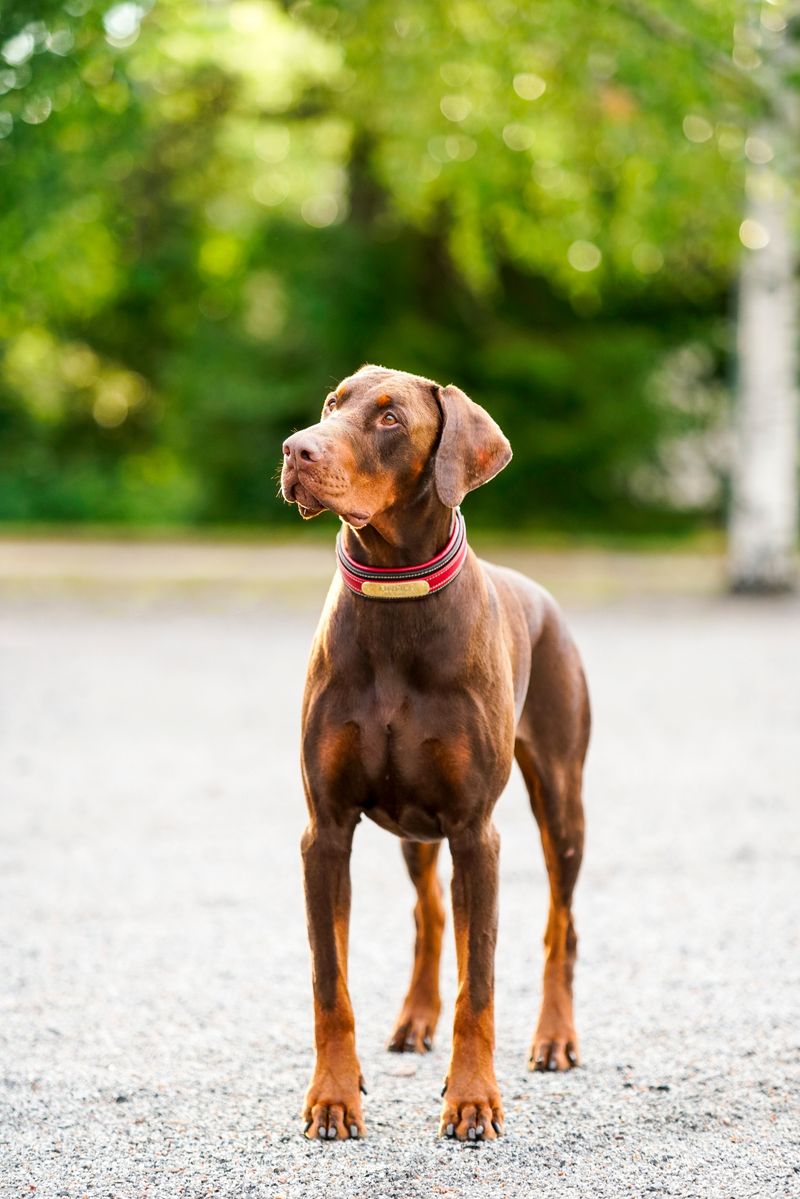
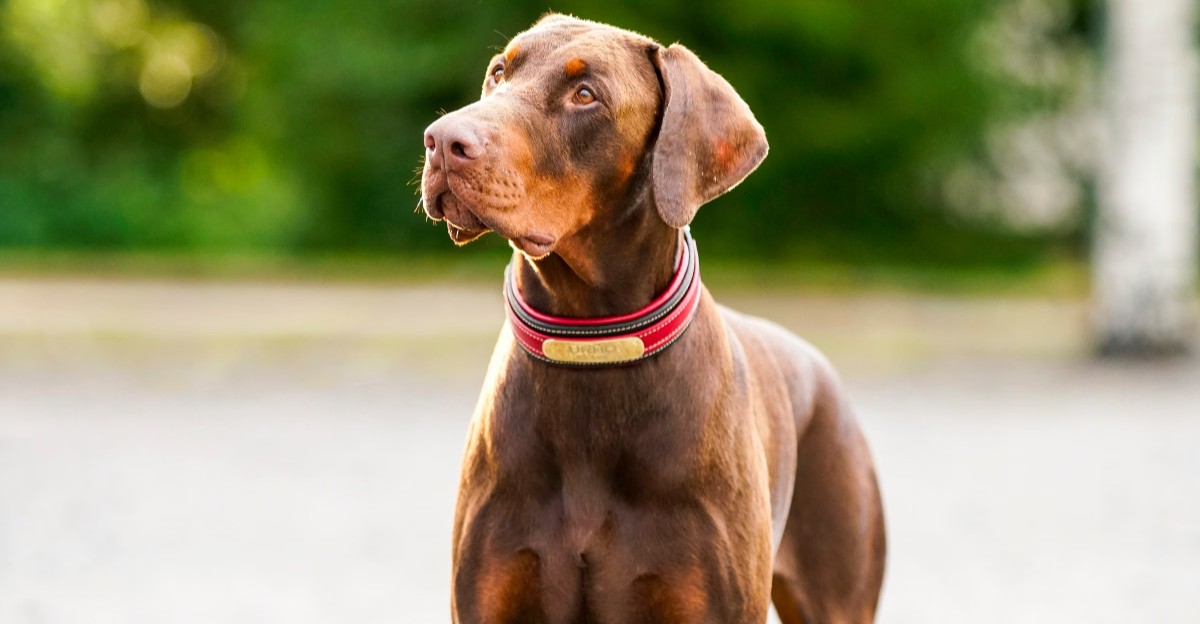
Sleek like a runner, the Doberman carries power in lean muscles and fast reactions. Bred as a personal protector, it bonds closely and reads body language in a heartbeat.
Teach impulse control through start and stop games, doorway patience, and calm crating. Sprints, flirt pole play, and focused heeling satisfy the need to move with purpose.
Thoughtful introductions, clear handling, and consistent routines prevent over guarding and keep neighbors comfortable during walks and visits outside.
Cane Corso – steady worker heritage
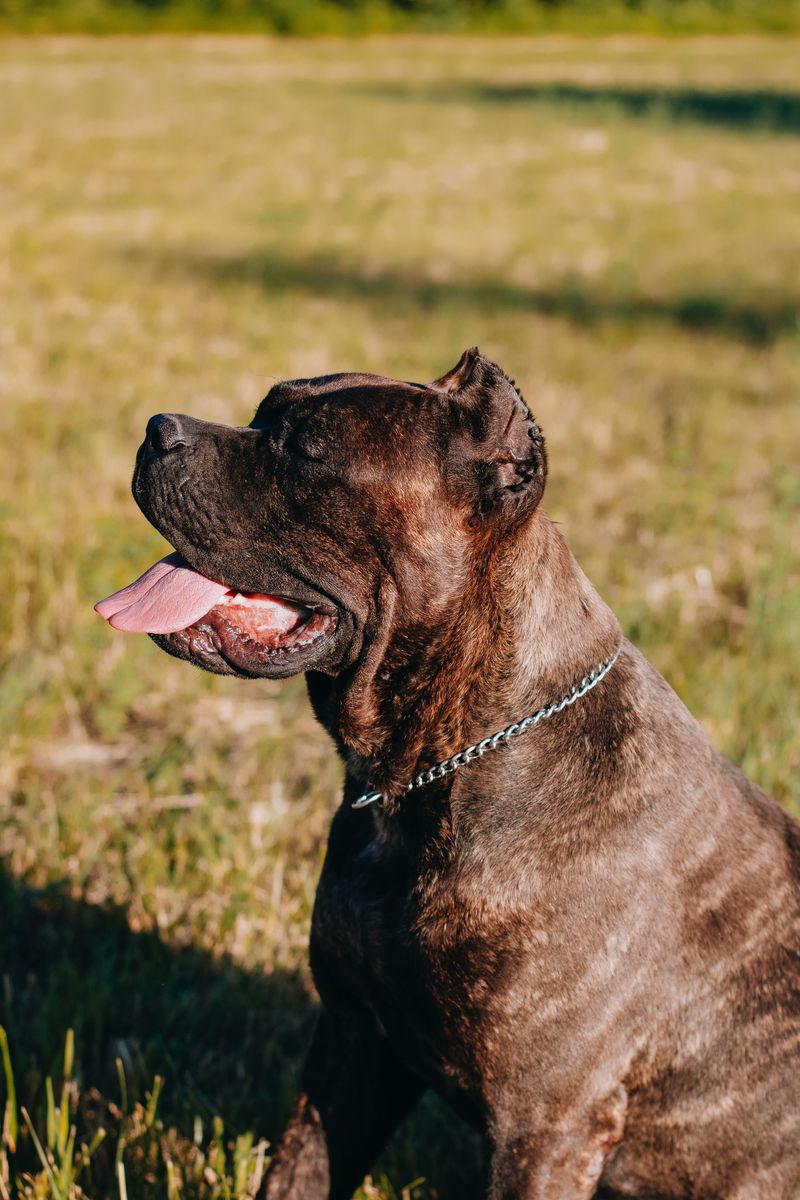
Old world farmyards trusted the Cane Corso to move hogs and watch gates. That heritage lives in a broad head, driving rear, and deep bark that means business.
Guide that seriousness with early handling, cooperative care, and calm exposure to city noises. Short power workouts, tracking games, and place time build confidence without chaos.
Strong fences, thoughtful guest plans, and rock solid obedience keep family life smooth during holidays, deliveries, parties, and busy weekends too.
American Pit Bull Terrier – athletic heart, steady rules
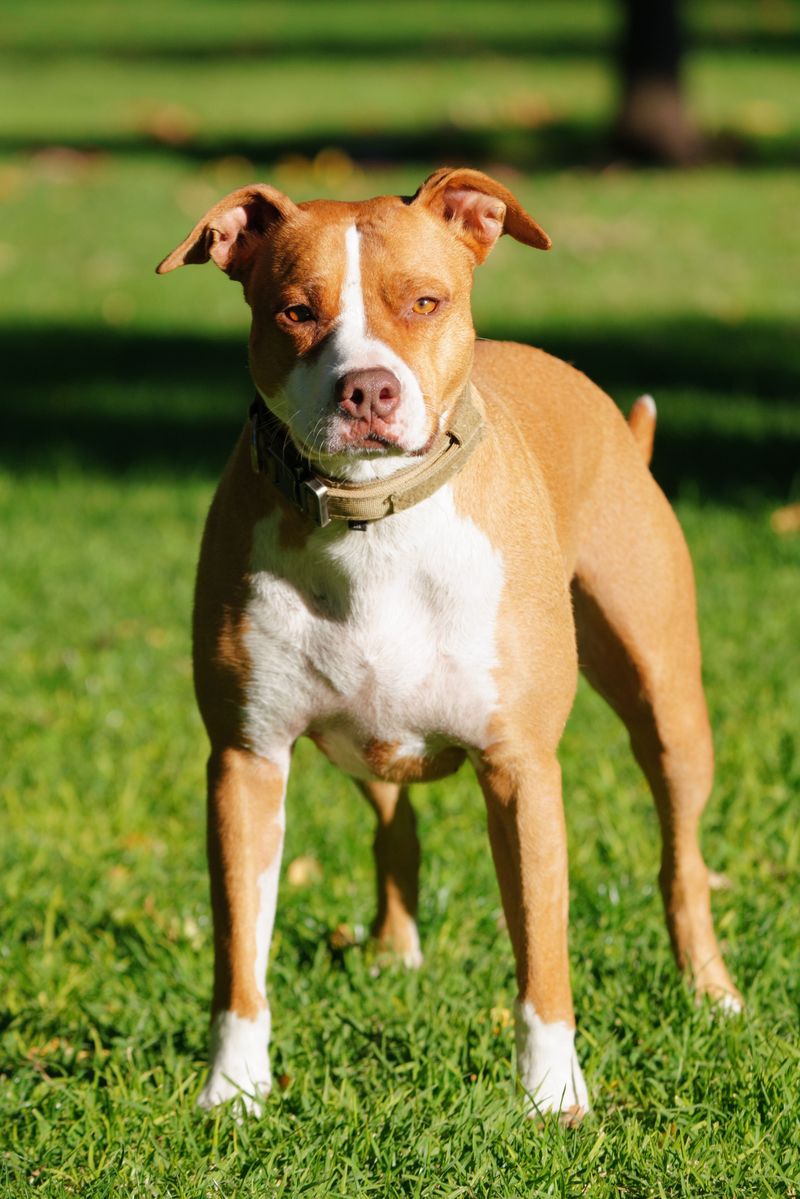
Smiles and wiggly hips hide serious athletic power in the American Pit Bull Terrier. Many excel at weight pull and sprint sports thanks to compact frames and big hearts.
Focus on polite mouthing rules, place work during excitement, and bulletproof recall before dog parks. Flirt pole sessions, spring pole holds, and puzzle feeders redirect energy into safe challenges.
Stable temperament grows with fair structure, clear expectations, and plenty of human time every single week day.
Bullmastiff – quiet blocker with bulk
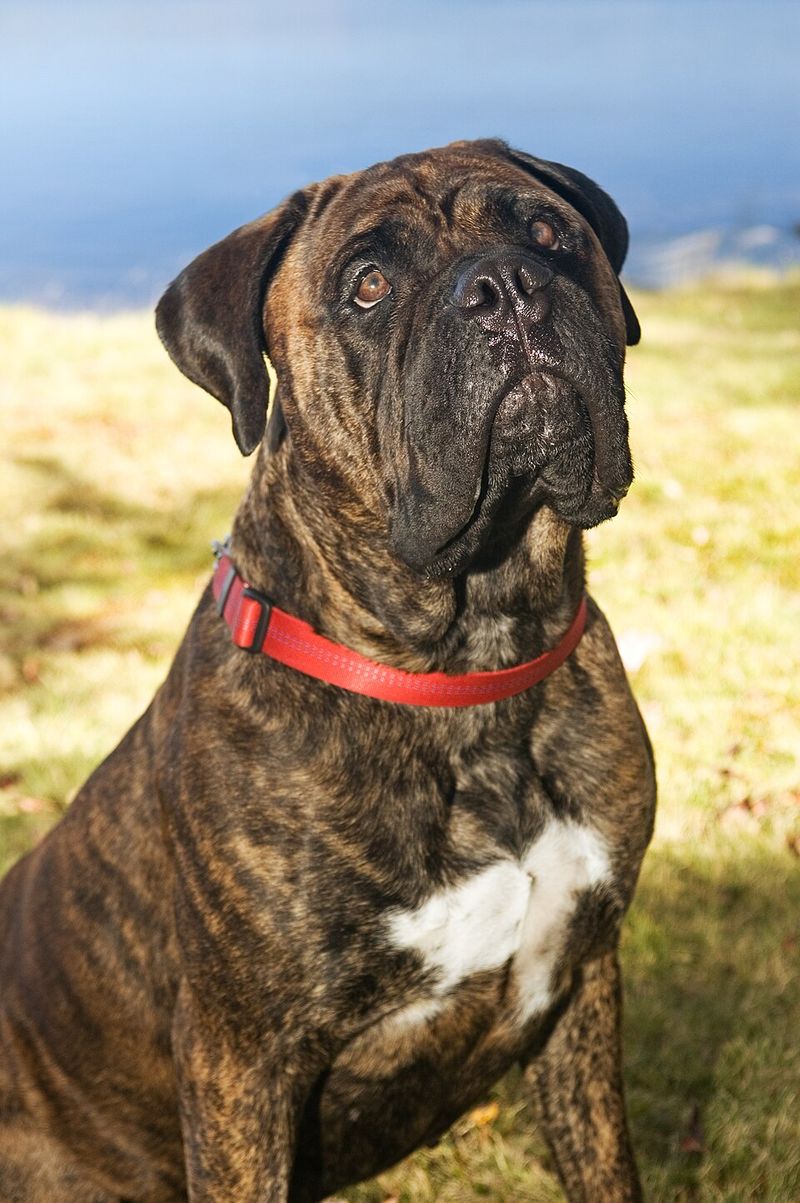
Like a living sofa, the Bullmastiff leans in with quiet pressure and watchful eyes. Bred to stop poachers without biting, its style is block, pin, and hold.
Teach gentle body awareness, slow leash work, and polite doorways to manage size. Short training bursts, scent games, and strolls at cool times protect joints and enthusiasm.
Plan sturdy beds, nonslip rugs, and thoughtful guest introductions for a calm home, especially with kids, elderly visitors, or crowded hallways.
Akita Inu – dignified power, quiet rules
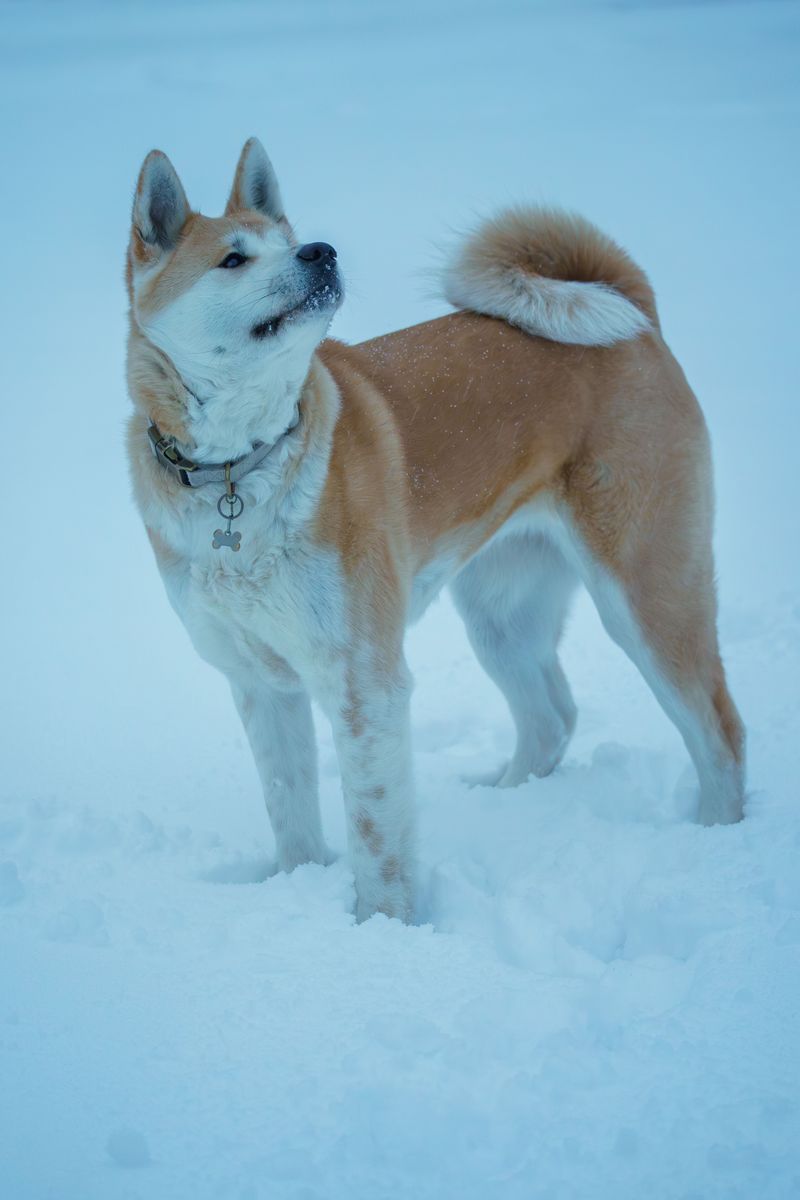
Quiet like snowfall, the Akita holds power in a thick neck and sturdy frame. Strong independence echoes its Japanese hunting past and can surprise first time owners.
Prioritize consent based grooming, neutral dog encounters, and rock solid recall away from wildlife. Brisk walks, controlled tug, and food puzzles channel drives without inviting conflict.
Clear boundaries, respectful handling, and predictable routines bring out that dignified, loyal partner, while keeping strangers and pushy dogs at polite distance.
Belgian Malinois – rocket fuel focus
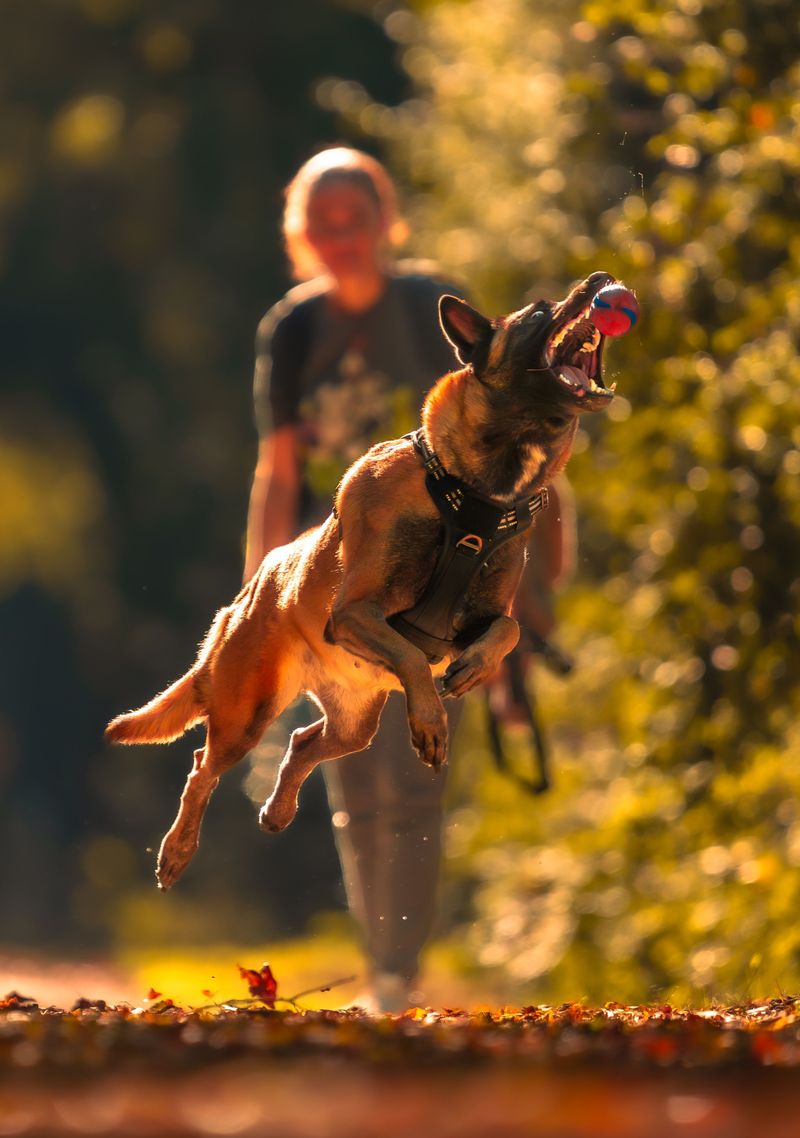
Blink and the Malinois has already finished the task and asked for another. Light frame, explosive legs, and fierce focus make a high drive athlete that craves purpose.
Build outlets with platform training, scent detection games, and bike or run intervals. Teach an off switch, settle on mat, and calm greetings before heavy sport work.
Without structure, that power shreds couches, so schedule, crates, and coaching are nonnegotiable for safety, progress, and household harmony daily.
American Bulldog – gritty worker spirit
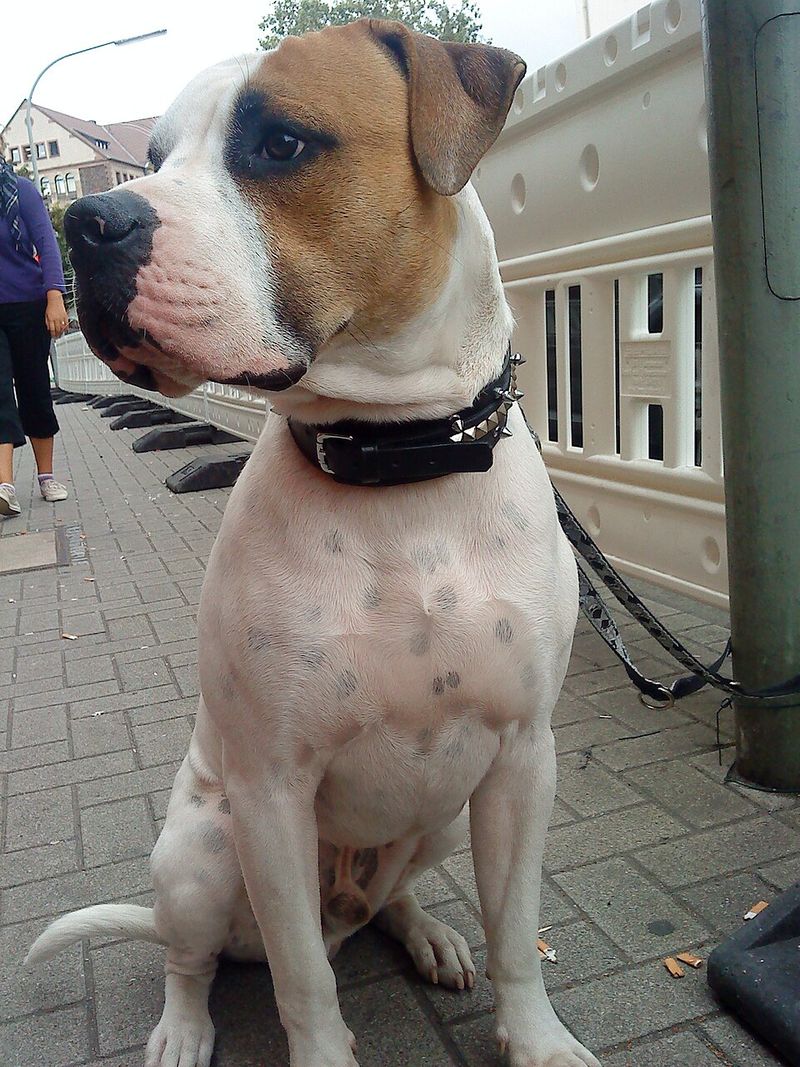
Farm chores once made the American Bulldog a gripping worker with surprising speed. Broad shoulders, thick neck, and strong bite help move stubborn stock when asked.
Today, channel grit into weight pull, obedience clubs, and polite leash skills around distractions. Rotate tug rules, chew sessions, and calm place time to avoid frustrated mouthing.
Friendly does not mean careless, so supervise play, teach soft mouth, and honor rest after jumps, sprints, or rough yard games outside.
Alaskan Malamute – freight engine on paws
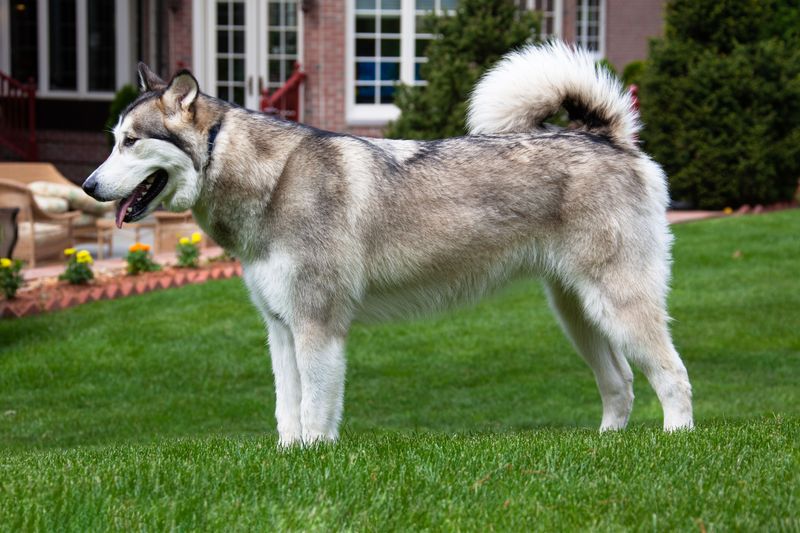
Snow trails feel easy behind a Malamute dragging a tire with a happy grin. Built for freight, it carries strength in shoulders, back, and paws that just keep going.
Give long, cool workouts, pulling sports, and puzzle meals to match that engine. Teach calm starts, loose leash manners, and a solid leave it around wildlife.
Secure yards, strong tethers during setups, and consistent recall save adventures from runaways, especially after fresh snow, winds, or squirrels.
Newfoundland – water rescue powerhouse
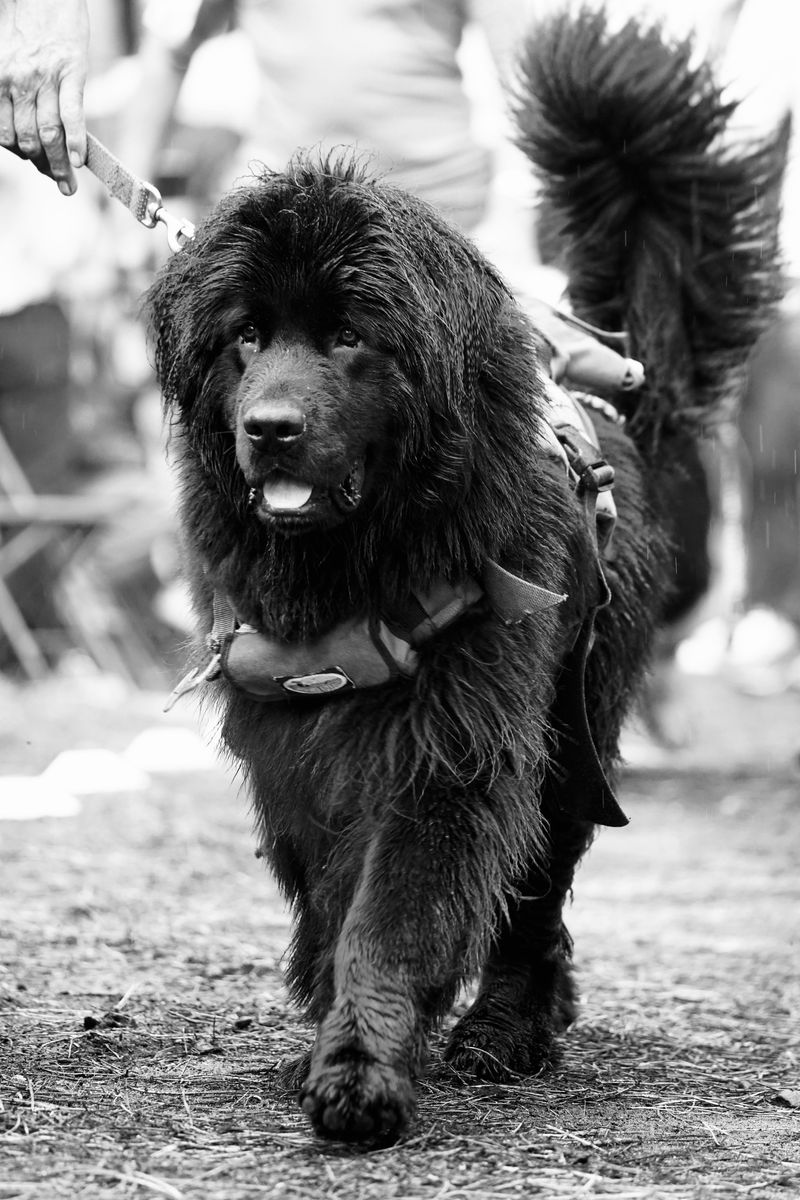
With a heart as big as its paws, the Newfoundland hauls people from rough water. Thick coat, wide frame, and powerful swim stroke create a steady, purposeful worker.
Owners should train cooperative grooming, harness cues, and calm loading into boats or cars. Swim sessions, cart work, and long naps balance exercise with joint care.
Gentle does not equal weak, so teach boundaries, prevent jumping, and manage drool stations near doors, couches, and water bowls daily.