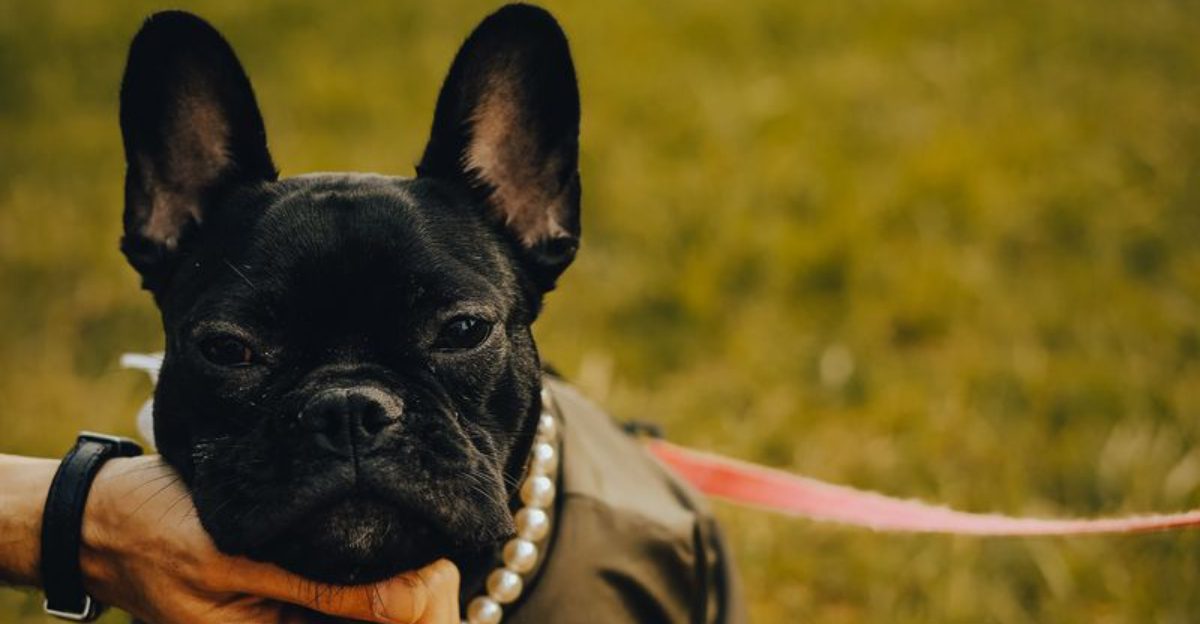
Most walks feel easy until the weather shifts, distractions pop up, or your dog’s breed specific quirks kick in. Some pups overheat quickly, some tire fast, and others can run into breathing or joint trouble before you realize it.
Knowing your dog’s unique risks can turn a risky stroll into a confident routine. Let’s make every walk safer, calmer, and a lot more fun for both of you.
French Bulldog
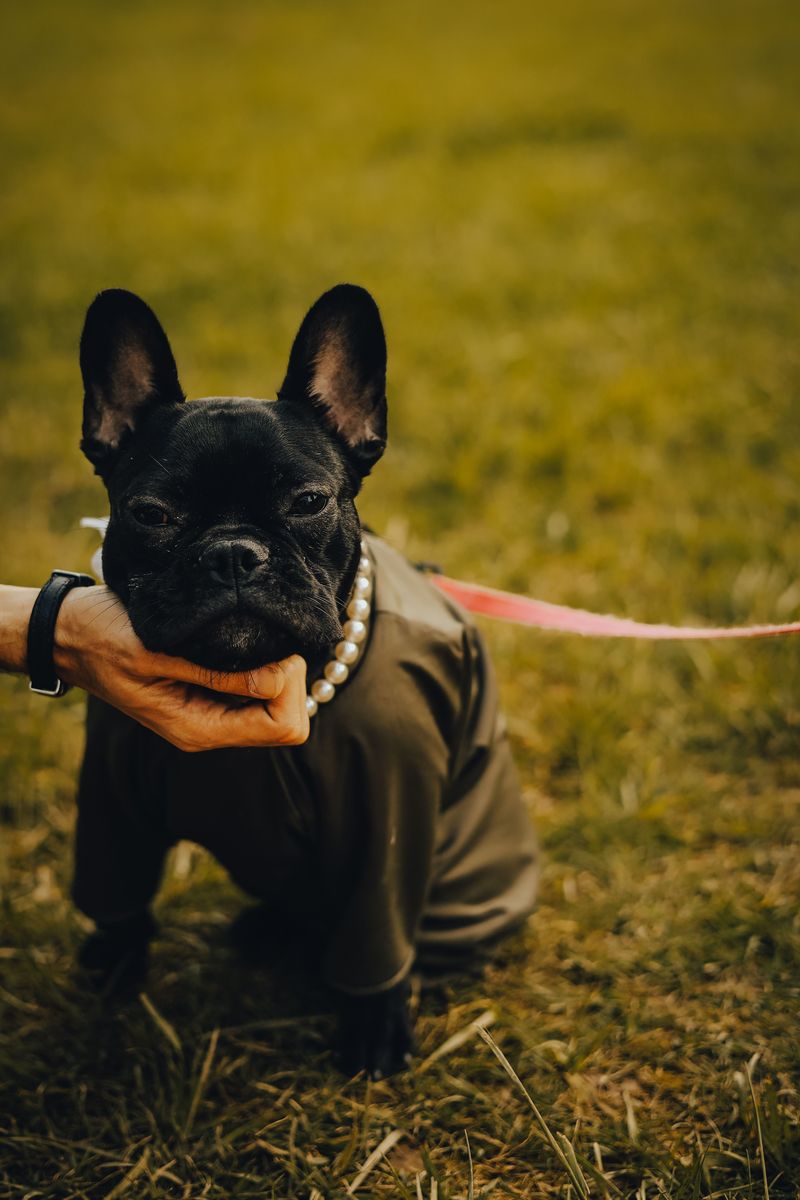
French Bulldogs are adorable companions, but their short muzzles make heat control tricky. You will notice quicker panting and potential wobbliness even on mild, sunny days.
Keep walks short, choose shade, and pack cool water and a collapsible bowl every time you head out.
Be watchful around stairs, slick sidewalks, and playful dogs that bump roughly. Their compact frames and heavy heads can strain necks and spines if pulled hard.
Use a well fitted harness, avoid midday heat, and take frequent sniff breaks. If breathing turns raspy, gums look pale, or they slow dramatically, stop immediately.
Cool them gently, rest, and call your vet if recovery is not quick.
Bulldog
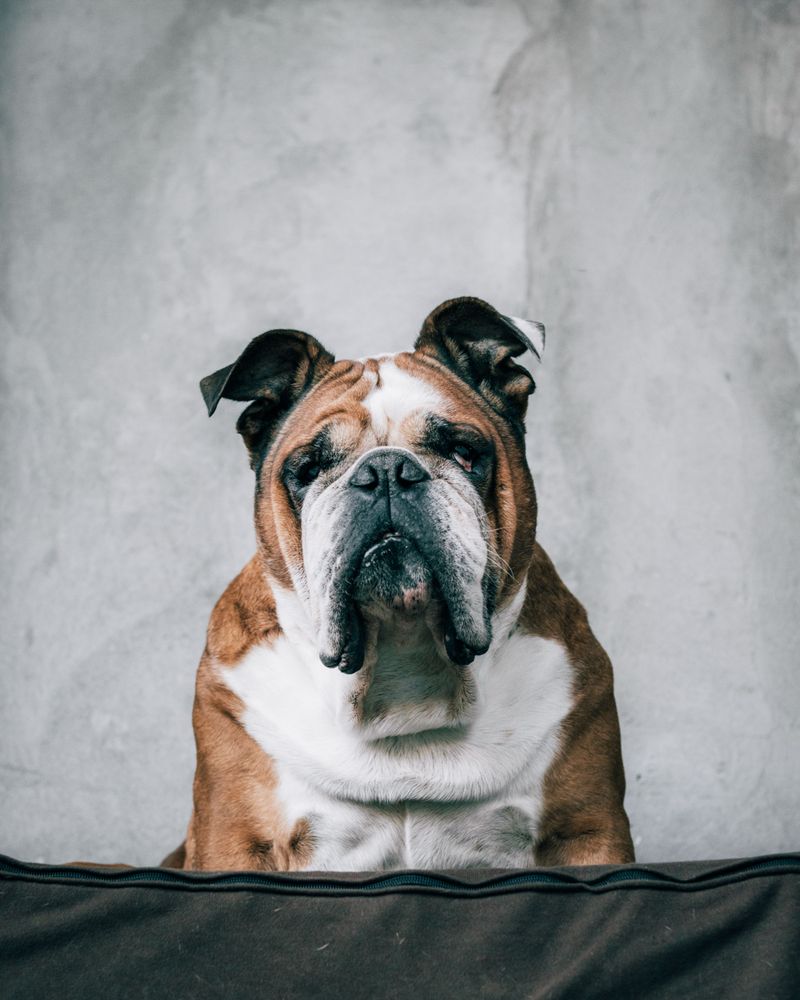
Bulldogs can overheat faster than you expect, even on short, calm walks. Their broad chests and short airways make cooling a challenge when excitement spikes.
I recommend early morning or evening routes, slow pacing, and frequent water stops to prevent sudden fatigue or distress.
Curbs, steep inclines, and long staircases can stress joints and compromise breathing. Avoid tug-of-war on leash and switch to a harness that reduces neck pressure.
If you hear noisy gulping, see a droopy posture, or notice confusion, pause immediately. Seek shade, wet their paws and chest, and monitor closely before resuming.
On warm days, plan micro loops near home so you can bail quickly if your Bulldog shows early overheating signs.
Pug
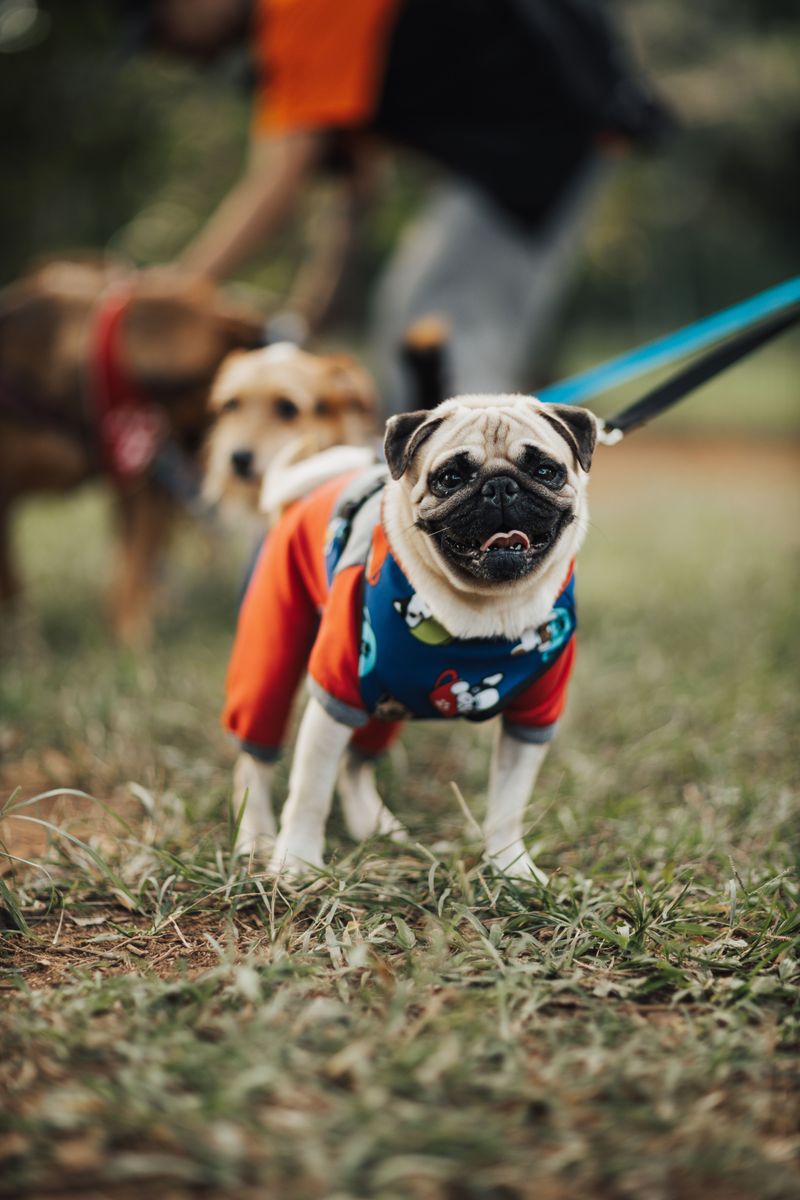
Pugs are joyful walkers, but their tiny airways can struggle when weather swings or excitement builds. A normal stroll can turn risky if humidity spikes or the pace climbs.
Choose level routes, keep things unhurried, and use a lightweight harness to protect their neck and breathing.
Watch for glassy eyes, wheezy sounds, and a sudden sit down. These are early flags for overheating or airway irritation.
Offer water often, let them sniff slowly, and rest in shade if panting grows rapid. I avoid crowded sidewalks where dodging feet and bikes cranks up stress.
If their tongue turns very dark or energy crashes, stop, cool gently, and contact your vet. Prevention beats any panicked cool down later.
Boston Terrier
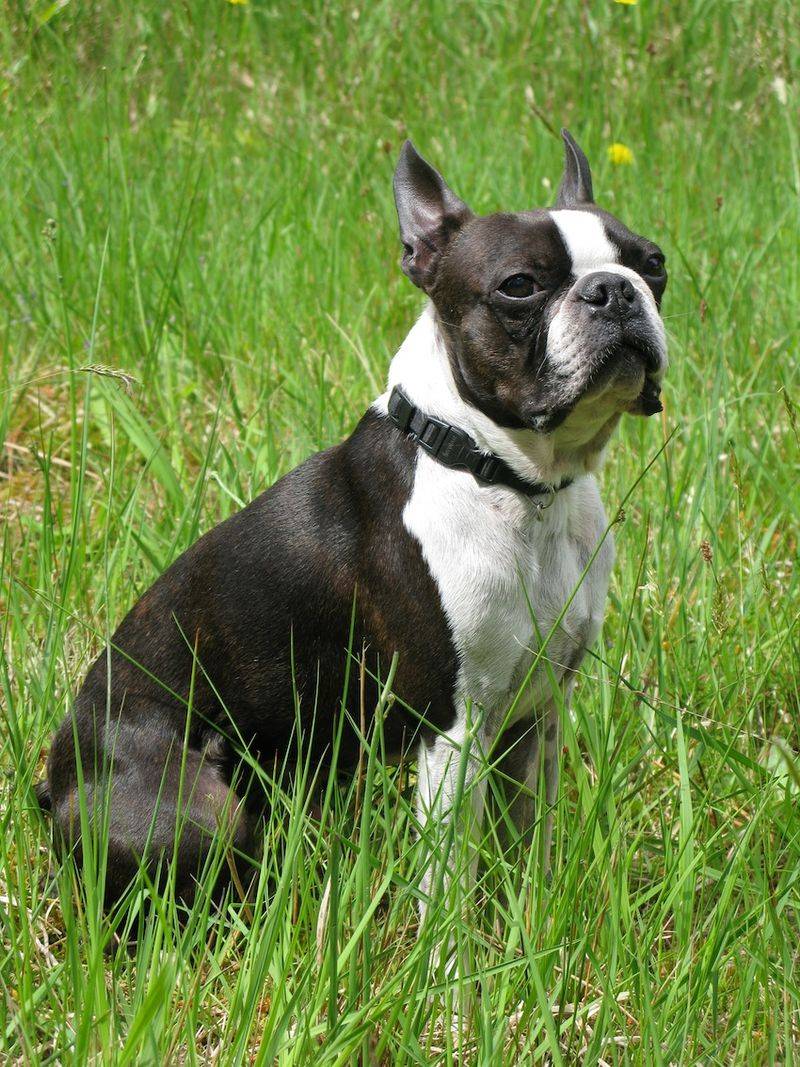
Boston Terriers are energetic, yet their short muzzles still raise heat and breathing risks on longer walks. A calm pace, smart route choice, and frequent pauses keep them comfortable.
I like shaded loops near water fountains or benches where cooling down is easy and quick.
Sudden sprints after scooters or pigeons can push them past comfortable limits. Use a no-pull harness and practice impulse control with treats and cues.
Watch for noisy panting, drool strings, or head droop as early warning signs. On hot days, skip asphalt that radiates heat toward their chest.
If they look wobbly, stop, cool with water on paws and belly, and reassess. Short, playful walks beat long, risky marathons.
Shih Tzu
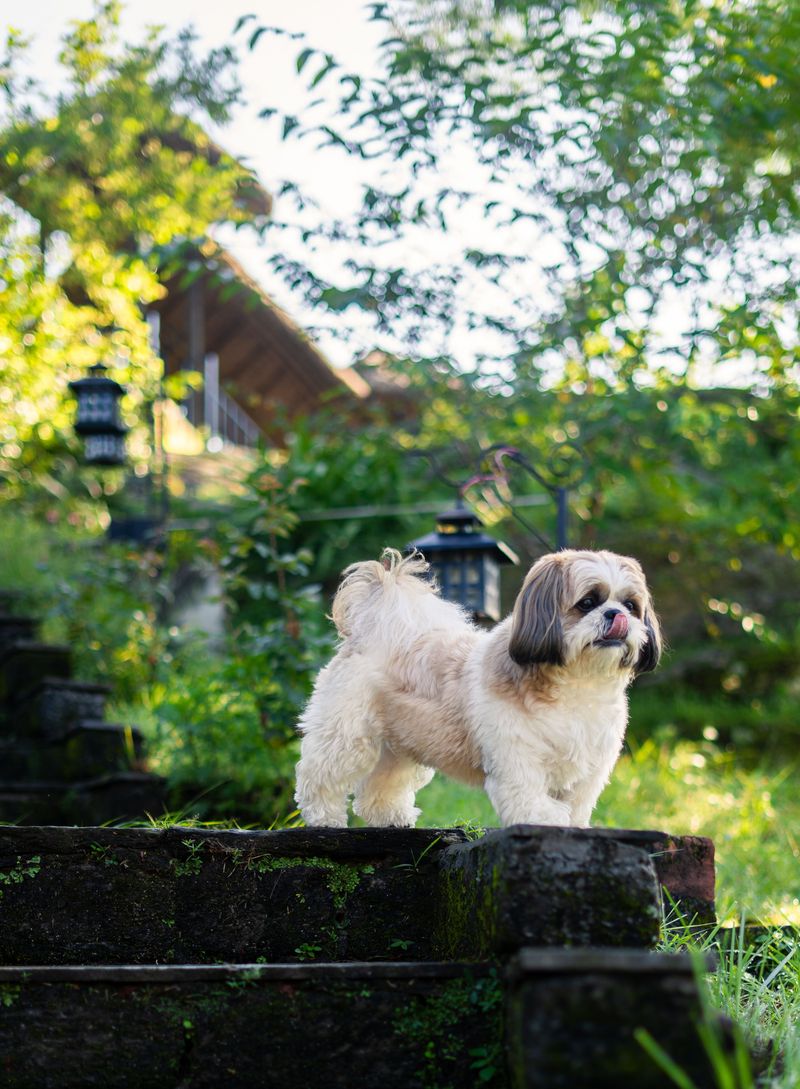
Shih Tzus have luxurious coats and compact faces that can trap heat during even gentle walks. Keep hair trimmed around eyes and muzzle so airflow and vision stay clear.
I favor cool times of day, slow pacing, and short loops that keep your pup close to home.
Watch for matting around the collar that can rub or overheat the neck. Use a soft, breathable harness and avoid high humidity routes.
If panting quickens or steps turn choppy, pause in shade and offer water. Paw pads can also overheat on sunbaked sidewalks, so test surfaces with your hand.
Prioritize comfort over distance. With patient pacing and grooming checks, your Shih Tzu can enjoy safe, happy, sniff heavy strolls year round.
Pekingese
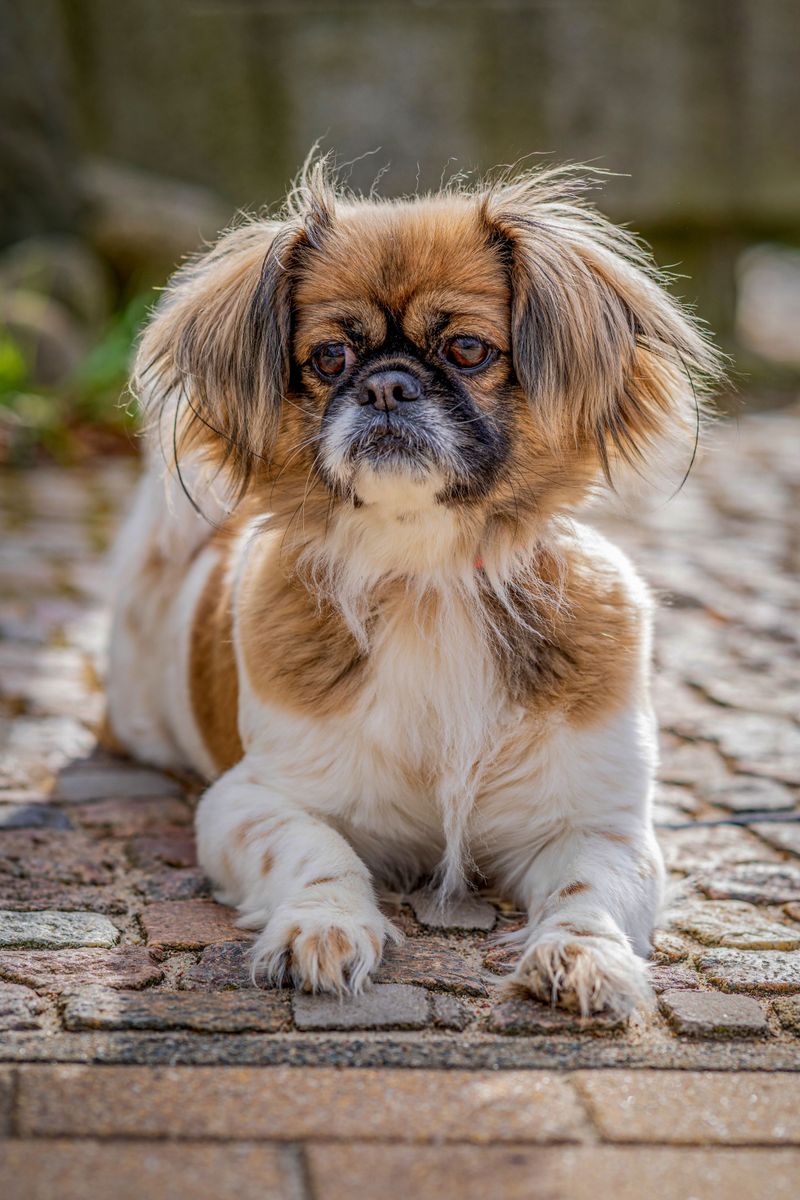
Pekingese are charming but sensitive to heat and overexertion due to their flat faces and heavy coats. A peaceful walk can tip dangerous if they get startled or push uphill.
Keep outings short, pick shaded terrain, and carry cool water plus a small towel for gentle cooling.
Their prominent eyes need protection from dust and branches. I avoid crowded routes and keep the leash short near bikes or strollers.
If breathing turns snorty or steps slow, stop and rest immediately. Moisten paws, lift the coat to release trapped heat, and wait for calm breathing.
Use a harness, not a collar, to protect the windpipe. Consistency, calm pacing, and thoughtful grooming make strolls safer and more enjoyable.
Cavalier King Charles Spaniel
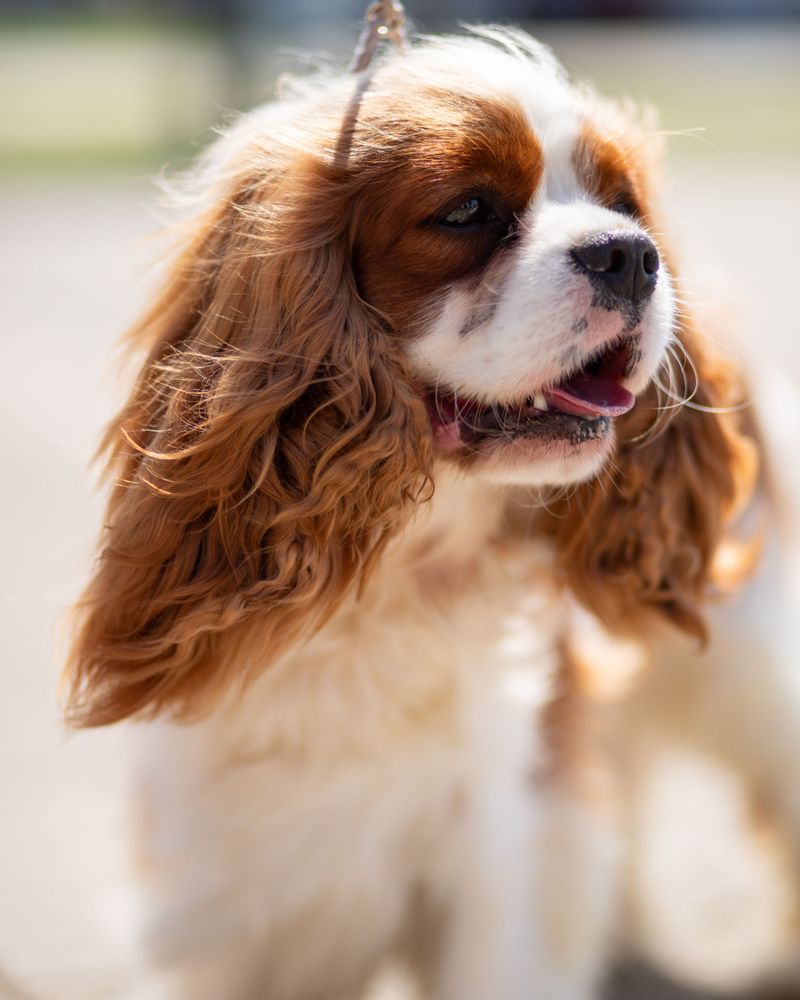
Cavaliers are gentle walkers who can tire or overheat quietly, especially on humid days. Some are also prone to heart concerns, so steady pacing matters.
Choose shady loops, bring water, and keep excitement low when joggers or squirrels appear so breathing stays even.
I watch for subtle cues like lip licking, slowing, or a worried glance. A supportive harness prevents neck strain if they pull toward birds.
Skip long hills and hot pavement that radiates heat into the chest. If they pause or cough, stop and rest.
Offer sips, cool with shade, and reassess plans. Short, frequent walks keep conditioning up without pushing limits.
Your Cavalier’s tail will still wag the whole time.
Boxer
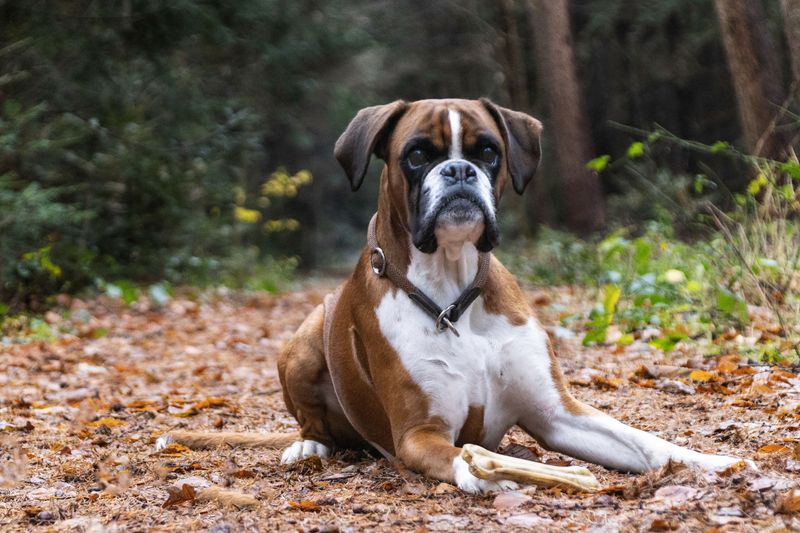
Boxers brim with energy, which can hide early overheating signs. Their short muzzles limit cooling when excitement peaks.
Plan interval style walks with built in sniff breaks, and carry water so you can reset their temperature before things escalate.
They love to sprint after birds or bikes, which can spike heart rate and breathing. Use a sturdy harness and practice loose leash skills away from crowded routes.
If their gait stiffens or panting turns harsh, switch to shade and rest. Check gums and demeanor, and stop the outing if recovery lags.
Evening or dawn sessions work best in warm seasons. Smart pacing keeps your Boxer strong, happy, and far from preventable heat stress.
Chow Chow
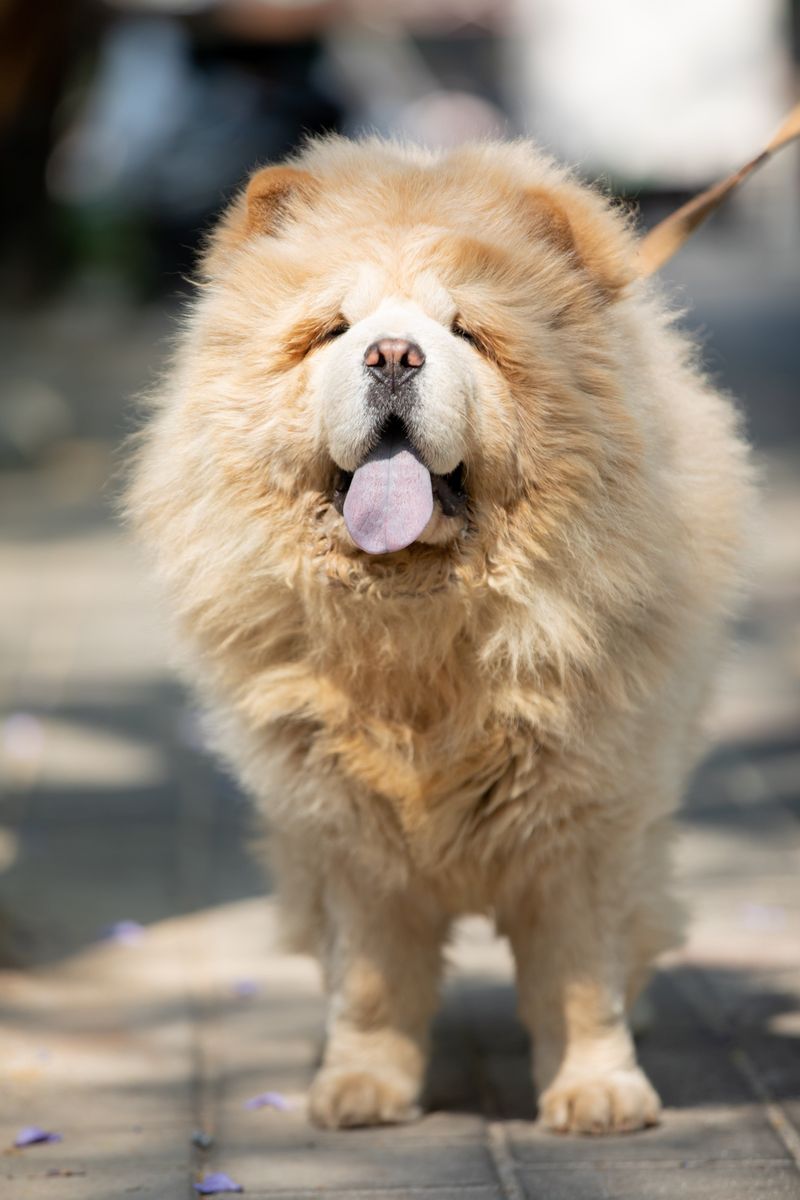
Chow Chows carry dense coats that trap heat, turning mild walks risky under sun. Choose forest shade, cool mornings, and slow paces to keep them comfortable.
I bring water and pause often to lift hair and release built up warmth from the chest and neck.
Their independent streak can lead to stubborn pulling, increasing strain and heat load. A well fitted harness helps manage momentum without neck pressure.
Watch for drooling, sluggish steps, or sudden sitting. If you notice a glassy stare or heavy panting, cool immediately and head home.
Groom routinely to remove undercoat that acts like insulation. With mindful routes and patience, your Chow can stroll safely despite that magnificent, heat trapping fur.
Newfoundland
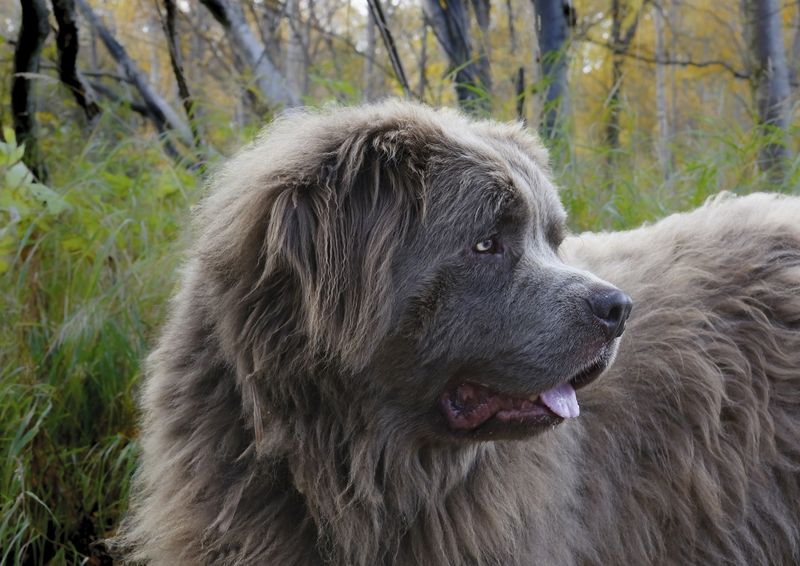
Newfoundlands are gentle giants with thick coats that make heat management challenging. Even a normal walk can become risky if the sun appears or humidity rises.
Stick to cool, shaded waterfronts, keep sessions short, and bring water plus rest breaks to prevent sudden overheating.
Their size adds joint stress on stairs and steep grades. Use a supportive harness and avoid slippery docks or polished floors near lakes.
Watch for drool strings, slowing pace, or a distant look. If panting grows loud, stop and cool their belly and paws.
Plan looped routes near your car so you can exit quickly if needed. With preparation, your Newf can enjoy safe, refreshing strolls that match their steady temperament.
Saint Bernard
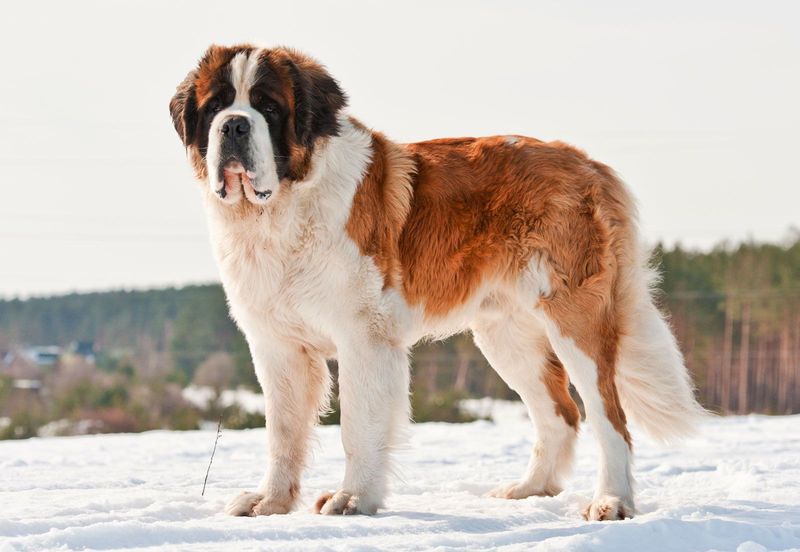
Saint Bernards are built for cold, not heat, so a sunny walk can turn dangerous quickly. Their massive bodies store warmth, and they tire faster on inclines.
Choose cool hours, shady trails, and gentle grades, keeping water handy to manage temperature and exertion.
Balance enthusiasm with careful pacing. A harness spreads pressure and helps with control on downhill sections.
Look for excessive drool, lagging behind, or a wobble as early warning signs. If they lie down abruptly, rest in shade and cool with water on paws and chest.
Avoid long asphalt stretches that radiate heat. Short, frequent walks matched to weather will protect joints and breathing while delivering the enrichment they love.
Bernese Mountain Dog
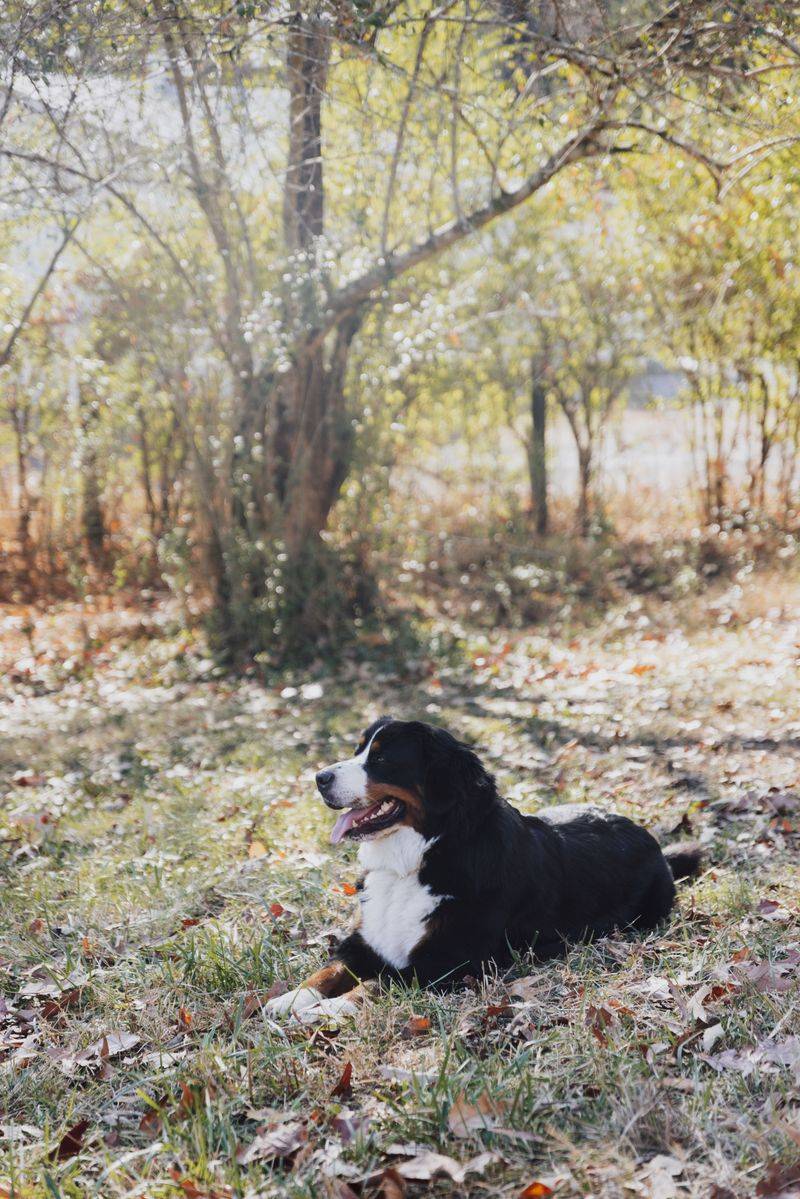
Bernese Mountain Dogs thrive in cool climates, so warmth and humidity raise risks on average walks. Dense coats retain heat, and heavy bodies stress joints on steep terrain.
Plan shaded routes, keep sessions moderate, and carry water to stay ahead of fatigue and overheating.
I watch for subtle slowing, big sighs, or sloppy turns. A padded harness supports control without neck strain on descents.
Avoid hot asphalt and long staircases that can trigger soreness later. If panting gets rough or they seem distant, stop, cool, and reassess.
Regular conditioning with short, frequent outings protects joints while building stamina. With steady pacing and smart surfaces, your Berner can enjoy safe, beautiful walks year round.
Mastiff
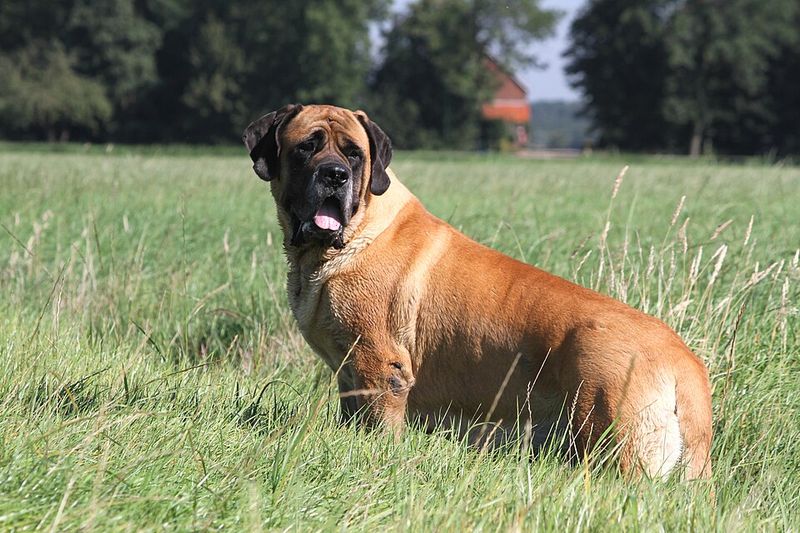
Mastiffs are powerful but can fatigue and overheat quicker than expected due to size and shorter snouts. Keep routes flat, quiet, and shaded, and limit duration in warm months.
I bring water, plan rest stops, and watch their demeanor closely, especially when distractions increase.
Sudden pulls can strain necks and backs, so use a broad, supportive harness. Avoid crowded sidewalks where constant dodging boosts stress and heat.
If panting deepens or steps turn plodding, pause, cool gently, and head home. Joint friendly surfaces like grass reduce impact.
Consistency builds stamina without tipping into risk. Your Mastiff will appreciate calm structure over distance goals, and you will avoid preventable emergencies.
Bullmastiff
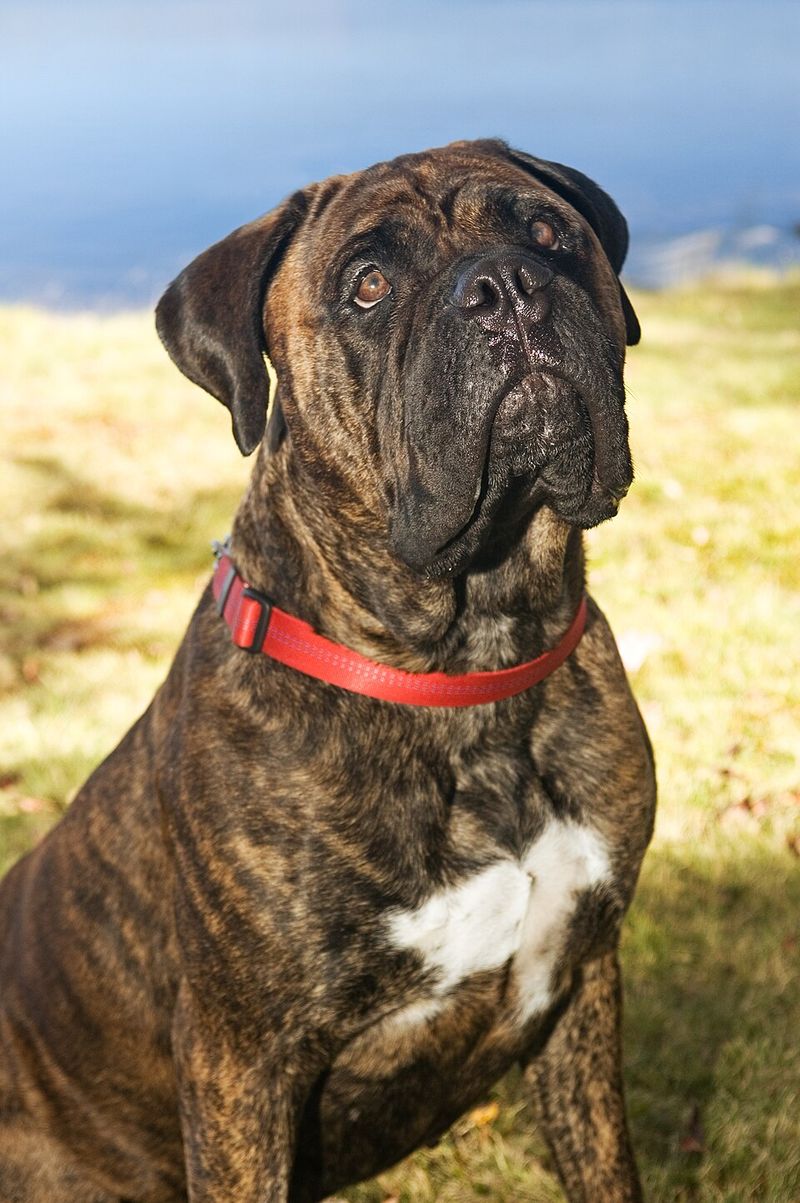
Bullmastiffs are confident walkers, yet their size and shorter muzzles increase overheating and fatigue risk. Choose dusk or dawn, stick to level loops, and schedule frequent pauses to check breathing.
I keep water ready and avoid long asphalt stretches that reflect heat onto their chest.
They can surge toward distractions, so a sturdy harness and short lead improve control. Look for head droop, sticky drool, and a sudden slowdown as early red flags.
If recovery is slow after a pause, call it a day. Gentle, consistent conditioning beats one challenging outing.
Keep nails trimmed for better traction and fewer slips. With thoughtful pacing and surfaces, your Bullmastiff will finish walks comfortable and proud.
Dogue de Bordeaux
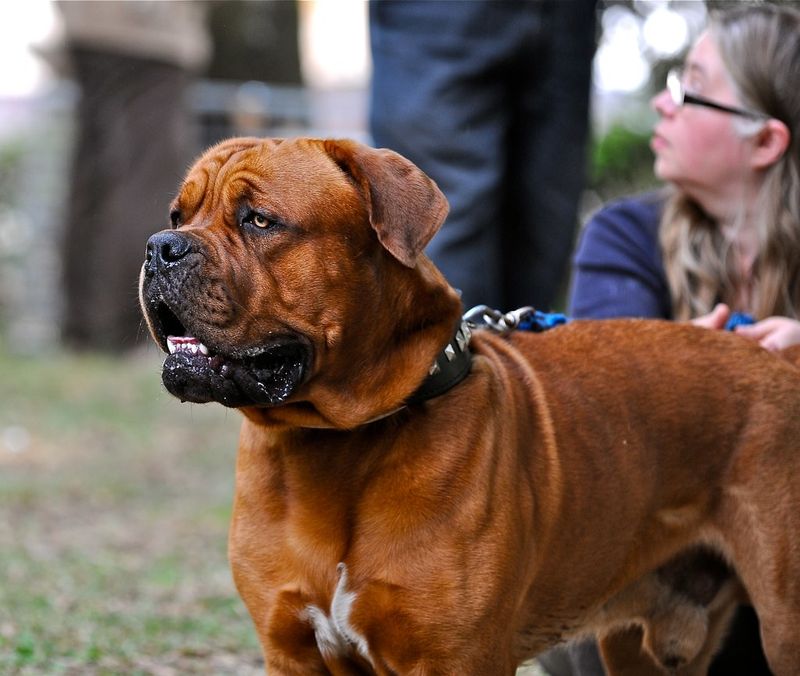
The Dogue de Bordeaux has a massive head and short muzzle, which raises heat and airway concerns on routine walks. Keep outings short, unhurried, and shaded.
I like riverside paths where breezes help cooling, with water and a cooling towel always on hand.
Watch for heavy drool, noisy panting, or a sudden stop. A wide harness spreads pressure and reduces risk to the neck.
Avoid steep climbs and hot pavement that can overwhelm them fast. If they seem dazed or glassy eyed, stop immediately, cool gradually, and call your vet if recovery lingers.
Build endurance through frequent, easy sessions. With planning and patience, your Bordeaux can enjoy safe, satisfying walks without flirting with heat stress.