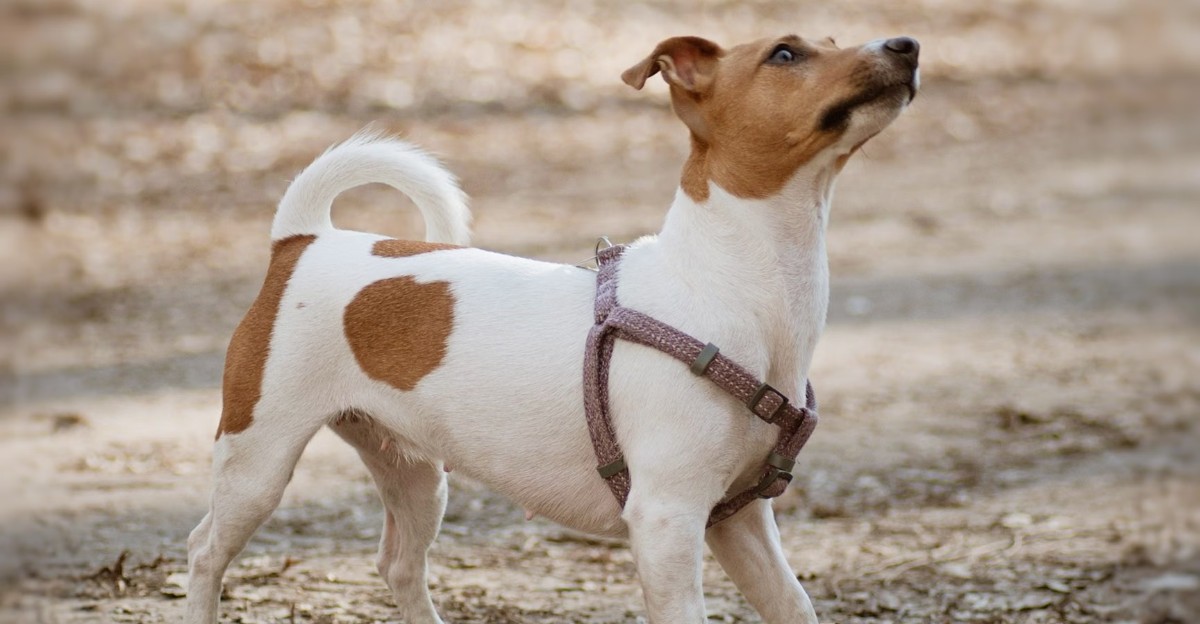
Some dogs love to share their thoughts out loud. Barking, howling, and yipping can be their way of talking, working, or asking for fun.
If you like peace and quiet, you will want to know which breeds speak up the most. Learning what causes the noise can help you plan better training and a calmer home.
Beagle
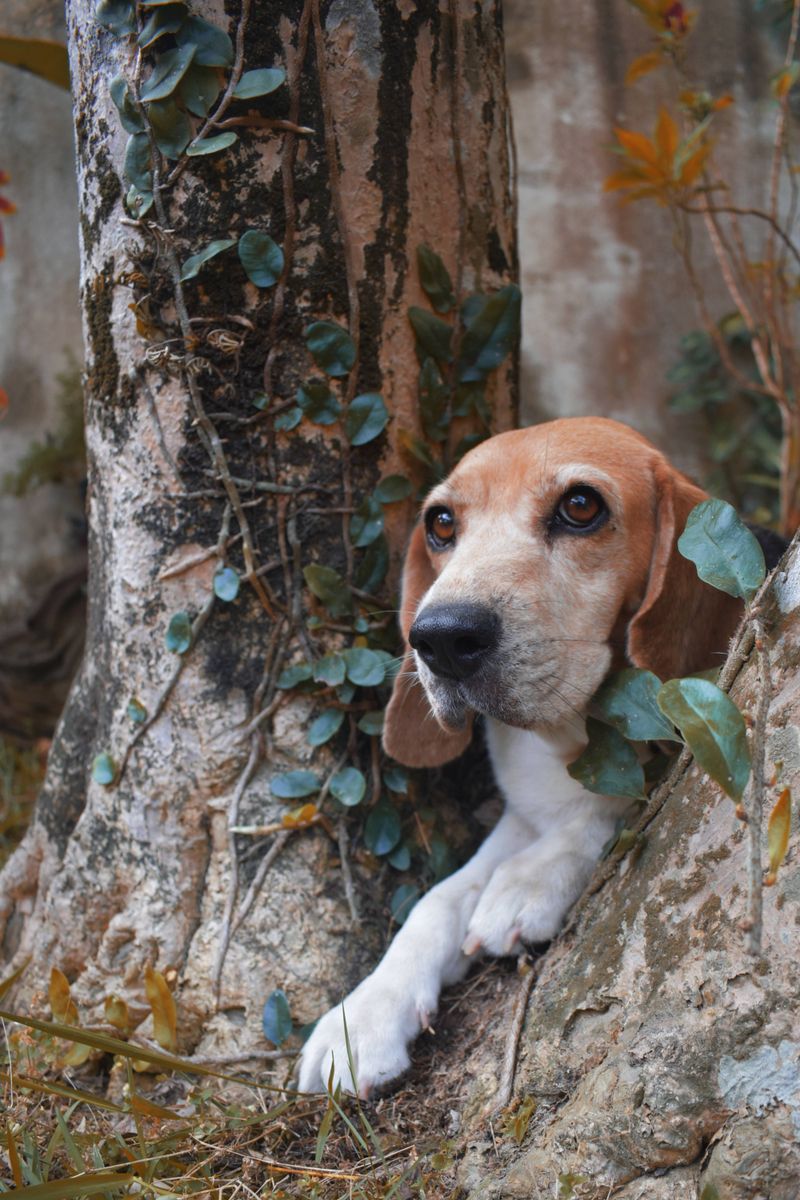
Nose to the ground and voice to the sky, a Beagle sings when it catches a scent. Bred for pack hunting, it alerts teammates with bays that carry far.
Mental games help a lot. Try scent puzzles, hide-and-seek, and structured walks to tire that busy brain.
Training tip: reward quiet moments before the next sniffing adventure. Keep windows less stimulating with curtains, and use white noise at night.
A ten minute sniffari can save an hour of barking.
Siberian Husky
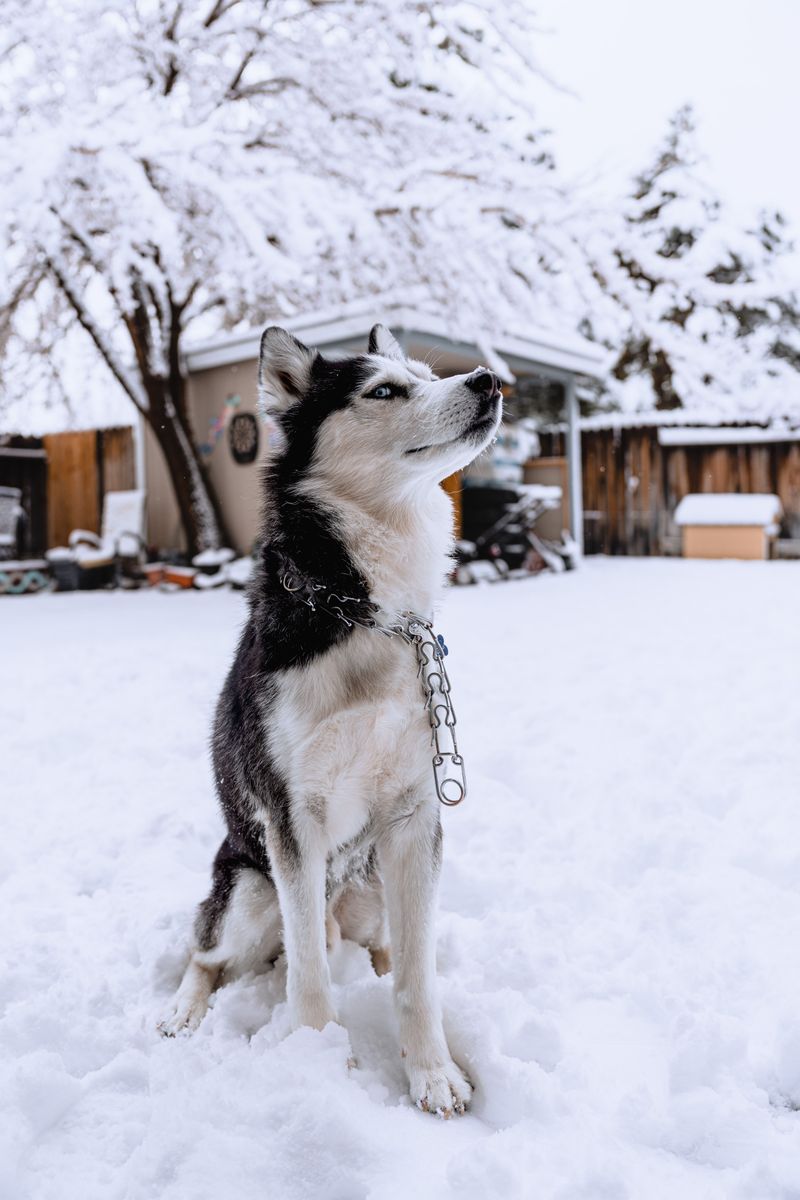
Story time with a Husky often includes a dramatic chorus. They do not just bark.
They woo, yodel, and chat like sled-team radio. That talkative style kept mushers connected across wind and snow.
Today, it can fill your living room.
Give this athlete jobs. Short bikejor sessions, flirt pole play, and obedience drills help settle the voice.
Teach a speak cue and a quiet cue together, rewarding calm pauses with treats and a cozy nap spot.
Alaskan Malamute
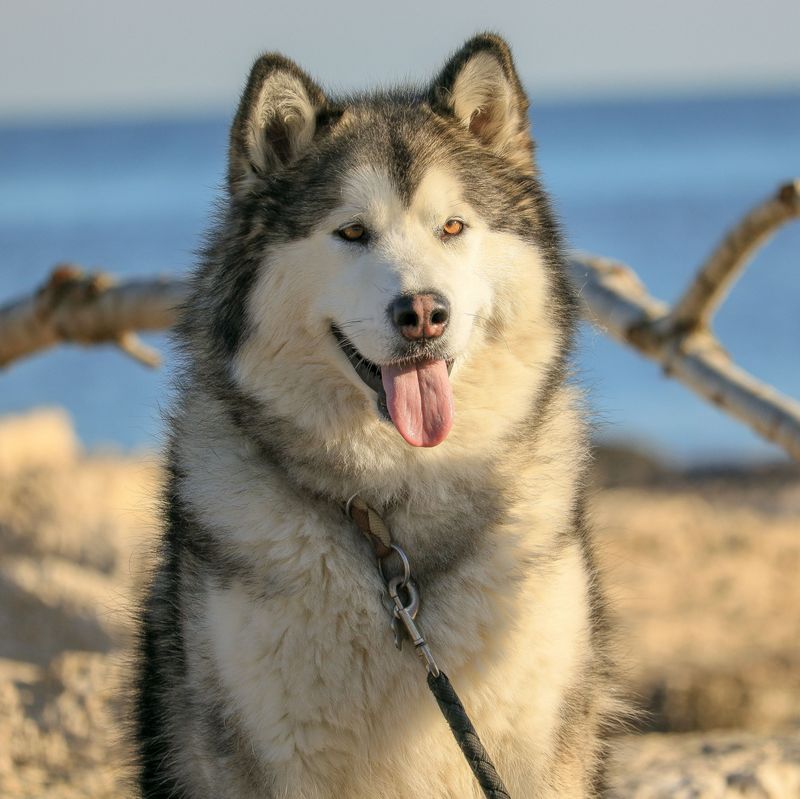
A Malamute does not whisper. Deep, booming calls are part of its working heritage.
Those calls once rallied teams and warned of strangers across long distances. In a neighborhood, echoes happen.
Plan for exercise that taxes muscles and mind.
Carting, weighted walks, and puzzle feeders curb boredom noising. Practice calm greetings with visitors to reduce alert howls.
Offer a cool resting zone, since comfort lowers arousal. A steady routine softens the urge to comment on everything.
Shetland Sheepdog
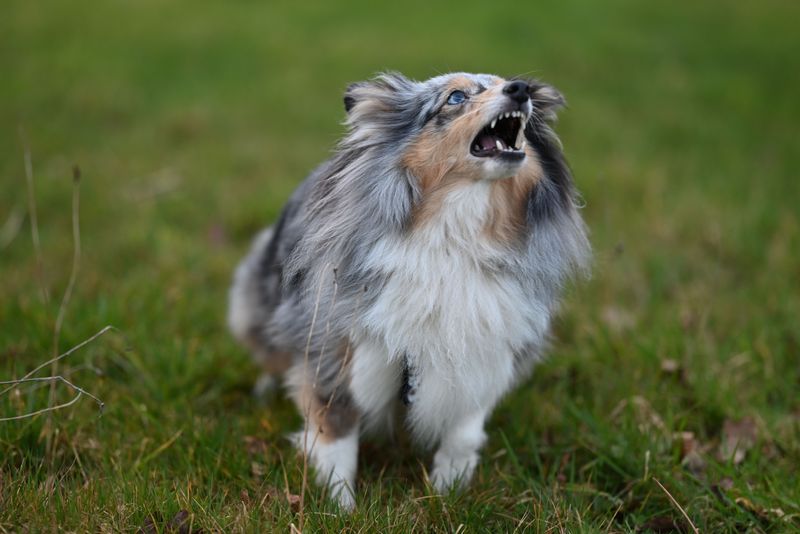
Quick feet, quicker voice. The Sheltie was built to move flocks with sharp alerts.
That keen eye spots every scooter, bird, and leaf, then reports right away. Without guidance, neighborhood patrol becomes a full time job.
Channel the smarts into agility, trick training, or nosework. Teach a place command so the dog can relax away from windows.
Reward quiet observation, not just silence. Even five-minute training breaks sprinkled through the day trim the chatter.
Yorkshire Terrier
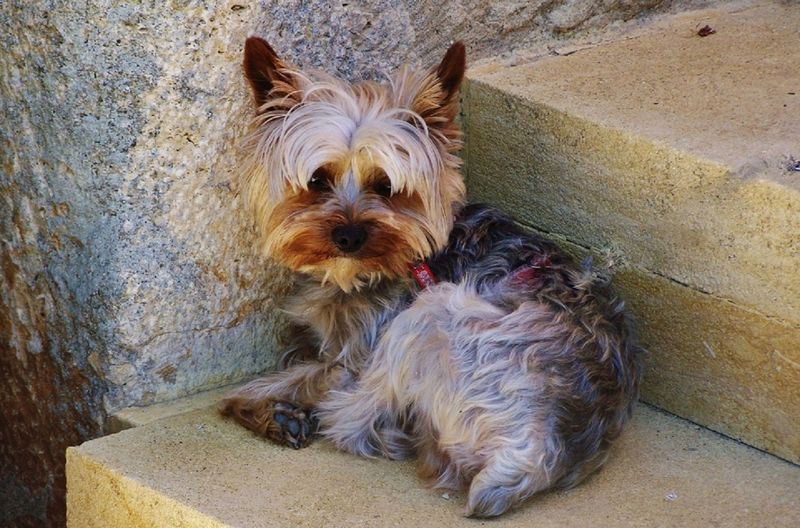
Pint sized body, stadium sized spirit. A Yorkie often acts like the household sentry, warning about elevators, footsteps, and doorbells.
That alertness once chased rats in busy mills. Now it spots every hallway sound.
Try daily sniff walks and pattern games to drain energy. Use a predictable door routine with treats on a mat to lower doorbell drama.
Keep windows less tempting with frosted film. Celebrate calm with gentle praise and a soft chew.
Miniature Schnauzer
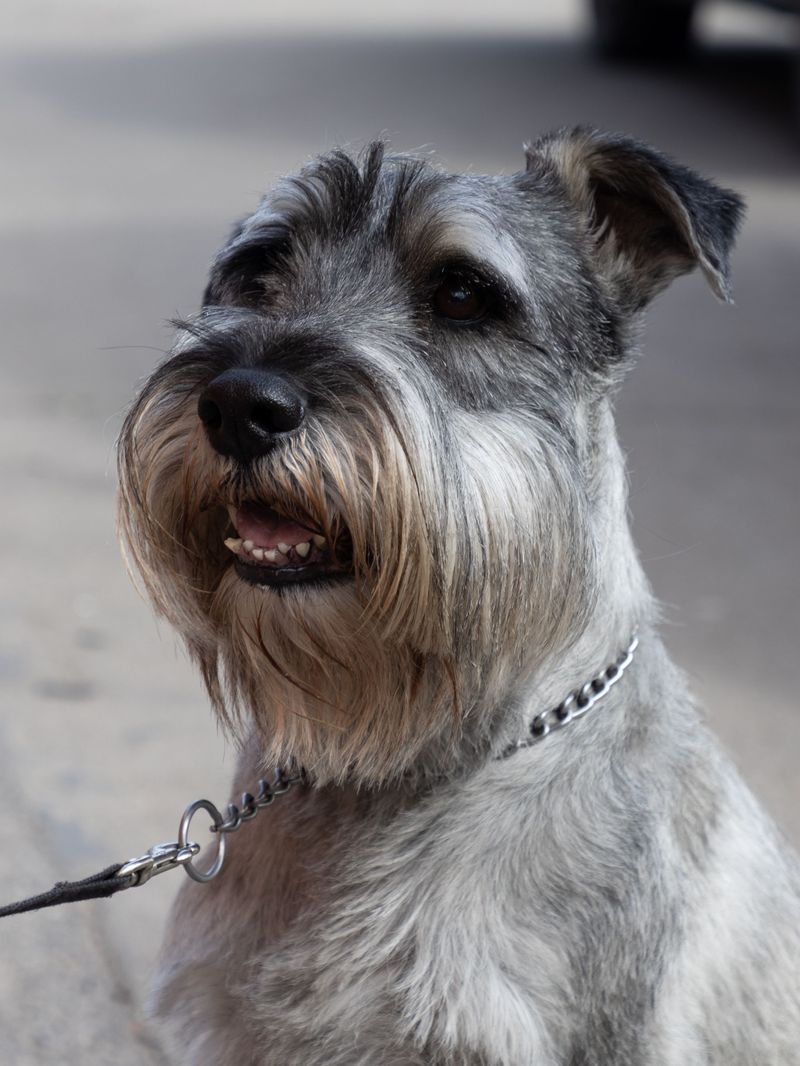
That famous beard comes with opinions. Mini Schnauzers love to announce visitors and guard the yard line.
Their terrier spirit and watchdog roots make them quick to sound off. Left alone with nothing to do, the commentary grows.
Give jobs like find the toy, short rally sessions, and structured fetch. Build a go-to place near you for calm downtime.
Practice quiet after one bark, then reward. A busy mind and clear rules keep the volume reasonable.
Chihuahua
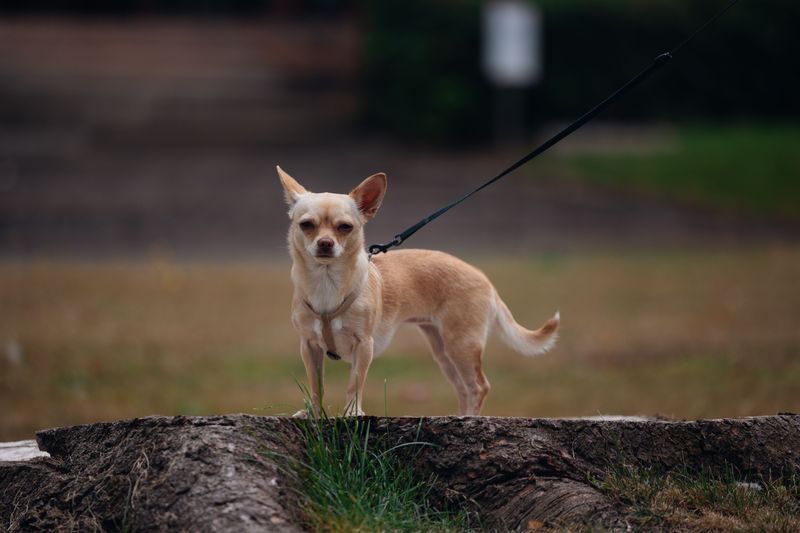
Small but mighty describes the Chihuahua voice. Many feel they must protect their people, so they report every sound.
Sudden knocks or fast movements can kick off a chain of yaps. Confidence building changes the mood.
Use easy wins like targeting a hand, then settling on a mat. Pair door sounds with treats tossed on the floor to rewrite the story.
Short sniff breaks and chew time reduce stress, making the home feel safer.
Pomeranian
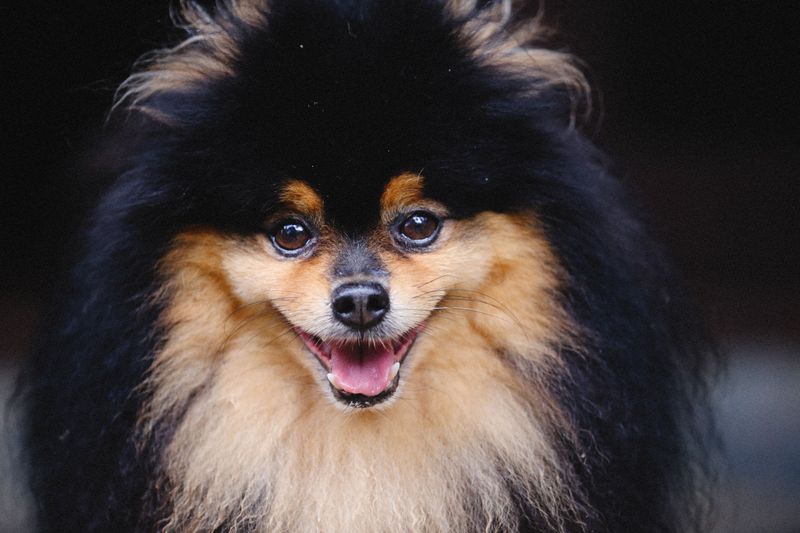
Like a pocket megaphone, the Pomeranian loves to announce fun, visitors, and squirrels. Once a sled dog in a tiny package, it still carries bold energy.
That spark becomes chatter when bored or under-exercised.
Daily brain work helps. Try shaping tricks, food puzzles, and short obedience bursts.
Teach a quiet cue paired with calm breathing, then reward fast. Cover windows at dog height to lower triggers.
A few minutes of training before guests arrive works wonders.
Pembroke Welsh Corgi
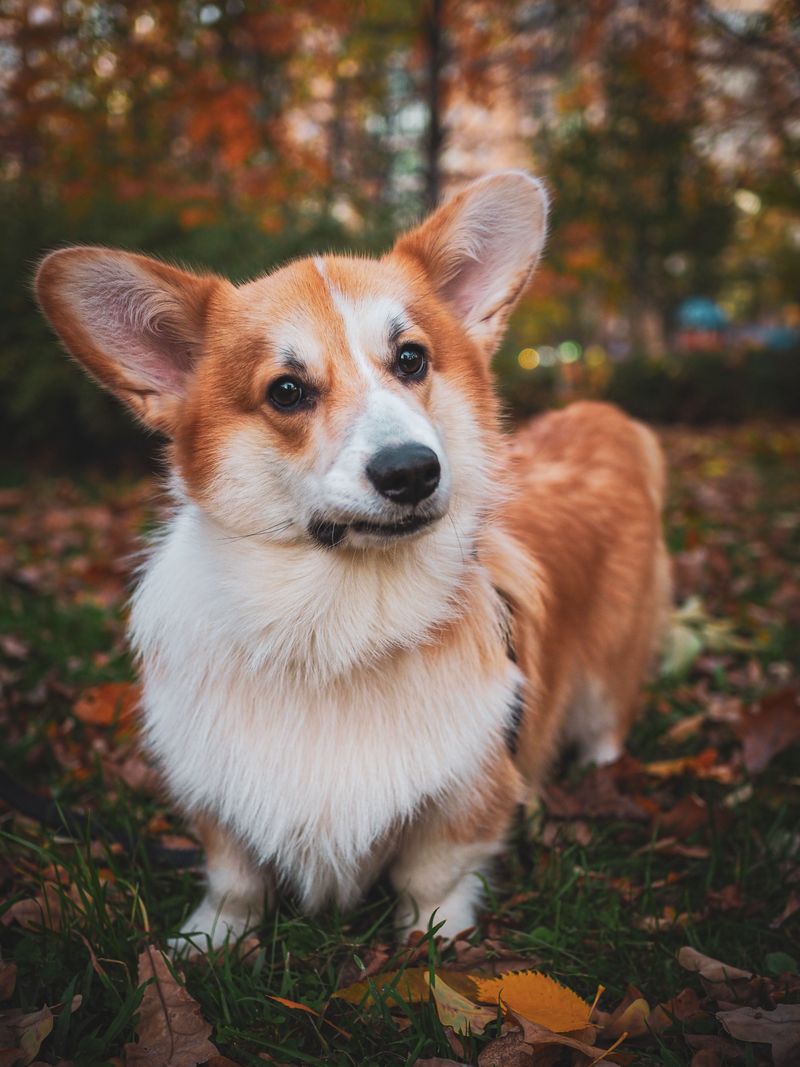
Low to the ground and loud on duty, the Corgi is a natural hall monitor. Herding instincts pair with a sharp, carrying bark.
Sudden motion, like running children or bikes, can switch on the soundtrack.
Set up practice with controlled movement and rewards for looking then returning quietly. Enrich the day with hide the toy and platform games.
A raised bed near family activity offers belonging without micromanaging every step. Consistency tames the commentary.
Jack Russell Terrier
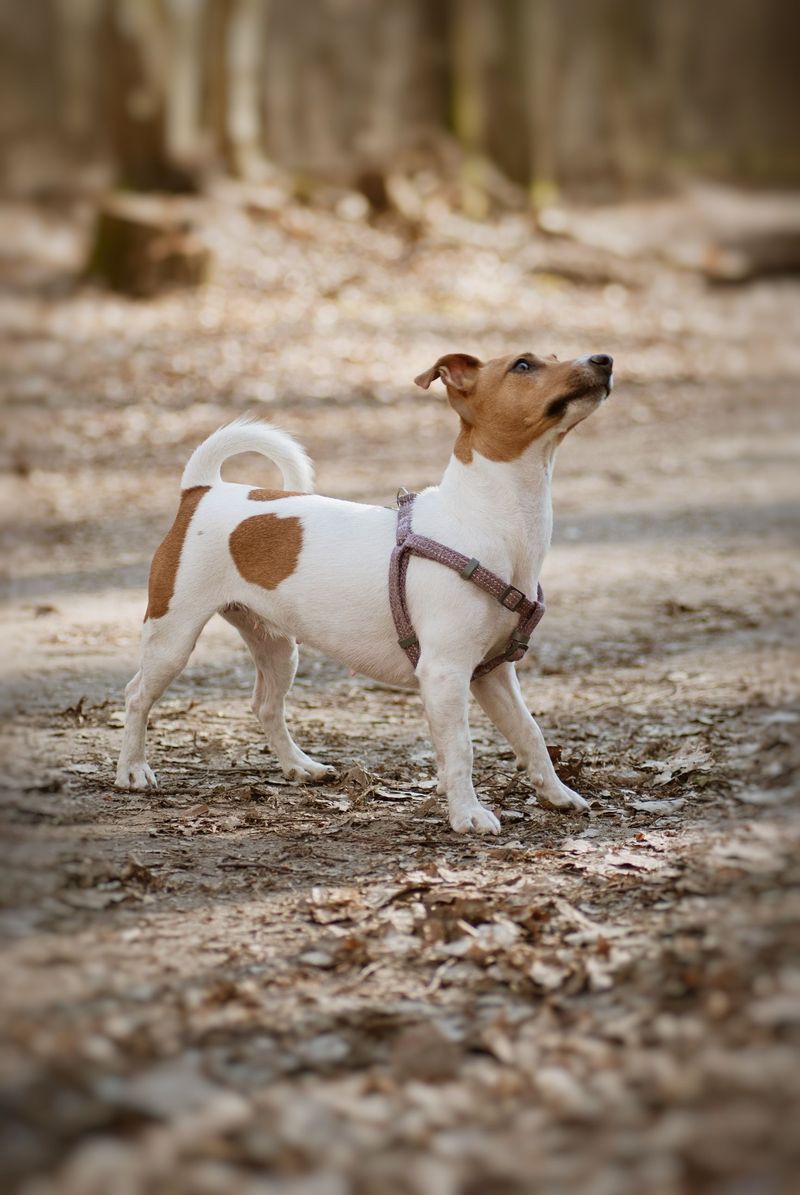
Rocket legs, rapid voice. Jack Russells were bred to bolt after foxes and signal with crisp barks.
That drive needs a healthy outlet or you will hear about it. Boredom and extra energy feed the noise.
Plan short, frequent training and fetch sessions. Scent games and tug with rules release steam.
Teach interrupt cues like touch and sit, then pay big for calm. A secure dig box in the yard can quiet a restless mind.
Basset Hound
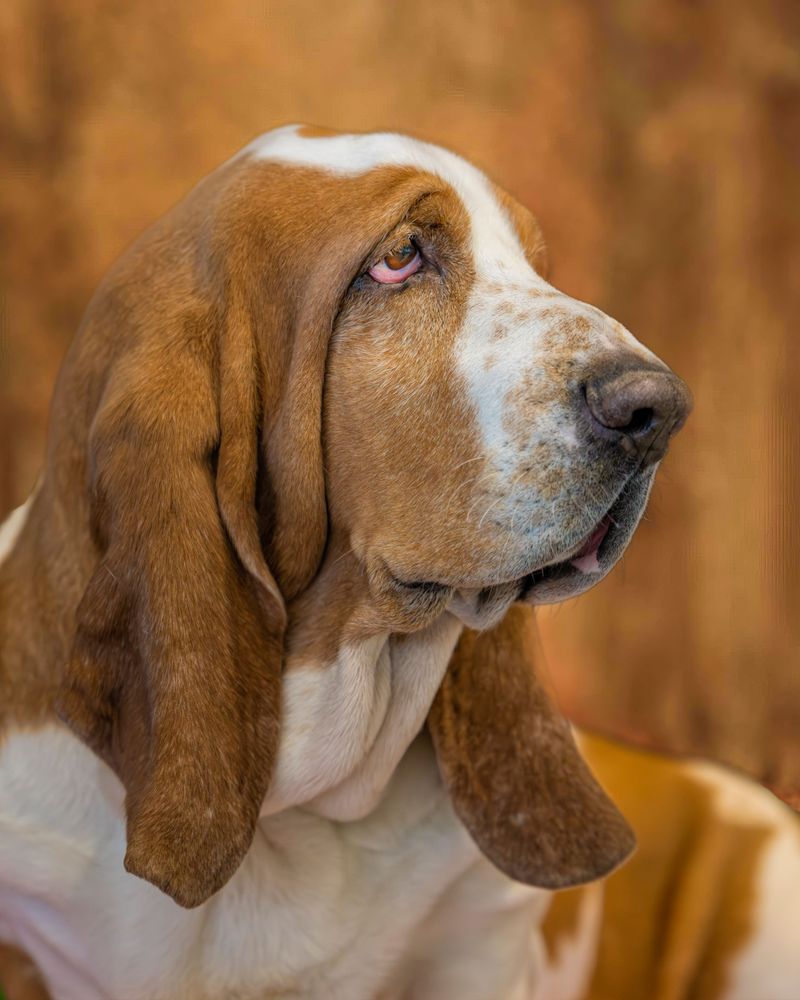
Slow steps, long ears, and a voice that rolls like thunder. The Basset follows scent trails that light up its brain, and the bay keeps the team connected.
Indoors, that same music can bounce off walls.
Offer controlled tracking lines or backyard scent trails to satisfy the nose. Teach a settle routine after walks with a chew on a mat.
Close off window perches that spark howls. Calm praise for quiet sniffing builds better choices.
Dachshund
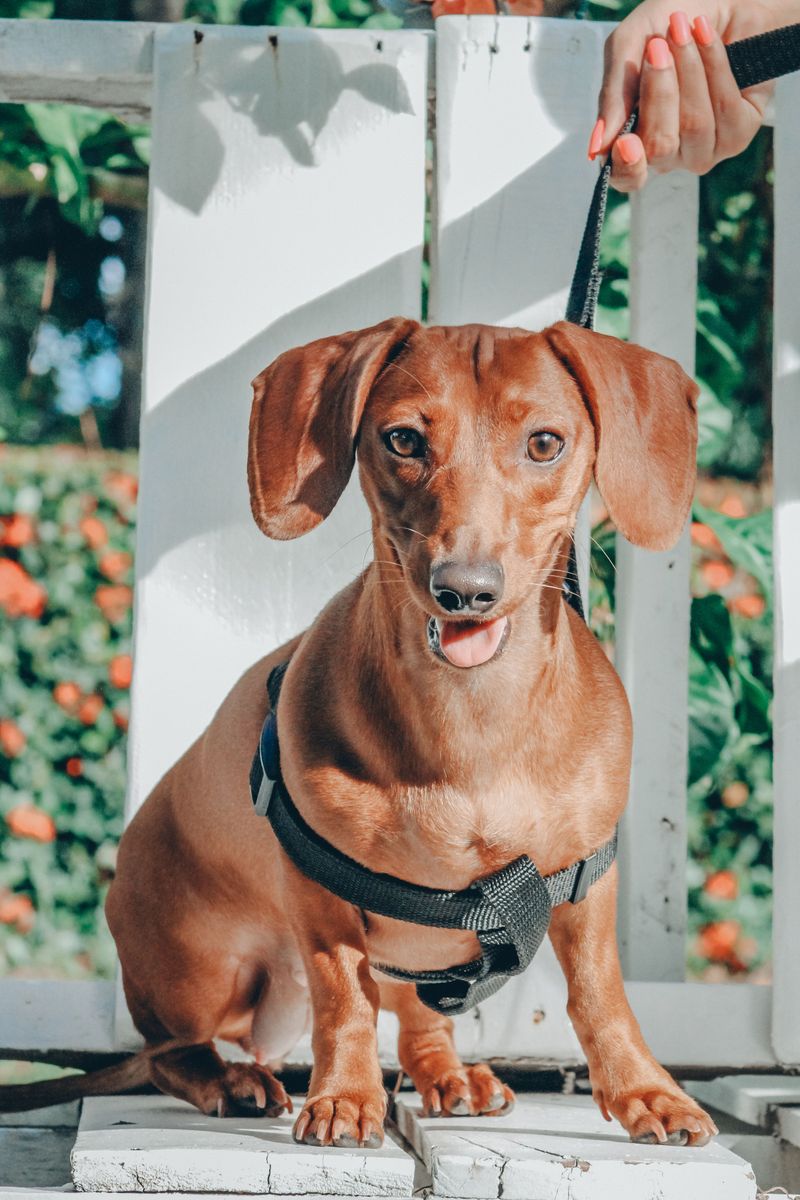
Brave at heart and quick to alert, the Dachshund was designed to face badgers underground. That courage shows up as frequent alarms at home.
Footsteps, mail slots, and squeaks can all trigger commentary.
Provide jobs like nosework boxes and short tracking games. Use a quiet station away from doors, and reinforce calm with treats and a snuffle mat.
Keep greetings low key to avoid reactivity spikes. Short daily training keeps the voice more measured.
Bluetick Coonhound
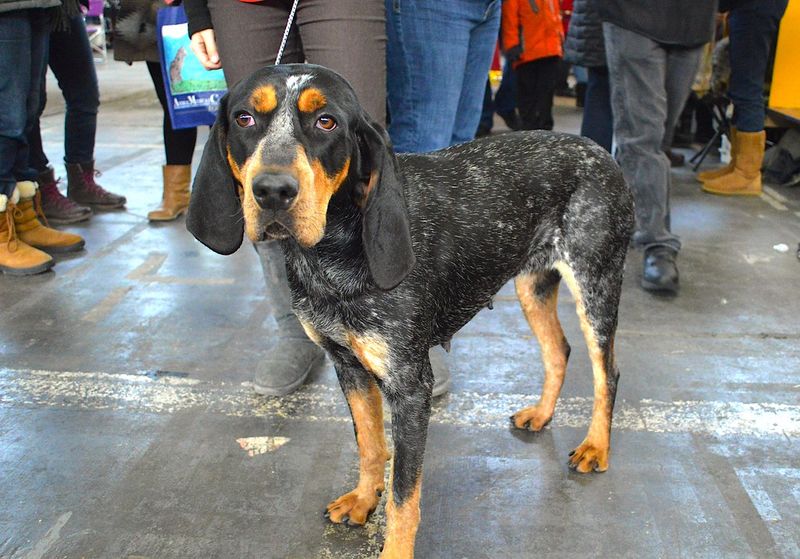
When a Bluetick catches a scent, the world hears about it. That classic bawl helped hunters track through thick woods at night.
In suburbia, it can rattle windows. Respect the heritage, then build structure around it.
Long sniff walks, drag-line tracking, and food puzzles ease frustration. Teach a release word so the dog knows when scenting time is over.
White noise machines and early evening exercise reduce dusk howling, the hour when instincts feel strongest.
American Eskimo Dog
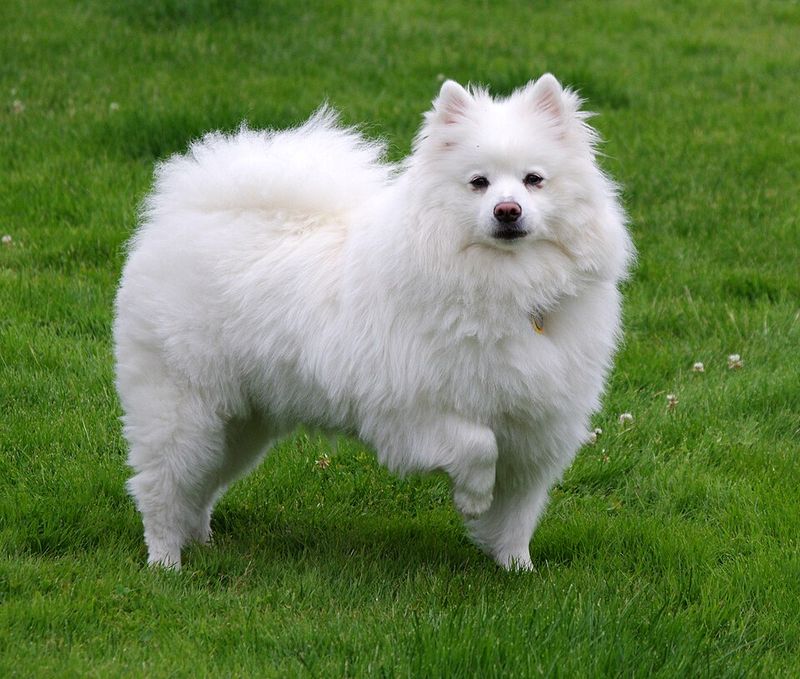
Like a cheerful doorbell with fur, the American Eskimo Dog loves to make announcements. Historically a circus performer and watchdog, it enjoys attention and is quick to vocalize at moving shapes and new sounds.
Without training, the habit sticks.
Daily brain games, hand targets, and place training help. Reward quiet while guests settle.
Block high-traffic window views, and give chews during deliveries. A predictable routine makes it easier for this social butterfly to relax.