
Your dog just ran three miles, napped for an hour, and is now chewing the couch cushion again. Physical exercise matters, but a body that is worn out does not always mean a mind that is satisfied.
Many dogs, especially working and herding types, need jobs for their brains, and boredom can show up as barking, digging, or restless pacing. The good news is that short, simple brain games can make a real difference, and most of them use things you already have at home.
Snuffle Mat Foraging
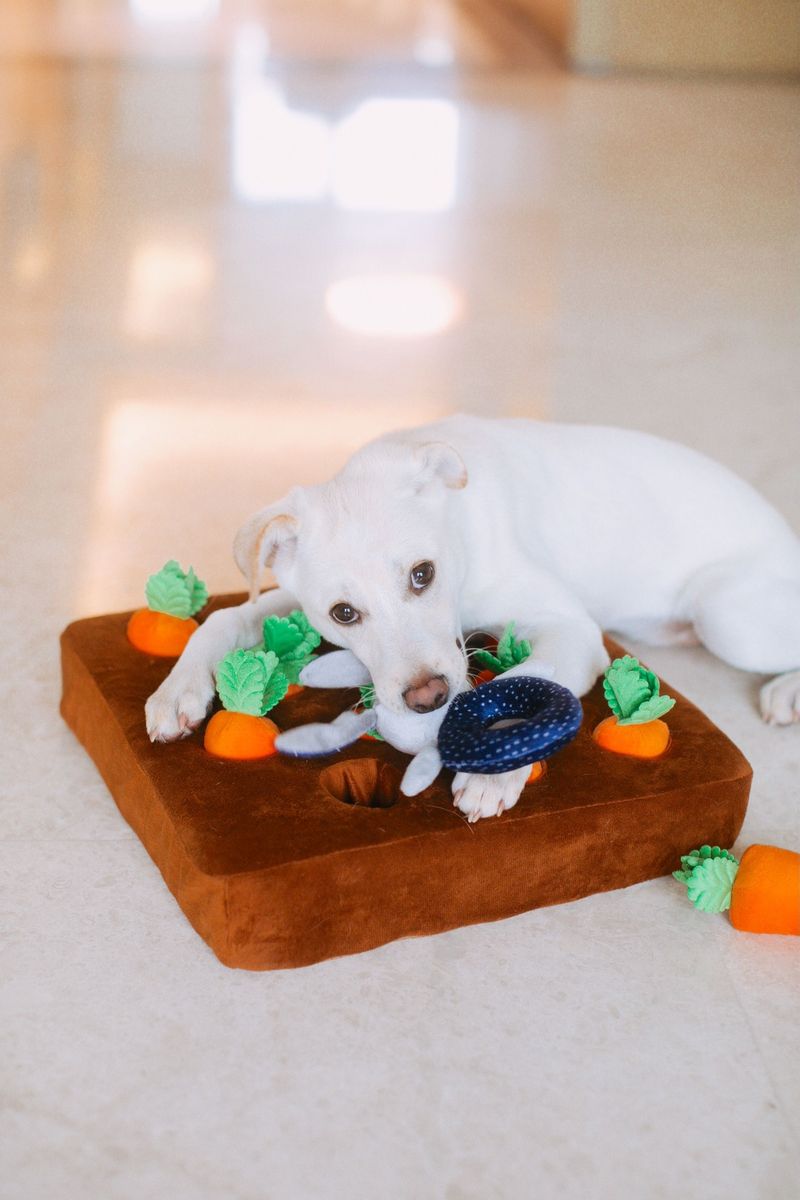
Sniffing is not a side hobby for dogs. It is one of the main ways they understand the world, and a dog’s nose contains far more scent receptors than ours.
A snuffle mat hides kibble or small treats inside strips of fleece, so your dog has to slow down and use that nose to find each piece. Scent-driven breeds like Beagles and Basset Hounds often settle into it right away, but almost any dog can enjoy it.
Many owners notice their dog seems calmer after ten minutes of foraging than after a quick walk. Sniffing is a natural, self-rewarding behavior, which may explain that relaxed afterglow.
Try serving part of a regular meal this way, and supervise dogs who like to shred fabric.
Find It With Hidden Treats
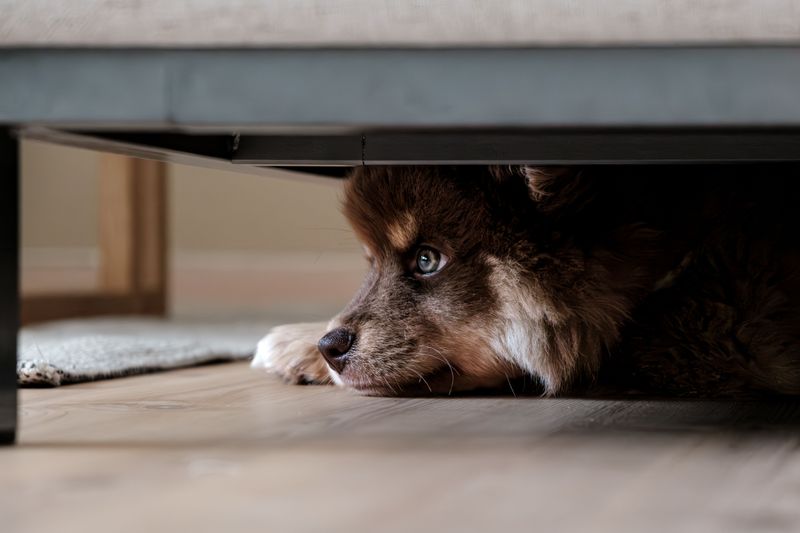
Ever watched a dog search a room like a tiny detective? Find It turns that instinct into a game you can play anywhere.
Start easy. Ask your dog to sit and stay, toss a treat a few feet away in plain view, then say “find it” and release them.
Once they understand the cue, start hiding treats behind chair legs, under a towel, or in another room.
The real value comes from gradually raising the difficulty. A puzzle that is too hard can frustrate a dog, while one that is too easy gets boring fast.
Watch for the sweet spot where your dog has to work a little but keeps succeeding.
For dogs with nervous temperaments, this game can also be a quiet confidence builder, since every search ends with a win.
The Shell Game
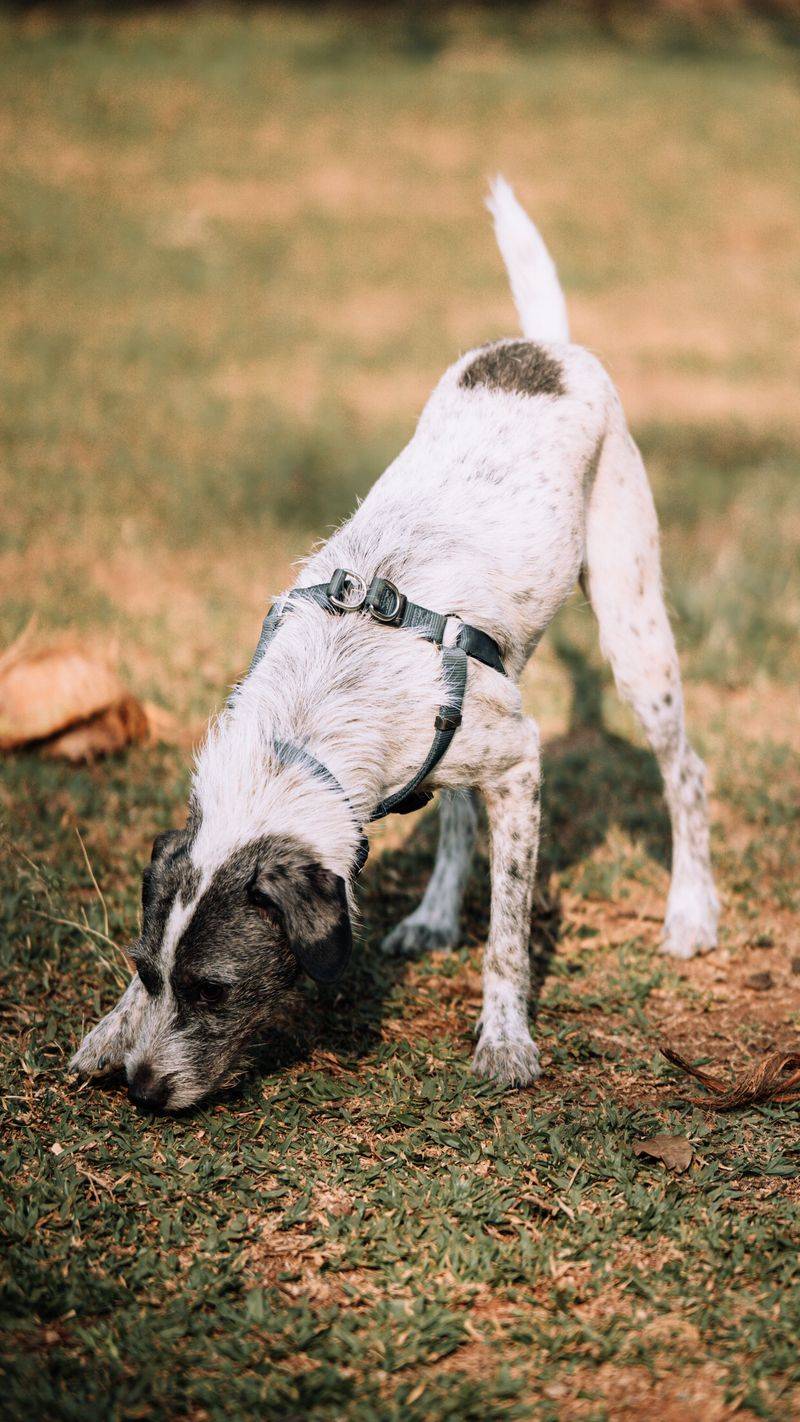
Old carnival trick, new audience. The shell game uses three cups and one treat, and it asks your dog to track, remember, and choose.
Place a treat under one cup while your dog watches, then let them indicate the right cup with a nose touch or paw. At first, skip the shuffling.
When your dog gets the idea, slowly slide the cups around.
Here is a fun twist: many dogs will start relying on smell rather than sight, which is perfectly fine. Both skills get a workout.
Herding breeds like Australian Shepherds often seem to love the focus this game demands.
Keep rounds short, around five minutes, and stop while your dog still wants more.
Food Puzzle Toys
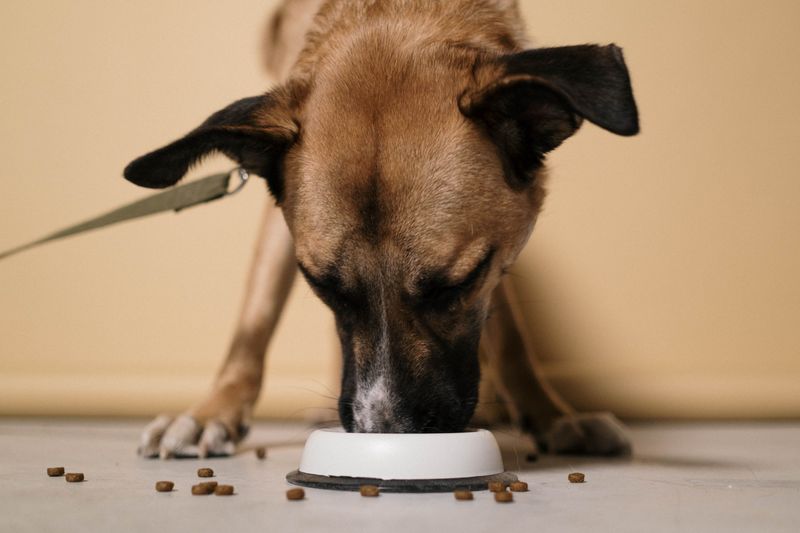
Mealtime usually lasts about thirty seconds in most homes. Food puzzles stretch that into a real problem-solving session.
These toys come in levels, from simple treat balls that drop kibble as they roll to boards with sliders, flaps, and lids. Independent breeds such as the Shiba Inu or Basenji, which were not developed to wait for human direction, may especially appreciate a challenge they can tackle on their own.
Start with a beginner puzzle so your dog experiences success early. Jumping straight to the hardest version can teach a dog to give up, or to simply chew the toy apart.
Rotate puzzles every few days. Novelty matters, and a toy that sits out all week tends to lose its appeal.
Learning Toy Names
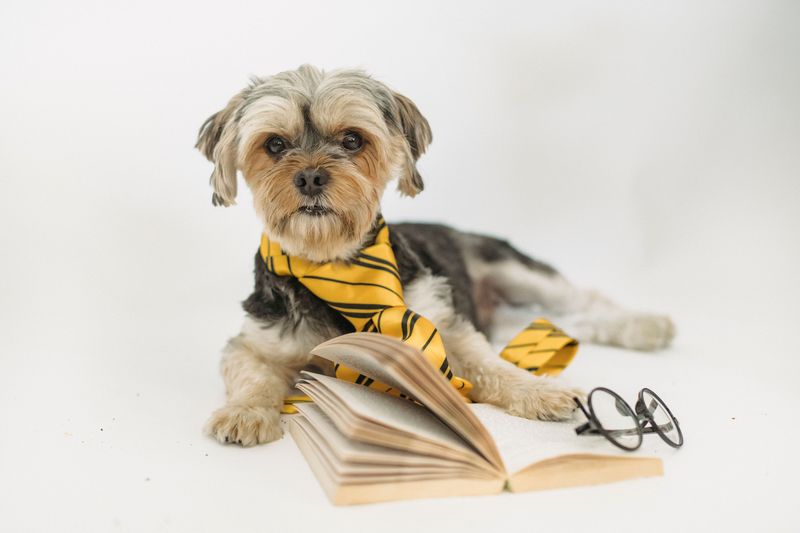
A Border Collie named Chaser became famous after researchers documented her learning the names of more than 1,000 objects. Most dogs will not get anywhere close, but many can learn a handful of names.
Begin with one toy. Say its name as you play with it, then ask your dog to “get bunny” and reward when they pick it up.
Once that is solid, add a second toy and ask for one specifically.
Progress can be slow, and that is normal. Some dogs pick up names quickly, while others need weeks for just two.
The learning process itself is the enrichment, so there is no need to chase a record.
Bonus perk: tidying up becomes possible when your dog can fetch a named toy to its basket.
Hide and Seek With You
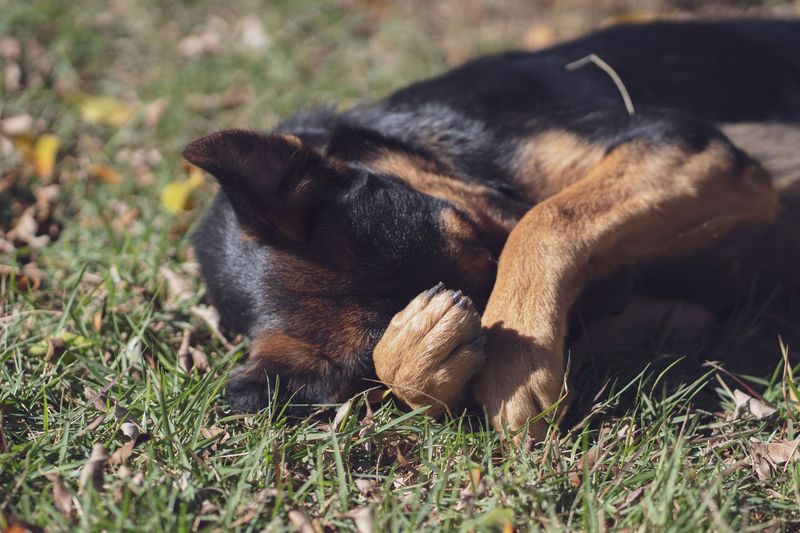
Kids invented it, but dogs might enjoy it even more. Hide and seek turns you into the prize, which makes it great for dogs that are strongly attached to their people.
Have your dog stay, or ask a helper to hold them gently, then hide somewhere easy, like behind a door. Call their name once and celebrate when they find you.
Over time, choose trickier spots and stay quiet so they rely on their nose.
This game quietly reinforces recall, because coming to you becomes the most exciting thing in the house. That can pay off outdoors, too.
One caution: avoid hiding spots that are hard for your dog to reach safely, like behind heavy furniture or up steep stairs for older dogs.
Muffin Tin Puzzle
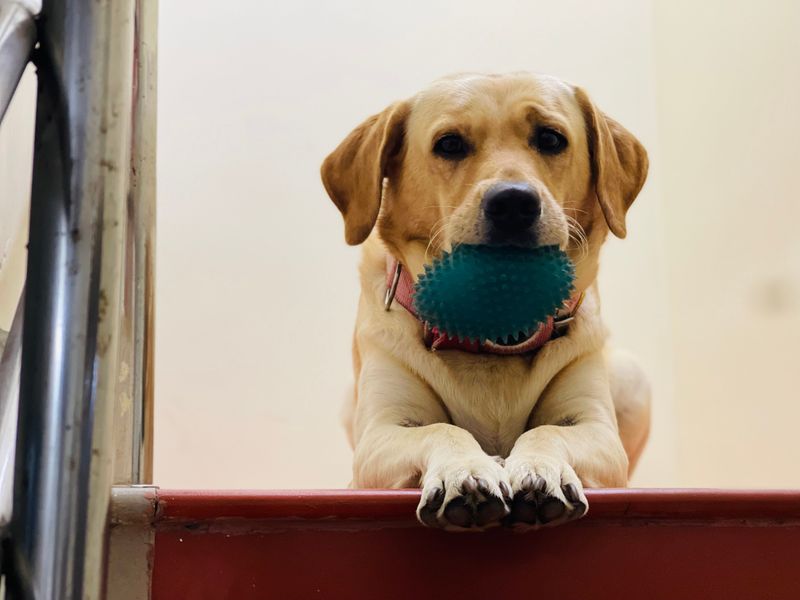
No budget for fancy toys? A muffin tin and a few tennis balls make a surprisingly good DIY puzzle.
Drop treats into some of the cups, cover every cup with a ball, and let your dog figure out how to lift or nudge the balls away. Leaving some cups empty adds a little mystery, since your dog has to sniff before choosing.
Pembroke Welsh Corgis and other busy herding breeds often enjoy this kind of quick, hands-on task. Smaller dogs may do better with a mini tin and lighter balls.
Supervise the whole time. Tennis balls are for lifting, not swallowing, and a metal tin should be picked up once the game ends.
Trick Training Sessions
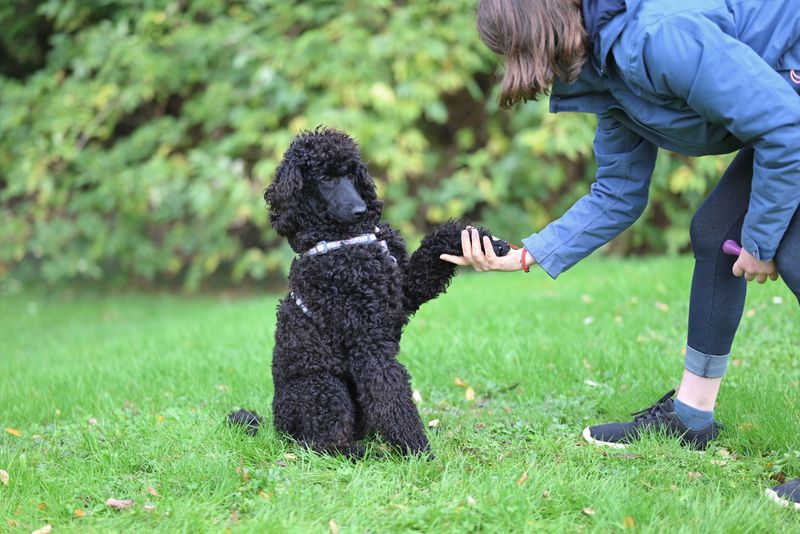
Teaching “spin” or “take a bow” might look like party entertainment. Behind the scenes, your dog is solving problems, paying attention, and building communication with you.
Short sessions of five to ten minutes usually work better than long ones. Reward-based training, using treats or praise for small steps, keeps the experience positive and helps dogs stay motivated.
Poodles, which were originally water retrievers, often respond well to varied training and new challenges. Still, every breed can learn tricks at its own pace, including seniors.
Try shaping, where you reward tiny steps toward a goal instead of luring. Watching a dog work out what earns the reward is a real brain workout, and often a funny one.
Sniff Walks
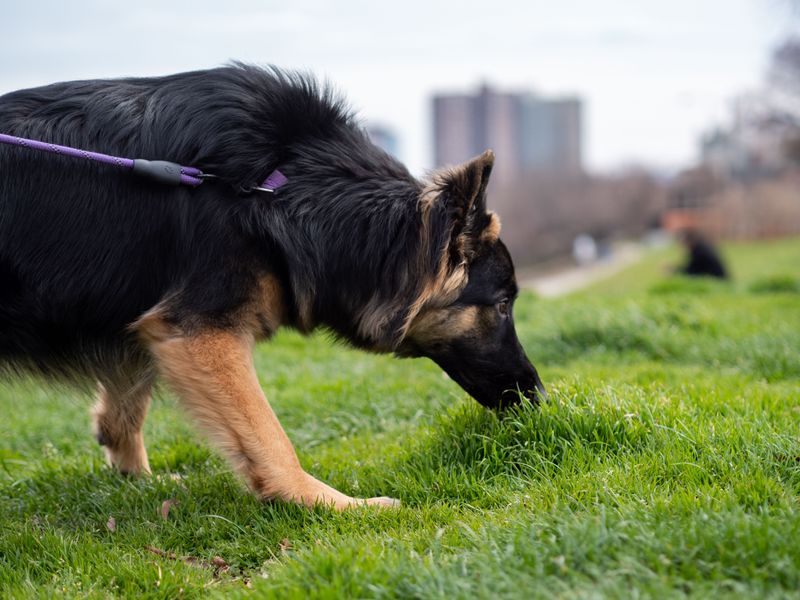
Picture a walk where your dog sets the pace and the route is decided by smells. That is a sniff walk, and it can be more satisfying than a brisk march around the block.
Use a longer leash in a safe area and let your dog stop and investigate as long as they like. Bloodhounds, Coonhounds, and other scent hounds may treat these walks like reading the daily news.
Distance is not the point. A slow twenty-minute sniff walk can leave many dogs noticeably relaxed.
Scent-driven dogs may also struggle with recall when a great trail appears, so keep them leashed unless you are in a secure space.
Cardboard Box Unboxing
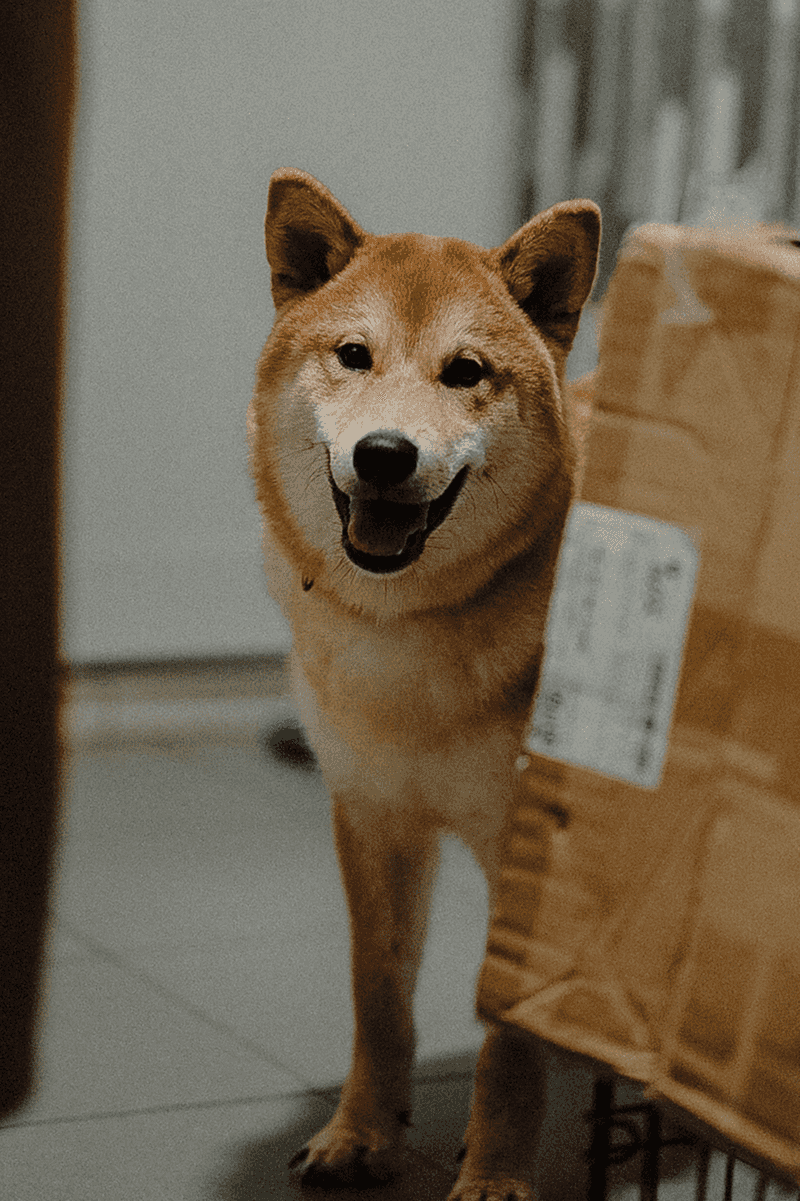
Some dogs were born to rip things apart. Rather than fighting that urge, a cardboard box game gives it a safe outlet.
Fill a box with crumpled packing paper, toss in a few treats, and close the flaps loosely. Terriers like the Jack Russell, bred to dig and hunt small animals, often go all in on this one.
Remove tape, staples, and plastic before the game starts. Supervise dogs that tend to eat paper instead of just shredding it.
The mess is part of the fun, and cleanup takes about two minutes. For a dog that otherwise destroys shoes, that is a pretty good trade.
If chewing or destruction suddenly increases, though, it is worth checking with a vet to rule out other causes.