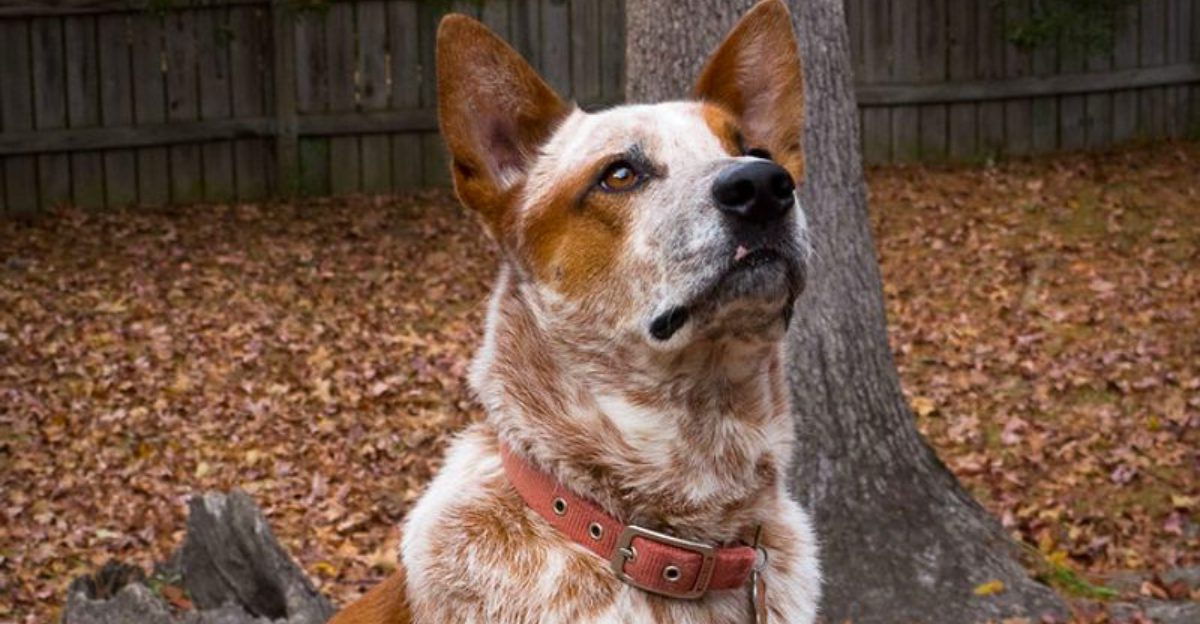
Some dogs have big energy and bright minds, even when living in an apartment or small house. A steady plan for exercise, training, and rest can keep them happy and calm.
With the right routine, these breeds can focus, learn, and relax indoors. Follow these ideas to help your dog feel settled and shine at home.
Belgian Tervuren
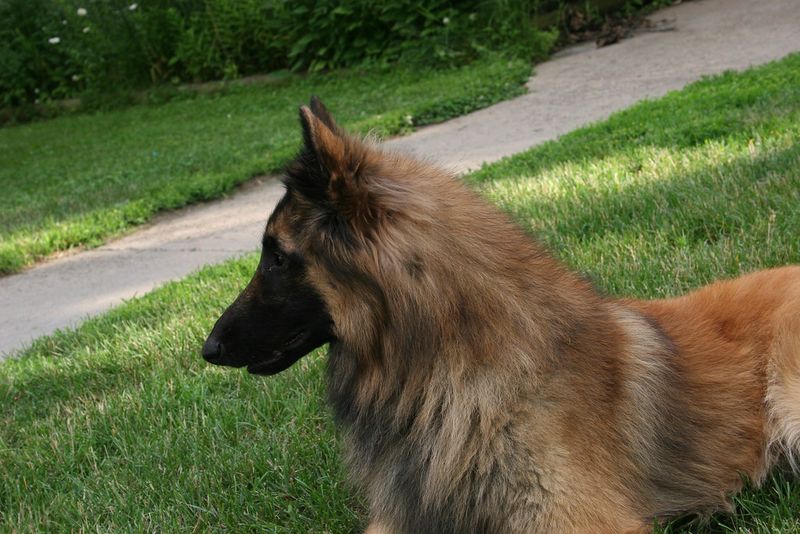
With quicksilver reflexes and a watchful gaze, the Belgian Tervuren thrives on structure. Morning cardio, a midday brain game, and evening decompression help channel that sharp mind indoors.
Set up scent boxes, rotating tug toys, and short obedience bursts. A calm place by a window teaches off-switch skills.
Fun fact, the breed herded sheep and guarded farms in Belgium, so predictable tasks feel natural. Keep cues consistent, sprinkle praise generously, and you will see velvet manners replace restless pacing.
Briard
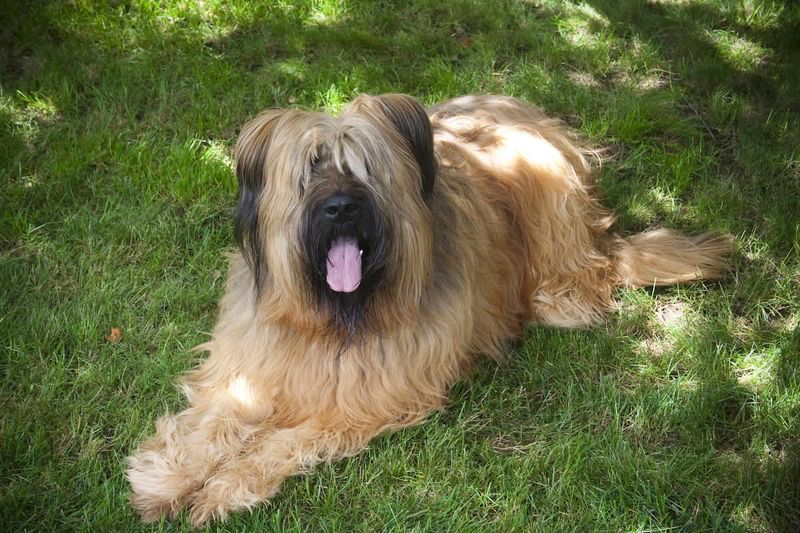
Big heart, bigger bangs, and a memory like an elephant, the Briard enjoys a daily rhythm. Start with a brisk hallway fetch, then a grooming touch-up to turn bonding into calm time.
Later, use a clicker for two short training bursts, teaching quiet settles and polite greetings. Add a frozen lick mat after dinner to melt extra fizz.
French farm roots make them guardians, so practice relaxed door routines that pair knocks with treats and a comfy place cue.
Dutch Shepherd
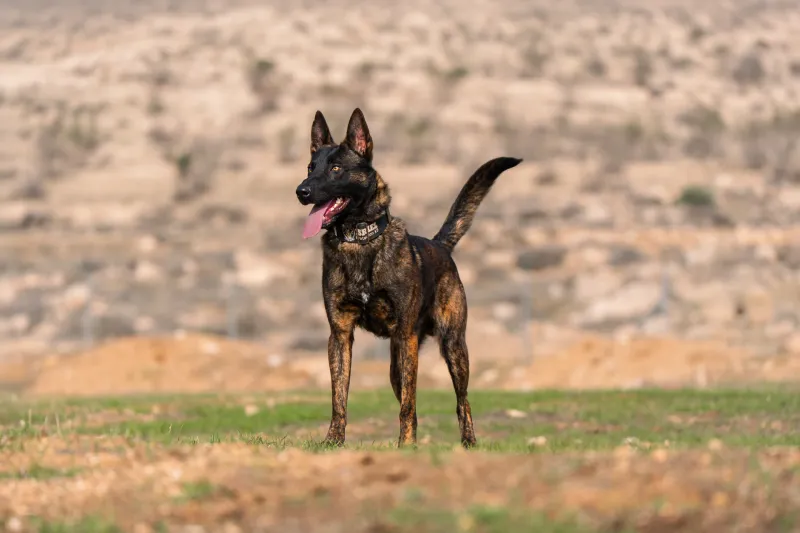
Built like a sprinter and wired like a detective, the Dutch Shepherd needs jobs. Start with structured tug, then park that energy into focused heelwork along the hallway.
To feed the brain, swap a food bowl for a puzzle or a snuffle mat. Add short scent searches using cotton swabs hidden in safe spots.
Because they once patrolled fields, predictable check-ins and a steady training calendar prevent overthinking. End with a settle cue and gentle ear rubs.
Australian Cattle Dog
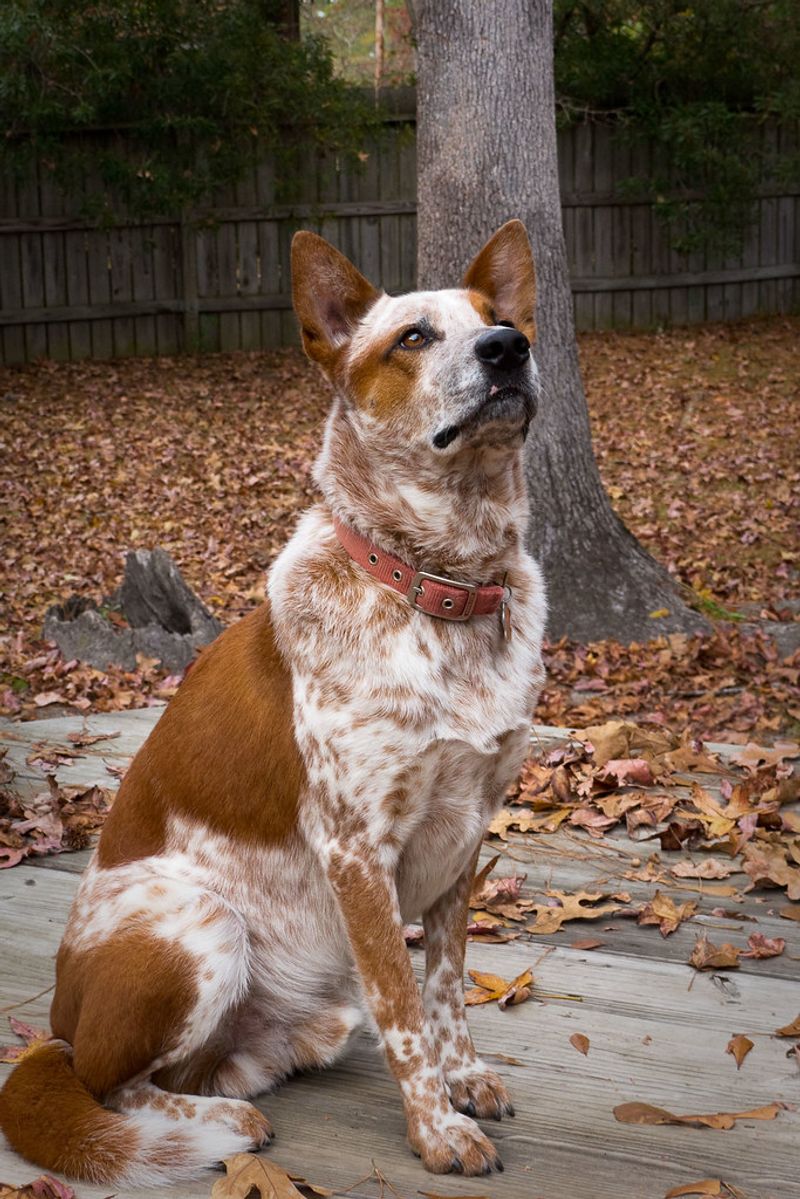
Tough as boot leather yet eager to work, the Australian Cattle Dog loves a plan. Kick off the day with balance drills on a wobble board to tire the body and the brain.
Next, practice impulse control with door manners and toy releases. Mealtime becomes training time using scatter feeding on a towel.
Their cattle-herding history suits task lists, so post a weekly schedule. End the evening with a long-lasting chew and quiet cuddles to reset the engine.
Border Collie
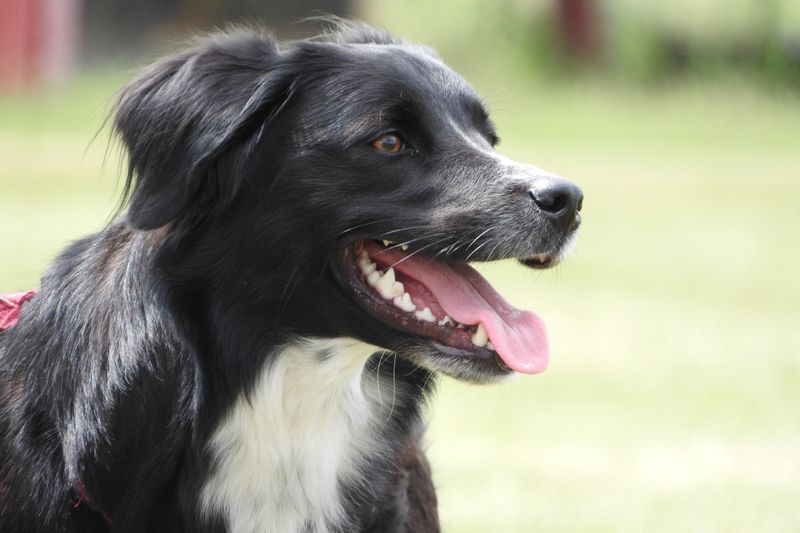
Brains on rocket fuel, the Border Collie needs clever variety. Begin with shaping games that teach creative problem-solving, like circling a cone or backing onto a platform.
Replace long sprints with trick training and targeted fetch down a hallway. Rotate toys by weekday to keep novelty high.
Many once managed flocks by eye, so teach an off-switch using a mat and calm breathing. Two ten-minute sessions beat one marathon, leaving time for snuggles and stillness.
Miniature Schnauzer
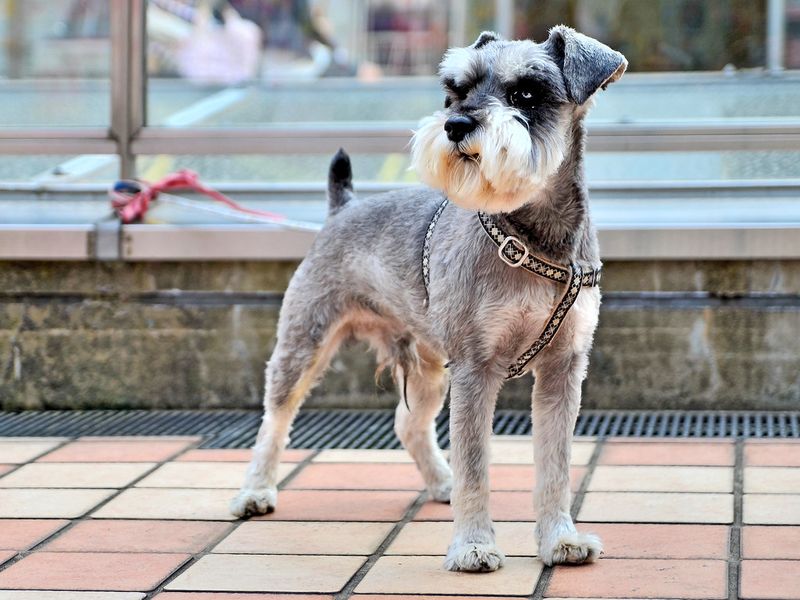
Spirited and witty, the Miniature Schnauzer appreciates clear starts and finishes. A short morning walk pairs nicely with five minutes of hand-target training to focus busy thoughts.
Midday, roll out a puzzle cube and practice quiet settles while you read. Their history as ratters makes nose games a hit, so hide kibble in cardboard tubes.
Keep grooming part of the routine to build patience. Finish with a gentle game of fetch and a comfy lap invite.
White Swiss Shepherd
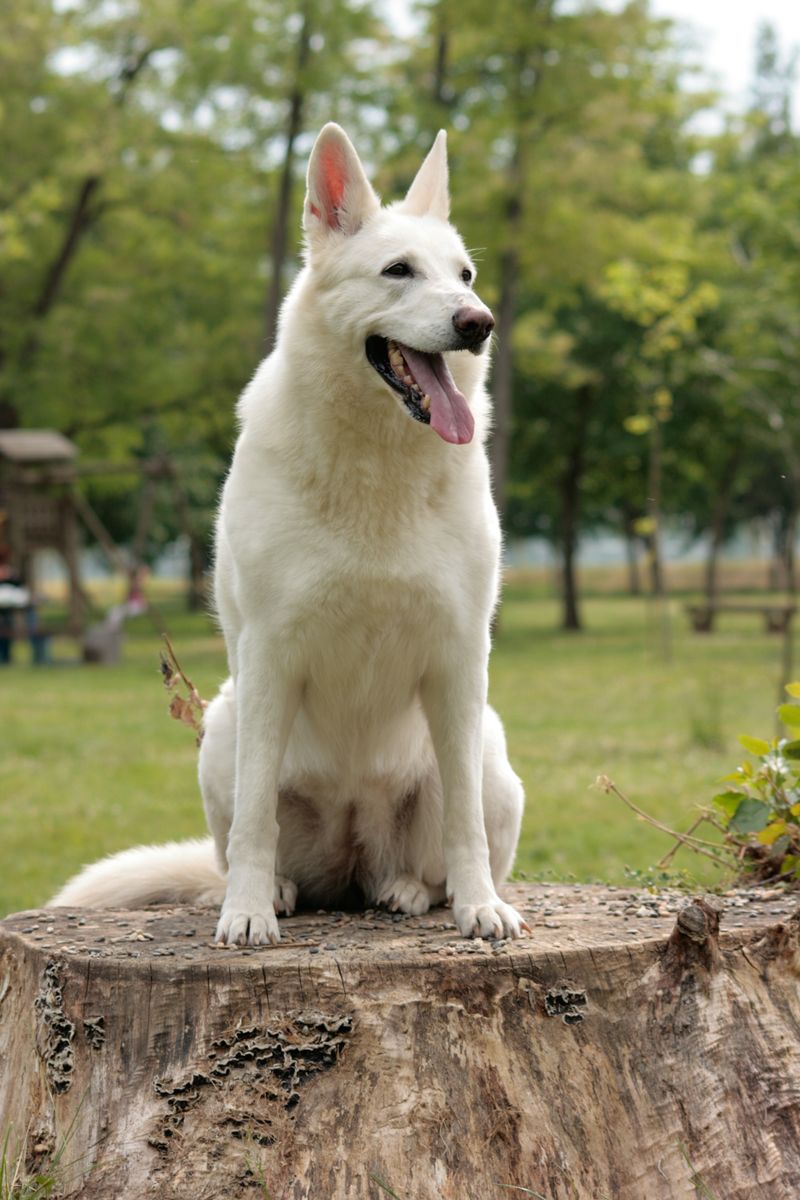
Snowy coat, soft eyes, and a sensitive soul, the White Swiss Shepherd blossoms with kind structure. Start with calm leash drills at home, then a chin rest cue to build trust at the vet or groomer.
Teach quiet independence using a crate with the door open and a stuffed chew. Gentle scent trails down a hallway keep curiosity satisfied.
Their herding background enjoys patterns, so repeat routines daily. Praise softly, keep sessions short, and watch confidence bloom.
Shetland Sheepdog
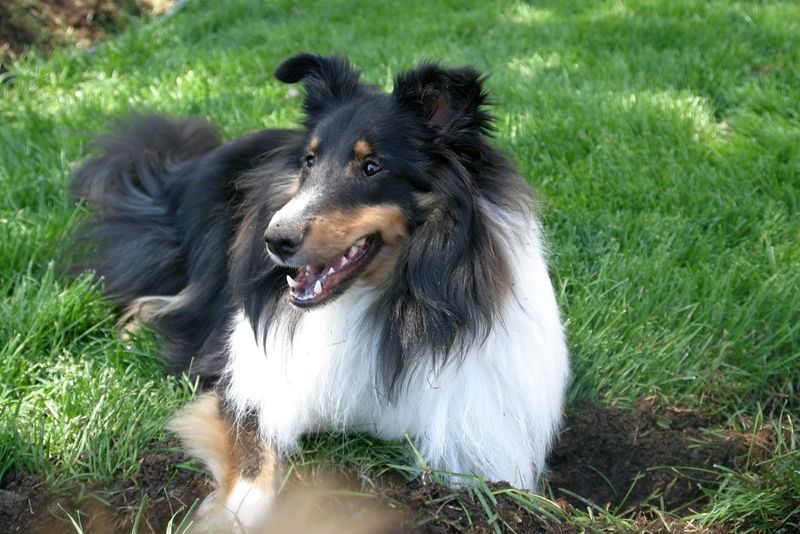
Like a tiny professor with feathers, the Sheltie studies patterns and aces homework. Set up mini agility indoors using a low tunnel and soft poles for safe, quick wins.
Between runs, practice a place cue to prevent porch-style barking at sounds. Scatter-feed in a snuffle mat to satisfy foraging.
Descended from hardy island workers, they adore predictable lessons with kind feedback. Keep it upbeat, end on success, and schedule a cuddle break to cool the engines.
Giant Schnauzer
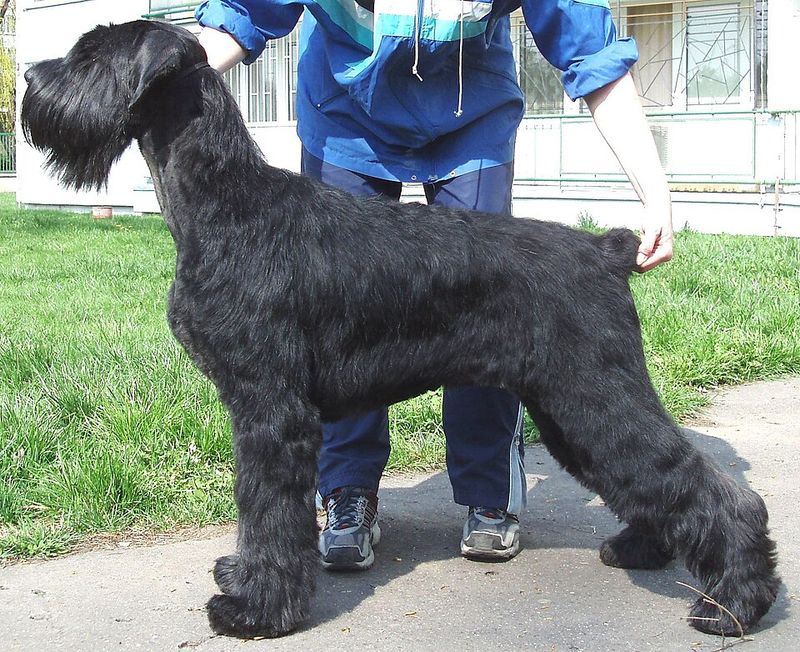
Big presence and bigger ideas, the Giant Schnauzer needs strong routines that feel fair. Start with impulse control games, like sit to release a toy, then heel work along clear paths.
Rotate heavy-duty chews and add obedience around household chores to make work meaningful. Historically used for driving cattle, they respect consistent rules and calm leadership.
Short, frequent sessions beat long drills. Cap the night with a place command, dimmed lights, and slow strokes along the shoulders.
Belgian Malinois
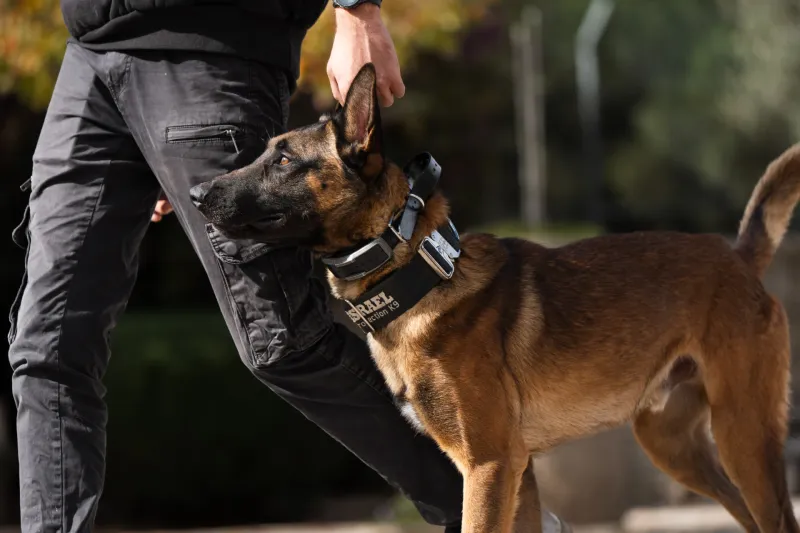
All gas with a sharp brain, the Belgian Malinois needs a plan that respects power and precision. Use platform training to build focus and straight sits while minimizing chaos indoors.
Replace marathon fetch with targeted tug and scent detection. Feed with training, not bowls, using scatter and hand feeding.
Their protection and herding roots crave clear direction, so keep commands crisp and rewards quick. End sessions early on a win, then guide a deep settle on a mat.
Australian Kelpie
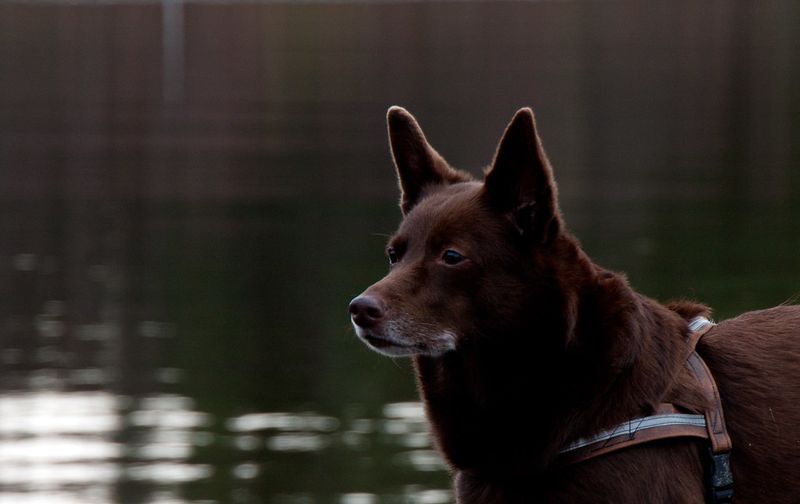
Fast feet and a laser focus define the Australian Kelpie. Begin with foot-target tricks on a book to teach accuracy and body control without big space.
Channel the herding drive into structured fetch with rules, then cool down using calm nose work. Use a simple schedule card on the wall so everyone sticks to plan.
Farmers trusted these dogs for tireless work, so predictable tasks feel satisfying. Finish with gentle stretches and a soft bed invitation.