
Wish your dog listened the first time you asked. Some breeds are wired to learn fast, focus well, and actually enjoy the training process.
Vets see it every day and know which pups pick up cues with surprising ease. If you want a smoother, happier partnership, these breeds make training feel rewarding for both of you.
Labrador Retriever
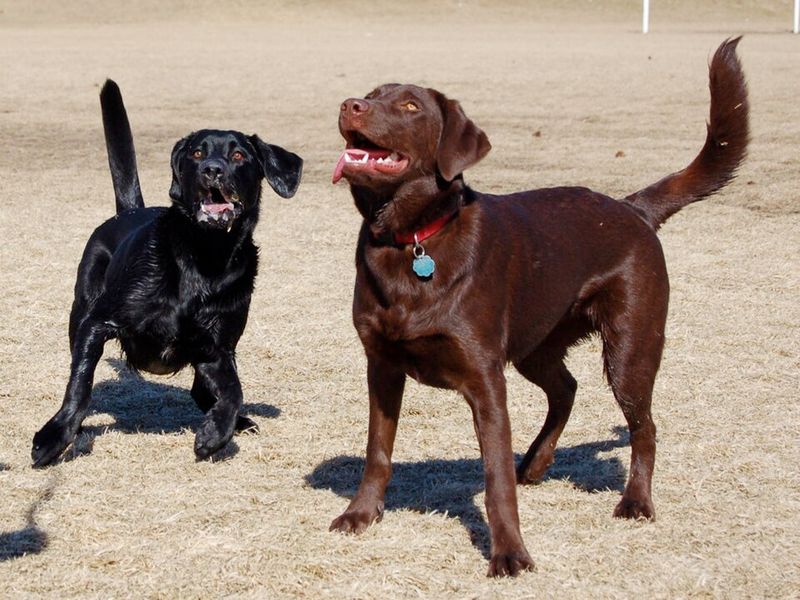
Labradors love to learn, which makes training feel like a fun game for both of you. With food motivation and eager focus, they master basic cues quickly and keep practicing with a happily wagging tail.
Vets praise their stable temperament, forgiving nature, and patience around families who are still learning to train.
To keep a Lab engaged, mix short sessions, clear markers, and plenty of play to reset energy and enthusiasm. They thrive on retrieving tasks, scent games, and simple household jobs that let them help and feel important.
Guard against boredom with daily walks, puzzle feeders, and calm structure, and you will see reliable, consistent brilliance.
Golden Retriever
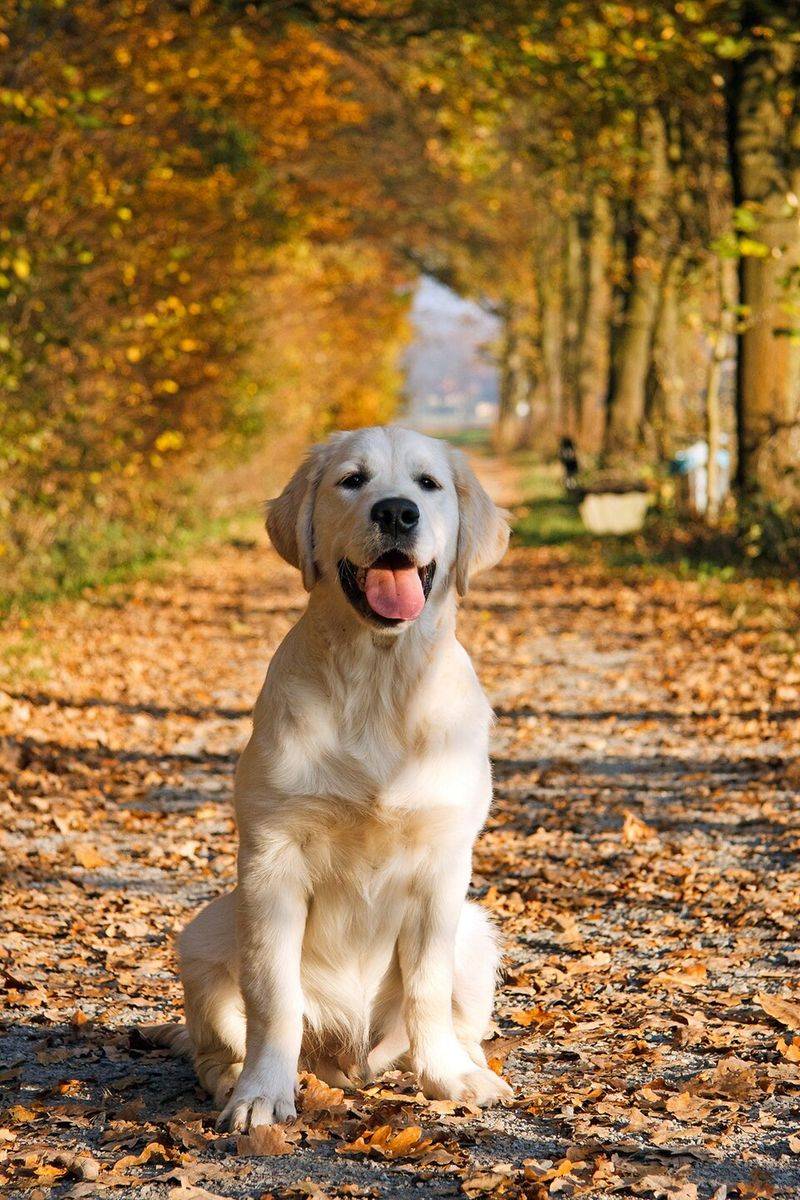
Goldens bring gentle enthusiasm to every lesson, which helps you progress without pressure. They adore praise and physical affection, so your encouraging voice becomes a powerful training tool.
Vets note their steady temperament and sociability make new environments and distractions much less intimidating during practice.
Keep sessions upbeat and clear, alternating obedience, retrieving, and impulse control games to sustain focus. Goldens love jobs that involve carrying, fetching, or calmly greeting people, and they generalize cues well in real life.
Build routines around walks, rests, and brief training bursts, and your Golden will offer eager attention, honest effort, and beautifully reliable manners.
Poodle
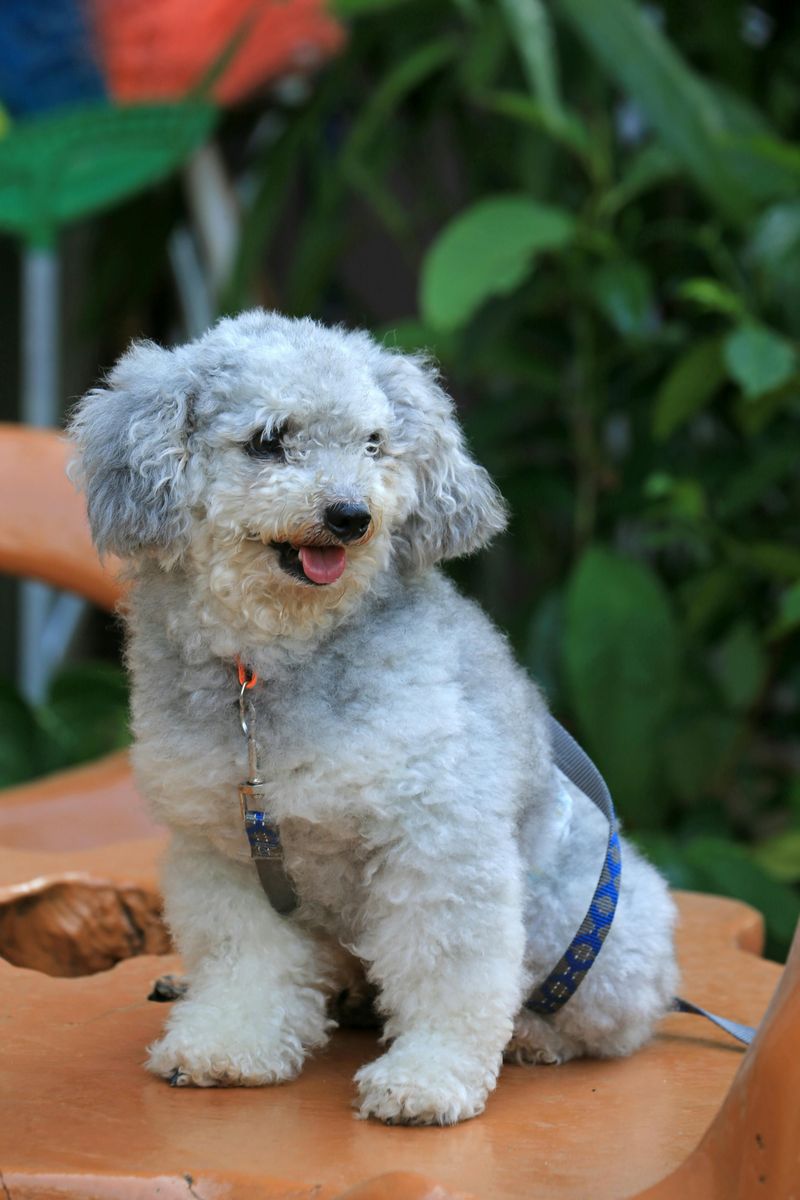
Poodles are thinkers with quick problem solving, so you get sharp responses and playful curiosity. Whether Standard, Miniature, or Toy, vets consistently highlight their intelligence and strong focus.
They respond to precise timing, which makes clicker work and shaping games especially satisfying for both of you.
To keep your Poodle happy, rotate tricks, scent work, and agility style tasks for mental variety. Short, frequent sessions reduce overthinking while rewarding confident choices.
Trim the fluff from your cues, keep criteria clear, and reinforce generously, and you will see reliable performance, polite house manners, and a cheerful partner who loves showing off skills.
Border Collie
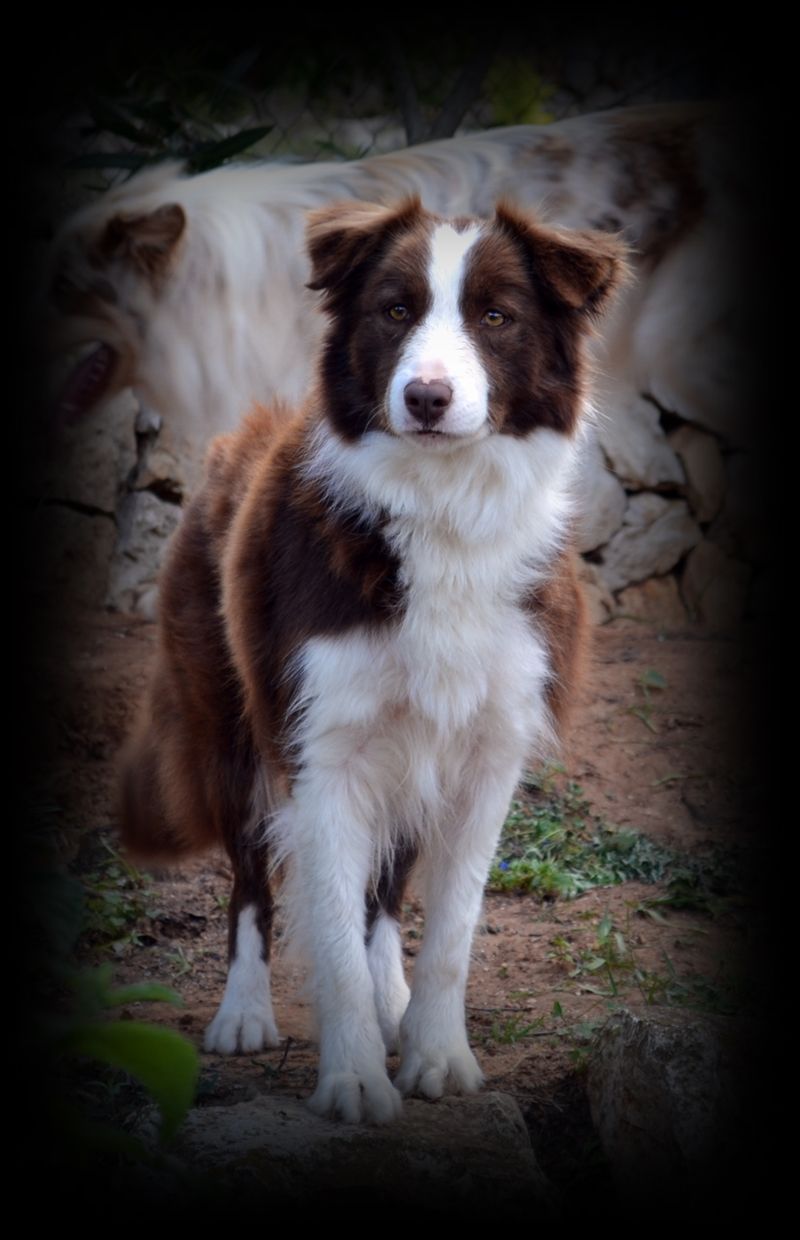
Border Collies are legendary for drive and precision, so training becomes a thrilling conversation. Vets often mention their sensitivity, which means your timing and clarity matter a lot.
When you communicate cleanly, they dial in fast, memorize patterns, and love the challenge of complex chains.
Channel energy into herding style games, agility foundations, and impulse control exercises that reward thoughtful choices. Break tasks into small pieces, reinforce generously, and add difficulty gradually to prevent frustration.
Provide structured outlets like fetch, hikes, and puzzle toys, and your Border Collie will deliver jaw dropping focus, lightning quick responses, and truly impressive reliability under distraction.
German Shepherd
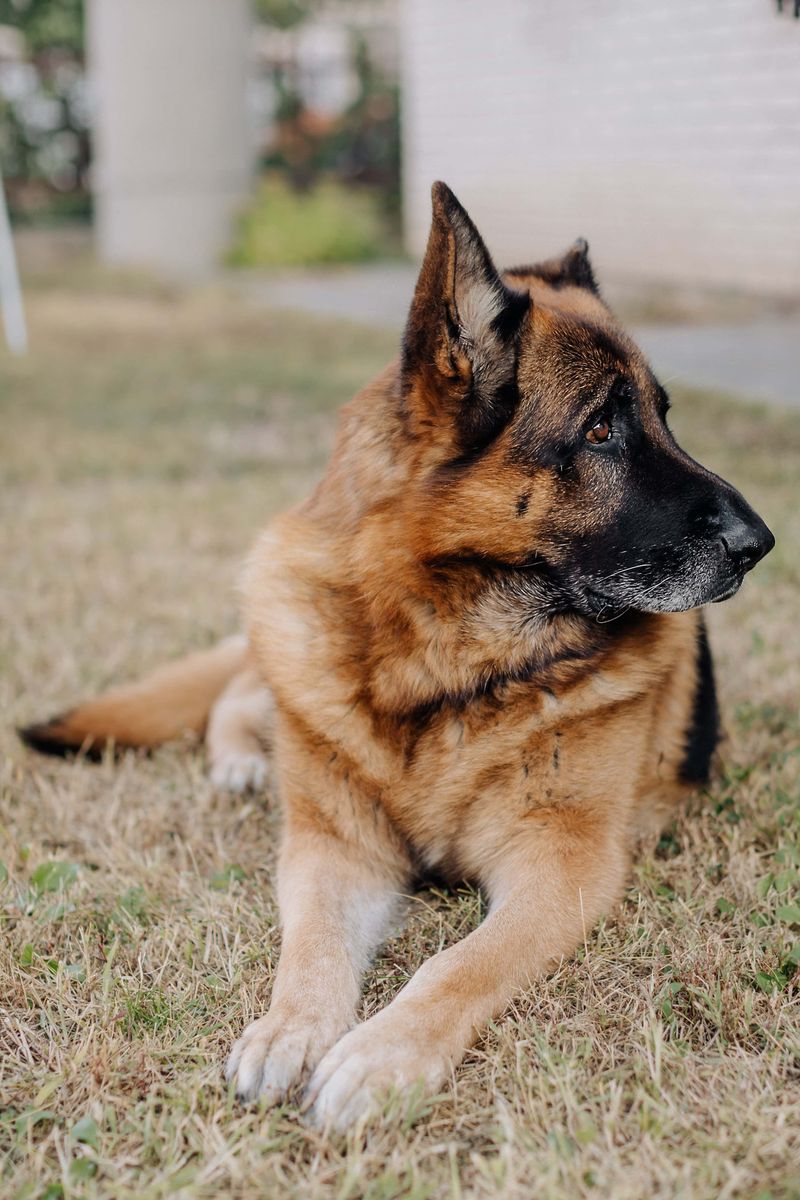
German Shepherds combine intelligence with duty, so they bond strongly to purpose driven training. Vets praise their work ethic, stability, and willingness to tackle difficult tasks.
With consistent structure, they learn obedience, scent detection basics, and polite public behavior faster than many breeds.
Use clear boundaries, predictable routines, and calm rewards to channel their protective instincts productively. Mix obedience with tracking games and controlled social exposures to build confidence under pressure.
Keep sessions short, end on success, and practice neutrality around strangers, and you will see a capable partner who listens, checks in, and performs beautifully when it really counts.
Shetland Sheepdog
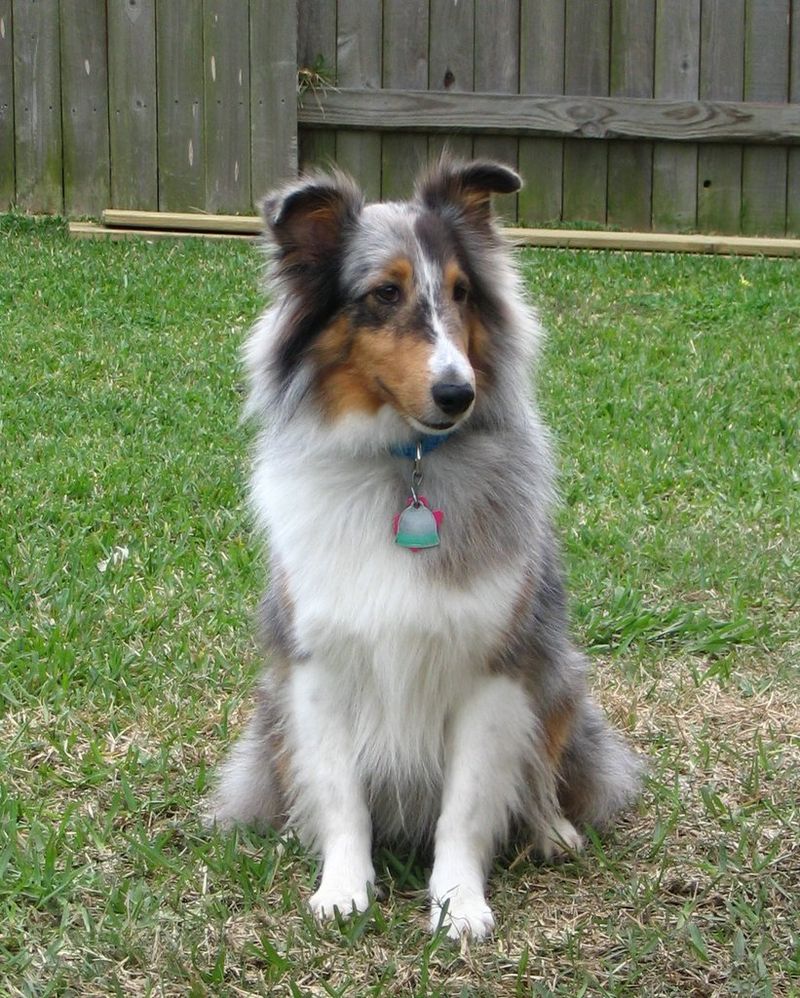
Shetland Sheepdogs, or Shelties, are alert, biddable, and keen to please, which makes progress smooth. Vets often note their sensitivity and quick pattern recognition.
With gentle guidance and consistent reinforcement, they master cues rapidly and love offering behaviors to earn rewards.
Keep training upbeat and predictable, blending trick training, agility basics, and focus games that reward engagement. Because Shelties can be noise sensitive, introduce new sounds with distance, treats, and calm repetition.
Provide regular walks, scatter feeding, and short skill sessions, and your Sheltie will become a bright partner who responds eagerly, settles nicely at home, and delights you with cheerful precision.
Papillon
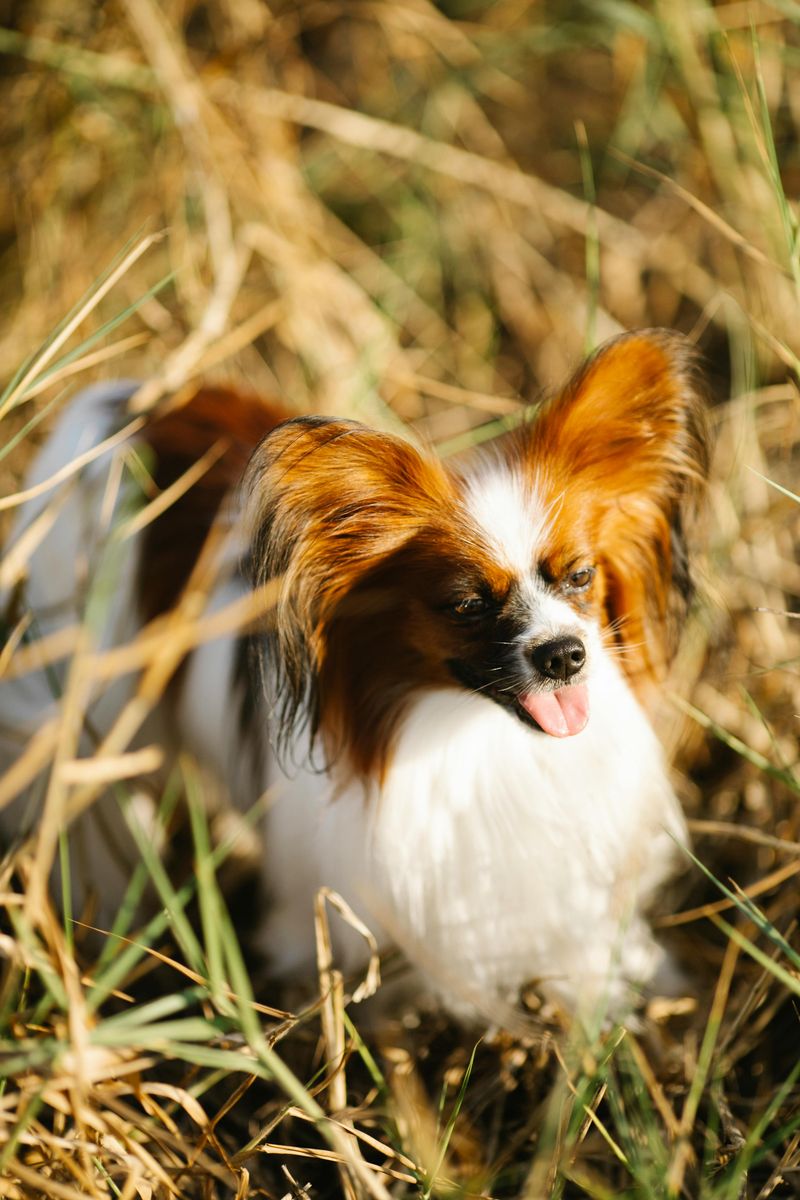
Papillons pack big brains into a small, athletic frame, making training feel light and joyful. Vets admire their confidence, coordination, and love of interaction.
They read your body language quickly, so clean hand signals and timely rewards yield fast, flashy results.
Use tiny treats, rapid reinforcement, and brief sessions to match their size and energy. Rotate tricks, rally style moves, and nosework puzzles to keep curiosity high.
Introduce distractions with playful structure, and your Papillon will deliver crisp obedience, adorable flourishes, and spirited enthusiasm that shines in small spaces and busy households alike.
Doberman Pinscher
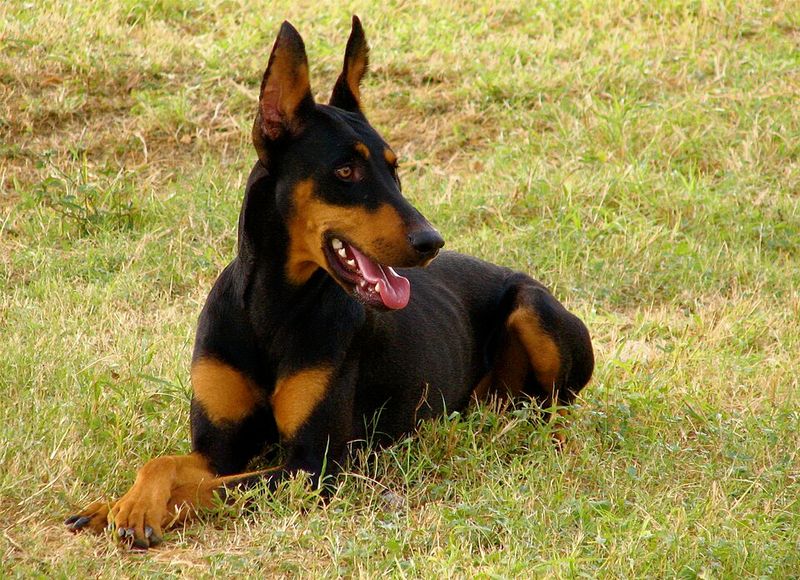
Dobermans are loyal, perceptive, and highly responsive to clear leadership paired with kindness. Vets appreciate their sharp focus and eagerness to work with trusted handlers.
They excel when expectations are consistent and reinforcement is meaningful, not overwhelming.
Build foundations with impulse control, neutrality around distractions, and structured play like tug with rules. Use short drills, purposeful movement, and confident posture so your Doberman understands exactly what earns rewards.
Balance exercise with calm decompression, and you will see elegant obedience, reliable recall, and a steady companion who thrives on teamwork and respectful guidance.
Australian Shepherd
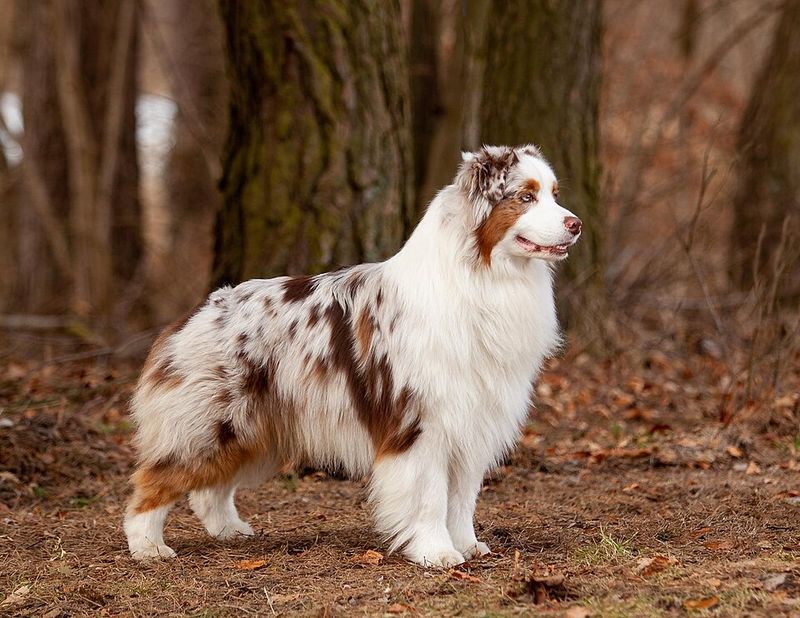
Australian Shepherds mix intelligence with vigor, so training works best when brains and body both get jobs. Vets note their incredible pattern memory and enthusiasm for problem solving.
They love structure that includes movement, like heeling between cones, recall to heel, and platform work.
Alternate obedience, shaping games, and athletic outlets such as fetch sprints and agility foundations. Keep criteria clear, add novelty regularly, and celebrate small wins to prevent frustration.
With steady mental challenges and fair boundaries, your Aussie will offer fantastic attention, quick learning, and stable behavior across busy environments and changing plans.
Cocker Spaniel
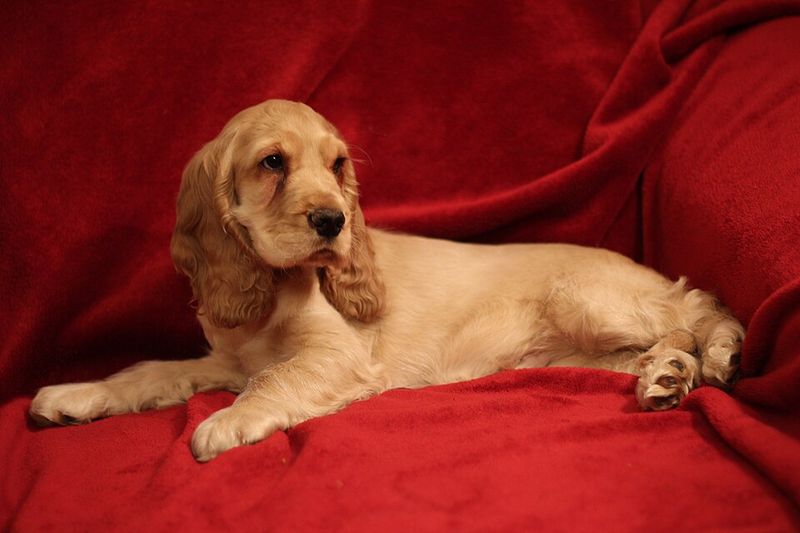
Cocker Spaniels are cheerful, sensitive learners who respond beautifully to gentle guidance. Vets highlight their people focus and desire to cooperate.
With fair expectations and consistent routines, they grasp house manners, recall, and calm greetings without drama.
Use soft voices, tasty rewards, and short games that reset attention when distractions pop up. Nosework, easy retrieving, and settle on a mat help channel energy productively.
Keep grooming and handling sessions positive, and your Cocker will develop resilience, bright engagement, and trustworthy behavior that feels effortless in daily life.
Miniature Schnauzer
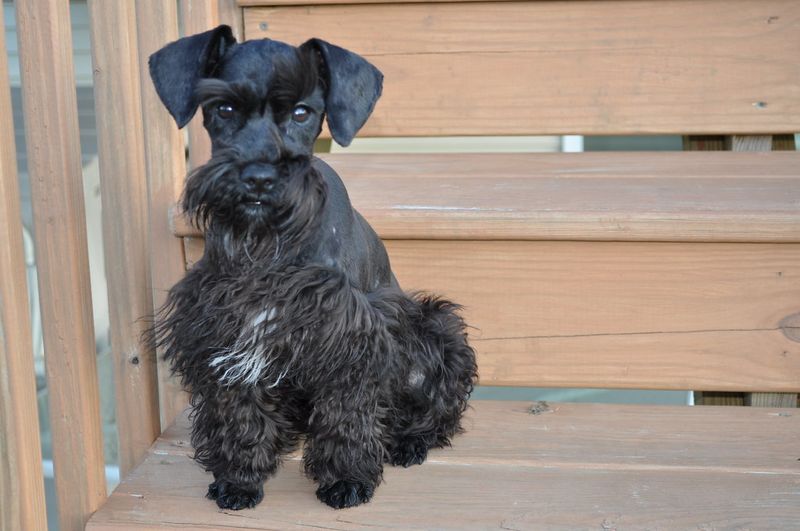
Miniature Schnauzers bring spirited curiosity and a surprisingly serious work ethic. Vets appreciate their confidence and adaptability in busy homes.
They respond best to structured games that encourage thinking, not just repetition.
Teach targeting, leash skills, and impulse control with generous reinforcement and playful challenges. Rotate puzzles, short scent trails, and quick trick chains to avoid stubborn moments.
Keep your tone upbeat and criteria consistent, and your Schnauzer will deliver charming focus, tidy obedience, and a can do attitude that makes everyday training satisfying.
Boston Terrier
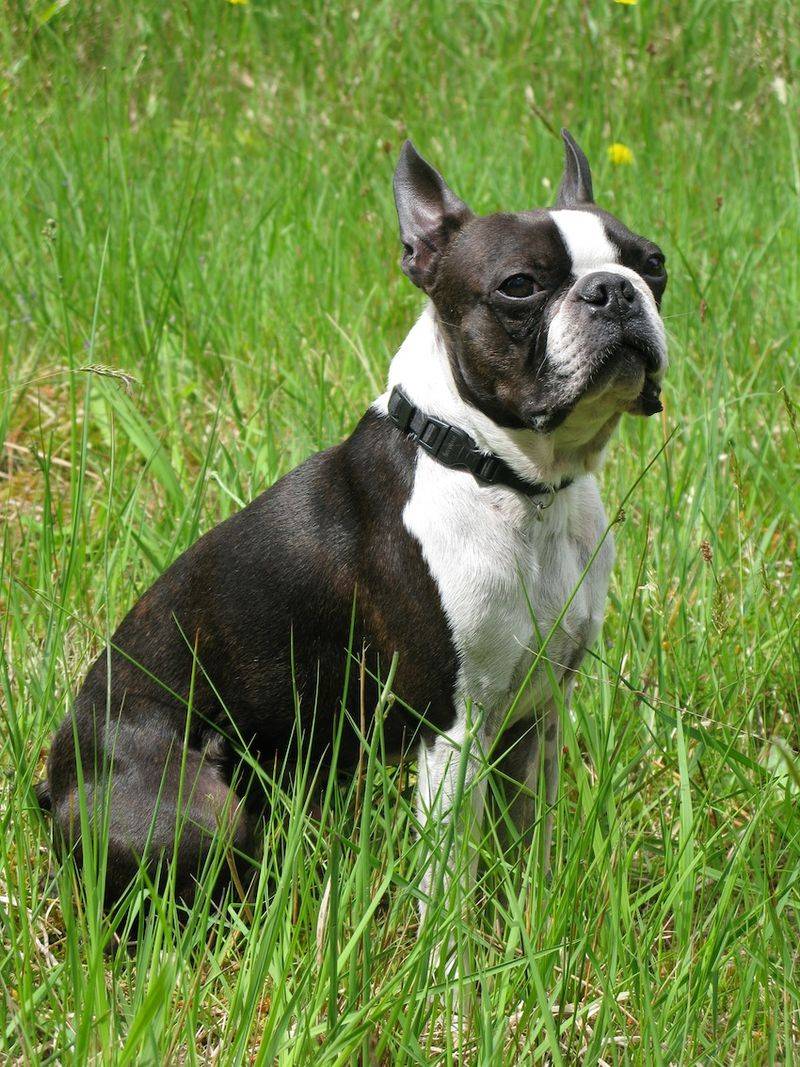
Boston Terriers are upbeat companions with playful minds that enjoy simple, clear lessons. Vets note their social nature and resilience, which helps them bounce back from small mistakes.
They do best with short, humorous sessions that reward eye contact and calm choices.
Teach sit, stay, and friendly greetings using small treats and enthusiastic praise. Incorporate brief fetch, tug with rules, and mat training to build impulse control.
Keep distractions mild at first, then gradually add noise and movement, and your Boston will shine with polite behavior, reliable recall, and a wonderfully cooperative spirit.
Collie
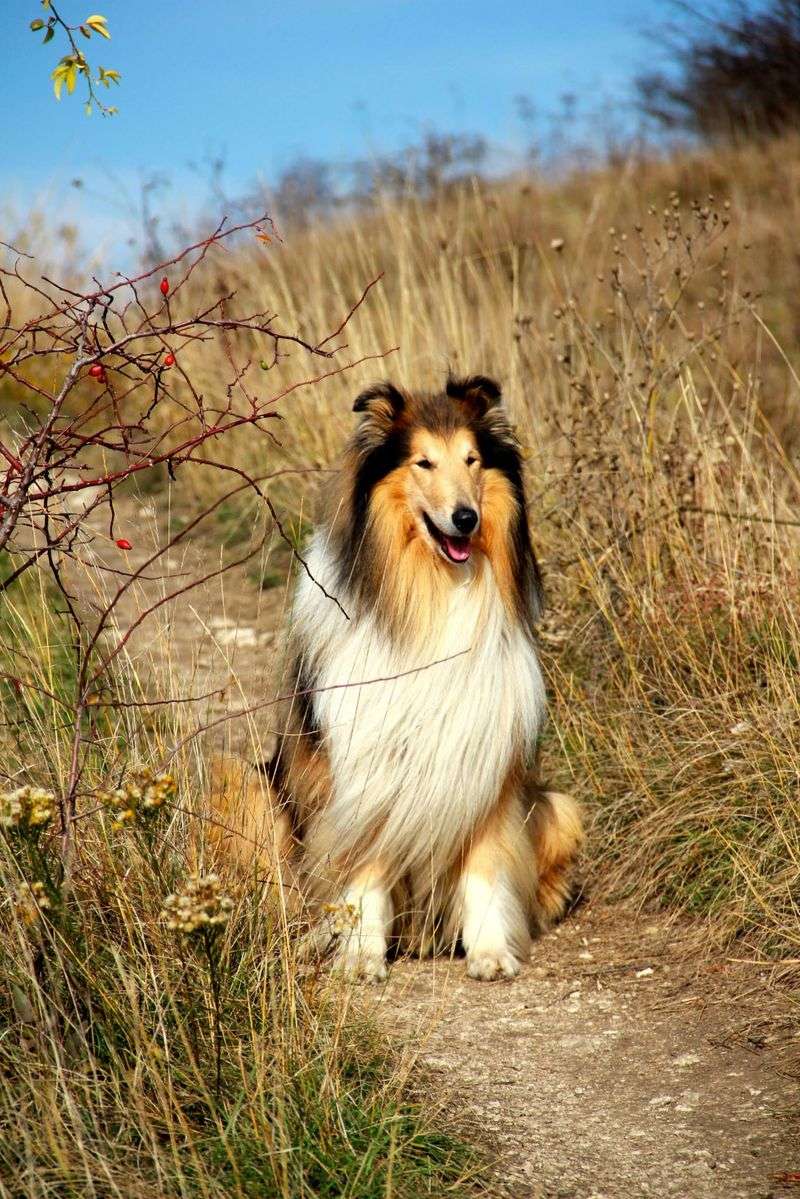
Collies are gentle strategists who value clarity and connection, which makes training approachable. Vets admire their intuition and steady nerves in family settings.
They learn best through predictable patterns, kind boundaries, and frequent rewards for checking in.
Blend attention games, loose leash walking, and calm settle work with light herding style exercises. Use soft voices, precise timing, and patient repetition to reinforce understanding without pressure.
With daily walks, short drill sessions, and thoughtful socialization, your Collie will develop dependable manners, elegant obedience, and a soothing presence that makes every outing easier and more enjoyable.