
If your sweet puppy suddenly forgets manners and turns up the volume at 6 to 18 months, you are not alone. Adolescent regression is real, loud, and surprisingly normal across many popular breeds.
The good news is there are patterns you can work with and training tweaks that actually help. Let’s break down which breeds spike in chaos and how you can ride out the storm with confidence.
Labrador Retriever

When a young Lab hits that 6 to 18 month window, you might witness sudden selective hearing, jumping, and relentless scavenging. Energy skyrockets, and impulse control dips, especially around food and novel smells.
Expect leash pulling, counter surfing, and a renewed interest in chewing anything within reach.
Structure helps. Short training bursts with high value rewards keep attention on you while managing that busy brain.
Rotate tough chew options and puzzle feeders to channel mouthiness. Daily aerobic exercise plus sniffy decompression walks can shave off the edge.
Teach calmness through stationing on a mat and reinforce settle on cue. Keep greetings low key and avoid rehearsing jumping.
You will see progress in weeks.
Golden Retriever
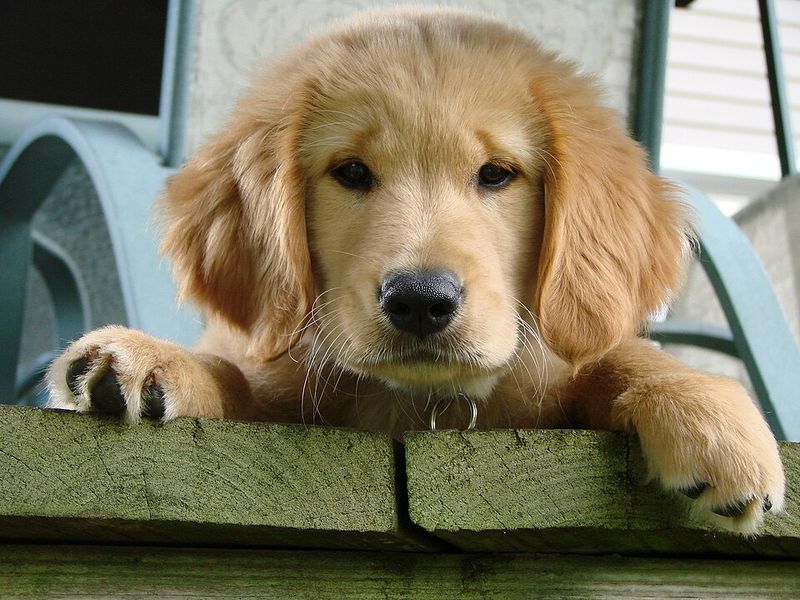
Goldens during adolescence can become velcro shadows one moment and impulsive whirlwinds the next. Polite manners fade, especially with greetings, fetching rituals, and door excitement.
You might see barking spikes and dramatic FOMO when you shift attention away.
Redirect that social enthusiasm. Practice calm door routines and reinforce sit to say hi with friends.
Use long lines outdoors to prevent rehearsal of zooming off. Short retrieve sessions can teach impulse control by adding sits between throws.
Grooming and handling refreshers matter too, since teenage Goldens may protest brushing. Keep sessions short and sweet with steady reinforcement.
Consistency plus enrichment pays off, and that golden heart resurfaces reliably.
German Shepherd Dog
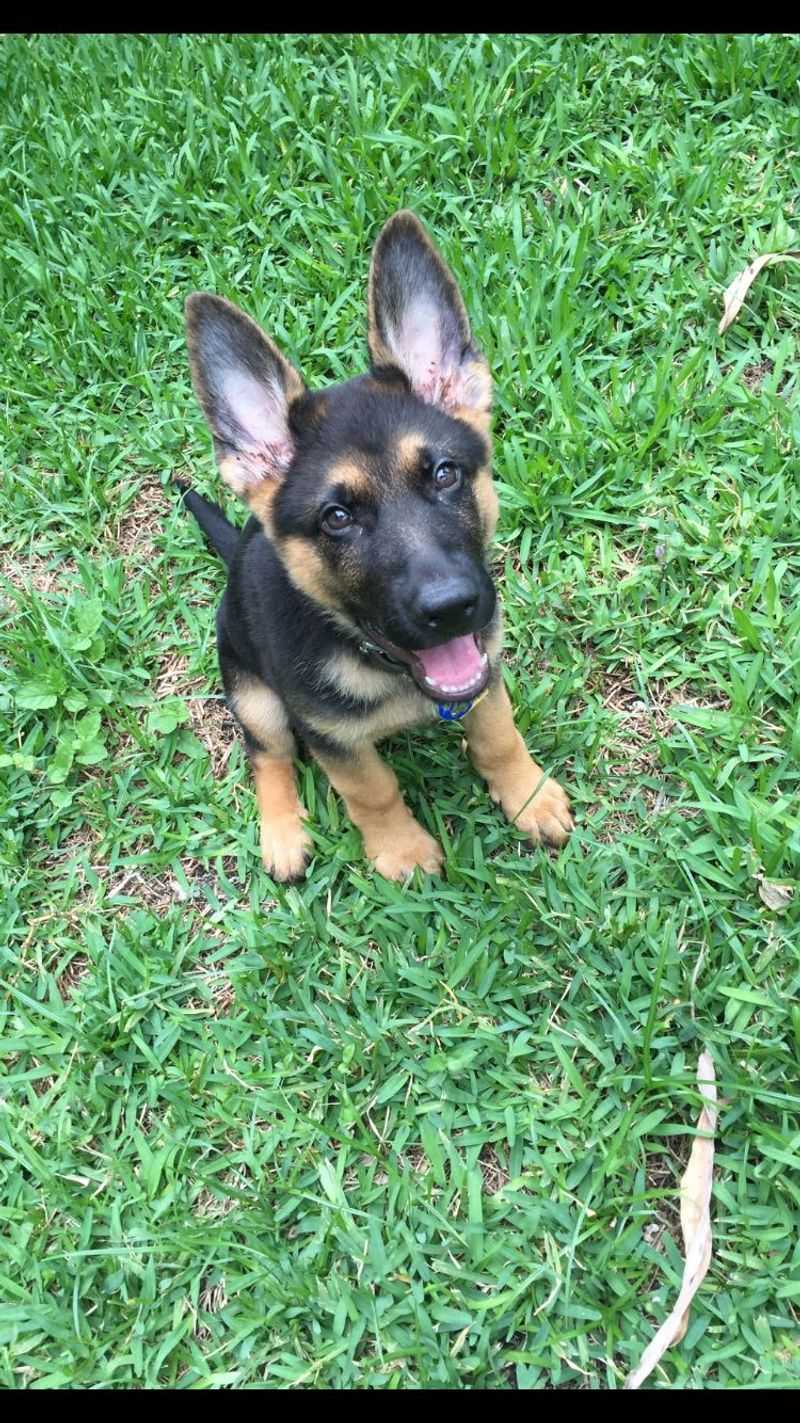
German Shepherd adolescents often pair high drive with big feelings. Guardy alertness increases, reactivity can spike, and obedience may wobble under distractions.
That combination leads to pulling, barking at passersby, and fixation on movement like bikes.
Focus on clarity and predictable routines. Teach engagement games, like name recognition and hand target, before stepping into busy environments.
Use distance and pattern games to defuse triggers, building neutrality steadily. Structured decompression walks and scent work tire the brain without juicing arousal.
Confident leadership means fair boundaries, not harsh corrections. Reward quiet watchfulness and reinforce check ins.
You are shaping a thoughtful partner, one calm rep at a time.
Rottweiler
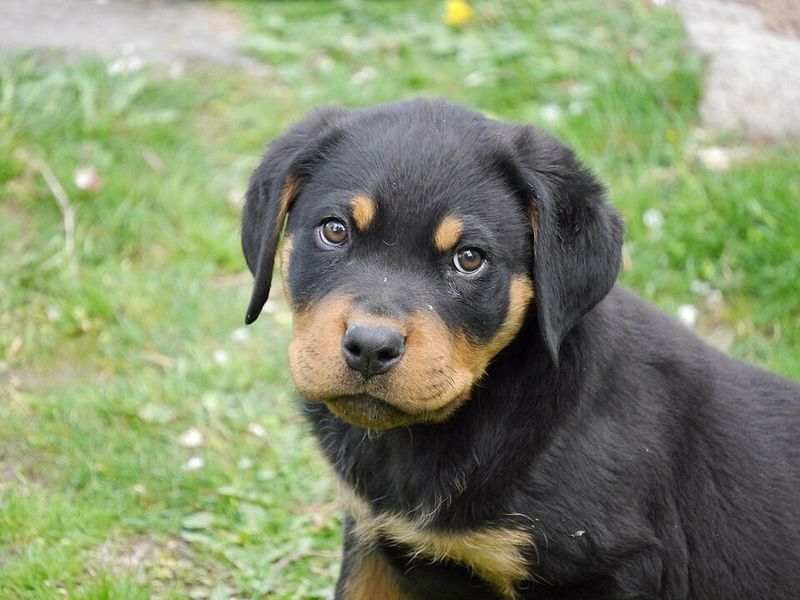
Teenage Rottweilers carry big bodies and bigger opinions. Affectionate at home yet pushy in routines, they may test boundaries on leash and at doorways.
Expect strength fueled pulling, mouthy play, and slow response when arousal peaks.
Fair structure is your friend. Reinforce stationing to a bed during meals and visitors.
Teach calm greetings and reward four paws on the floor. Leash skills improve with front clip harnesses, strategic U turns, and reinforcement near your leg.
Short obedience drills mixed with controlled tug outlets can satisfy working instincts. Prioritize neutral exposure to people and dogs at comfortable distances.
Your steady consistency builds trust and maturity.
Doberman Pinscher
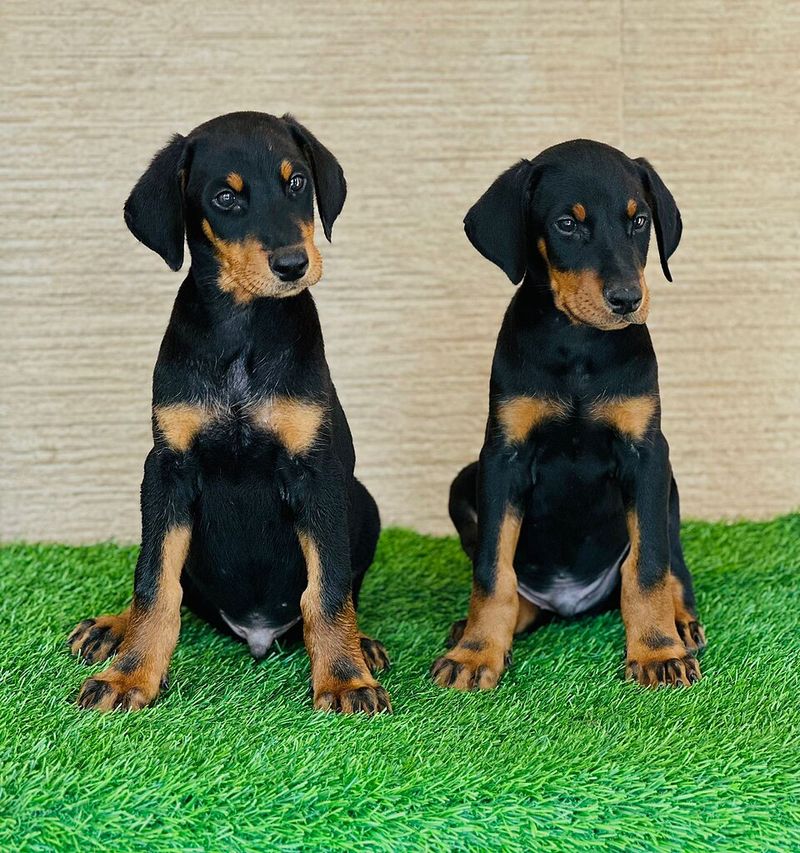
Doberman teens are smart, sensitive, and lightning fast at exploiting holes in routines. They may pace, shadow you, and vocalize when bored.
Impulsivity shows as door rushing, object stealing, and sudden sprinting during walks.
Dial up brain work. Teach settle on a mat with clear criteria and gradual distractions.
Use scent games, shaping tasks, and trick training to drain mental energy. Keep sessions short and upbeat, avoiding repetitive drilling.
Confidence grows when you prevent rehearsal of chaos. Baby gate management, tethers, and staged practice around triggers help tremendously.
Reward quiet, thoughtful choices. With predictability and patience, the elegant control you wanted returns.
American Pit Bull Terrier
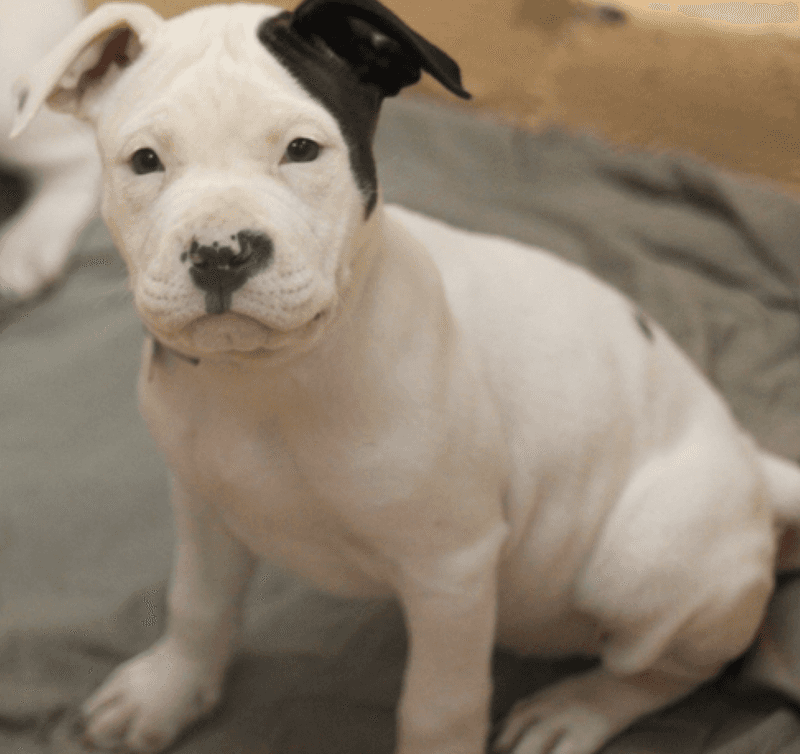
Pitty teens can be hilarious clowns and stubborn powerhouses at the same time. Expect exuberant greetings, body slams during play, and renewed chewing interest.
Social enthusiasm may look like pulling toward people and dogs, or vocal frustration when restrained.
Teach channelled power. Structured tug with start stop rules builds impulse control.
Reinforce sit to greet and calm check ins before onward movement. Rotate durable chews and food puzzles to satisfy jaw needs.
Advocate during social time. Keep interactions balanced, brief, and positive.
Reward loose leash moments generously and practice settle after play. You will see a sweet, biddable companion emerge through consistency.
Siberian Husky
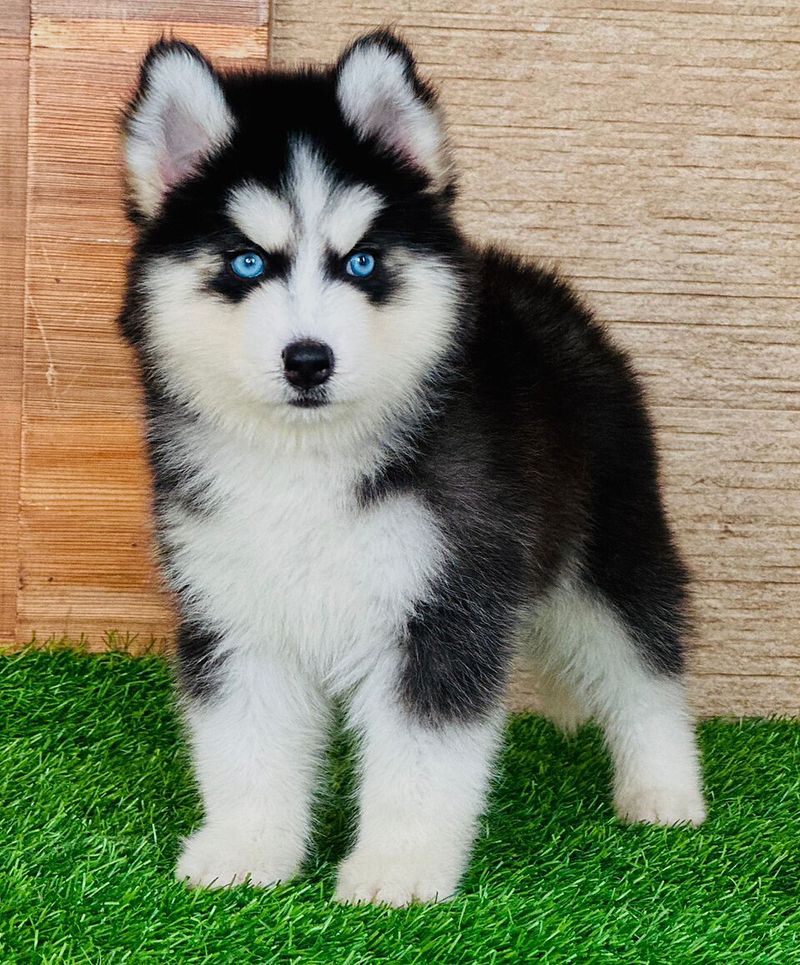
Husky adolescents often discover their inner escape artist. Recall collapses, leash pulling intensifies, and vocal opinions multiply.
Prey drive kicks in around wildlife and small pets, making off leash freedom risky.
Management first. Double check harness fit, use long lines, and build recall through games rather than pressure.
Provide daily outlets for running, like canicross or flirt pole sessions, balanced with sniffy recovery walks. Mental enrichment matters as much as mileage.
Howl friendly neighbors by training quiet cues and reinforcing calm after excitement. Work on independence by practicing short separations.
Consistent boundaries plus aerobic outlets keep that joyful mischief in check.
Border Collie
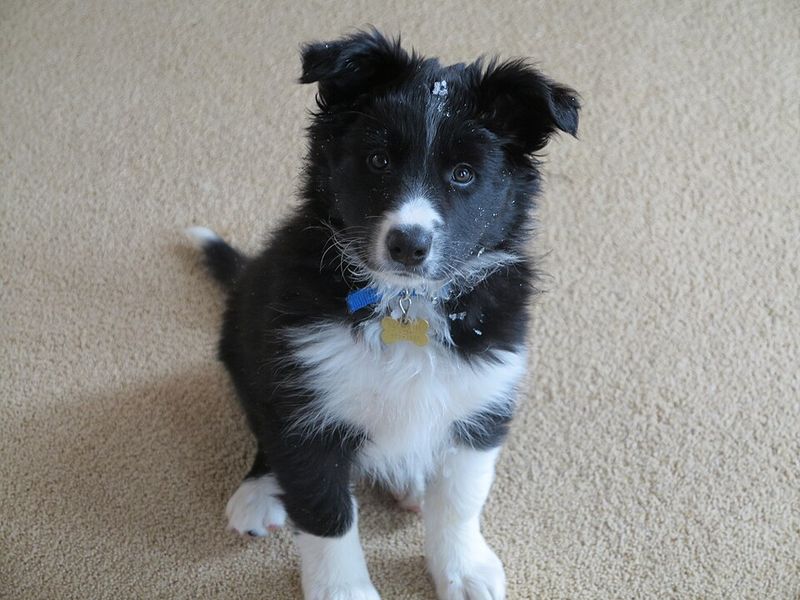
Border Collie teens can spiral when brains outpace structure. You might notice herding nips, car chasing, and obsessive toy focus.
They memorize patterns instantly, including your accidental cues, then exploit them creatively.
Channel into tasks. Use trick chains, scent games, and shaping to teach thoughtful work.
Keep arousal manageable by alternating focus tasks with calm mat time. Disc and agility foundations are fine if you prioritize impulse control first.
Prevent rehearsal of stalking joggers or bikes with distance, visual barriers, and strategic training setups. Reinforce eye contact breaks and disengagement.
Balanced mental work and calm practice shape a brilliant, steady partner.
Standard Poodle
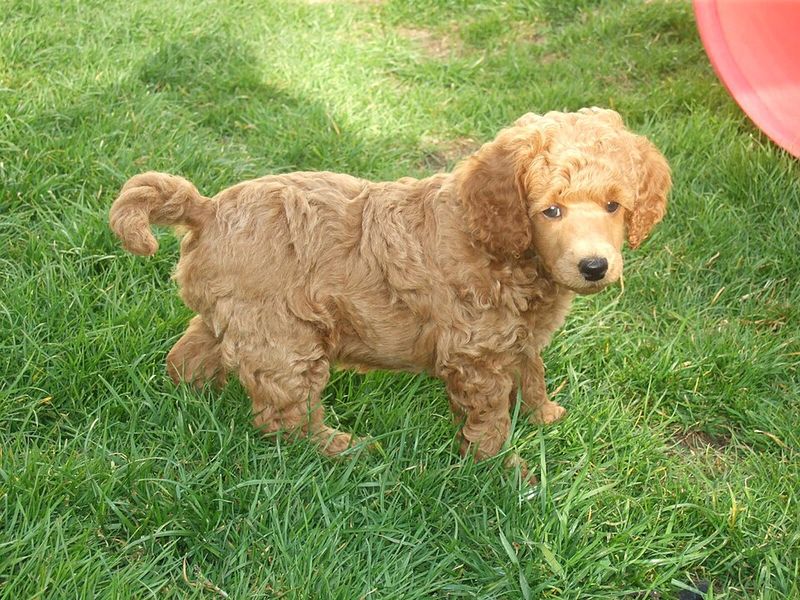
Standard Poodles in adolescence blend sharp intelligence with sudden goofiness. They may test boundaries through grabby mouthing, counter surfing, and selective listening.
Sensitivity can appear as dramatic flops when frustrated.
Lean into precision with kindness. Reinforce calm stationing, polite retrieve routines, and quiet focus during grooming.
Rotate brain games, from hide and seek to shaping tricks, to satisfy curiosity. Keep sessions breezy and end on wins.
Prevent access to counters, and reward four on the floor around food prep. Use long lines outside to protect recalls.
With consistent expectations and playful training, elegance returns quickly.
French Bulldog
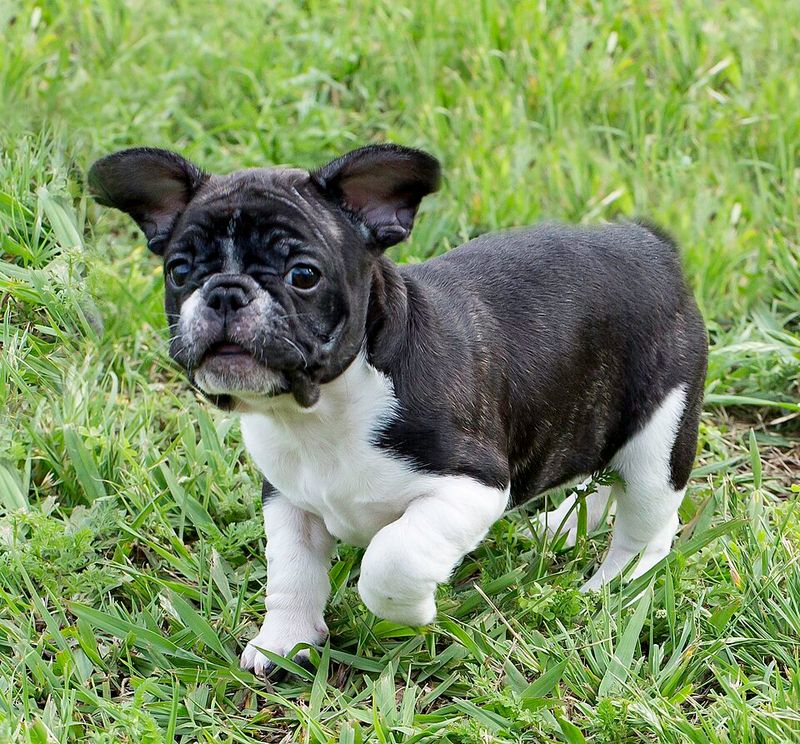
Frenchie teens turn stubborn and silly in equal measure. Zoomies erupt indoors, and recall can evaporate when sniffs call louder.
You might see resource guarding hints with toys or chews if routines are unclear.
Keep training fun and bite sized. Use food games, scatter feeding, and simple pattern games to encourage engagement.
Teach trade cues for toys and practice calm crate time after play. Mind their breathing limits during exercise and heat.
Leash skills improve with predictable routes and frequent reinforcement. Reward check ins and short heel bursts.
With playful consistency, that comedic bravado softens into dependable charm.
Miniature Schnauzer
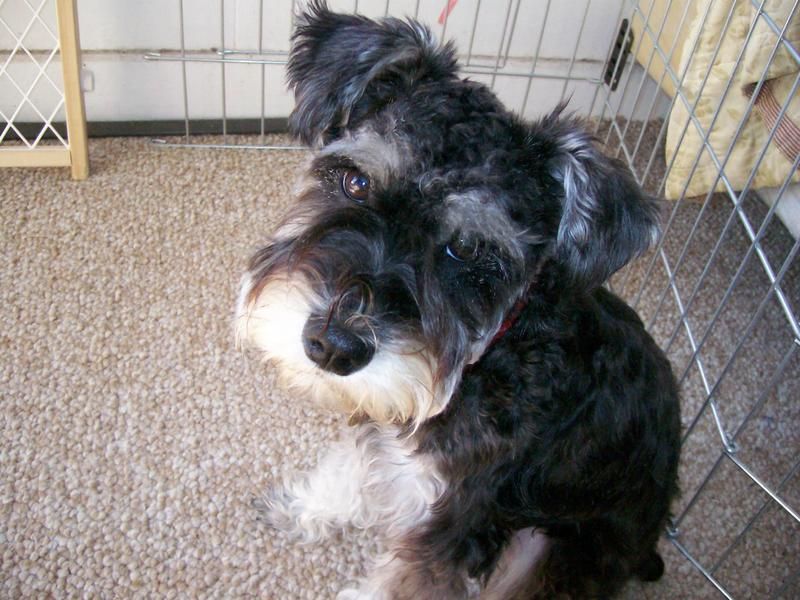
Mini Schnauzer adolescents often discover their voice. Barking at sounds or passersby escalates, and selective hearing shows up on walks.
Curiosity and confidence may lead to scavenging and cheeky counter hopping.
Teach purposeful listening. Reinforce look at that games to reduce reactivity, and reward quiet after a single alert bark.
Use leashes and baby gates to prevent kitchen forays. Enrichment like snuffle mats and shreddable boxes redirects energy productively.
Grooming tolerance matters during this phase. Keep sessions short with steady rewards for feet and face handling.
Anchor behaviors like settle on mat will smooth the transition into a charming adult.
Shiba Inu
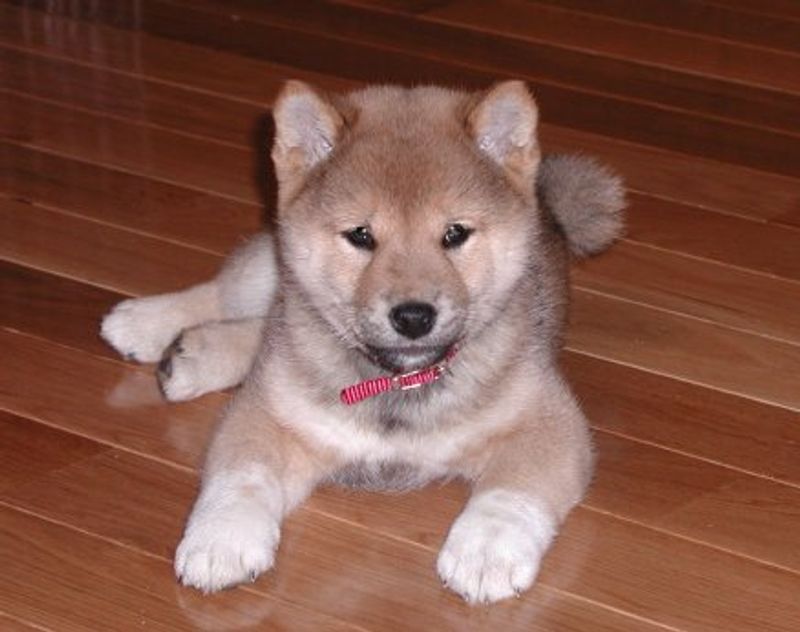
Shiba teens are independent strategists. Recall becomes a polite suggestion, and handling may be refused if trust is thin.
You might see sudden zooms, door darts, and dramatic protests during grooming.
Respectful structure wins. Use long lines religiously, trade games for objects, and cooperative care techniques for nails and brushing.
Reinforce check ins with high value rewards in low distraction areas before leveling up.
Prevent escape artistry with secure gear and double doors. Keep sessions short, end on success, and avoid battles.
With patience and choice based training, that sly charisma becomes reliable partnership.