
If your dog lights up at the sound of a treat puzzle shaking, you are not alone. AI-generated enrichment plans are quietly becoming the secret sauce behind calmer homes and happier, sharper pups.
Owners say these smart routines turn daily mental workouts into can not-miss rituals their dogs beg for. Ready to see which breeds get hooked fastest and how to channel that obsession into brilliant behavior?
Border Collie
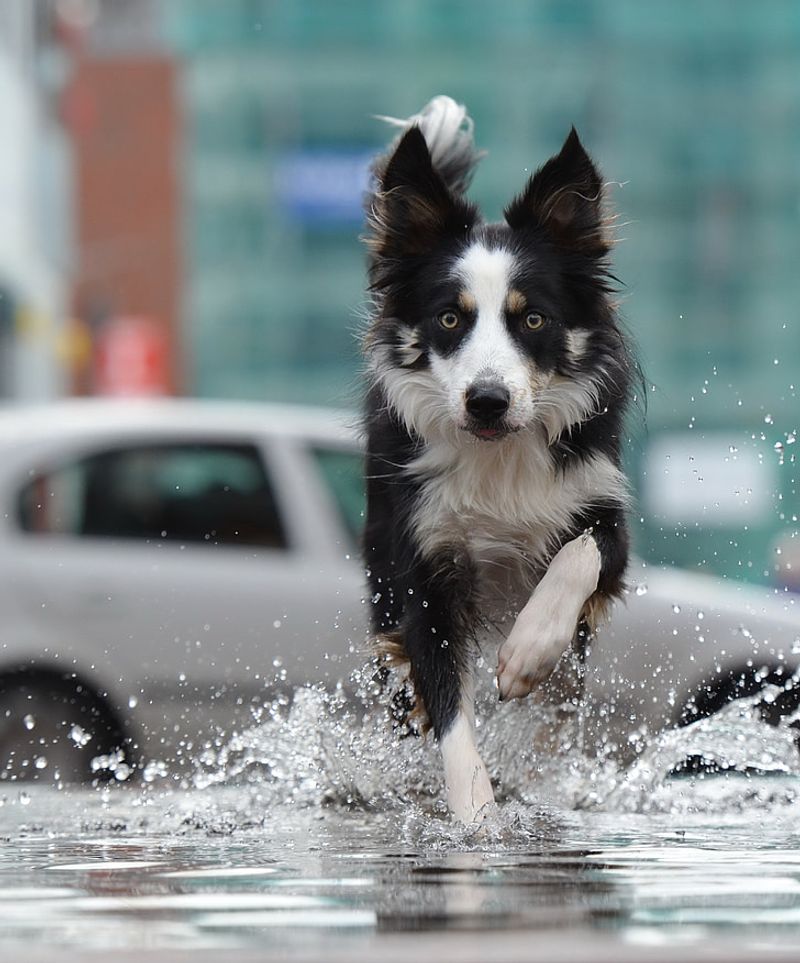
Border Collies thrive when every neuron is invited to the party, and puzzle routines do exactly that. Start with easy snuffle mats, then layer in slider boards and rotating towers, timing sessions to five or eight minutes.
You will see that signature eye turn from herding furniture to herding answers.
AI-generated enrichment plans shine here by sequencing tasks for novelty without chaos. The algorithm might alternate scent games, shape matching, and cue chaining, preventing that too-smart boredom spiral.
Add micro-challenges like “pause before release” to build impulse control.
Track metrics like solve time and frustration signals, then nudge difficulty gently. A reset cue keeps confidence intact.
Soon, your Border Collie will request puzzles politely, then nap like a satisfied scholar.
Australian Shepherd
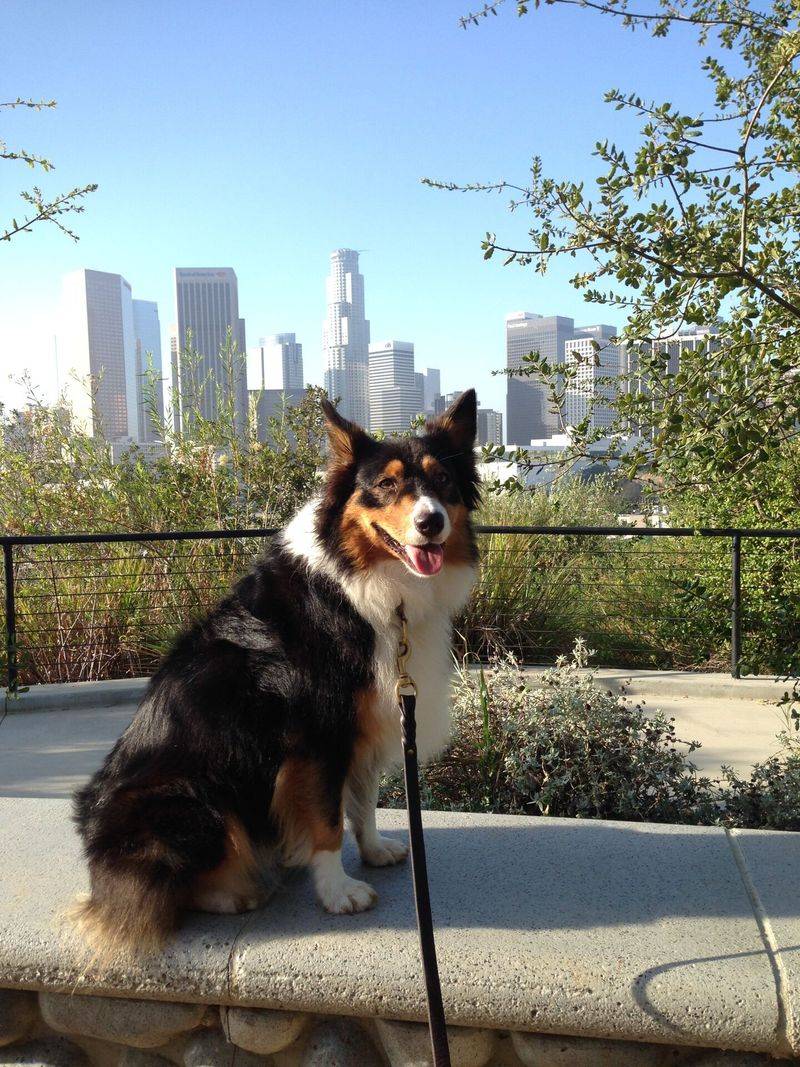
Australian Shepherds love jobs, and puzzle routines give them daily missions without herding your guests. Begin with stationary treat cubes, then mix in wobblers and multi-step slider boards.
Keep sessions brisk and upbeat, ending on a quick win so excitement stays high.
AI plans help rotate categories: scent trails on odd days, visual discrimination on even days, and proprioception with balance discs weekly. That cadence curbs restlessness while feeding their problem-solving drive.
Sprinkle in hand-targeting and nose touches between puzzles to reset arousal.
Watch for over-amping and build calm cookies into the plan. Logging solve times reveals the ideal difficulty curve.
Before long, your Aussie will sprint to the puzzle shelf, tail swishing like a metronome of joy.
Standard Poodle
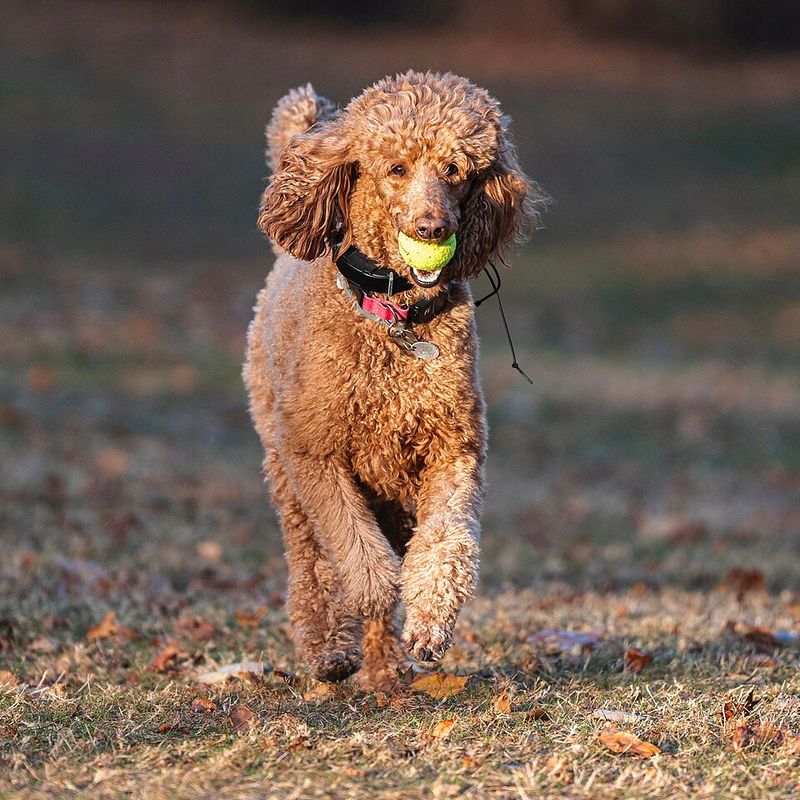
Standard Poodles pair wit with elegance, and puzzles satisfy both sides. Start with tactile boards that reward delicate paw work, then add shape-sorting and drawer pulls for finesse.
Keep treats small and fragrant to sustain momentum without overloading calories.
AI-generated plans excel at pacing novelty for Poodles, who notice patterns fast. The system can interleave mimicry tasks, memory rounds, and sniff-to-select challenges.
Add a two-cue switch game to exercise cognitive flexibility.
Track stress yawns or paw licking to prevent frustration. Short, frequent sessions beat marathons.
With data guiding difficulty, your Poodle will glide from warmup to advanced puzzles like a practiced dancer, finishing with a contented sigh and impeccable posture.
Shetland Sheepdog
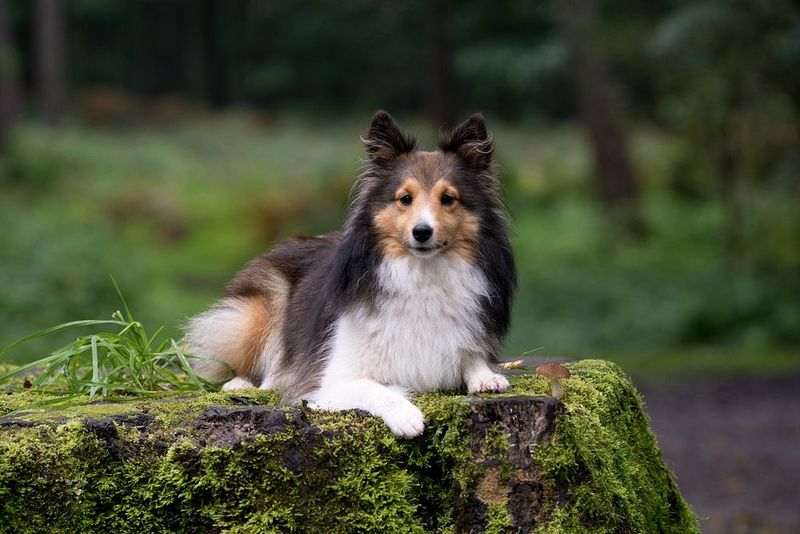
Shetland Sheepdogs adore precision, so finely tuned puzzle routines hit their sweet spot. Begin with shallow sliders to build confidence, then add multi-lock layers that require nose-paw combinations.
Keep reinforcement rates high and verbal encouragement gentle.
AI plans can titrate difficulty by monitoring solve time trends and hint frequency. Include pattern games that ask your Sheltie to choose left vs right consistently, then flip the rule to build flexibility.
Alternate scent mats with visual boards to prevent fatigue.
Use quiet breaks and chin targets to keep arousal balanced. Record successes and occasional stumbles, celebrating tiny wins.
Soon, your Sheltie will trot to the mat at cue time, ears forward, eyes bright, ready to master another delightful challenge.
Papillon
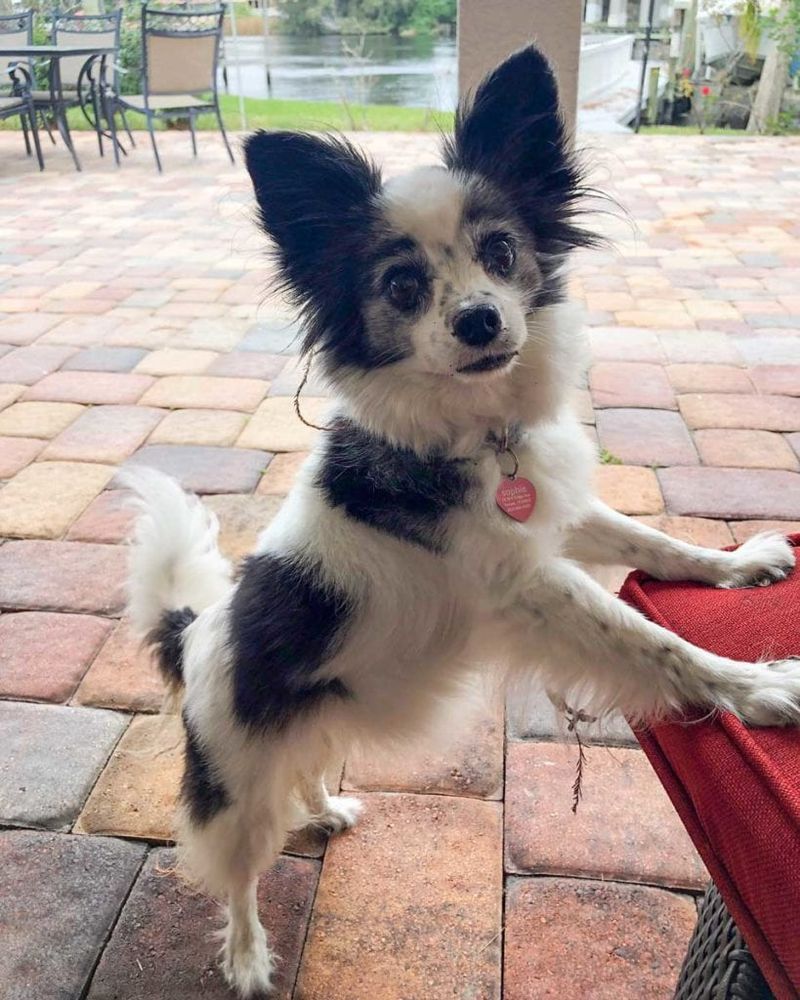
Papillons bring big-brain energy in a featherlight frame, making scaled puzzles a must. Start with shallow wells and light sliders to protect tiny paws, pairing each step with a crisp marker.
Rotate puzzles daily to keep curiosity piqued without fatigue.
AI plans help balance micro-challenges: gentle scent hides, lid flips, and memory cups. Short bursts keep focus sharp, and an easy finale seals confidence.
Include platform perches to add viewpoint variety without strain.
Log treat preference and switch textures to sustain motivation. Watch for rapid success streaks that signal it is time to level up.
Soon, your Papillon will tap a paw at the shelf, ears shimmering, asking for the next brainy adventure with charming insistence.
Miniature Schnauzer
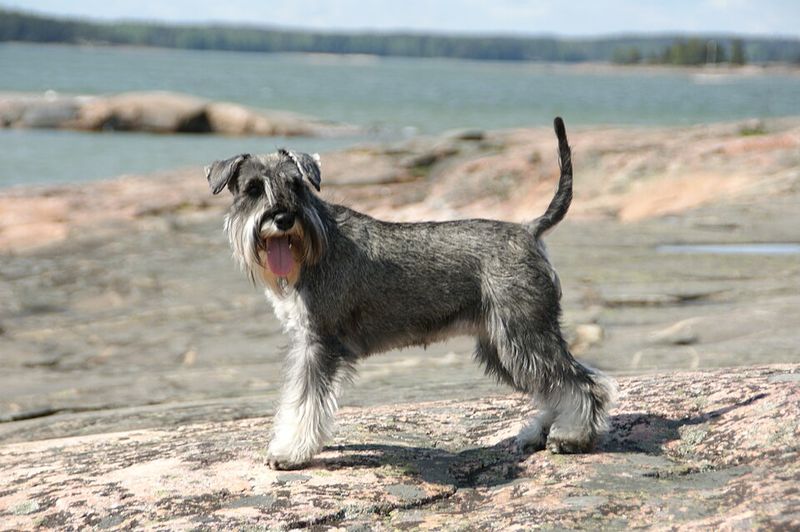
Miniature Schnauzers love a good riddle paired with a dash of sass. Begin with wobble feeders, then introduce drawer puzzles that need nose nudges and purposeful paws.
Keep criteria clear and reinforce quiet persistence over frantic pawing.
AI plans can rotate scent-led tasks with visual mazes to channel that terrier-adjacent tenacity. Add a wait cue before opening a compartment to build impulse control.
Data will reveal whether mornings or evenings yield better focus.
Track bark bursts and offer structured resets like a sit-and-breathe. Gradually layer difficulty with removable barriers.
With consistent feedback and tidy records, your Schnauzer will transform puzzle time into a proud, beard-wiggling ritual you both anticipate daily.
English Springer Spaniel
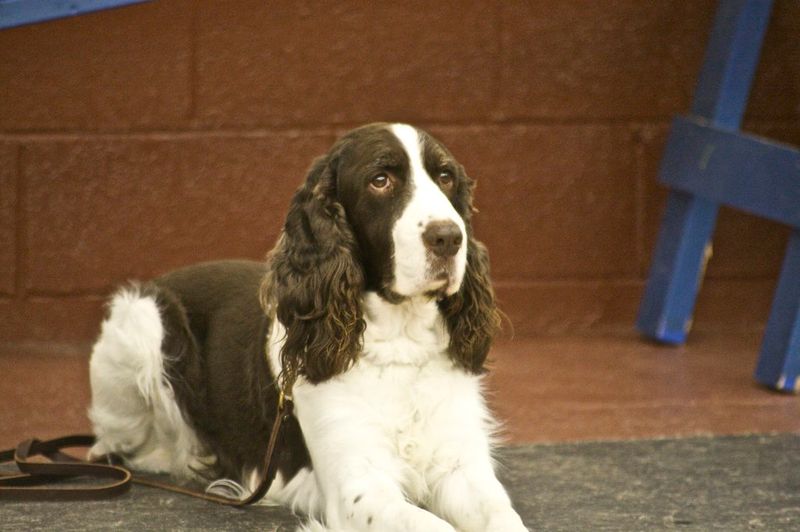
English Springer Spaniels are scent-forward scholars who relish nose-work puzzles. Start with scatter sniffs, then graduate to tube racks and perforated boxes that require sequential investigation.
Reinforce calm searching over frantic digging.
AI-generated plans can map scent difficulty using airflow, material, and treat volatility. Alternate days of olfactory focus with simple mechanical sliders to keep variety fresh.
Add a soft retrieve of a puzzle piece to satisfy that gundog heritage.
Record search duration and tail tempo to gauge arousal. Insert water breaks and easy wins.
With rhythm and thoughtful data, your Springer will settle into a serene, methodical sniff-quest that leaves them mentally soothed and sweetly tired.
Belgian Tervuren
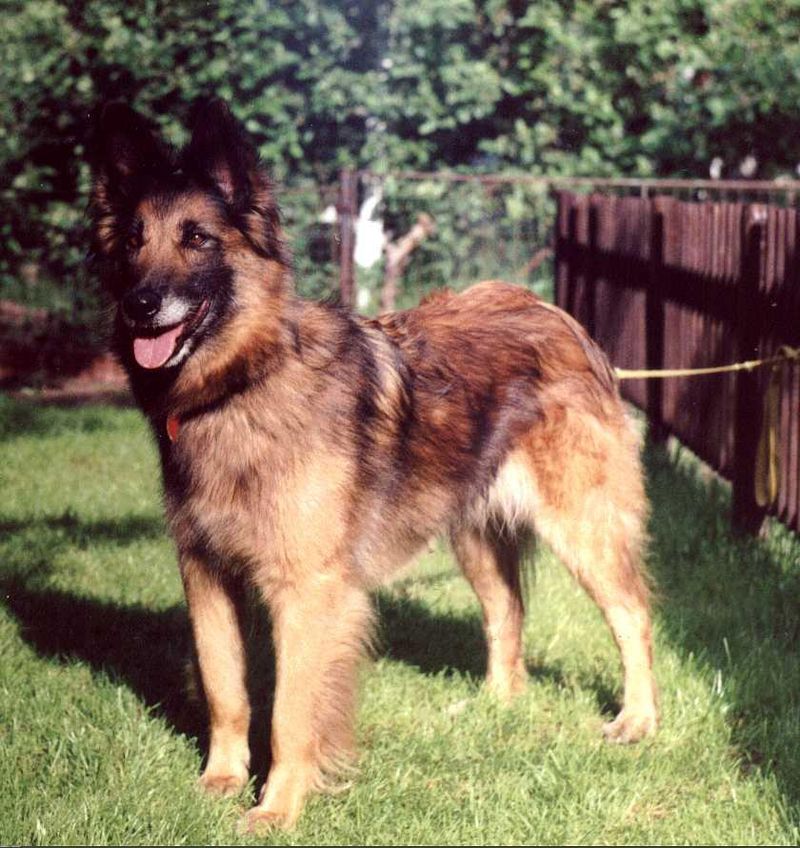
Belgian Tervurens crave complexity and clarity, making structured puzzle progressions a dream. Begin with layered tasks that require a nose push, then a paw slide, then a latch lift.
Reinforce precise effort and smooth, quiet movement.
AI plans help prevent over-arousal by interleaving cognitive drills with decompression walks. Include rule-switching games like “touch blue not red,” then reverse it next session.
Log latency to first success and adjust rest intervals accordingly.
Introduce scent discriminations using distinct herbs for controlled contrast. End with a down-stay amidst open puzzle gear to cement composure.
Soon, your Tervuren will power through challenges like an elegant codebreaker, then settle with noble calm beside the toolbox.
Brittany
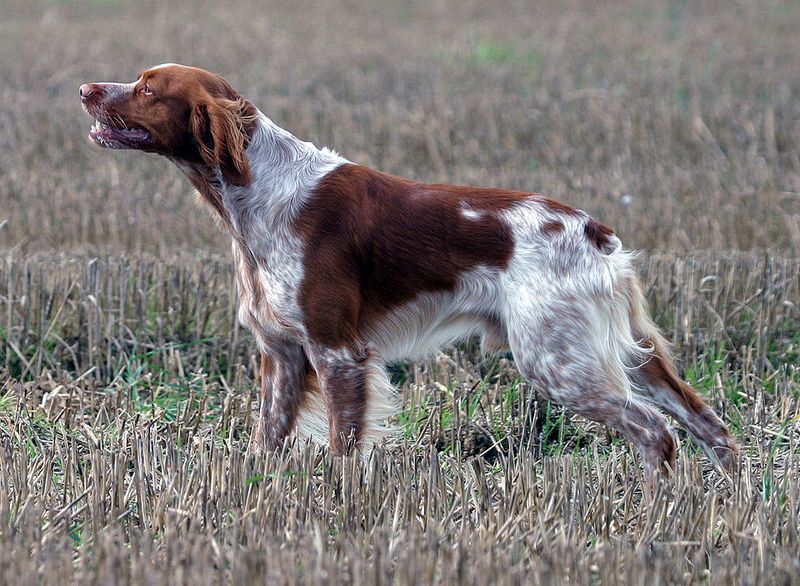
Brittanys brim with zest, so puzzle routines should channel that bounce into focused foraging. Start with broad snuffle mats and shallow cup games, then add sliding gates that require patience.
Keep sessions short and cheerful to match their spark.
AI-generated plans can pair aerobic micro-bursts with scent puzzles to balance energy. Try five nose-work minutes, then a two-minute settle on a mat, then another puzzle round.
Adjust treat value to maintain controlled enthusiasm.
Track pant rate and distraction breaks to tune difficulty. Include retrieves of puzzle pieces to honor their field roots.
Over weeks, your Brittany will learn to toggle from turbo to thoughtful, finishing content and ready for a cozy cooldown cuddle.
Lagotto Romagnolo
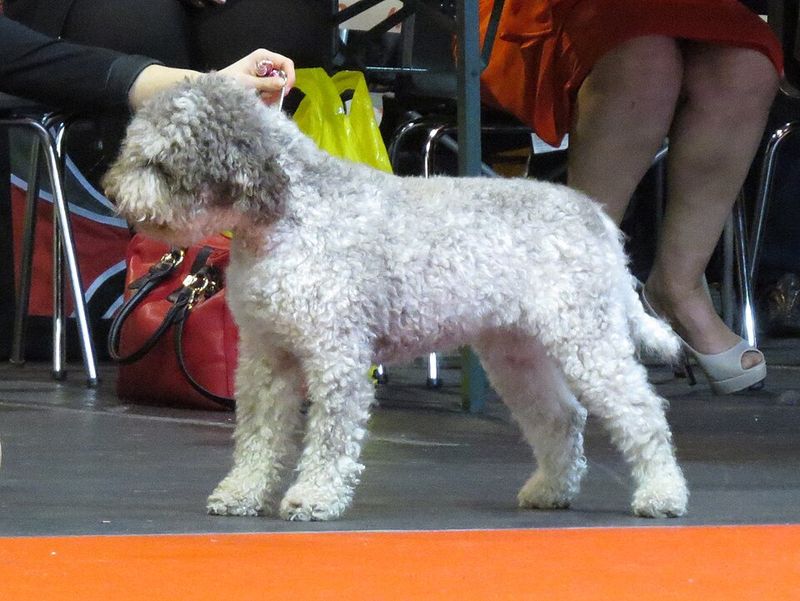
Lagotto Romagnolos are scent savants, born to locate treasures. Lean into that talent with layered olfactory puzzles: perforated boxes, nested containers, and scent cones.
Use modest food rewards, letting the sniff-success be the true payoff.
AI plans can calibrate odor complexity, swapping truffle oil with milder teas, then hiding among distracting scents. Alternate indoor searches with patio breezes to vary airflow.
Add a start-line ritual to anchor focus.
Log search grids and mark hides carefully so progress is clean. Include a gentle hold indication when locating the source.
With smart pacing and scent-first design, your Lagotto will become gleefully obsessed, nose fluttering, tail steady, solving mysteries like a cheerful detective.
Portuguese Water Dog
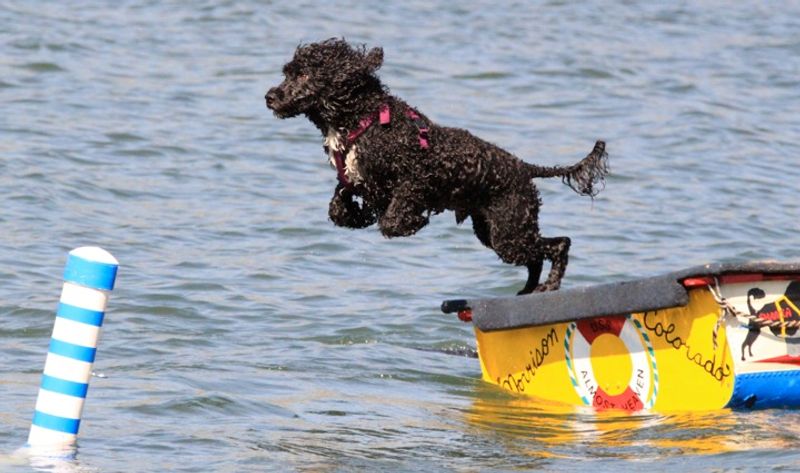
Portuguese Water Dogs light up when puzzles meet movement. Incorporate water-safe toys that require pushing, trapping, and releasing treats while bobbing.
Pair with land-based sliders to maintain variety on off-water days.
AI-generated enrichment plans can map energy arcs, scheduling aquatic puzzles after a brief fetch to take the edge off. Mix scent-laced floating discs with problem-solving platforms.
Use a towel station ritual to transition calmly back indoors.
Track solve time, paw usage, and vocalization to fine-tune difficulty. Rotate toy buoyancy and resistance for custom challenges.
With data guiding the flow, your PWD will anticipate puzzle time like a mini regatta, finishing satisfied, towel-wrapped, and blissfully relaxed.
Nova Scotia Duck Tolling Retriever
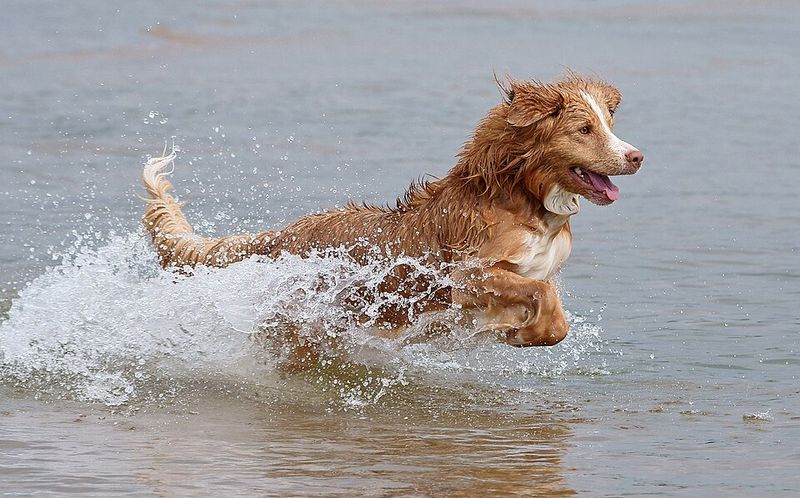
Tollers love clever games that echo their field heritage. Start with a soft dummy puzzle that dispenses a treat only after a precise hold and drop.
Add visual discrimination boards and scent cups on alternate days.
AI plans can weave arousal management into the sequence: brisk tug as a reinforcer, then a calm chin rest, then puzzle work. Track reinforcement schedules to avoid over-amping.
Include water-safe tasks when possible for variety.
Record hold duration, drop latency, and tail carriage to measure excitement vs clarity. End with an easy success to keep confidence glowing.
Soon, your Toller will trot back beaming, ready for the next brainy fetch that feels like play and study in one.
German Shorthaired Pointer
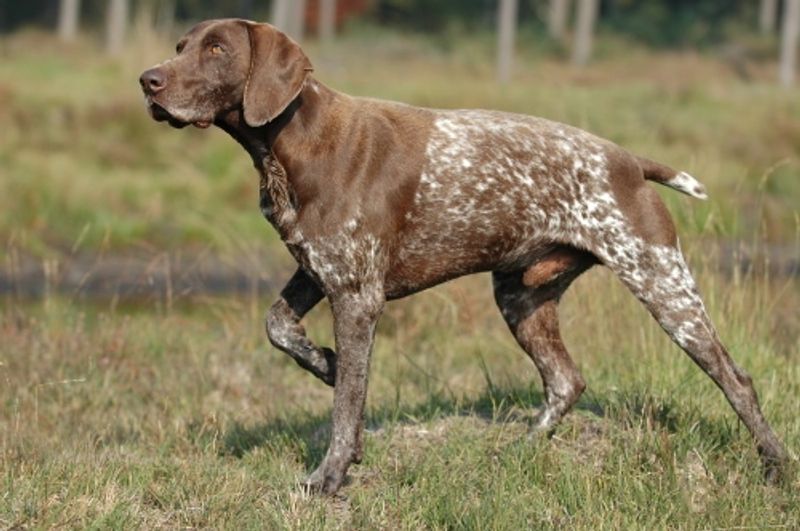
German Shorthaired Pointers are versatile athletes who relish purposeful problem-solving. Build a foundation with tracking-style sniffs, then graduate to discrimination racks requiring nose-to-target precision.
Keep criteria crisp and rewards tiny but frequent.
AI-generated plans can alternate high-movement searches with stationary mechanical puzzles to balance drive. Add impulse-control interludes like a down-stay before the final reveal.
Adjust difficulty by changing odor concentration and container airflow.
Monitor pacing, vocalization, and reset speed in your logs. Short, predictable sessions prevent frustration.
Within weeks, your GSP will channel that turbo nose into measured, confident work, finishing with a loose body, soft eyes, and the satisfied swagger of a job well done.
Cocker Spaniel
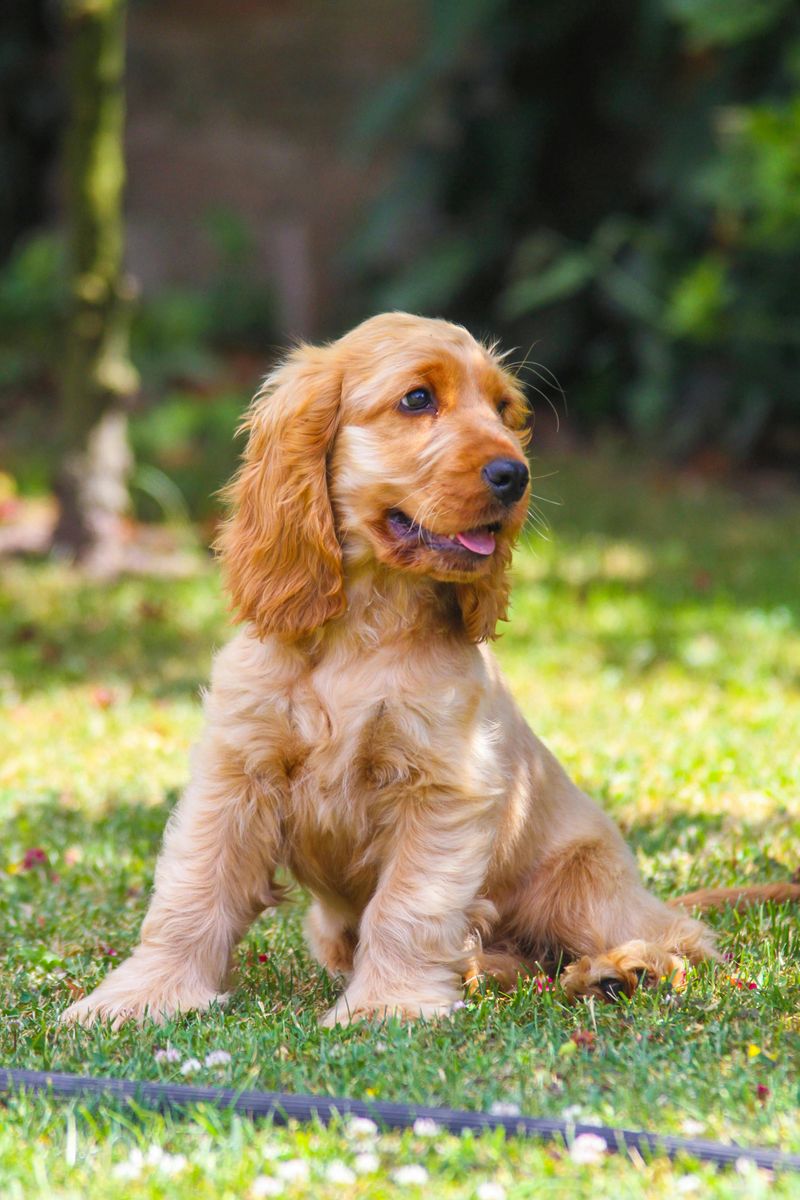
Cocker Spaniels thrive with kind structure and sensory-rich puzzles. Start with flip-lids and snuffle pockets that reward calm exploration.
Keep treats soft and low-crumble to protect that beautiful coat and maintain focus.
AI plans can modulate difficulty by interleaving scent plays with light mechanical steps, then sprinkling recall breaks to refresh engagement. A cue for ear check or gentle groom between rounds turns routine into bonding.
Close each session on a confident win.
Track blink rate and paw pauses for frustration clues. Use soothing voices, short reps, and tidy resets.
Soon, your Cocker will float through puzzle time like a mellow waltz, tail fanning happily as mysteries yield to patient curiosity.