Living with more than one pet can be awesome, but harmony does not happen by accident. Some dog breeds have strong instincts that can upset cats, rabbits, or even shy dogs.
Knowing what challenges to expect helps you plan training, routines, and safety. Use this guide to make a smart, kind choice for your whole crew at home.
Siberian Husky
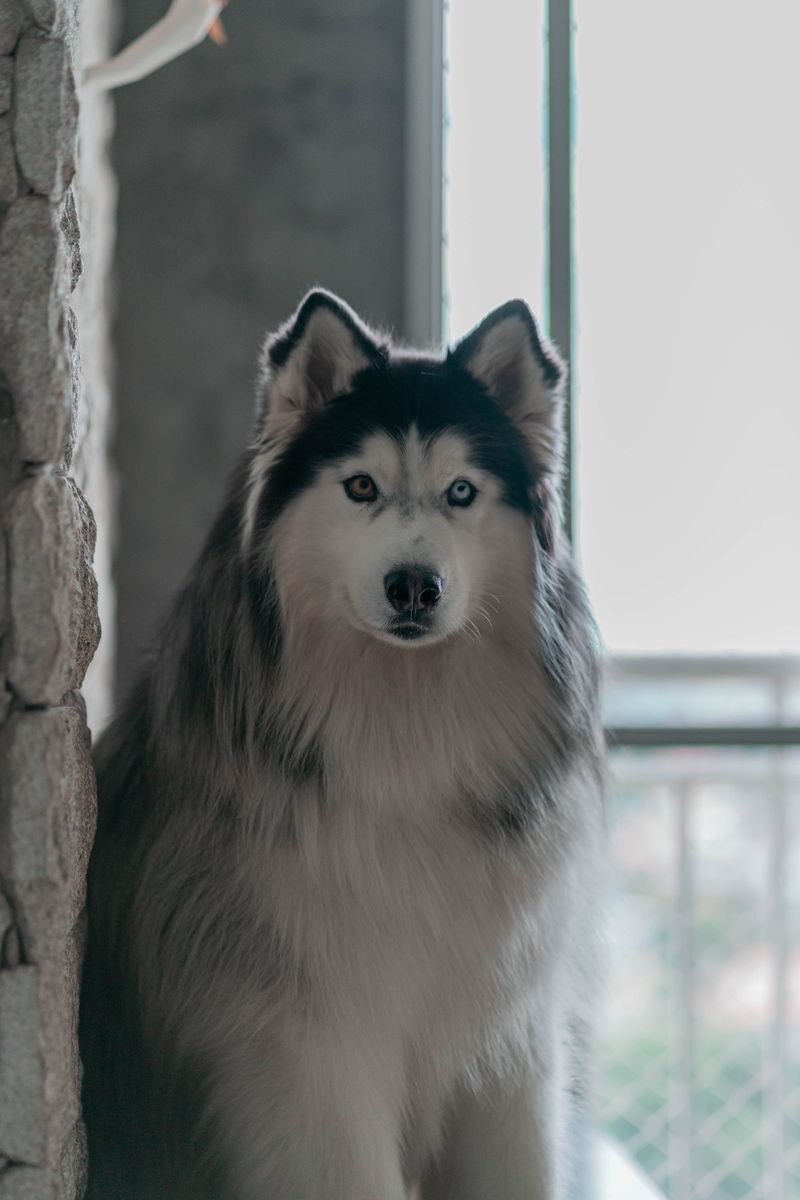
Blue eyes and a quick sprint tell the story here. Huskies were bred to run and chase, so small pets can look like moving targets.
Many do best with strong fences, leashes, and planned play to burn off steam.
If you already have cats or rabbits, set up safe zones and slow introductions. Use baby gates, scent swapping, and short, calm meetings.
Daily exercise, impulse-control games, and a snug crate routine keep the household peaceful.
Alaskan Malamute
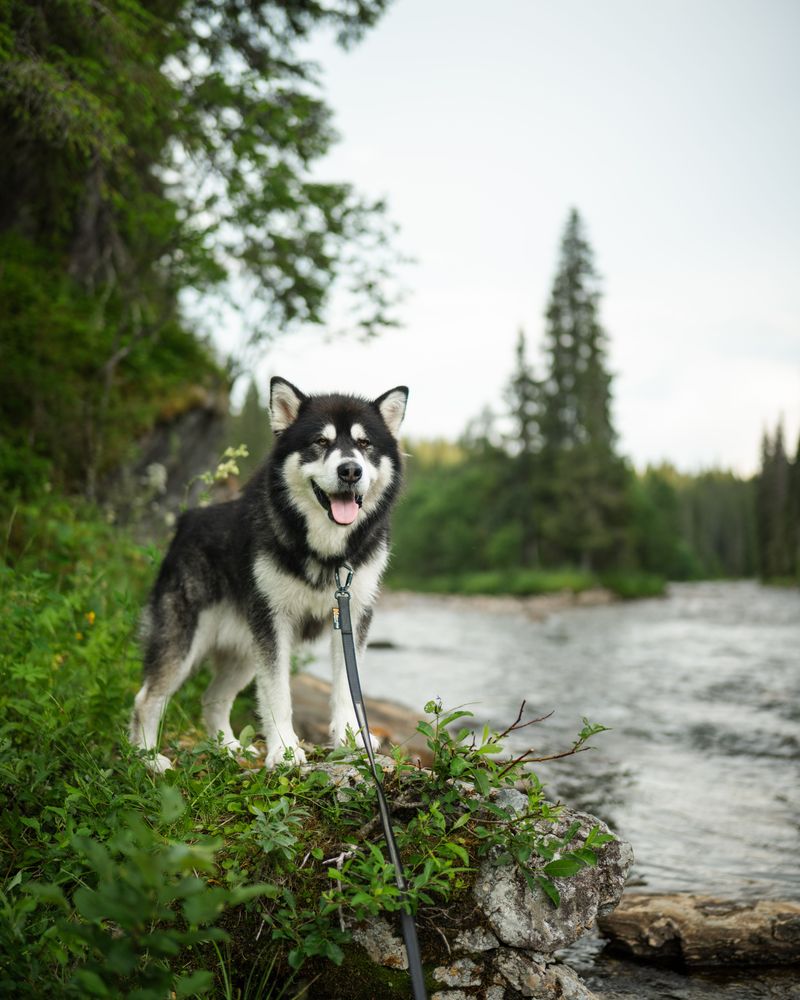
Built for hauling and bursting with drive, Malamutes can be stubborn about rules. That big engine often wakes up around small pets.
Plan for rock-solid recall, leashed yard time, and double-checking latches.
For a multi-pet home, structure is your friend. Feed in separate spaces and use place training before greetings.
Mental workouts like scent puzzles, frozen chews, and cart-pulling practice can take the edge off and make sharing space feel easier for everyone.
Shiba Inu
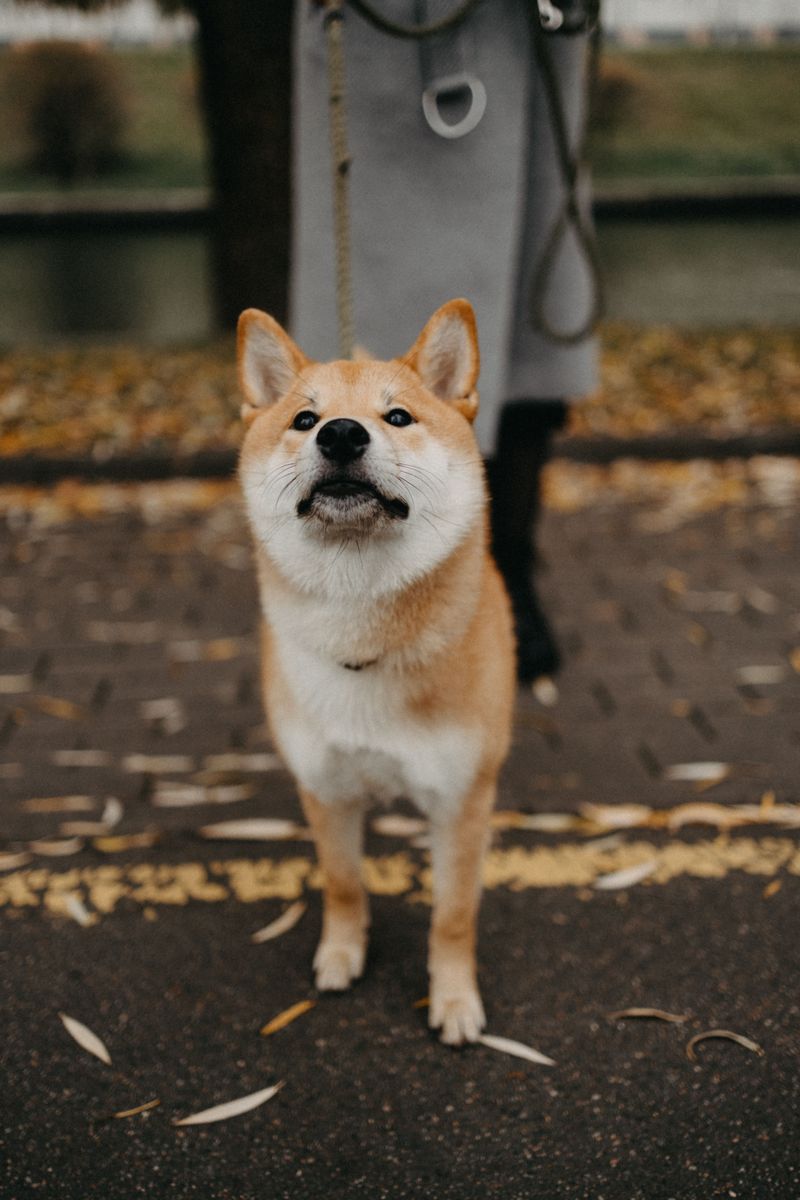
Quick as a spark and clever, Shibas have a sharp prey instinct. Sudden darting from a cat or rodent can flip a chase switch.
Secure enclosures and strict door manners help stop impulsive sprints.
Use calm, short introductions and teach a reliable “leave it.” Reward quiet glances instead of staring. Provide daily sniff walks and food puzzles to drain mental energy.
With clear boundaries and rewards, shared living becomes much safer and smoother.
Akita
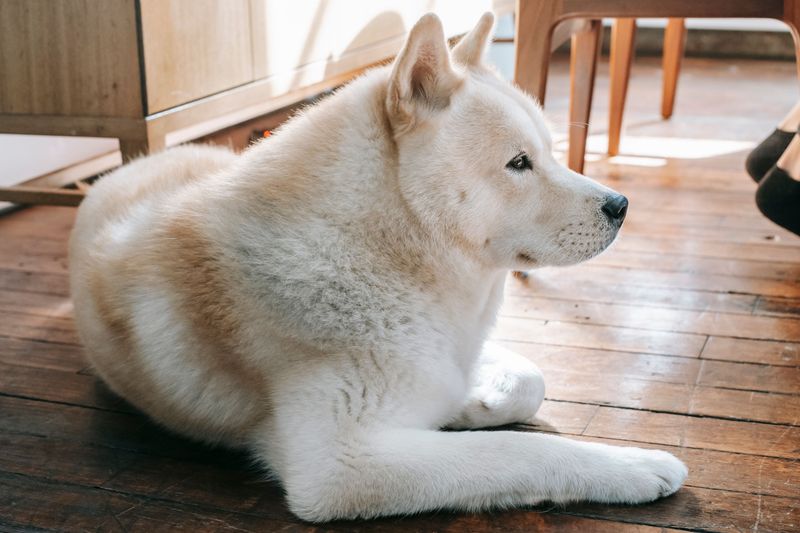
Calm at first glance, Akitas can be very selective about animal friends. Some dislike sharing space with same-sex dogs.
Careful matching and slow, neutral-territory meetings matter a lot.
Think parallel walks, double leashes, and gates for decompression. Feed separately and rotate high-value chews.
Short, positive training sessions build respect and control. When rules stay steady and predictable, an Akita is more likely to relax and accept the household routine without testing every boundary.
Chow Chow
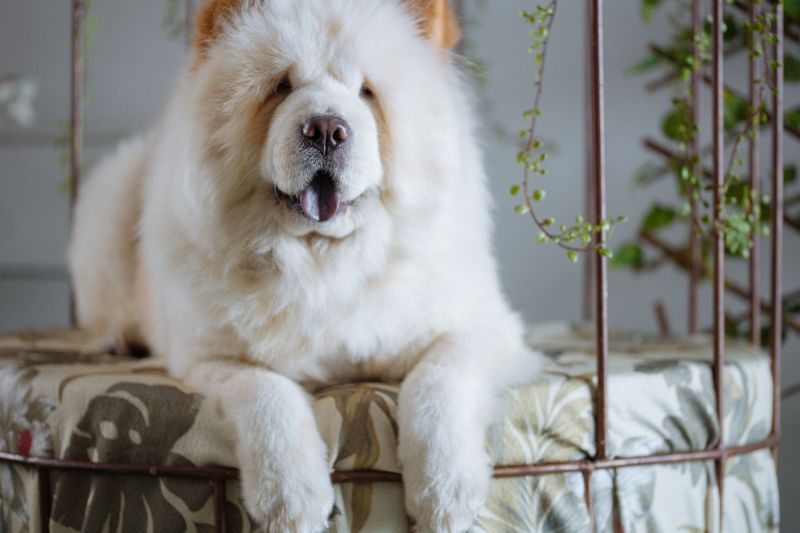
A regal presence hides a strong-willed spirit. Chows value their space and can guard areas like couches or doorways.
That habit can unsettle other pets who need freedom to move.
Teach place cues, reward calm sharing, and guide polite pass-bys using leashes indoors at first. Create safe perches for cats and quiet zones for breaks.
Short grooming sessions and gentle handling practice also reduce tension. When everyone knows the rules, small moments stop turning into standoffs.
Belgian Malinois
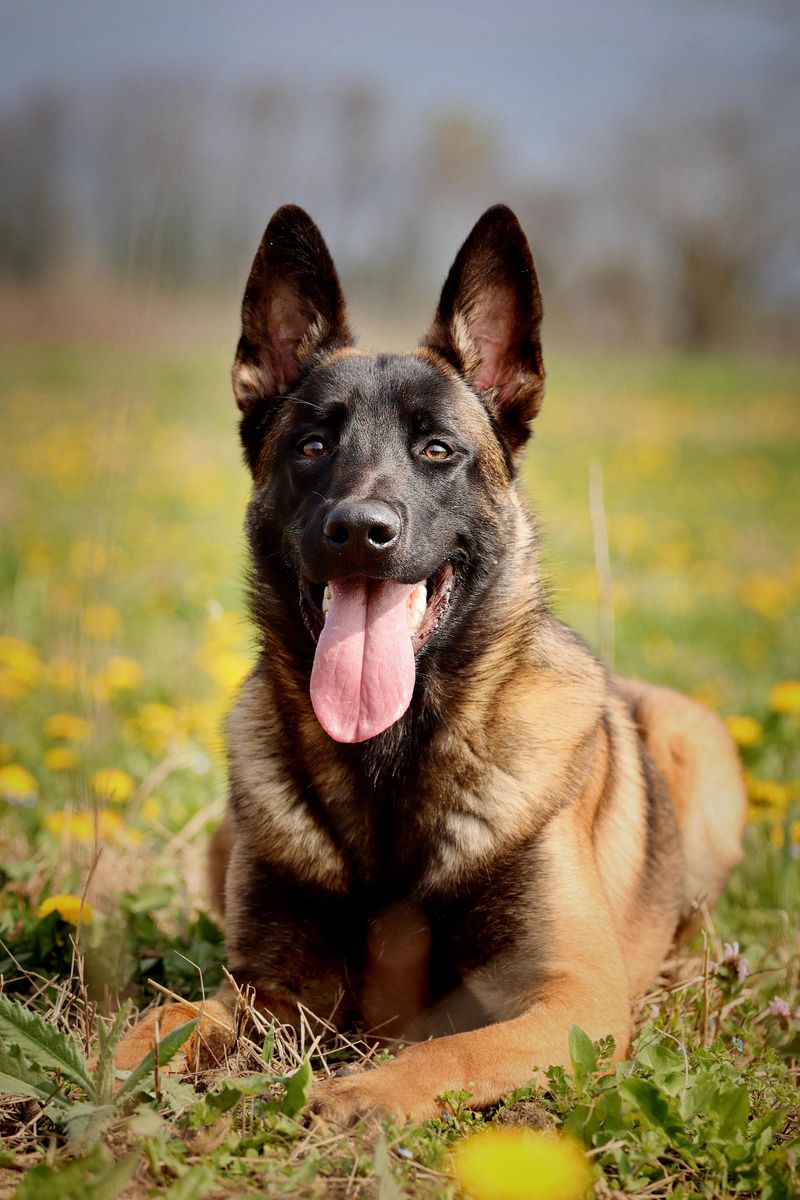
Born to work, Malinois bring turbo energy and tight focus. Without a job, they invent one, like herding or chasing.
That intensity can overwhelm shy pets or trigger fear responses.
Daily training, structured play, and advanced cues like place, out, and recall are non-negotiable. Crate naps and management keep arousal in check.
Introduce animals slowly, practicing calm eye contact and quick disengagement. A busy mind and a predictable schedule go a long way toward household harmony.
Dutch Shepherd
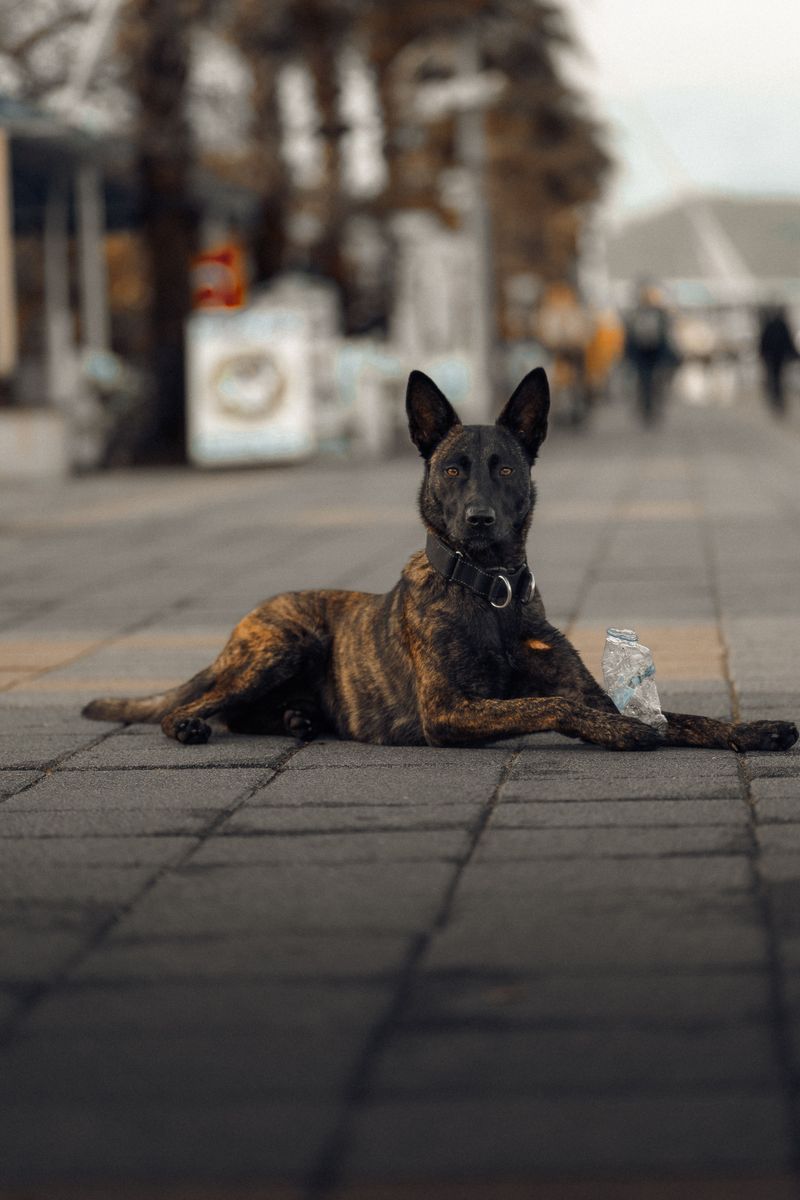
All brains and springy legs, Dutch Shepherds thrive on tasks. That drive can turn into chasing, nipping, or guarding motion.
High-energy pets may wind each other up until someone snaps.
Offer clear outlets like scent work, shaping games, and structured tug with rules. Manage greetings with leashes and teach smooth disengagement from moving animals.
Design vertical escapes for cats. With engagement and boundaries in place, the household feels more like a team and less like a racetrack.
Australian Cattle Dog
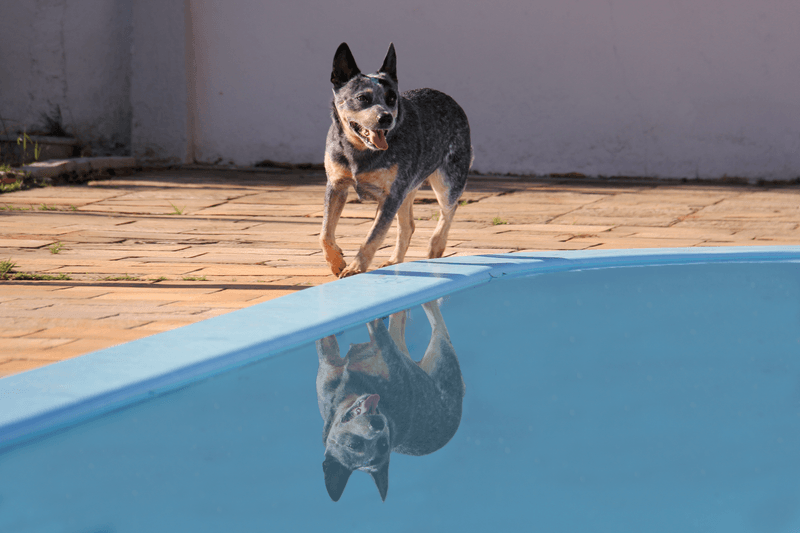
Heel nips and tight circles come naturally here. Motion triggers herding in many Cattle Dogs, which can scare cats, chickens, or small dogs.
Left alone, practice becomes habit.
Channel that brain. Short fetch with cue releases, obedience games, and trick training help satisfy the need to work.
Keep chickens and rodents fully secured, and supervise play with smaller animals. Add calm-down routines after activity, so excitement does not spill into pushy behavior indoors.
Border Collie
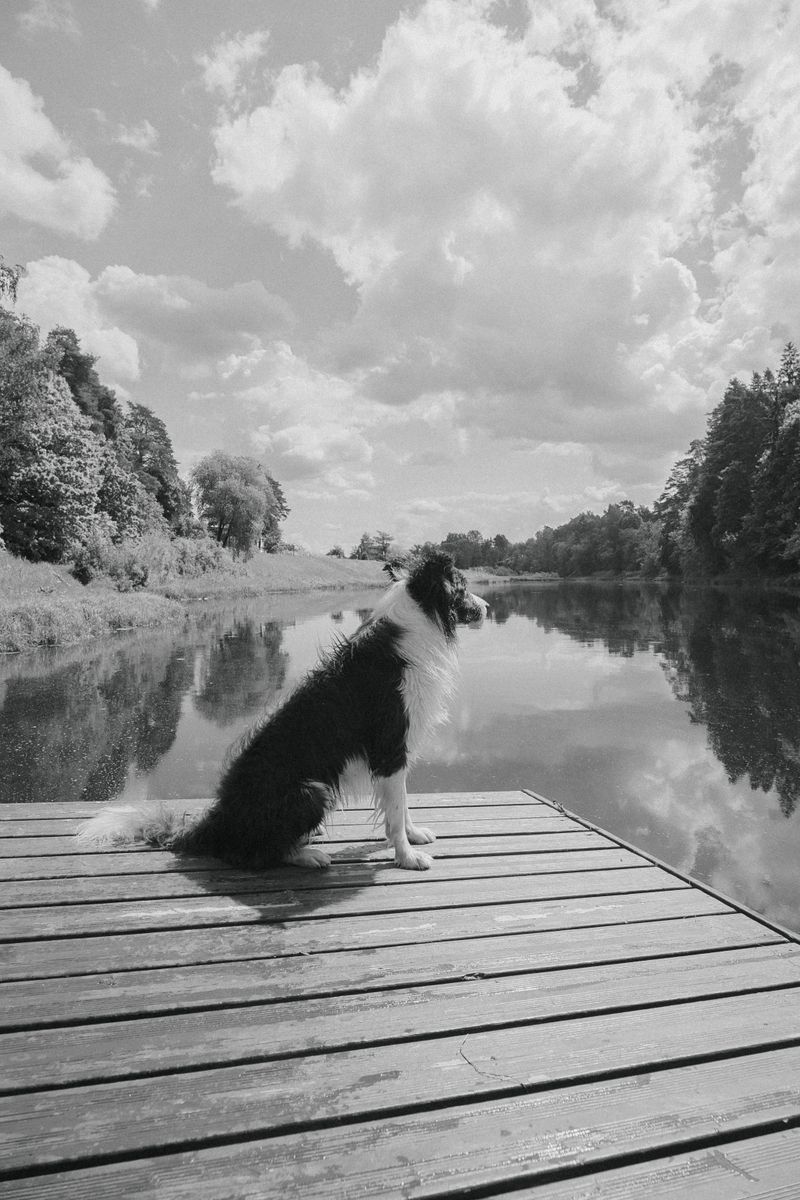
Fast brains plus fast feet equal constant scanning. Border Collies often fixate on moving pets and try to control them.
That pressure can stress sensitive animals.
Teach mat-stay, eye contact breaks, and hand targets. Schedule brain games like scent boxes and puzzle feeders before mixed-pet time.
Keep fetch limited and structured to lower arousal. With thoughtful outlets and planned rests, the Collie learns to relax while other pets move freely around the house.
Jack Russell Terrier
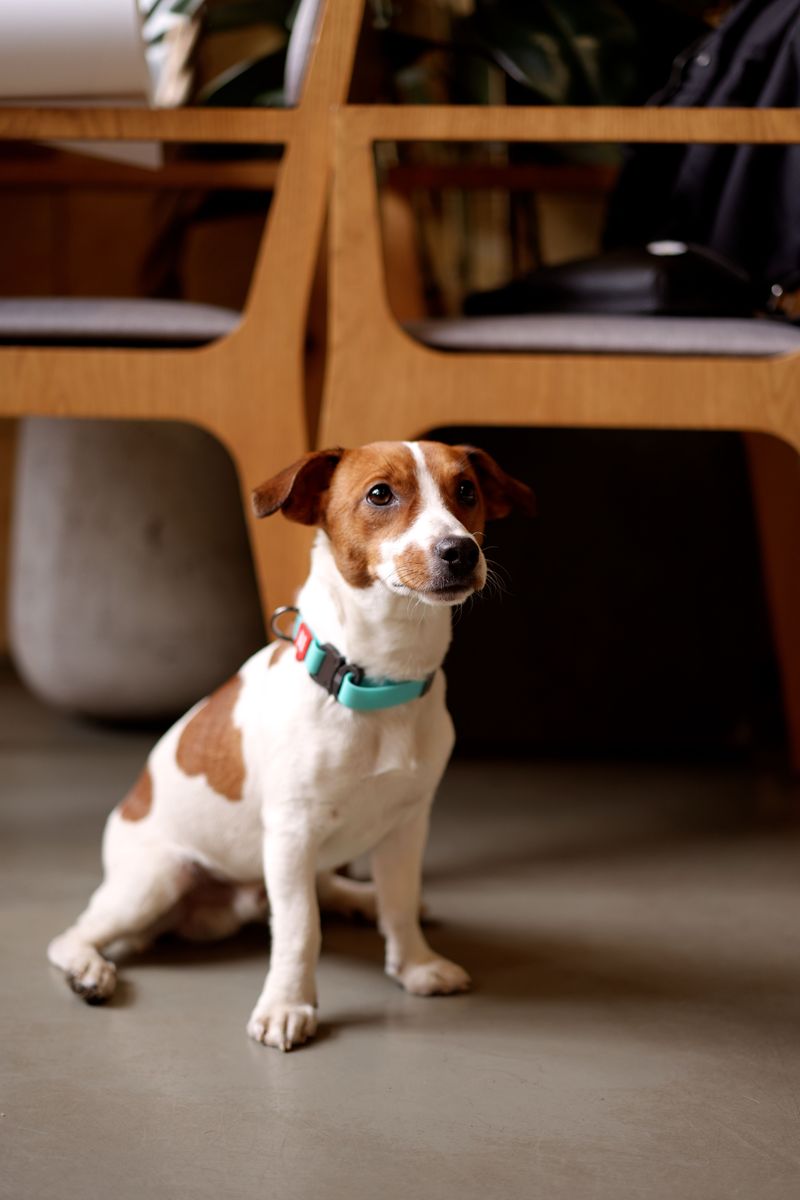
Pintsized cannonball, massive instincts. Jack Russells were bred to chase and dig, and many see small pets as quarry.
Quick management keeps habits from sticking.
Use secure enclosures and high shelves for tiny animals. Swap chasing for scent games and flirt pole rules with fast breaks.
Reward quiet sniffing and turning away. Short, frequent training sessions tire the brain.
Give them a job, and your pocket athlete is far less likely to pester the rest of the crew.
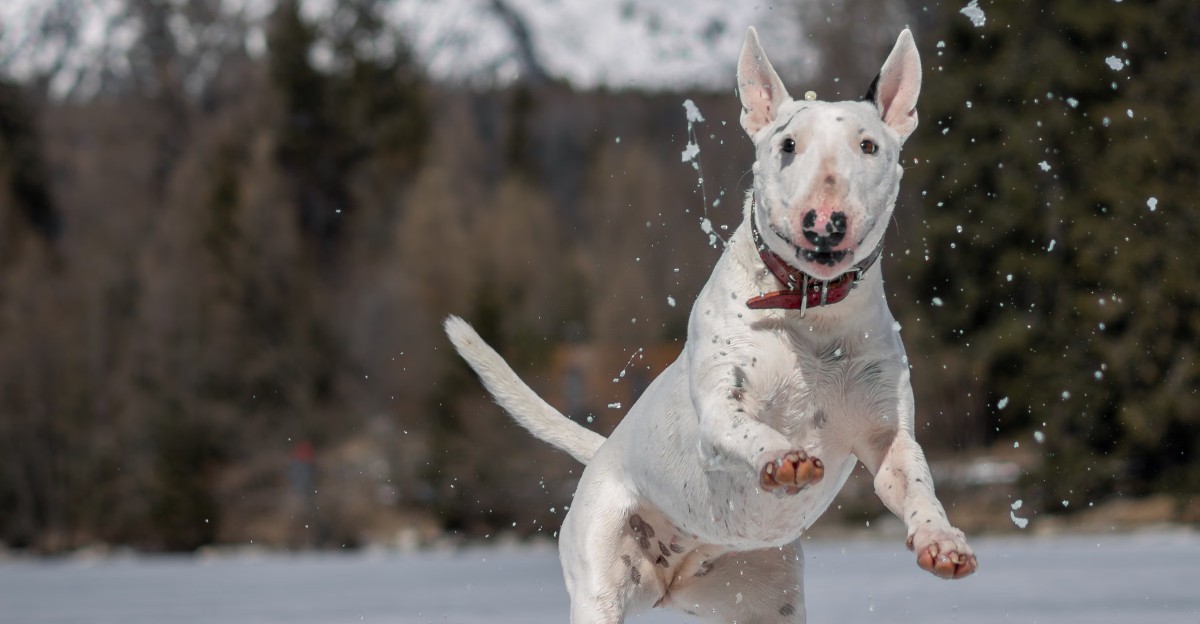
Bull Terrier
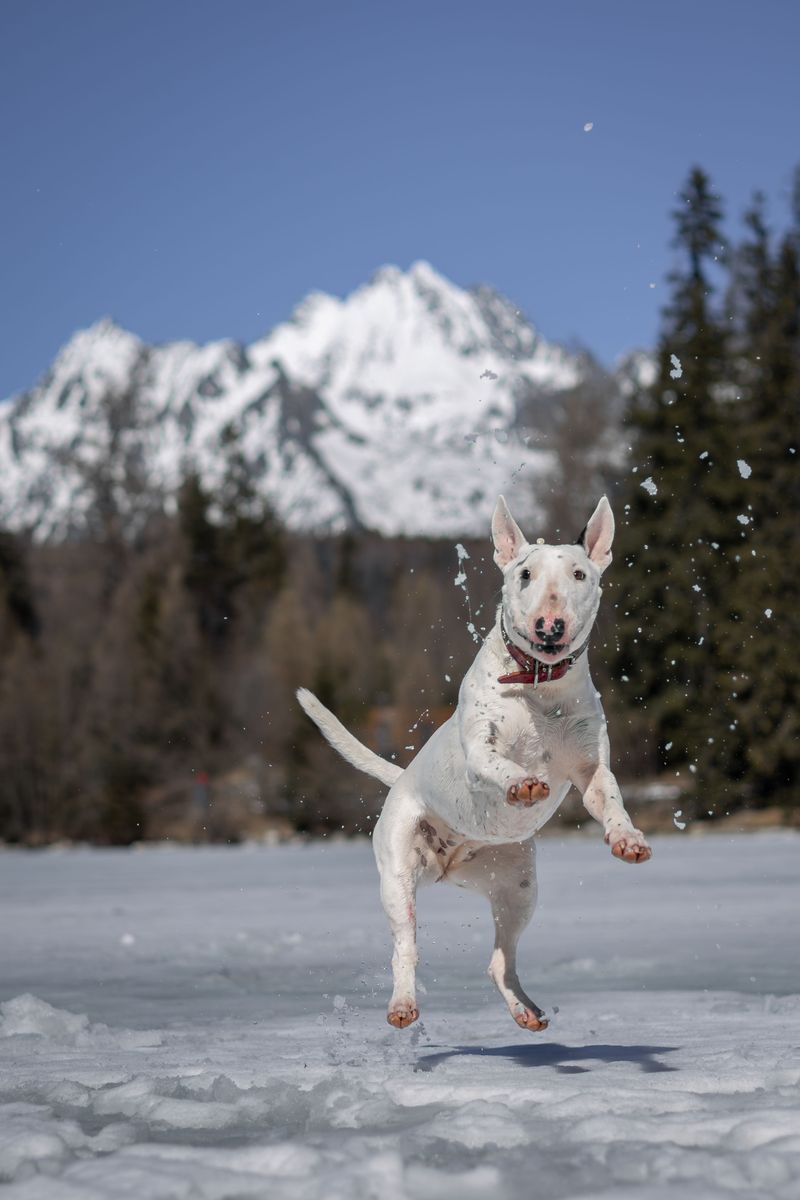
Big-hearted clown, strong body. Rough-and-tumble play can accidentally bowl over smaller pets.
Some individuals also show dog-selective attitudes as they mature.
Teach soft-mouthed games and short play bursts with time-outs. Use leashes for early meet-and-greets and reinforce calm body language.
Rotate high-value chews so nothing becomes worth a scuffle. Daily mental work and sturdy toys keep that playful energy headed in the right direction without steamrolling roommates.
American Bulldog
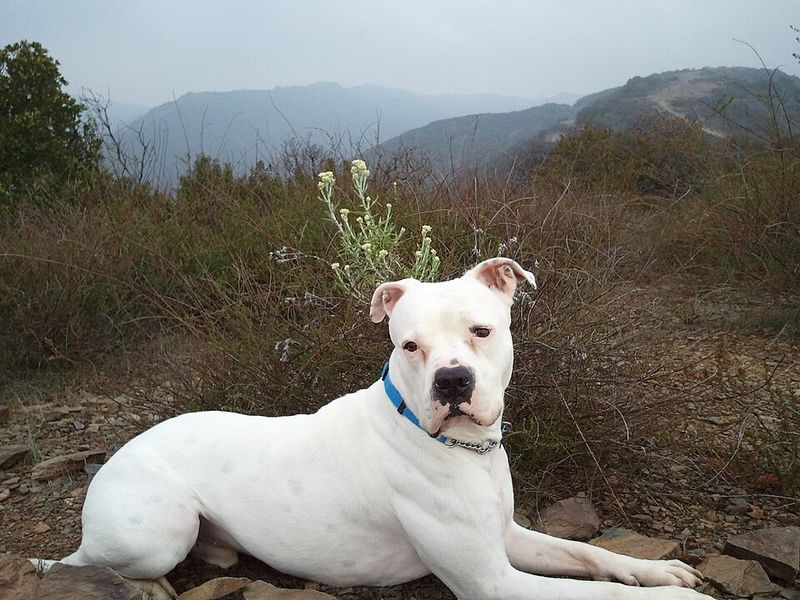
Power and enthusiasm arrive together here. Play can escalate quickly, and guarding toys sometimes appears.
That mix can rattle nervous pets who prefer slow, quiet days.
Build strong impulse control with sit-stays, trade games, and structured fetch. Keep first meetings short and neutral, and use breaks before anyone gets overwhelmed.
Separate feeding areas and pick up toys when unsupervised. With fair rules and practice, friendly coexistence becomes far more likely.
Cane Corso
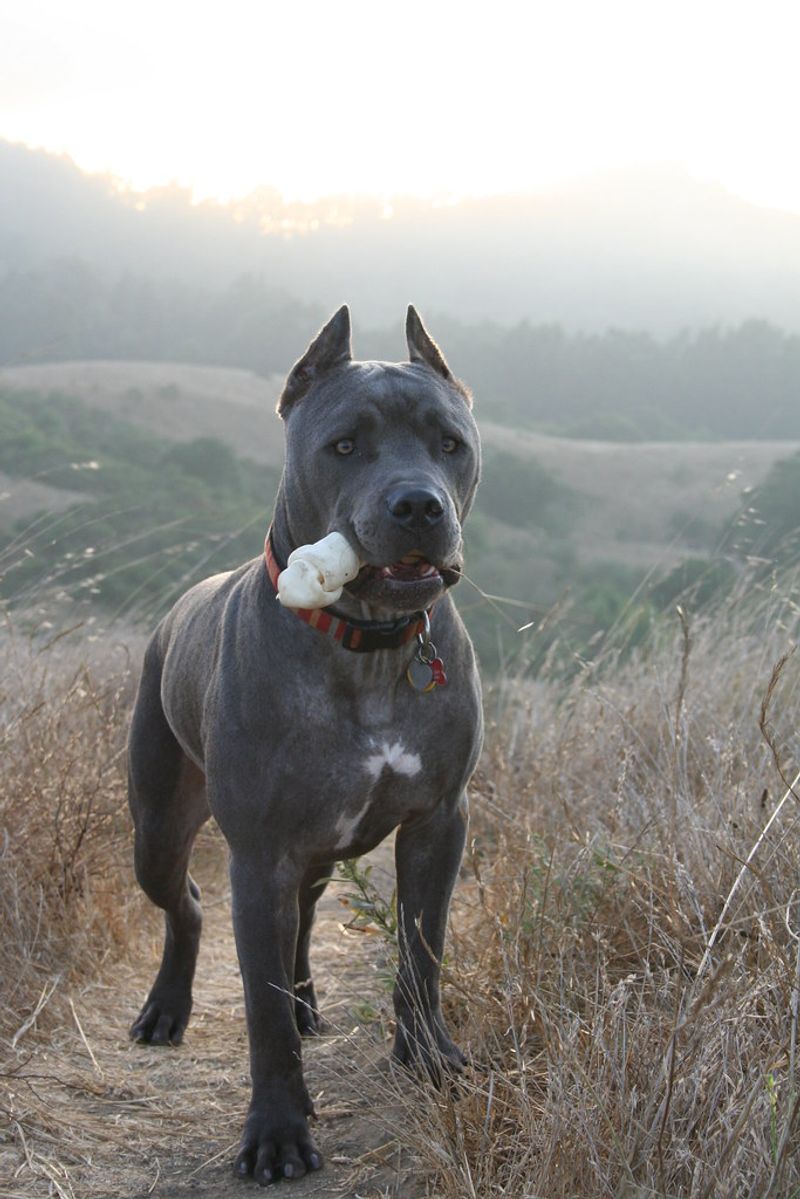
Guardian instincts make the Corso attentive and bold. That confidence can turn into resource or space guarding if boundaries feel fuzzy.
Smaller pets may read the stare as pressure.
Practice calm focus away from other animals, then add distance-based exposure. Reward turning away and relaxed posture.
Keep rest zones and chews separate. Clear household rules and thoughtful socialization help this powerhouse settle into a respectful roommate, not a hallway security guard.
Greyhound
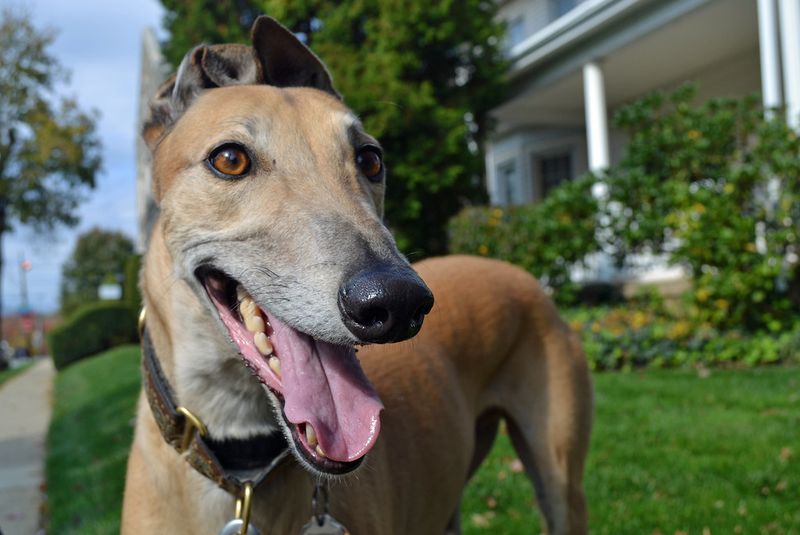
Quiet couch potato inside, lightning outside. Many retired racers hold a strong chase reflex for small, fast animals.
A gentle soul can still sprint after a glimpse of motion.
Use careful cat testing, muzzled intros, and sturdy leashes. Reward ignoring movement and provide tall escape routes for cats.
Short zoomies in a fenced area plus snuffle mats indoors satisfy needs without risky chases. With patience, many learn to relax around slower, confident pets.
Saluki
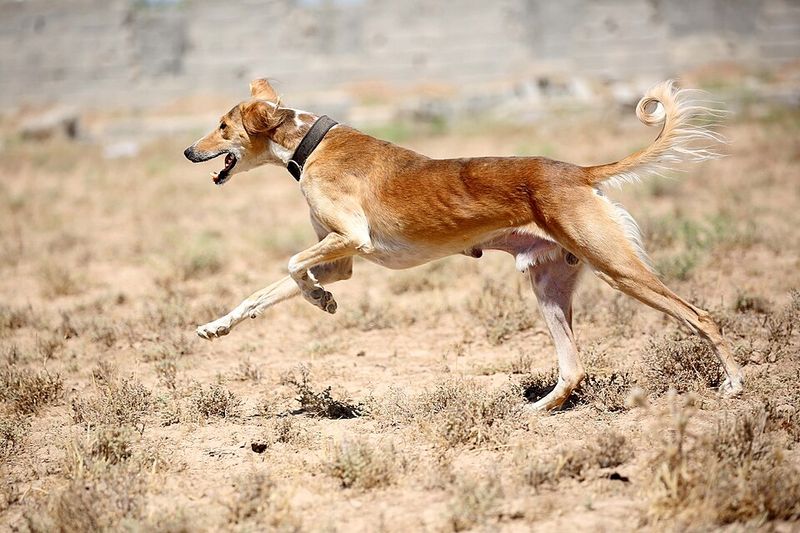
Desert sprinter, soft demeanor. Sight and speed define the Saluki, and a scampering pet can spark a chase.
Their independent streak also means slow, steady training wins.
Lean into calm routines, long-line practice, and recall games with high-value rewards. Provide covered rest spaces and elevated perches for smaller animals.
Gentle socialization sessions, kept brief and positive, help everyone read each other without panic.