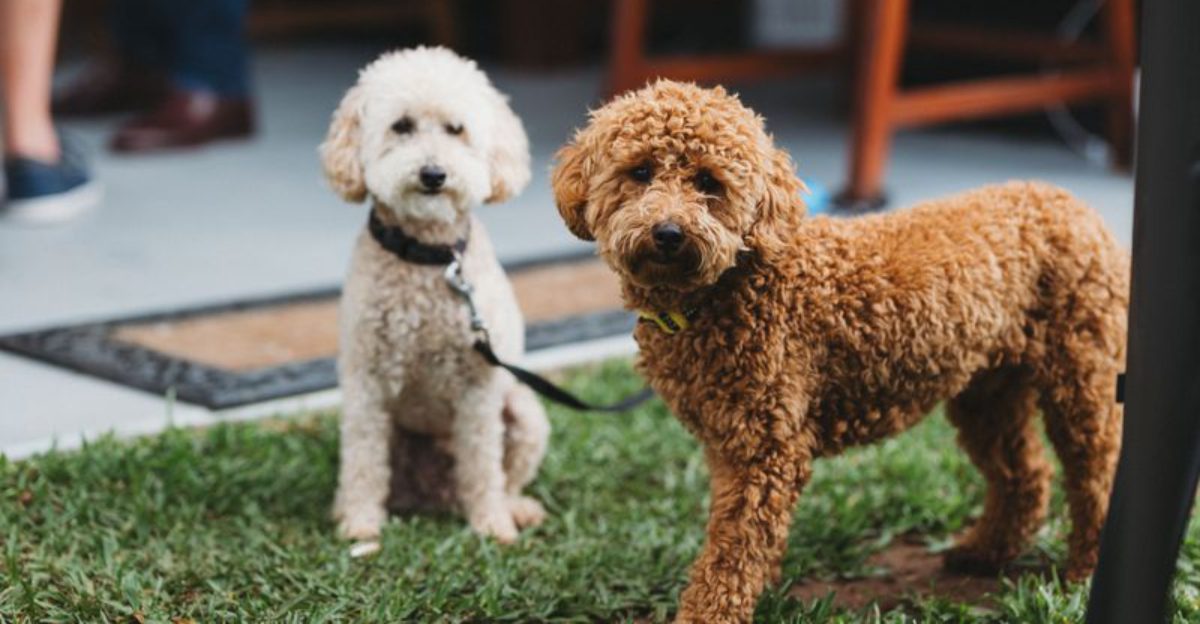
Bringing a new dog into a home with pets can feel exciting and a little risky. Some dogs are more likely to share space, toys, and attention without making a fuss.
Breed is not everything, but it can give you helpful clues about a dog’s usual behavior. With patient introductions and good training, the right match can make your home feel even happier.
Golden Retriever
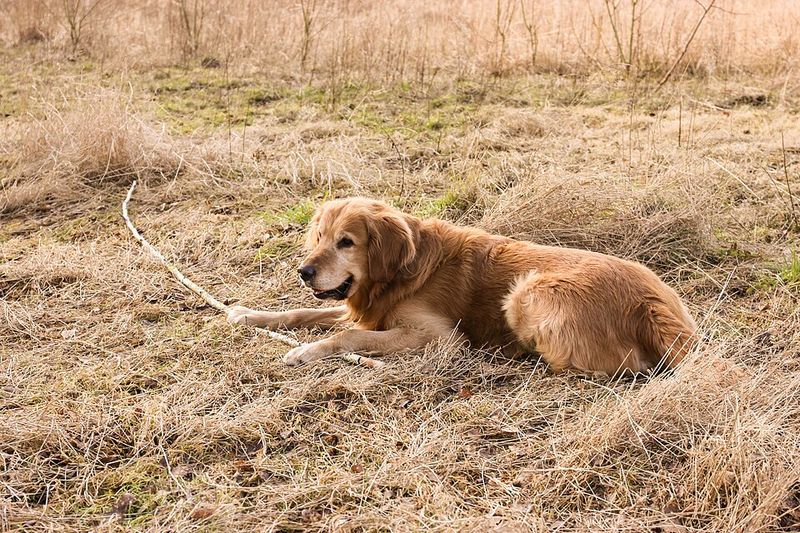
A Golden Retriever often acts like the cheerful neighbor who wants everyone invited. Many are patient, social, and quick to forgive small pet misunderstandings, which helps in busy homes.
Early training still matters, especially around food bowls and favorite toys. Give your current pets safe resting places, and reward calm greetings.
With steady guidance, a Golden can become a sunny, tail-wagging part of a mixed-pet family.
Labrador Retriever
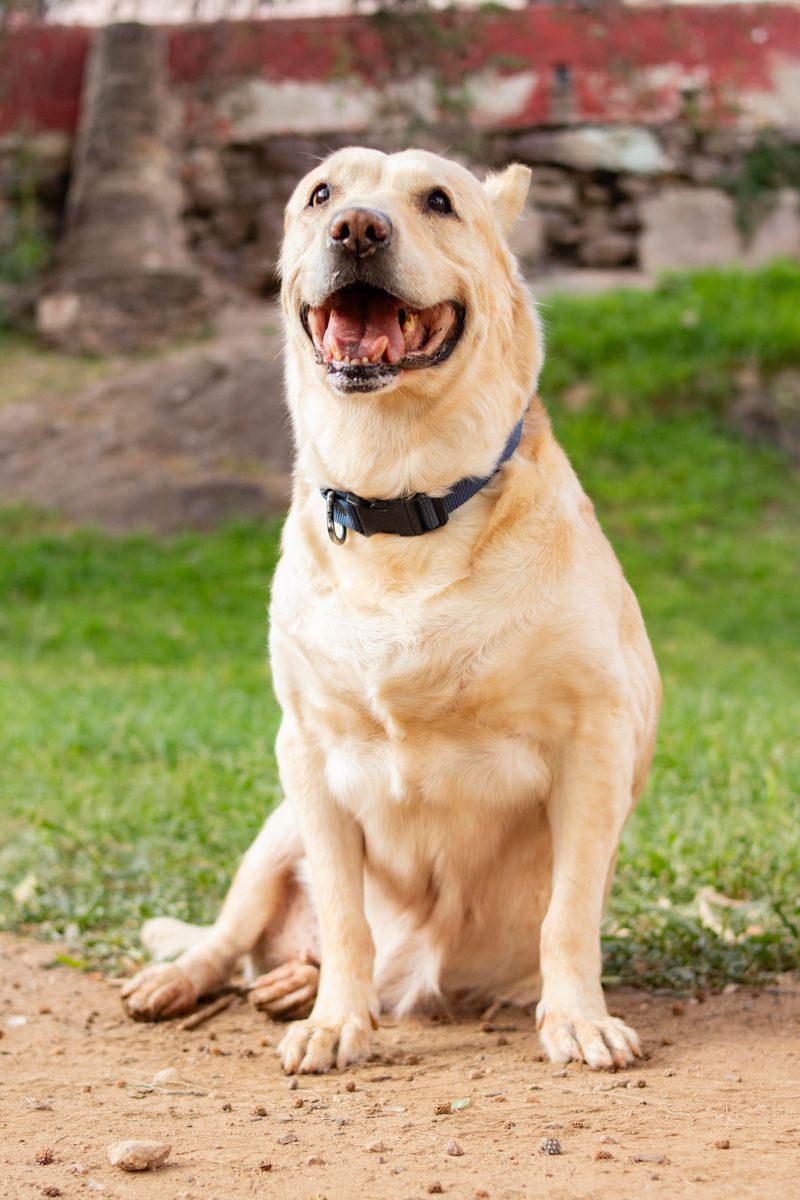
Few dogs bring party energy quite like a Labrador Retriever. Labs usually enjoy company, whether it comes from people, dogs, or pets already ruling the couch.
Their bouncy style can be too much for shy animals at first, so slow introductions are smart. Keep play short, praise gentle choices, and teach a solid leave it cue.
A well-exercised Lab is often more ready to relax and share space calmly.
Beagle

That famous Beagle nose can turn every room into a mystery trail. Luckily, many Beagles are pack-minded dogs that enjoy having other animals around.
Because they were bred to work with other hounds, they may fit well with friendly dogs. Small pets need careful supervision, since scent can spark chasing.
Use gates, leashes, and treats during meetings. When boundaries are clear, a Beagle often becomes a merry little roommate.
English Springer Spaniel
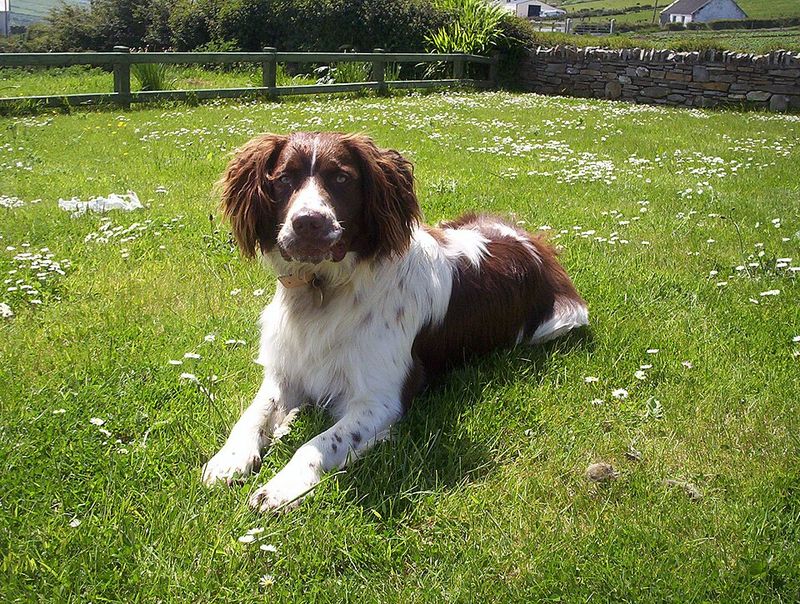
Springer Spaniels seem to carry joy in their ears. Their upbeat, people-loving style often helps them accept other pets as part of the family group.
They do best when their busy minds and legs get daily work, such as fetch, walks, or scent games. A bored Springer may pester quiet animals.
Teach calm settle time after exercise. With routines, many Springers become friendly housemates who read the room surprisingly well.
Basset Hound
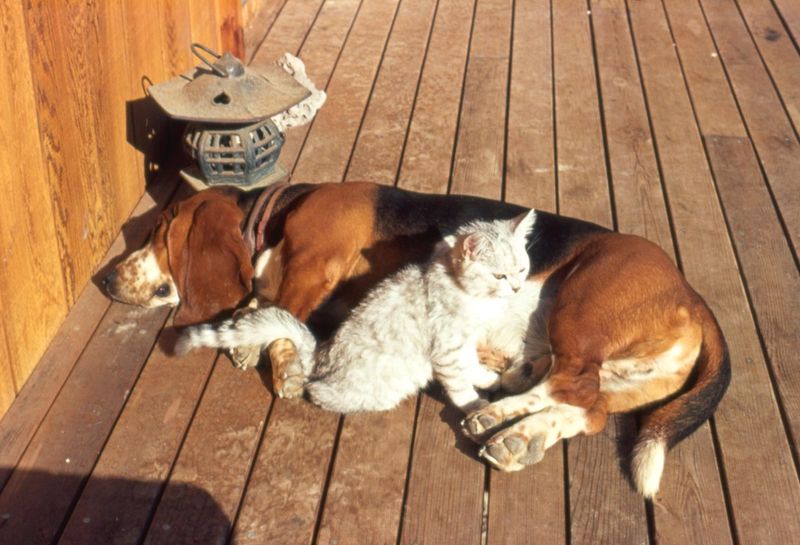
A Basset Hound often moves through life like there is no hurry at all. That slow, low-key attitude can be helpful when other pets dislike drama.
Bassets are scent hounds, so outdoor smells may distract them more than housemates do. Still, introductions should stay calm and supervised.
Their deep voice can startle nervous animals, so reward quiet behavior. Provide comfy beds, and this mellow dog may happily snooze beside the family cat.
Pug
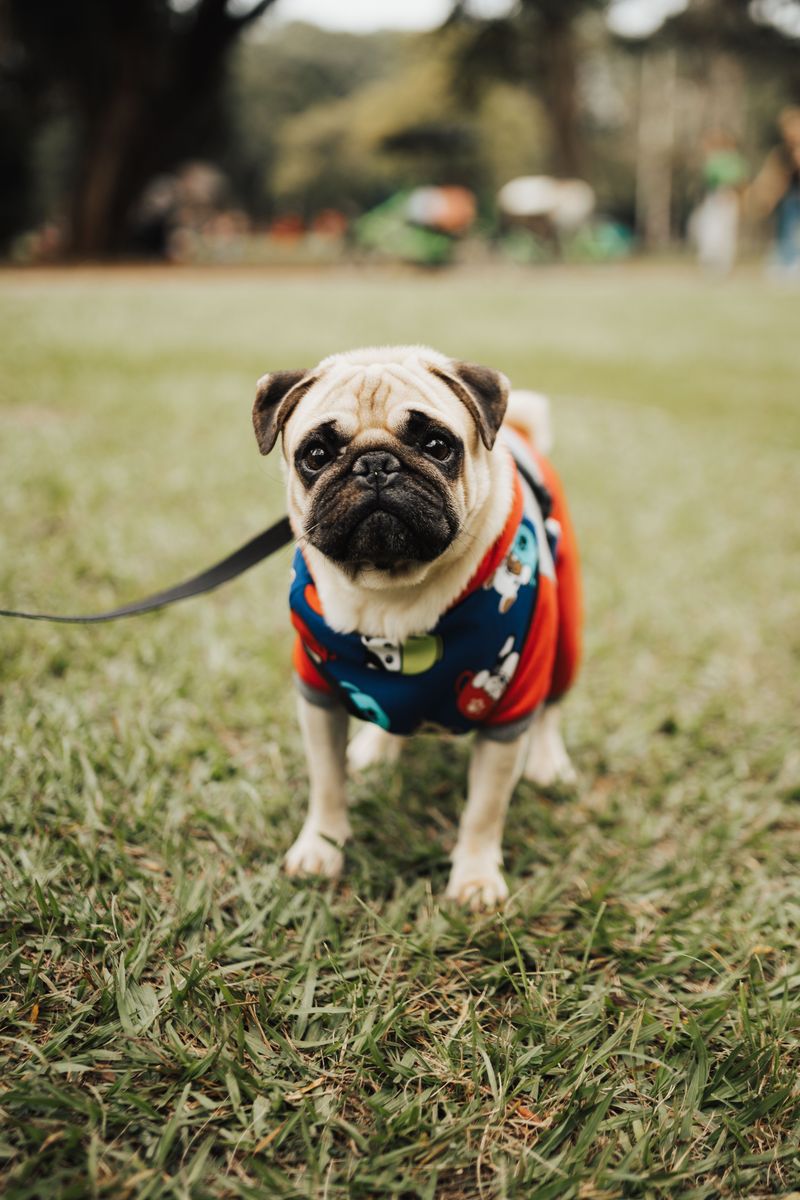
A Pug may look like a tiny comedian with wrinkles. Many love attention so much that sharing the spotlight with another pet feels natural.
Their small size can make them less scary to cats or older dogs, though their bold curiosity may need steering. Watch play so rough pets do not overwhelm them.
Because Pugs can tire easily, offer breaks and cool resting spots. Peace often grows when everyone gets space.
Boston Terrier
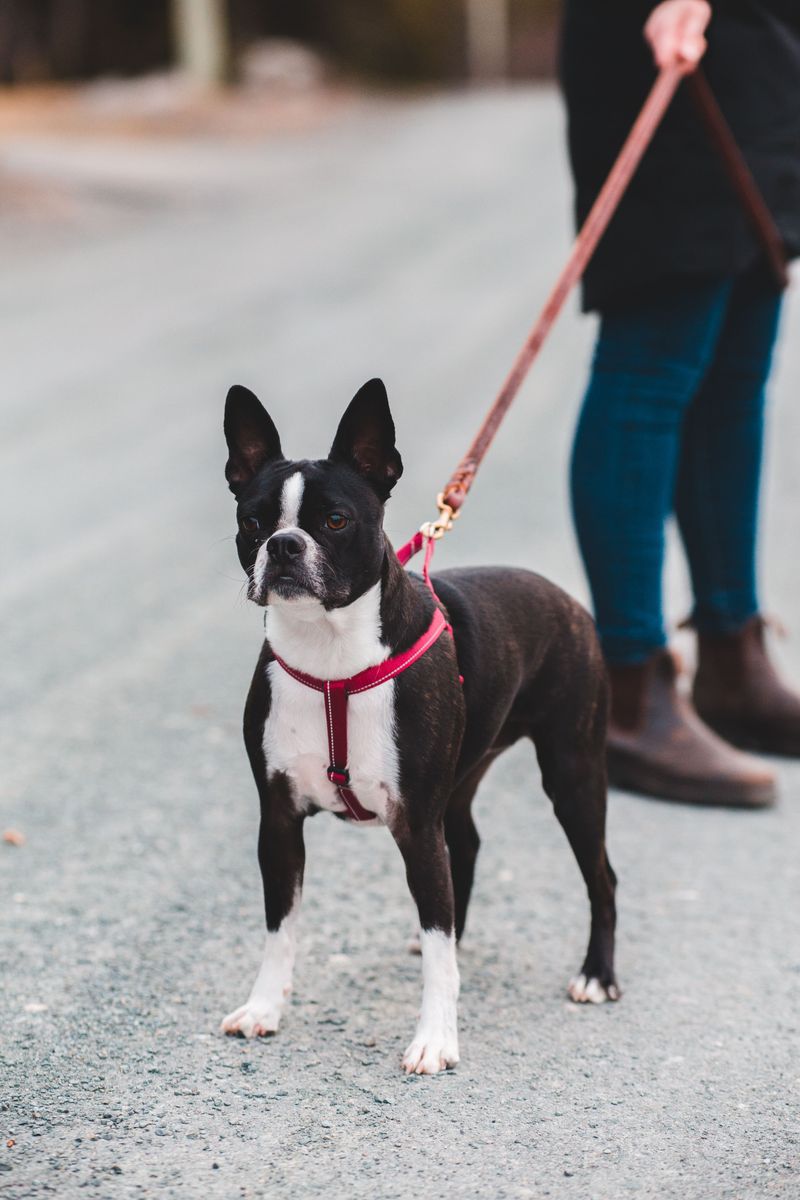
With tuxedo markings and bright eyes, the Boston Terrier can seem ready for a polite little party. Many are lively, affectionate, and open to pet buddies.
The trick is managing excitement. Short greetings work better than letting everyone rush together.
Teach your Boston to pause, sit, and check in with you before play starts. Their sturdy but compact body suits apartments, and their friendly spark can bring fun without turning the home into a wrestling ring.
Cocker Spaniel

A Cocker Spaniel can win hearts with soft eyes and a wag that seems to start at the shoulders. Many enjoy close family life and steady companionship.
Because they can be sensitive, loud conflicts may worry them. Introduce pets in quiet spaces and keep early meetings brief.
Brush their coat often, since grooming time can also build trust. When treated kindly and trained with patience, a Cocker may settle into a caring role among other animals.
Papillon
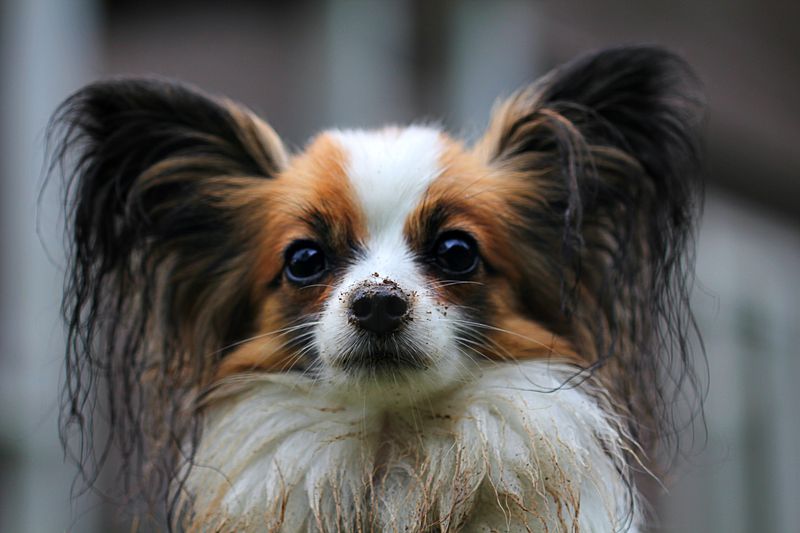
Do not let the tiny body fool you. A Papillon often has the confidence of a much bigger dog, plus a sharp mind that loves learning.
Their light frame makes careful play important, especially with large pets. Use supervised meetings and teach bigger animals to stay gentle.
Papillons often enjoy respectful cats and calm dogs when socialized early. Puzzle toys and trick training help prevent bossy behavior, keeping their clever energy pointed in a good direction.
Brittany
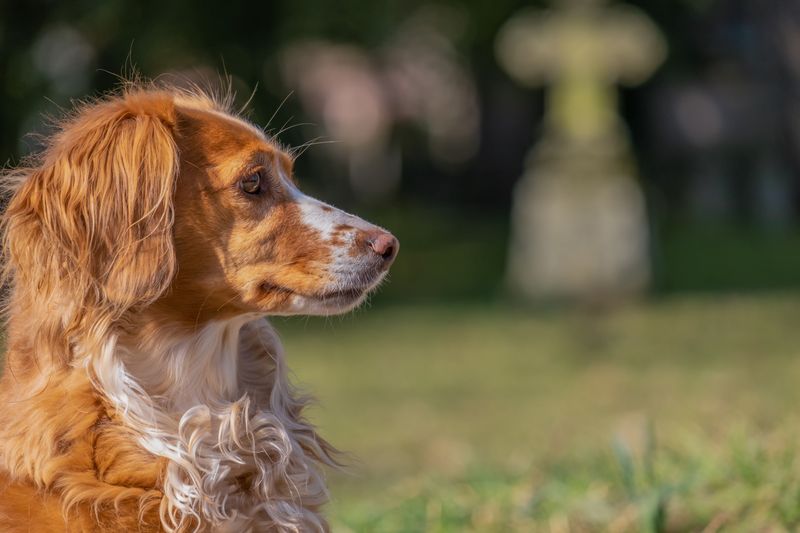
A Brittany brings the spirit of an outdoor adventure buddy. This breed is often cheerful, quick, and eager to connect with people and friendly animals.
High energy is the main thing to plan for. Long walks, training games, and safe running time can help your Brittany stay polite indoors.
Without activity, they may annoy calmer pets by bouncing around. Give cats high perches and older dogs quiet zones.
A tired Brittany usually makes better choices.
Collie
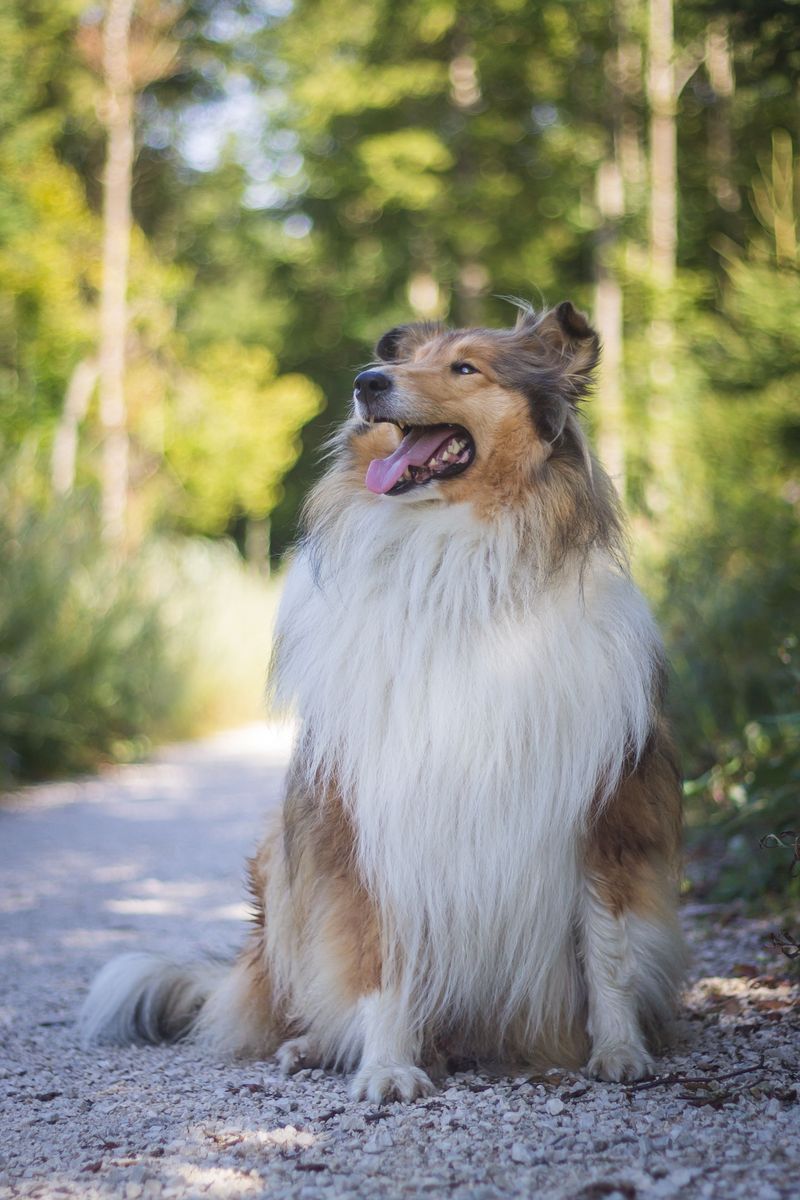
A Collie often watches the household like a wise hall monitor. Many are loyal, thoughtful, and tuned in to the moods of people and animals.
Herding roots can show up as gentle nudging or circling, which some pets dislike. Redirect that habit with training before it becomes annoying.
Collies usually respond well to kind guidance and clear rules. Give them jobs, like practicing commands, and they may become calm protectors rather than pushy supervisors.
Poodle
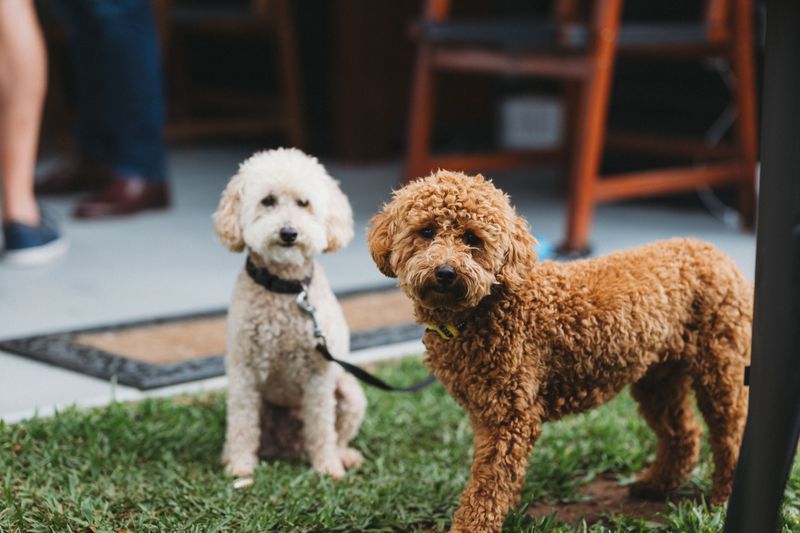
A Poodle can feel like the clever student who learns the house rules fast. Toy, Miniature, and Standard sizes all may do well with other pets.
Their intelligence is a gift, but it needs direction. Teach polite greetings, reward calm choices, and keep training sessions short and fun.
Regular grooming is part of life with a Poodle, so start handling practice early. With enough mental play, many Poodles share a home with impressive manners.