
Some dogs learn a new trick in five minutes, while others stare at you like you are speaking another language. That does not mean your dog is dumb or bad.
Many breeds were made to think for themselves, follow their noses, or guard on their own, so the usual training tricks may backfire. Knowing what makes your dog tick can turn frustrating lessons into fun wins for both of you.
Shiba Inu
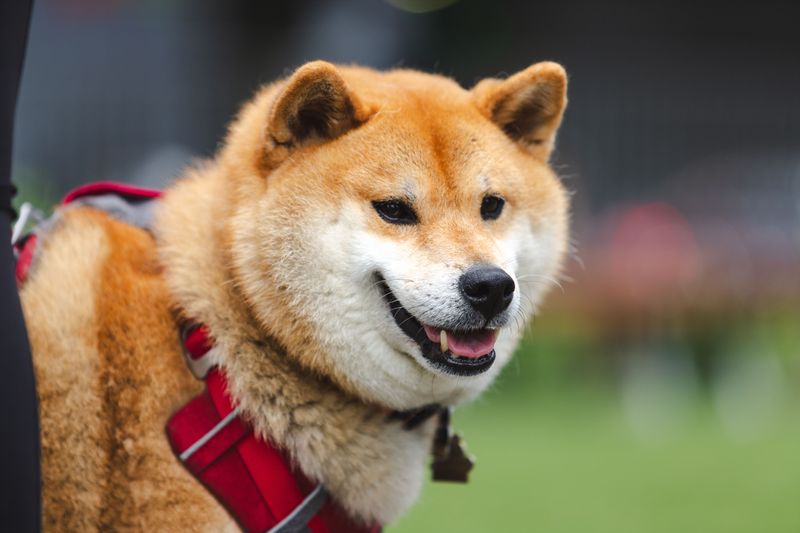
Picture a cat in a fox costume, and you have the Shiba Inu. This ancient Japanese breed decides for itself whether your request is worth the effort.
Forcing a Shiba usually ends in the famous Shiba scream. Keep sessions under five minutes and pay well with tiny, tasty treats.
Start handling paws and ears early, since many Shibas dislike being touched. Patience and a calm voice will earn far more trust than repeating commands louder.
Siberian Husky
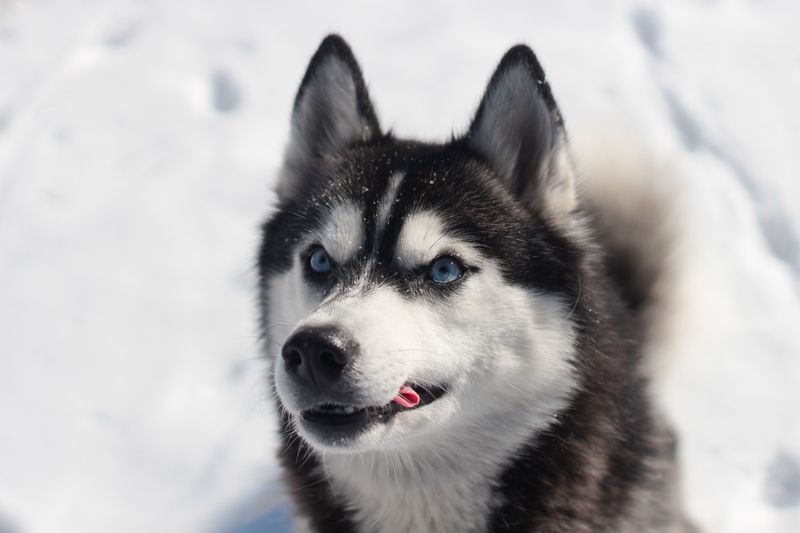
Bred to pull sleds across hundreds of miles of frozen land, Huskies have energy that seems endless. A bored Husky will dig, howl, and plan great escapes.
Training works best after exercise, not before. A long run or a game of fetch helps their busy brains focus.
Never trust a Husky off leash in open spaces. Their urge to run is powerful, so practice recall inside a fenced yard and keep it upbeat.
Beagle
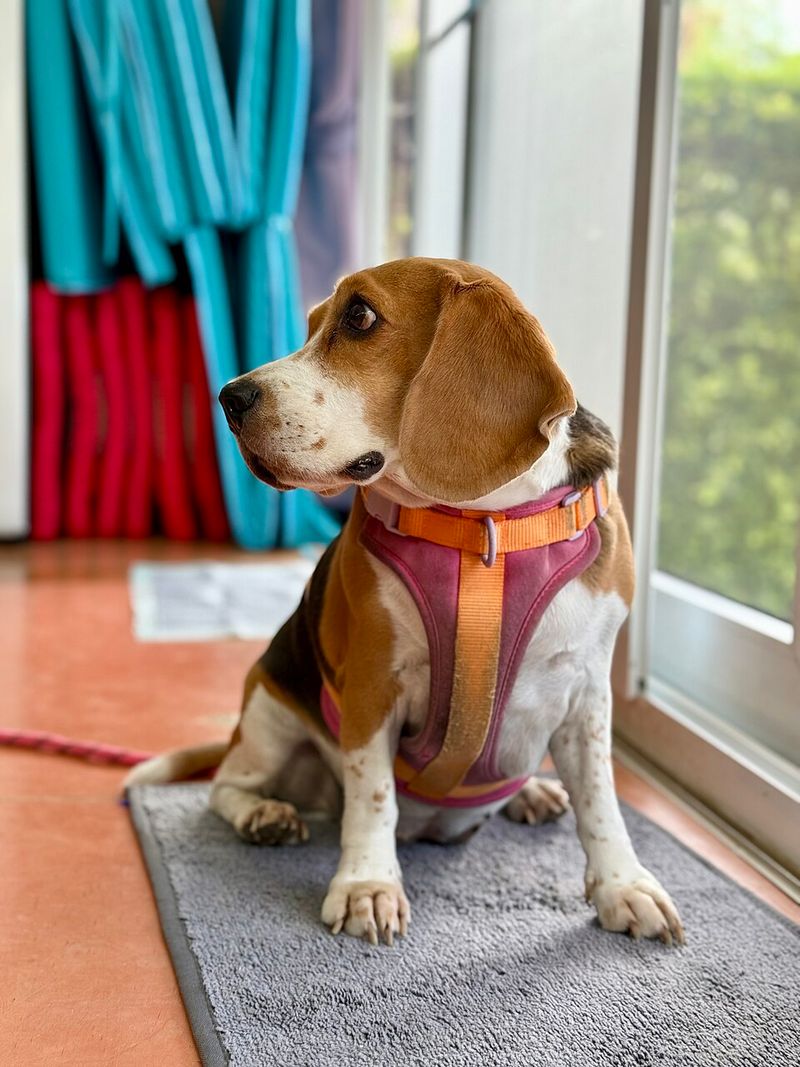
Ever called your Beagle and watched it keep sniffing like you are invisible? Blame the nose.
Beagles have about 220 million scent receptors, and smells often win over words.
Instead of fighting that nose, use it. Hide treats around the house and turn sniffing into a reward for good behavior.
Food motivates these hounds big time, so keep high-value snacks handy. Just measure portions carefully, because Beagles gain weight quickly and happily beg forever.
Dachshund
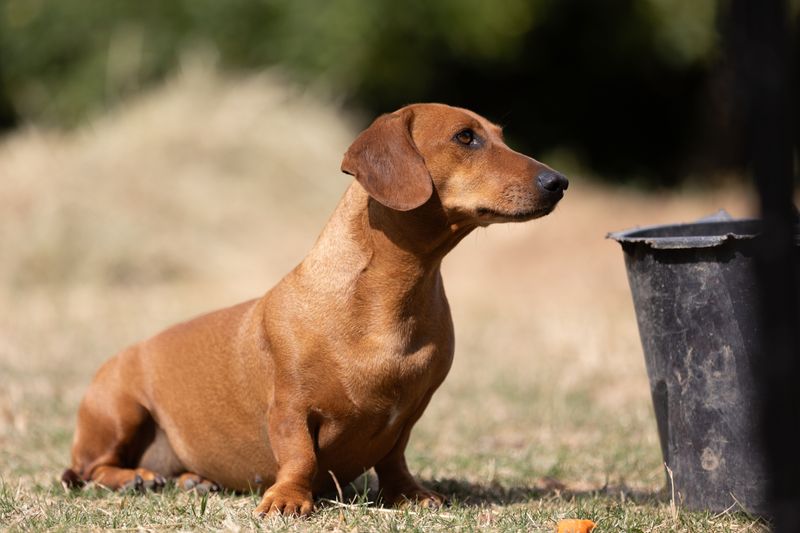
Small body, huge attitude. Dachshunds were built to chase badgers into tunnels, so they are brave, stubborn, and sure they know best.
Housetraining is the big challenge for many owners. Stick to a strict potty schedule and celebrate every success outdoors with praise and a treat.
Also, protect that long back. Teach them to use ramps instead of jumping off couches.
Short, cheerful lessons beat long ones, since a grumpy wiener dog simply walks away.
Akita
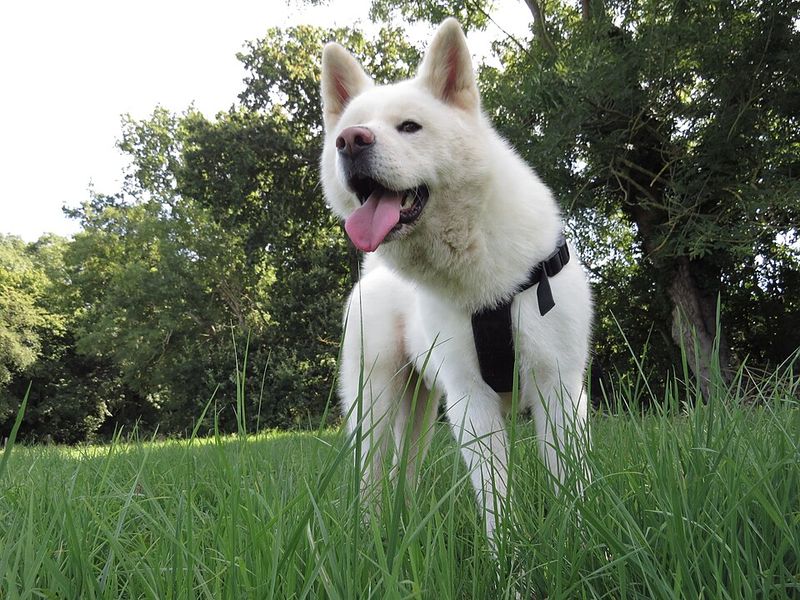
In Japan, Akitas were once guard dogs for royalty, and they still carry themselves like it. Loyal to family, they can be cool or wary with strangers and other dogs.
Harsh corrections can damage your bond fast. Respect matters to an Akita, so stay firm, fair, and steady.
Early socialization is a must. Introduce new people, sounds, and places slowly during puppyhood.
A well-trained Akita is a quiet, dignified shadow who protects without fuss.
Basset Hound
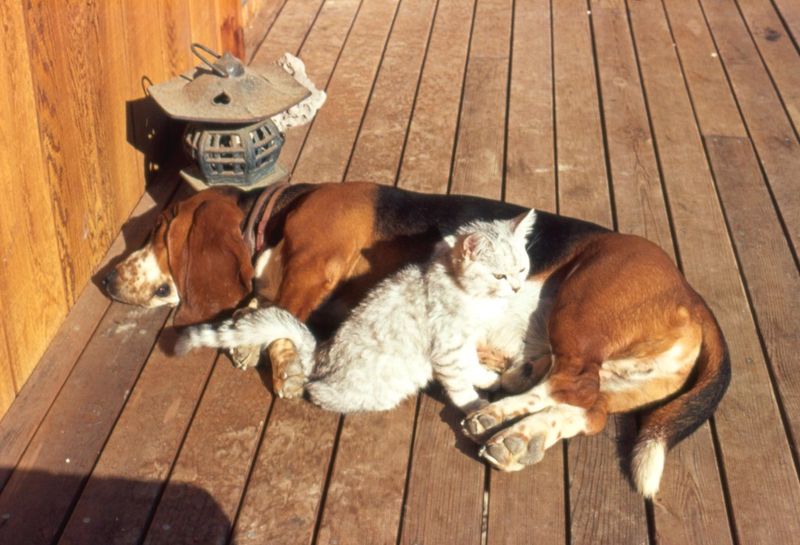
Those droopy eyes are hiding a clever schemer. Basset Hounds are sweet and laid-back, but they move at their own slow pace and ignore commands that seem pointless.
Make training feel like a game, not a chore. Use smelly treats and keep a playful tone.
Fun fact: only the Bloodhound beats the Basset at tracking scent. So expect distractions on walks and reward your dog generously for checking in with you instead.
Scottish Terrier
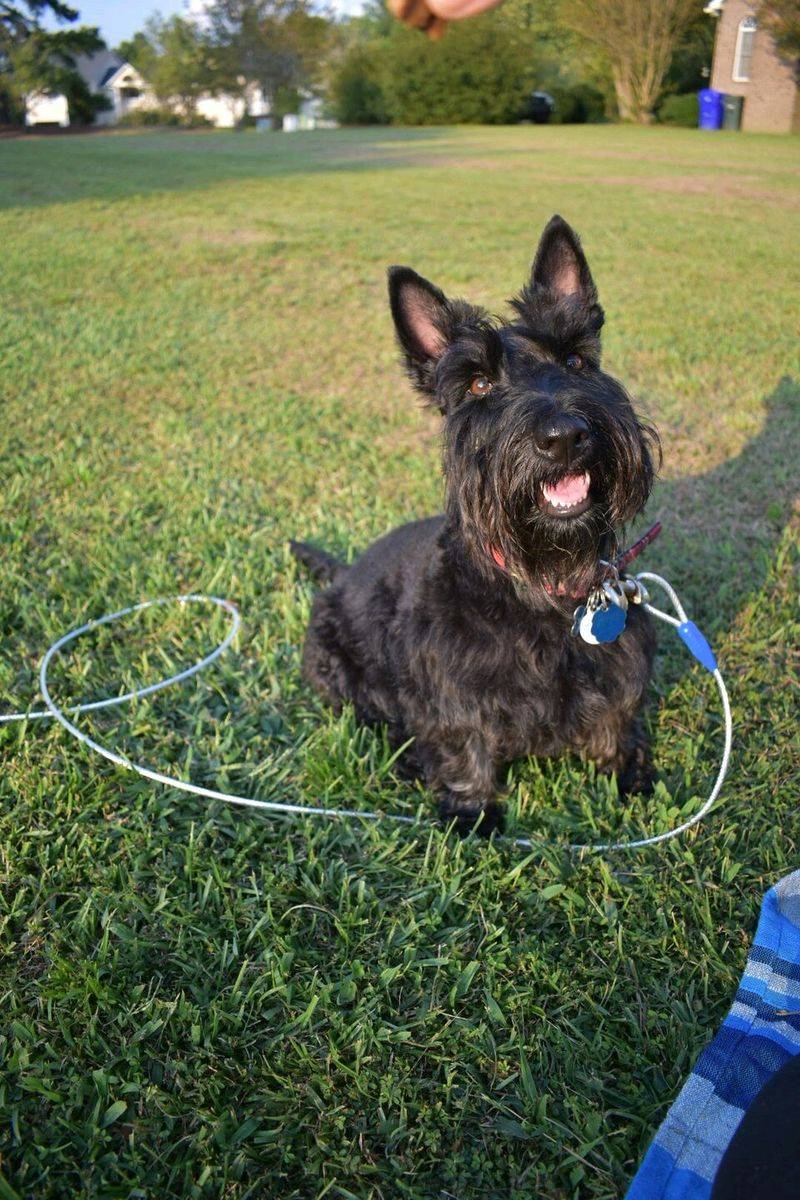
Nicknamed the Diehard, the Scottie has a spirit as tough as the Scottish hills it came from. Former presidents Franklin Roosevelt and George W.
Bush both owned one.
Scotties dislike bossy owners and may simply refuse to cooperate. Offer choices and reward the right one.
Their digging and barking instincts run deep, so give them a legal digging spot. Teaching a quiet command early saves your neighbors, and your ears, plenty of grief.
Chow Chow
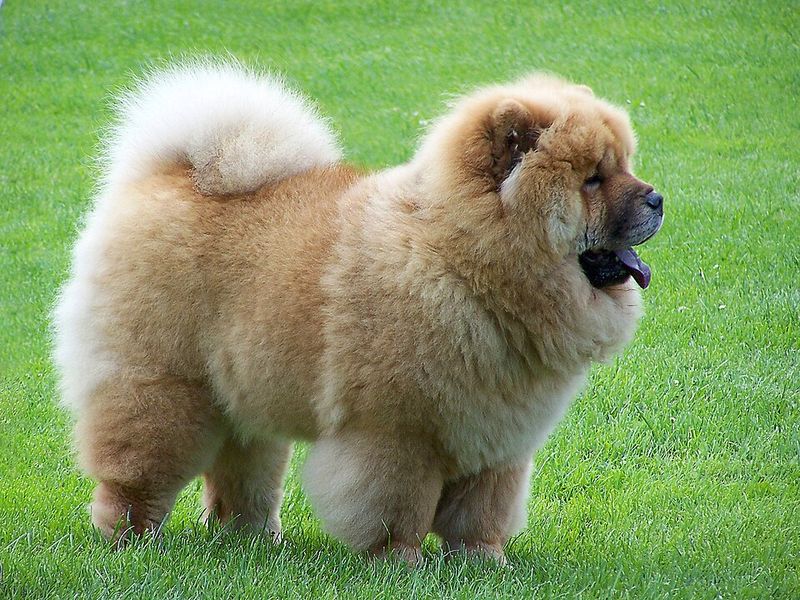
With a lion mane and a blue-black tongue, the Chow Chow looks like a living teddy bear. Personality-wise, it acts more like a serious bodyguard.
Chows bond tightly with one or two people and may not care about pleasing anyone else. Gentle, consistent rules help them feel secure.
Start grooming and vet-style handling from day one. Skip rough play and loud scolding, which make Chows defensive.
Quiet confidence wins this aloof dog over.
Jack Russell Terrier
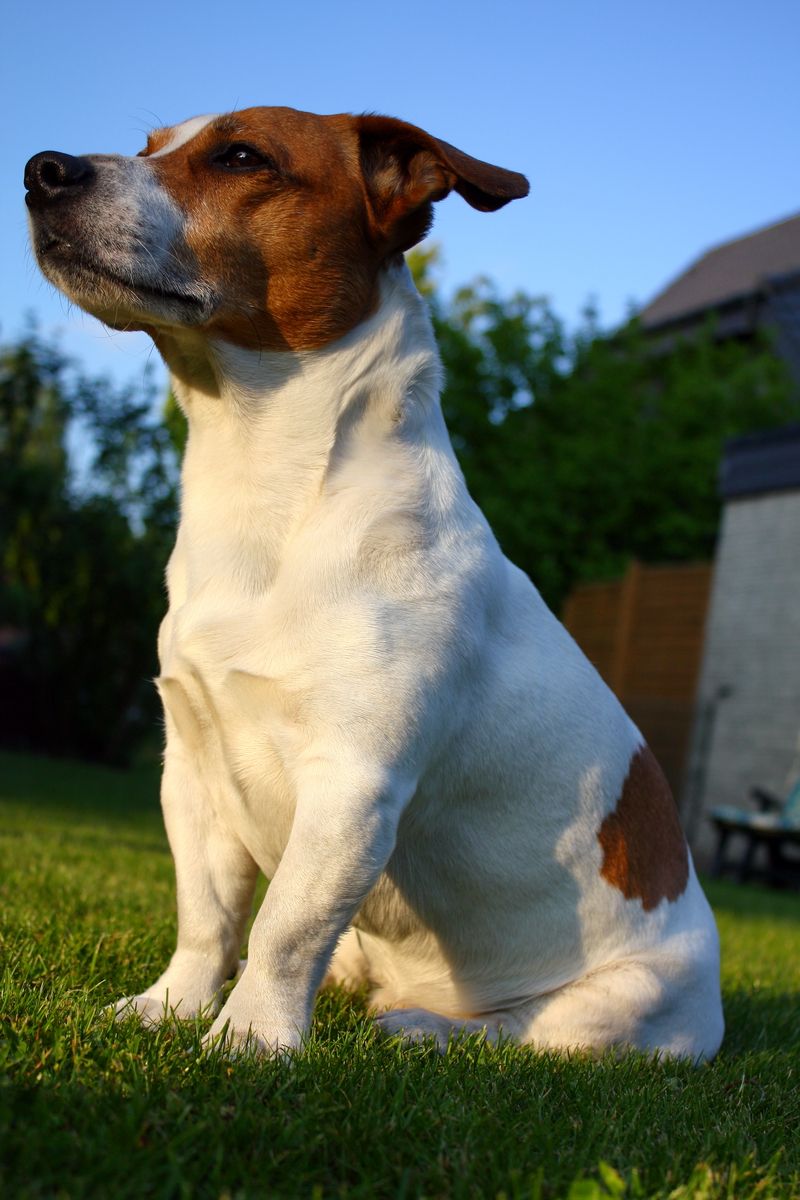
Think of a Jack Russell as a tiny tornado with a brain. Bred to hunt foxes, this terrier is bright, bold, and almost never tired.
Owners often think their dog is naughty when it is simply bored. Puzzle toys, agility games, and trick training give that energy a job.
Keep lessons fast and exciting. Mix in tug or fetch as a reward.
A busy Jack is a happy Jack, and a happy Jack chews fewer shoes.
Alaskan Malamute
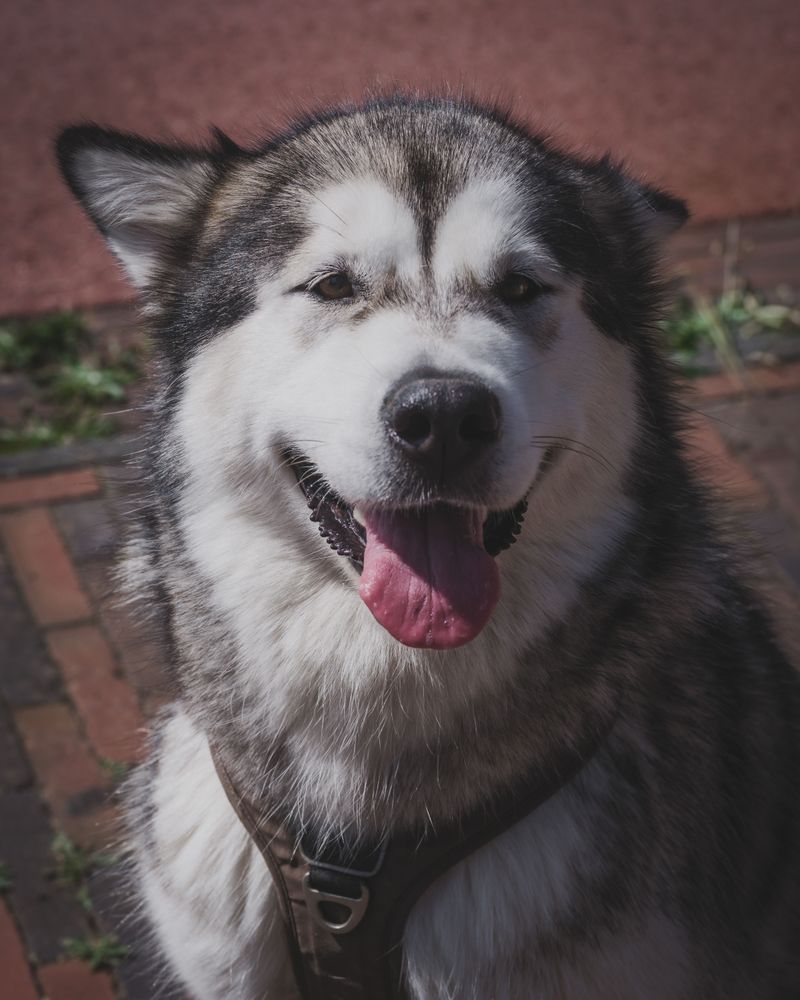
Strong enough to haul heavy freight across Alaska, the Malamute is a gentle giant with a mind of its own. Many owners learn quickly that pulling is basically its hobby.
Teach loose-leash walking early, before your puppy outweighs you. A front-clip harness can help.
Malamutes also get bored with repetition. Change up exercises and add jobs like backpacking or carting.
They talk with woo-woo sounds too, so enjoy the conversation.
Great Pyrenees
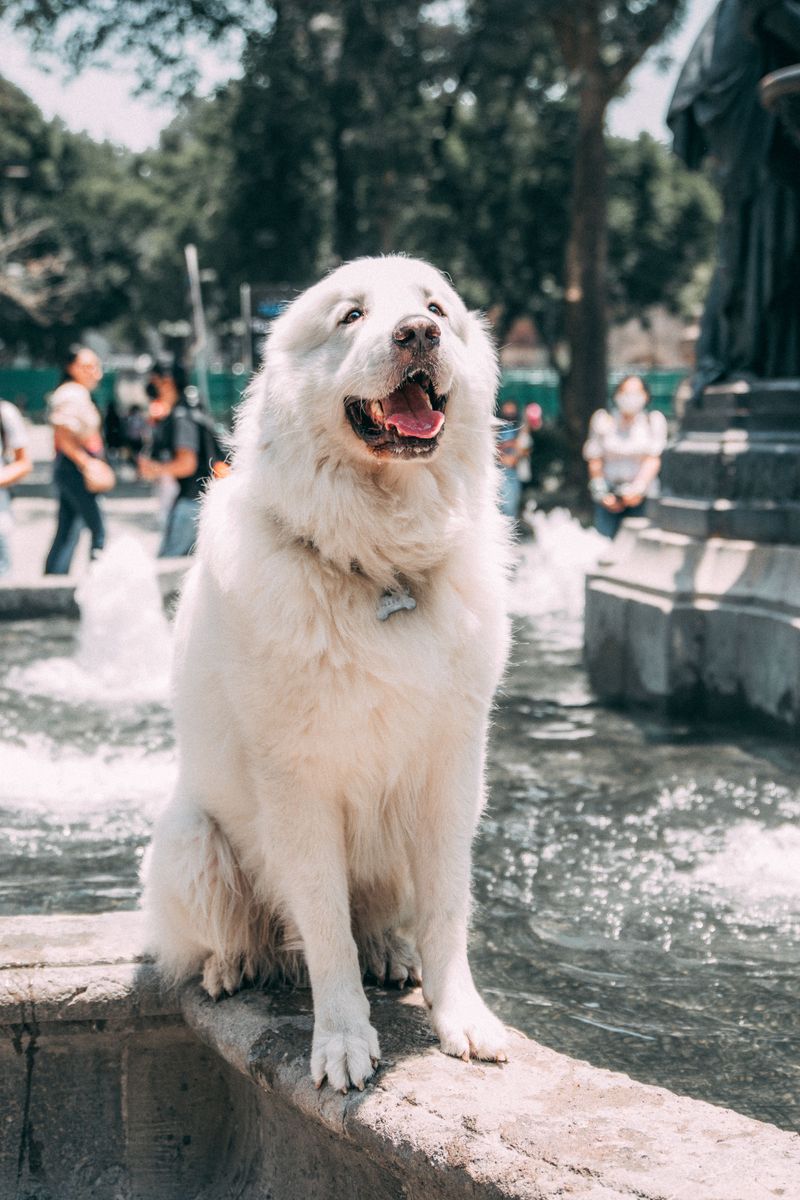
Out on mountain farms, the Great Pyrenees guarded sheep from wolves all night without a shepherd telling it what to do. That independent thinking still shapes how it learns.
Your Pyr may hear sit and decide it is not needed right now. Calm repetition and rewards work better than pushing.
Expect nighttime barking, since that is guard duty. A secure fence matters too, because these fluffy giants love to patrol far and wide.