
Silence can be comforting, but with certain dog breeds, it can also be a dangerous disguise. Many naturally stoic dogs stay quiet and composed even while hurting, leaving you to miss early warning signs.
If you value proactive care and want to catch issues before they become crises, learning these breeds’ subtle cues is essential. Let’s walk through the quiet telltales you need to notice now, not later.
Akita
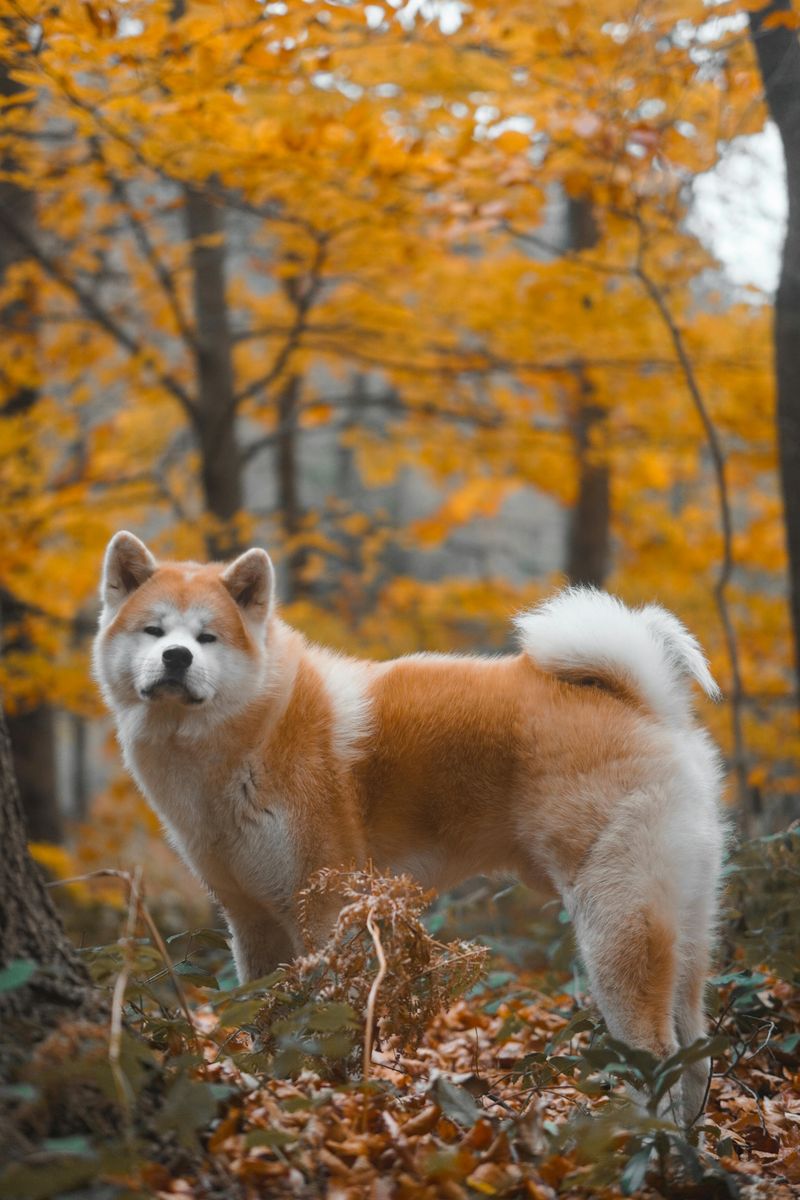
Akitas wear a calm mask that makes pain detection tricky. They may not whine or limp until discomfort is significant.
Look for reluctance to jump into the car, slower transitions from sit to stand, or avoiding deep hip flexion when lying down. Subtle tail carriage changes can signal back or joint issues.
Ear position that stays fixed and still can also be a quiet clue.
Because they are heavy and powerful, joint stress accumulates quietly. Early arthritis or cruciate strain may show as morning stiffness that eases after warming up.
Check nails for uneven wear and scan the spine for guarded touch. Keep weight lean, surfaces grippy, and exercise low impact.
When an Akita chooses rest over routine, listen closely.
Chow Chow
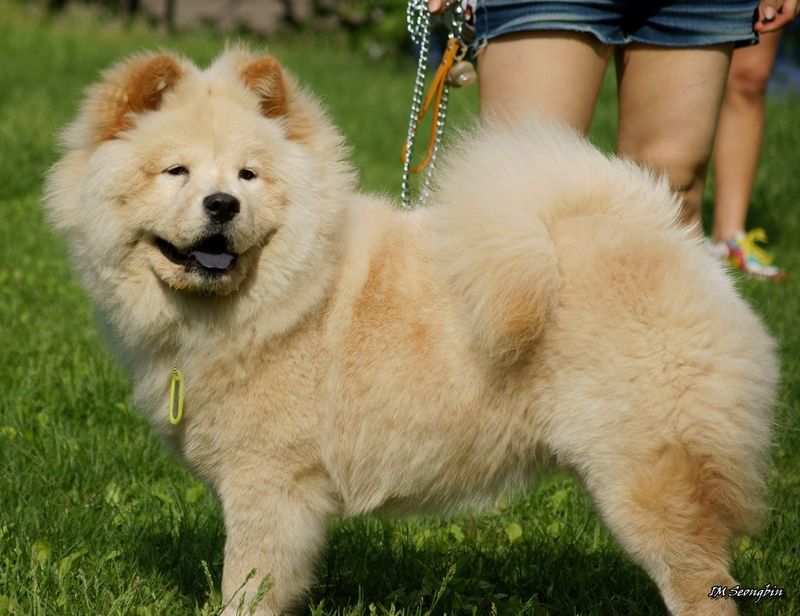
Chow Chows project independence, so discomfort hides under that proud silhouette. Their dense coat can mask muscle loss and swelling, making visual checks harder.
Notice shortened walks, slower turns, or avoiding tight spaces that require body flexion. Watch the signature tail.
If it droops or sits differently, back pain may be brewing. A quiet dog that refuses grooming around hips is speaking volumes.
Chows can also experience cruciate and elbow issues, but they often soldier on silently. Palpate gently for heat around joints, and track resting heart rate after light exercise.
If panting seems disproportionate, consider pain. Keep nails short, footing stable, and routines predictable.
When your Chow seems aloof or less affectionate, investigate comfort first, then behavior.
Rottweiler
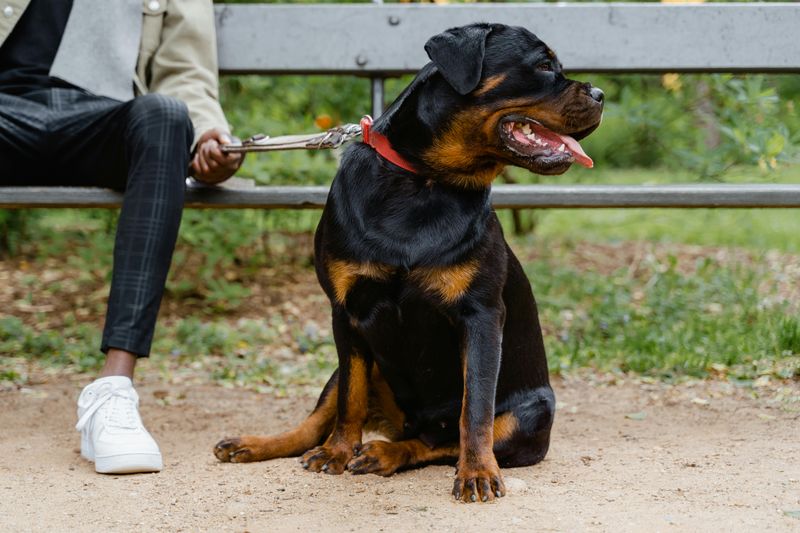
Rottweilers are tough teammates, which can make early pain nearly invisible. They often push through workouts or play without protest.
Look for slower sits, wide turns, or hesitation before loading into the car. Subtle knuckling, toe dragging, or scuff marks on nails can hint at neurologic or orthopedic strain.
A once bouncy trot turning into a flat stride is meaningful.
Because Rotties are predisposed to joint issues, consistent monitoring matters. Run gentle range-of-motion checks after activity and feel for warmth in knees and hips.
Mood shifts count too. If cuddles replace tug or the ball obsession eases, consider discomfort.
Keep core strong, weight trim, and surfaces non-slip. When a Rottweiler pauses, your attention should sprint.
Standard Schnauzer
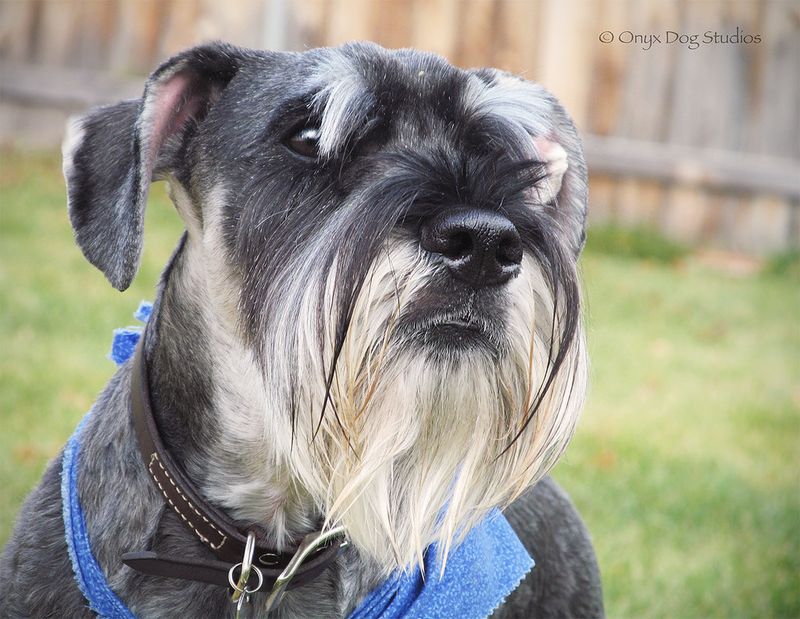
Standard Schnauzers stay busy and curious, often masking discomfort behind activity. Pain may show up as shorter focus, reluctance to hold a sit, or fussing when brushed over the back.
You might notice a smaller leap onto the sofa or skipping steps on stairs. Some will stand rather than lie down to avoid joint compression.
Quiet lip licking or a pinned ear can be a whisper.
Check feet and pads, since active dogs pick up micro injuries that nag constantly. Track how often your dog shakes off after rising.
Increased shake-offs can signal stiffness. Keep nails tidy, add traction runners, and build low-impact strength.
If your Schnauzer suddenly prefers shadowing you over games, investigate discomfort before labeling it stubbornness.
Saluki
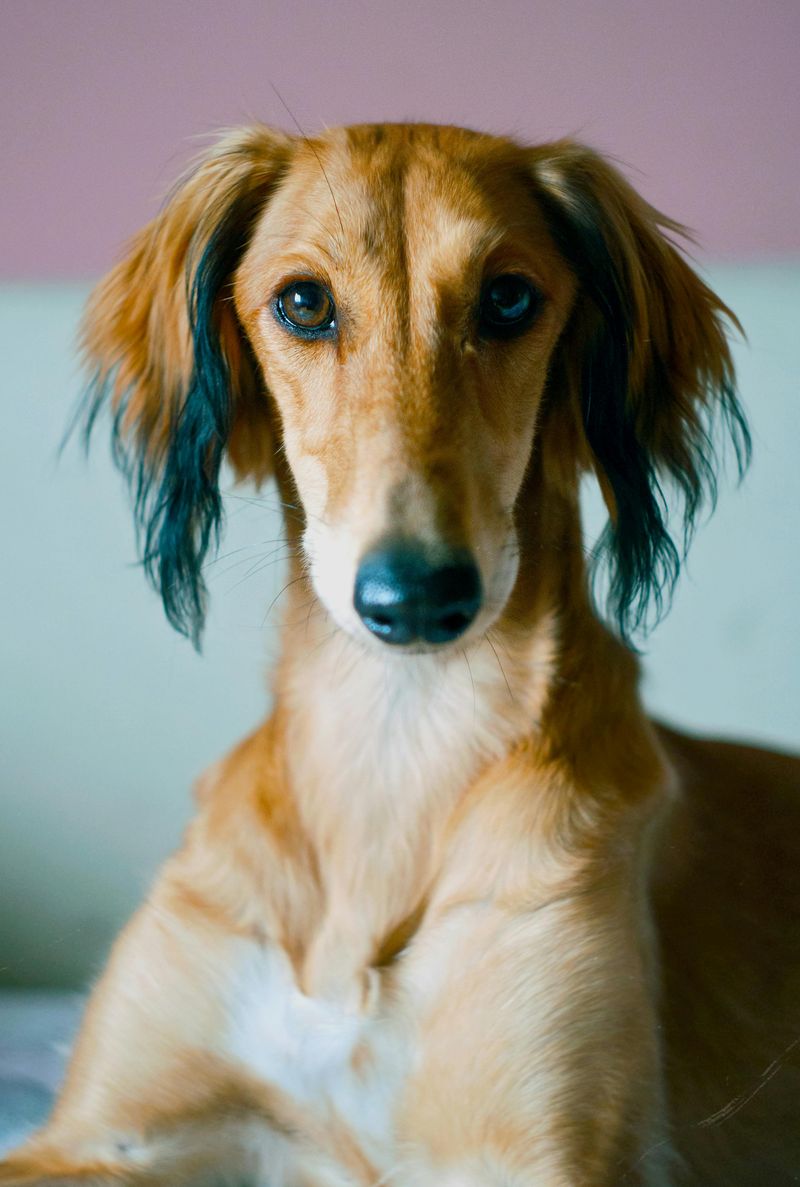
Salukis float through rooms with poise, which makes discomfort easy to miss. They rarely vocalize pain.
Instead, you might see delayed takeoffs for jumps, head tilts away from touch, or reduced stretching after naps. Feathering can hide muscle tension, so use your hands to explore gently.
A subtle paw skim when trotting can be the only early clue.
These sensitive hounds thrive on comfort and routine. Track sleep spots and note if your Saluki abandons a favorite perch.
Dental disease, neck strain from lure chasing, and thin-pad soreness are common culprits. Provide soft landings, short warm-ups, and controlled sprint sessions.
If the usual post-run joy looks muted, consult your vet before the silence deepens.
Belgian Tervuren
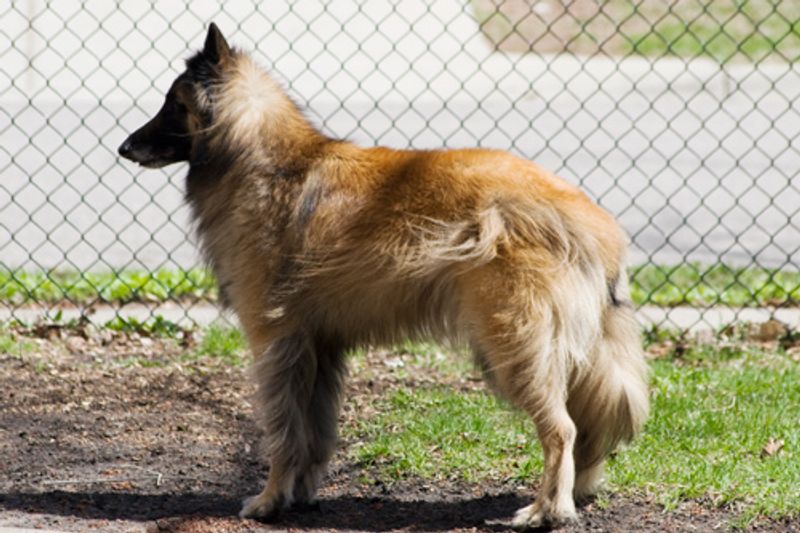
Belgian Tervurens love to work, so they often push through pain. You will see changes in precision before you see a limp.
A crooked sit, slower down, or wide turn during heeling can be your first alert. They may avoid jumping grids or hesitate on contacts.
Grooming sensitivity along the lower back can hint at iliopsoas or sacroiliac strain.
Because these dogs give 110 percent, schedule recovery like you schedule training. Palpate after sessions, track stride length on video, and monitor jump form in slow motion.
Sudden vocalization is rare, but a muted attitude or less toy drive is meaningful. Support with core work and balance drills.
If performance fades, assume discomfort and intervene early.
Beauceron
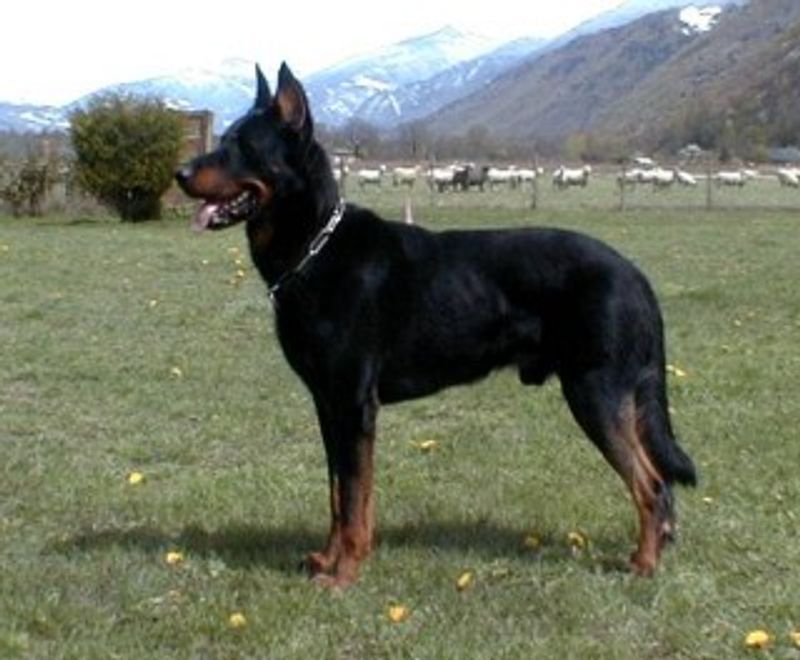
Beaucerons are stoic workers who may downplay discomfort. They will keep moving, but you will see hints during transitions.
Rising more slowly, sitting off to one side, or avoiding tight turns underlines soreness. Pawing at the collar or shaking the head could point to neck pain.
Subtle pacing at rest may replace deep sleep when something hurts.
Because they are athletic, soft tissue and joint stress can accumulate unnoticed. Check nail wear, feel along the spine for guarded spots, and monitor willingness to back up.
Reduced enthusiasm for structured tasks is an early red flag. Warm up, cool down, and cross-train to balance loads.
If your Beauceron chooses obedience over play, ask why before praising.
Giant Schnauzer
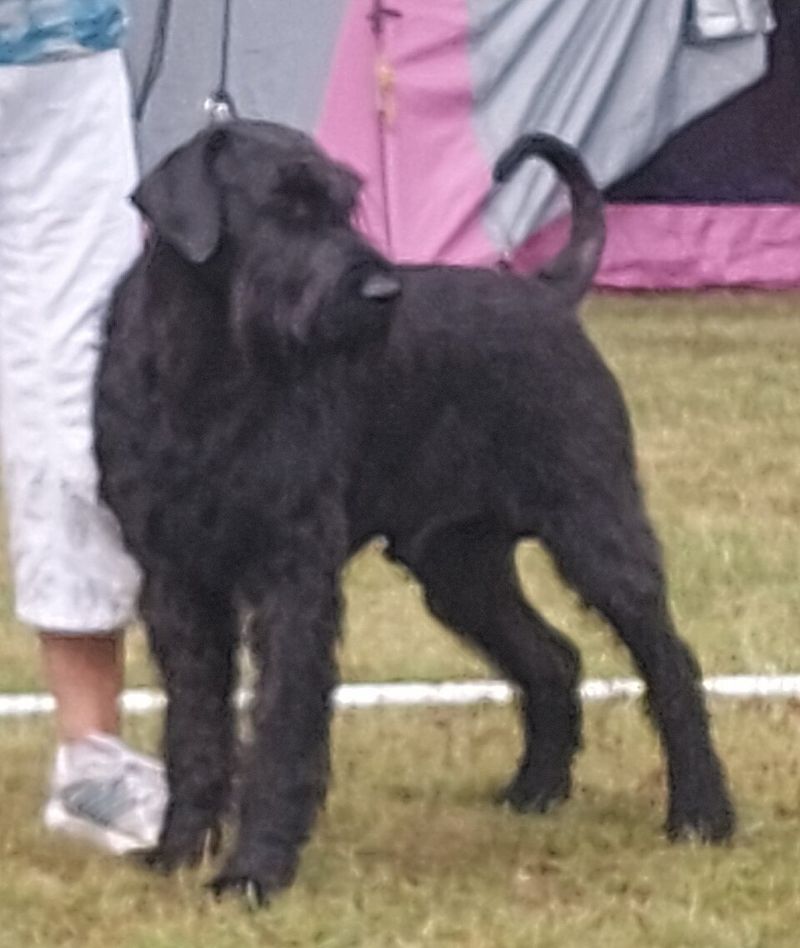
Giant Schnauzers can power through discomfort without a peep. Their size lets them compensate, masking early limps.
Look for shorter strides, reluctance to pivot on slick floors, and a choice to stand rather than lie down. A softer jump onto the SUV or missing a stair tells a story.
Quiet grumbles during grooming near hips or shoulders are meaningful.
Because they are heavy, joint health needs surveillance. Keep nails short, build core and rear strength, and use non-slip runners.
Track appetite after big days, as a dip can mean pain. Palpate major muscle groups for heat or twitches.
If your Giant switches from rowdy to reserved, pause training and schedule a vet check before pushing through.
Pharaoh Hound
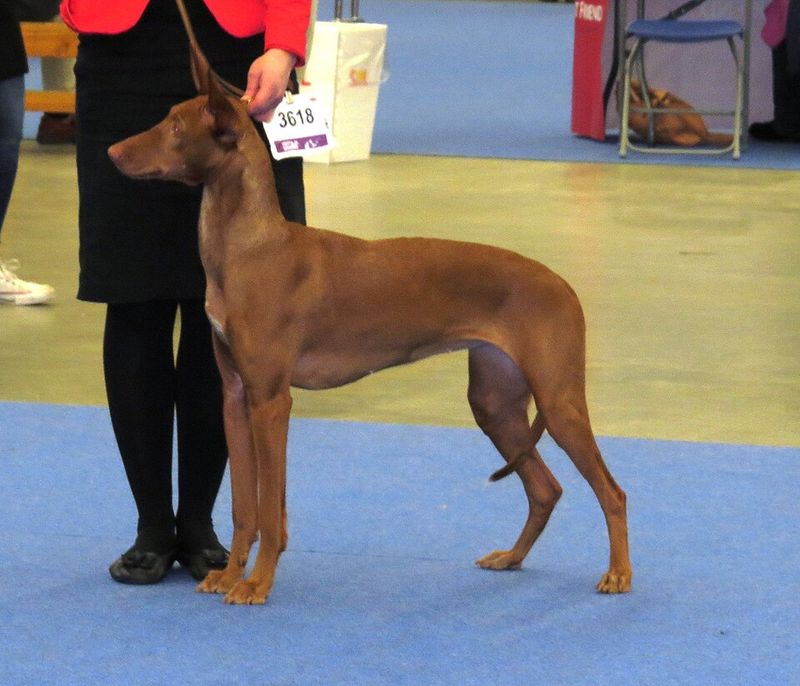
Pharaoh Hounds are expressive yet surprisingly stoic when uncomfortable. Pain might show as a tighter curl when resting, a quick glance when touched near ribs, or avoiding high jumps.
They can hide toe soreness from hard sprints, so inspect nails and pads carefully. A flatter tail wag or shortened bounding stride can be your earliest clue.
These dogs thrive on playful connection. If you see less spark during games or a pause before launching after toys, consider discomfort.
Gentle warm-ups, traction mats, and soft landing zones help. Track sleep quality and note if they shift positions more often at night.
When that sunny grin dims, respond with rest, assessment, and a proactive vet visit.
Black Russian Terrier
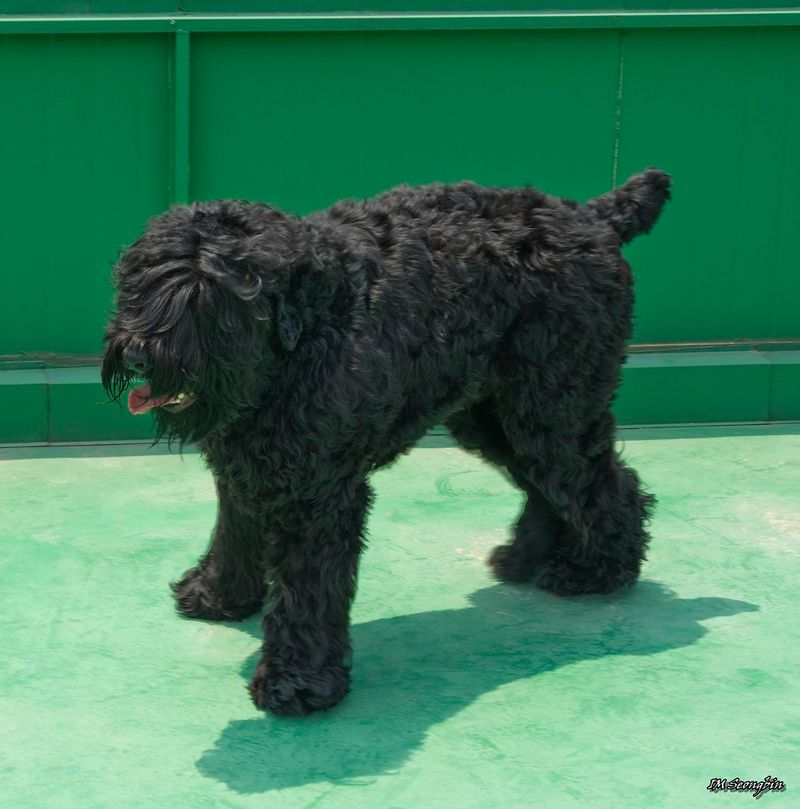
Black Russian Terriers are formidable and composed, making pain cues easy to overlook. Thick coats hide swelling and asymmetry.
Watch for wider stances, slower sits, or avoiding sharp turns. A dog that starts sleeping farther from busy areas may be self-protecting.
Grooming time offers clues. Flinches near hips or shoulders, or a sudden dislike of brushing, deserve attention.
Because they are large and athletic, joint and soft tissue strains can build quietly. Keep floors non-slip, monitor nail wear, and practice low-impact conditioning.
Mood changes matter. If guarding instincts rise while playfulness falls, consider discomfort.
Early imaging and a proactive pain plan beat silent suffering every time.
Irish Setter
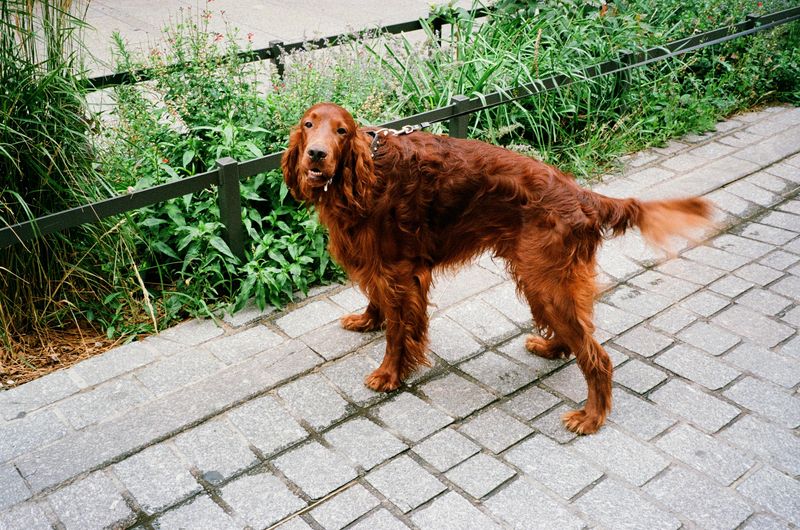
Irish Setters bring joy and motion, which can hide aches. They often appear tireless, then crash harder than usual.
Look for shorter play arcs, softer landings, or skipping high jumps they once loved. A decreased tail sweep or a half-hearted greeting can be your first hint.
Gentle back strokes that cause a look-away suggest soreness brewing.
Since they thrive on activity, soft tissue strains, hips, and elbows require vigilance. Video their gait on straight lines and circles.
Compare on good and questionable days. Keep nails trimmed, floors grippy, and recovery structured.
If your Setter suddenly chooses cuddles over chaos, do not just enjoy the calm. Investigate comfort and protect that playful heart.
Gordon Setter
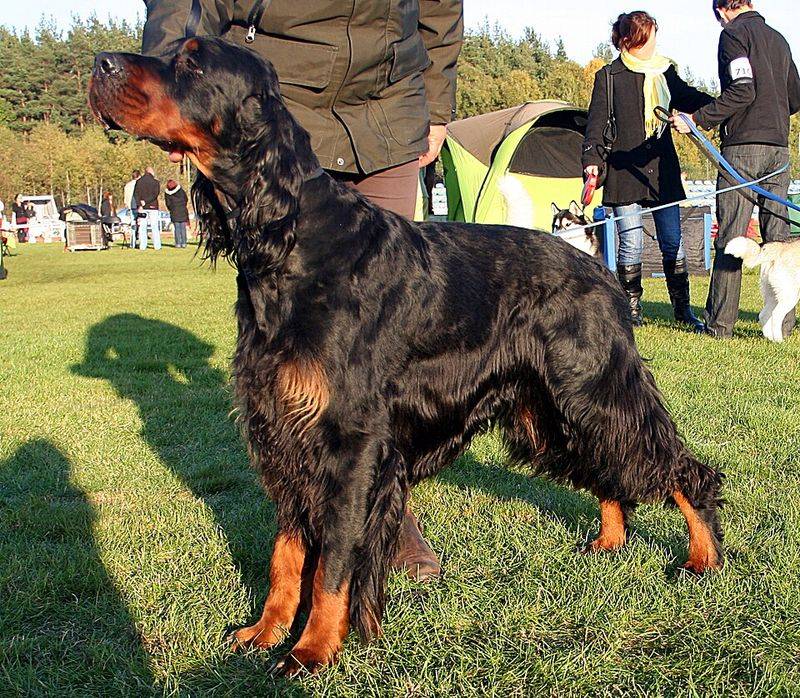
Gordon Setters are steady companions who might downplay pain. You may not see an obvious limp, but you will notice smaller choices.
Choosing shorter routes, avoiding uneven ground, or hesitating before stairs are early tells. Tail carriage that stays lower or a reduced head bob during trotting can signal discomfort.
Grooming around the rear that earns a glance back deserves attention.
Because they are active, cumulative strain sneaks up. Scan paws for cracks after field work and feel hamstrings for tight bands.
Support with core drills, hill walking, and controlled fetch. When enthusiasm fades or stamina dips without reason, assume something hurts.
Early rest and vet input turn whispers of pain into solvable problems.