
Ever watched your dog go from calm to chaotic the second a fence blocks their view? That surge of barking, lunging, and pacing has a name now: barrier frustration.
It is not a dog being bad, it is a natural response that can spiral without guidance. Let’s look at the breeds owners say flip the fastest behind fences and how you can channel that energy productively.
Australian Cattle Dog
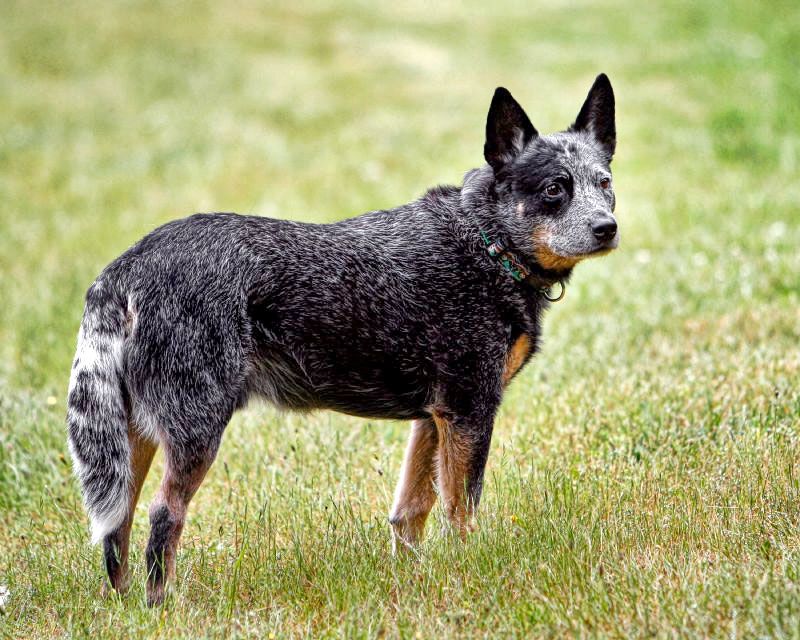
Australian Cattle Dogs are purpose built for intensity, so a fence can feel like a hard stop on a moving train. When they cannot reach the source of excitement, that drive converts into explosive barking and frantic looping.
You will see laser focus, stiff posture, and quick pivots toward gaps.
Give this worker a job before the fence does. Try structured fetch along the fence line, obedience reps between alerts, and a fast recall to trade motion for treats.
Reinforce quiet curiosity the second they glance away.
Frosted privacy panels or visual barriers reduce triggers. For daily sanity, rotate scent games, flirt pole intervals, and decompression walks.
A tired heeler chooses listening over yelling.
German Shepherd Dog
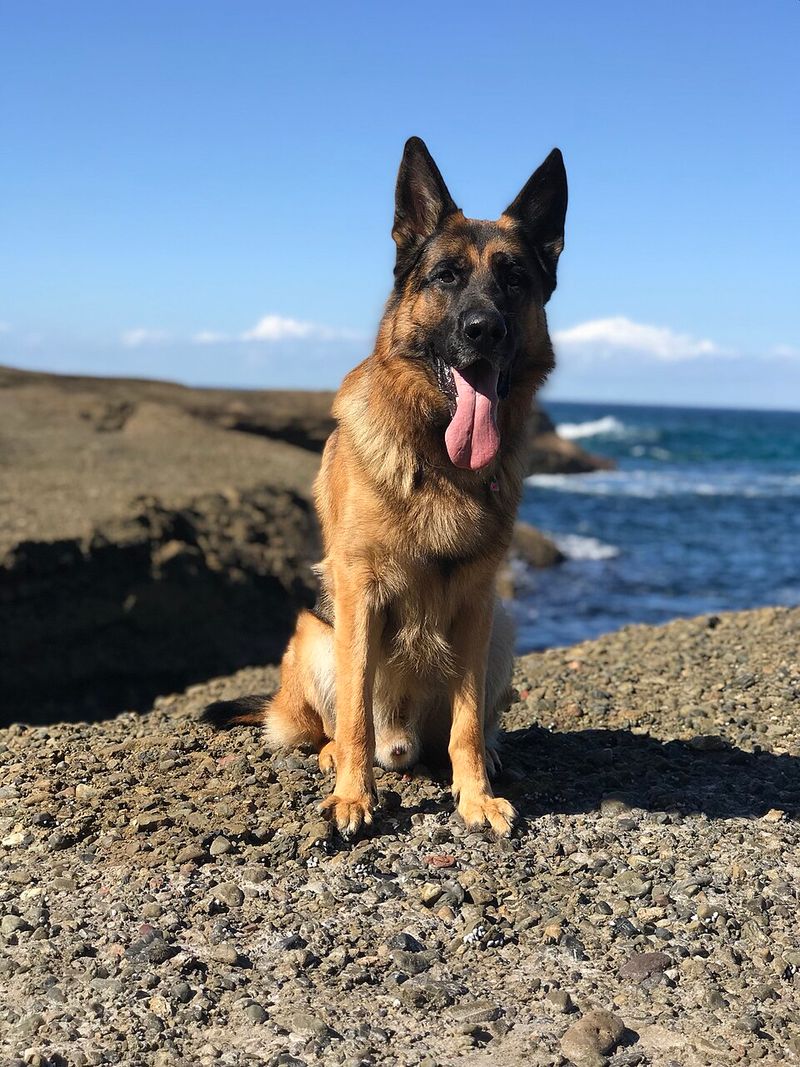
German Shepherd Dogs are naturally territorial and brilliant, which makes fences double edged. They learn patterns fast and will patrol like security professionals.
When movement appears beyond the boundary, arousal rockets, and the fence fuels rehearsed shouting.
Rewrite the job description. Teach a station near the fence, then cue heel away for payment.
Reward scanning and disengaging the moment they notice a trigger.
Layer management with opaque panels at hot zones and limit window access inside. Rotate tracking games, bite pillow tugs, and obedience chains to satisfy their brains.
Short success reps beat long failures. If rehearsed barking is entrenched, work with a force free trainer to build fluency under threshold.
Belgian Malinois
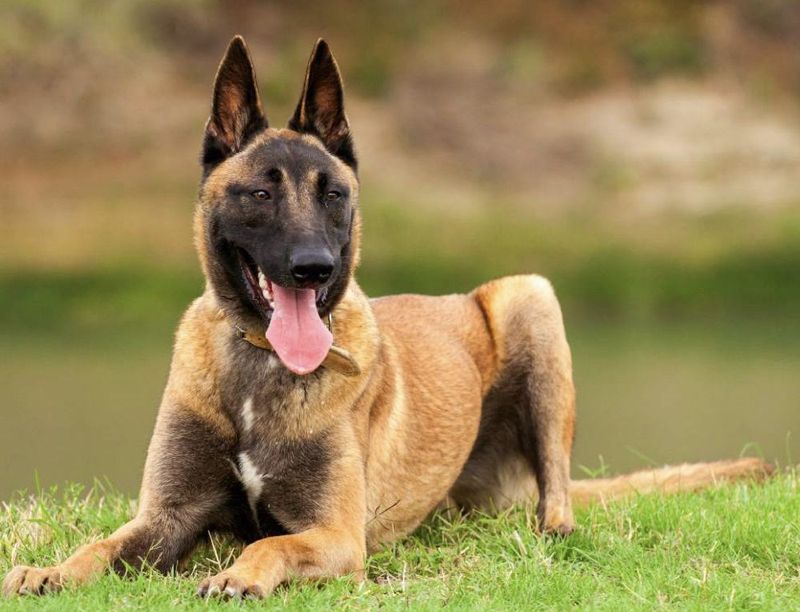
The Belgian Malinois was forged for high drive tasks, so fences often ignite chase circuitry. If movement flickers beyond the boundary, this athlete escalates instantly, rehearsing fence running like a sport.
The more they practice, the faster the fuse burns.
Front load exercise with purpose: bite tug sessions, scent searches, and impulse control games. Install a down stay mat near the fence and pay heavily for disengagement.
Use long lines to prevent rehearsal during training.
Visual barriers help, but structure helps more. Keep sessions short, wins frequent, and criteria clear.
Rotate decompression hikes with calm chewing afterward. For advanced cases, partner with a sport savvy trainer to channel drive into obedience chains that outcompete the fence.
Border Collie
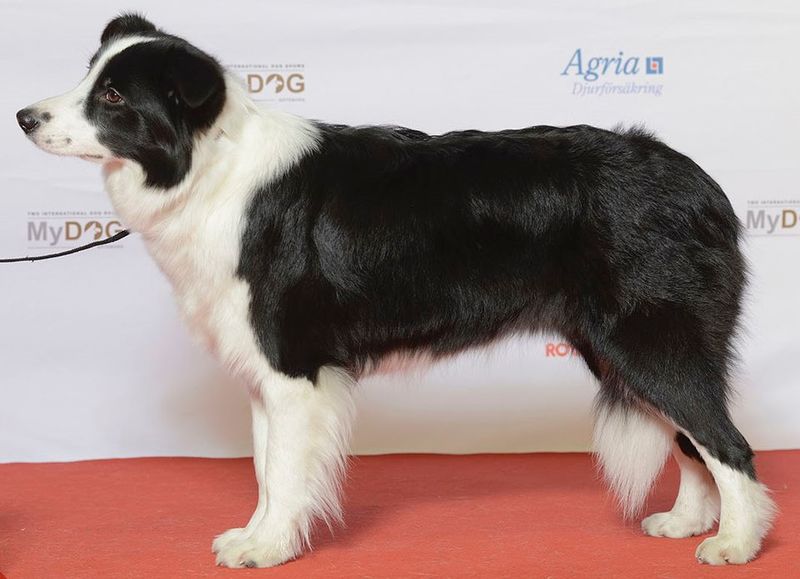
Border Collies are motion magnets. A fence blocks their instinct to control movement, so they pace, crouch, and bark when runners or bikes glide past.
The eye locks, the body coils, and frustration becomes a noisy loop.
Break the spell with cueable behaviors. Teach look away, hand target, and a quick go to mat paired with tossed snacks.
Practice at distances where they can still think.
Use scatter feeding along the inside fence line to shift focus nose down. Cover sightlines at trouble spots and limit unsupervised yard time.
Provide proper outlets like herding lessons, disc, or trick training. A brain tired collie treats fences like background instead of a mission.
Shetland Sheepdog
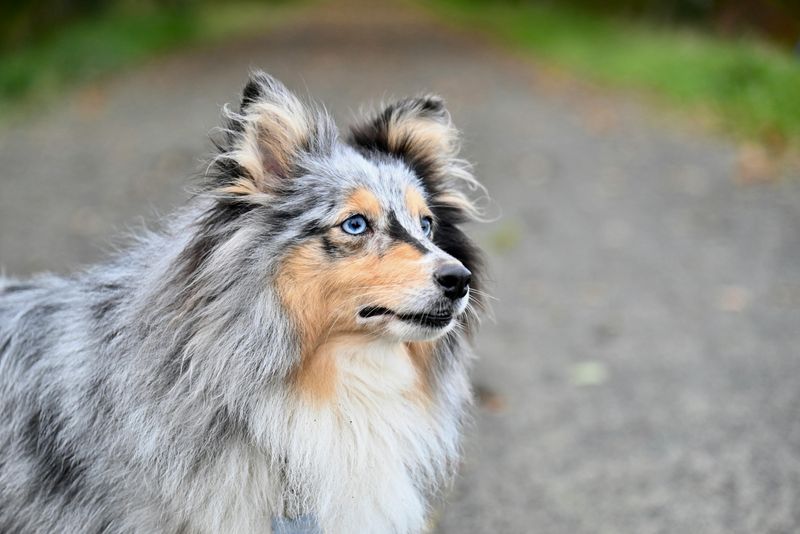
Shetland Sheepdogs are alert commentators who take perimeter duty seriously. High pitched alarm barking often spirals when a fence blocks access and confirms their worries.
Small bodies, big opinions, and a quick bounce along the rails are common.
Shift the narrative by rewarding quiet noticing. Mark a single woof, then cue settle on a bed near the door.
Use high value treats and calm praise to reinforce composure.
Add frosted film to low windows and solid panels to peek points. Engage the mind with shaping games, slow scent walks, and puzzle feeders before yard time.
Keep sessions brief and upbeat. With practice, your sheltie becomes the neighbor who nods hello instead of narrating everything.
Miniature Schnauzer
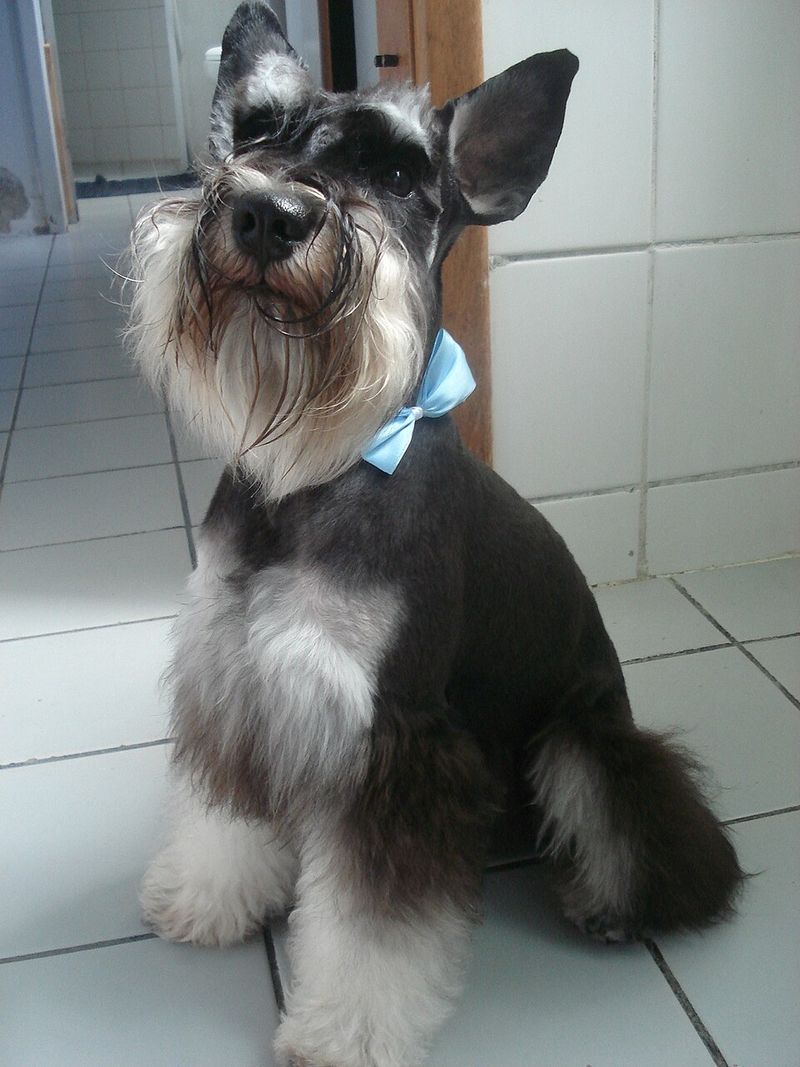
Miniature Schnauzers are bold watchdogs with a comical gusto that turns serious behind barriers. Because they love to alert first and investigate later, fences trap their curiosity and amplify their voice.
Rapid bounce backs and sharp yips become the soundtrack.
Teach a talk then quiet routine so communication has an off switch. Pair quiet with treats delivered away from the fence to reset arousal.
Add a find it cue to redirect to sniffing.
Manage sightlines using planter boxes or reed screens. Short leash decompression walks before yard time help.
Rotate play with soft fetch or low impact tug. Consistency trims false alarms and lets that schnauzer charm shine without the echo.
Beagle
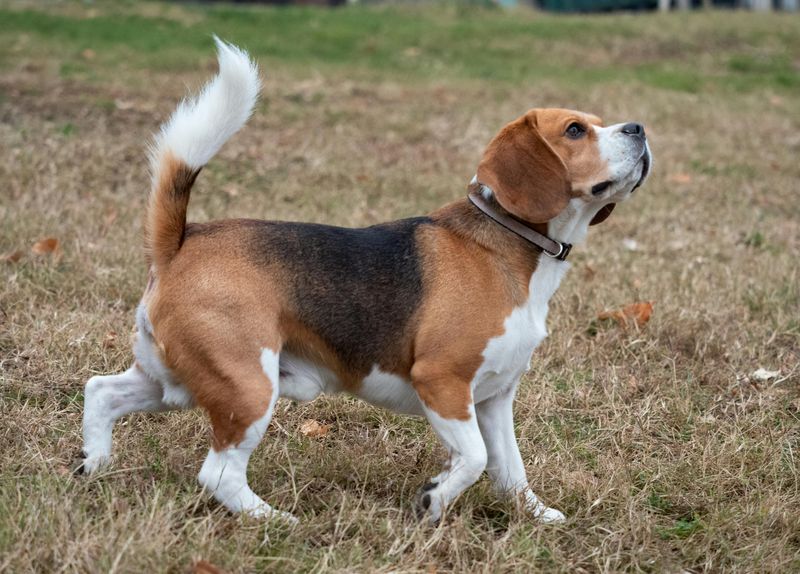
Beagles live by the nose, so fences frustrate the story their scent is telling. When odor says rabbit but wood says no, the baying starts and pacing follows.
They will track along the boards searching for a gap to continue the plot.
Give that nose a job before the yard does. Scatter kibble in grass, hide treats in boxes, and cue nose work searches away from the fence.
Reward quiet sniffing with more sniffing.
Solid fencing reduces visual triggers while allowing scented enrichment inside. Keep sessions short and end on success.
Long lines prevent rehearsed escape routes during training. A fulfilled Beagle hums softly instead of singing to the neighborhood.
Fox Terrier (Wire)
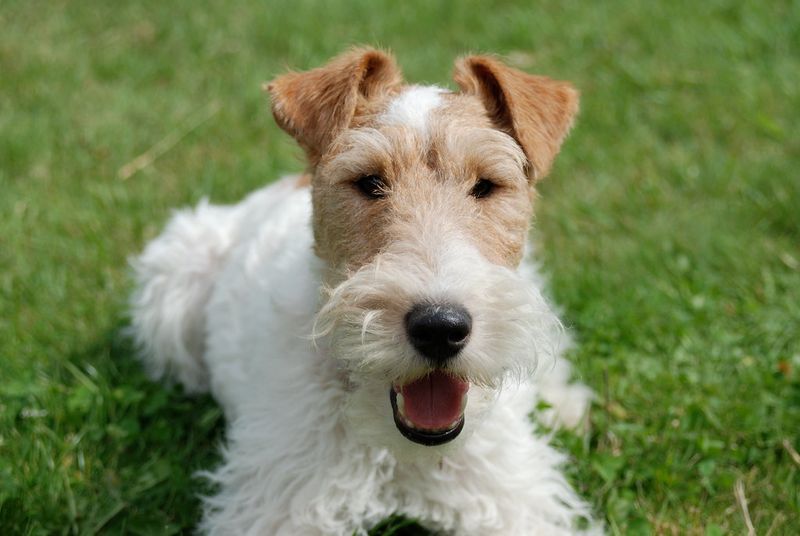
Wire Fox Terriers are spring loaded charmers with quarry on the brain. Movement beyond a fence flips their chase switch, and that wiry body ricochets with joyful outrage.
The routine quickly becomes self rewarding and loud.
Channel the bounce into cues. Teach a quick spin, touch, then sit sequence to replace fence launching.
Pay generously and move away after success to reset.
Block sightlines near sidewalks and use flirt pole sessions in controlled bursts. Puzzle toys after play bring arousal down.
Keep practice slices short and varied. With structure, this terrier becomes a witty partner rather than a boundary comedian.
Corgi (Pembroke)
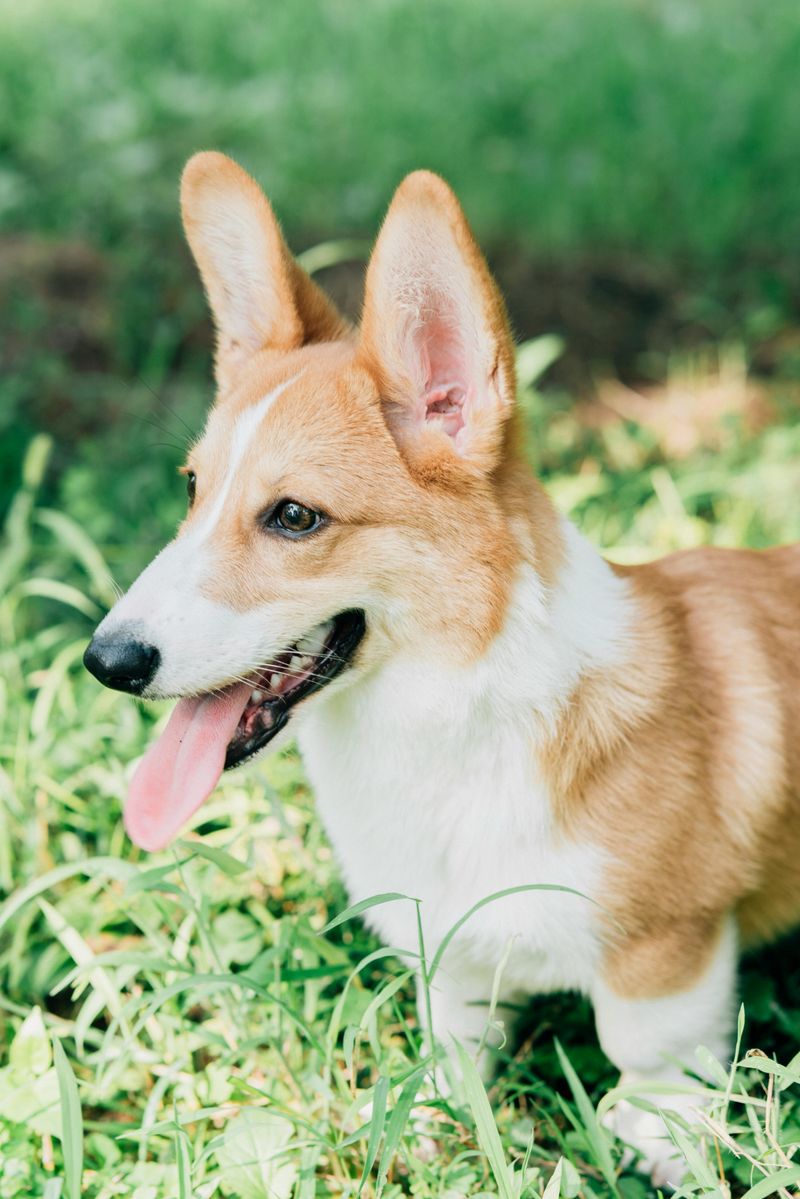
Pembroke Welsh Corgis herd with hearts bigger than their legs. A fence blocks their manager instincts, so they try to supervise through sound.
Expect trotting patrols, sharp corrections, and stiff little stances when joggers pass.
Teach a go inside cue paired with jackpots for fast turnarounds. Use food scatters to lower arousal and encourage snuffling.
Practice at quiet times first, then add mild distractions.
Plug peek holes and add visual barriers at ankle height where they notice motion most. Mix low impact fetch, trick training, and rest in shade.
Keep the mood playful. With guidance, your corgi trades hallway monitor energy for welcome committee vibes.
Shiba Inu
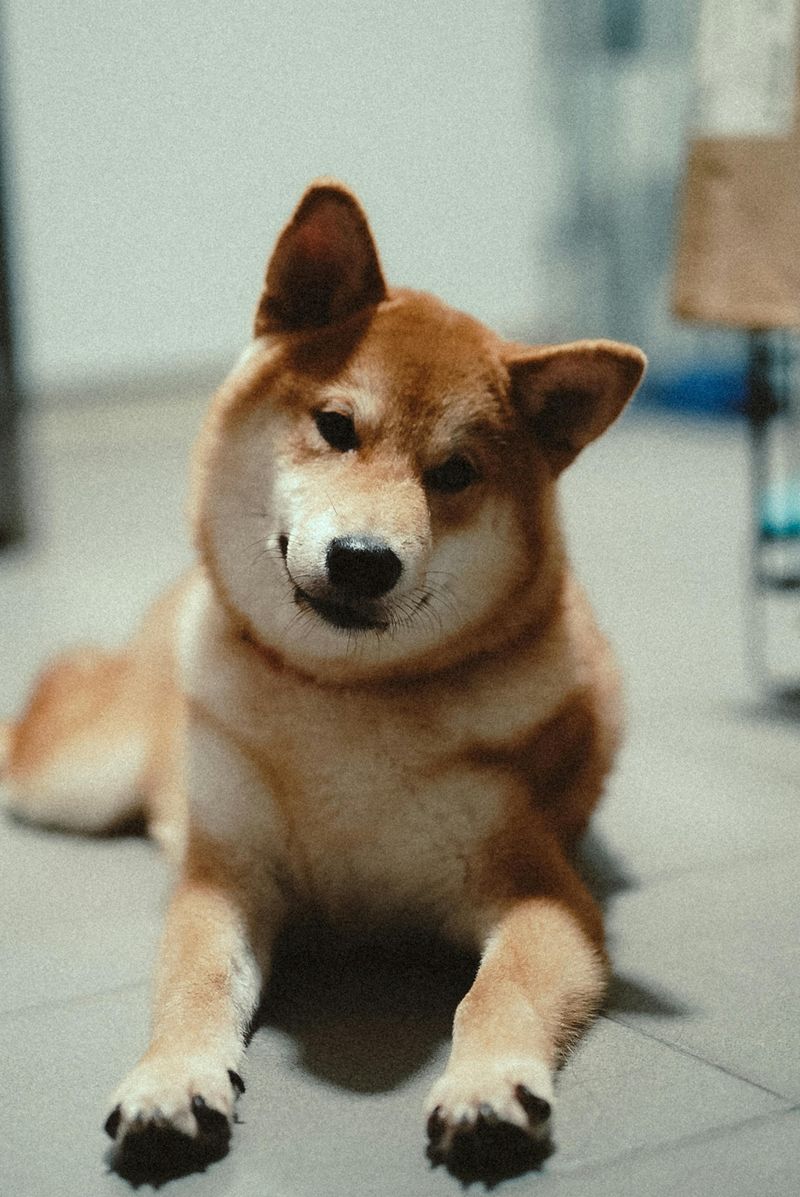
Shiba Inus are independent observers who dislike feeling trapped. A fence that blocks agency can spark vocal protests and sudden dashes along the perimeter.
They may appear cool, then explode into motion with startling speed.
Give choices. Teach go sniff, go mat, and return for pay to keep autonomy intact.
Reinforce head turns away from triggers and keep sessions short to respect their style.
Use taller, secure fencing to prevent acrobatics and block sightlines at busy sections. Enrichment like novel scents, scatter hunts, and flirt pole bursts satisfy instincts.
Patience pays with this thoughtful breed. Confidence grows when the fence stops feeling like a cage.
American Eskimo Dog
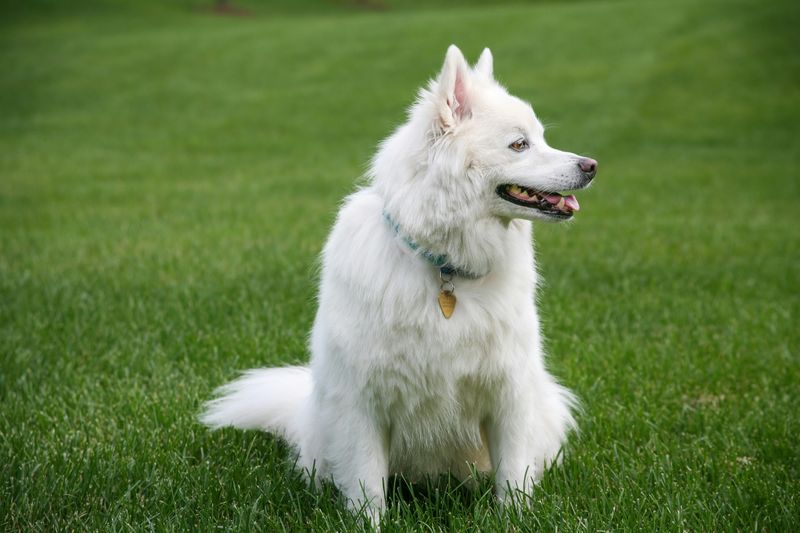
American Eskimo Dogs are vigilant communicators with bright minds. A fence plus frequent deliveries becomes a rehearsal hall for high notes.
They bounce, bark, then sprint the perimeter, convinced they just saved everyone again.
Pre load calm with sniffy walks and food puzzles before yard access. Teach a go to place inside when a truck appears and pay generously for quiet.
Practice threshold relaxations at doors and gates.
Frost windows at street level and add privacy panels on fence sections facing traffic. Keep reinforcement rates high early on.
Mix trick chains and cooperative care sessions to tire the brain. Soon, your Eskie will check in with you before checking the street.
Keeshond
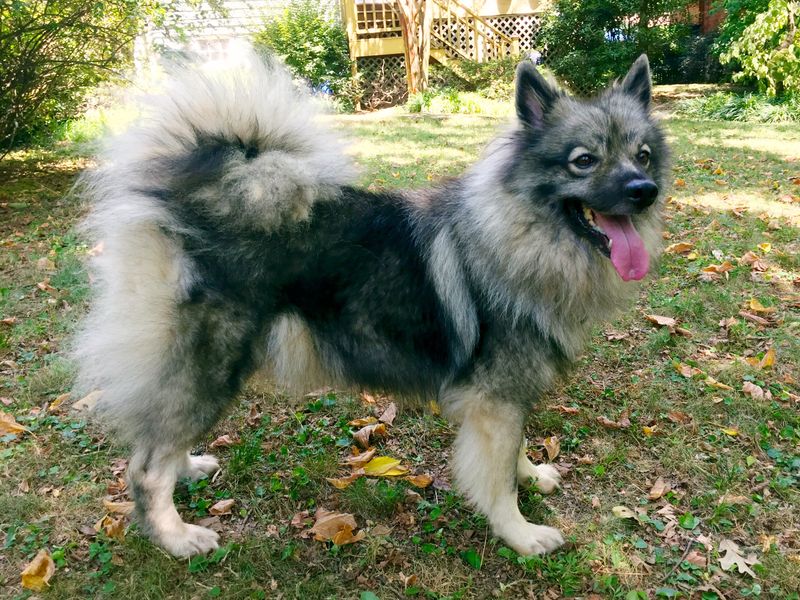
Keeshonden are social watchdogs who love to report news. A fence turns neighborhood updates into breaking alerts, and their cloudlike coats bounce with enthusiasm.
Barking rehearsals happen quickly when every passerby gets commentary.
Give them a headline to deliver to you. Train a check in cue, reward with a treat, then guide to a mat for decompression.
Reinforce breathy huffs over full barks to shape softer alerts.
Block view at hot zones and rotate enrichment like snuffle mats, scatter feeds, and short training games. Keep greetings structured so success stays easy.
With practice, your Keeshond becomes the friendly editor, not the loudspeaker.