Dogs were bred for specific jobs, and those old instincts still guide how they act today. Understanding what a breed was created to do can prevent surprises at home.
With the right training and daily routine, natural instincts become strengths, not struggles. Learn what to expect so you can set your future dog up for a happy, balanced life.
Border Collie – The Focused Herder
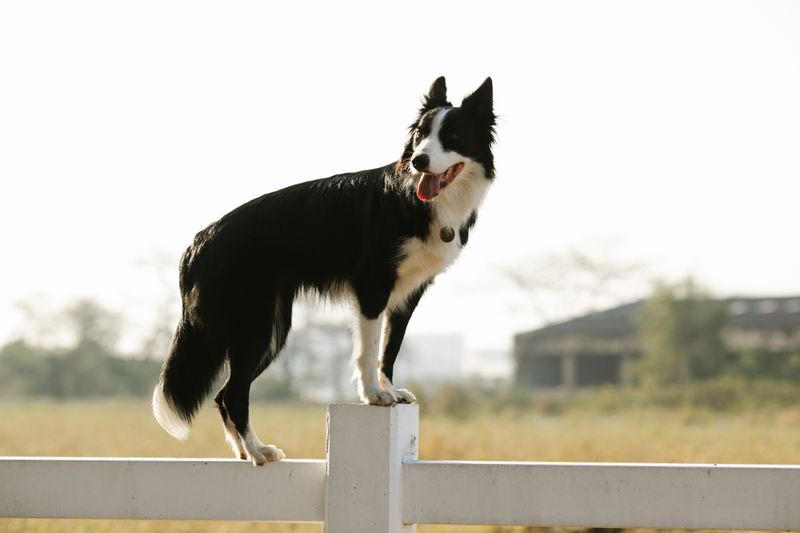
With eyes that lock on like a laser, the Border Collie lives to organize movement. That herding brain needs puzzles, training games, and jobs.
Without structure, you may see nipping, circling kids, or obsessive chasing of bikes.
Daily brain work helps most. Try agility, scent games, and long fetch sessions with clear rules.
Teach solid impulse control early. A calm place command and frequent rest breaks protect that buzzing motor from overload, keeping brilliance fun, not frantic.
Siberian Husky – The Tireless Traveler
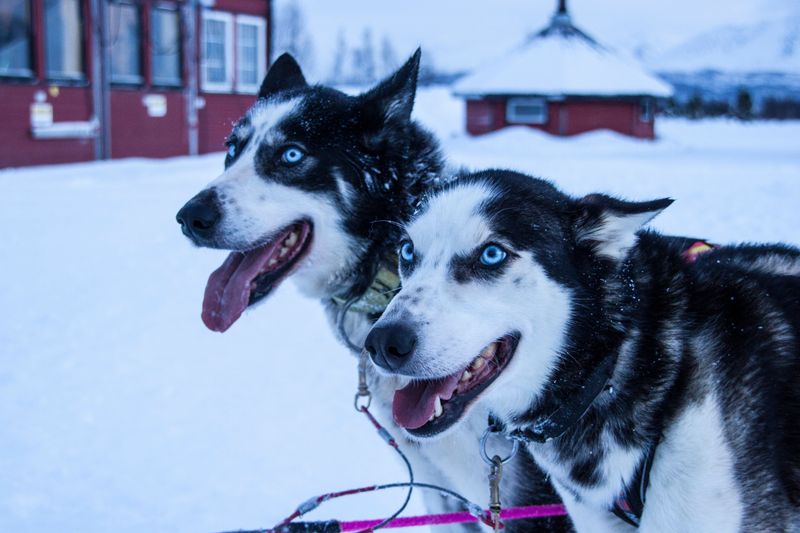
Born to cross frozen miles, Huskies love movement like some dogs love treats. Expect pulling on leash, fence testing, and high curiosity.
Boredom can mean creative escapes or singing the neighborhood a long, wolfy song.
Meet that wanderlust with outlets. Use a secure yard, snug harness, and canicross or urban mushing.
Rotate tough chew toys and brain games. Practice calm leash manners daily.
A tired Husky is charming company, curled up like a fluffy snowball by night.
Beagle – The Nose That Knows
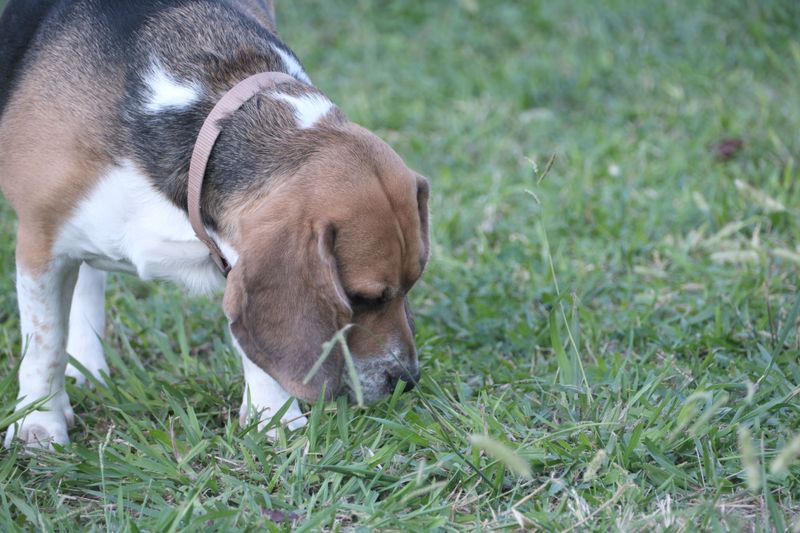
One whiff, and the world disappears. A Beagle follows scent the way a reader follows a cliffhanger.
Backyard gaps become invitations, and recalls fade when a trail heats up.
Use that superstar nose for good. Scent games, tracking lines, and snuffle mats build cooperation.
Walk with a long line in safe areas. Teach a rock-solid check-in cue, then pay with amazing treats.
Add secure fencing and ID tags. Guided sniffing time equals a calmer, happier buddy.
Jack Russell Terrier – The Pocket Rocket
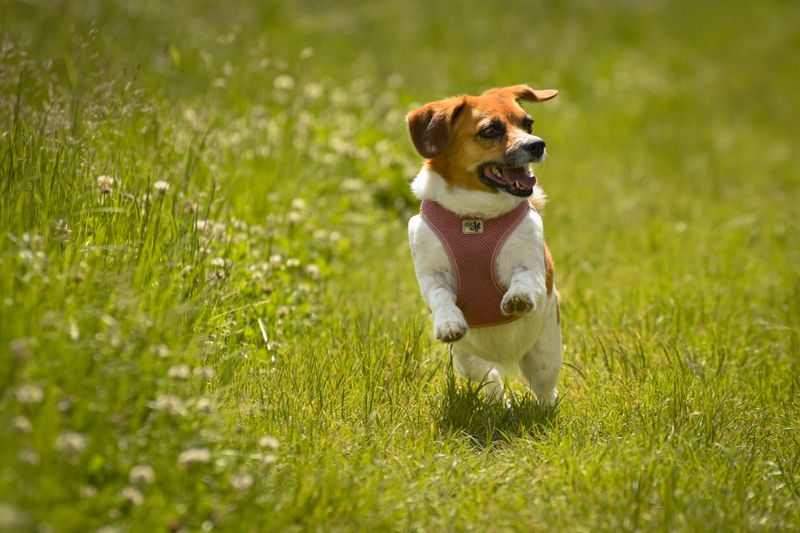
Small body, big fireworks. Jack Russells were built to hunt underground, so they dig, pounce, and investigate every squeak.
Without outlets, they may shred cushions, harass cats, or turn yard beds into craters.
Channel that spark into fast games. Try flirt pole play, barn hunt, or short trick sessions scattered through the day.
Keep enrichment boxes ready to unbox and destroy. Teach calm settle cues between bursts.
Wise limits plus frequent play prevent chaos and highlight their clownish charm.
German Shepherd – The Vigilant Guardian
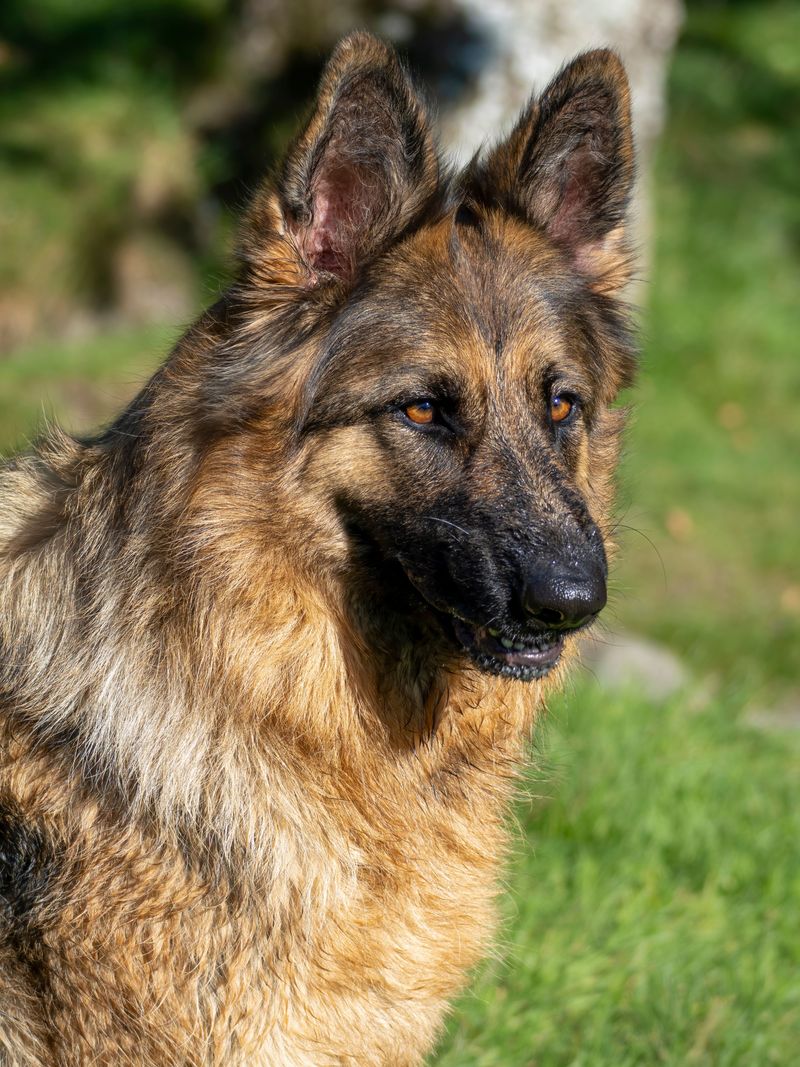
Nothing sneaks past a good Shepherd. That protective nature and sharp mind can mature into watchfulness, barrier reactivity, or pushy play if guidance is missing.
Structure matters from day one.
Focus on calm exposure to people, places, and sounds. Teach clear routines and polite greetings.
Work obedience around distractions and reward steady, neutral behavior. Jobs like scent detection or tracking satisfy purpose.
When their brain is busy and rules are fair, you get steady confidence, not overzealous security.
Australian Cattle Dog – The Heel Nipper
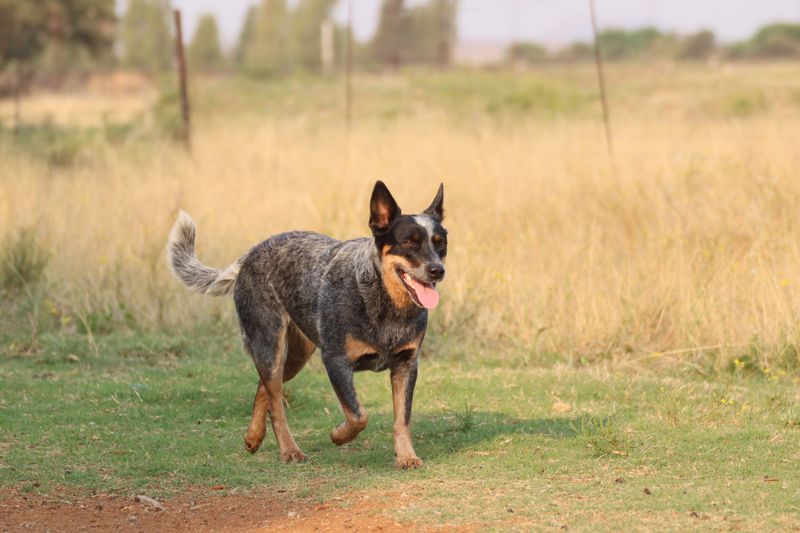
A quick tap at the ankles is not rude in herding world. Cattle Dogs move livestock by nipping and driving, so fast movement from kids, bikes, or joggers can flip that switch.
Give direction to the hustle. Structured fetch, herding lessons, or treibball burn energy.
Reward looking to you before chasing. Use long down-stays between activities.
Clear start-and-stop cues help a lot. Combine big exercise with mental work, and you will see grit shine as thoughtful teamwork.
Greyhound – The Silent Sprinter
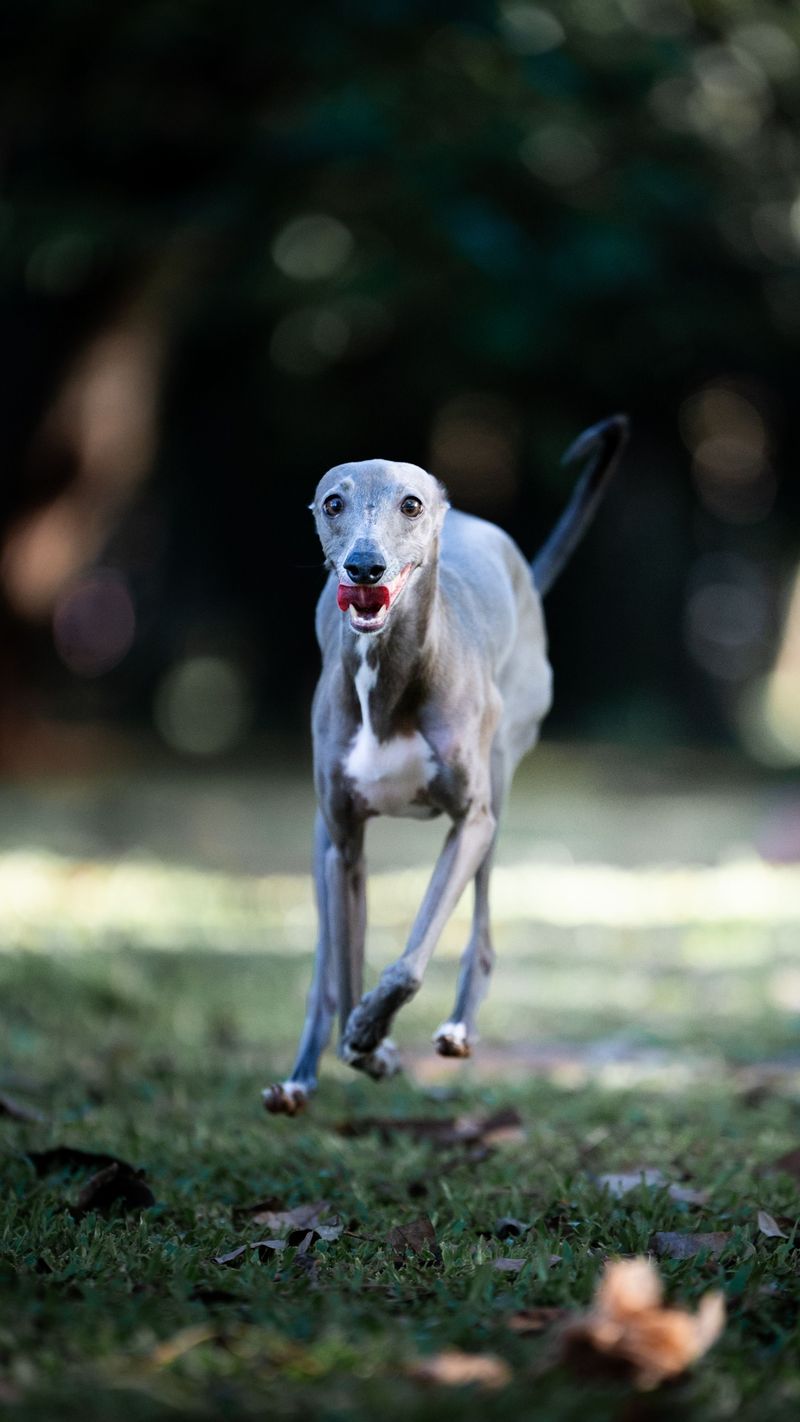
Blink, and the Greyhound is a dot on the horizon. Built to chase by sight, they spot a squirrel and shift from nap to warp speed.
Off-leash freedom without fences is risky.
Plan safe zoom time. Use secure fields, long lines, and flirt poles for short sprints.
Cozy beds and gentle handling suit their sensitive side. A well-fitted martingale collar prevents slipping heads.
With brief bursts and long naps, they balance athlete energy with sofa royalty vibes.
Dachshund – The Determined Digger
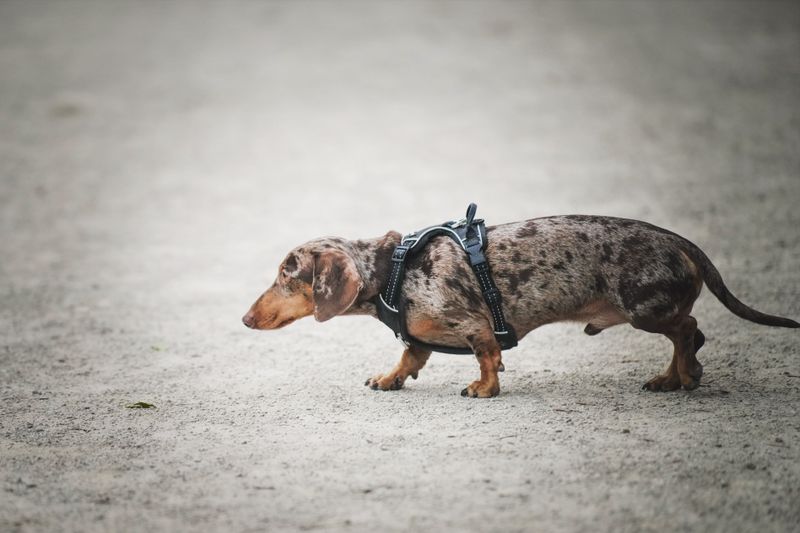
Short legs, long courage. Dachshunds went after badgers, so digging, barking at rustles, and fearless tunneling come naturally.
Flower beds, couch cushions, and groundhogs may all seem like fair game.
Offer legal excavation sites. Fill a sandbox with buried toys.
Use puzzle feeders and scent trails to satisfy the hunter brain. Manage jumping to protect backs, and teach gentle handling with kids.
Calm crate time after adventures helps this bold spirit recharge without inventing new missions indoors.
Akita – The Reserved Protector
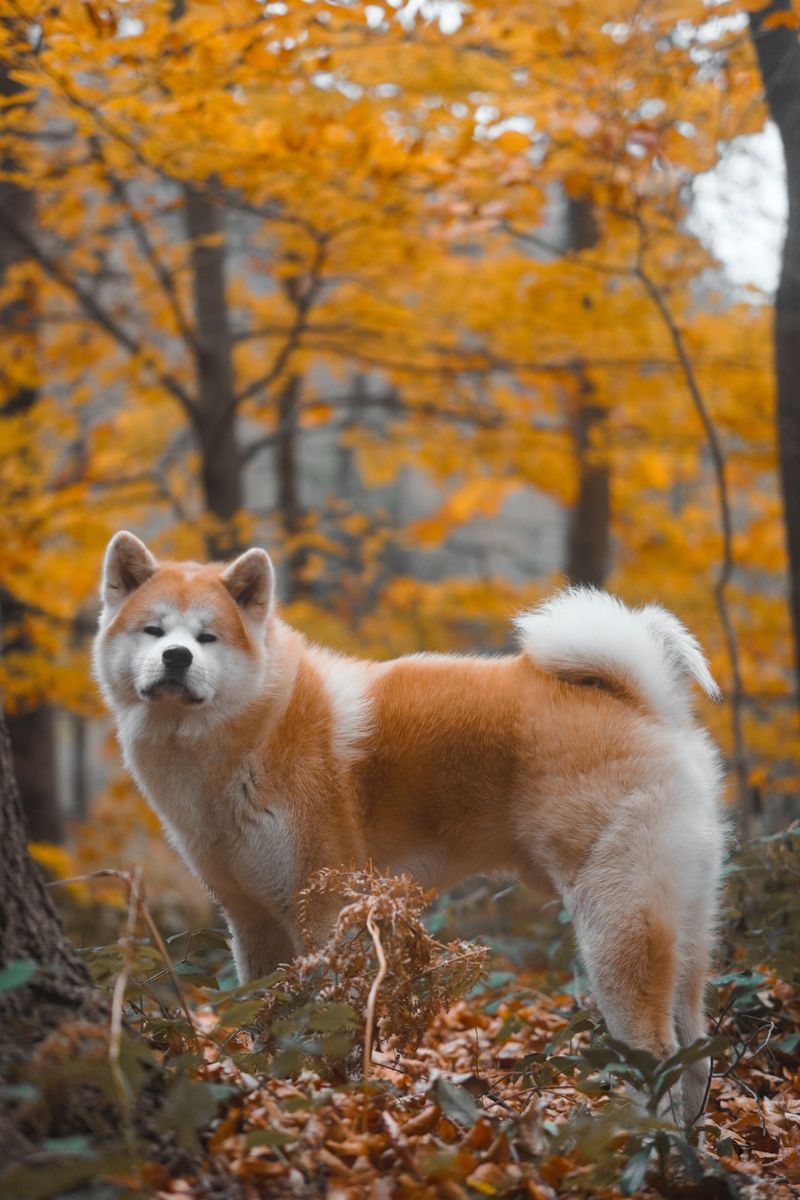
Dignity first, then decisions. Akitas often bond deeply with family and keep a polite distance from strangers.
Their guarding roots can show as selective friendships and same-sex friction if unmanaged.
Early, steady social time is key. Practice neutral walks near people and calm dogs, not forced meet-and-greets.
Teach clear handling cues and strong leave-it. Respect personal space and keep introductions slow.
With boundaries and trust, their steady courage becomes a grounded presence that watches kindly from the sidelines.
Belgian Malinois – The High-Drive Athlete
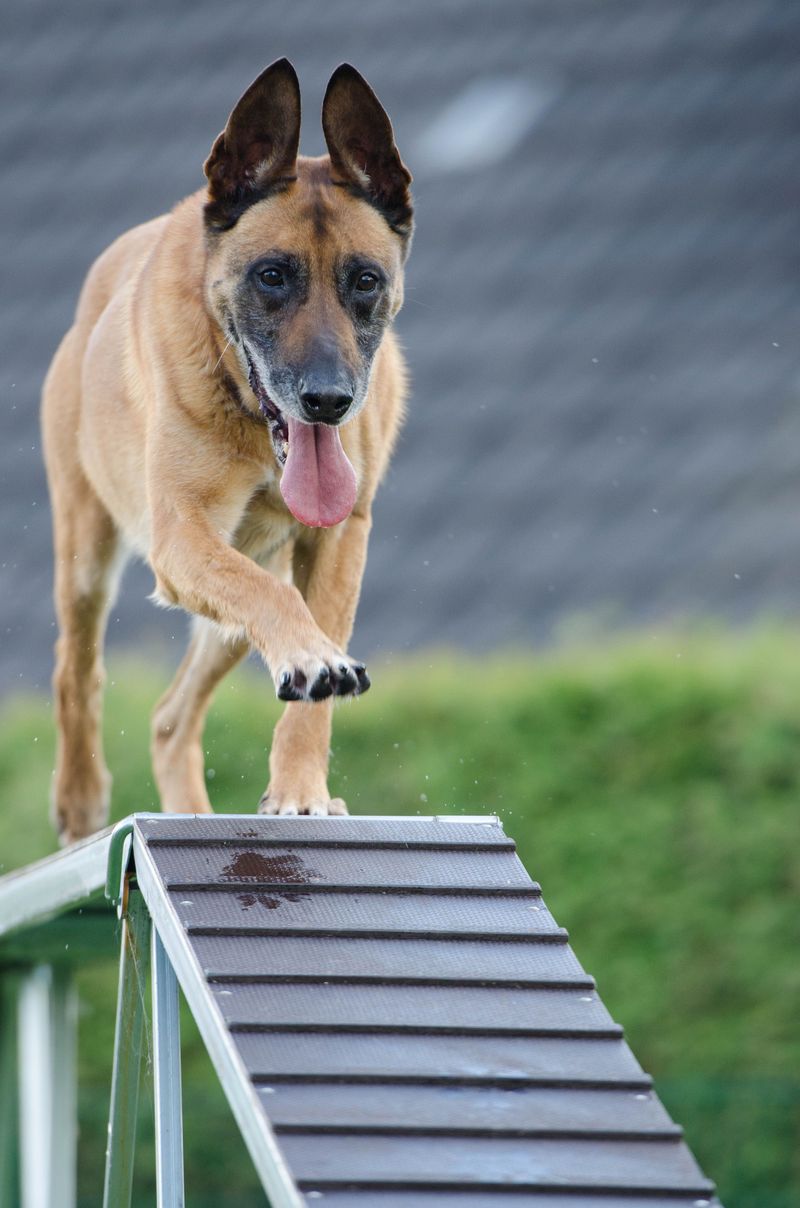
If energy were electricity, the Malinois could light a stadium. Bred for nonstop work, they crave tasks, precision, and challenge.
Under-stimulated dogs may spin, nip, or dismantle your living room with impressive speed.
Pick real jobs. Obedience sport, protection work with pros, or advanced scent detection channel that fire.
Structure days with training blocks, treadmill walks, and decompression sniffing. Clear off-switch cues matter.
For experienced owners, the payoff is a laser-focused partner who lives to collaborate.
Great Pyrenees – The Night Watcher
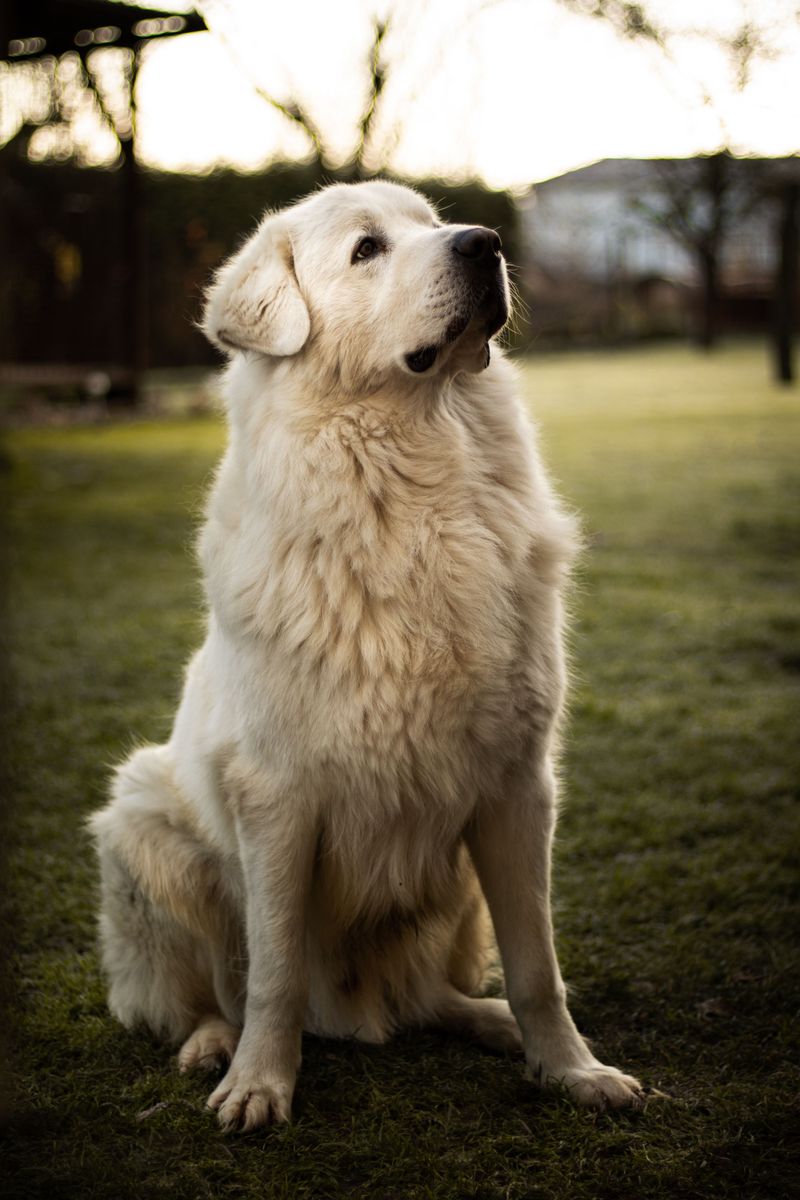
When the moon rises, the Pyrenees clock starts. As livestock guardians, they patrol, bark at distant sounds, and make independent choices.
Apartment life can clash with that nocturnal security detail.
Support the sentinel within. Provide a quiet yard, visual barriers, and a strong recall.
Reward returning after a cautious check. Teach a hush cue and give nighttime chew breaks.
Gentle leadership suits their thoughtful nature. Calm routines keep watchfulness useful without bothering the neighbors all night.
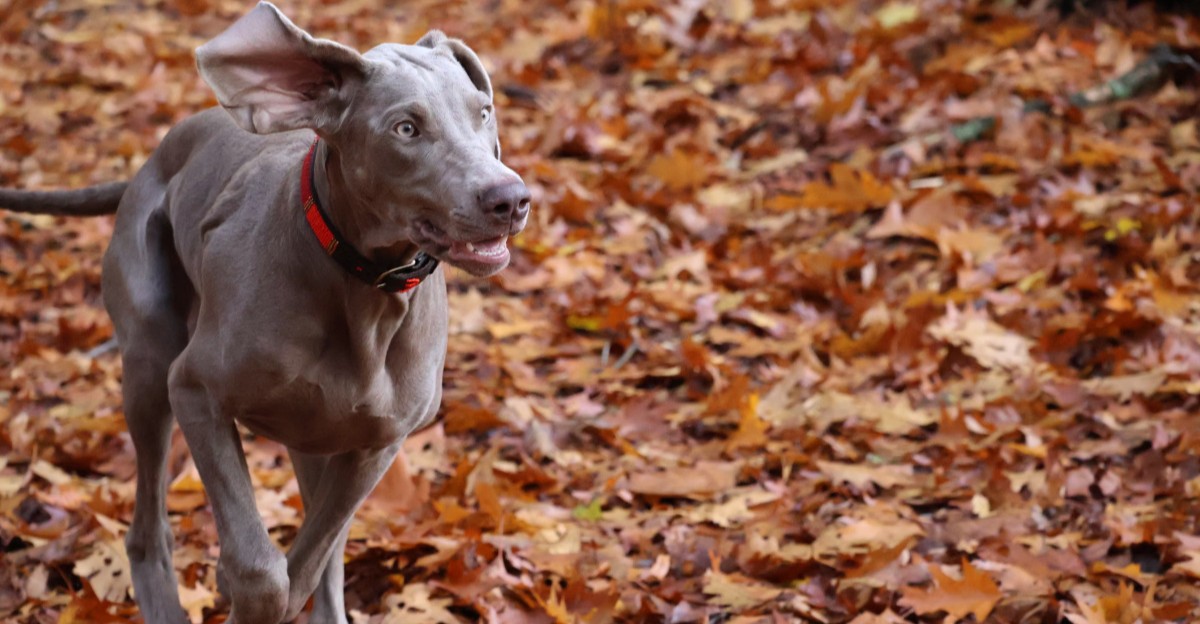
Weimaraner – The Velcro Hunter
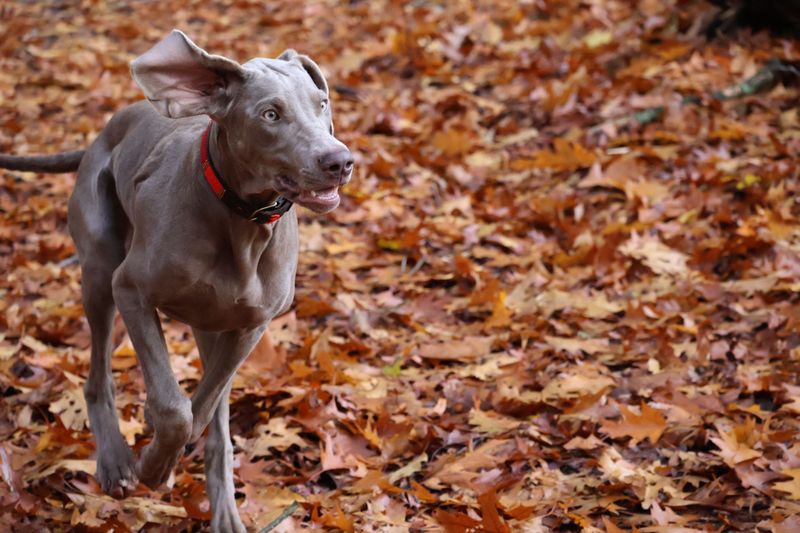
Stick close, then go far. Weimaraners love people and were bred to hunt, so they shadow you indoors and chase wildlife outdoors.
Without outlets, separation stress and wild sprints can take over.
Blend closeness with challenge. Practice short alone times with stuffed Kongs, then lengthen.
Add tracking games, long hikes, and recall drills on a long line. Teach go-to-mat for calm indoor time.
When needs are met, you get sweet loyalty with smooth, sporty rhythm.