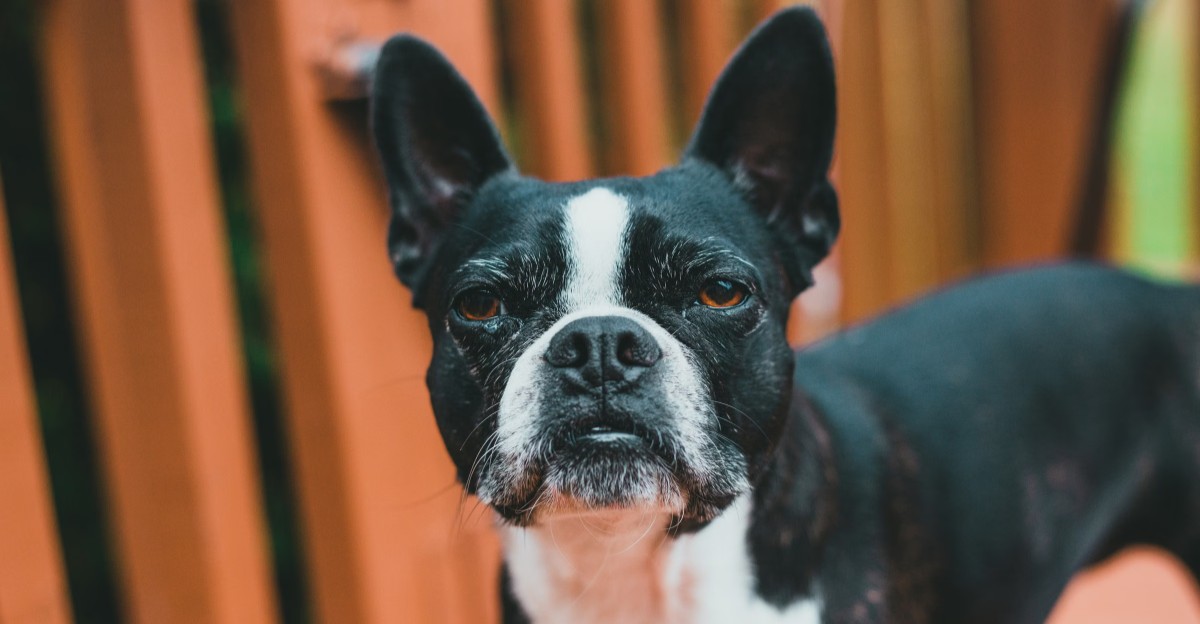
Those big, soulful puppy eyes can melt anyone’s heart. But some dog breeds are more likely than others to have eye problems as they grow up.
Knowing the risks ahead of time helps you pick a good breeder, spot early warning signs, and save money on vet bills. Here is what to watch for with some of the most popular breeds.
Pug
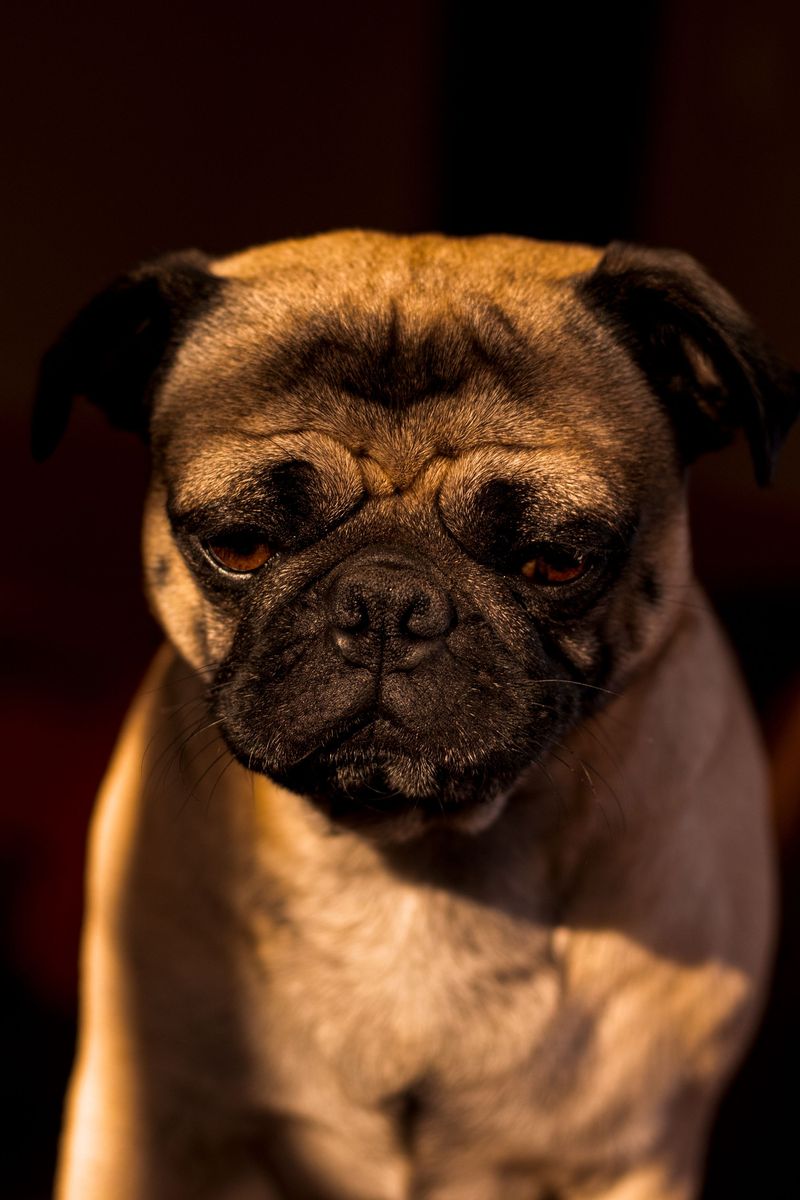
Those bulging, round eyes give the Pug its famous goofy charm. Sadly, that same look leaves the eyes exposed and easy to scratch.
Pugs often get corneal ulcers, dry eye, and a condition called pigmentary keratitis, where brown spots cloud the eye’s surface. Wrinkly nose folds can also rub against the eyeball.
Wipe those folds daily and watch for squinting or redness. A quick vet visit can stop a small scratch from becoming a big problem.
Shih Tzu
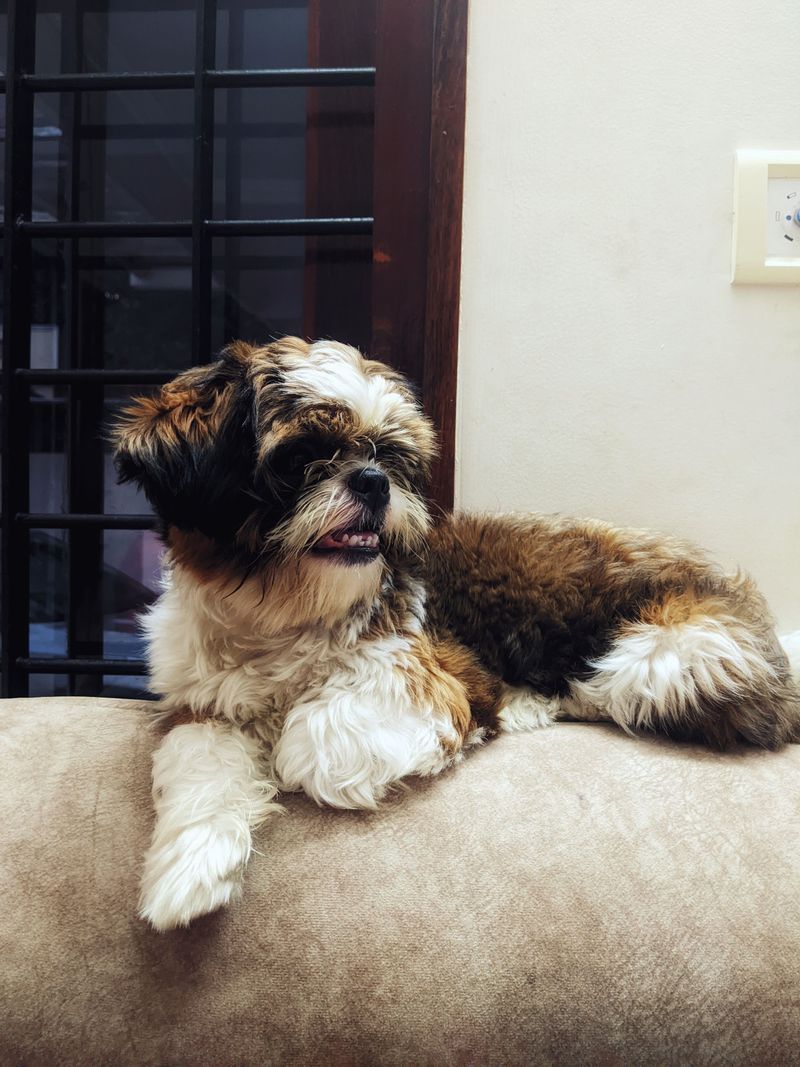
Once treasured by Chinese royalty, the Shih Tzu still acts like it owns the palace. Royal or not, its eyes need regular attention.
Long facial hair can poke the eyes, and shallow eye sockets raise the risk of the eyeball slipping out of place, called proptosis. Dry eye and tear staining are common too.
Keep hair trimmed or tied in a cute topknot. Use a harness instead of a collar to reduce pressure around the head.
Cocker Spaniel
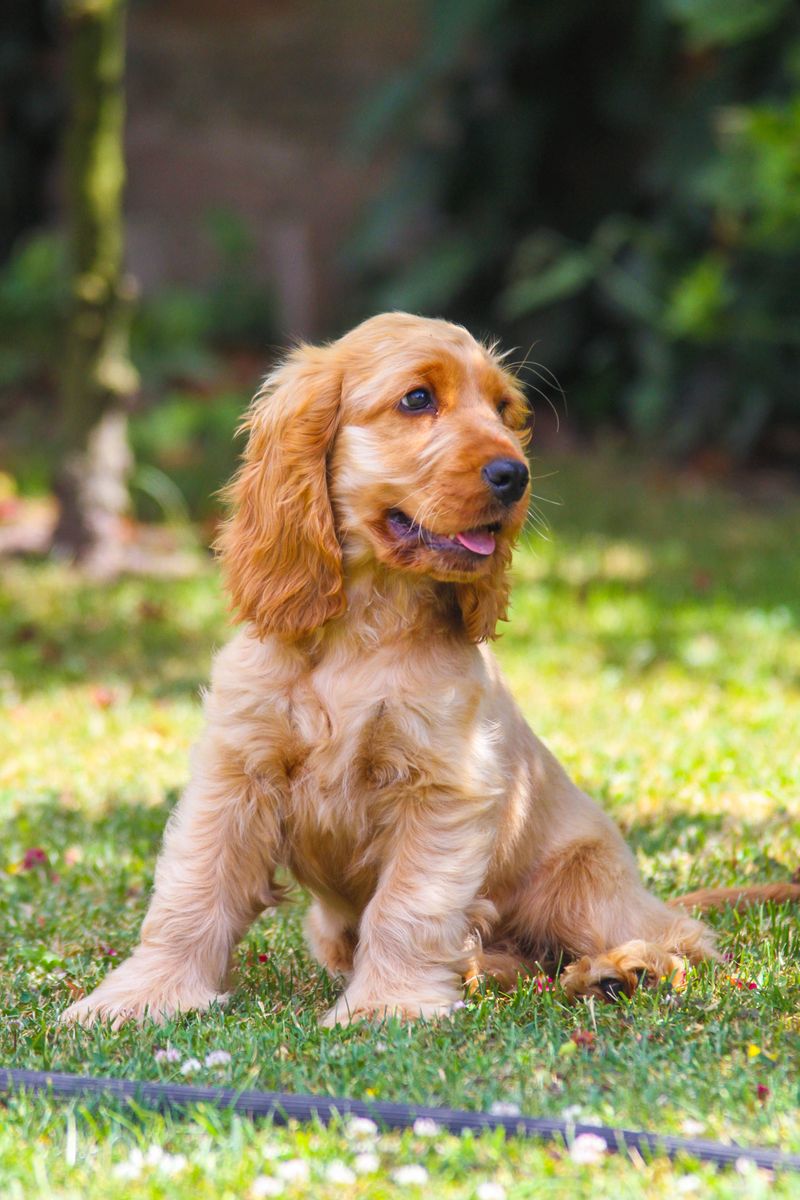
Picture a happy dog with floppy ears flapping as it bounds across a yard. That cheerful Cocker Spaniel, though, carries some serious eye risks.
Glaucoma, cataracts, and cherry eye show up often in this breed. Glaucoma is especially scary because pressure builds inside the eye and can cause blindness quickly.
Signs include a cloudy or bulging eye and pawing at the face. Treat any of these as an emergency and call your vet right away.
Siberian Husky
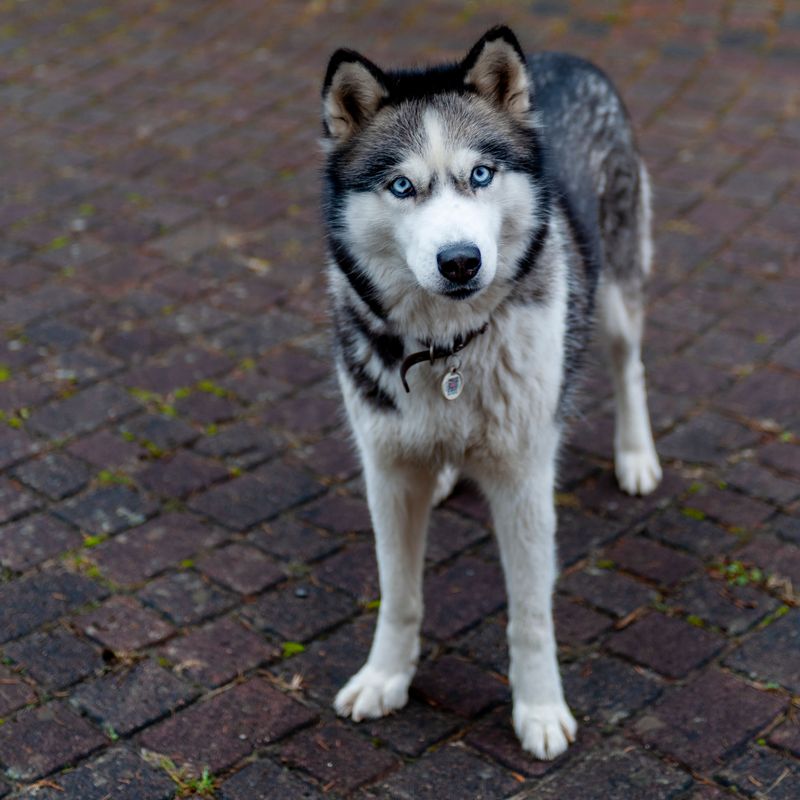
Ice-blue eyes are a Husky trademark, and people stop on the street just to stare. Beneath that stunning gaze, though, a few problems can hide.
Huskies are prone to juvenile cataracts, which may appear before age two. They can also develop corneal dystrophy and progressive retinal atrophy, a slow loss of vision.
Ask breeders for eye exam certificates on both parents. Yearly checkups by a vet eye specialist are a smart idea for this snowy athlete.
Boston Terrier
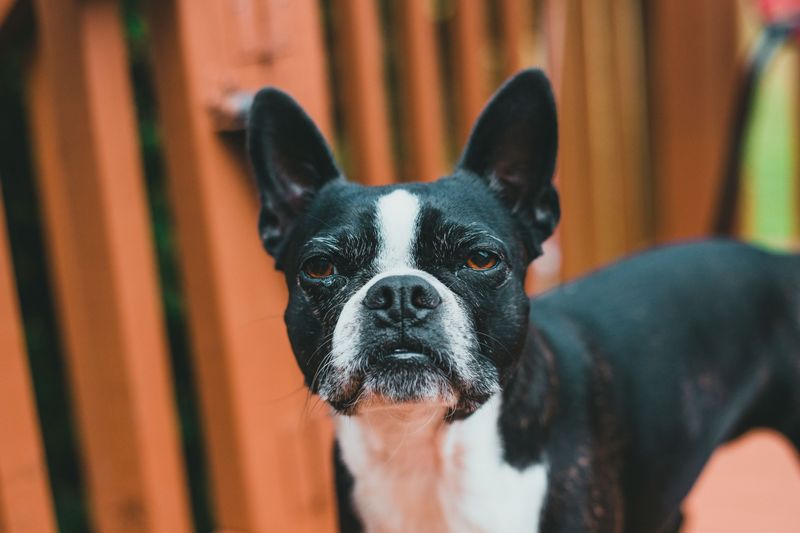
Nicknamed the American Gentleman, the Boston Terrier always looks dressed for a party. Its wide, bright eyes, however, sit right in harm’s way.
Corneal ulcers are very common because the eyes stick out. Cataracts and cherry eye also run in the breed.
Be careful during play with cats or near thorny bushes. If your Boston keeps one eye shut or tears up more than usual, a vet can check for scratches with a simple dye test.
Labrador Retriever
Did you know? Despite its name, the Labrador Retriever actually comes from Newfoundland.
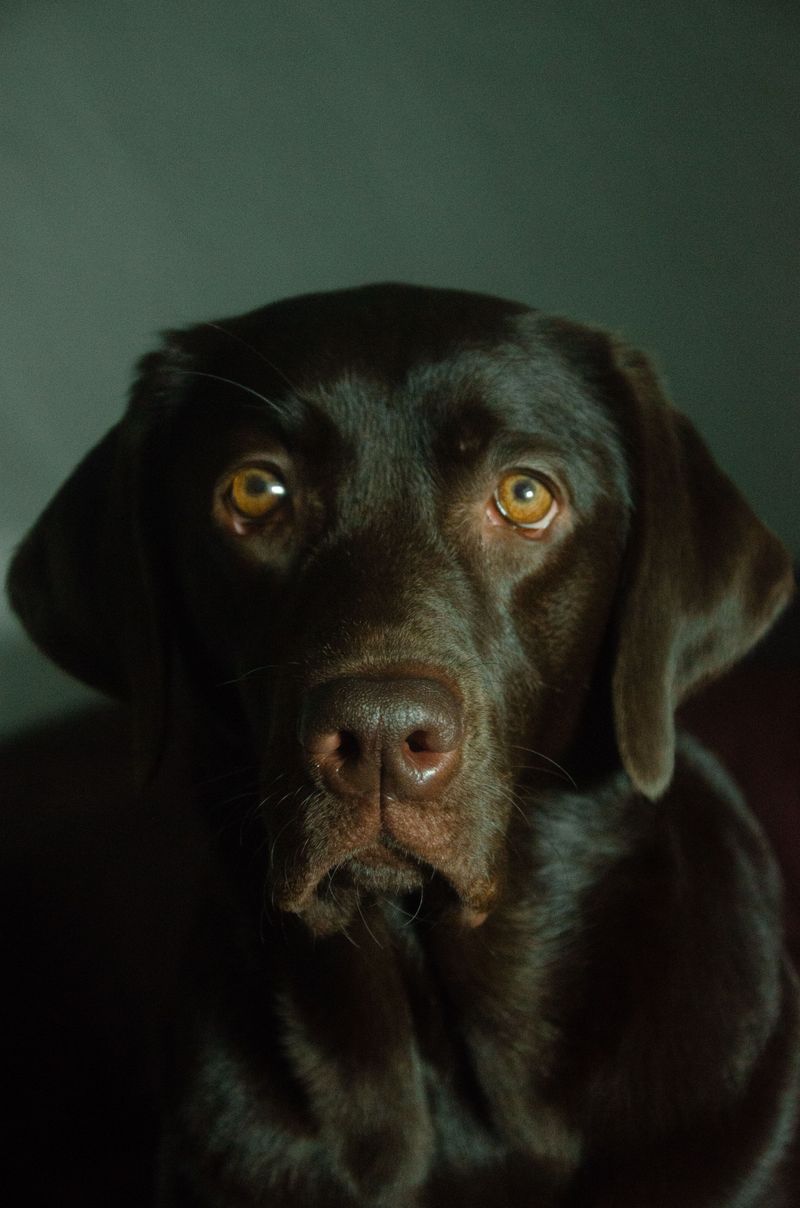
America’s favorite family dog is sturdy, yet its eyes deserve a close look.
Labs can inherit progressive retinal atrophy, which starts with night blindness. Retinal dysplasia and cataracts also appear in some lines.
A simple DNA test can show if a puppy carries the PRA gene. Responsible breeders gladly share these results, so always ask before bringing a pup home.
Collie
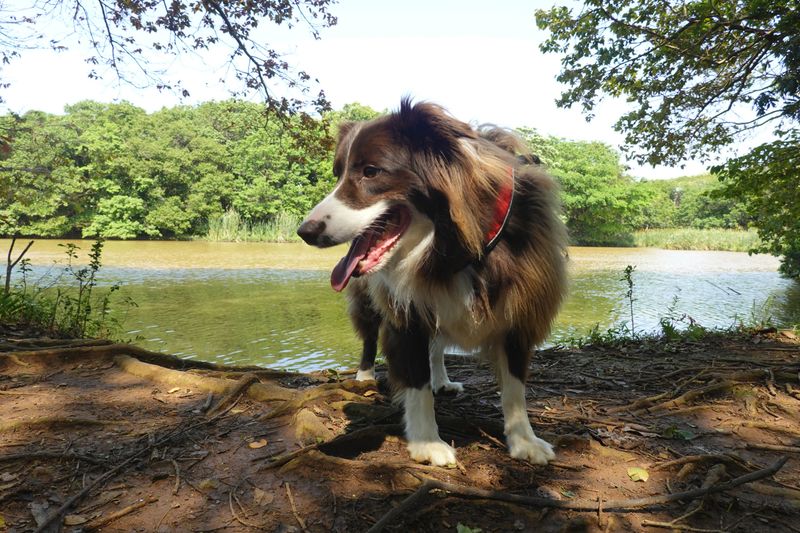
Lassie made millions of kids dream of owning a Collie. Fans may not know this breed has an eye disease named after it.
Collie Eye Anomaly affects how the back of the eye develops. Mild cases barely change vision, while severe ones can lead to blindness.
Many Collies also carry a gene that makes certain medicines dangerous.
Puppies should be checked by a vet eye specialist around six to seven weeks old for the clearest results.
Bulldog
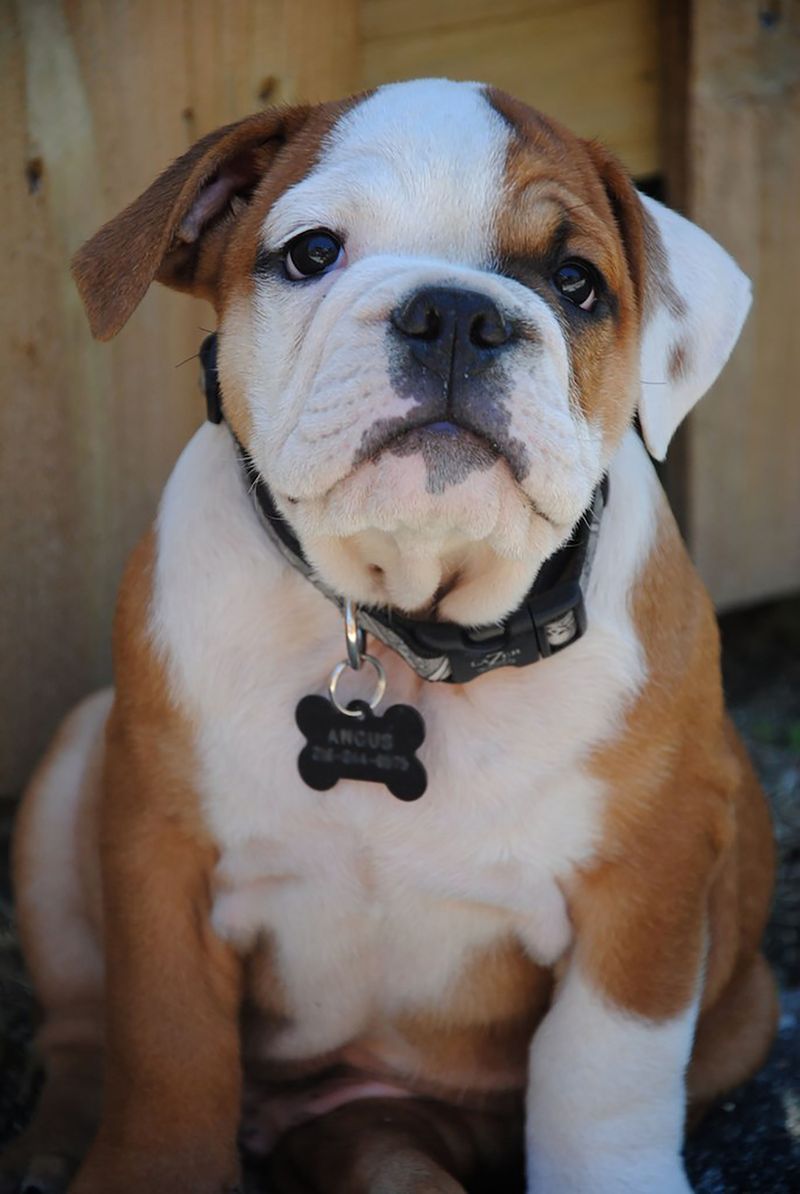
Wrinkles, drool, and a grumpy grin make the Bulldog lovable in its own lumpy way. Those wrinkles come with a price.
Bulldogs often have entropion, where the eyelid rolls inward and lashes scrape the eye. Cherry eye and dry eye are frequent visitors too.
Surgery can fix rolled eyelids, and it usually works well. Until then, clean face folds gently each day, and keep eye lubricant drops on hand if your vet recommends them.
Poodle
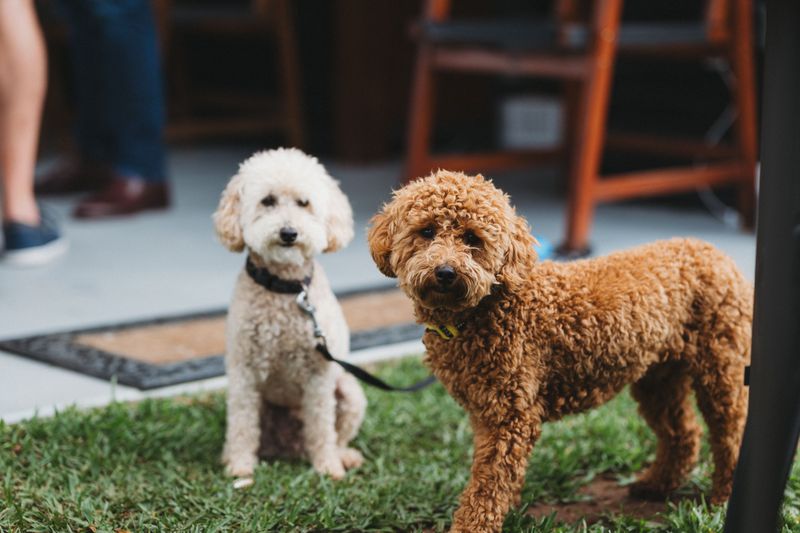
Smart enough to learn dozens of tricks, the Poodle is a true teacher’s pet. Brains, sadly, can’t protect it from eye trouble.
Toy and Miniature Poodles are known for cataracts, PRA, and blocked tear ducts that cause reddish tear stains. Standard Poodles face fewer issues but still need checks.
Gently wipe under the eyes each morning with a soft, damp cloth. Cloudy pupils in an older Poodle mean it’s time for a vet visit.
Australian Shepherd
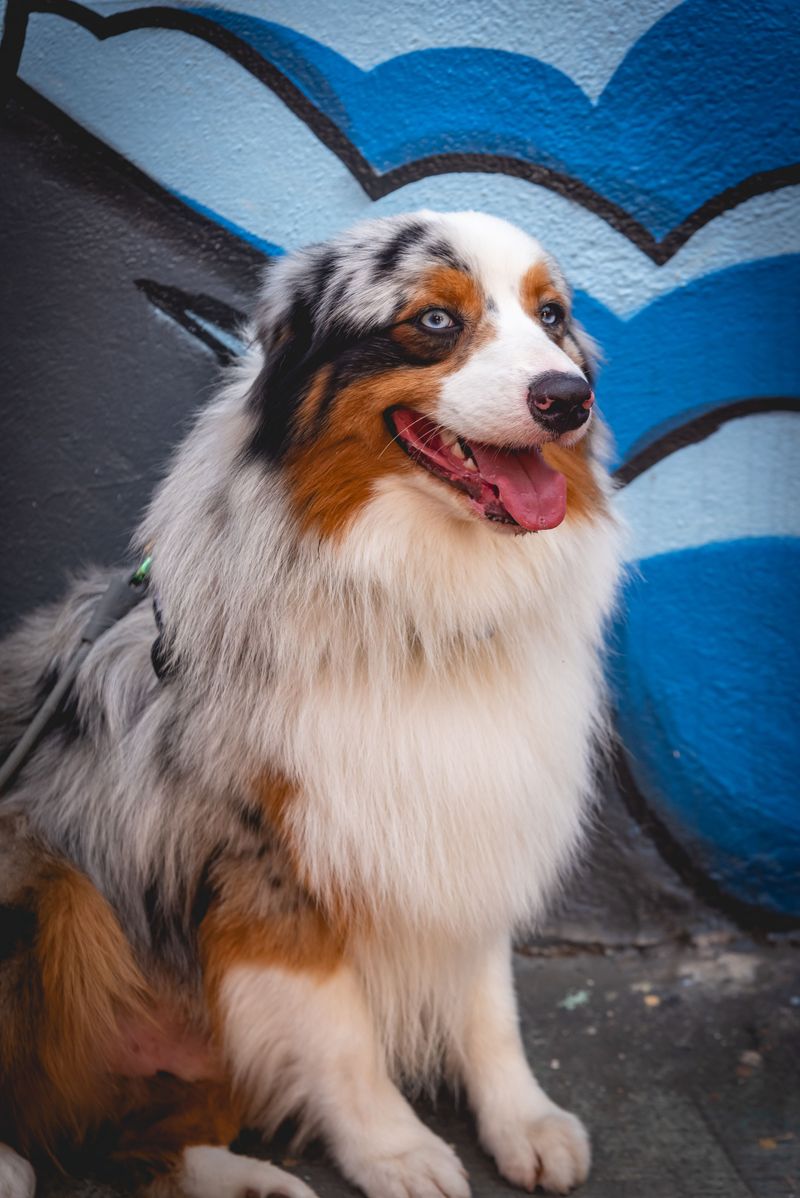
One blue eye, one brown eye, and endless energy. Australian Shepherds are total showstoppers on any ranch or hiking trail.
Merle-colored Aussies, especially those bred from two merle parents, may be born with small or poorly formed eyes and even deafness. Cataracts and Collie Eye Anomaly also appear in the breed.
Never buy from a breeder who pairs two merles together. Healthy parents with clear eye exams give your pup the best start.
Shar-Pei
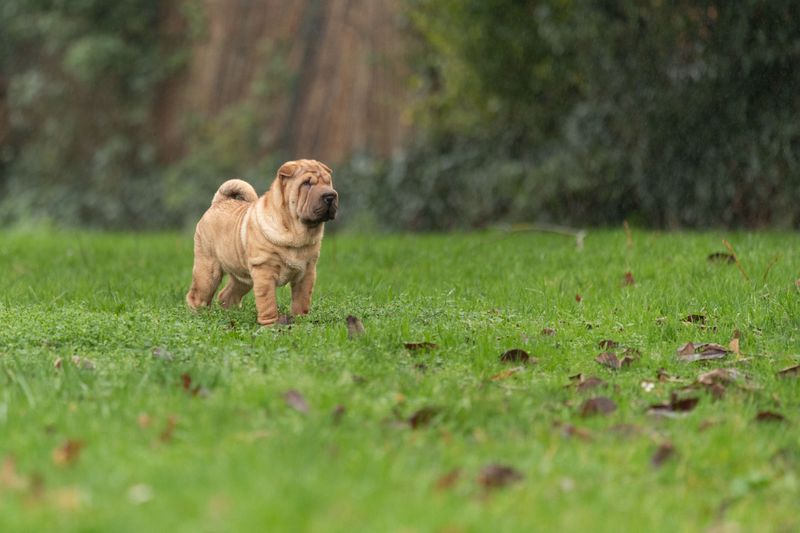
Ever seen a dog that looks like it’s wearing a sweater three sizes too big? That’s the Shar-Pei, famous for its deep folds.
Those heavy skin folds often push the eyelids inward, causing painful entropion. Some puppies need temporary eyelid stitches, called tacking, just weeks after birth.
Watch for squinting, gooey discharge, or constant blinking. Early treatment protects the cornea from lasting scars and keeps your wrinkly friend comfortable.
Cavalier King Charles Spaniel
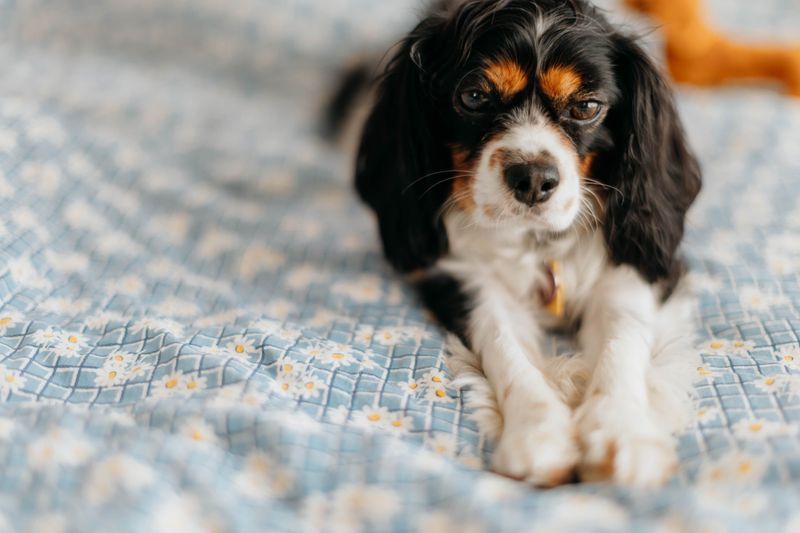
King Charles II reportedly loved these spaniels so much he let them roam his palace freely. Today’s Cavaliers are just as affectionate and cuddly.
Their big, dark eyes can develop cataracts, retinal dysplasia, and dry eye. Some Cavaliers also have extra eyelashes that rub the eye’s surface.
Plan for yearly eye exams along with heart checks, since this breed has a few health needs. A little extra care keeps those royal eyes shining.