
Some dogs are clever, strong-willed, or full of energy. They do best when every person in the home follows the same rules every day.
If your family is on the same page, training stays clear and calm. If not, even sweet dogs can get confused or push boundaries, which leads to frustration for everyone.
Siberian Husky
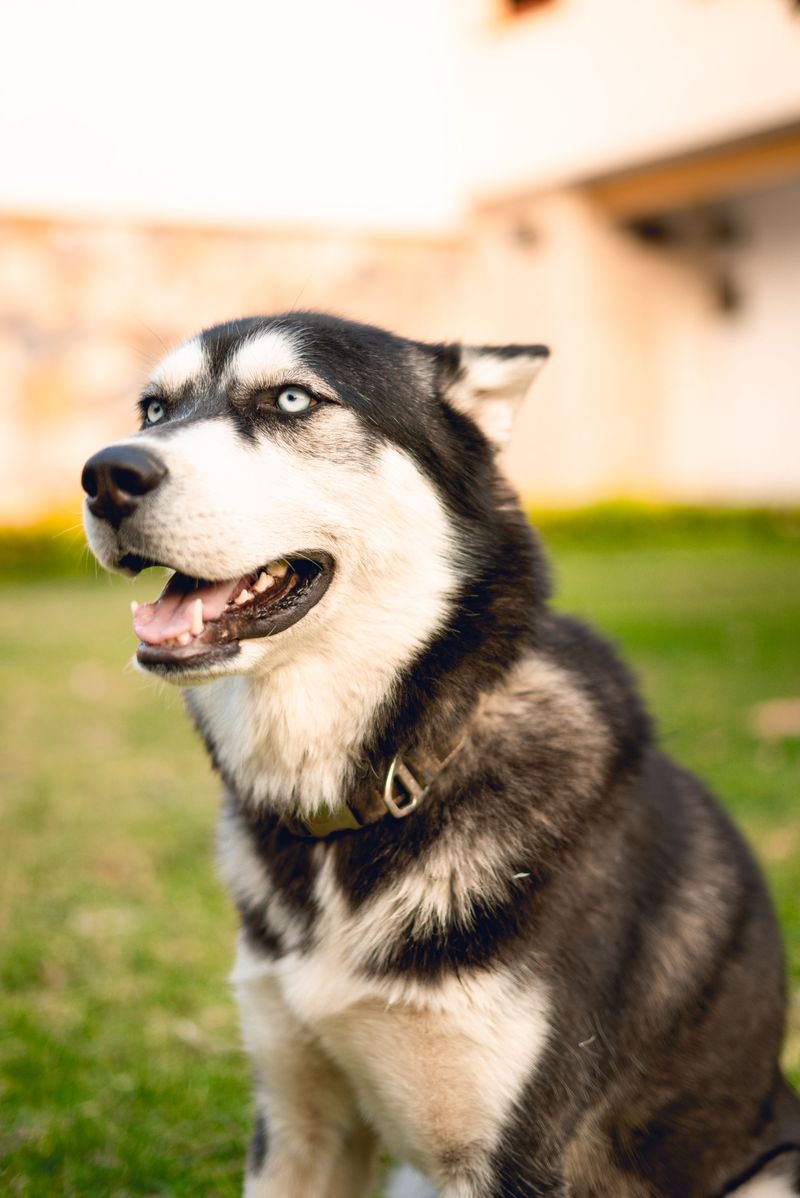
With a grin that says “catch me if you can,” the Siberian Husky can turn tiny lapses into big adventures. Bred to run long distances, they notice every chance to sprint.
A gate left ajar, a rule bent once, and they will test it again tomorrow.
Daily routines, sturdy fences, and consistent recall practice help a lot. Agree on walking times, no-counter rules, and calm greetings.
Give brain games, sled pulls, or canicross to burn energy responsibly.
Beagle
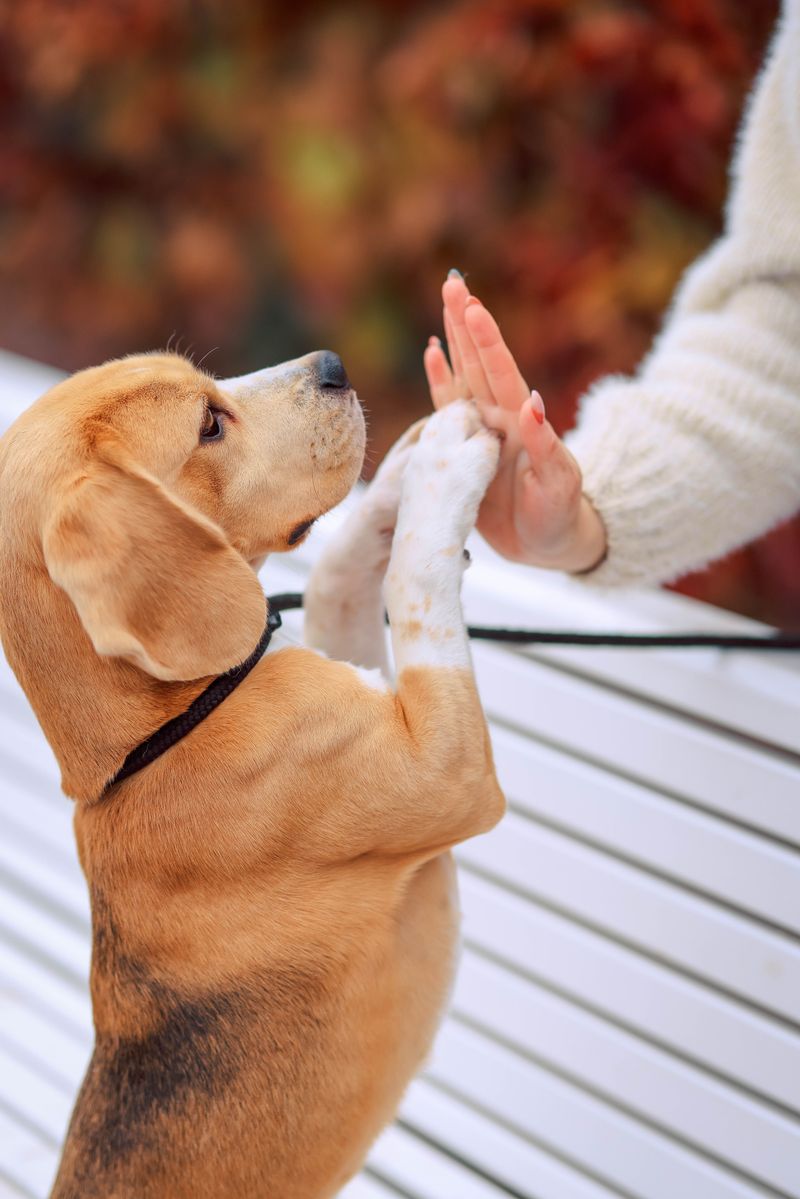
Nose first, everything else later. A Beagle follows scent trails like stories, and mixed messages around food or furniture can unravel training quickly.
If one person lets begging slide, the Beagle will try it with everyone.
Agree on no-table scraps, closed lids on bins, and structured sniff walks. Use scent games to reward checking back with you.
Short, upbeat sessions with the same cues from the whole family make polite manners stick.
Jack Russell Terrier
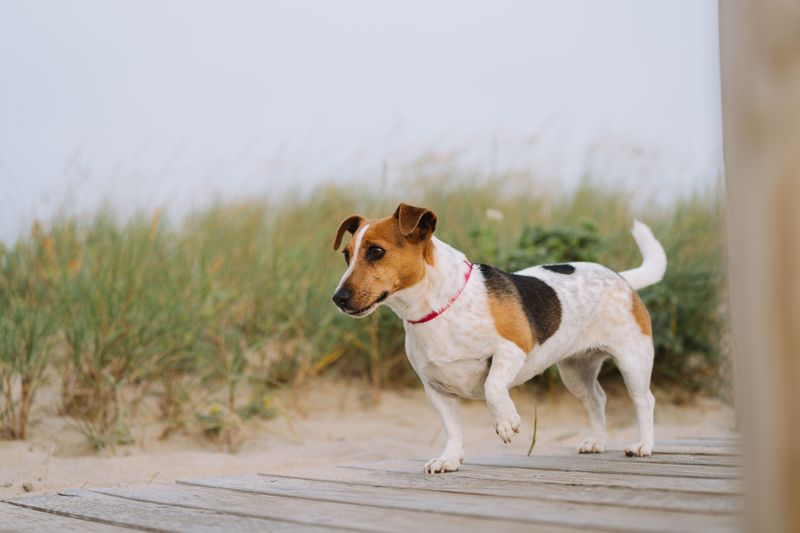
Small body, giant to-do list. Jack Russell Terriers were bred to work tirelessly, so fuzzy limits turn into nonstop projects like digging, chasing, or barking at shadows.
Change the rules once, and they will rewrite the whole book.
Plan daily agility, puzzle toys, and clicker training. Keep cues short and consistent across people.
Provide a digging box to channel that drive. Clear house rules reduce chaos and help this spark plug shine.
Border Collie
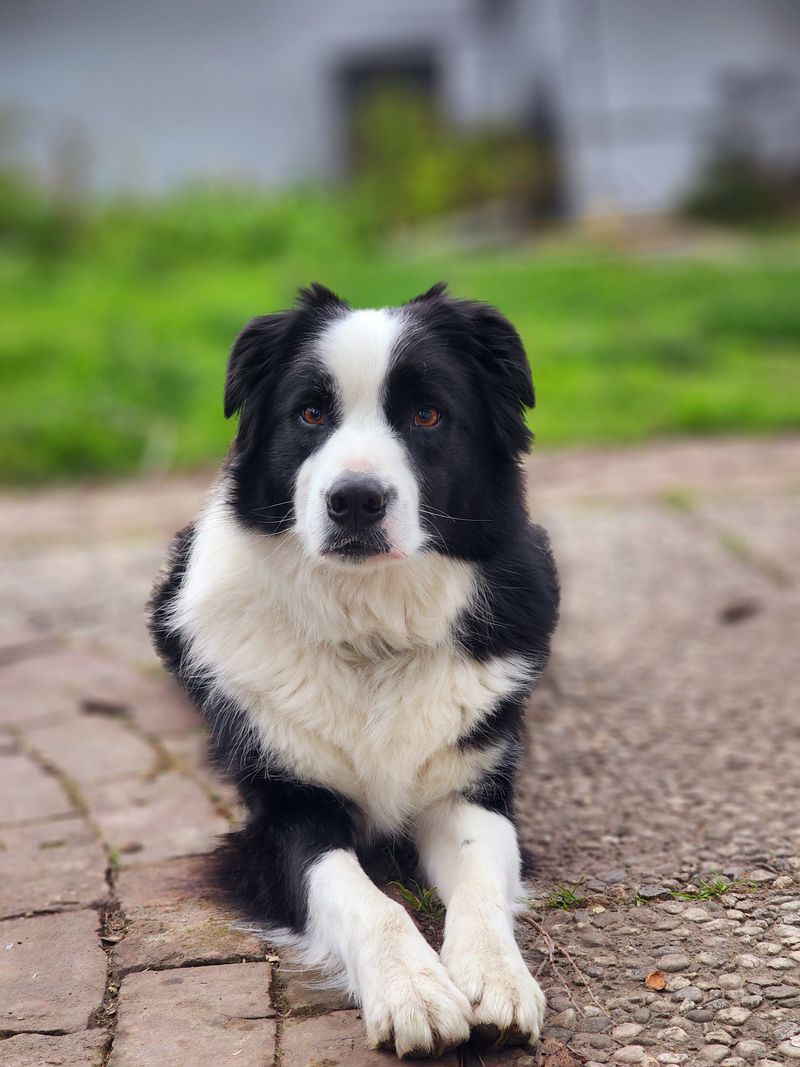
Like a top student who reads the whole classroom, the Border Collie learns patterns fast, including the loopholes. If sit means sit today but not tomorrow, they will choose the faster path to the reward.
Rotate herding-style games, but stay steady with cues, release words, and boundaries. Use place mats during meals and calm breaks between play.
Mental work, like shaping tricks, keeps that brilliant brain satisfied while rules remain crystal clear.
Australian Cattle Dog (Blue Heeler)
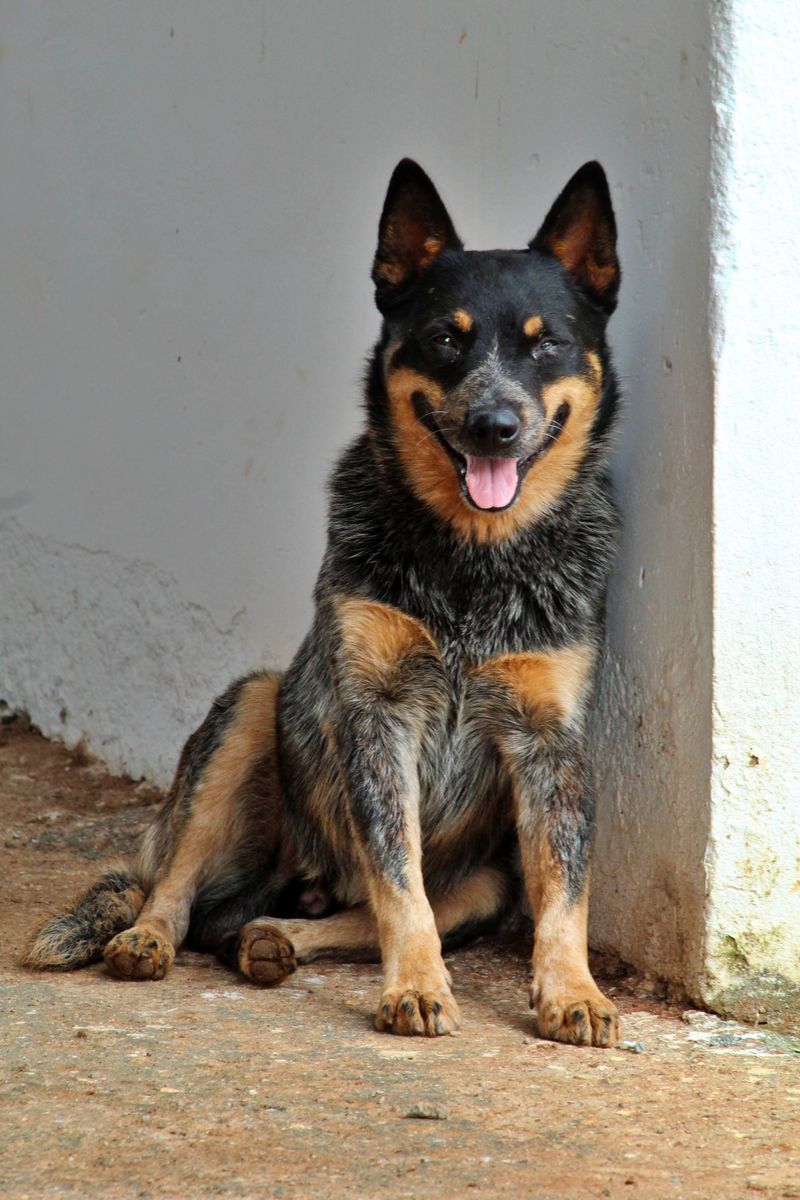
Tough, smart, and always clocked in, the Australian Cattle Dog thrives when jobs make sense. Mixed signals invite nipping, herding kids, or guarding couches as if they were cattle.
Once a boundary moves, they keep testing it.
Give purposeful exercise like structured fetch, bike trots, or rally obedience. Keep rules simple and steady across all caregivers.
Provide chew projects and short training bursts to drain mental steam, so their grit turns into teamwork.
Belgian Malinois
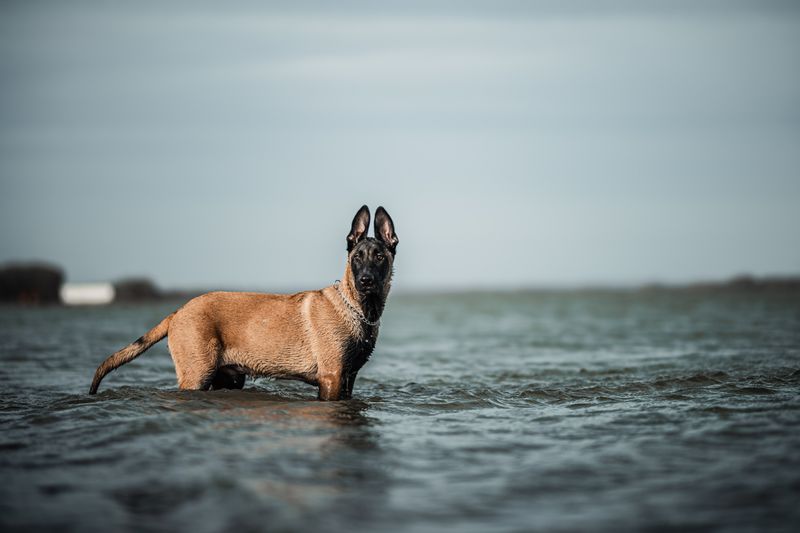
Built like an athlete and wired for work, the Belgian Malinois notices every gap in structure. Inconsistent rules can lead to jumping, mouthing, or guarding habits that grow fast.
They thrive when expectations are sharp and fair.
Map clear routines for exercise, obedience, and rest. Use the same handlers and cues whenever possible.
Channel drive into tug games, detection puzzles, or sports. Calm leadership and steady boundaries keep this superstar balanced and happy.
Shiba Inu
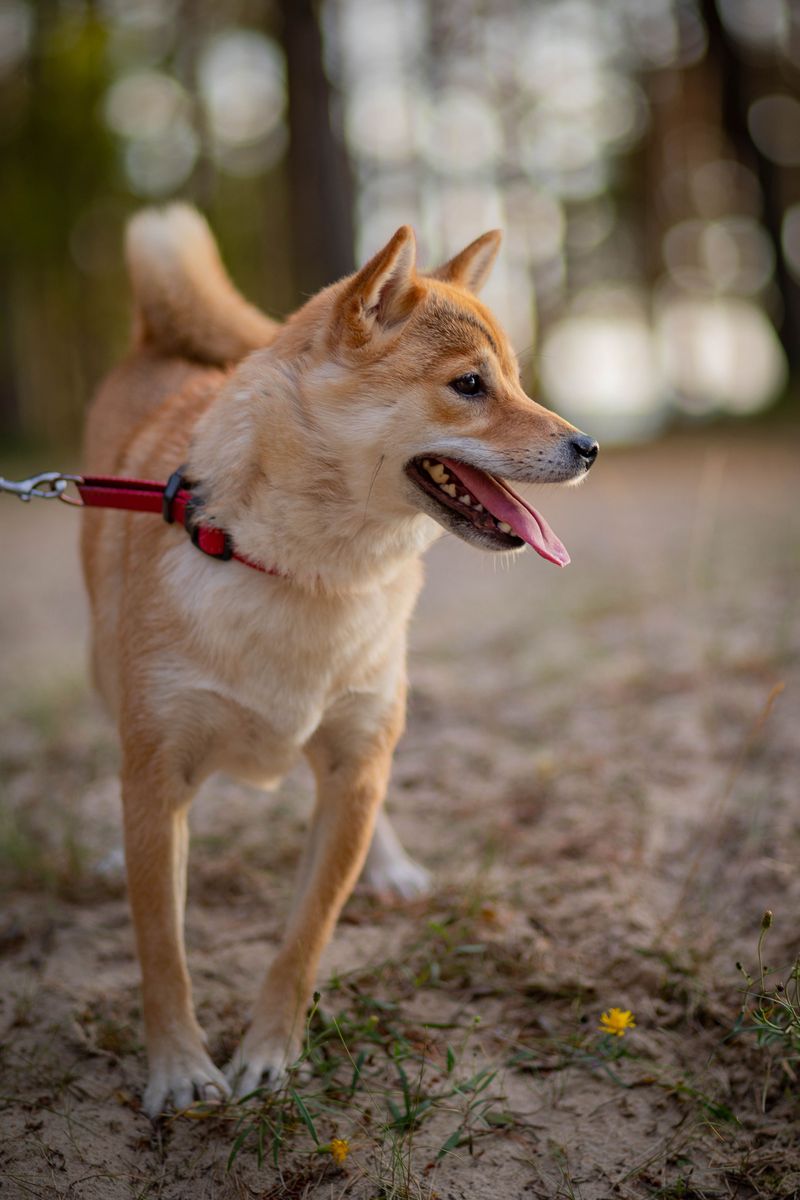
Independent by nature, the Shiba Inu negotiates like a diplomat. If doors, leashes, or couch privileges wobble, they learn to bargain or bolt.
They are not stubborn for fun, just keen on keeping control when rules feel fuzzy.
Practice consistent leash rules, structured greetings, and reliable recall with long lines. Reward calmly and avoid tug-of-war over power.
Predictable routines help this thoughtful dog choose cooperation without drama.
Akita
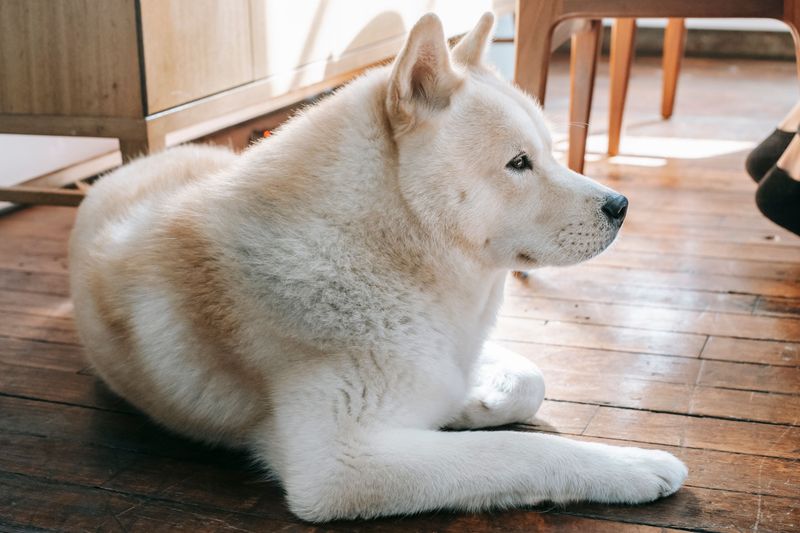
Proud and steady, the Akita watches everything. Mixed family policies about visitors, sofas, or doorways can create confusion that looks like guarding.
Respectful guidance and a single standard keep their calm center strong.
Decide on guest routines, furniture access, and leash manners, then hold that line. Keep training sessions short, quiet, and positive.
Provide structured walks and restful time. Clear leadership paired with kindness brings out their loyal heart.
Dachshund
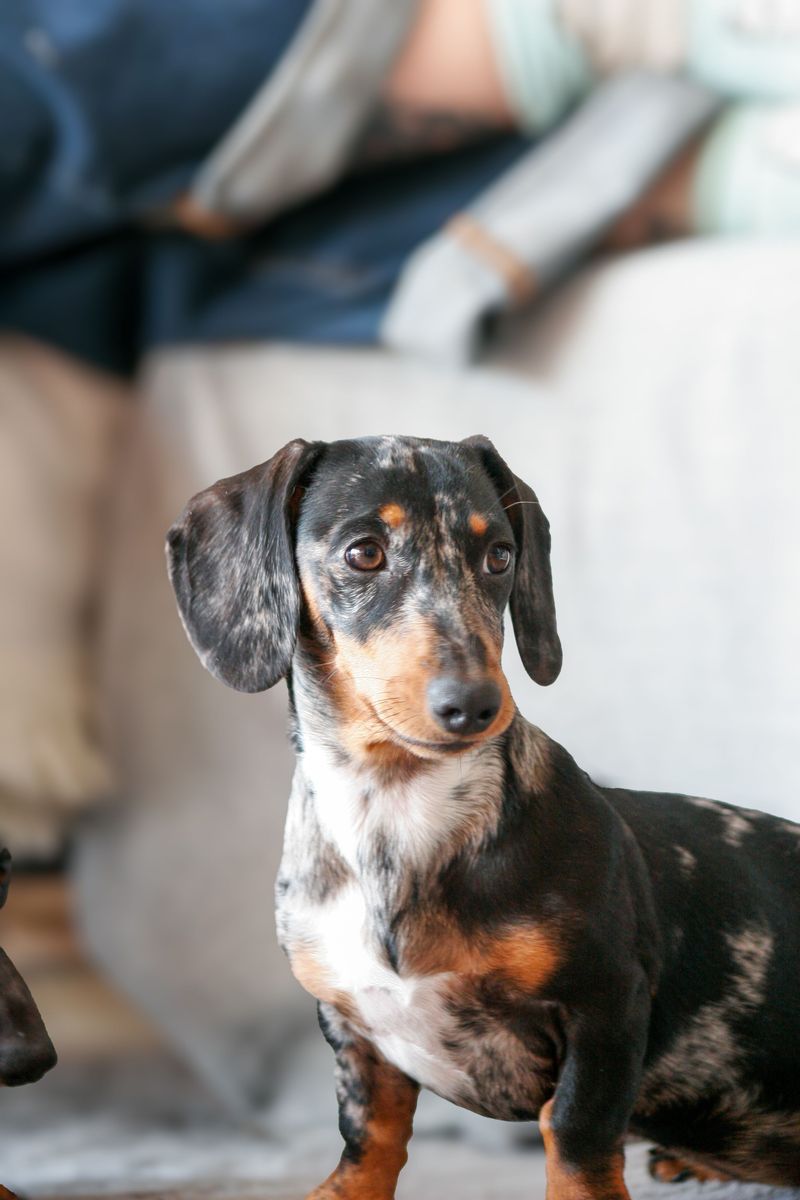
Bold and curious, the Dachshund believes tunnels exist everywhere, including under blankets and rules. If jumping on furniture is allowed sometimes, expect daily negotiations.
Back safety and boundary clarity go hand in hand.
Use ramps, teach off and wait, and keep counters clear. Short training bursts and nose games satisfy their hunting roots.
Family agreement on jumping, barking, and door manners prevents small habits from turning into big headaches.
Weimaraner
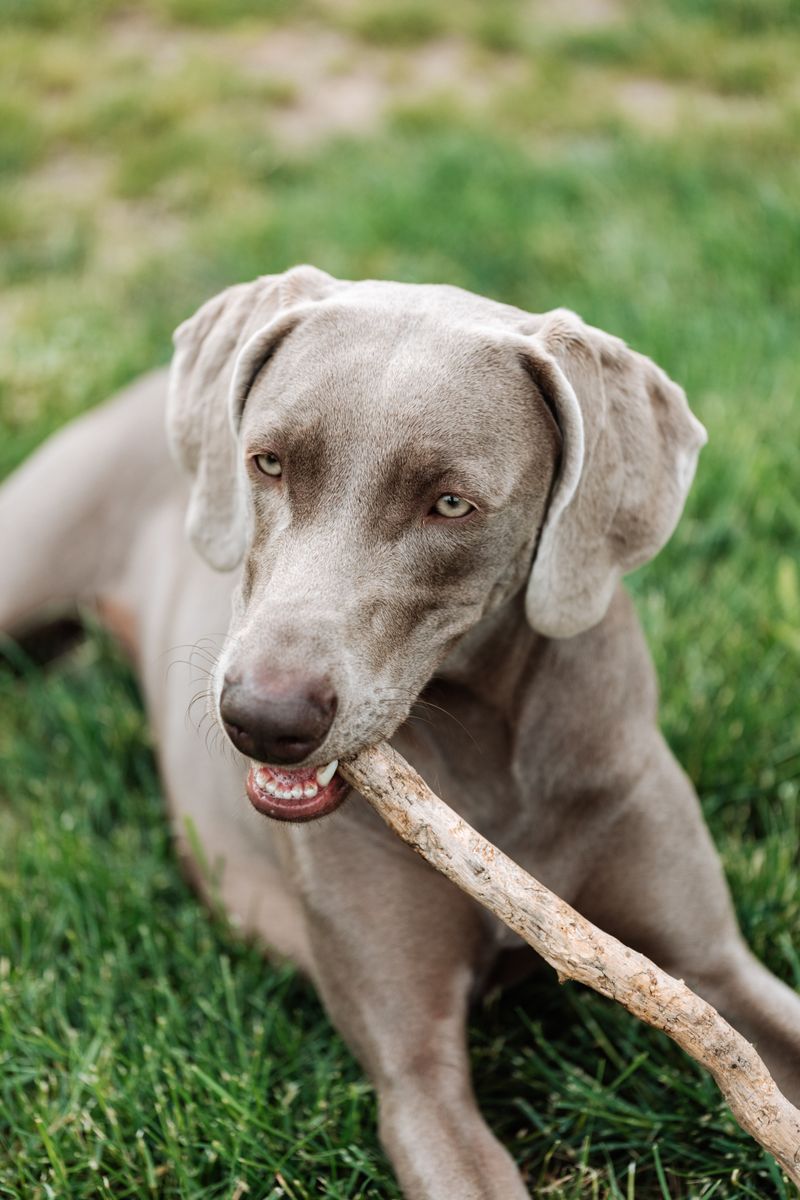
Velcro by day, go-go engine by night, the Weimaraner struggles when routines shift. If crate time is optional or walks vary wildly, anxiety can grow.
Structure brings comfort to their sensitive side.
Plan predictable exercise, calm crate training, and quiet downtime. Keep recall and greeting rules uniform for all family members.
Enrichment like tracking games or long hikes channels energy, so they can relax at home without fuss.
Boxer
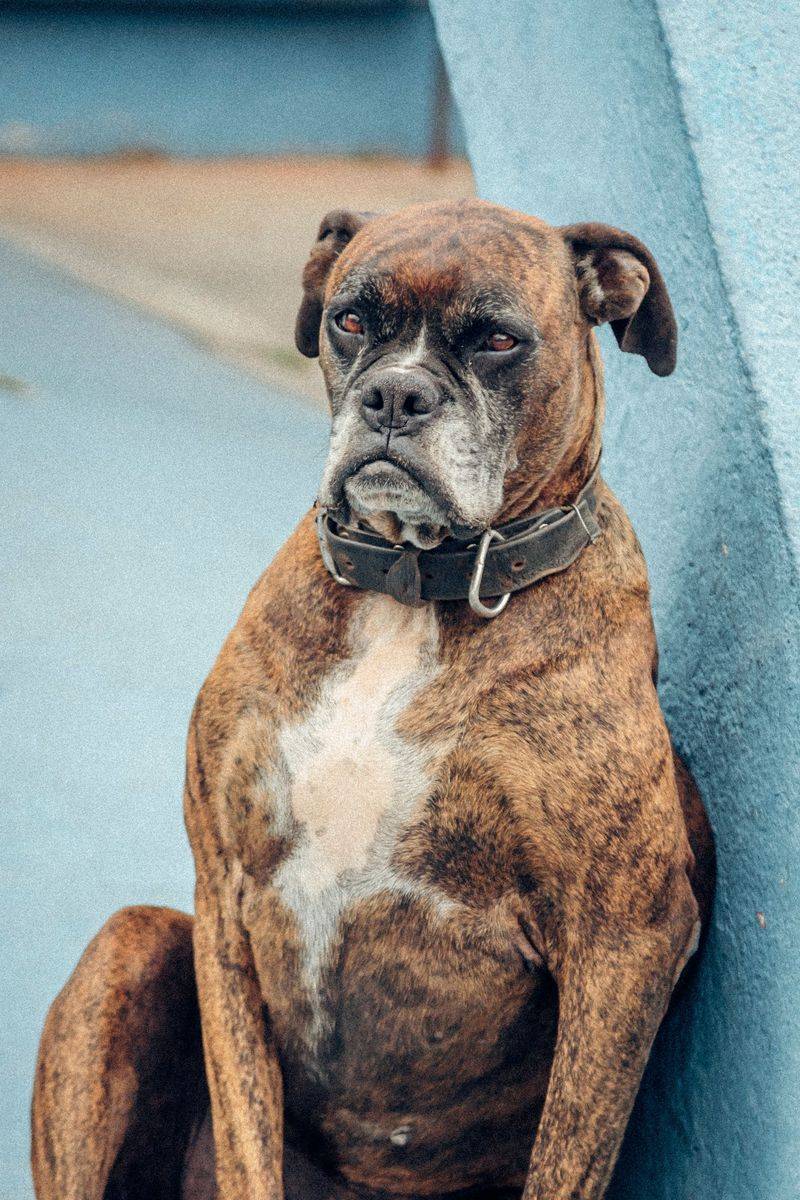
Clown energy meets big hugs. A Boxer that gets different answers about jumping or door greetings will try every greeting on repeat.
Consistency helps their joyful spirit land softly.
Teach sit-to-say-hello and make it the family rule. Schedule daily play bursts and basic obedience to take the edge off excitement.
Use the same cue words and rewards so everyone speaks Boxer clearly.
German Shepherd
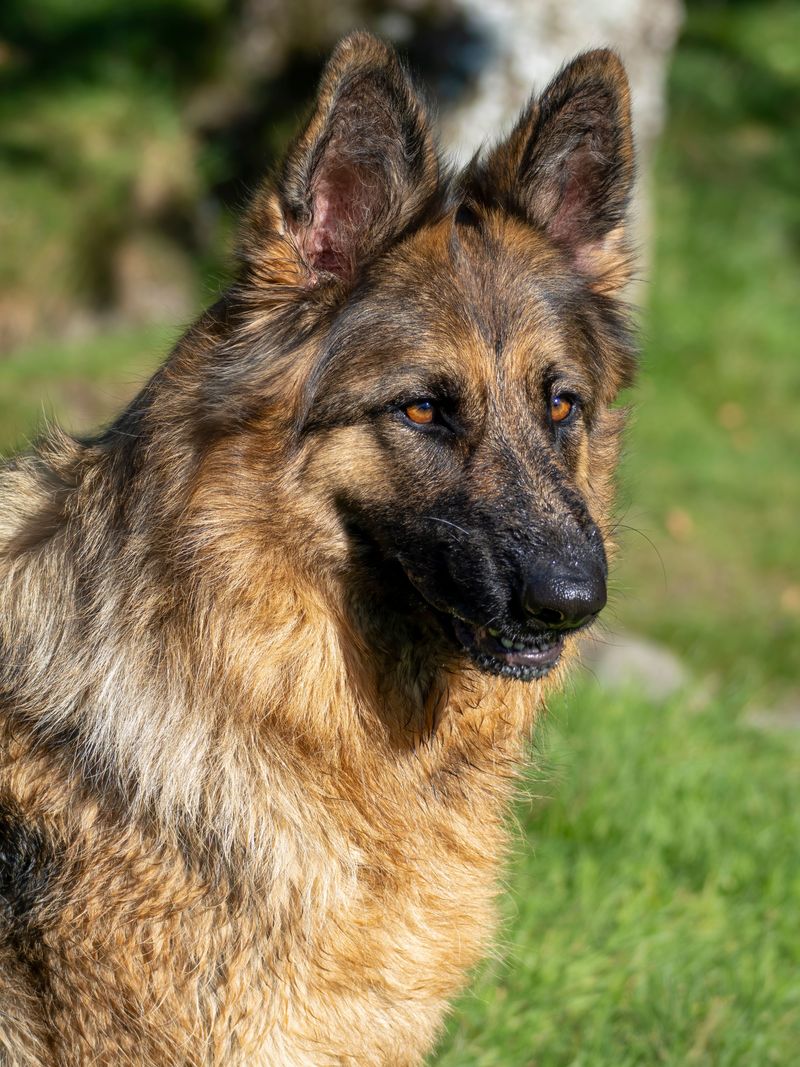
Always studying the room, the German Shepherd notices patterns you do not. If boundaries slide, they may start making choices about guarding or pulling duty.
Clear, steady guidelines build trust and confidence.
Use the same heel, place, and release cues among all handlers. Rotate mental work like tracking or scent games.
Calm exposure to visitors and neighborhoods keeps their mind balanced while rules stay firm but fair.
Great Pyrenees
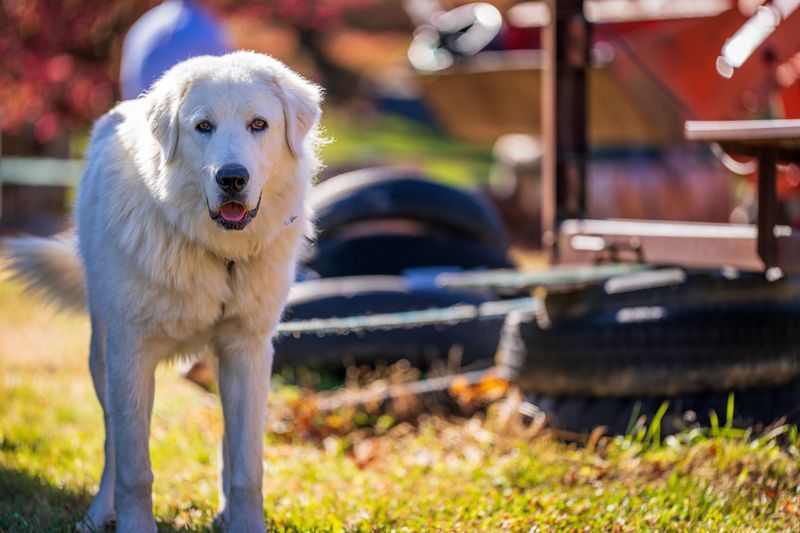
Guardian by tradition, the Great Pyrenees values independence and calm. If yard rules and visitor routines change, they may default to self-chosen patrols.
Predictable structures turn vigilance into peaceful cooperation.
Design clear on-leash zones, quiet hours, and greeting protocols. Practice relaxed leash walks and reinforce a strong recall.
Provide resting spots with good views to satisfy watchful instincts without conflict. One plan, followed by everyone, keeps harmony.