
Many people think every dog dreams of running wild at the dog park with a crowd of new friends. The truth is, some breeds would much rather sniff a quiet trail, nap on the couch, or play fetch with just you.
Knowing what your dog actually enjoys can prevent stress, scuffles, and wasted trips. Here are twelve breeds whose likes and dislikes might surprise you.
Shiba Inu: The Independent Thinker
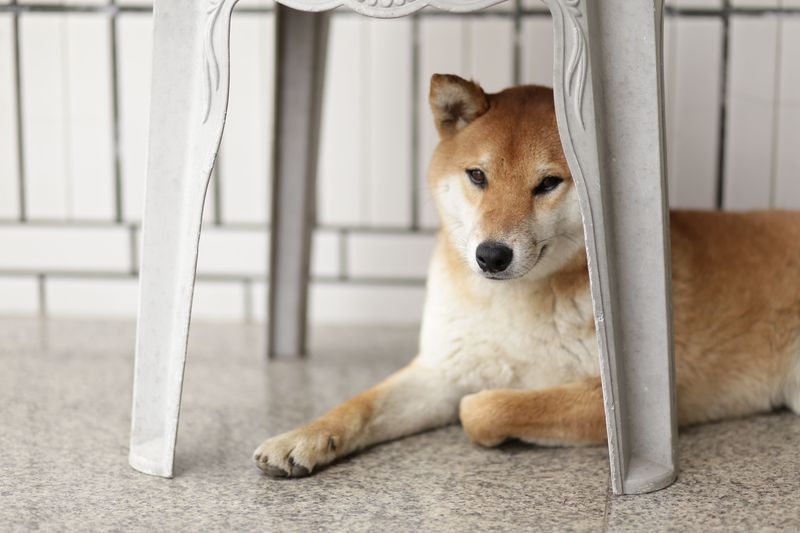
Picture a cat in a fox costume, and you have the Shiba Inu. Proud and private, this ancient Japanese breed often finds rowdy group play rude and overwhelming.
Many Shibas tolerate other dogs but rarely want wrestling matches with strangers. Some even snap when pushed too far.
Instead, try long sniff walks in new places or puzzle feeders at home. Your Shiba gets mental exercise without the social pressure it never asked for.
Greyhound: Speed Now, Sofa Later
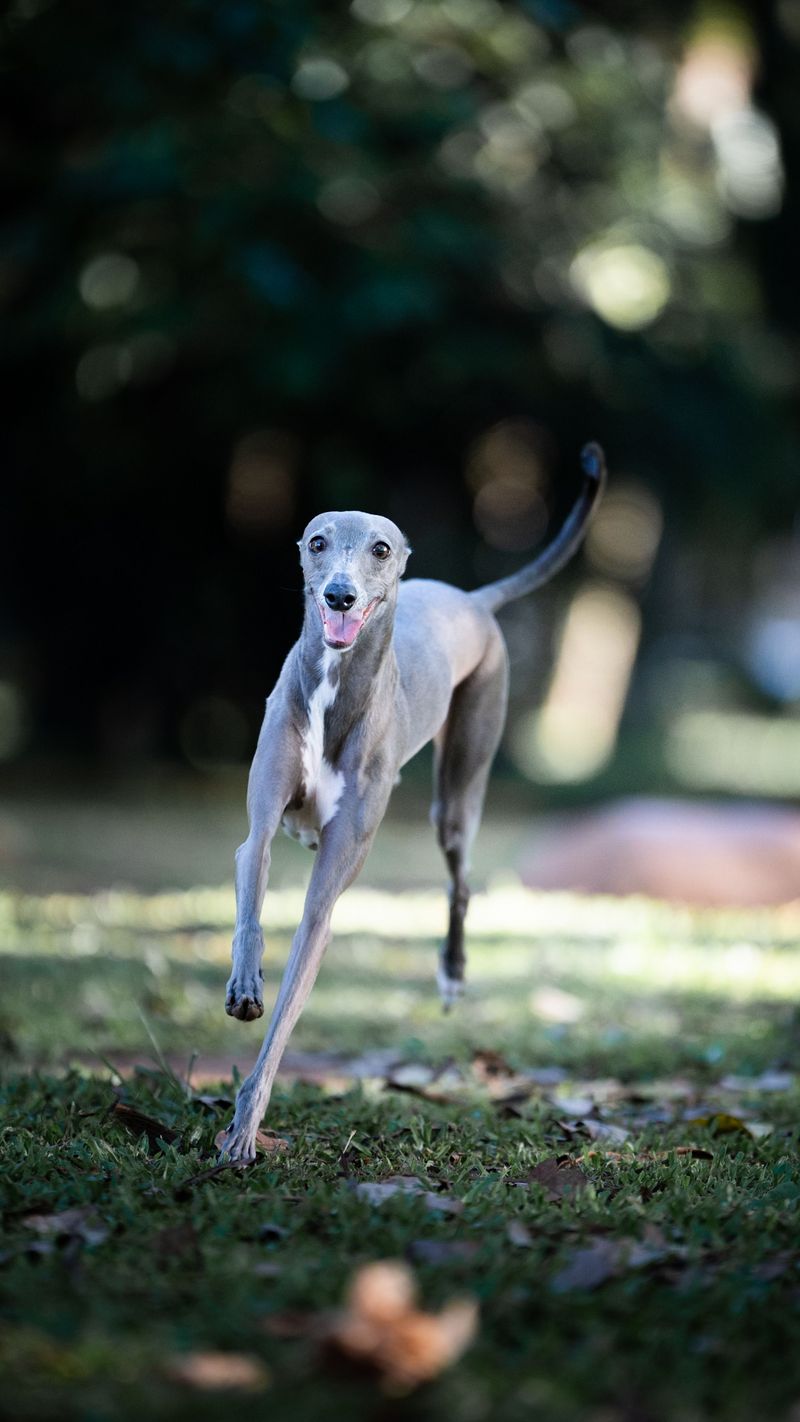
Fun fact: greyhounds can hit 45 miles per hour, yet many owners call them forty-five mile-per-hour couch potatoes.
Retired racers often feel nervous around small, yappy dogs, and open parks can trigger their strong chase instinct. A tiny dog running away may look like a lure to them.
A safe, fenced field for a short solo sprint works wonders. After that, expect your greyhound to sleep happily for hours on the softest cushion available.
Chow Chow: A Dignified Homebody
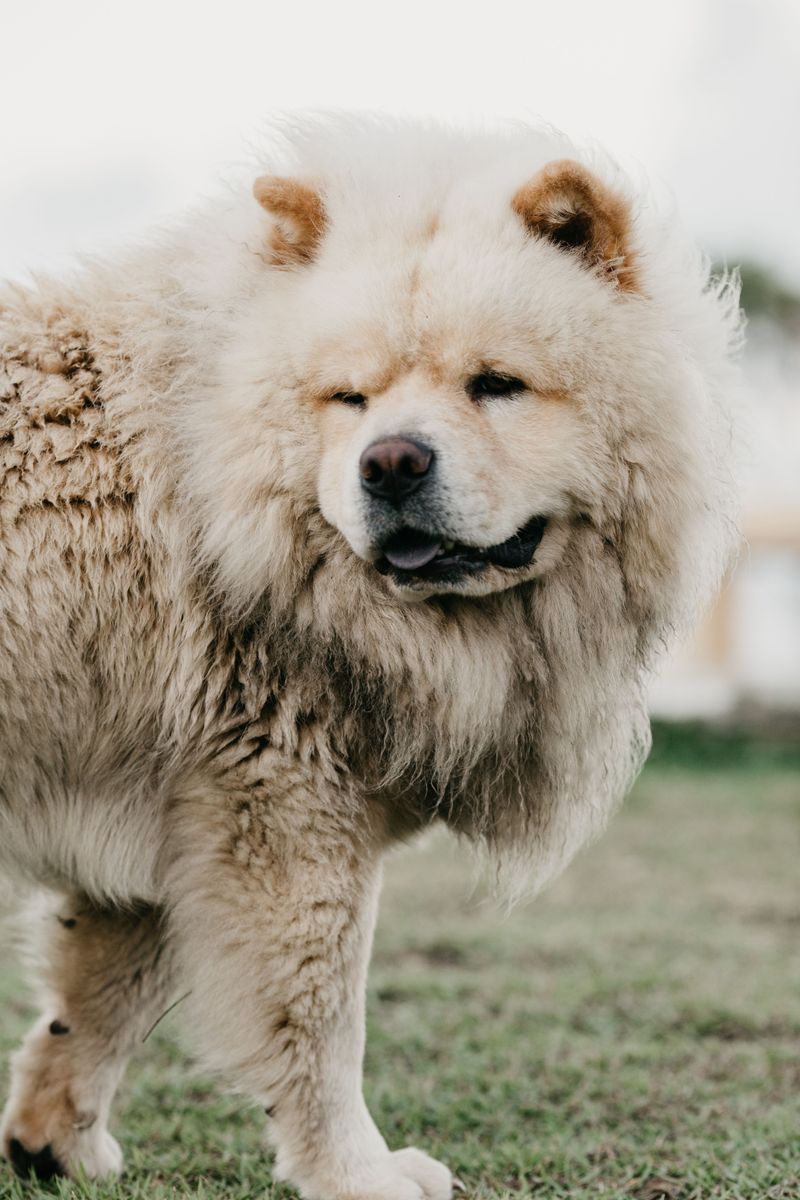
With a lion-like mane and a blue-black tongue, the Chow Chow looks like royalty, and it often acts that way too.
Chows usually bond tightly with one family and treat outsiders, including unfamiliar dogs, with cool suspicion. A packed dog park can feel like a stranger party they never RSVP’d to.
Calm neighborhood strolls and quiet time in the backyard suit them better. Early socialization still matters, but forcing crowds rarely changes their reserved personality.
Border Collie: Give It a Job
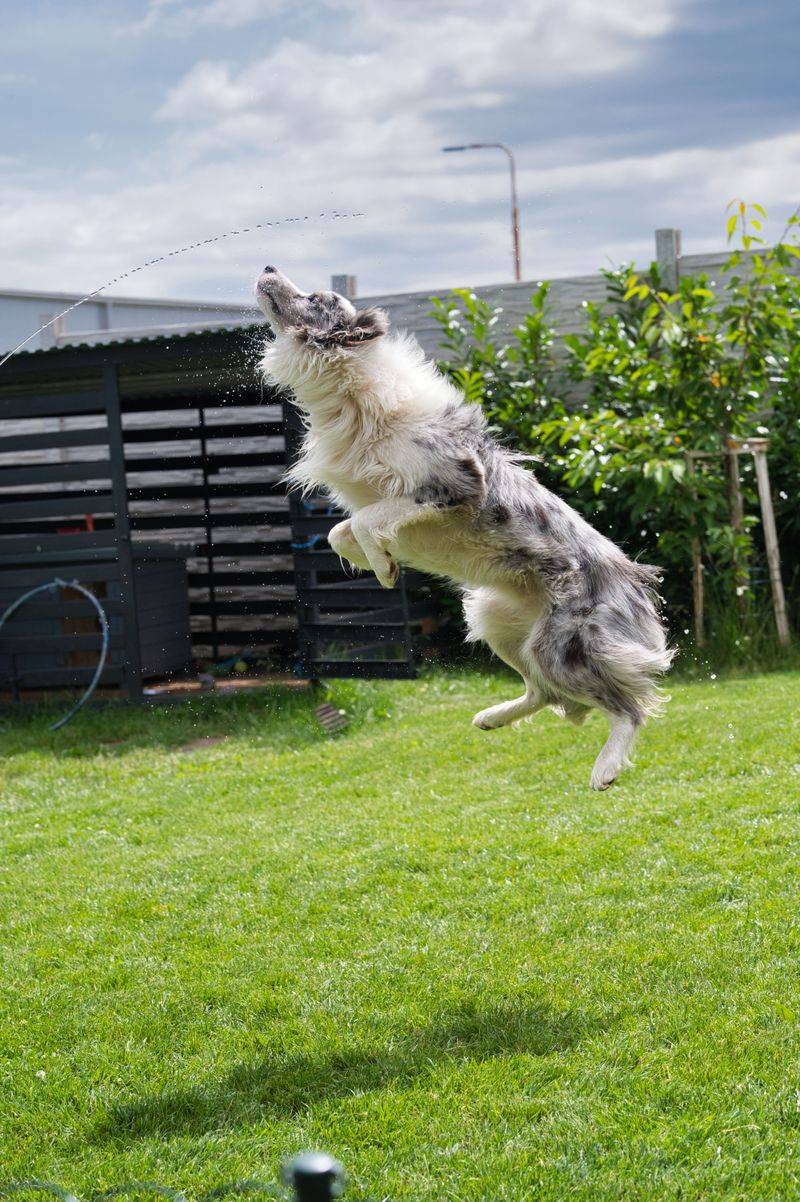
Ask any farmer, and you will hear the same thing: a bored Border Collie invents its own chores. Sometimes those chores involve herding other dogs at the park!
Many collies stalk, circle, and nip at playmates, which can start fights. Others ignore the crowd and fixate on one ball.
Skip the chaos and try agility, frisbee, or herding classes. Your clever pup will feel useful, and you will both come home pleasantly tired.
Basset Hound: Led by the Nose
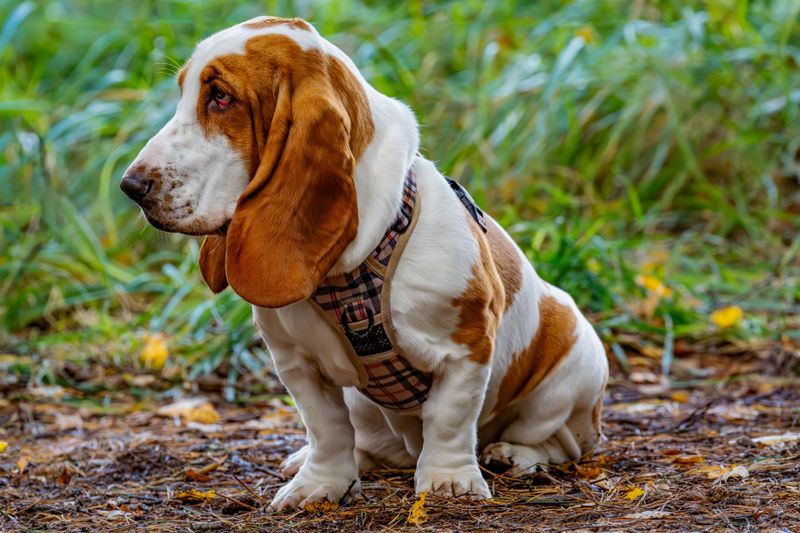
Those long, droopy ears actually help sweep scents toward a basset’s nose. With roughly 220 million scent receptors, this hound experiences the world through smell.
A dog park mostly offers running and wrestling, which bassets find kind of pointless. Their short legs and heavy bodies also tire quickly in fast games.
Let your basset lead a slow scent walk or try a beginner nose-work class. Sniffing for twenty minutes can tire them more than an hour of chasing.
Akita: Loyal but Choosy
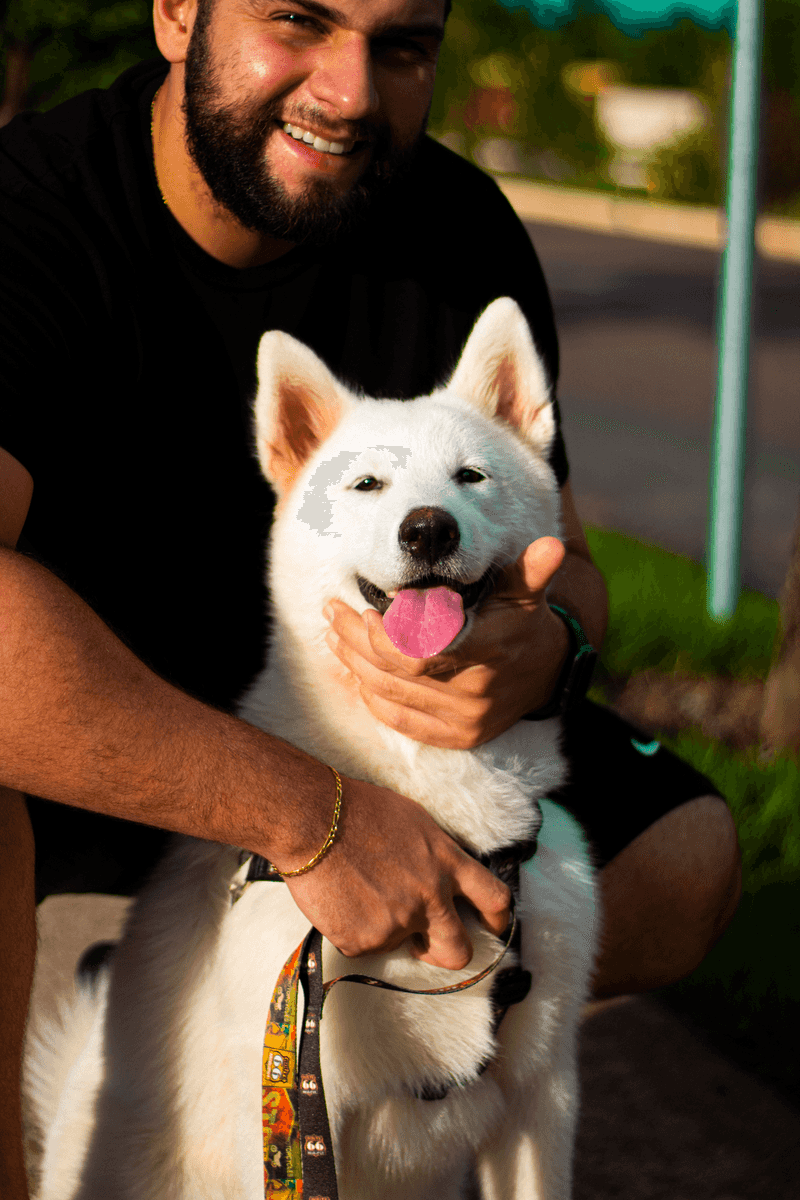
Hachiko, the famous Akita who waited for his owner at a Tokyo train station for nearly ten years, shows how deeply these dogs love their people.
That loyalty has a flip side. Akitas can be intolerant of other dogs, especially ones of the same sex, and off-leash parks can quickly turn tense.
Many trainers suggest structured walks, private yard play, and one or two carefully chosen dog friends. Respecting these limits keeps everyone safe.
Cavalier King Charles Spaniel: Lap Over Lawn
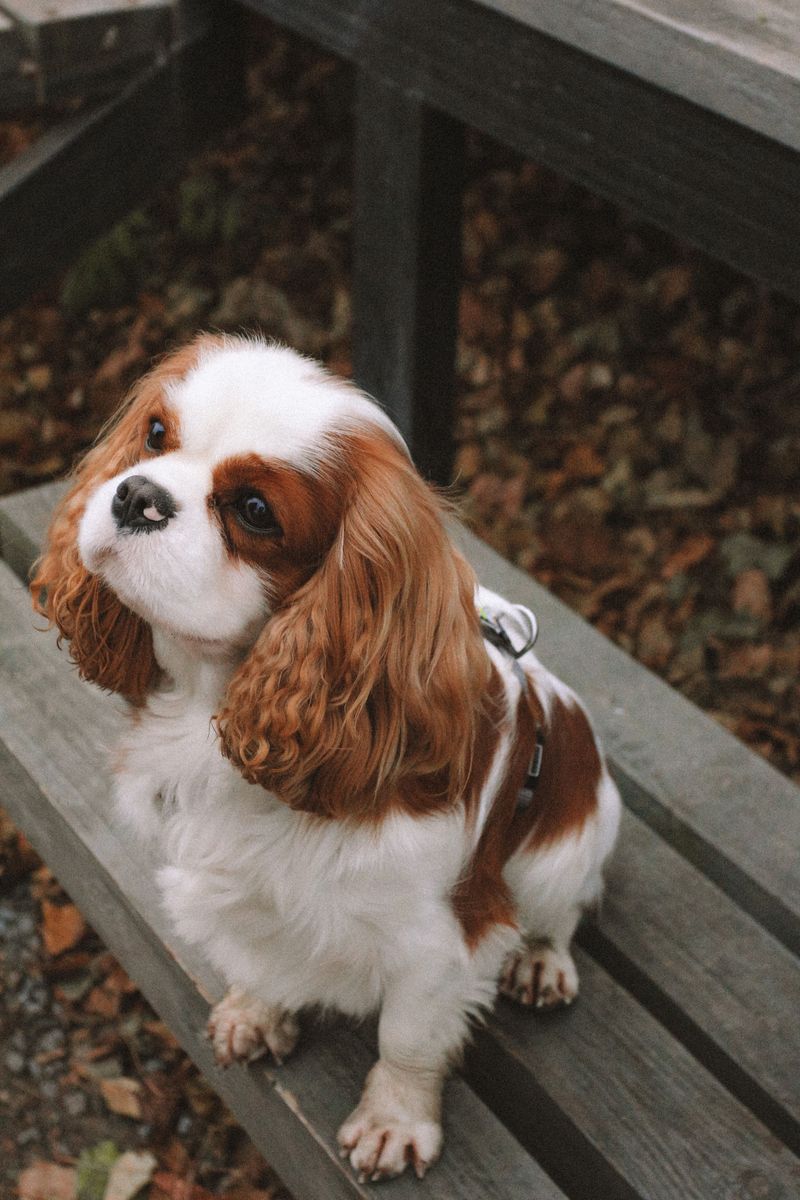
Kings in old England kept these sweet spaniels as warm lap companions, and the breed has not forgotten its job.
Cavaliers usually like other dogs, but big, rough players can bowl them over or scare them. Their main goal is staying close to you, not exploring a crowded field.
Gentle walks, a small playdate with a calm pal, and plenty of cuddle time keep them content. Honestly, your lap may be their favorite park.
French Bulldog: Keep It Cool
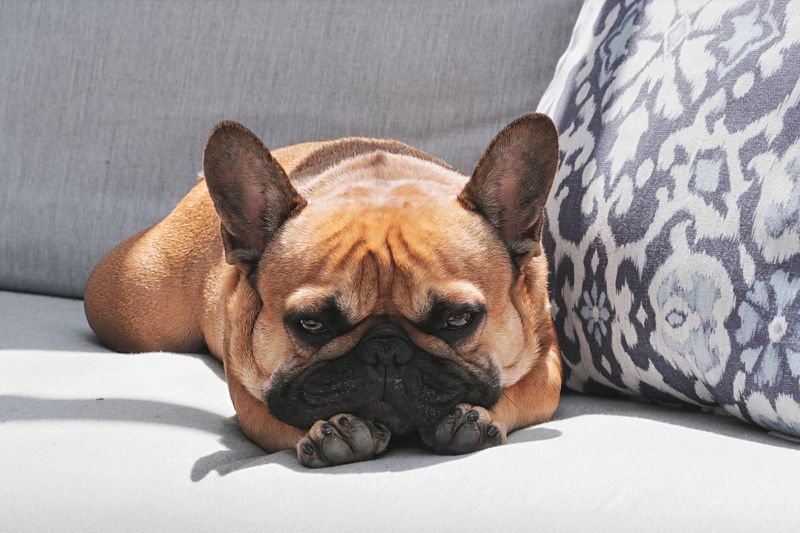
Snorts, snores, and bat ears make Frenchies impossible not to love. Their flat faces, though, make breathing harder during heavy exercise.
At a busy dog park, a Frenchie may play too hard, overheat, and struggle to cool down, especially on warm afternoons. Bigger dogs can also be too rough for their compact bodies.
Short walks in cooler hours and indoor games like tug are smarter choices. Always bring water and watch for loud, labored breathing.
Chihuahua: Big Attitude, Tiny Frame
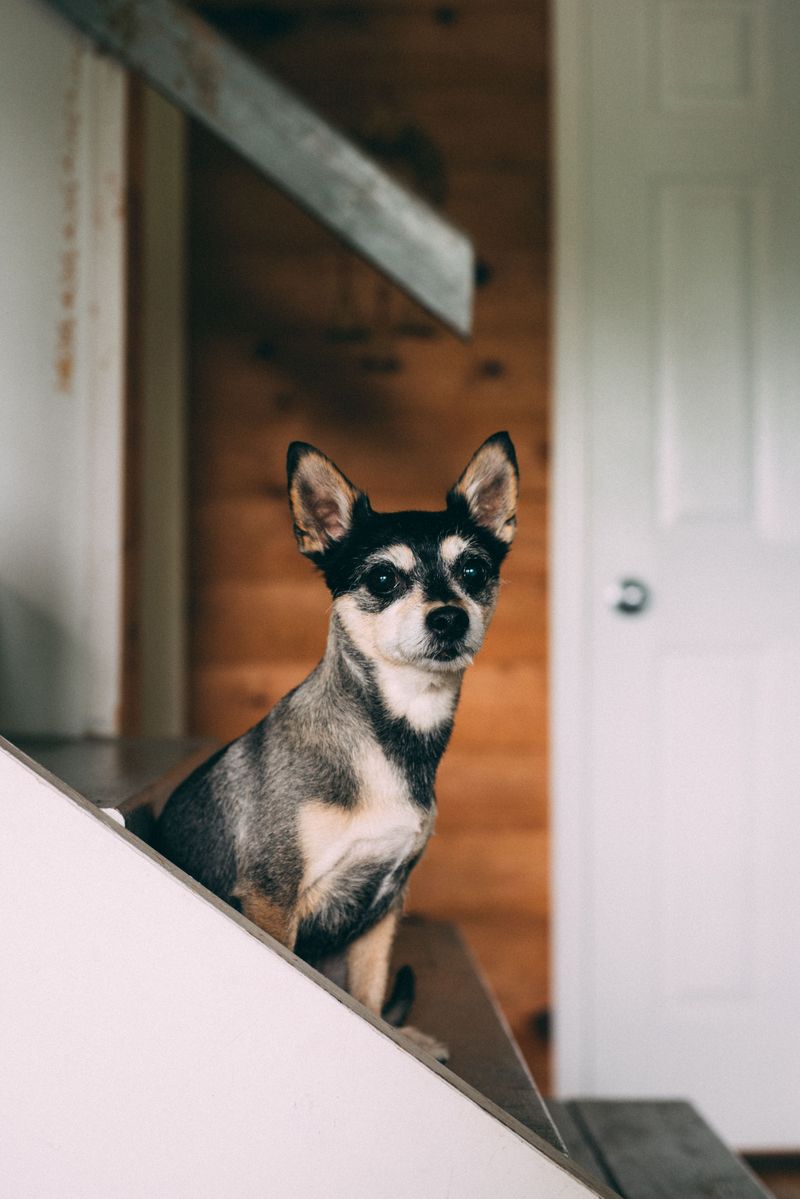
Weighing as little as three pounds, the Chihuahua carries the confidence of a dog ten times its size. Sadly, bigger dogs do not always notice that tiny body.
One playful paw from a Labrador could injure a Chihuahua, and many little dogs bark defensively when they feel crowded.
Look for small-dog sections, or set up playdates with similar-sized buddies. Indoor fetch down a hallway can burn plenty of energy for these pocket-sized pups.
Siberian Husky: Born to Run Far
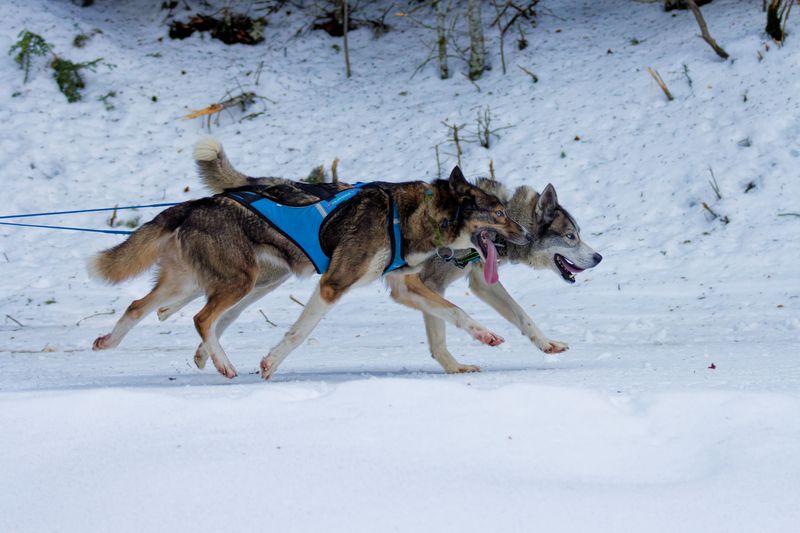
Bred to pull sleds across frozen Siberia, huskies can run for hours without slowing down. A dog park often feels like a small box to them.
Most huskies enjoy other dogs, but their loud, rough play style can upset quieter pups. Plus, they are famous escape artists who love an open gate.
Try canicross, bikejoring, or long hikes on cool days. These activities match their endurance far better than circling the same fenced yard.
Bernese Mountain Dog: The Gentle Giant Who Paces Itself
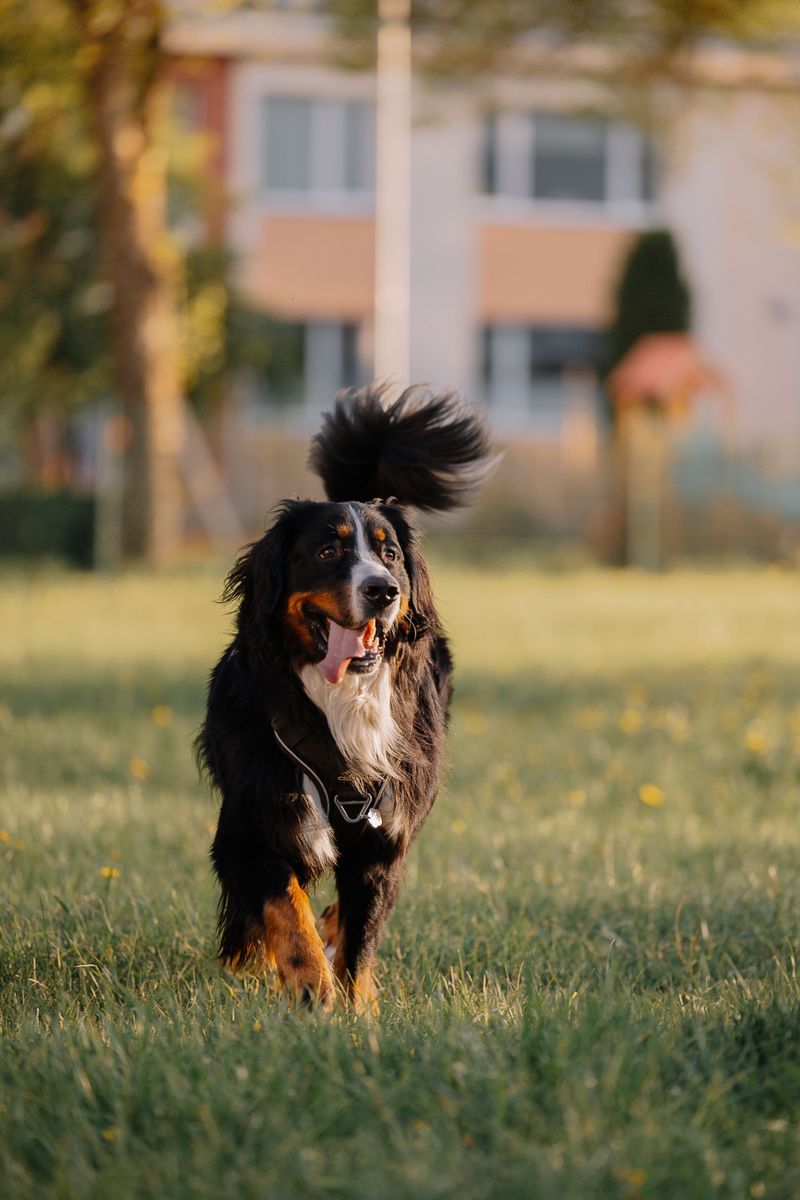
Swiss farmers once used Berners to pull carts of milk and cheese to market. Steady work, not wild sprints, is in their blood.
These big fluffballs can overheat fast and are prone to joint troubles, so intense park play may do more harm than good. Many also feel shy around pushy dogs.
A relaxed hike, a dip in a stream, or light cart pulling fits their easygoing style. Keep sessions moderate and their hips will thank you.
Labrador Retriever: When the Park Actually Works
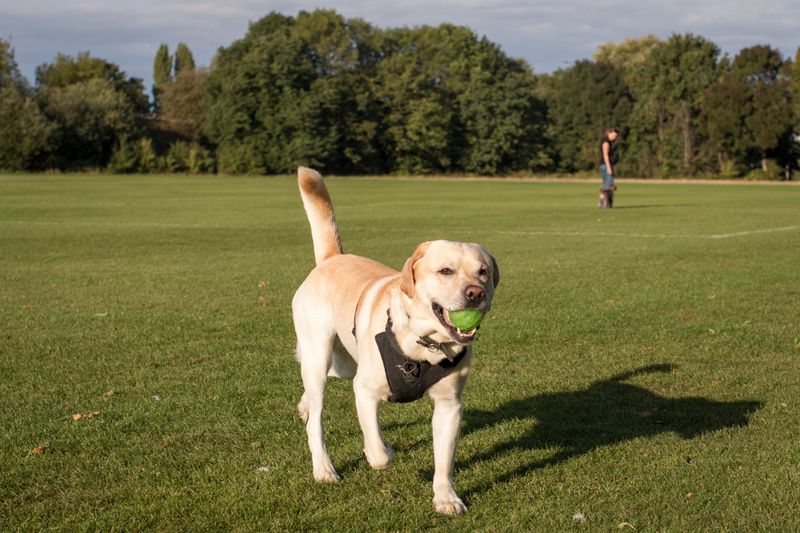
Not every breed on this list avoids crowds. Labs are often the friendliest guests at any dog park, greeting everyone with a wagging tail.
Still, individual personality matters. Some Labs become obsessed with balls and guard toys, while older ones may prefer peace.
Watch body language closely. Loose wiggles mean fun, while stiff posture or hiding signals stress.
And remember, many Labs love swimming and fetching with you even more than mingling.