
Treats can help your dog learn fast, but only when used the right way. Before you grab a fancier bag, make sure your training habits match your goals.
Small changes in timing, size, and routine can make a big difference. Use this guide to avoid common mistakes and make every bite count.
Giving too many treats each day
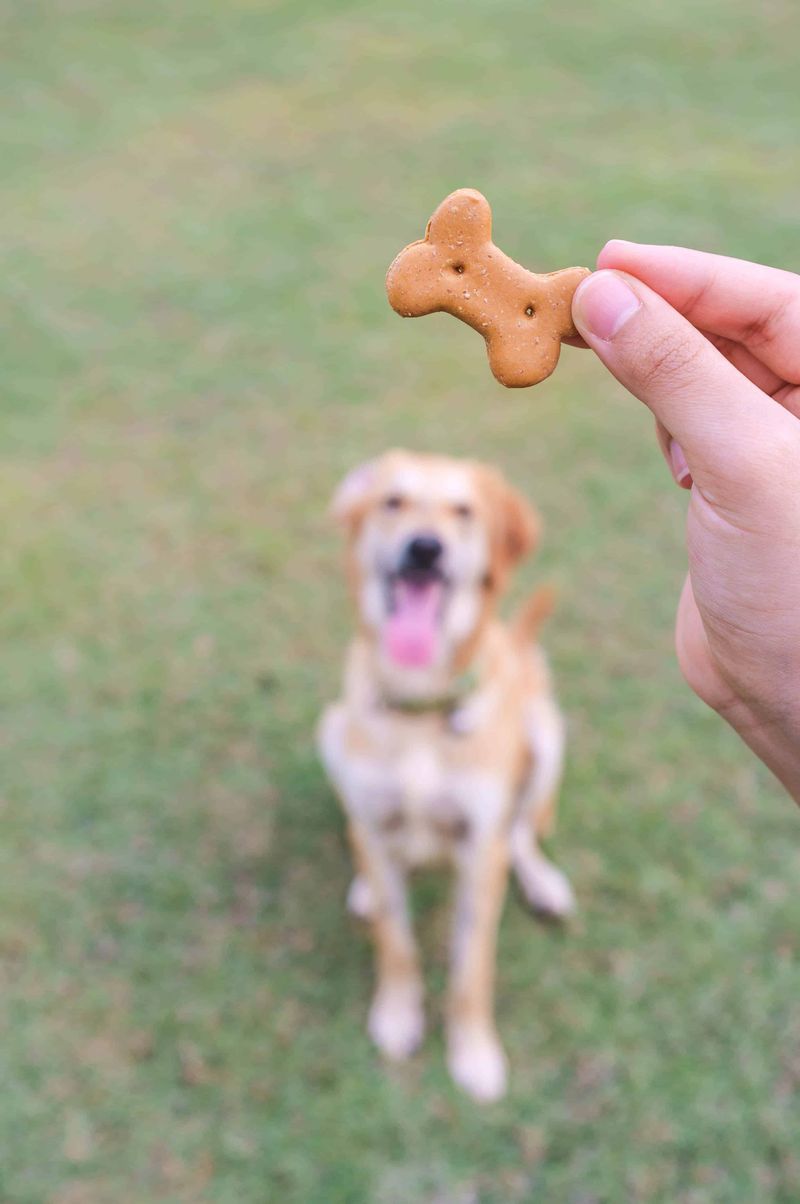
Ever notice the cookie jar empties faster than your dog learns a cue? Too many treats can blur the value of each reward and add sneaky calories.
Training works best when rewards stay special.
Set a daily limit and use bite sized pieces. Mix in praise, toys, or a quick game so food is not the only win.
For weight control, keep a small treat budget, like 10 percent of daily calories. For most dogs.
Using treats when the dog isn’t paying attention
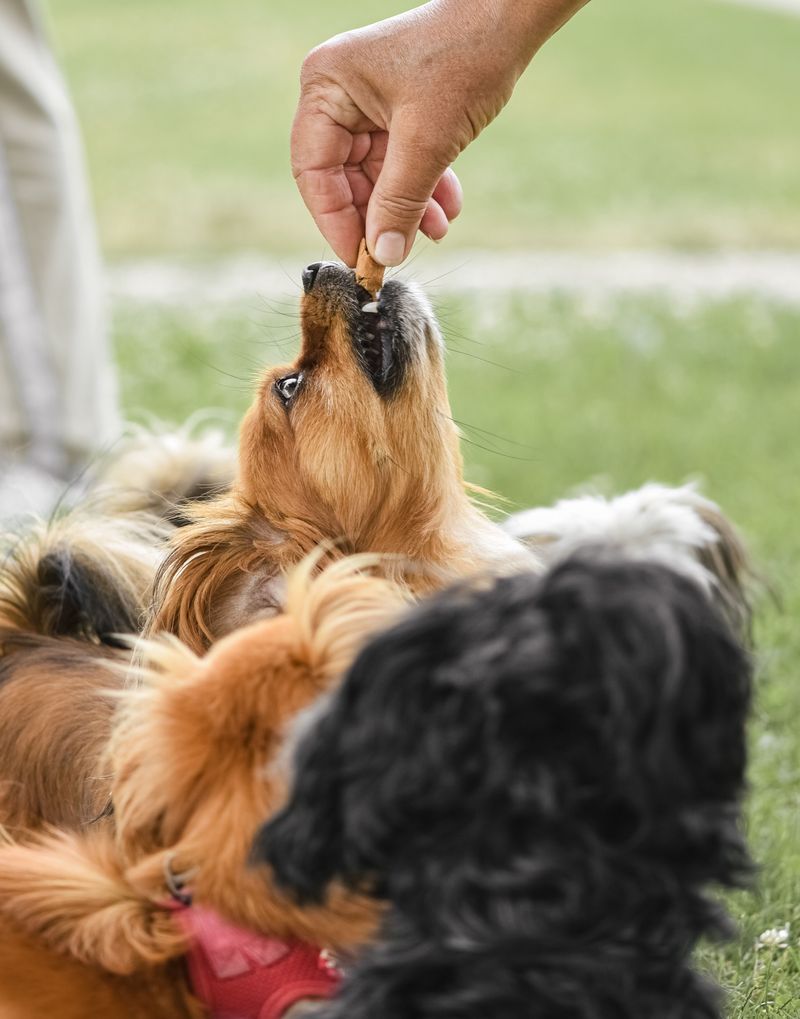
Picture calling your pup while they stare at a squirrel. Waving a cookie then teaches them to ignore you until snacks appear.
Attention should come first, then the reward, so your cue keeps its power.
Start by saying their name once. Wait for eye contact or a head turn, then mark and treat quickly.
If the world is too distracting, step farther away, lower the excitement, or use a higher value treat until focus improves.
Rewarding too late

Timing is like a camera shutter. If you click late, you capture the wrong moment, and your dog links the treat to something else.
That delays learning and can strengthen habits you do not want.
Use a marker word such as yes, or a clicker, right as the behavior happens. Then deliver the treat within two seconds.
Practice with simple moves like sit near a mirror or camera so you can watch hands and speed.
Choosing treats that are too large
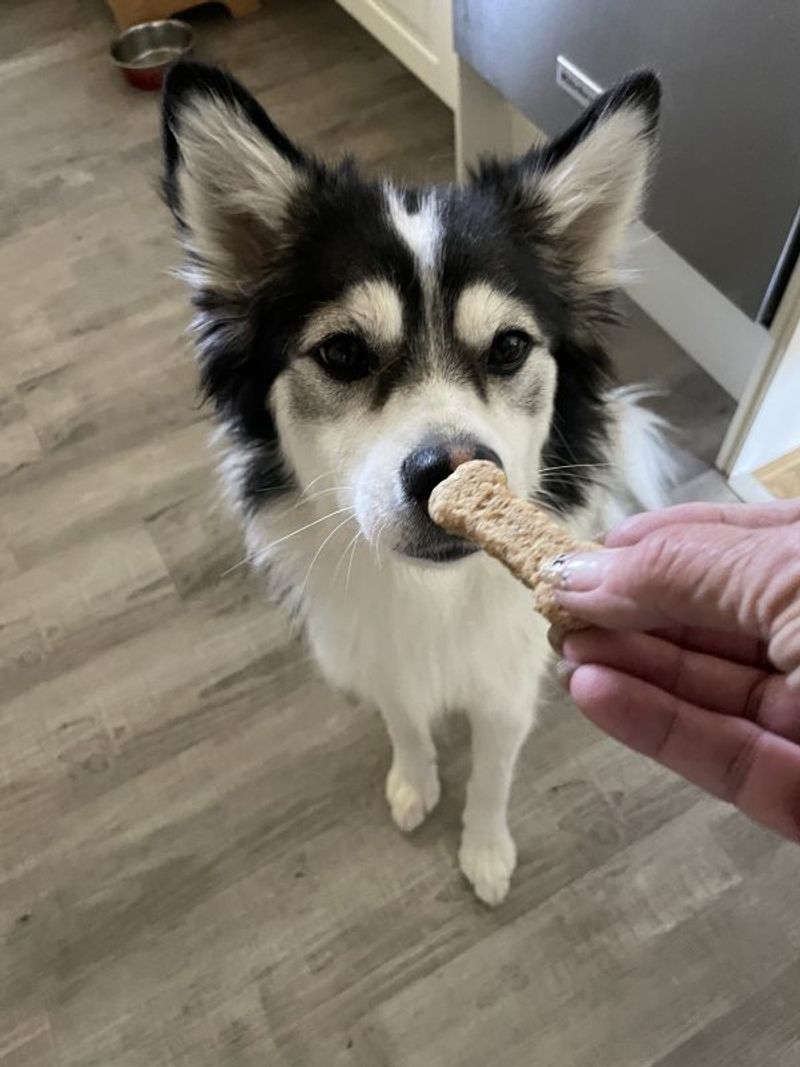
Big chunks slow training to a crawl. While your dog chews, momentum fades and reps drop, which makes skills take longer.
Oversized bites also pack extra calories that can sneak past your daily plan.
Switch to pea sized pieces that vanish fast. Soft treats you can break are great, or try tiny bits of boiled chicken, carrot coins, or kibble.
Aim for quick nibble, quick reset, and many successful repetitions in a short session today.
Not adjusting daily calories
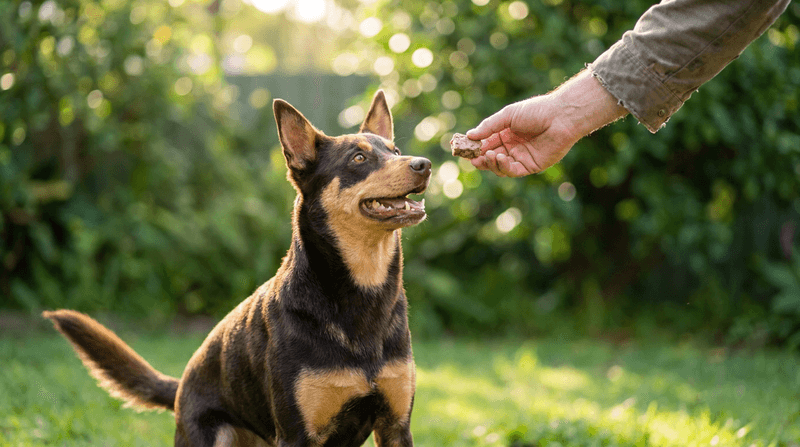
Little extras add up faster than you think. A handful of snacks can equal a second meal, which nudges weight higher and energy lower.
Health and training both benefit when you balance treats with the rest of the diet.
Track treat calories for a week. Reduce meal portions to offset rewards, or swap some treats for kibble.
Many vets suggest treats under ten percent of intake, so ask for a target that fits your dog.
Using the same treat for every situation
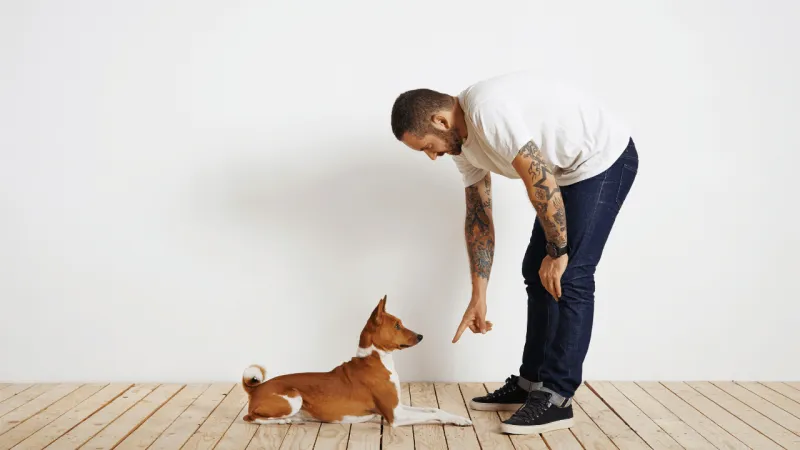
Imagine earning the same prize for an easy chore and a hard task. Dogs feel that too.
Low distractions might only need kibble, but big challenges, like passing another dog, deserve something amazing that truly motivates.
Build a reward ladder. Keep everyday treats for simple cues, medium value snacks for moderate distractions, and top favorites for tough moments.
Rotate flavors and textures to prevent boredom, and save best goodies for skills you care about most.
Training when the dog isn’t hungry
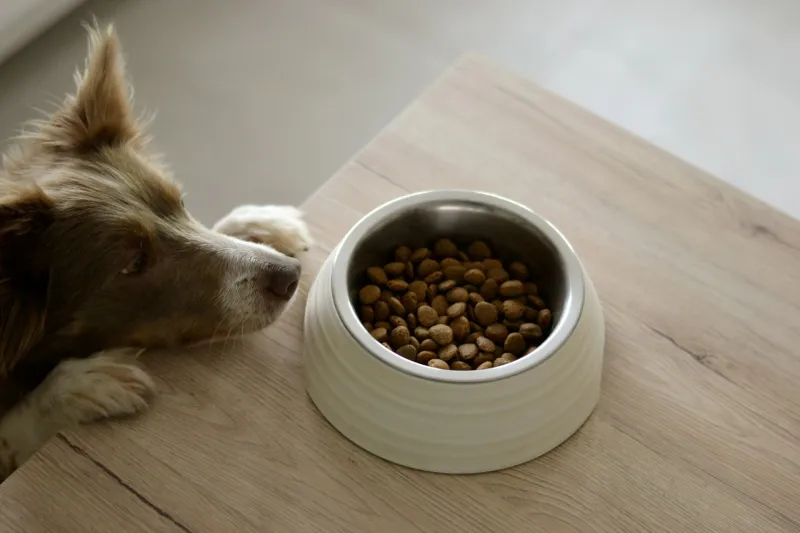
Ever try to work for a prize you do not want? A full dog often shrugs at snacks and tunes out.
Training feels frustrating when motivation is low, and both of you lose patience quickly.
Plan sessions before meals or after exercise. Use small, smelly treats to spark interest, and stop while the dog still wants more.
If they refuse food, switch to play, review an easier behavior, or pause training and try again later.
Accidentally rewarding unwanted behavior
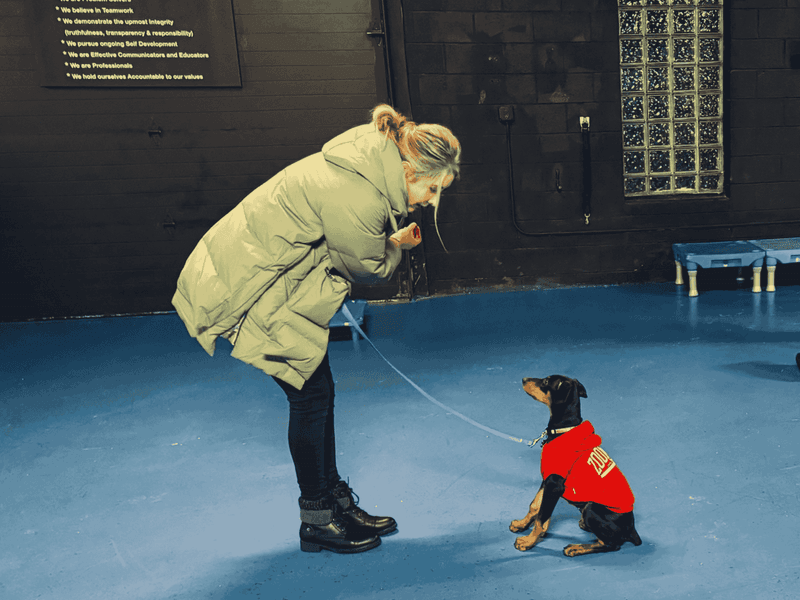
It happens in a flash. Barking, jumping, or pawing earns a snack, and suddenly the naughty move pays off.
Dogs repeat what works, so mixed messages can keep bad habits alive.
Decide the rule first. Ignore unwanted actions and wait for a calm sit, four feet on the floor, or quiet mouth, then mark and treat.
Ask family to follow the same plan, and reward the behavior you like a hundred tiny times each day.
Ignoring food sensitivities
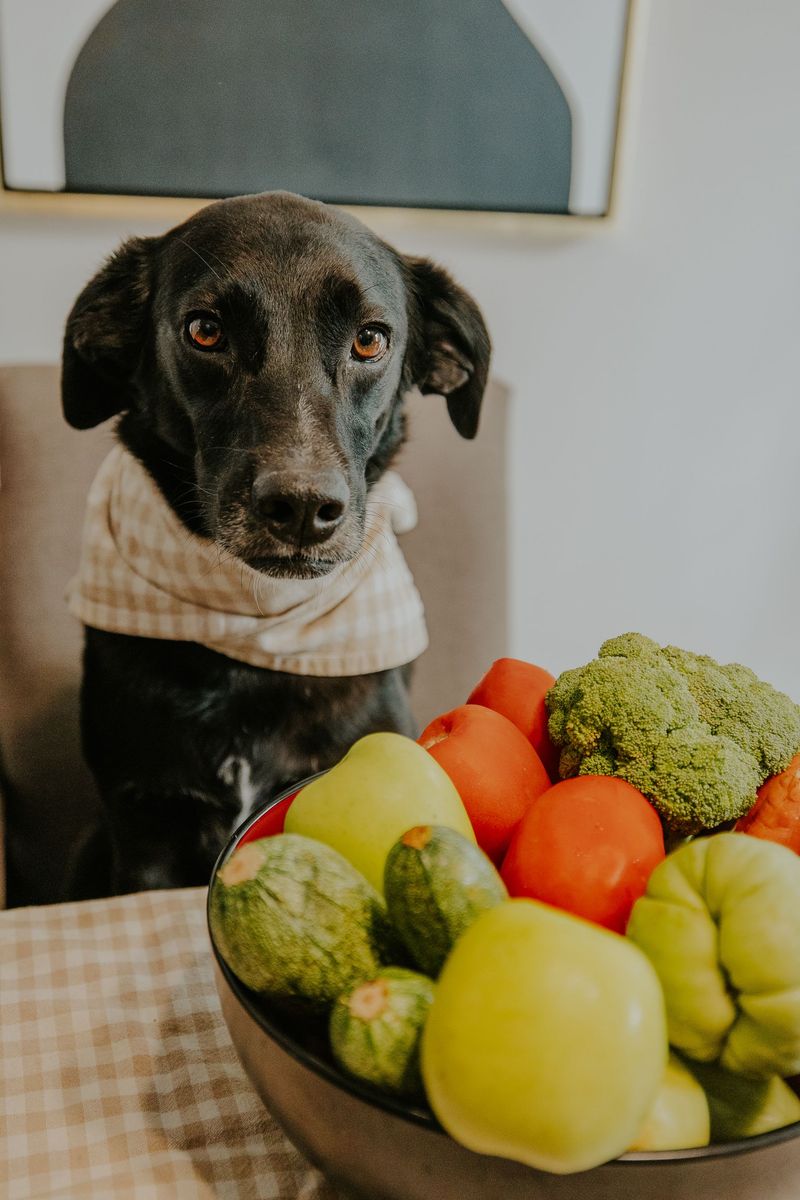
Some dogs itch, get gassy, or have tummy trouble from certain ingredients. When treats trigger discomfort, focus and mood drop, and training stalls.
A little label reading can prevent a lot of scratching.
Keep a list of safe proteins and grains. Try single ingredient treats, like dried salmon or sweet potato, and introduce one new item at a time.
If symptoms show up, stop, note the ingredient, and ask your vet about testing or alternatives.
Expecting treats alone to solve training problems
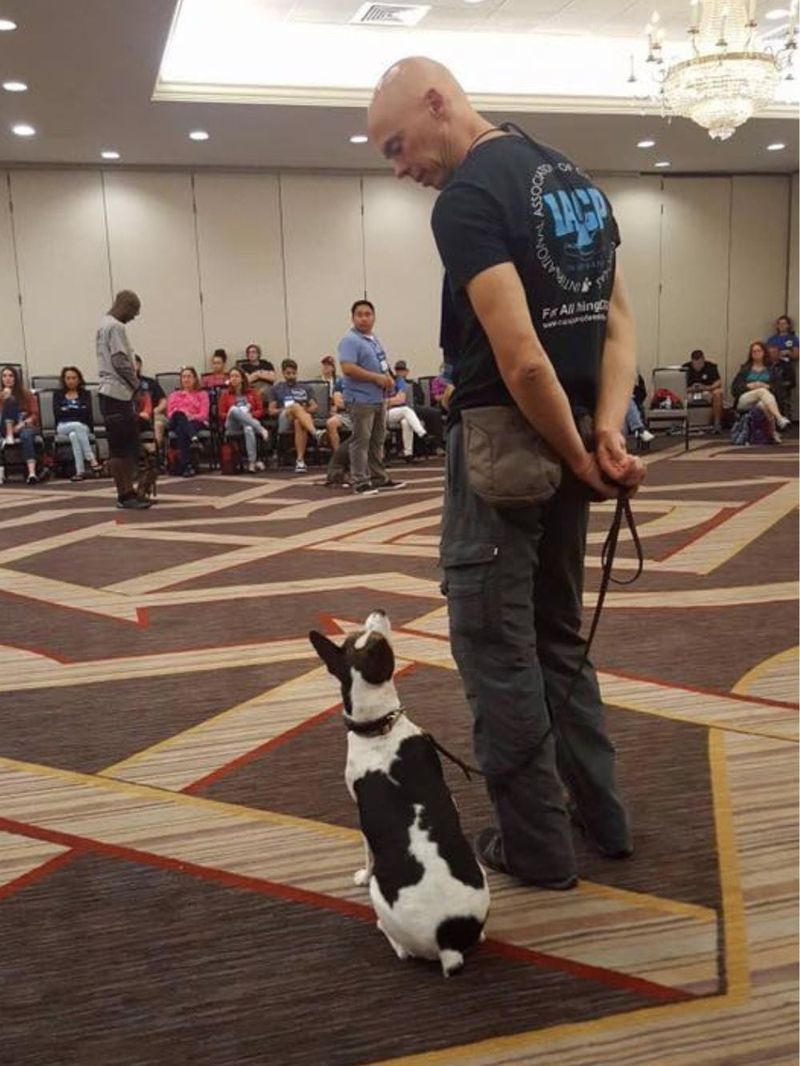
Cookies are tools, not magic. Treats help shape choices, but they cannot replace structure, clear cues, and smart practice.
Without a plan, rewards get random and progress feels stuck.
Map your goal, then break the skill into small steps with easy wins. Add management, like leashes, gates, or distance from triggers, and schedule short sessions.
Mix in praise, play, and life rewards, such as sniffing a bush, to keep learning strong for real world success.