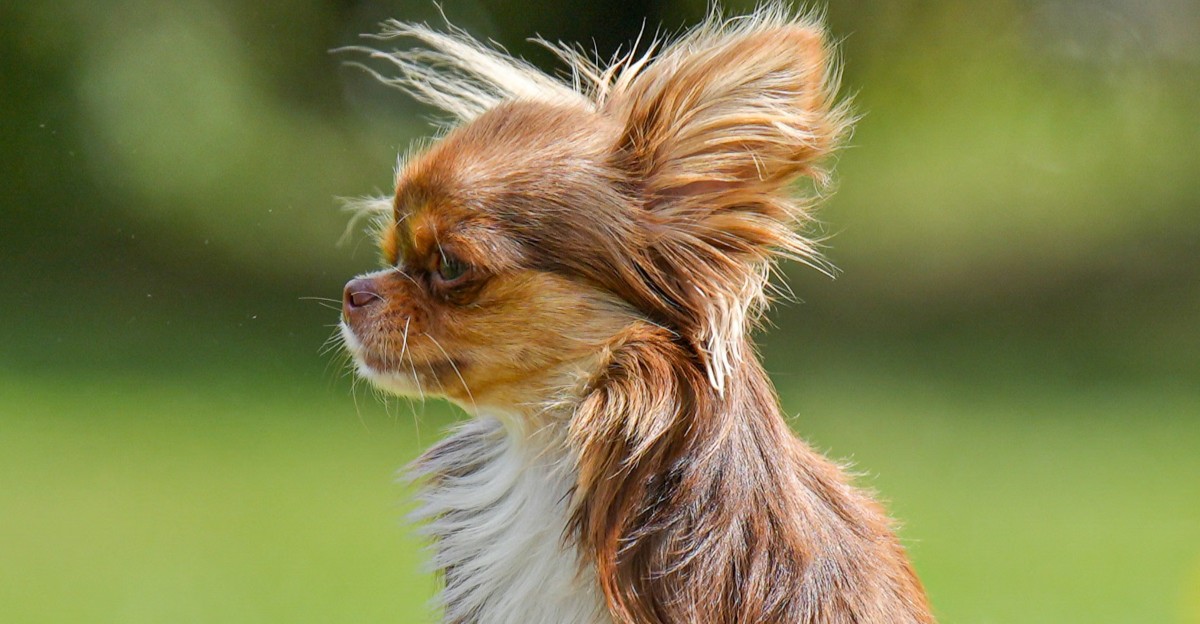
A cute face can steal your heart in seconds, but a dog’s health will shape your life together for years. Some breeds are known for having fewer inherited problems and longer lives.
Picking a sturdy pup can mean fewer vet bills and more happy walks. Here are some breeds worth a closer look before you fall for fluffy ears alone.
Australian Cattle Dog
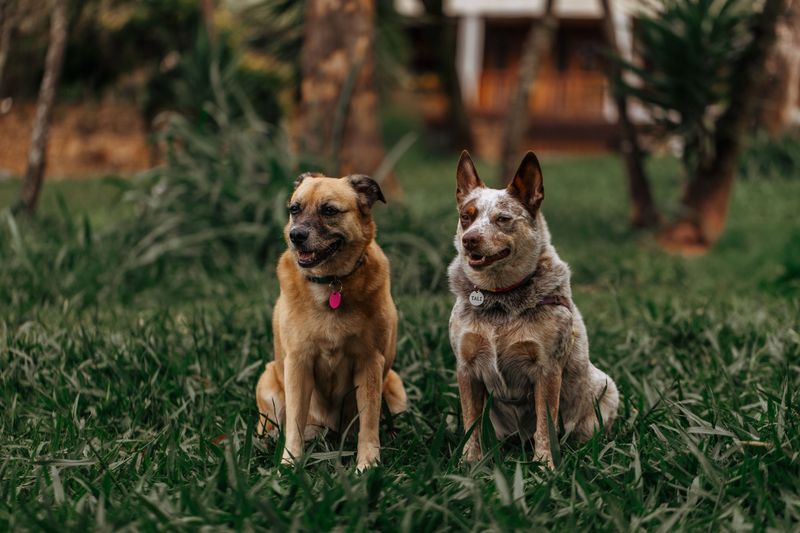
One heeler named Bluey lived to nearly 30 years old, a world record that still stands. That says a lot about how tough these ranch dogs are.
Bred to herd cattle across the hot Australian outback, they developed strong joints and solid hearts. Some can carry an inherited deafness gene or eye issues, so ask breeders about testing.
Give them daily jobs and long runs, and they stay fit for ages.
Border Collie
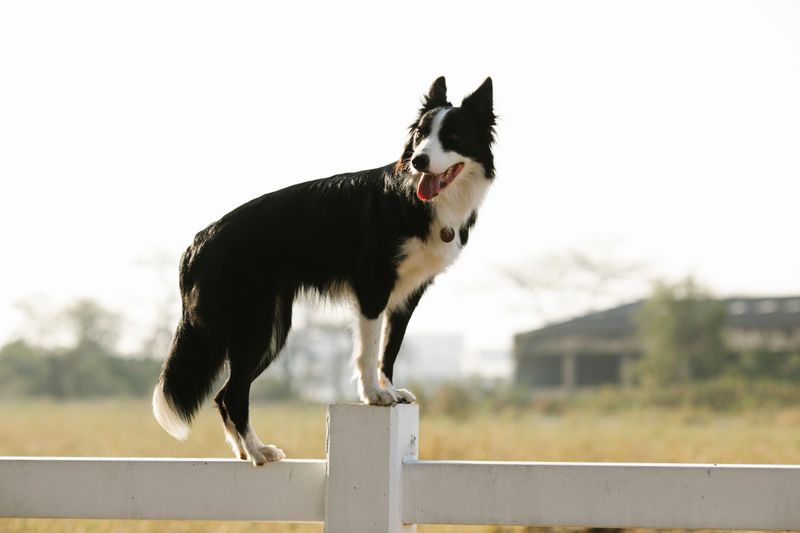
Picture a dog that can learn over a thousand words. Meet the Border Collie, the brainiac of the canine world.
Farmers picked these dogs for skill and stamina, not fancy looks, which helped keep the breed hardy. Many live 12 to 15 years with few major problems.
Watch for hip dysplasia and a rare eye condition. Plenty of puzzle toys and exercise will keep that clever mind and body healthy.
Basenji
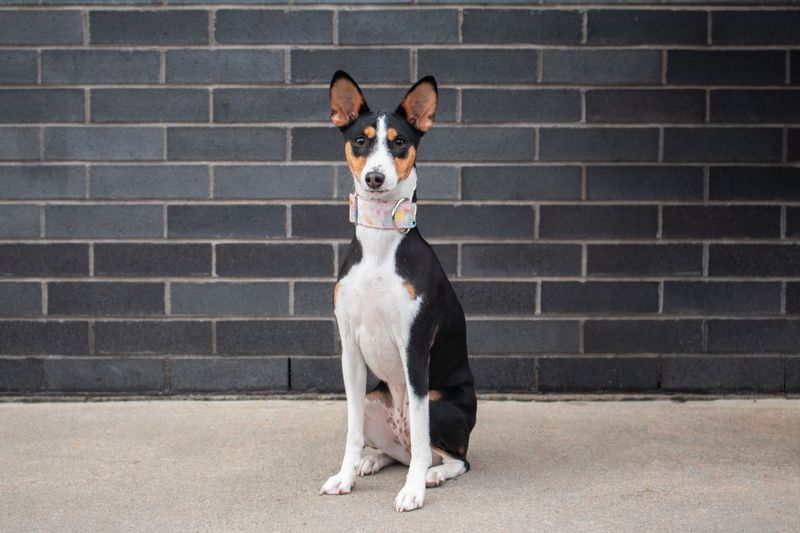
Did you know the Basenji cannot bark? Instead, it makes a funny yodel sound that surprises every guest.
Coming from Central Africa, this ancient hunter is light, quick, and usually lean for life. Its short coat needs almost no grooming, and it even cleans itself like a cat.
Owners should test for a kidney issue called Fanconi syndrome. Catch it early, and most Basenjis enjoy 13 to 14 lively years.
Siberian Husky
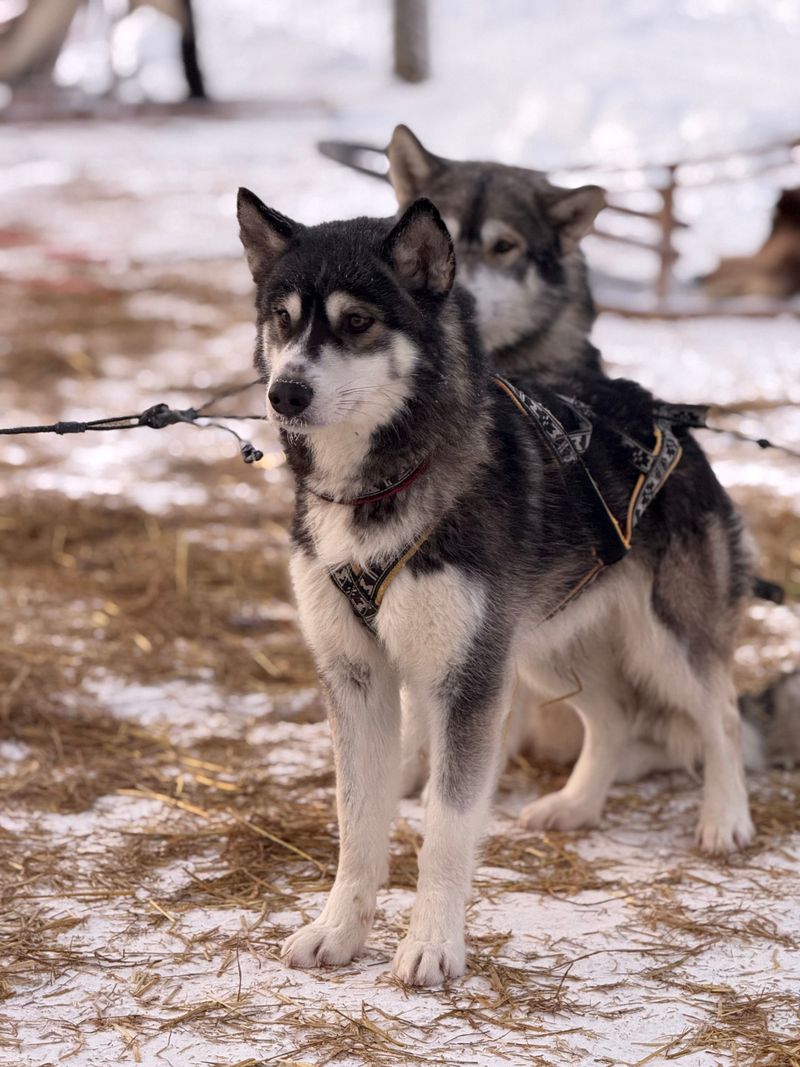
Sled teams once raced life-saving medicine across frozen Alaska, and Huskies led the way. Their bodies were built for endurance in brutal cold.
Thanks to that working past, many stay strong and slim, living around 12 to 15 years. Hip problems are less common than in many large breeds.
Eye checkups matter, though, since cataracts can appear. Keep them cool in summer and busy all year, because a bored Husky digs, howls, and escapes.
Beagle

Got snacks? A Beagle will find them, guaranteed.
That legendary nose comes with a sturdy little body that rarely slows down.
Most Beagles live 12 to 15 years and have fewer serious inherited problems than many small breeds. Their biggest danger is actually overeating, so measure meals carefully.
Floppy ears can trap moisture, so clean them weekly. Daily sniffing walks keep both weight and mood in a happy place.
German Shorthaired Pointer
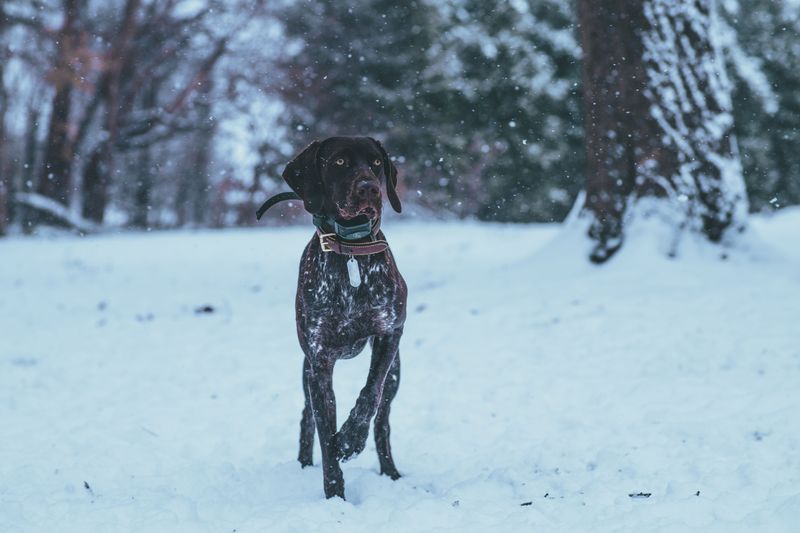
Hunters in 1800s Germany wanted one dog that could do everything, from tracking birds to swimming after ducks. The result was this athletic all-rounder.
Bred for function, the GSP tends to have good overall health and a lifespan of 12 to 14 years. Deep chests mean bloat is a risk, so serve smaller meals and skip hard play right after eating.
Expect a jogging buddy who never wants to stop.
Shiba Inu
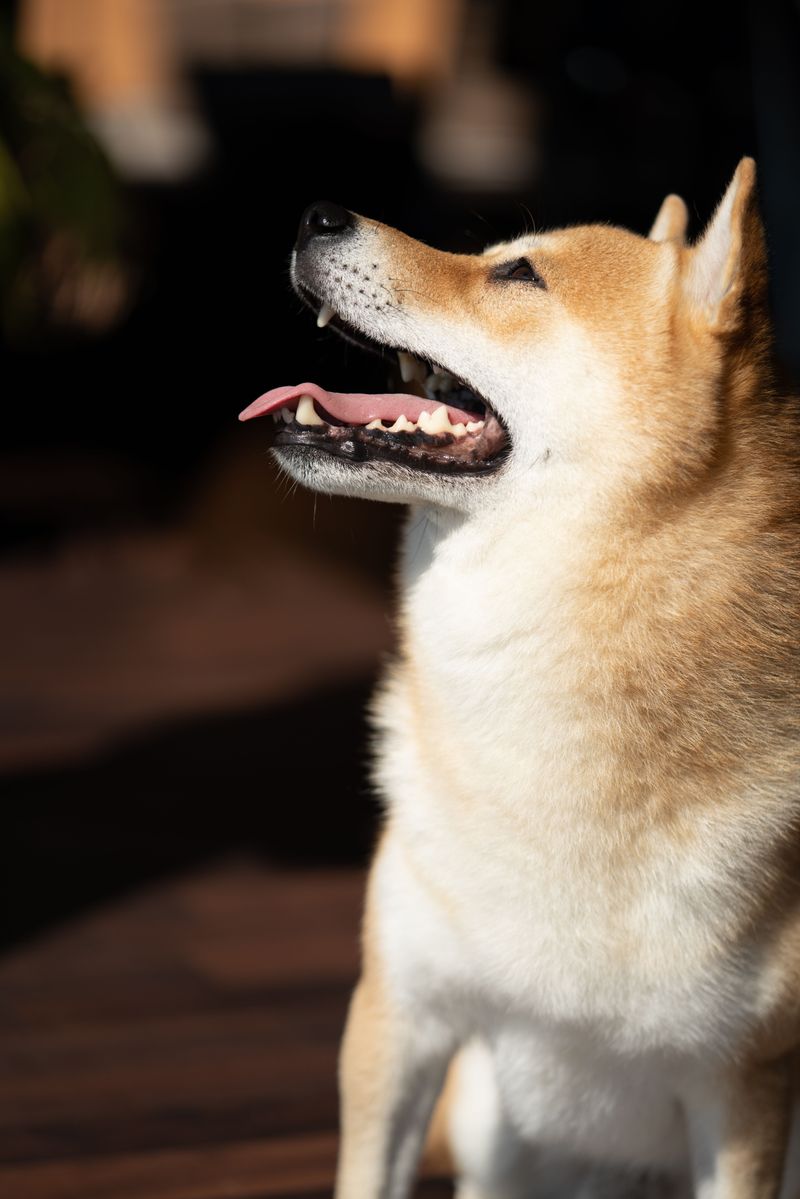
Fox face, big attitude, and surprising toughness. The Shiba Inu is one of Japan’s oldest breeds, once used to hunt in rugged mountain brush.
Small but solid, many Shibas reach 13 to 16 years. Allergies and loose kneecaps can pop up, so pick a breeder who screens parent dogs.
Be ready for heavy shedding twice a year. A good brush and lots of patience with that stubborn streak will pay off.
Australian Shepherd
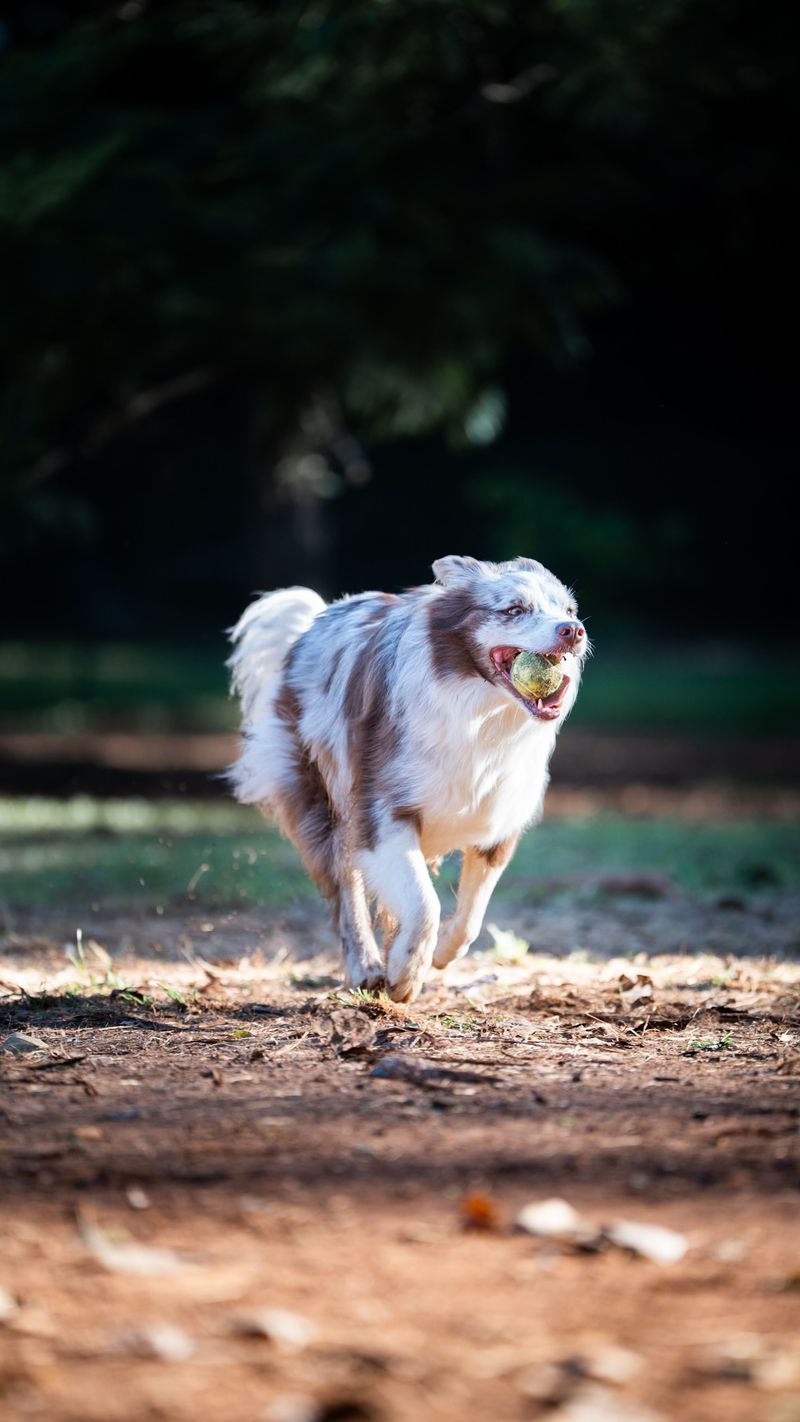
Funny fact: Australian Shepherds were actually developed in the American West, not Australia. Cowboys loved them for their energy and smarts.
Generally healthy, Aussies live about 12 to 15 years. Some carry a gene that makes certain medicines dangerous, so a simple MDR1 test is a smart move.
Never breed two merles together, since that raises deafness and blindness risks. With daily activity, these dogs stay sharp and spry well into old age.
Chihuahua
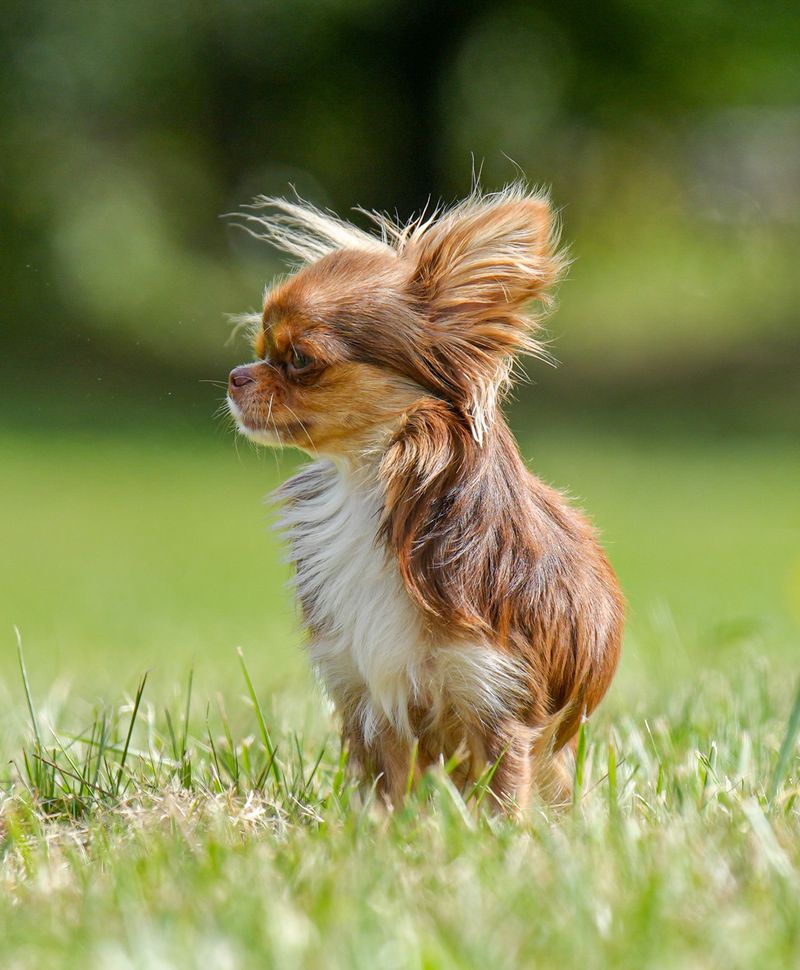
Small dogs often outlive big ones, and the Chihuahua proves it. Many reach 15 to 20 years, making them one of the longest-living breeds around.
Their main trouble spots are teeth and knees. Brushing their tiny teeth a few times a week can prevent painful dental disease.
Keep them warm in winter and avoid too many treats. A pocket-sized pal can mean nearly two decades of loyal cuddles.
Poodle
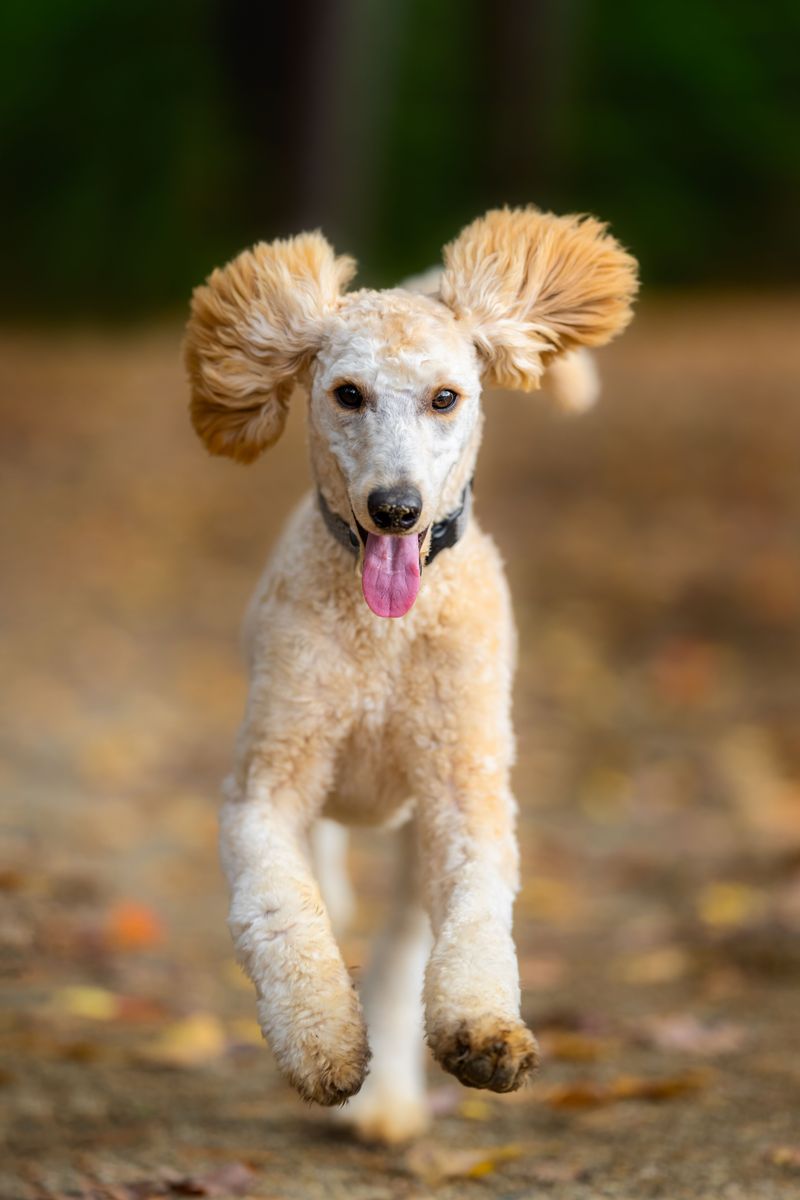
Forget the fancy show haircuts for a second. Under all that curly fur sits a strong water retriever built to work.
Poodles come in toy, miniature, and standard sizes, and all tend to live long lives, often 12 to 15 years. Their low-shedding coat is a bonus for allergy sufferers.
Watch for eye problems and, in standards, bloat. Regular grooming every six weeks keeps skin healthy and mats away.
Belgian Malinois
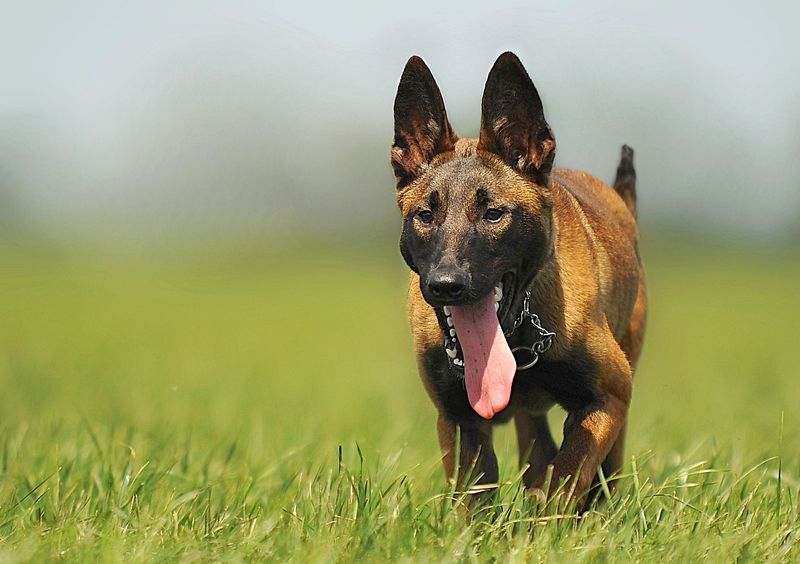
Police and military teams trust the Malinois with tough jobs for a reason. This dog is a lean, powerful athlete with stamina to spare.
Breeding focused on working ability, which helped keep the breed fairly free of major health issues. Most live 12 to 14 years, though hip and elbow screening is still wise.
Honestly, they are not for beginners. Without serious training and exercise, that energy can turn into chaos.