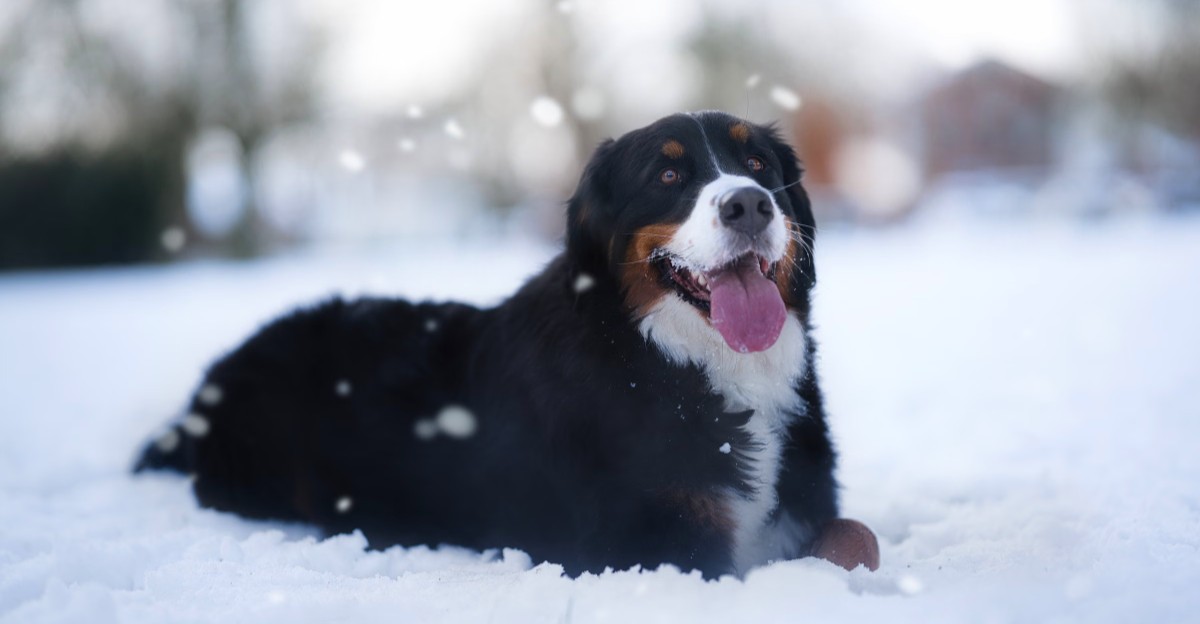
Long, flowing fur looks beautiful on a dog, but it can mean hours of brushing every week. Some long-haired breeds, though, have coats that are much easier to care for than you might expect.
Picking the right one can save you time, money, and plenty of tangled frustration. Here are some fluffy friends whose coats stay manageable with a simple routine.
Cavalier King Charles Spaniel
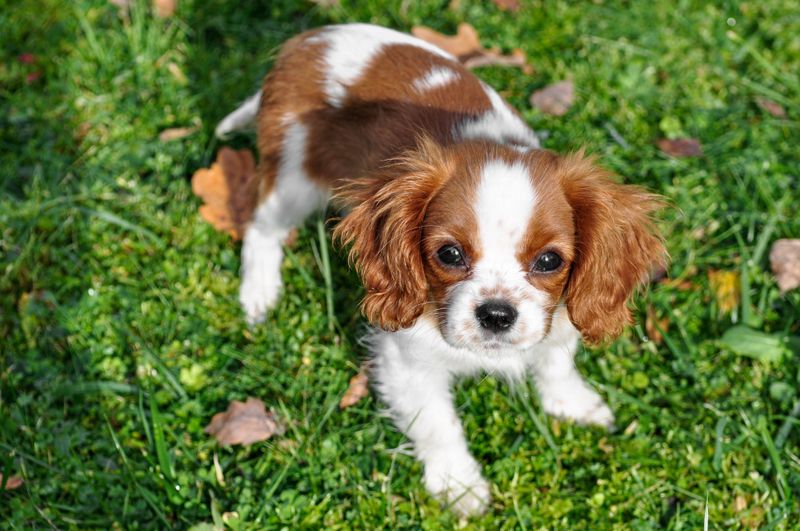
Picture a dog that looks like it stepped out of a royal painting. That is the Cavalier, a favorite of English kings for centuries.
Its silky coat looks fancy, yet it rarely mats if you brush it two or three times a week. A quick comb behind the ears keeps tangles away.
Bath time only needs to happen once a month or so. Trimming the fur between paw pads helps keep muddy floors cleaner too.
Papillon
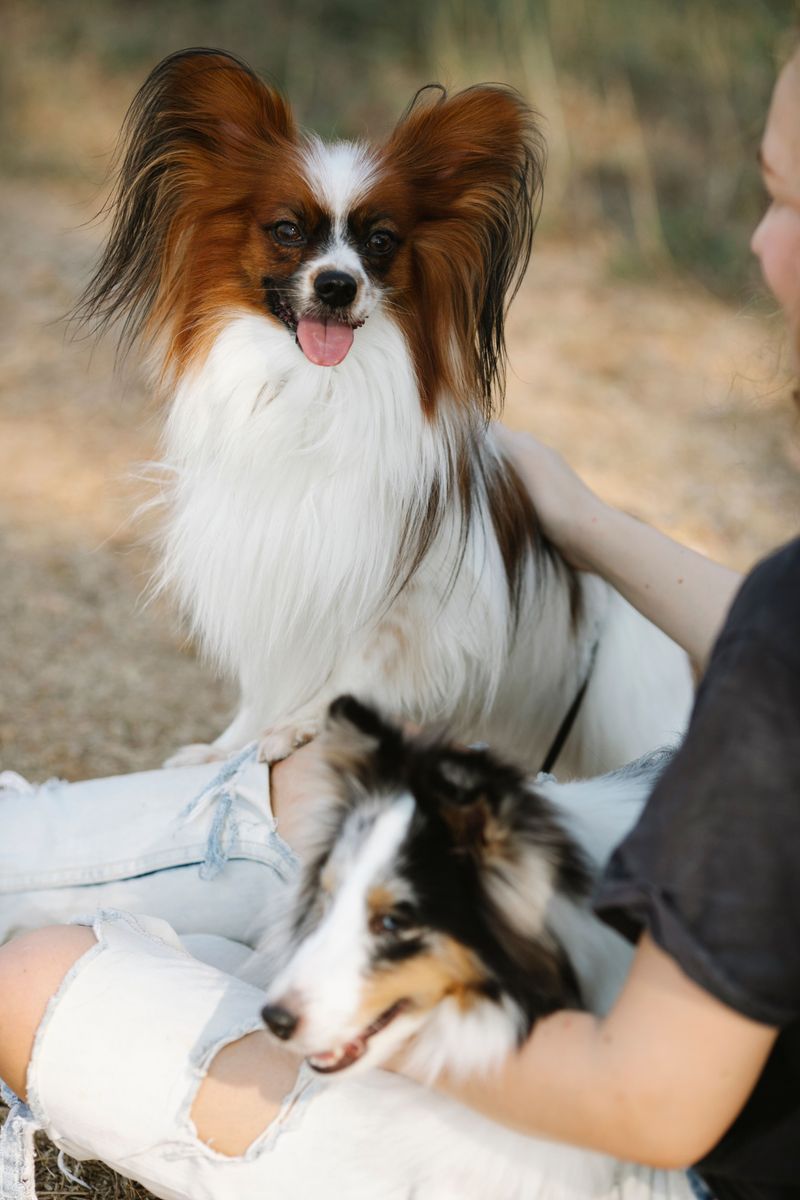
Did you know the name Papillon means butterfly in French? Those big fringed ears really do look like wings.
Here is the good news for busy families. Papillons have a single coat with no fluffy undercoat, so mats are uncommon and shedding stays fairly light.
A weekly brushing is usually enough. Toss in a gentle bath every few weeks, and this tiny, clever pup will look show-ready with little effort.
Japanese Chin
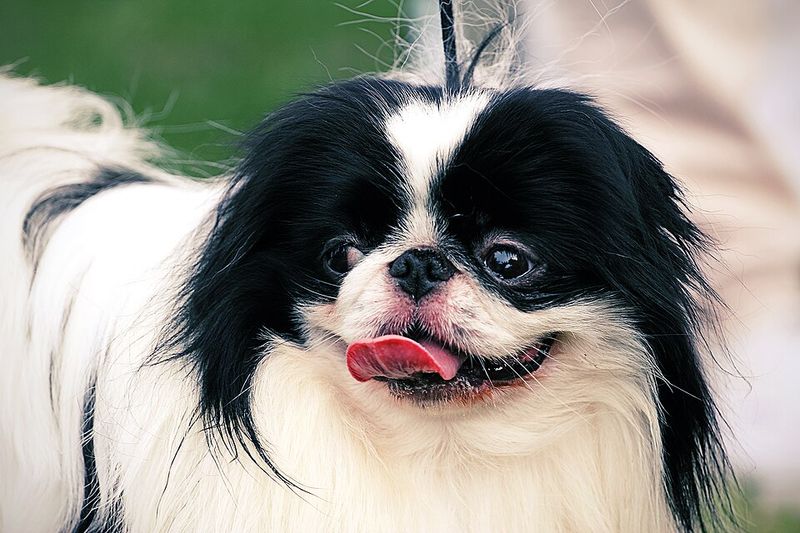
Some owners say their Japanese Chin acts more like a cat than a dog. It even cleans its face with its paws!
That catlike habit helps keep its long, single-layer coat neat. The fur feels silky and does not knot easily, so one or two brushings each week works well.
Skip frequent baths, since too much washing can dry the skin. A damp cloth handles small messes between grooming days just fine.
Tibetan Spaniel
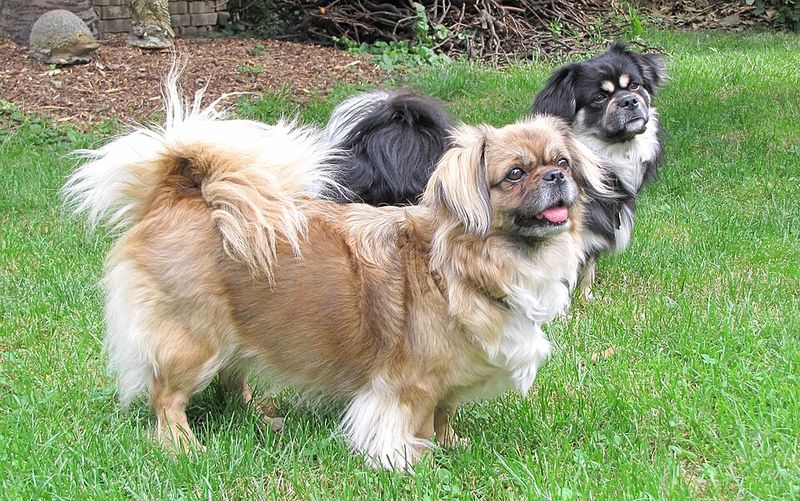
Long ago, Tibetan monks kept these little dogs as watchful friends on monastery walls. Today they guard couches instead.
Their medium-long coat has a soft mane around the neck, but the rest of the body stays fairly smooth. Brushing once a week keeps things tidy.
They do shed more heavily once or twice a year. During those seasons, extra brushing sessions will catch loose fur before it lands on your sofa.
Long-Haired Chihuahua
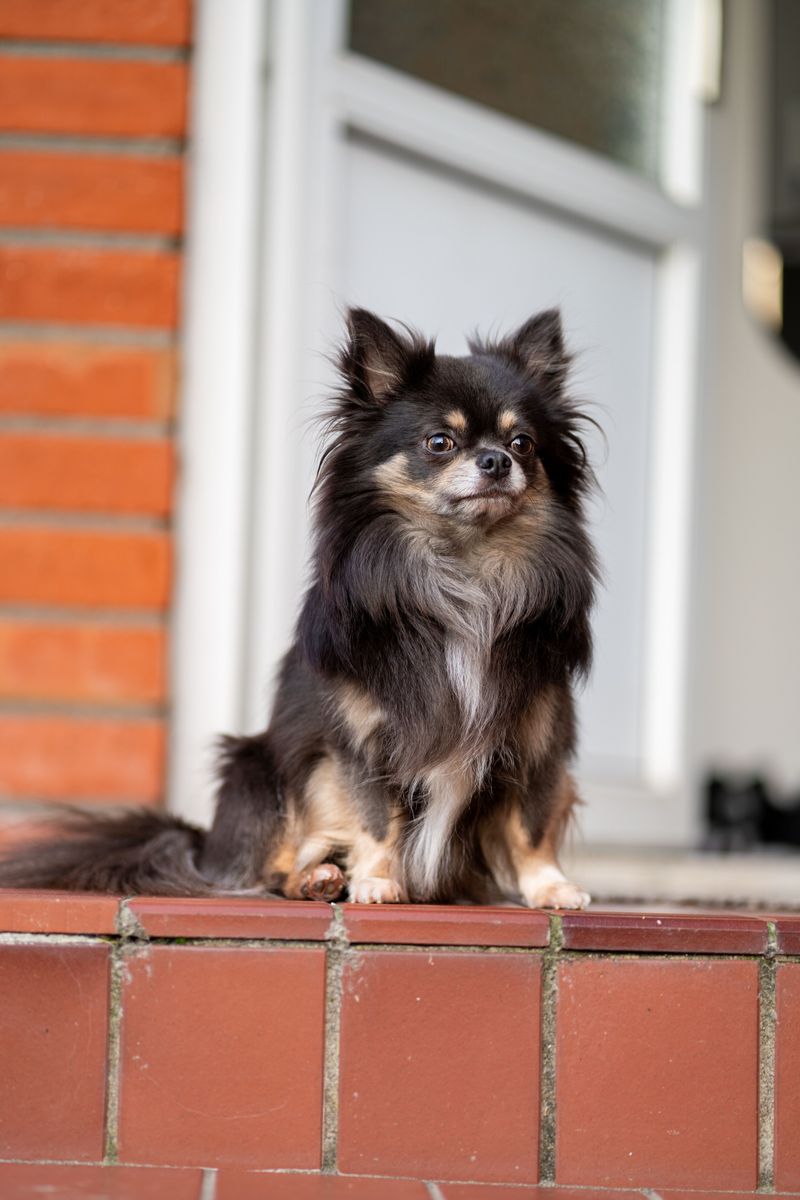
Tiny body, giant attitude, and a coat that is surprisingly easy to manage. The long-haired Chihuahua packs plenty of style into just a few pounds.
Because there is so little dog to groom, brushing takes only a few minutes. Aim for two quick sessions weekly, focusing on the ears and tail feathers.
Many owners actually find the long-coated version sheds less than the smooth one. Bonus tip: a soft sweater helps them stay warm in winter.
Bernese Mountain Dog
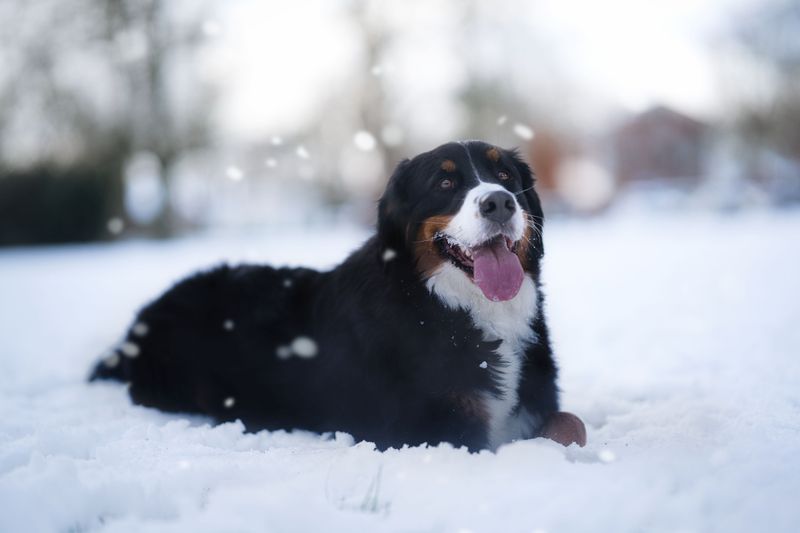
Swiss farmers once trusted this sturdy giant to pull milk carts to market. Strong and calm, it still loves having a job.
Its thick coat sheds, no doubt about it. Still, the fur rarely needs trimming or fancy cuts, and a good brushing twice weekly keeps it healthy.
Choose a slicker brush plus an undercoat rake. With the right tools, upkeep stays simple, and you get a loyal, huggable buddy in return.
Golden Retriever
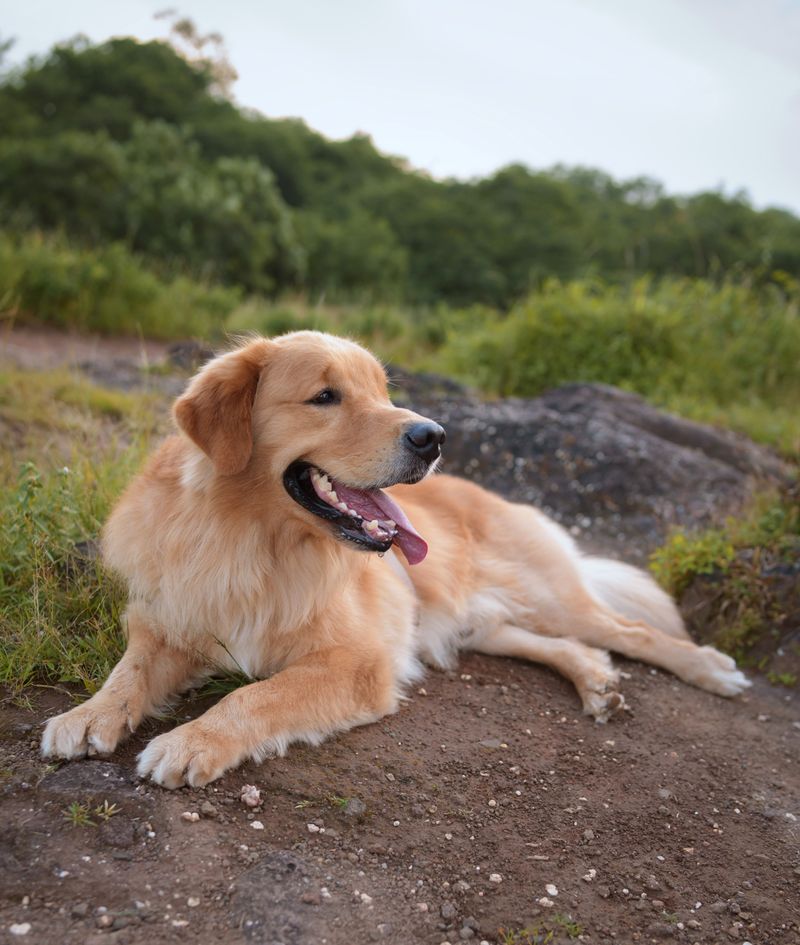
Ask any golden owner about fur, and they might laugh. Yes, these sunny dogs shed, but their coats are actually pretty forgiving.
The water-resistant fur dries fast and shrugs off dirt well. Brushing a few times a week, plus a bath every month or two, handles most needs.
No haircuts are required, just light trimming around the feet and ears. Their cheerful, people-loving spirit makes every brushing session feel like quality time.
English Setter
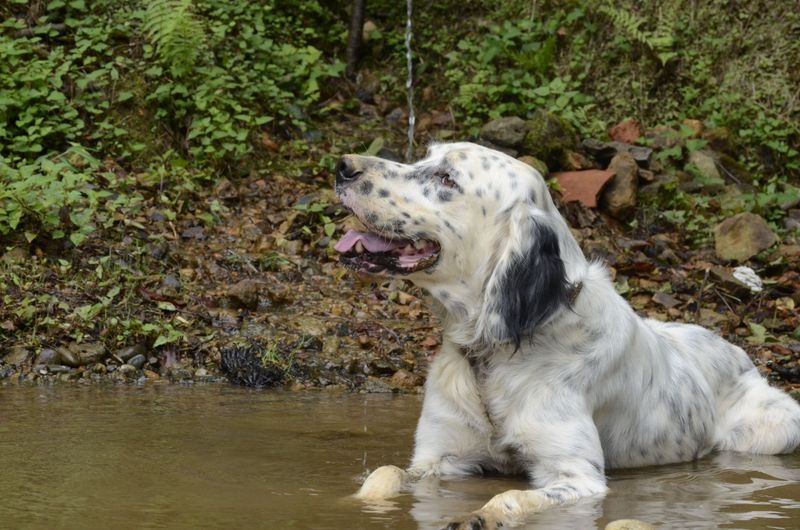
Those freckle-like spots have a special name: belton markings. They make every English Setter look one of a kind.
Its flat, silky coat lies close to the body, with pretty feathering on the legs and tail. Brush two or three times a week to stop burrs and tangles.
Outdoor adventures are this breed’s happy place. After a romp through fields, simply check the feathered spots for sticks and seeds, then relax together.
Australian Shepherd
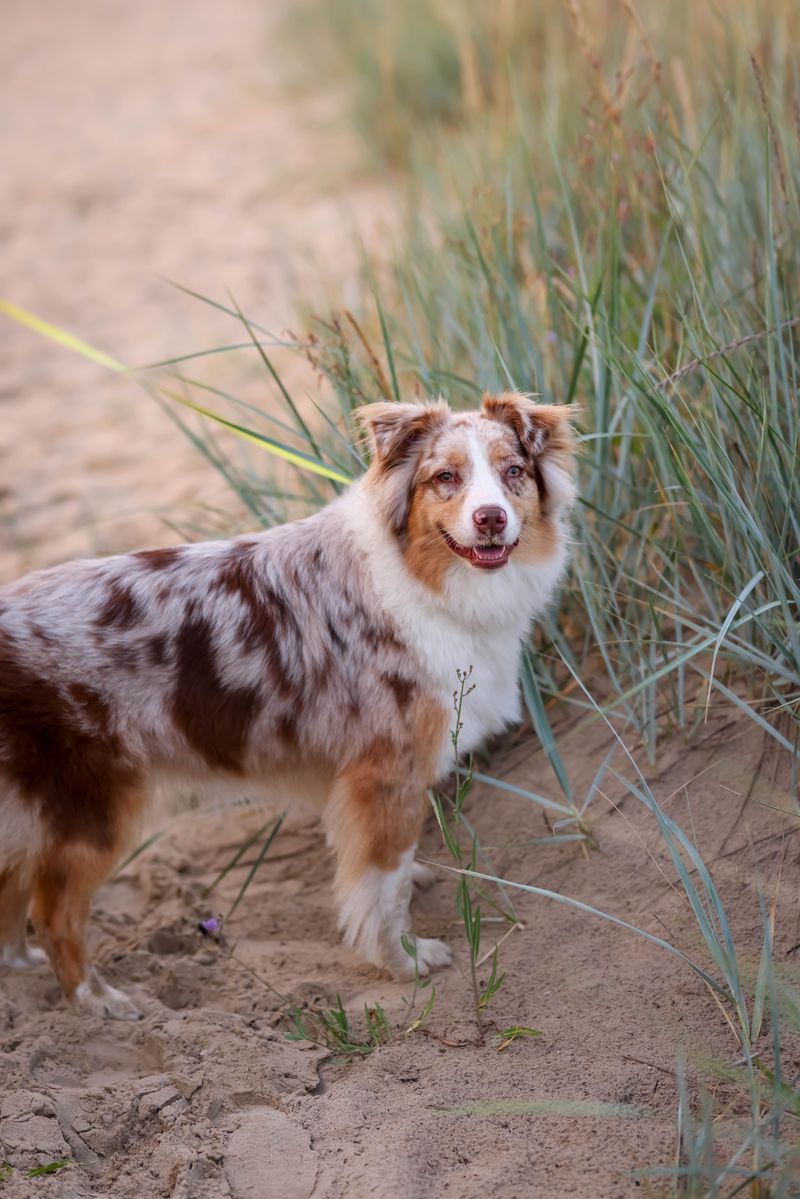
Funny fact first: Australian Shepherds were mostly developed in the American West, not Australia. Cowboys loved them on ranches.
Their medium-long, weatherproof coat is built for outdoor work. Weekly brushing usually does the trick, though shedding seasons call for a bit more attention.
Haircuts are not needed. Just keep this energetic herder busy with games and runs, because a bored Aussie may find its own creative, and messy, projects.
Nova Scotia Duck Tolling Retriever
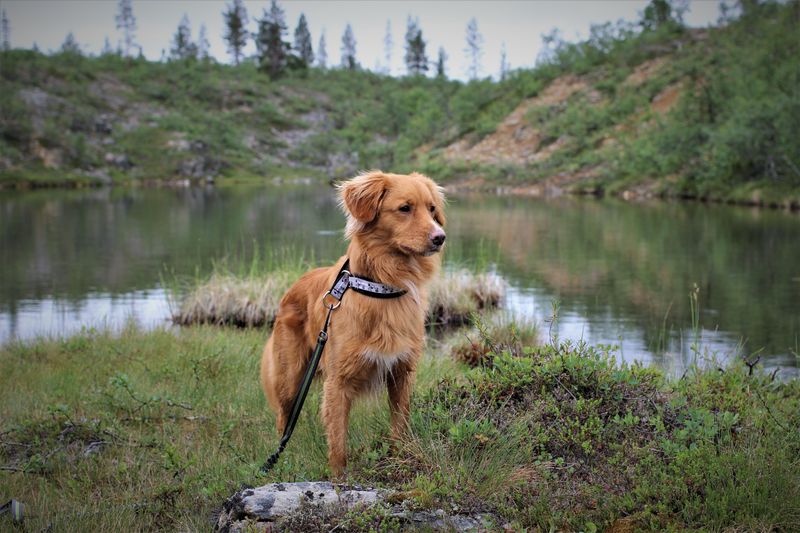
Smart and a little mischievous, the Toller was bred in Canada to playfully lure ducks closer to hunters. Clever trick, right?
Its red, medium-long double coat repels water nicely. Weekly brushing removes loose hairs, and baths are only needed when your pup finds something smelly.
Trim the fur around the paws now and then. Otherwise, this foxy-looking retriever keeps itself fairly neat between swims and backyard fetch sessions.
Shetland Sheepdog
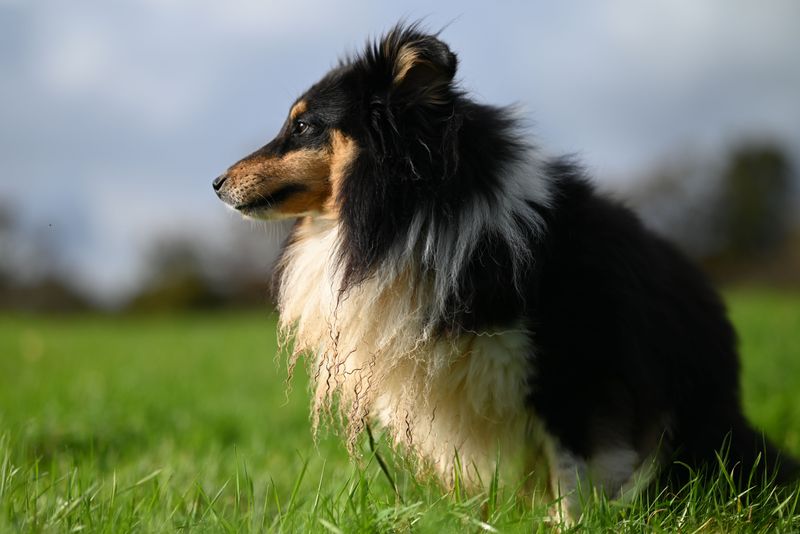
From the windy Shetland Islands of Scotland comes a small herder with a big, fluffy mane and a sharp mind.
That coat looks like a lot of work. In reality, a thorough brushing once a week, working down to the skin, keeps it in great shape.
Shelties hardly ever need a trim beyond tidy feet. Mist the coat with water before brushing to reduce breakage and keep static from building up.