Some dogs handle quiet days just fine, while others feel lonely fast. If your home sits empty for long hours, the breed you pick matters a lot.
Energy level, attachment style, and noise all play a role. Read on to see which dogs need more company and what that means for your routine.
Weimaraner
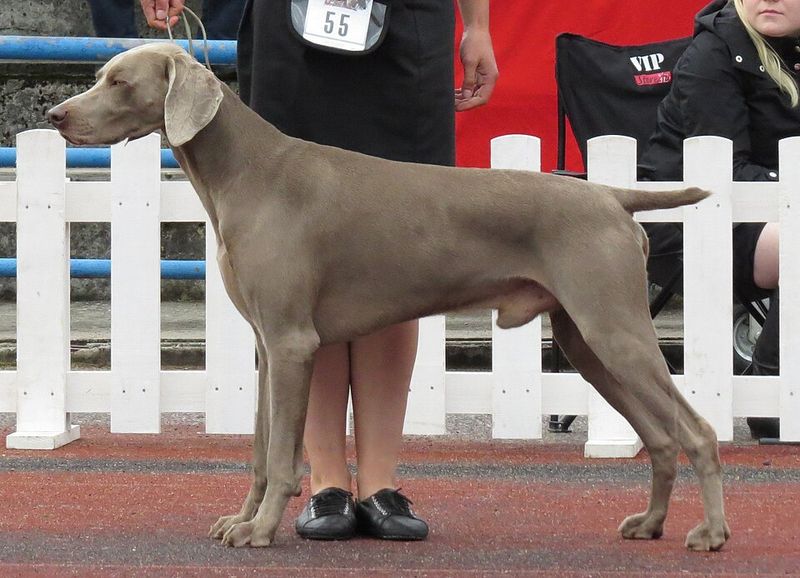
Born to follow, this silver shadow hates being left behind. Many Weimaraners bond hard with their people and can get anxious when alone.
Long runs, scent games, and puzzle feeders help, but they still crave company.
If your schedule means hours away, consider doggy day care or a trusted walker. Training for calm departures, plus a safe crate or gated room, can lower stress and protect furniture.
English Cocker Spaniel
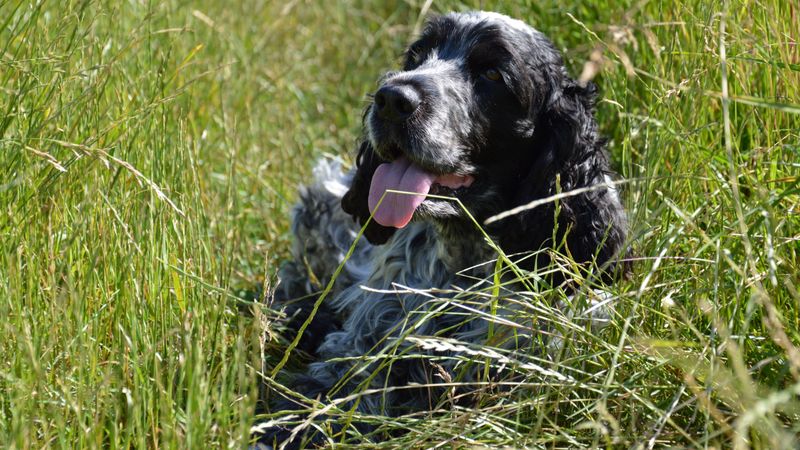
Those soulful eyes tell the story of a sensitive heart. English Cockers are affectionate, cheerful, and often prefer to tag along.
They usually do better with short absences and a predictable routine.
Before choosing one, think about midday breaks, sniffy walks, and gentle training for alone-time confidence. Fun chews, a snuffle mat, and calming music can help.
With enough mental play and human touch, their spirits stay bright. Long empty stretches can dim that sparkle.
Boxer
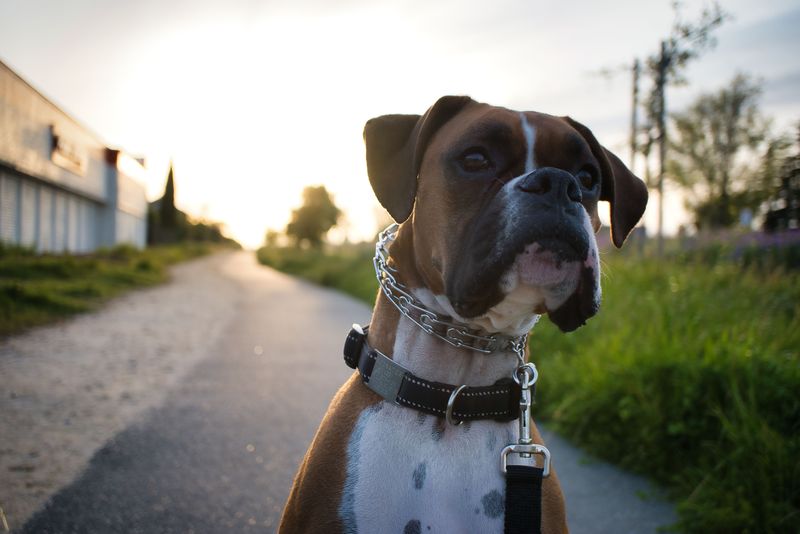
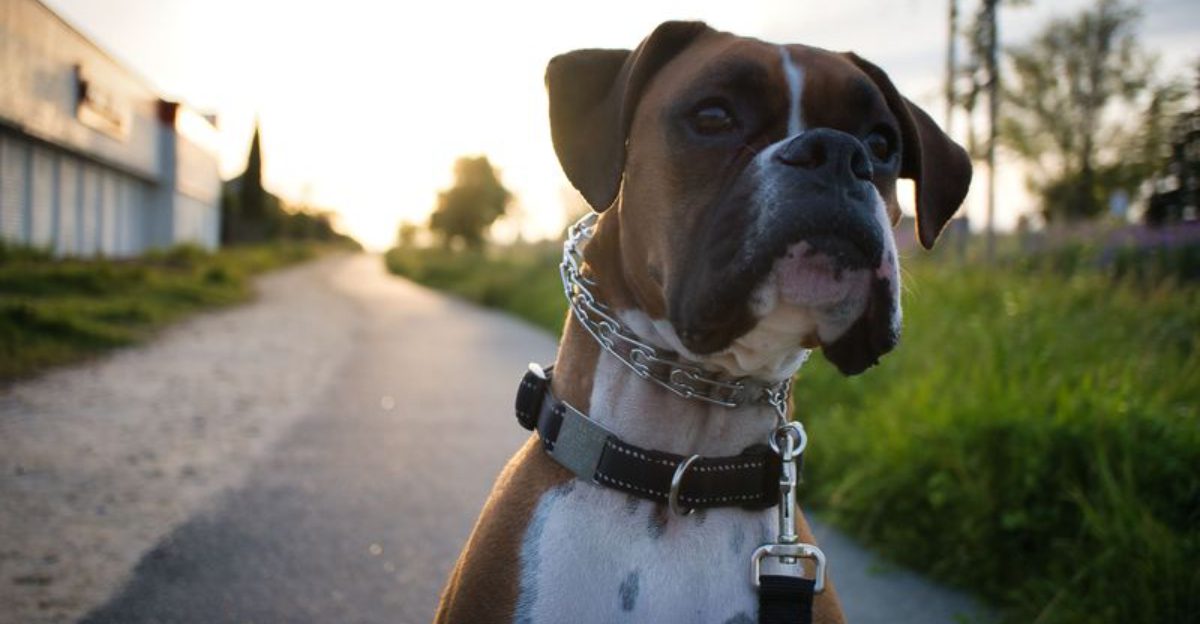
Like a class clown with springs for legs, the Boxer thrives on play and people. Hours of silence can turn that bounce into boredom.
Some may bark or chew when needs are unmet.
Daily cardio, training games, and sturdy enrichment are musts. If your workday runs long, line up a walker or dog-sport night.
Short, upbeat goodbyes and calm returns keep emotions steady and help this lovable athlete relax between bursts of action.
Australian Shepherd
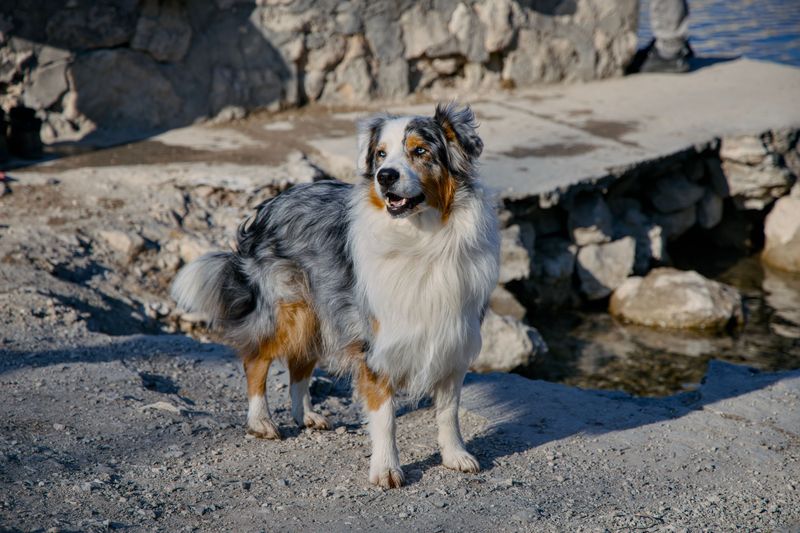
Brains, hustle, and a herder’s heart make the Aussie a busy roommate. When left alone too long, they may invent jobs, like reorganizing shoes.
Their sharp mind craves tasks and feedback.
Plan daily training, trick sessions, and off-leash runs in safe spaces. Rotate puzzle feeders and hide treats for scent work.
If your calendar is packed, consider a sitter or dog sport class. A well-used brain rests better, and neighbors appreciate the quiet.
German Shorthaired Pointer
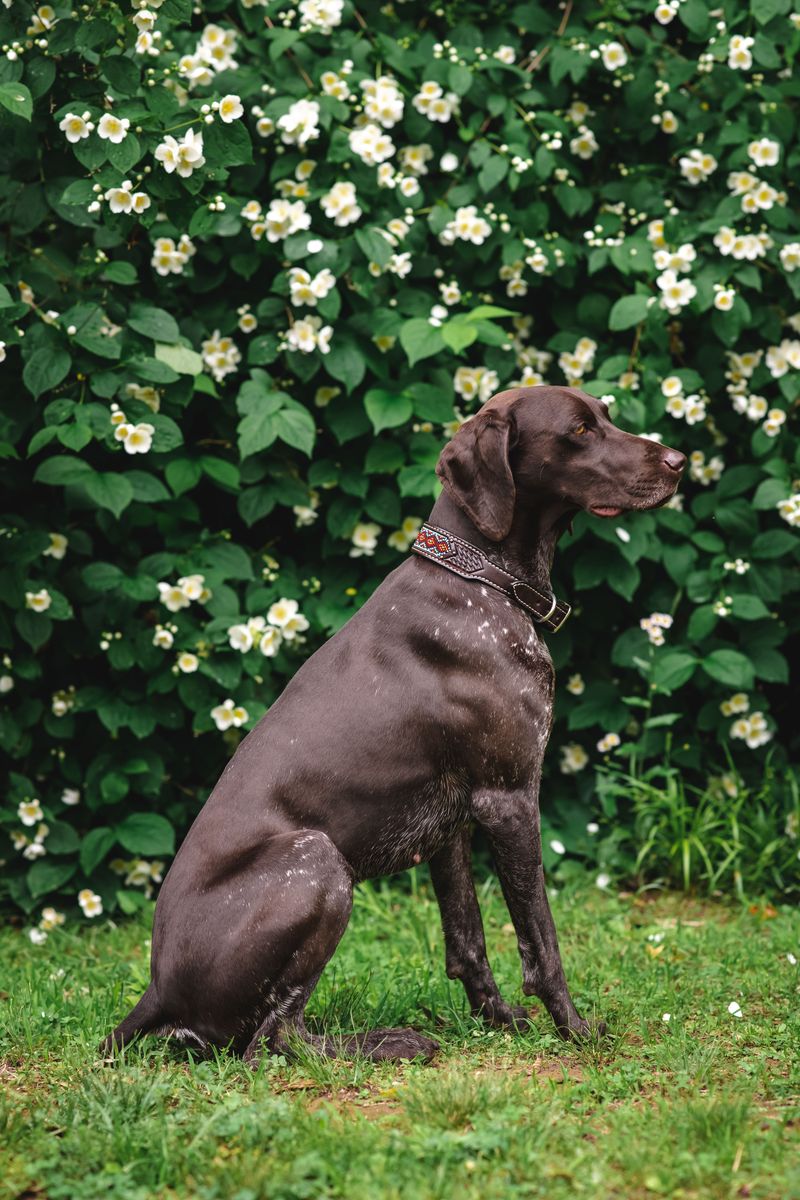
Built for miles, the GSP turns a backyard into a warm-up lap. Long idle hours often lead to pacing or vocal protests.
Strong prey drive plus energy makes thoughtful planning key.
Consider morning runs, field games, and nosework to take the edge off. Teach solid settle cues and use food-dispensing toys during absences.
For frequent late nights, arrange help. A tired Pointer snoozes sweetly, but a bored one invents trouble faster than you can hide the shoes.
Border Collie
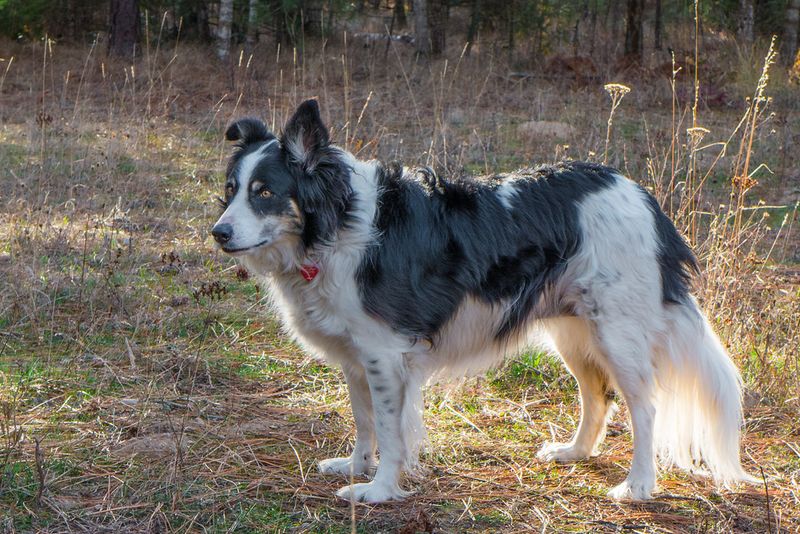
With a brain like a puzzle box, the Border Collie needs a mission. Silence can feel like punishment to a dog wired to solve problems.
Herding instincts may spill into nipping furniture or chasing shadows.
Daily training, agility, and scent tasks channel that spark. Teach independent play and use time-release toys when you step out.
If your lifestyle is calm and often empty, think carefully. This genius thrives with structure, goals, and frequent feedback.
Cavalier King Charles Spaniel
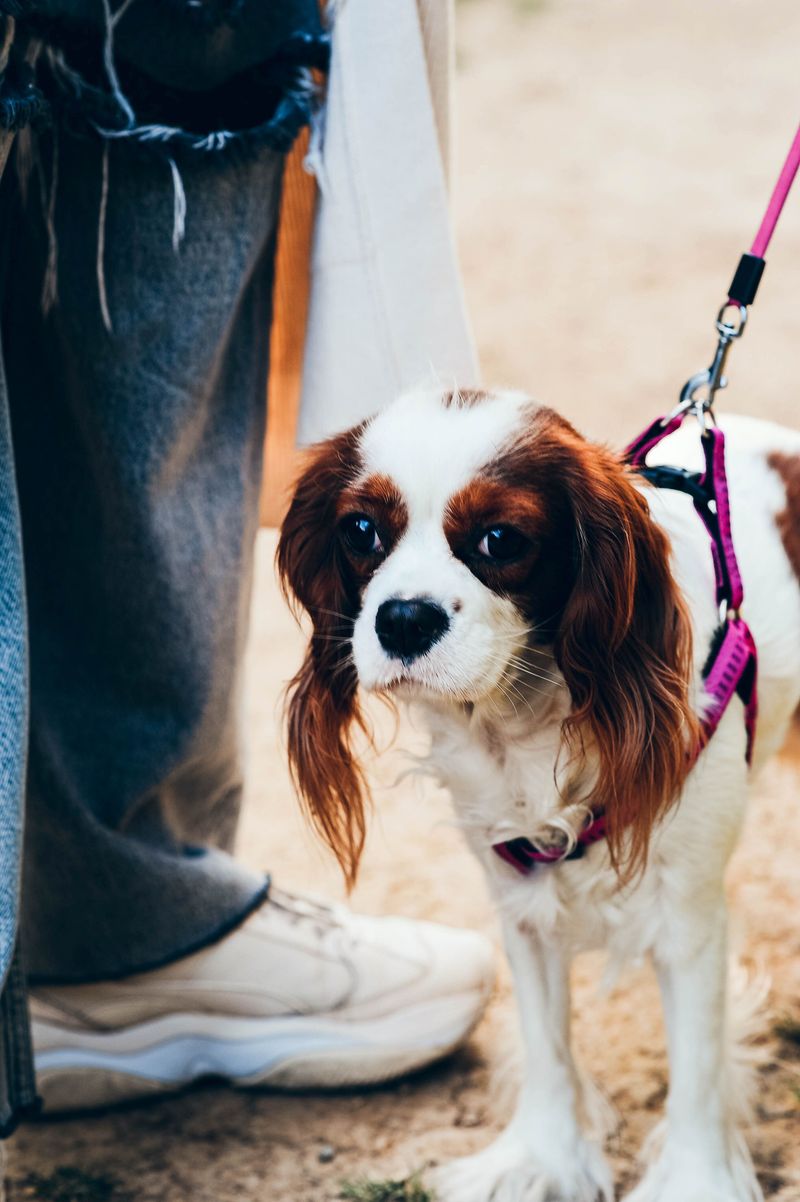
Affection is the Cavalier’s favorite hobby. Many prefer to nap beside you rather than alone in a quiet room.
Extended separations can lead to worry or whining.
Gentle exercise, short training bursts, and calm crate practice build confidence. A pet sitter, friendly neighbor, or dog-friendly office day helps a lot.
If your home is empty most of the week, ask whether a more independent breed fits better. Their tender-hearted nature shines brightest with steady companionship.
Bichon Frise
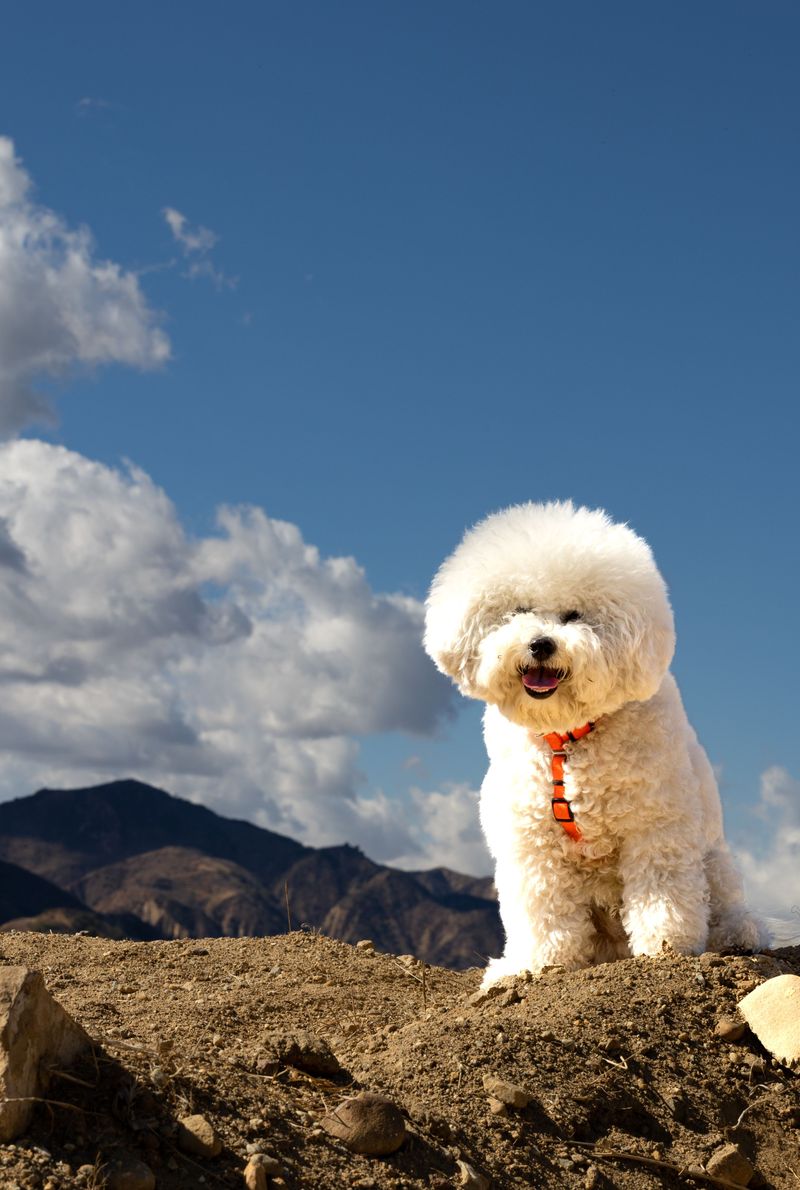
Think little cloud, big feelings. Bichons are social entertainers who enjoy routines and nearby people.
Many handle short absences if introduced slowly and paired with enrichment.
Plan a brisk walk, a snuffle mat, and a comfy crate or pen. Rotate safe chews to keep the party going while you are out.
For long workdays, a midday visitor helps maintain happy vibes. With thoughtful practice, this cheerful companion can manage alone time without losing sparkle.
German Shepherd
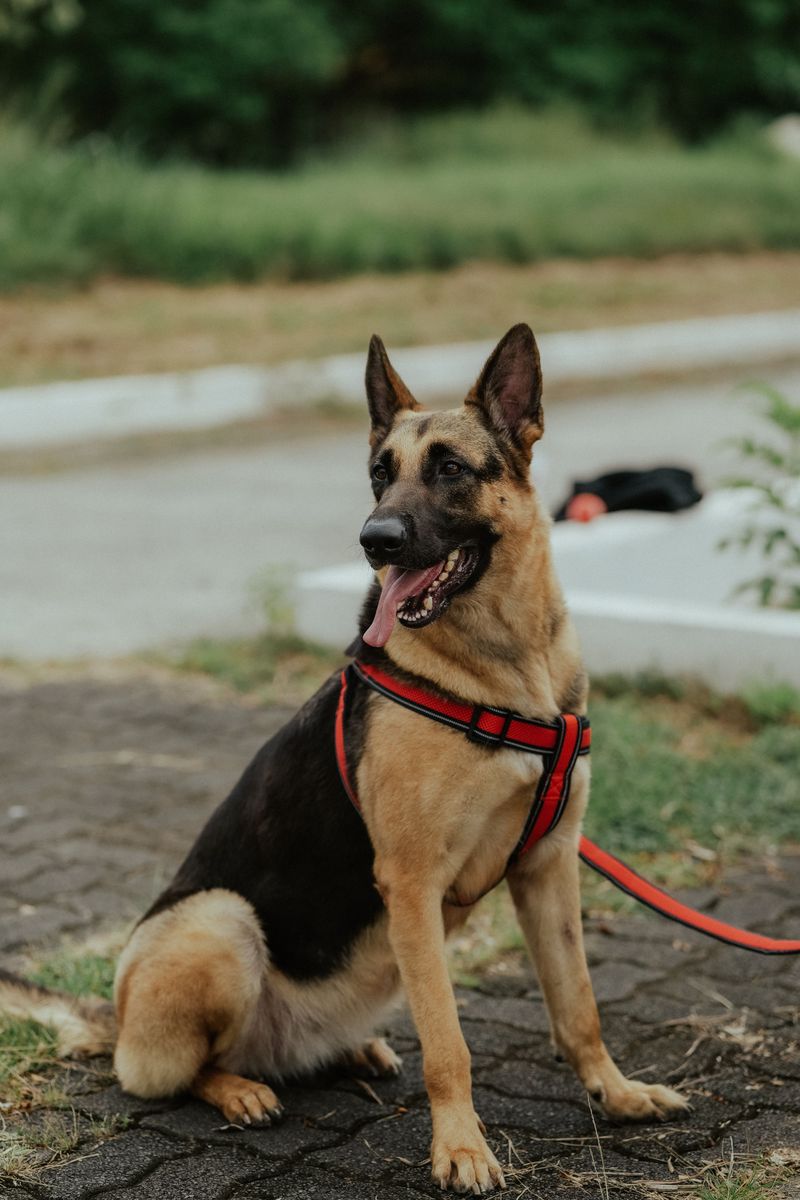
Loyal by nature, the German Shepherd often watches the house like a guardian. Long empty hours can amplify alert barking or stress.
Purpose and training make all the difference.
Teach clear on-off duty cues, give daily workouts, and challenge problem-solving skills. Nosework, obedience, and tracking polish their focus.
If your routine leaves little time, line up help to prevent restlessness. A well-led Shepherd rests easier, stays quiet, and feels secure even when the house is still.
Labrador Retriever
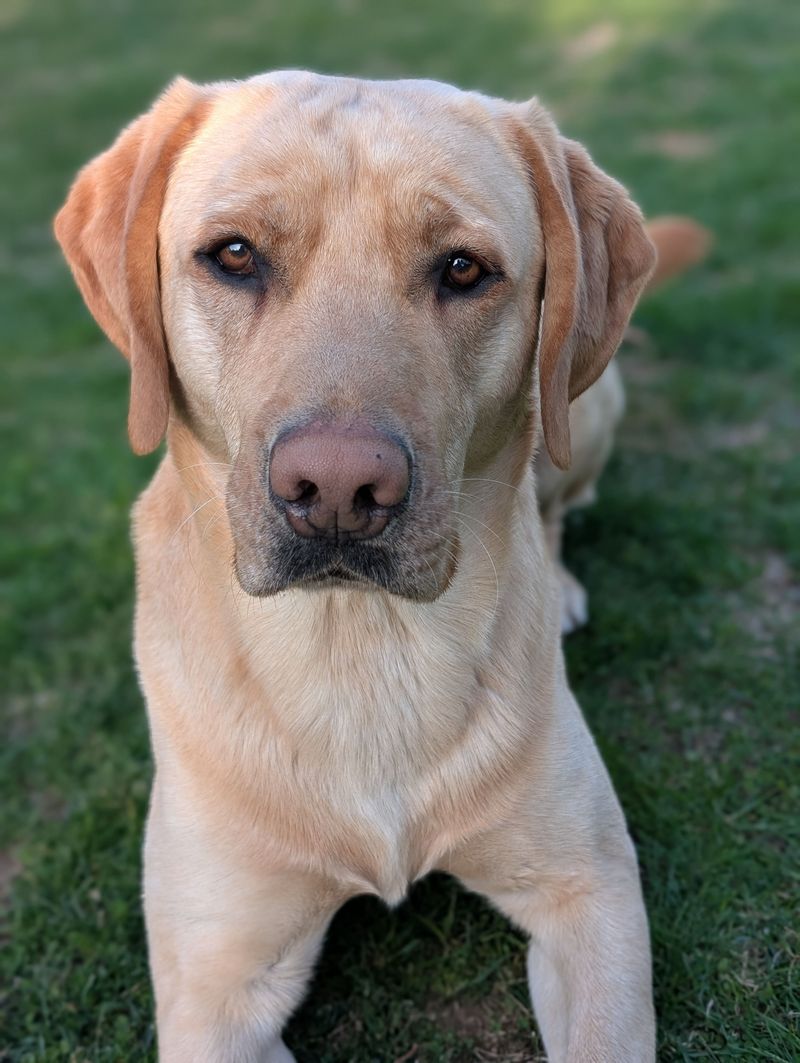
Friendly, food-motivated, and always up for fetch, Labs usually manage alone time better with the right setup. Without activity, though, curiosity can lead to counter-surfing or noisy complaints.
Morning exercise plus stuffed toys that freeze well make a big difference. Training goodbye rituals and calm mat work help them settle.
If hours stretch long, schedule a walker to burn steam. A busy Lab naps happily, then greets you with that famous tail thump.
Pug
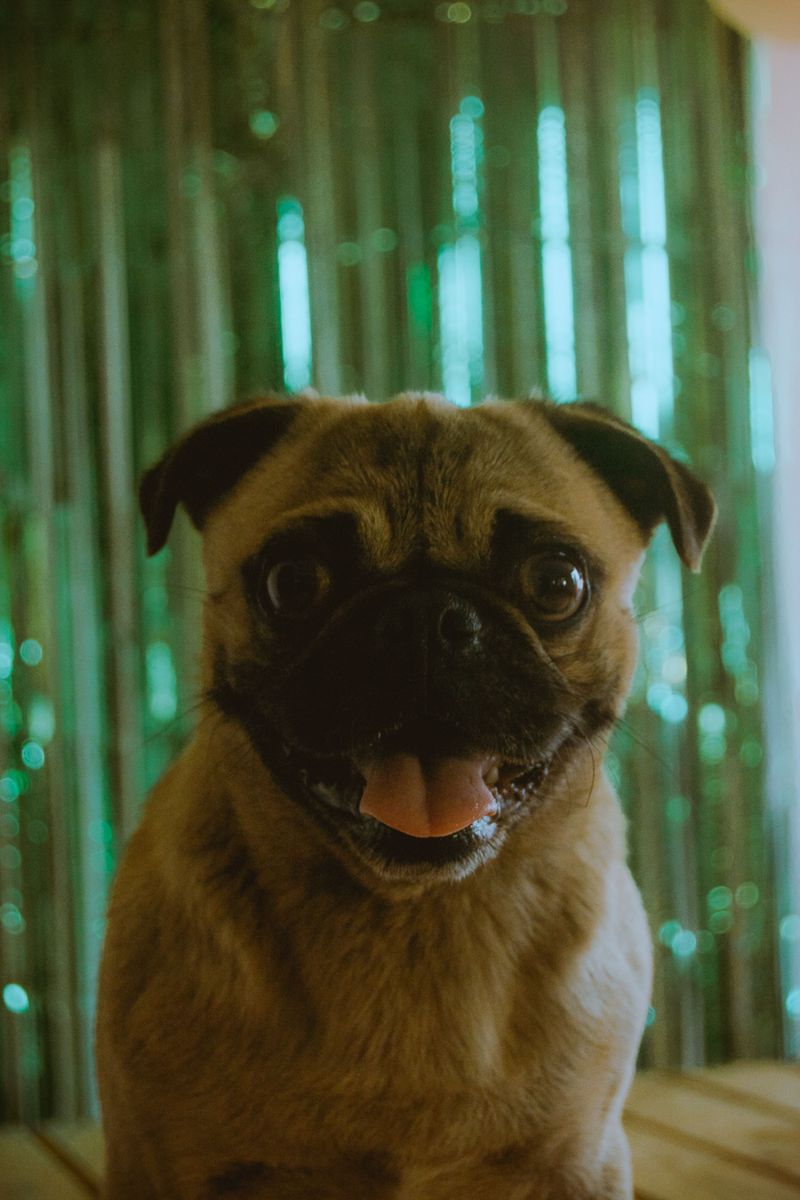
Comedy on four legs, the Pug loves being near people. Many do fine with short, calm absences if they get cuddles and short walks before and after.
Heat and breathing needs require a cool, comfy spot.
Leave gentle chew options and soothing sounds. Gradual alone-time training prevents clinginess.
If late shifts are common, ask a neighbor to pop in. With sensible care, this charmer can nap away a few hours and wake ready for snorts and smiles.
Brittany
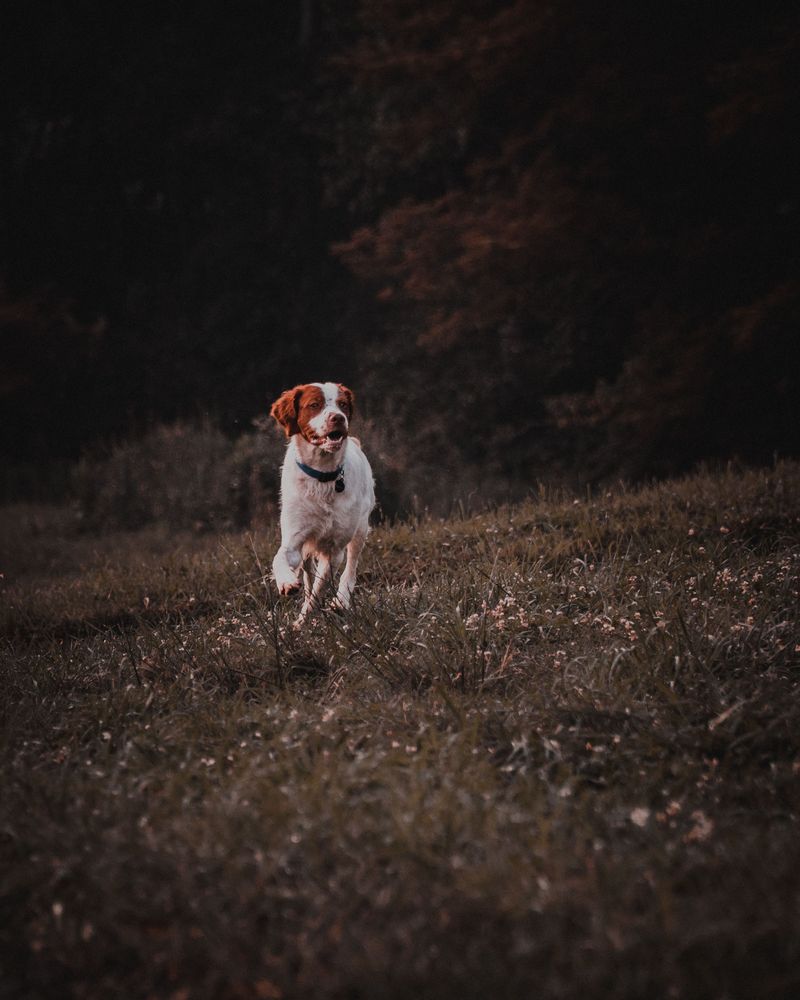
Built like a spring and wired for birds, the Brittany blossoms with daily action. Extended solitude can turn that zest into restless behavior or escape attempts.
Variety is their friend.
Plan trail runs, field games, and scent drills to satisfy instincts. Practice calm crating and rotate interactive feeders during absences.
If your week is packed, arrange outdoor time with a walker or trainer. A well-exercised Brittany becomes a sweet couch buddy when the sun goes down.