Some dogs look adorable or heroic, but they can need a lot more time and money than people expect. Before you pick a breed, it helps to know the grooming, training, and health needs that come with it.
The right match can make life easier for you and happier for your dog. Read on to see what caring for these breeds really takes.
Afghan Hound
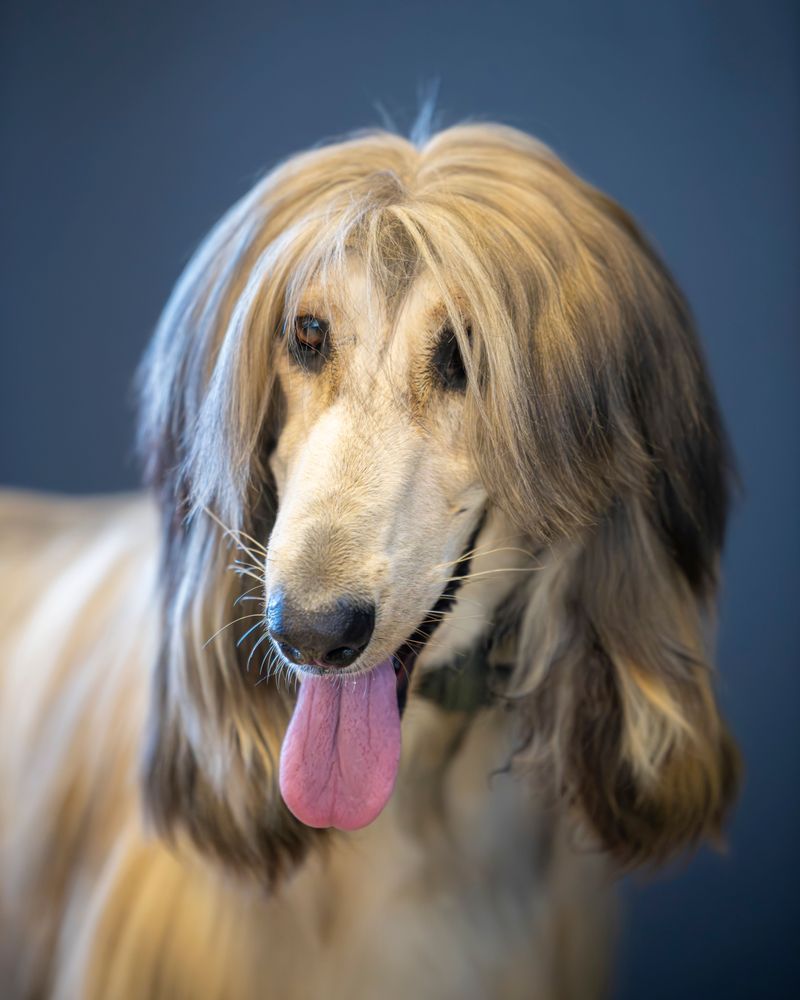
Silky hair that floats in the wind looks magical, but daily brushing is the real story. Afghan Hounds have fine, floor-length coats that mat quickly without time and tools.
Expect baths often, careful drying, and patient detangling.
Training can be tricky since they are independent thinkers. Gentle consistency works better than pressure.
Plan for moderate exercise, a quality diet, and regular professional grooming costs to keep that runway look healthy and comfortable.
Old English Sheepdog
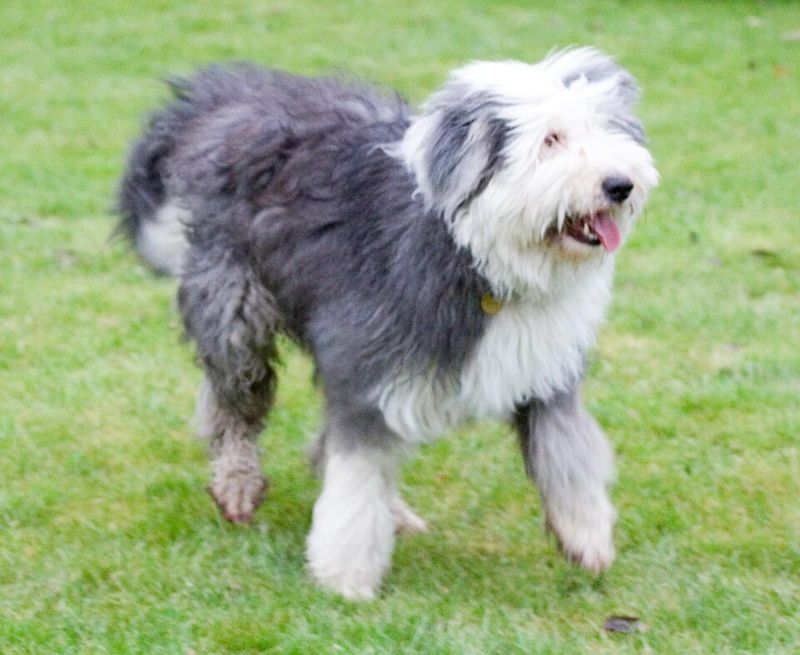
Big, fluffy, and clownish, the Old English Sheepdog can steal hearts fast. That coat, though, demands work.
Under the fuzz is dense hair that traps dirt and tangles, so plan for thorough brushing several times a week and regular trims.
Energy levels are higher than many expect. Daily walks, play, and brain games are needed to prevent boredom.
Budget for grooming bills, quality food, and hip and eye screenings as your shaggy buddy grows.
French Bulldog
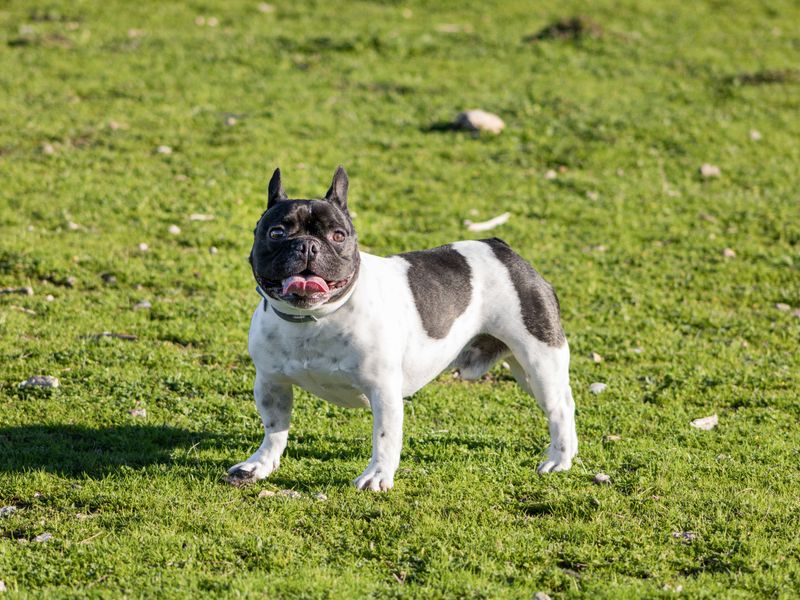
City-friendly and charming, the French Bulldog still brings hidden responsibilities. Short snouts can mean noisy breathing, heat sensitivity, and possible vet visits for airway issues.
Air conditioning, careful exercise, and weight control matter a lot.
Skin folds and ears need frequent cleaning to prevent infections. Because many cannot swim well, water safety is essential.
Training should be upbeat and short. Expect costs for quality food, insurance, and possible specialist care to keep your little comedian comfortable.
Chow Chow
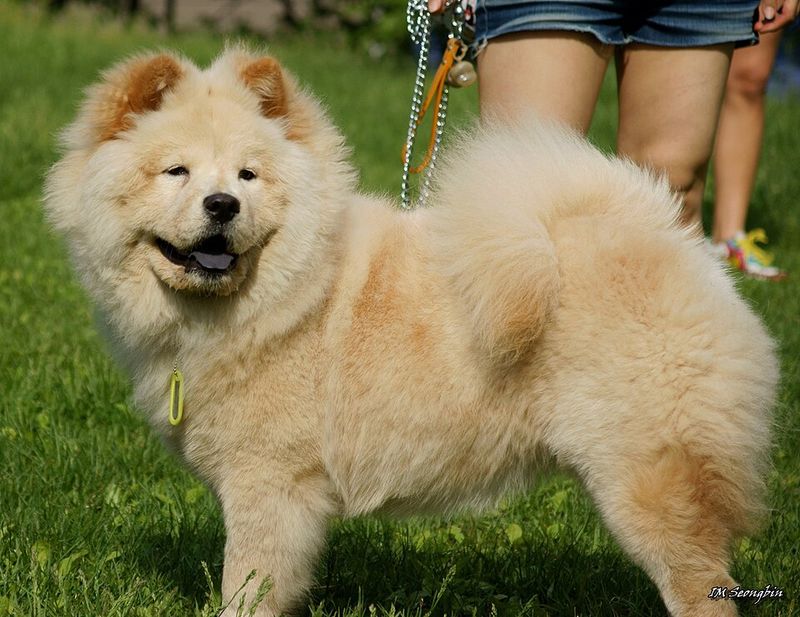
Like a teddy bear with a serious gaze, the Chow Chow asks for respect and routine. That thick double coat sheds heavily seasonally and needs steady brushing to prevent hot spots.
Heat can be tough, so shade and cool floors help.
Training benefits from calm structure and early social time. They are loyal yet reserved, so clear boundaries matter.
Plan for joint checks, dental care, and quality nutrition to support a sturdy body and dense fur.
Poodle
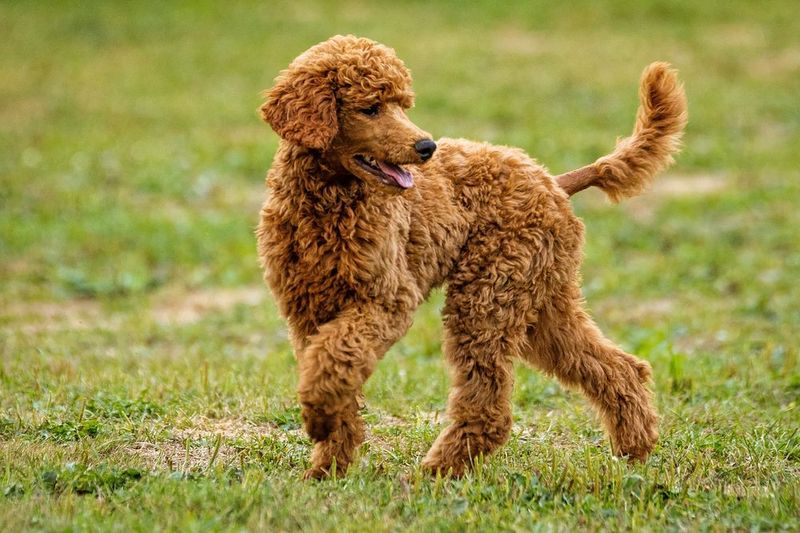
Brains and bounce make Poodles delightful partners. Their curly coat does not shed much, but it keeps growing, so professional grooming every 4 to 6 weeks is typical.
Brushing between appointments prevents knots and keeps skin healthy.
Energy and smarts require daily exercise plus training games. Boredom can lead to mischief.
Watch for ear issues and maintain dental care. With the right routine, you get a stylish athlete who loves learning and staying close.
Saint Bernard
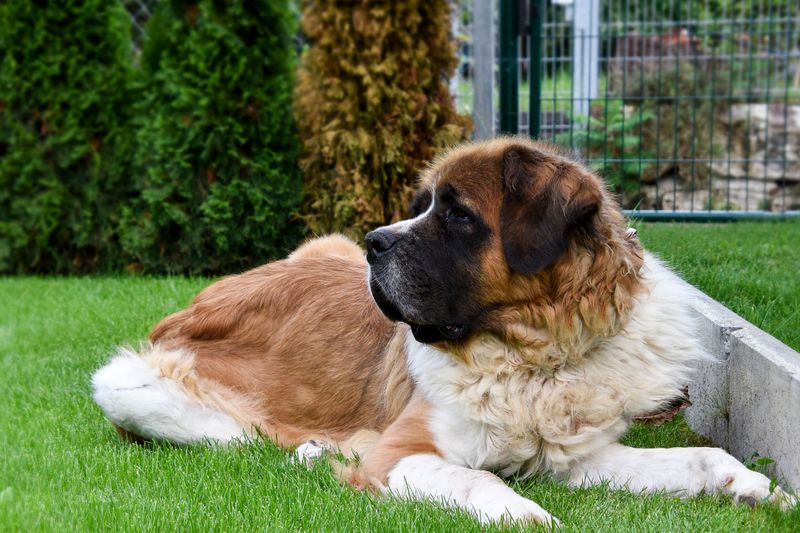
With a head like a pillow and a heart to match, the Saint Bernard is a gentle giant that needs space and structure. Expect drool, seasonal shedding, and plenty of hair on furniture.
Regular brushing and cleanup gear help a lot.
Short walks, joint-friendly exercise, and careful weight control protect growing bones. Training should be steady and kind.
Budget for large-dog food portions, sturdy gear, and vet checks for hips, elbows, and bloat risks.
Cavalier King Charles Spaniel
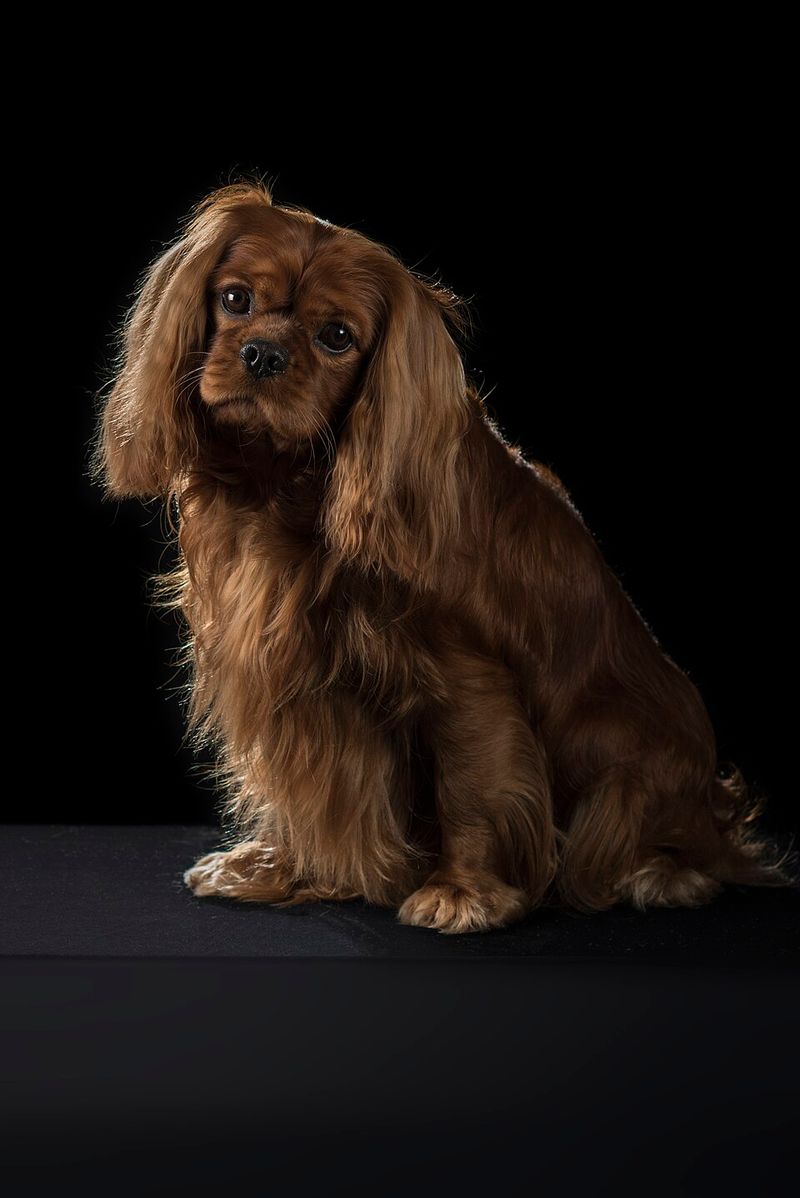
Those warm eyes can win anyone over, yet Cavaliers bring real responsibilities. Ears and feathered fur need regular brushing, and tear staining may need cleanup.
Many lines have heart issues, so yearly cardiac checks are recommended.
They thrive on company and can struggle with long hours alone. Gentle training, daily walks, and puzzle feeders keep them happy.
Plan for quality food, dental care, and pet insurance to support a long, comfortable life.
Siberian Husky
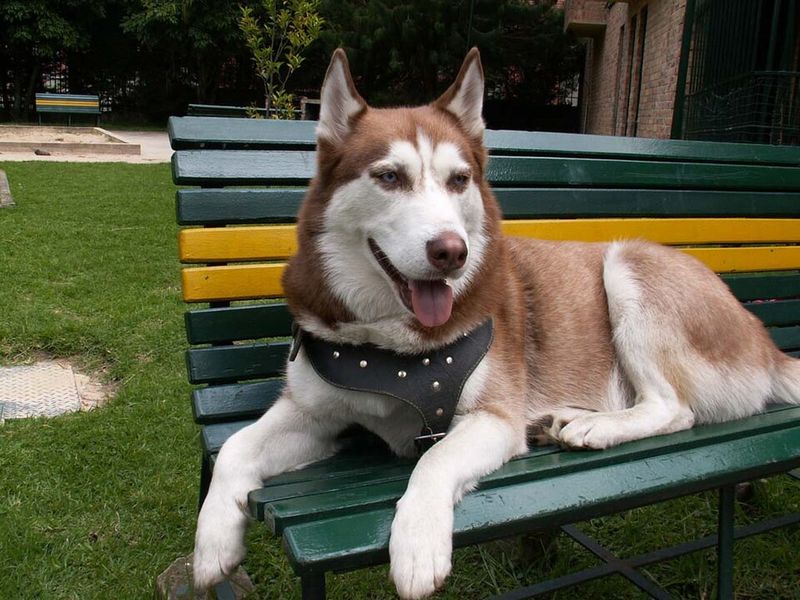
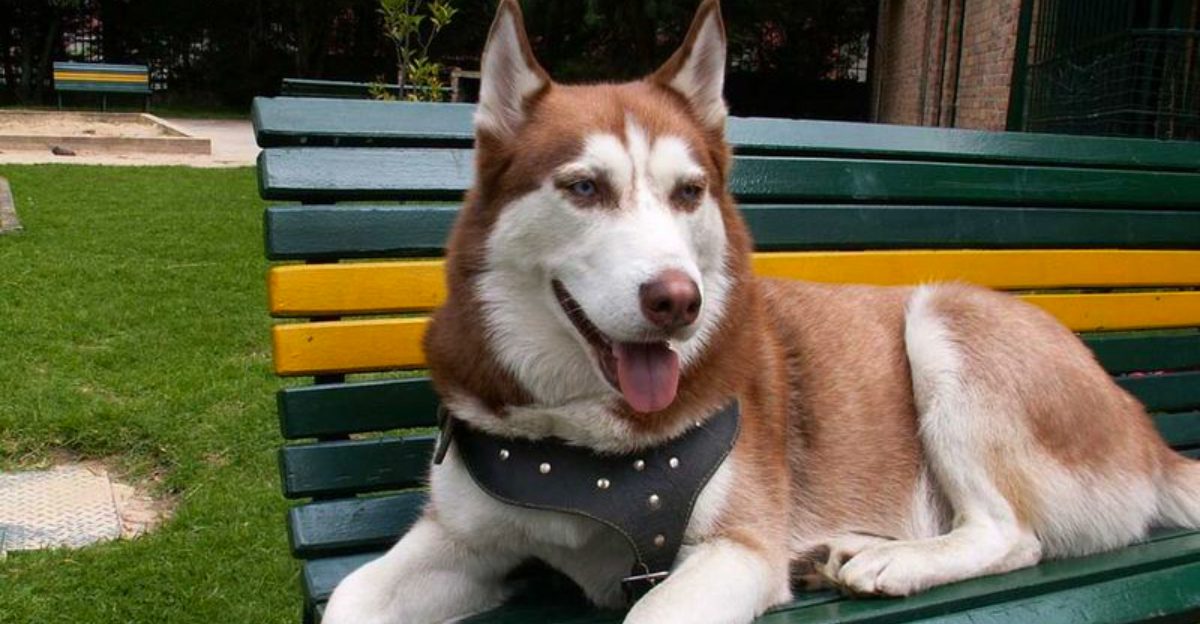
Born to run, the Siberian Husky treats your yard fence like a puzzle to solve. High energy demands serious exercise and mental work.
Without it, escape attempts and howling may appear. Their thick coat blows heavily twice a year, filling bags with fur.
Cool climates suit them best. Training should be firm, fair, and fun.
Provide secure fencing, leash habits, and enrichment toys. Expect regular brushing, nail care, and a diet that fuels an athlete.
Dachshund
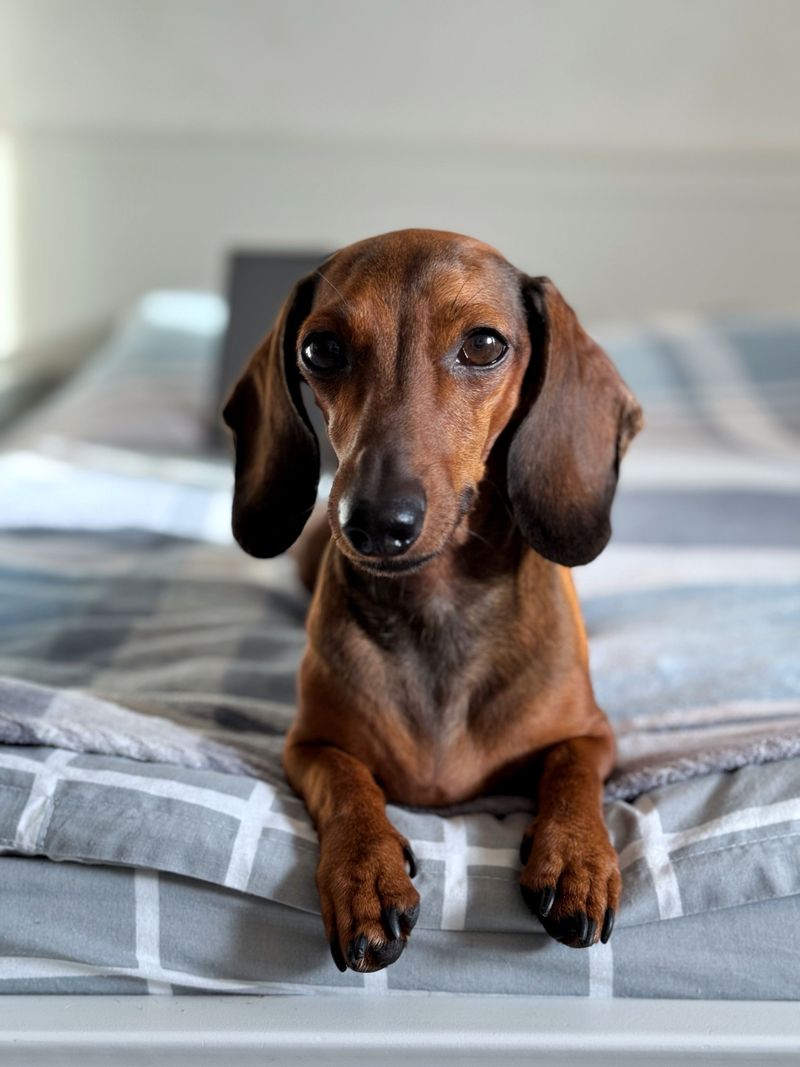
Short legs, big spirit. Dachshunds bring spunk and stubborn charm.
Their long backs need protection, so avoid stairs, jumping off furniture, and rough play. Use a harness instead of a collar to reduce neck strain, and keep them at a healthy weight.
Digging and barking can show up without training. Daily walks, scent games, and firm boundaries help.
Grooming varies by coat type, but all benefit from nail trims and dental care.
Cocker Spaniel
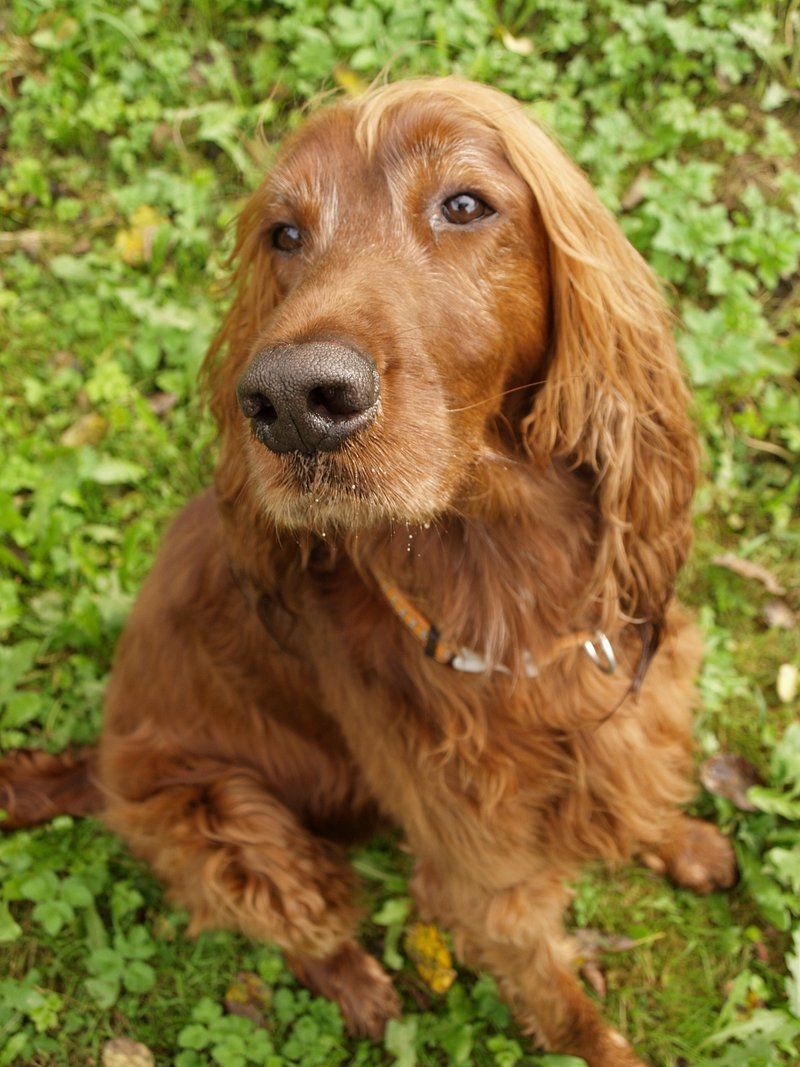
Soft eyes and silky ears hide a grooming routine that cannot be skipped. Cocker Spaniels have feathering that mats, so frequent brushing and regular trims are key.
Ear canals are narrow, making infections more likely without gentle cleaning and airflow.
Energy is moderate, but minds are active. Short training sessions, play, and calm structure keep them focused.
Watch weight, maintain dental care, and schedule eye checks to catch problems early.
Great Dane
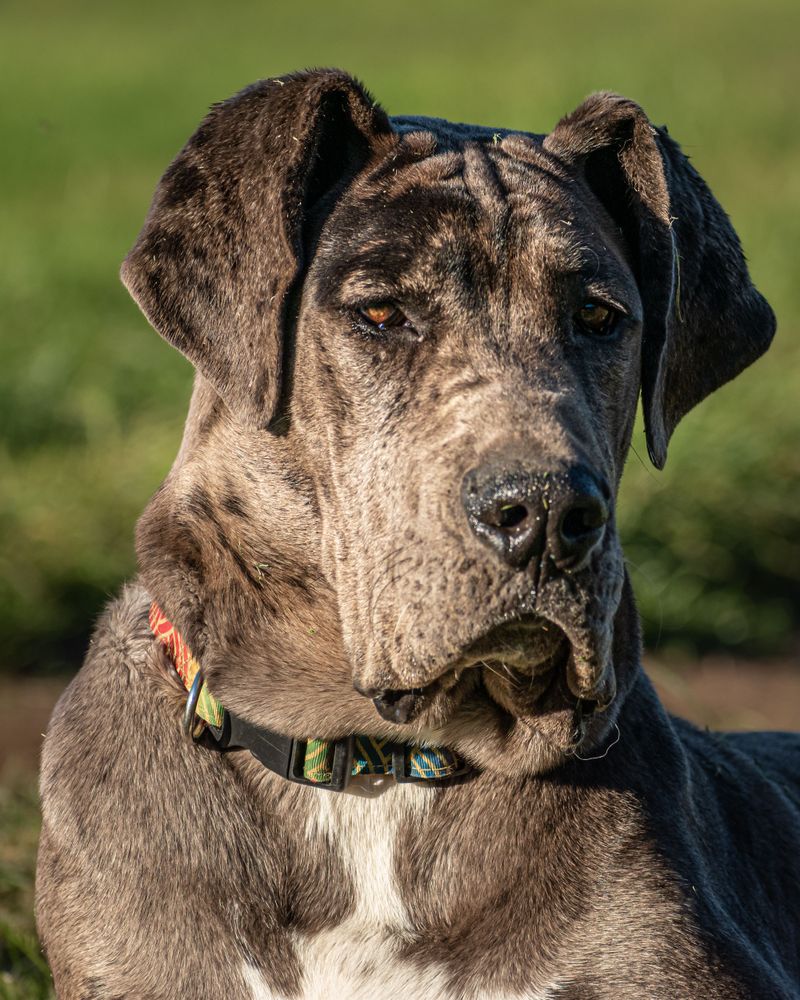
Room-sized love needs room-sized planning. Great Danes mature slowly and require careful feeding to protect joints and prevent rapid growth.
Short, frequent walks and soft surfaces help. Even with a short coat, shedding and dander show up on dark clothes.
Training and social time are essential for polite manners in a giant frame. Budget for big everything, from beds to vet bills.
Watch for bloat and heart issues, and learn emergency signs early.