Feeding every dog the same way does not work. Size, body shape, and breed change how much food and what mix of nutrients a pup needs.
When meals fit the dog, energy, coat, and health all improve. Let this guide help you match the bowl to the breed so your best friend thrives.
Great Dane
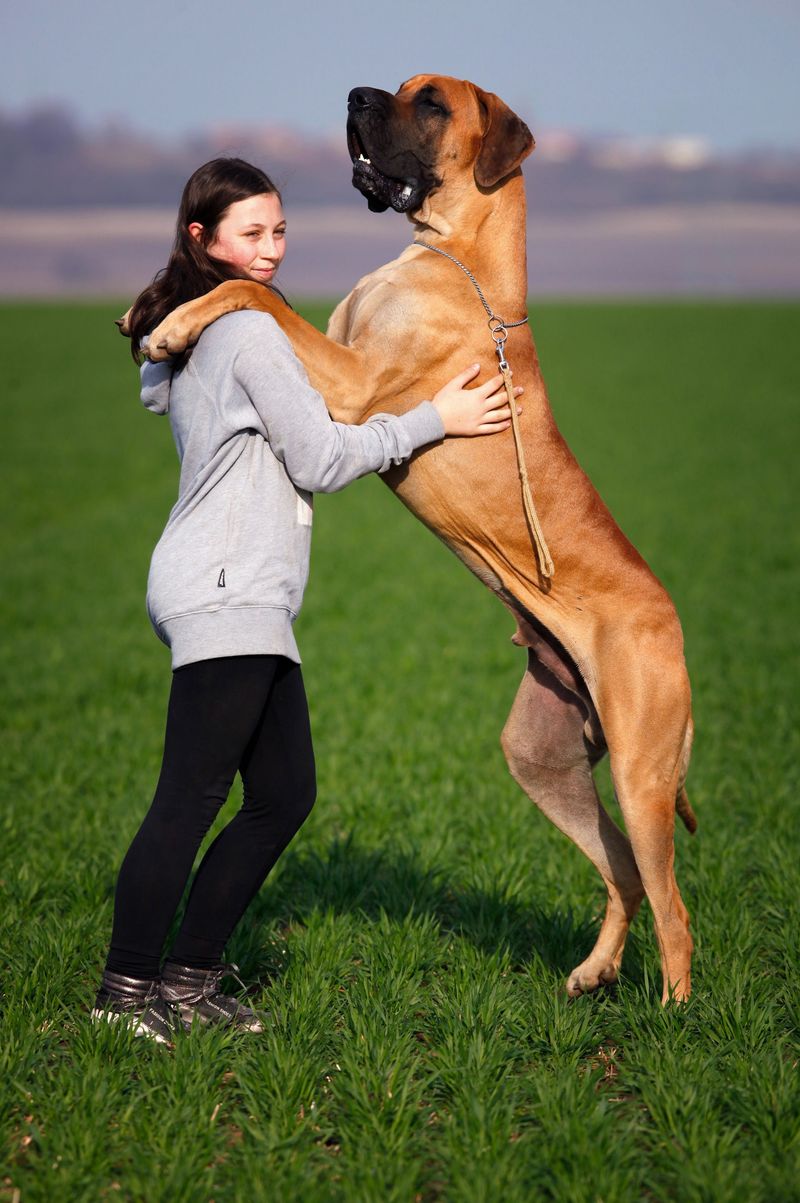
With the stride of a gentle giant, a Great Dane still faces big nutrition needs. Choose calorie-dense food with controlled calcium and phosphorus to protect fast-growing bones.
Large, deep-chested breeds risk bloat, so offer two to three smaller meals, use a slow feeder, and avoid vigorous play around feeding time.
Joint support helps, particularly glucosamine and omega-3s. Keep the bowl raised to a comfortable height, and track body condition weekly.
Lean, not skinny or soft, is the target.
Labrador Retriever
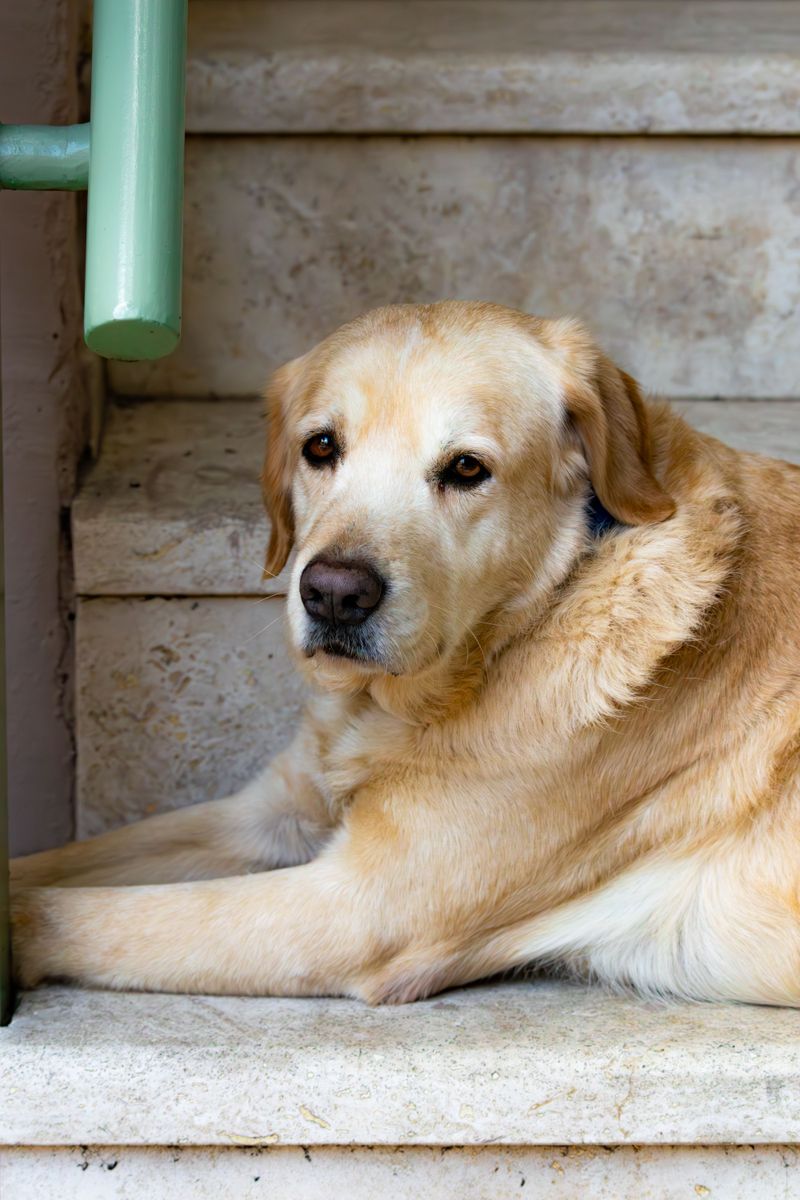
Food-loving Labs can inhale dinner in seconds, which makes portion control your superpower. Measure every meal with a cup or scale, and pick a formula that balances protein for muscle with moderate fat.
High activity calls for a bit more fuel, but couch-potato days need less.
Because Labs can gain weight easily, aim for a visible waist and ribs you can feel. Add green beans or carrots for volume without many extra calories.
Daily walks seal the plan.
Dachshund
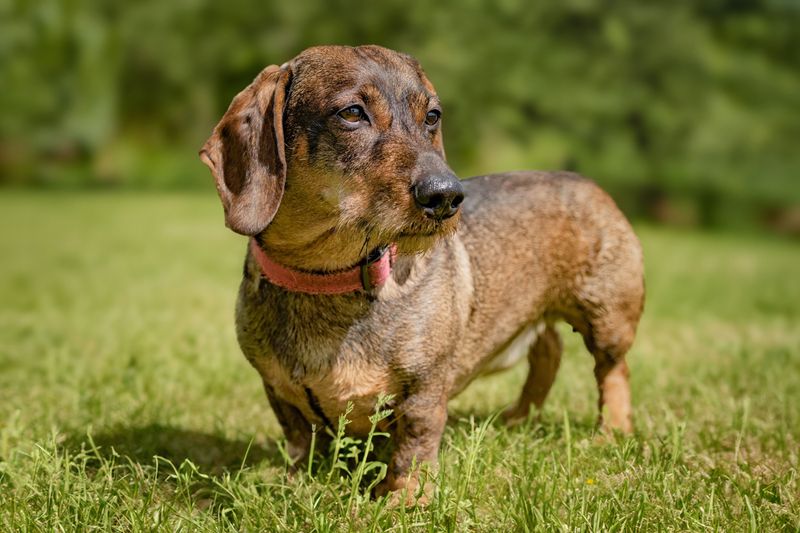
Long spine, short legs, big appetite. That combo makes careful feeding vital for a Dachshund.
Keeping weight lean protects the back. Choose nutrient-dense food with adequate protein, but watch portions closely.
Frequent tiny treats add up fast, so swap in single-ingredient snacks like apple slices.
Use a low bowl to keep the neck in a comfy position. Strengthen core muscles with gentle walks, not leaps.
If joints seem stiff, ask about omega-3s to support mobility.
Chihuahua

Pint-sized pups have speedy metabolisms and tiny stomachs. A Chihuahua does best with small-bite kibble and two to three mini meals to keep energy steady.
Look for high-quality protein and balanced fat, since even a spoonful extra can change weight quickly. Monitor treats, because a few nibs can equal a meal.
Teeth need attention, so crunchy kibble or approved chews help. If picky, gently warm food or add a splash of low-sodium broth for aroma.
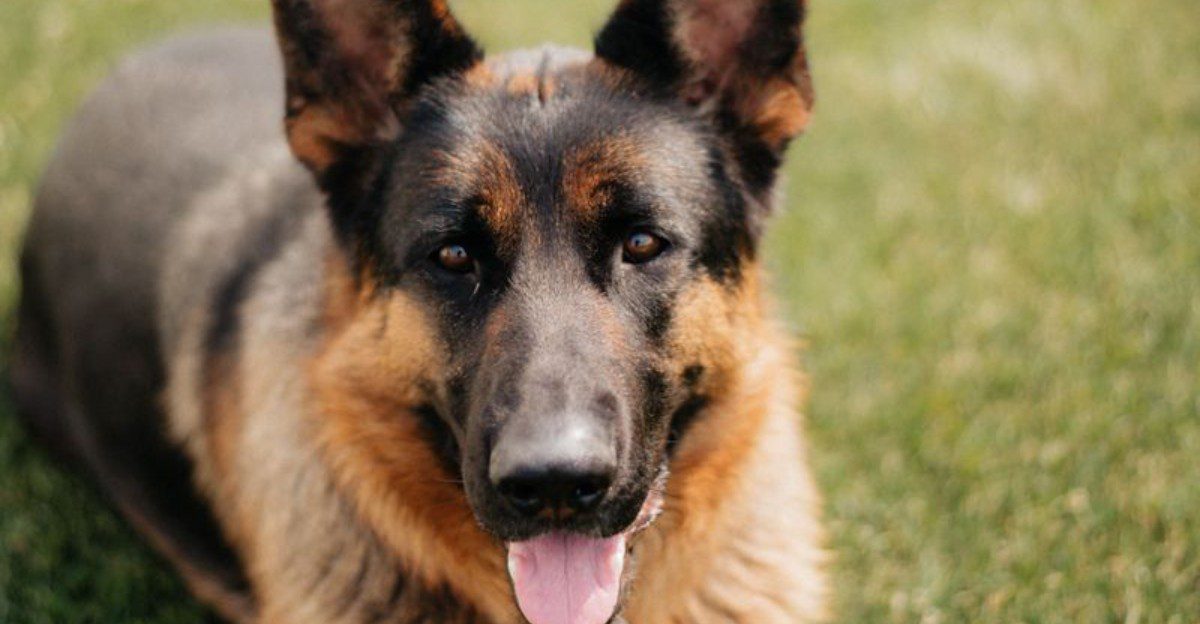
German Shepherd
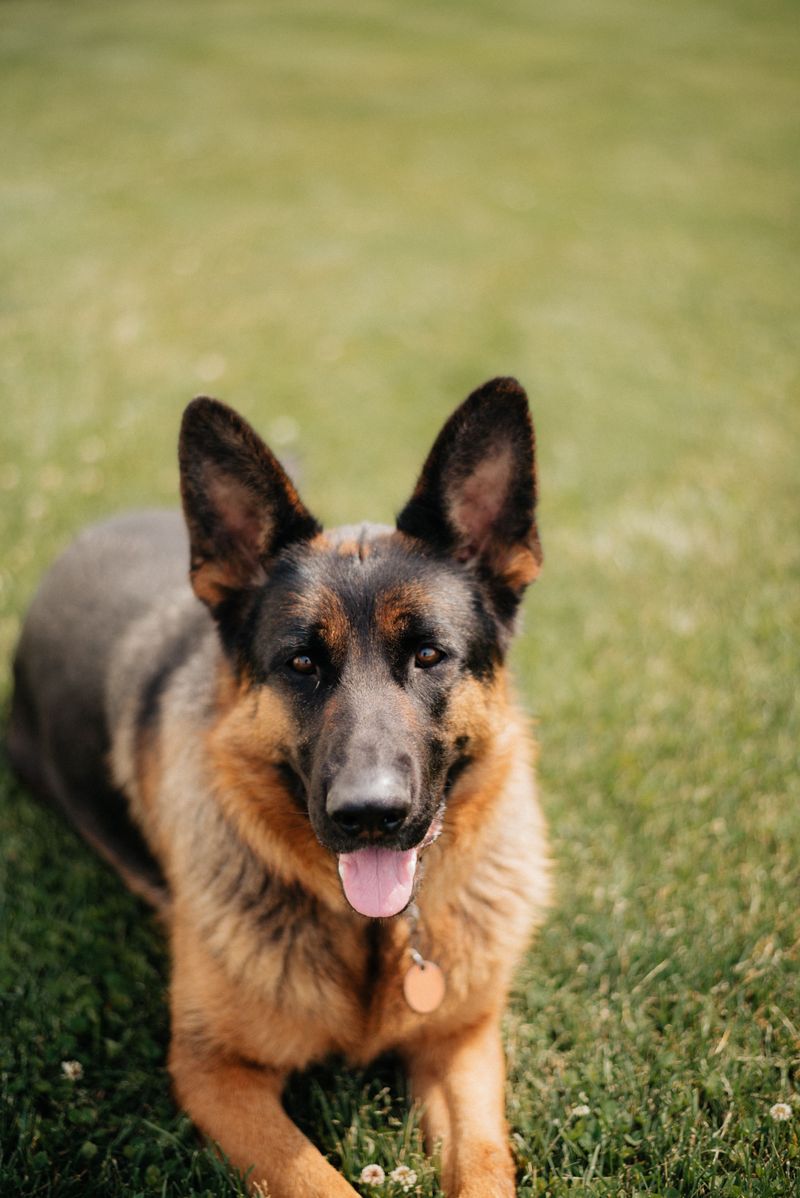
Born for work, German Shepherds often need higher protein to maintain strong muscles. Choose a formula with joint-support nutrients like glucosamine.
If your dog trains hard, split portions around activity for steady energy. Sensitive stomachs can occur in the breed, so introduce changes slowly and watch for skin or digestive signs.
Keep body condition athletic and trim, not bulky. Rotate enrichment, like snuffle mats, to slow eating and reduce stress.
Clear routines help shepherd minds relax.
Greyhound
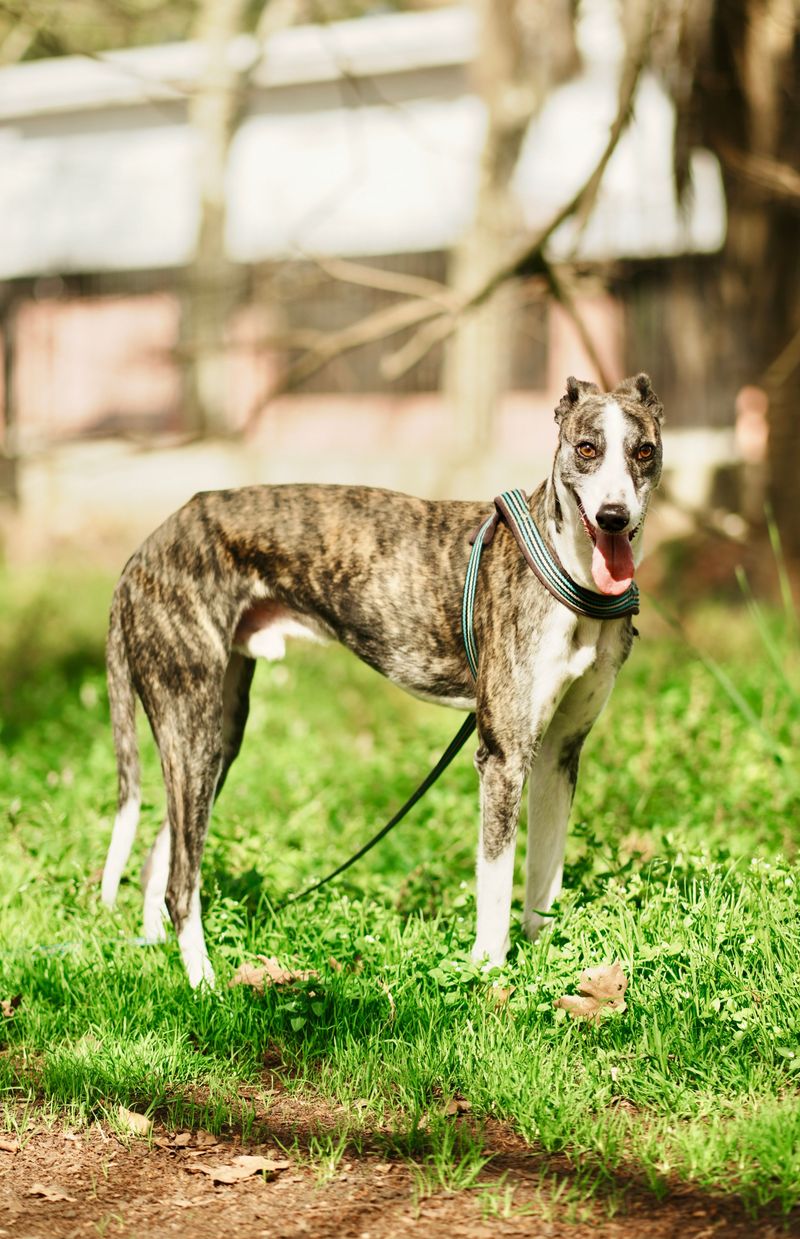
Built for speed, Greyhounds carry lean muscle with very little body fat. That makes temperature and calorie needs a bit different.
Consider slightly higher fat for sustained energy, but keep portions precise to avoid stomach upset. Many prefer quiet, low-stress meals away from foot traffic.
If your hound just retired from racing, ask your vet about transitioning to a companion lifestyle diet. Soft bedding and a steady schedule support digestion and relaxation at mealtime.
English Bulldog
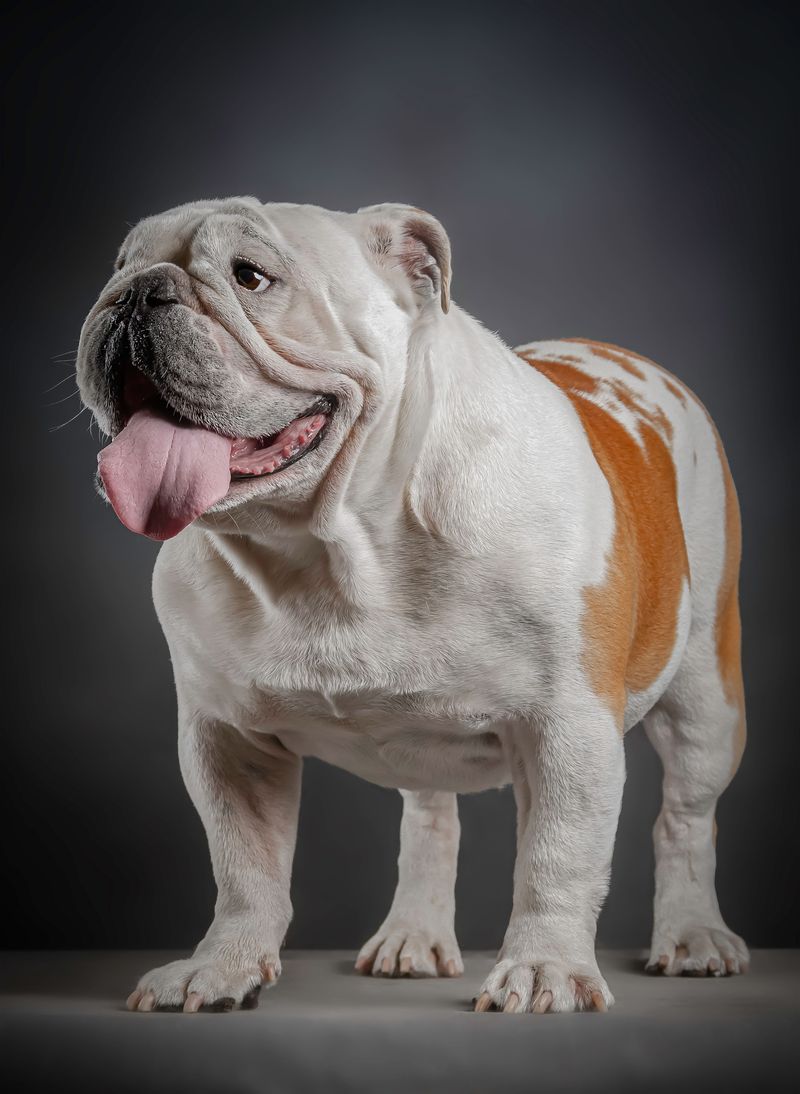
Short muzzles can make eating messy and fast. An English Bulldog benefits from a tilted or slow feeder bowl to pace bites and reduce gulping.
Choose a balanced diet that helps maintain a lean body, because extra pounds stress joints and breathing. Watch for food sensitivities that might show as itchy skin.
Frequent, smaller meals may be easier to handle. Keep water handy, and clean facial folds after eating.
Gentle walks aid digestion and weight control.
Miniature Schnauzer
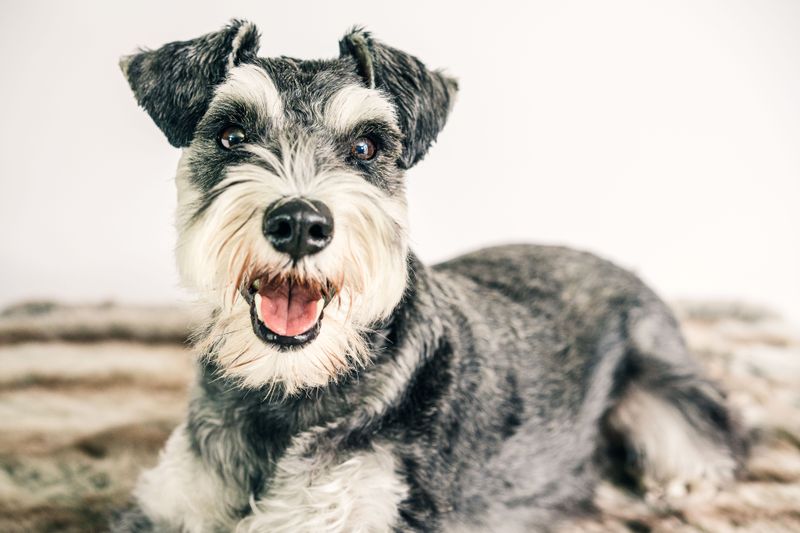
Brisk and bright, the Miniature Schnauzer can be prone to pancreatitis, so a moderate-to-low fat diet often suits them well. Choose steady portions and avoid greasy table scraps.
High-fiber veggies like green beans add fullness without loading calories. Regular weigh-ins help prevent sneak-up pounds.
Beard-cleaning after meals keeps things tidy. If your dog is a speedy eater, a puzzle bowl adds fun and slows intake.
Consistent training rewards can be tiny and still effective.
Boxer
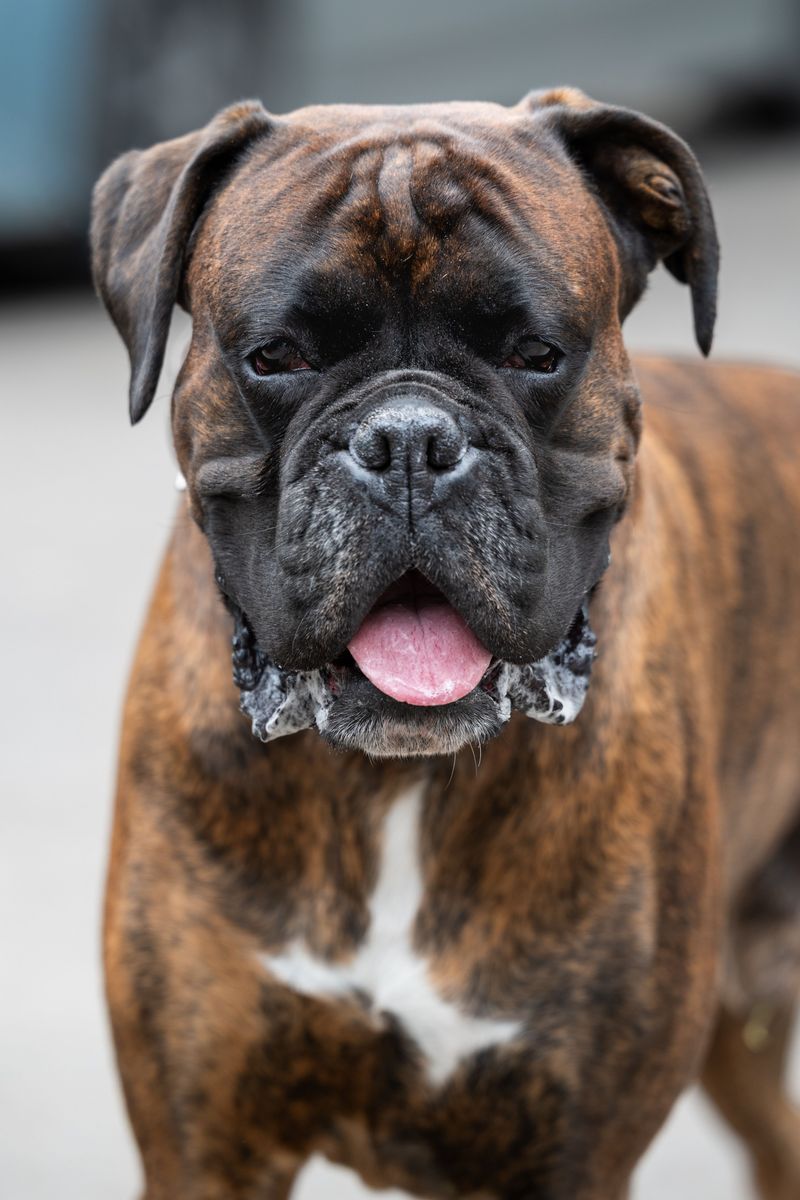
Always ready to play, Boxers burn calories fast yet can have sensitive tummies. A highly digestible, moderate-fat food with quality protein supports muscles and stamina.
Feed two to three smaller meals, and consider a slow feeder. Deep chests raise the risk of bloat, so schedule calm time before and after eating.
Keep weight lean to protect joints during zoomies. Add fish oil for coat shine and recovery.
Training snacks should be small and counted in daily totals.
Poodle
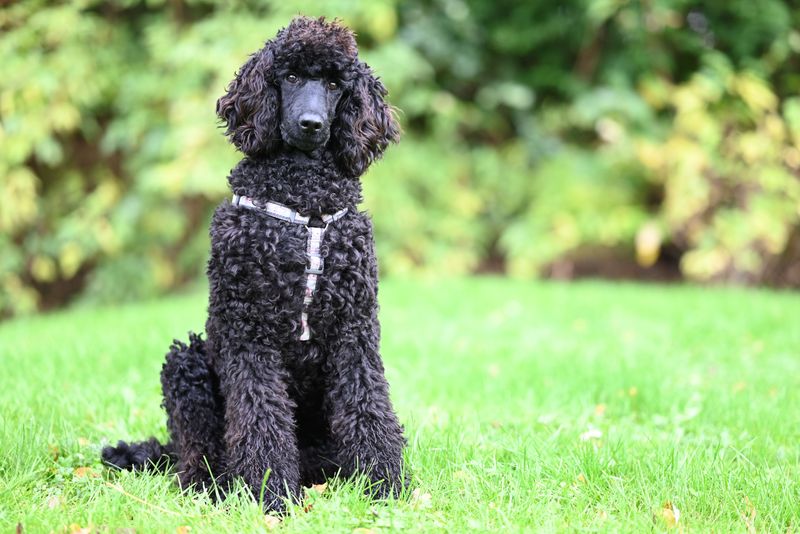
Brainy and active, Poodles benefit from balanced protein for muscle plus omega-3s for skin and coat. Choose a kibble size matched to toy, miniature, or standard.
Sensitive skin or ears may signal food reactions, so track ingredients and introduce changes slowly. Mental games at mealtime, like scatter feeding, keep clever minds engaged.
For toy sizes, use small, frequent meals. Standards often do well with two measured feedings.
Watch waistlines and adjust portions with activity swings.
Saint Bernard
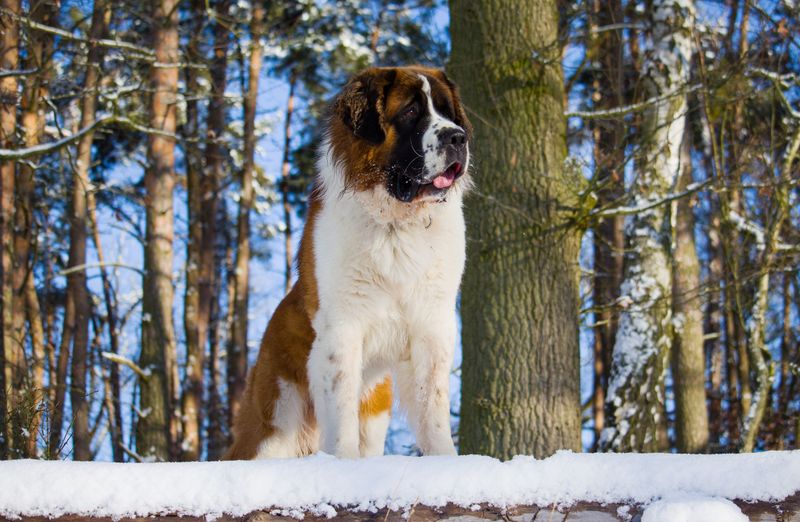
Big frame, big heart, big nutrition plan. Saint Bernards grow quickly, so choose large-breed formulas with controlled calcium and steady calories to protect developing joints.
Split meals to reduce bloat risk and keep energy even. Avoid rapid weight gain that strains hips and elbows.
Because heat can slow appetite, feed in cooler parts of the day and keep fresh water available. Consider joint-support supplements after discussing with your vet.
Gentle hikes fit a balanced routine.
Beagle
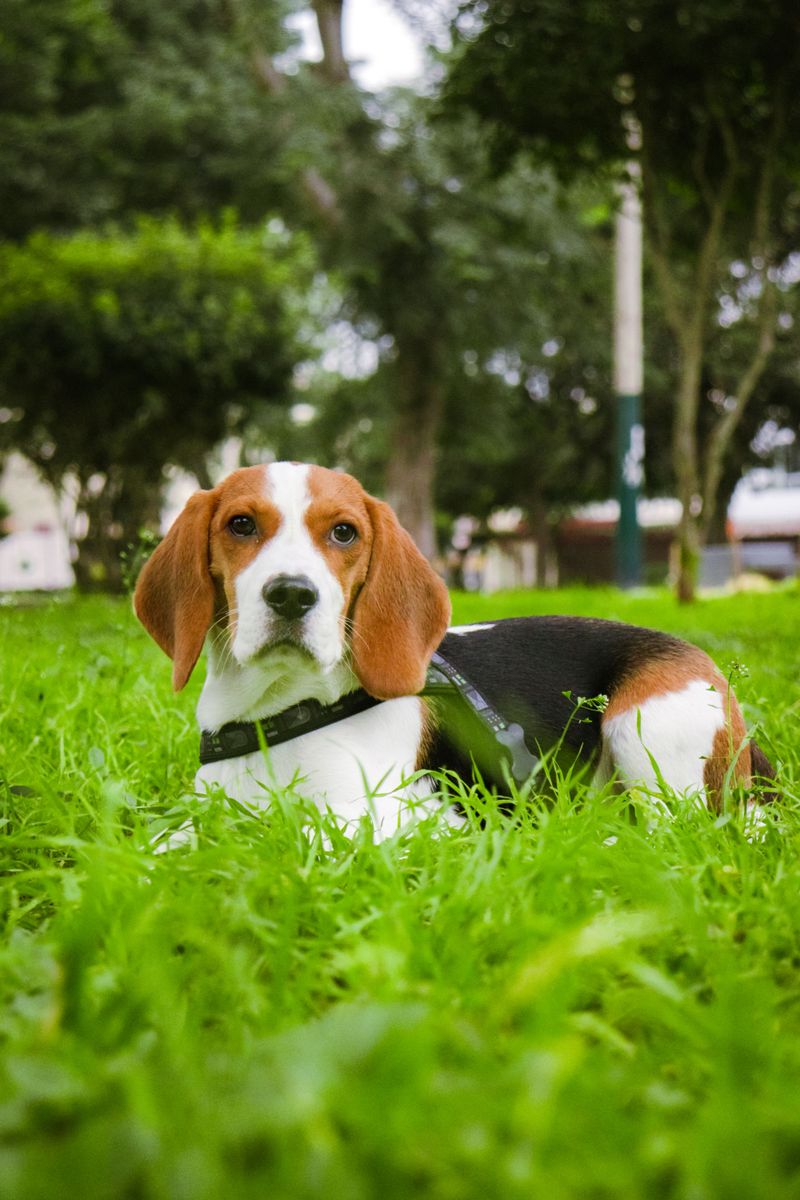
Nose first, belly next. Beagles love to hunt for snacks, which can lead to sneaky weight gain.
Use a measuring cup and pick a protein-forward, moderate-calorie food. Snuffle mats or puzzle toys turn meals into scent games, satisfying that tracking drive while slowing down eating.
Keep treats lean and count them into the daily plan. Regular body checks help you spot creeping pounds.
Hikes and nose work channel energy and keep the waistline trim.