
Dog food fads can look exciting, but your dog’s body has its own rules. Different breeds were built for different jobs, and their diets should support how they grow, move, and play.
When you match food to breed needs, you help prevent problems and boost energy. Let’s look at what popular breeds often require before you switch bowls.
Labrador Retriever

With a tail that never stops wagging, Labs love food and fun. That big appetite can cause weight gain, so aim for calorie control and steady portion sizes.
Choose foods rich in lean protein and omega-3s to support joints and a glossy coat. Fiber helps them feel full without extra calories.
Because Labs are prone to hip and elbow issues, look for glucosamine and chondroitin. Training treats should be small.
Daily exercise pairs perfectly with a balanced, measured bowl.
German Shepherd
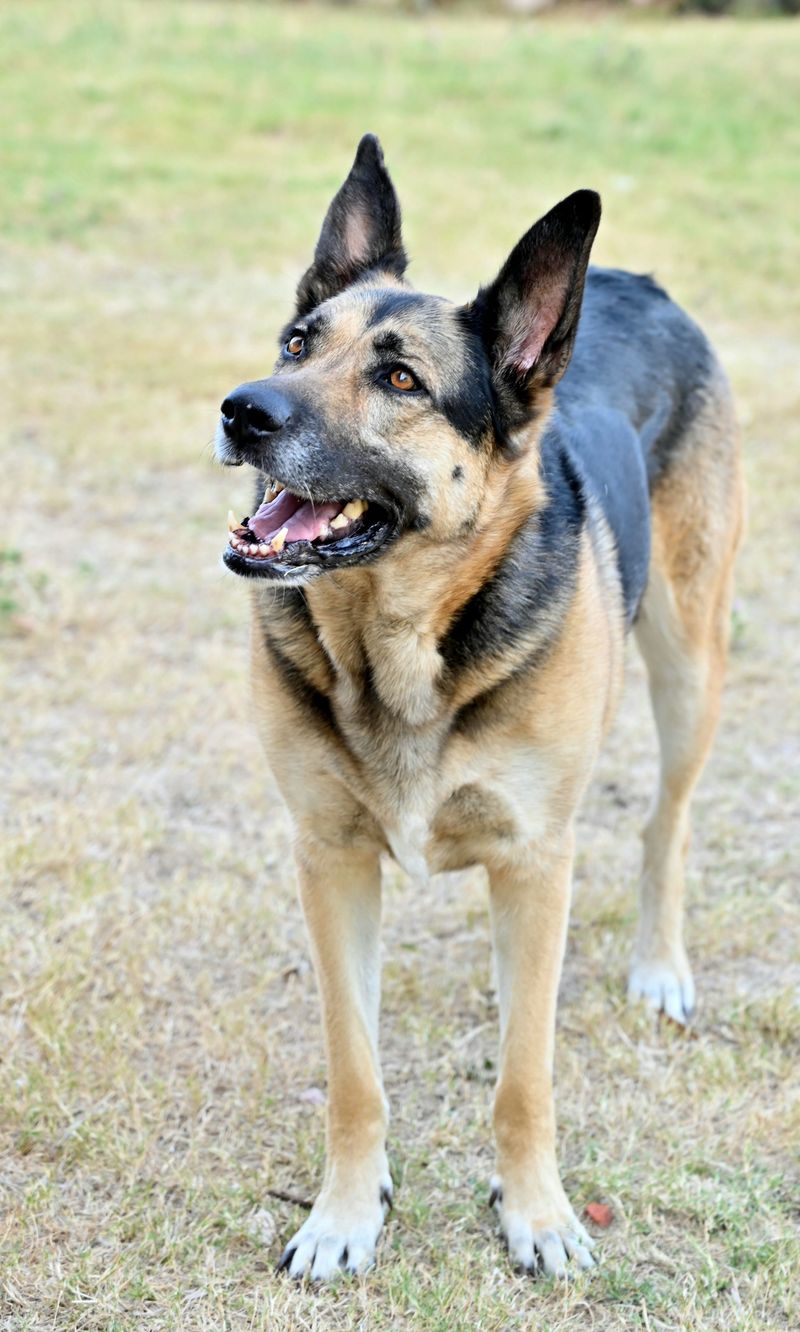
Born to work and think, German Shepherds burn serious energy. High-quality protein helps maintain lean muscle, especially during training.
Add healthy fats for stamina, plus omega-3s to support skin, coat, and brain. Steady calcium and phosphorus matter for bone strength.
Many Shepherds have sensitive stomachs, so choose easy-to-digest formulas with probiotics. Avoid fillers that cause gas or loose stools.
Joint-support supplements can help large frames stay agile. Consistent feeding times keep their digestion predictable and behavior focused.
Golden Retriever

Sunshine in fur, Goldens thrive on balanced fuel. They can be prone to skin itch and hot spots, so omega-3s from fish oil often help.
A diet with moderate fat, ample protein, and antioxidants like vitamin E supports coat glow and immune strength. Keep portions measured to avoid slow weight creep.
Some Goldens develop food sensitivities. Limited-ingredient options may reduce scratching.
Joint-support nutrients protect playful hips and shoulders. Regular swimming pairs nicely with a lean, heart-smart plan.
Great Dane

With a body like a small horse, Great Danes need careful pacing. Rapid growth can stress bones, so choose giant-breed formulas with controlled calcium and phosphorus.
Moderate protein and fat help avoid too-fast development. Smaller, more frequent meals lower the risk of bloat.
After eating, quiet time is wise. Elevated bowls can help comfortable posture, though ask your vet about bloat risks.
Joint-support ingredients and omega-3s aid comfort in those long limbs as years add up.
Dachshund

Small dog, big personality. Dachshunds carry long spines that appreciate a steady weight.
Calorie-smart meals help protect their backs and joints. Choose food with quality protein and omega-3s for muscle tone and skin comfort.
Fiber keeps tiny tummies satisfied between meals.
Because jumping strains their backs, combine diet with ramps and low-impact play. Dental-chew options can support mouth health.
Watch treat sizes closely. A lean, measured plan keeps that bold little explorer ready for sniffing adventures.
Miniature Schnauzer
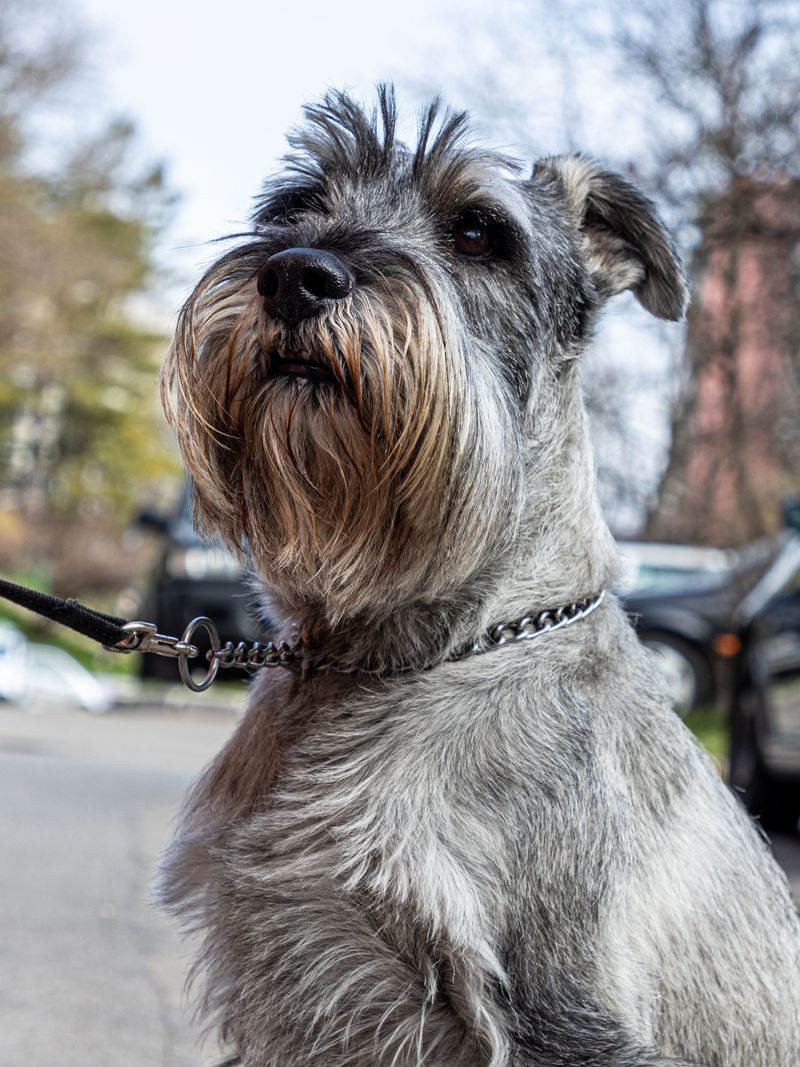
That sharp beard hides a smart eater. Mini Schnauzers can have higher risks of pancreatitis, so avoid very fatty foods and greasy treats.
Lean proteins and controlled fat levels are wiser choices. Fiber and omega-3s support digestion and skin under that wiry coat.
Because they love snacks, use tiny training bites and measure meals with a cup. A regular feeding schedule steadies energy.
Occasional fish-based formulas can help itchy skin and keep the beard sleek.
Siberian Husky

Bred to pull and travel, Huskies are efficient eaters. They often need slightly fewer calories than owners expect, especially off-season.
Focus on quality protein and fats for endurance, and ensure ample omega-3s for skin under that dense coat. Hydration matters in both winter and summer.
Watch for zinc-responsive skin issues. Balanced mineral levels and fish-based formulas can help.
Keep meals consistent around training, and use small, high-value treats to avoid extra pounds hiding under fluff.
Boxer

All bounce and bright eyes, Boxers need fuel that is easy to digest. Many have sensitive tummies or gas, so choose simple formulas with probiotics and limited fillers.
Solid protein supports muscle, while taurine and carnitine can aid heart health.
Because Boxers are active, time meals away from intense play. Omega-3s help skin and reduce post-exercise soreness.
Keep treats lean. Regular vet checks for cardiac wellness pair well with a nutrient-dense, gentle-on-the-gut plan.
English Bulldog
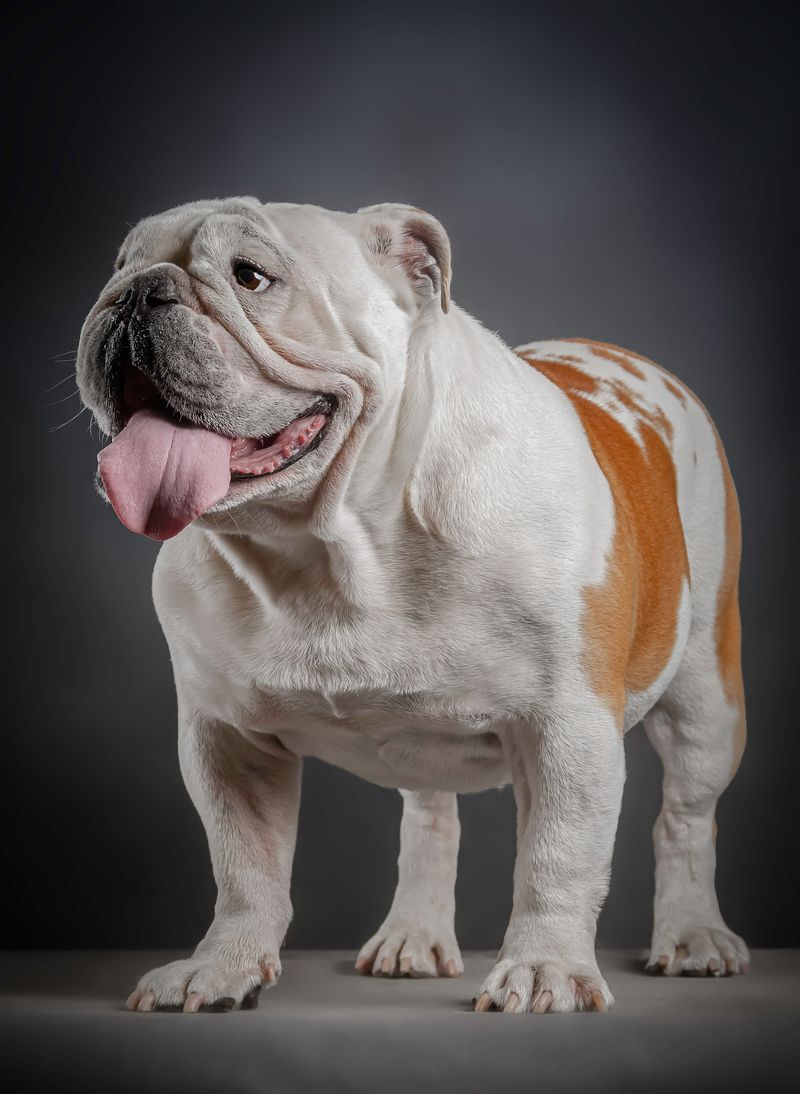
With a chill vibe and sturdy frame, Bulldogs do best with mindful portions. Extra weight makes breathing and joint comfort harder.
Look for moderately low-calorie foods rich in protein and omega-3s to support skin under facial folds. Probiotics can calm gassy bellies.
Because overheating is a risk, schedule meals around cooler times and encourage gentle walks. Wipe folds to reduce irritation.
Soft, bite-sized kibbles can be easier to manage with their unique jaw shape.
Dalmatian

Spots and speed come with a quirk. Dalmatians can have trouble processing purines, which affects uric acid levels.
A diet lower in purines helps protect urinary health. Choose quality proteins like eggs and some dairy, and keep hydration high.
Frequent potty breaks matter.
Check labels and avoid organ meats. Balanced minerals and slightly higher moisture can support the bladder.
Regular exercise with controlled treats keeps them lean, bright-eyed, and ready for another spirited sprint.
Australian Shepherd

Always thinking and moving, Aussies burn calories with their brains and bodies. A performance-leaning formula with solid protein and healthy fats keeps focus sharp and muscles strong.
Omega-3s support skin and a busy mind. Antioxidants aid recovery after long training sessions.
Because smart dogs can get snacky during drills, use tiny treats to avoid extra weight. If activity dips, trim portions.
Rotate proteins occasionally to keep meals interesting while maintaining balance and digestive comfort.
Yorkshire Terrier

Small frame, big sparkle. Yorkies benefit from calorie-dense, toy-breed kibble that fits tiny jaws.
Quality protein supports that silky coat, while omega-3s and biotin add shine. Because little dogs crash faster between meals, regular feeding times help steady energy.
Dental care matters, so crunchy kibbles or dental chews can help. Watch fat levels if treats pile up.
Sensitive tummies may prefer gentle, single-protein recipes. A cozy routine pairs nicely with a balanced, bite-sized menu.